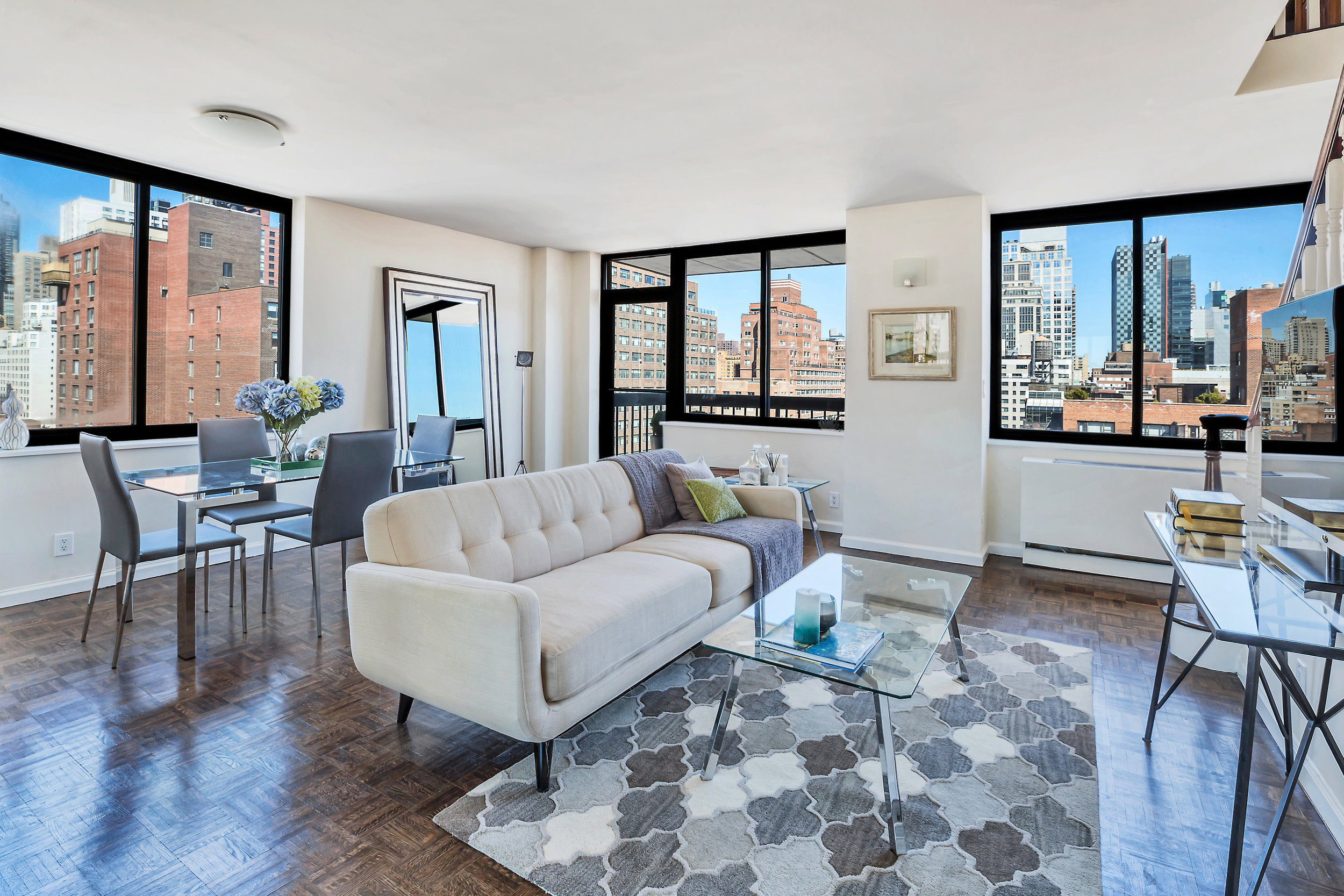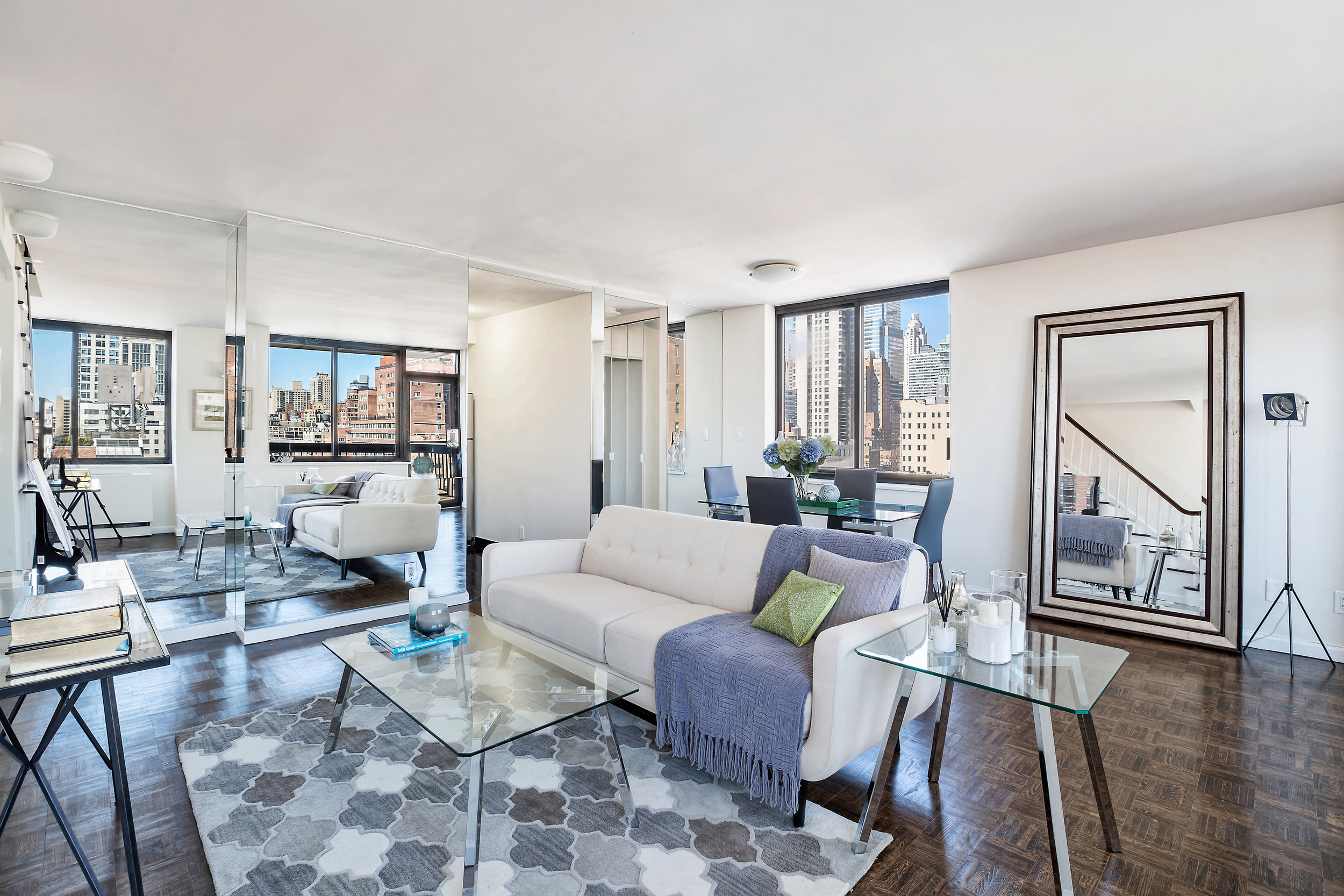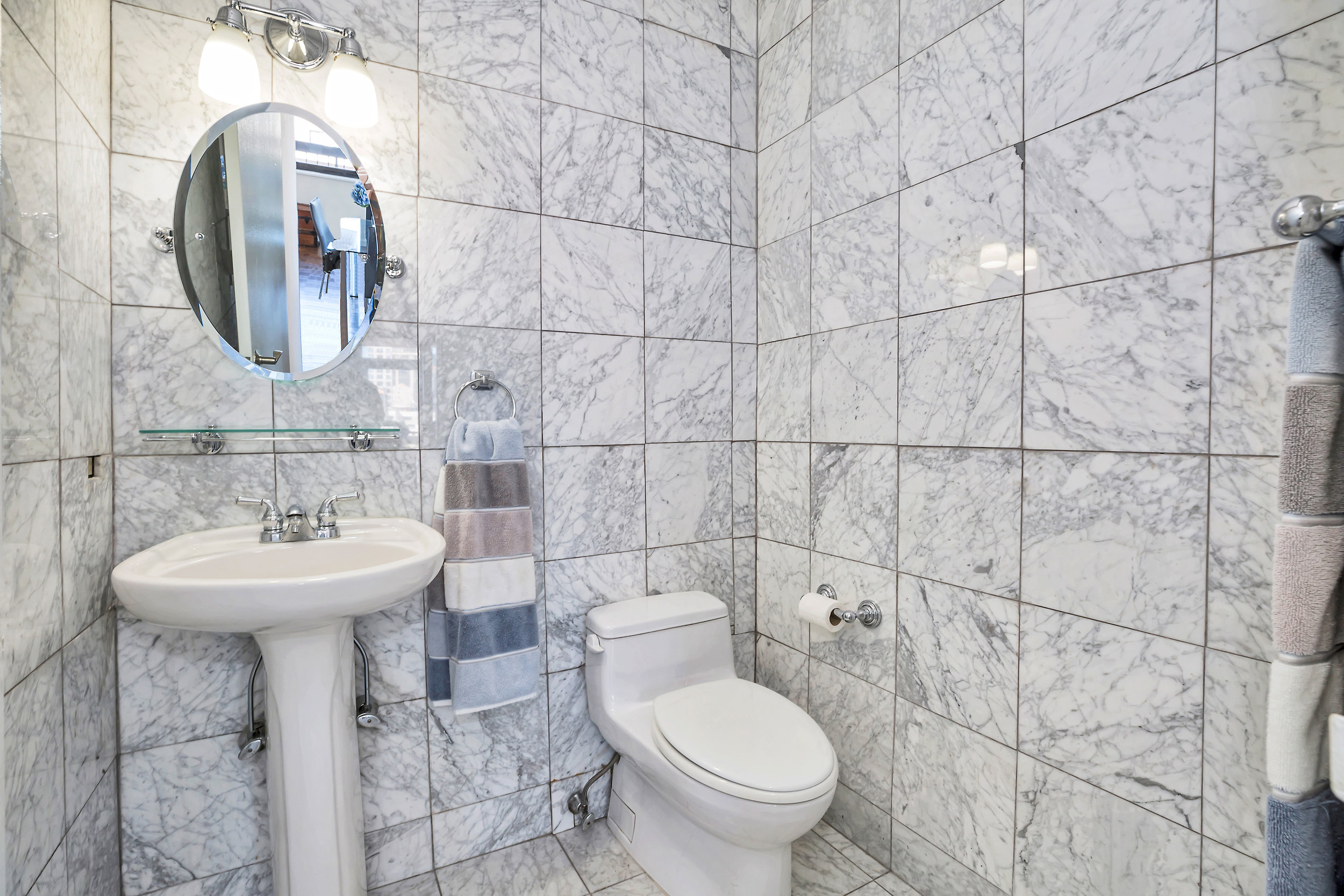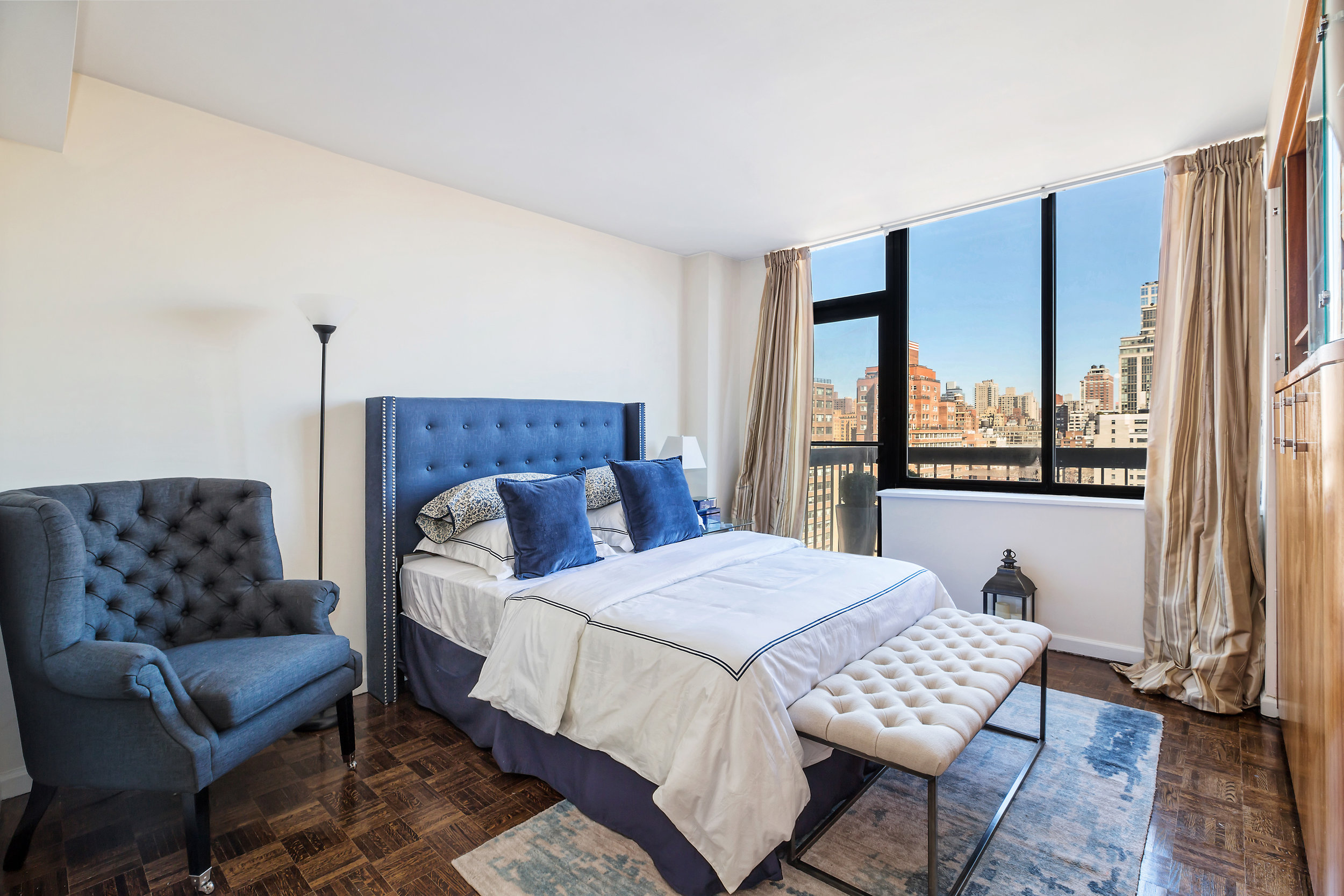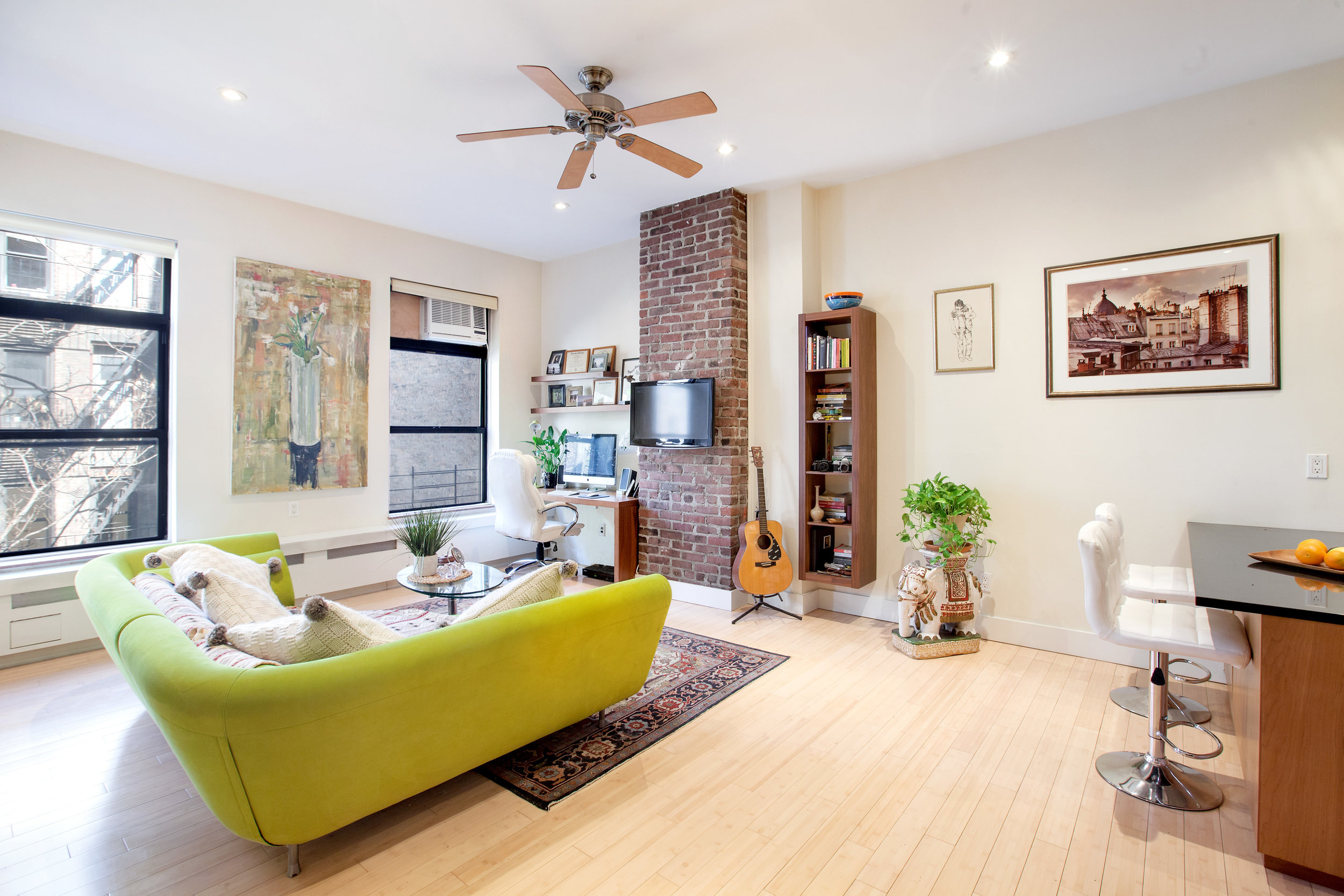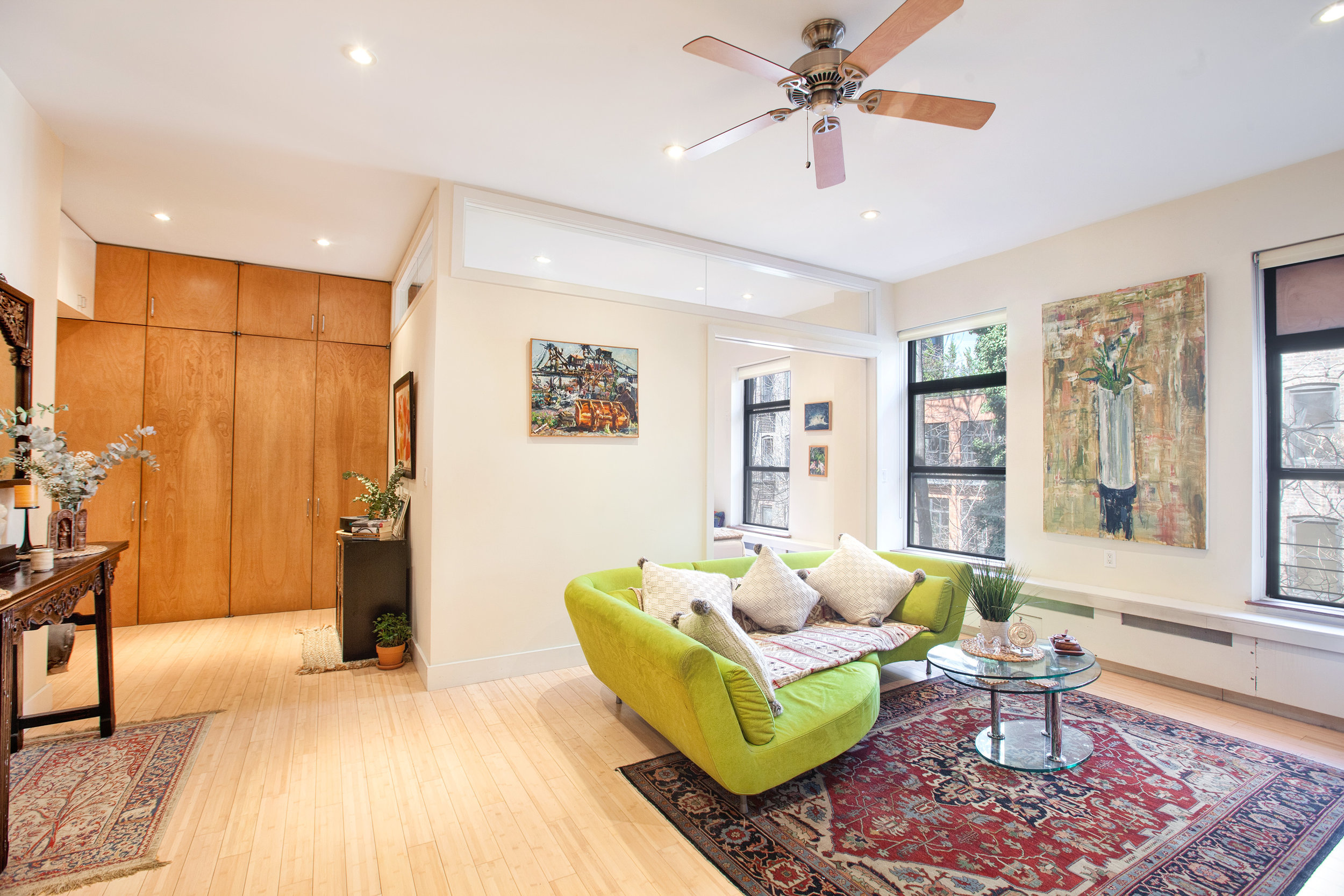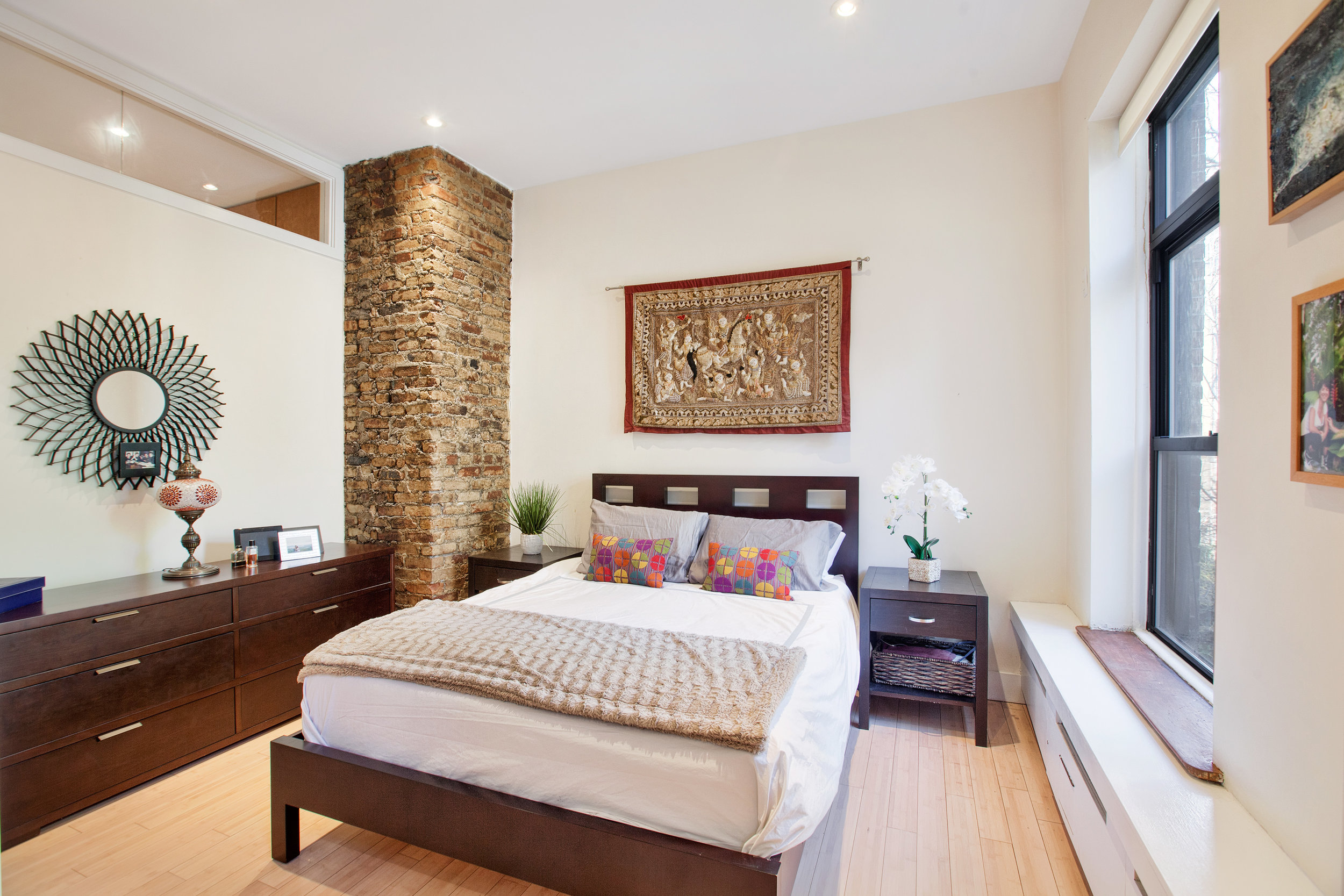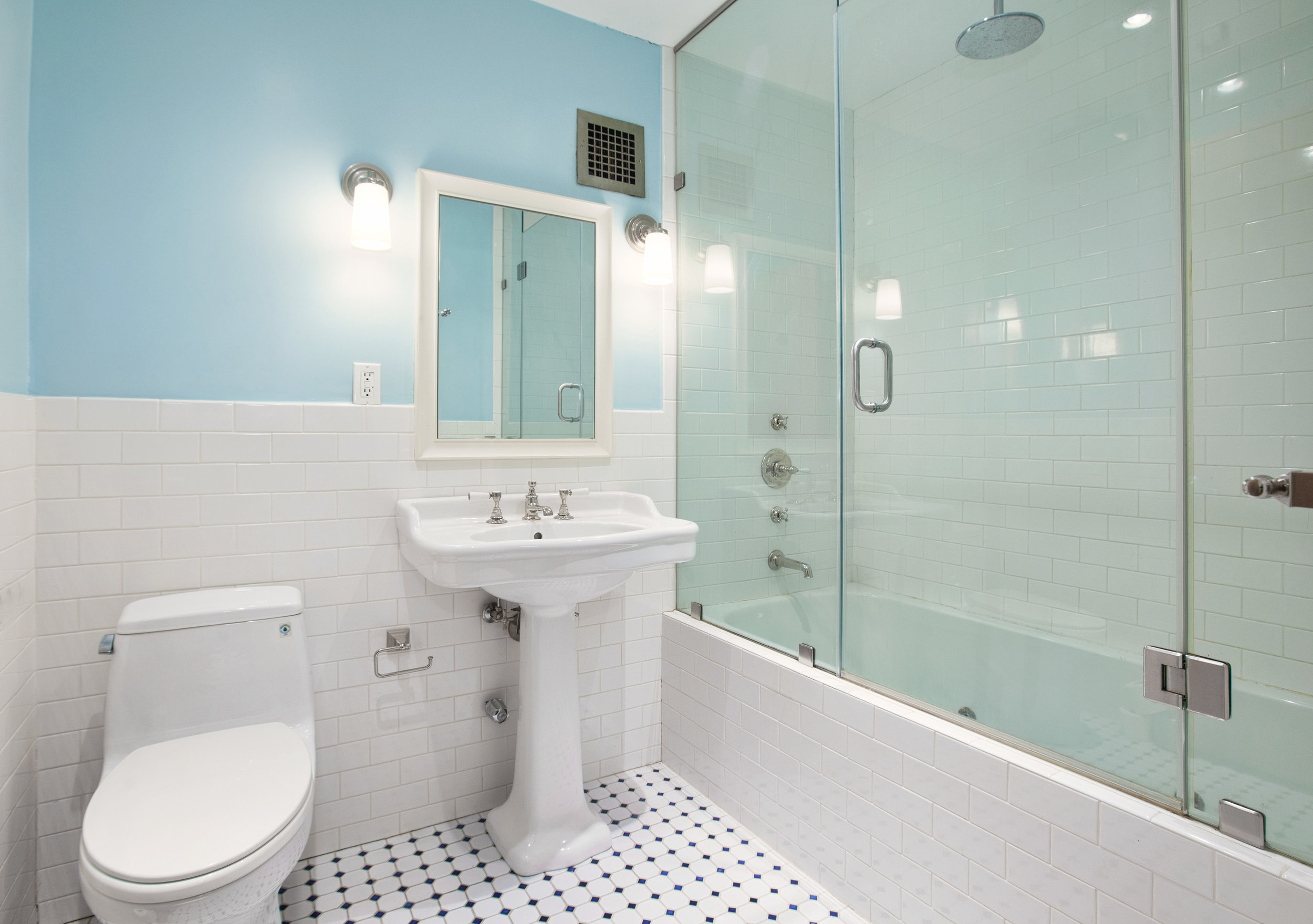
Nearly 250,000 NYC Rental Apartments Sit Vacant

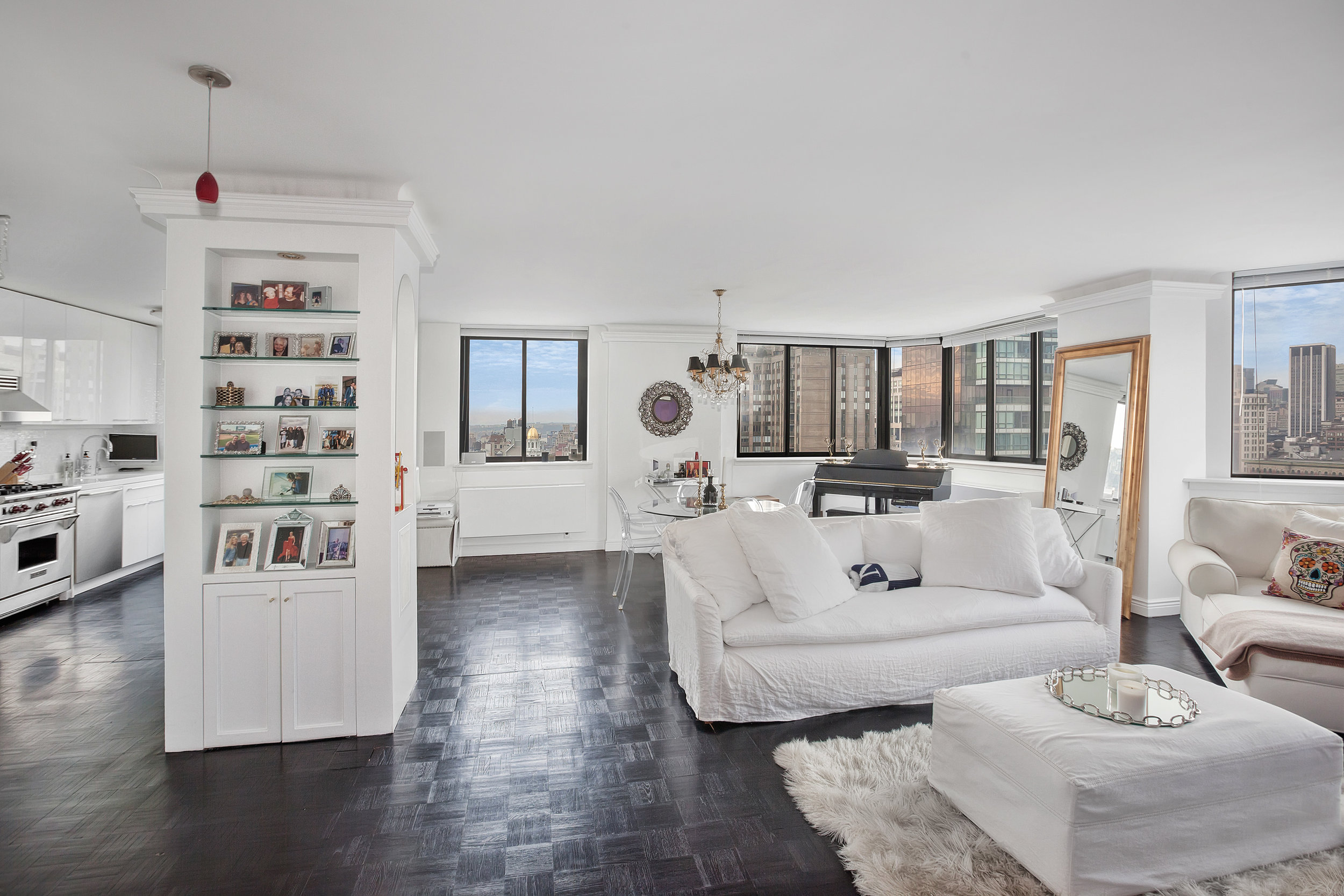
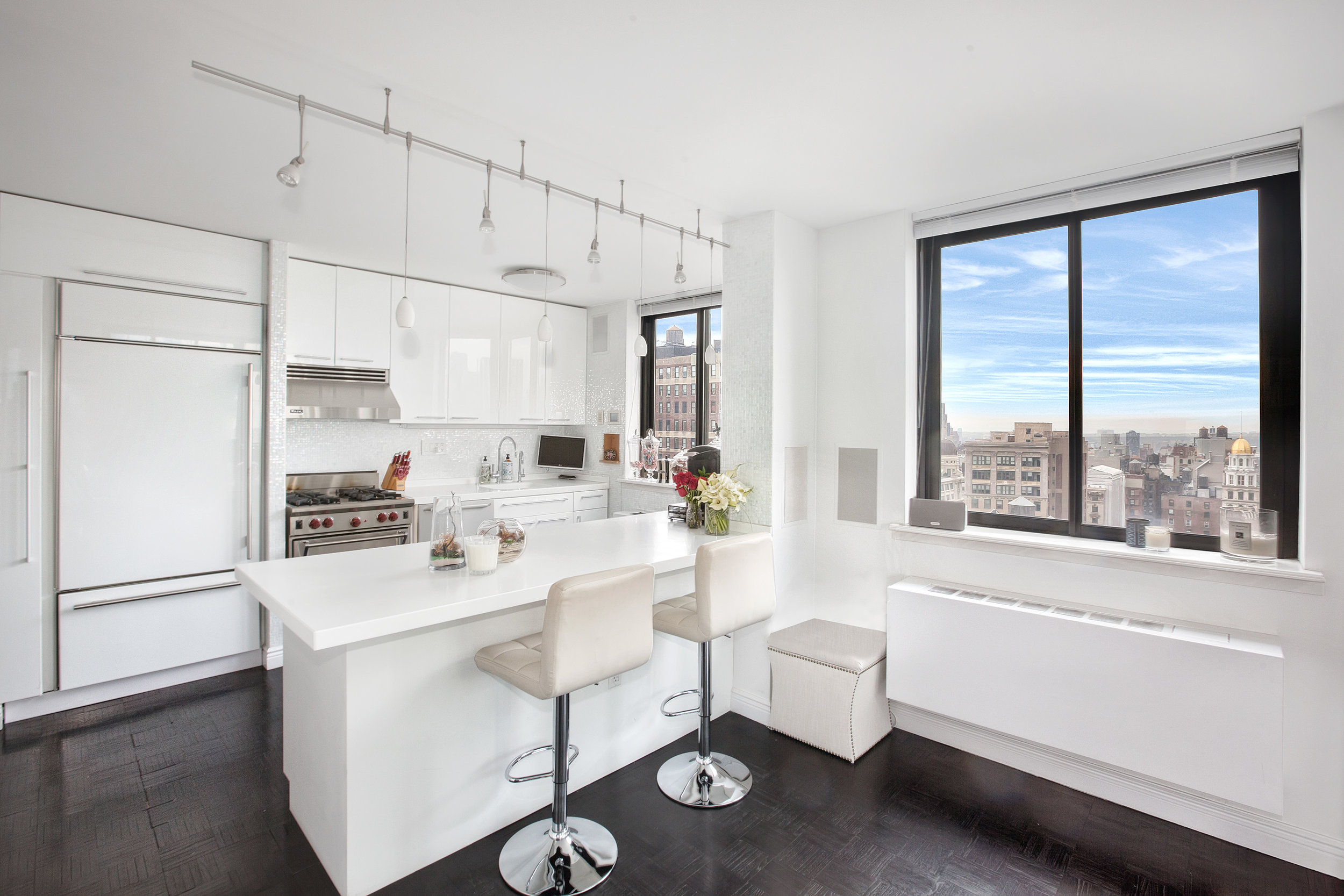
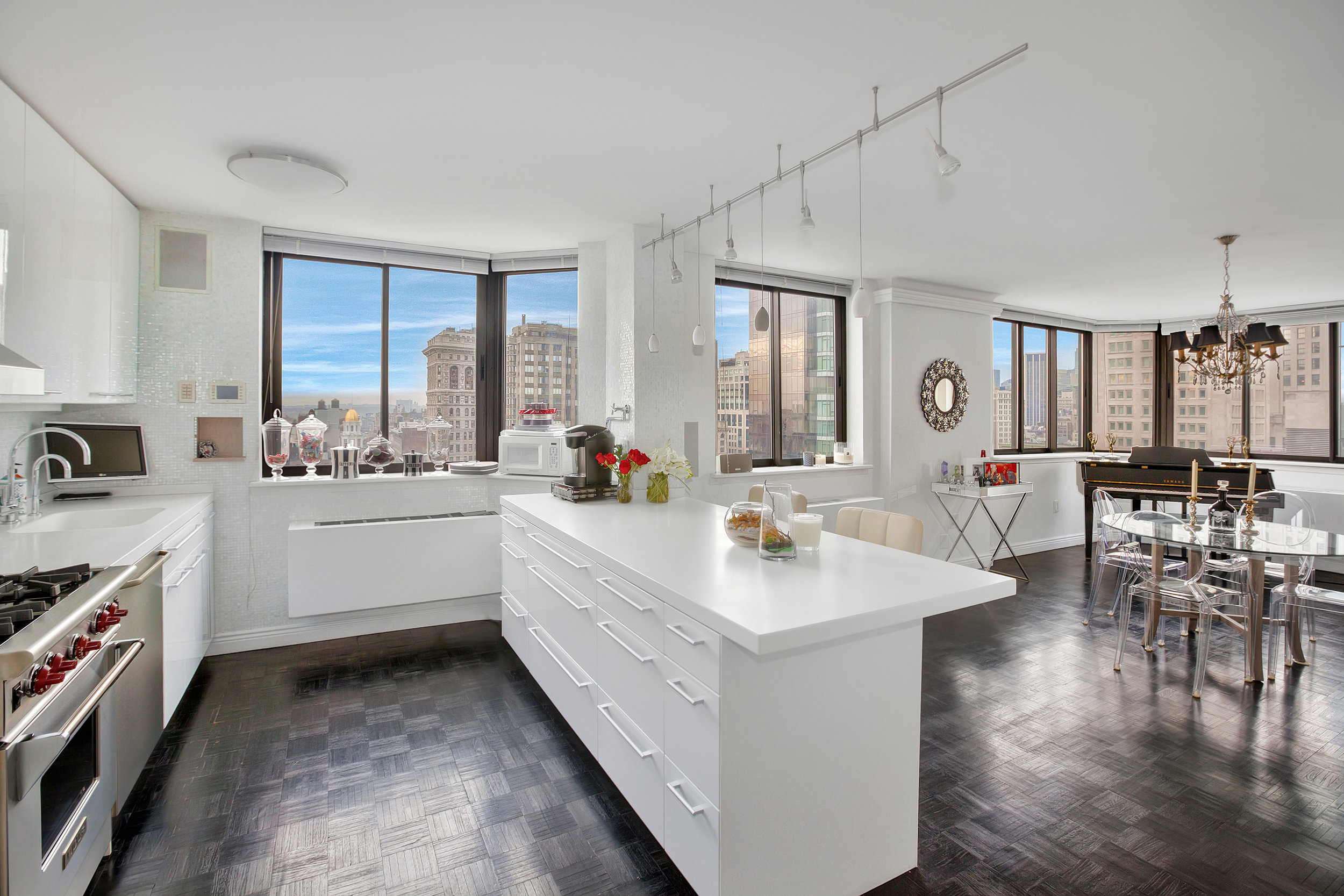
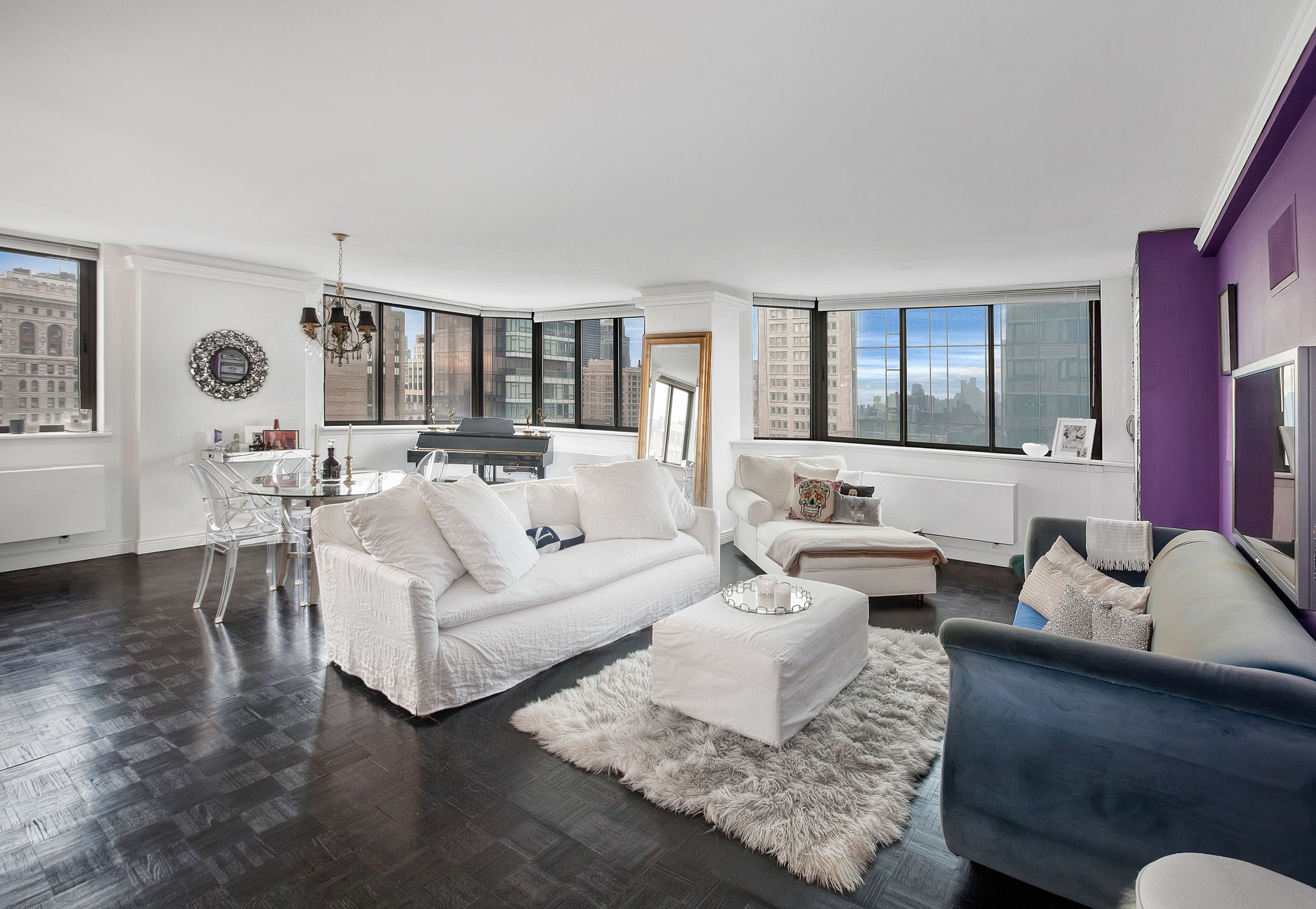
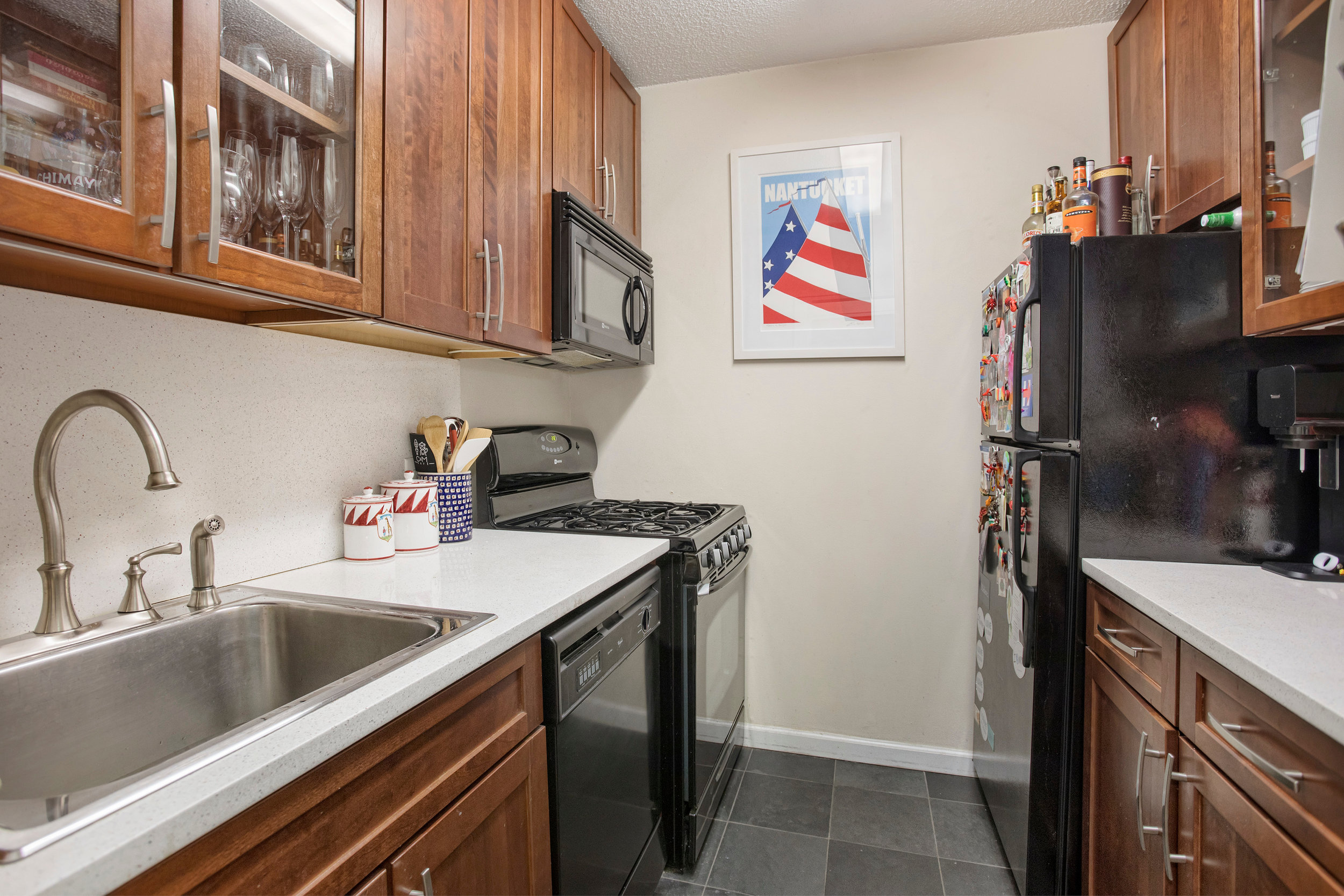
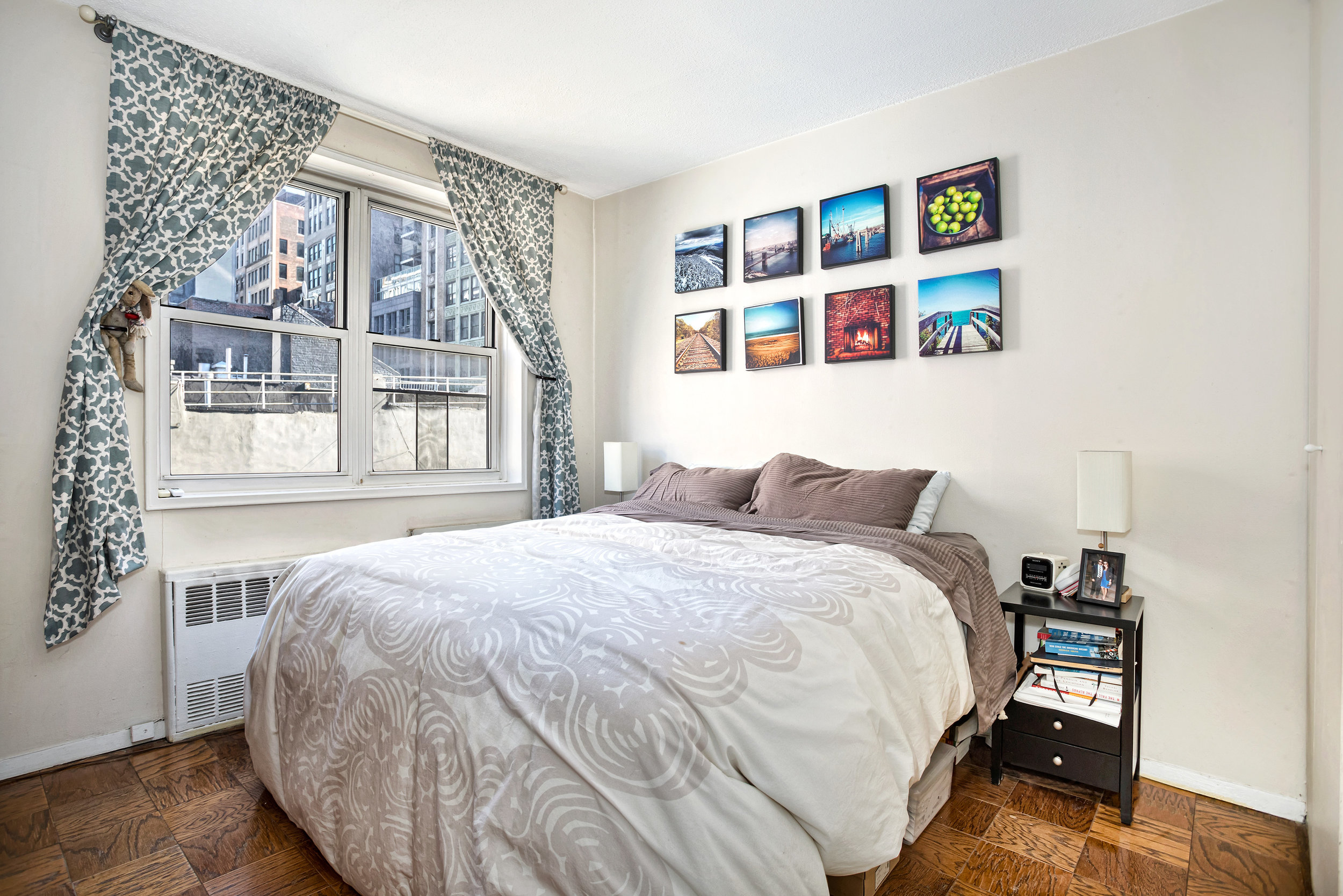
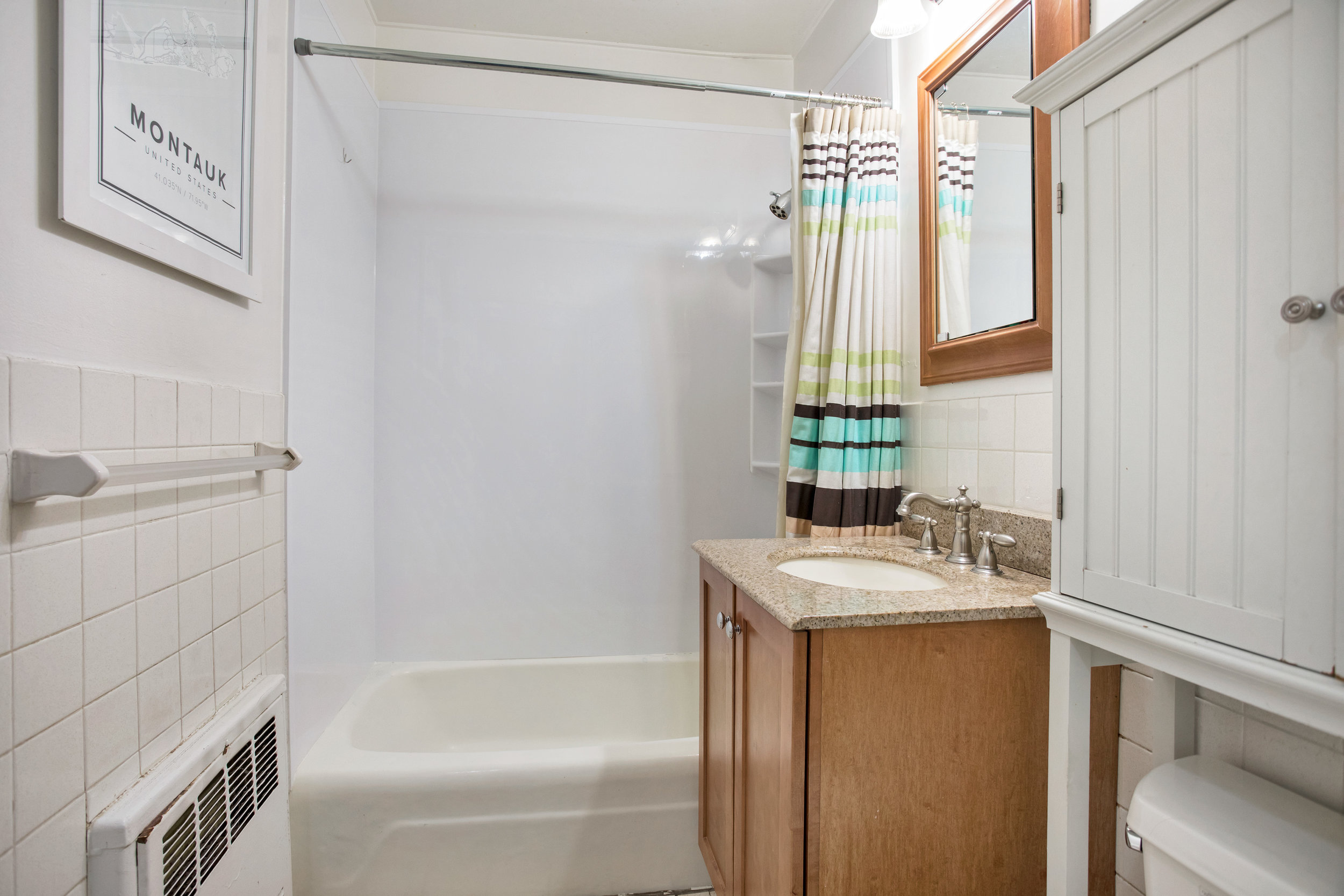
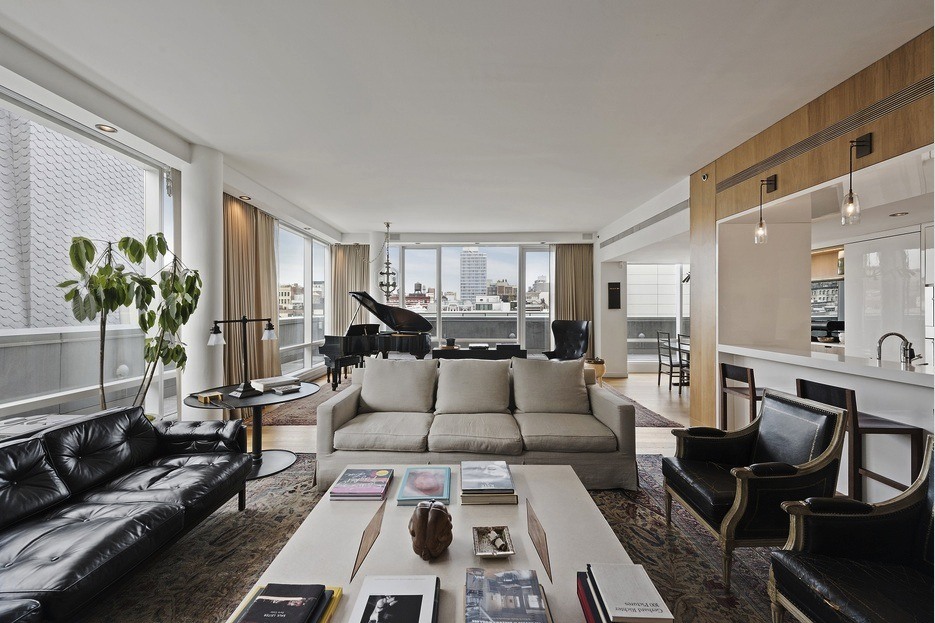
Early numbers from the Census Bureau’s Housing and Vacancy Survey show that the number of unoccupied apartments throughout New York City has grown significantly over the past three years–a whopping 35 percent to 65,406 apartments since 2014, when the last survey was taken. As the Daily News puts it, “Today, 247,977 units — more than 11% of all rental apartments in New York City — sit either empty or scarcely occupied, even as many New Yorkers struggle to find an apartment they can afford.” One reason for the growing vacancy rates, as the article states, is the city’s high rent, which has risen twice as fast as inflation.

Of the 247,977 empty units, almost 28,000 have been rented or sold but not yet occupied, or are awaiting a sale. Nearly 80,000 are getting renovated, 9,600 have been tied up in court, and 12,700 are vacant because the owner is ill or elderly. Still, that leaves over 100,000 units, and the census finds 74,945 are only occupied temporarily or seasonally, with 27,009 held off the market for unexplained reasons.

Many of the 75,000 temporary apartments are pied-à-terres–think weekend or vacation homes for the rich–a number that’s expanded from 9,282 in 1987. As for that unexplained 27,009 units, housing advocates believe that landlords are deliberately holding apartments off the market, perhaps in order to rent them out on services like Airbnb.

Then, of course, the vacancy rate for the ever-pricier luxury pads hitting the market is growing. According to the News, almost half the apartments available for rent cost more than $2,000 a month, and the vacancy rate for them is above 7 percent.

The city’s vacancy rate has long been a controversial–and somewhat elusive–number. Last year, the online real estate marketplace Ten-X predicted a threefold spike in New York City’s apartment vacancy rate that could exceed 11 percent by the end of 2018, as thousands of new apartments hit the market. But their data was questioned, and it was believed that the vacancy rate would continue to hover around four percent.

Regardless, growing vacancy is a problem in a city with an ever-growing affordability and homelessness crisis. One suggestion to lessen the percentage of empty, or rarely used apartments? Moses Gates, of the Regional Plan Association, suggested to the News that the city slap a surcharge on temporary occupancy. “Either the person moves in full time, the person pays the charge, or the person gives it up,” he told the paper.

[Via the NY Daily News]
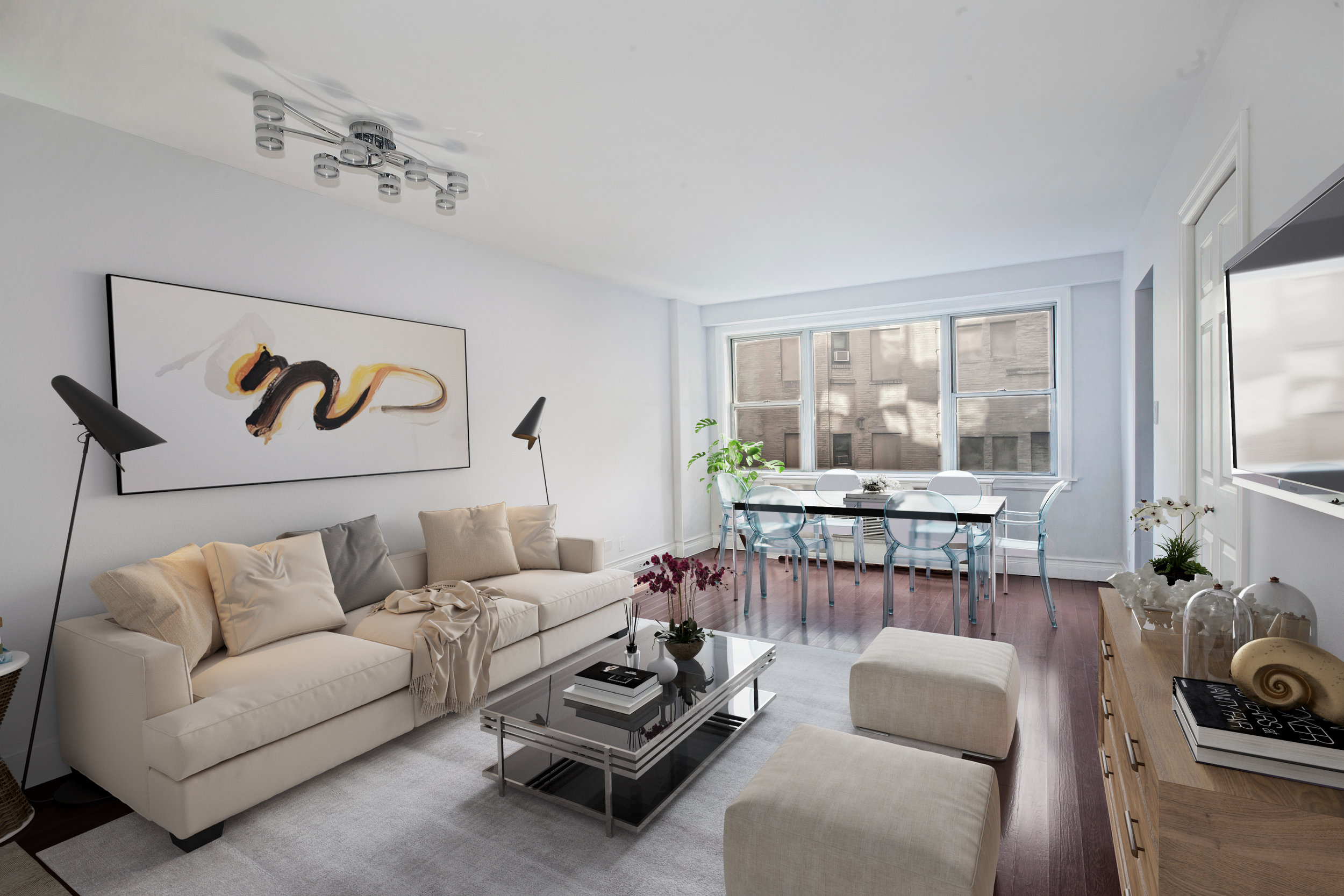
201 East 37th Street, Unit 5H


Learn More

201 East 37th Street, Unit 5H

MIDTOWN EAST, MANHATTAN

Studio  |  1 Bath | Co-op

Offered At $500,000

MM: $673  |  24/7 Doorman  |   Roof Deck


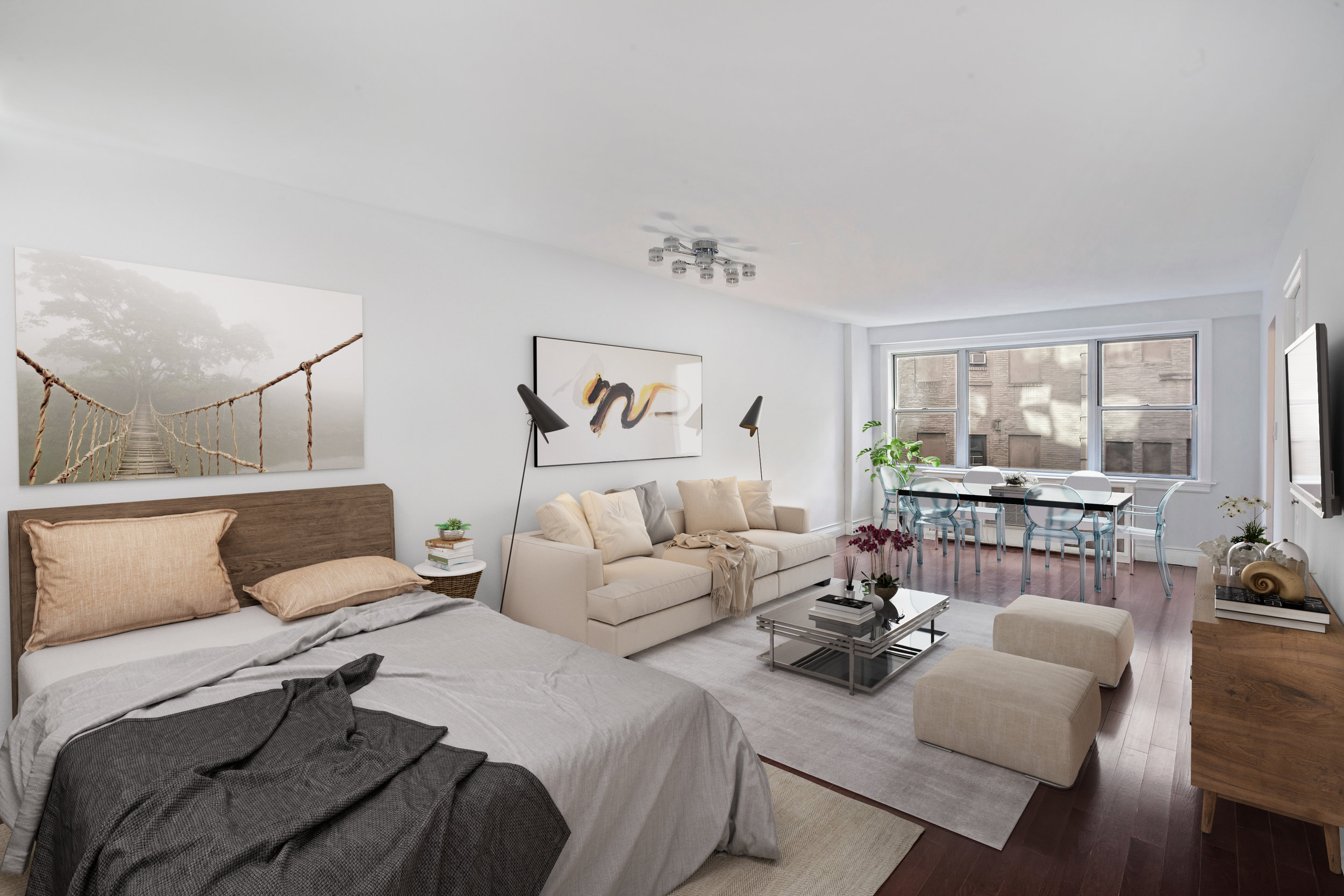
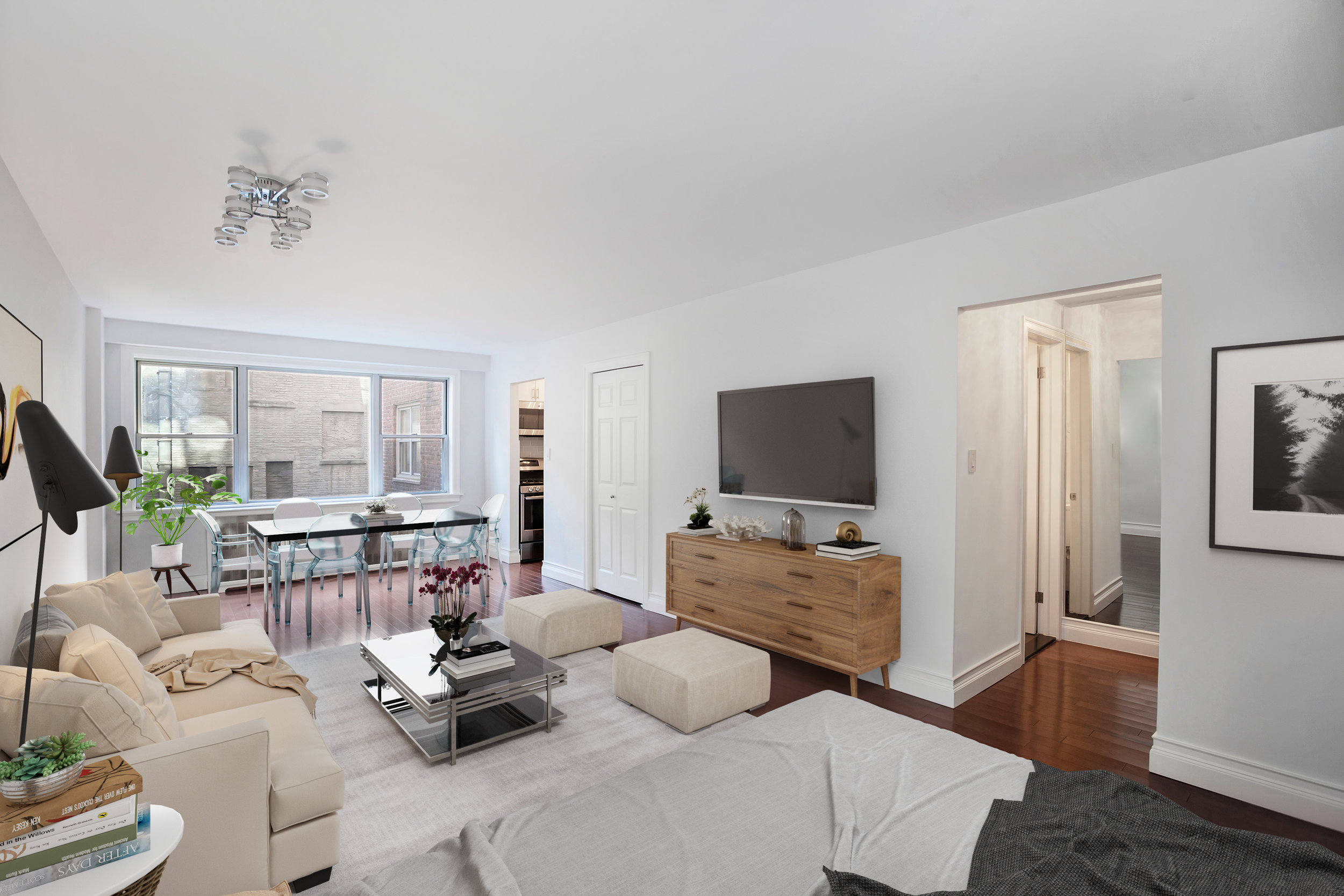
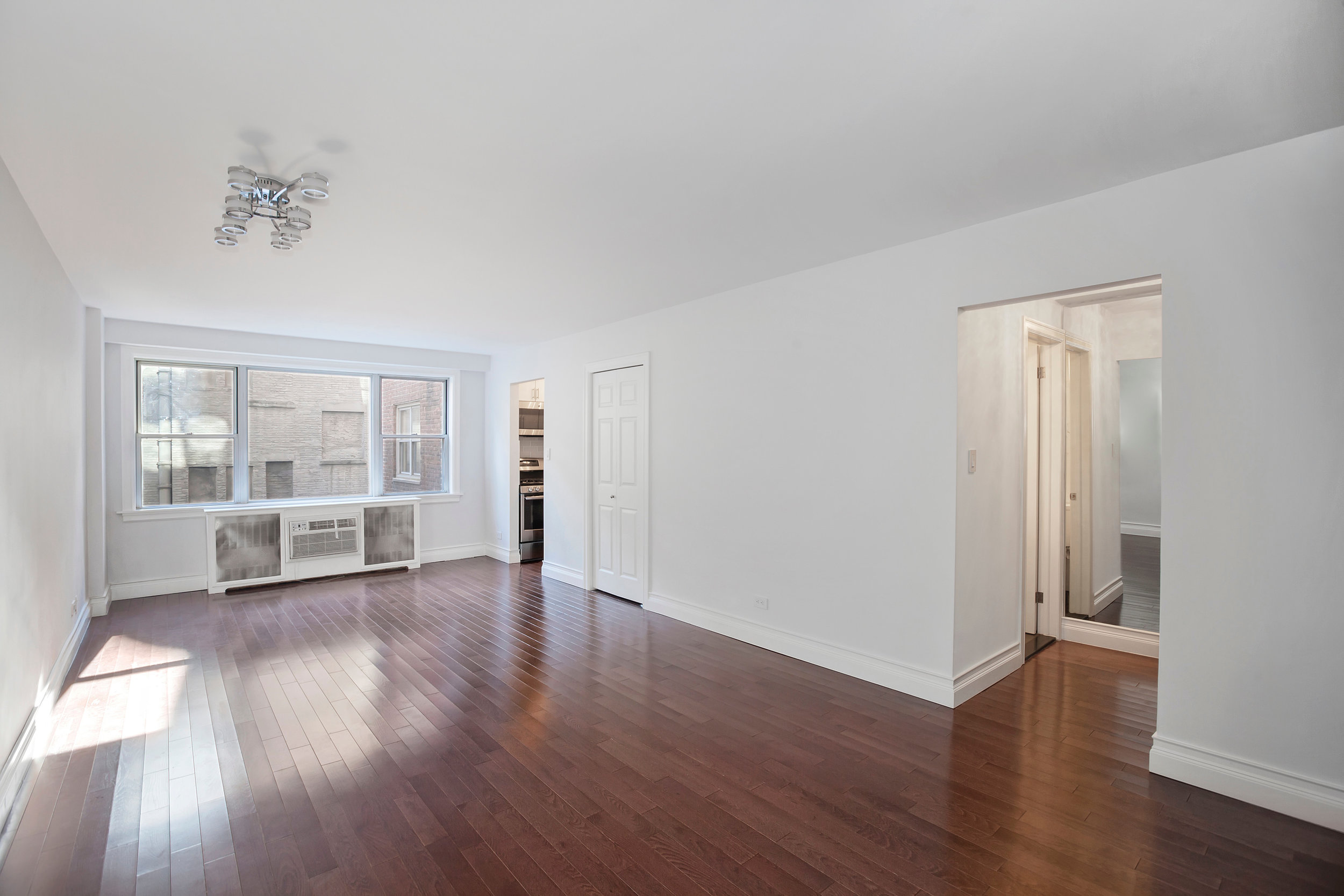
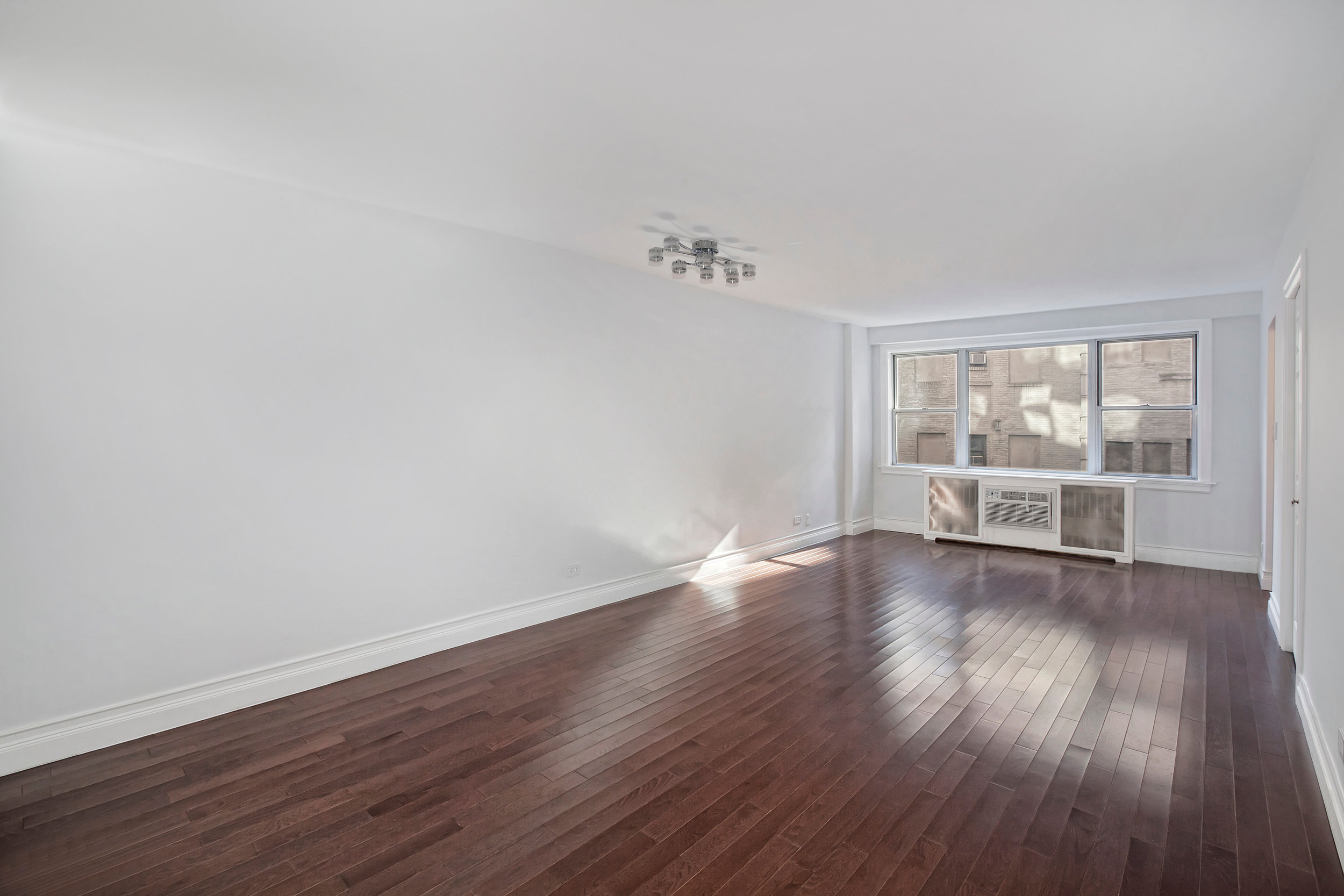
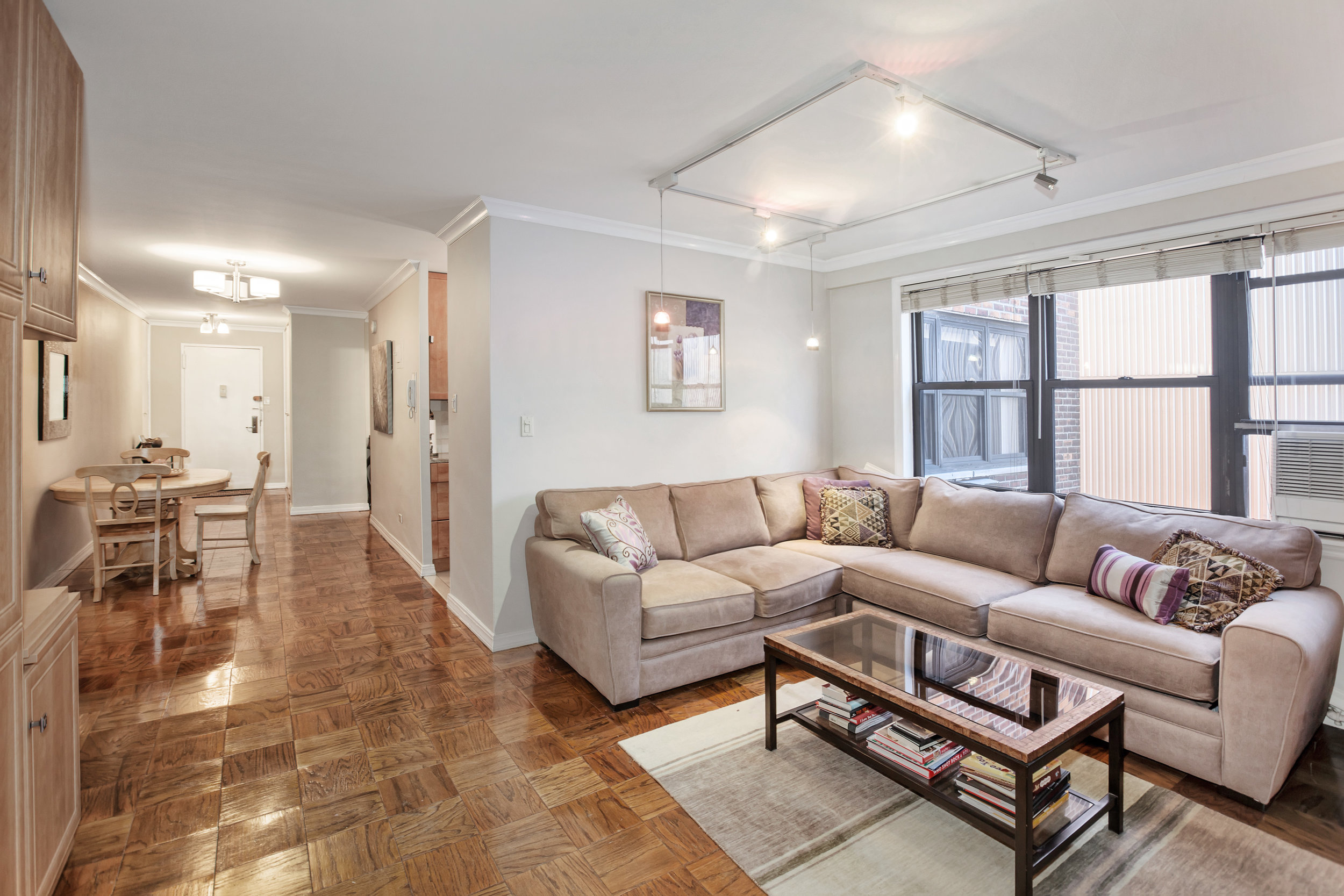
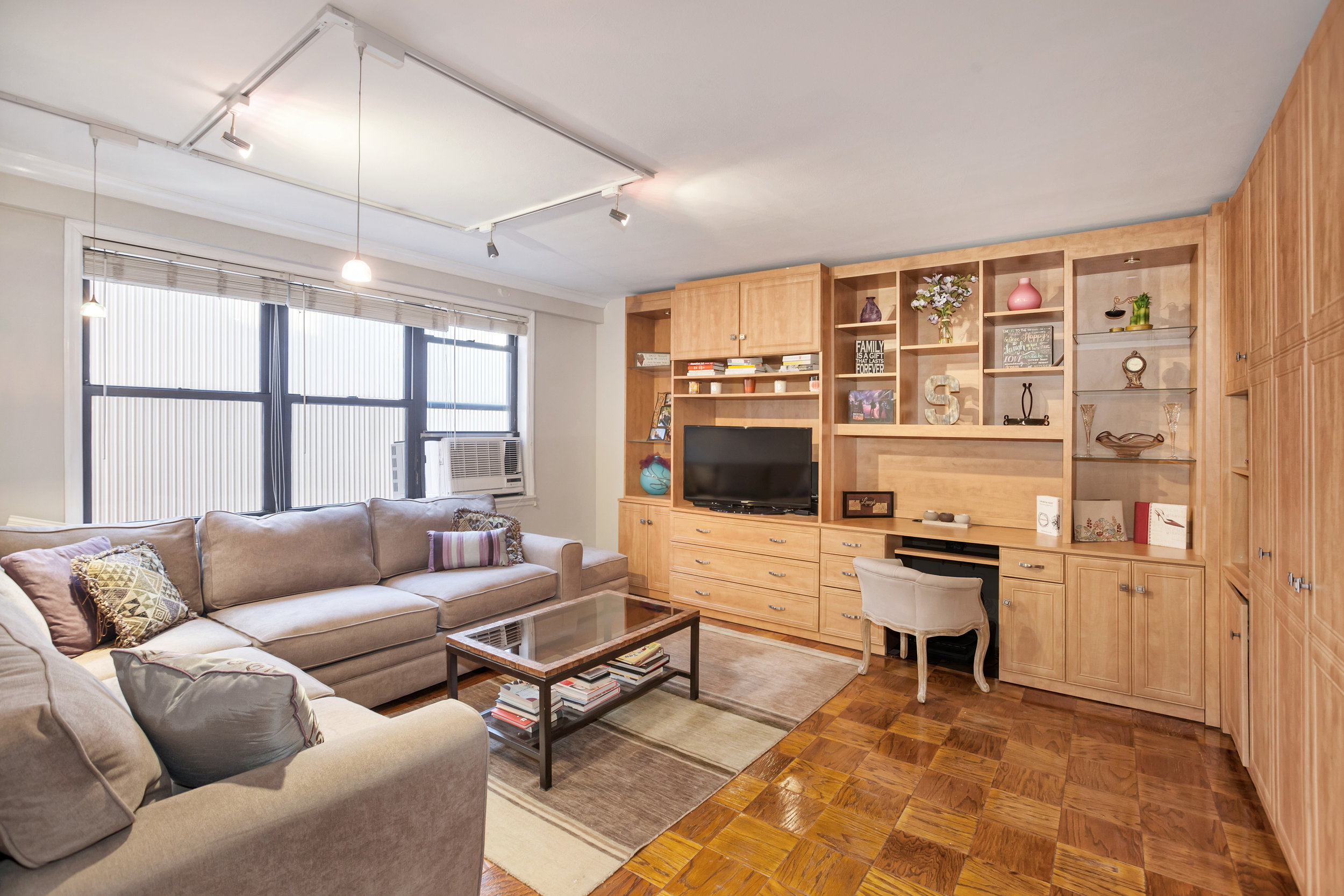
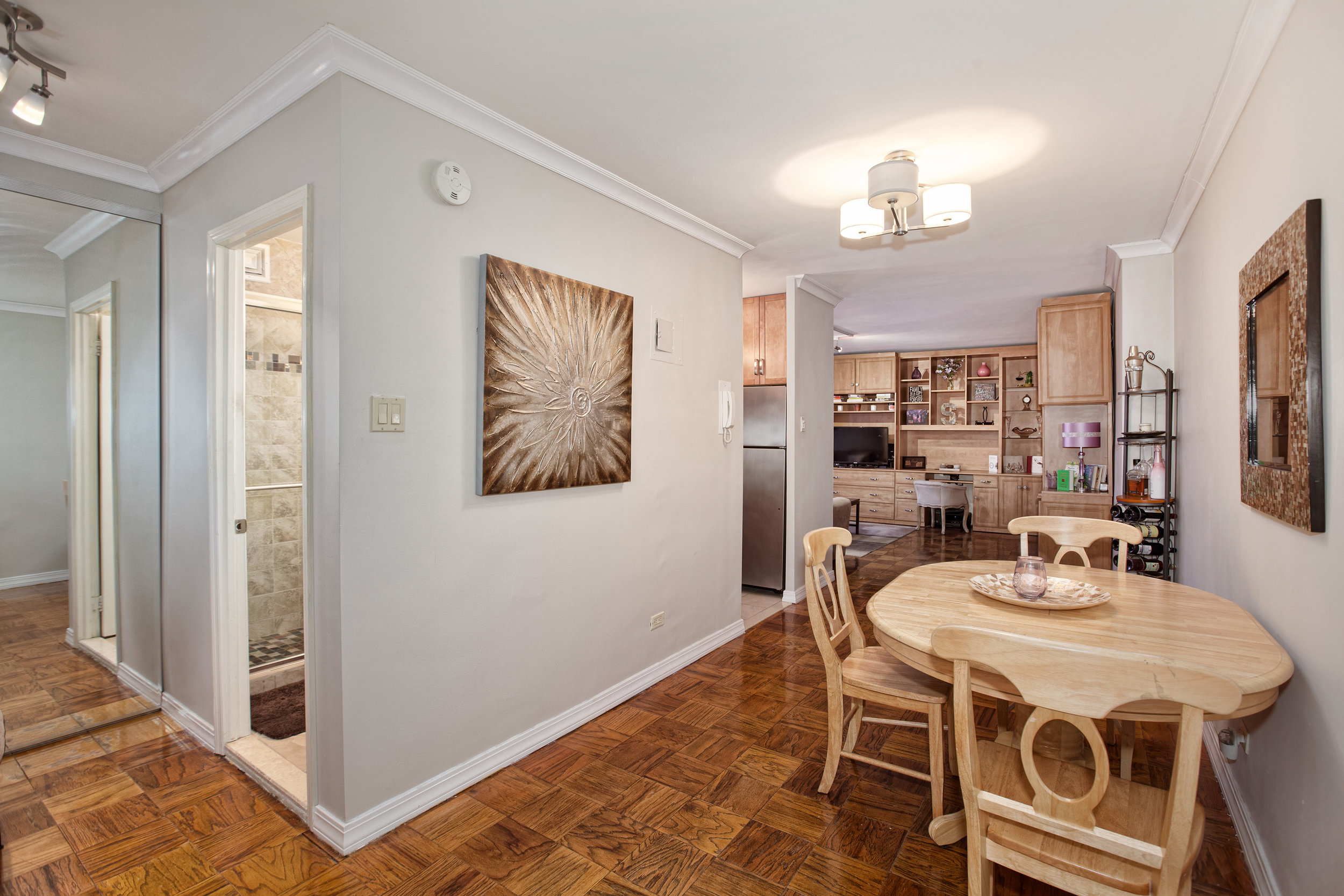
Be the first to live in this beautifully gut-renovated, sunny and spacious studio with fantastic storage, located in a full-service Midtown East cooperative.

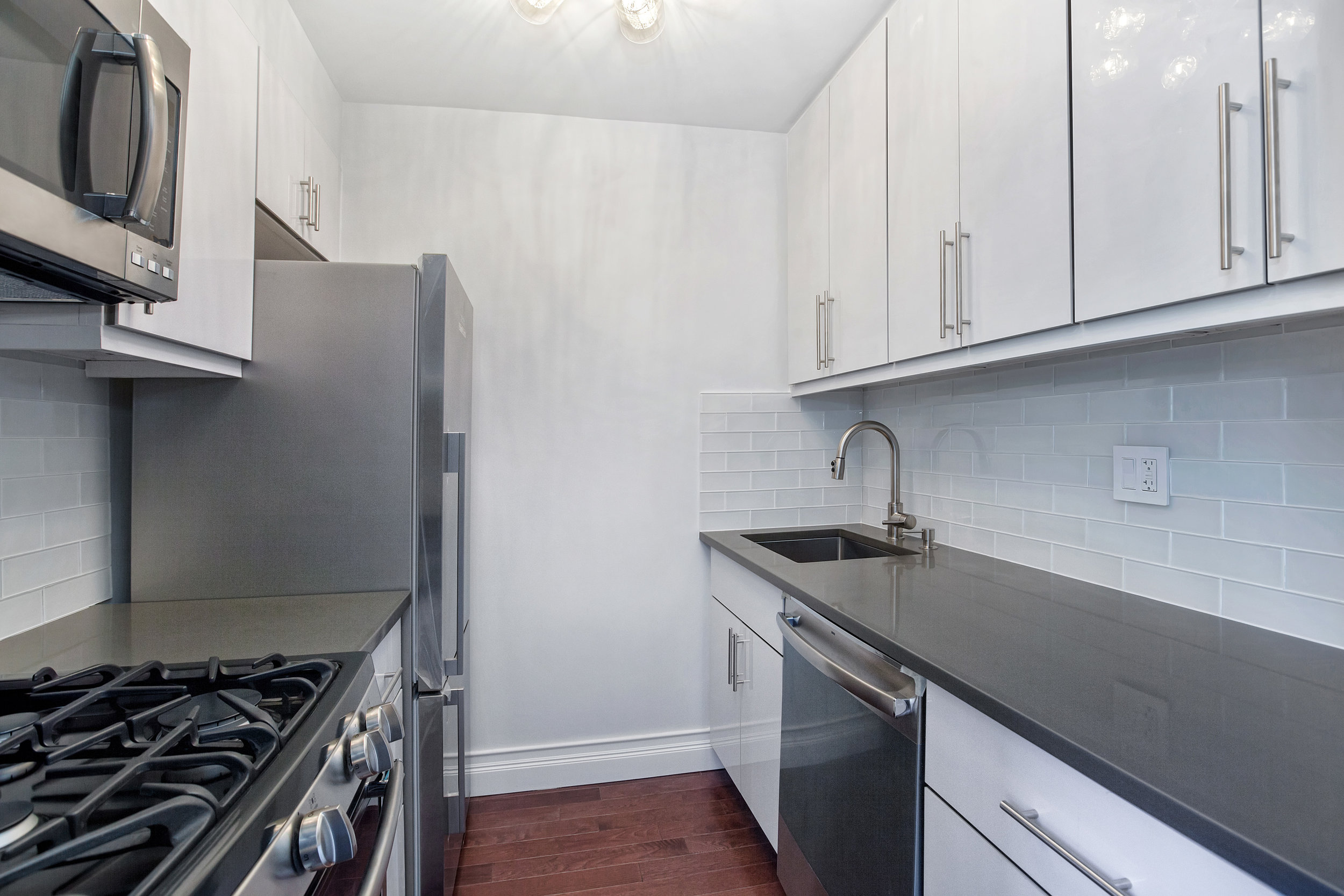
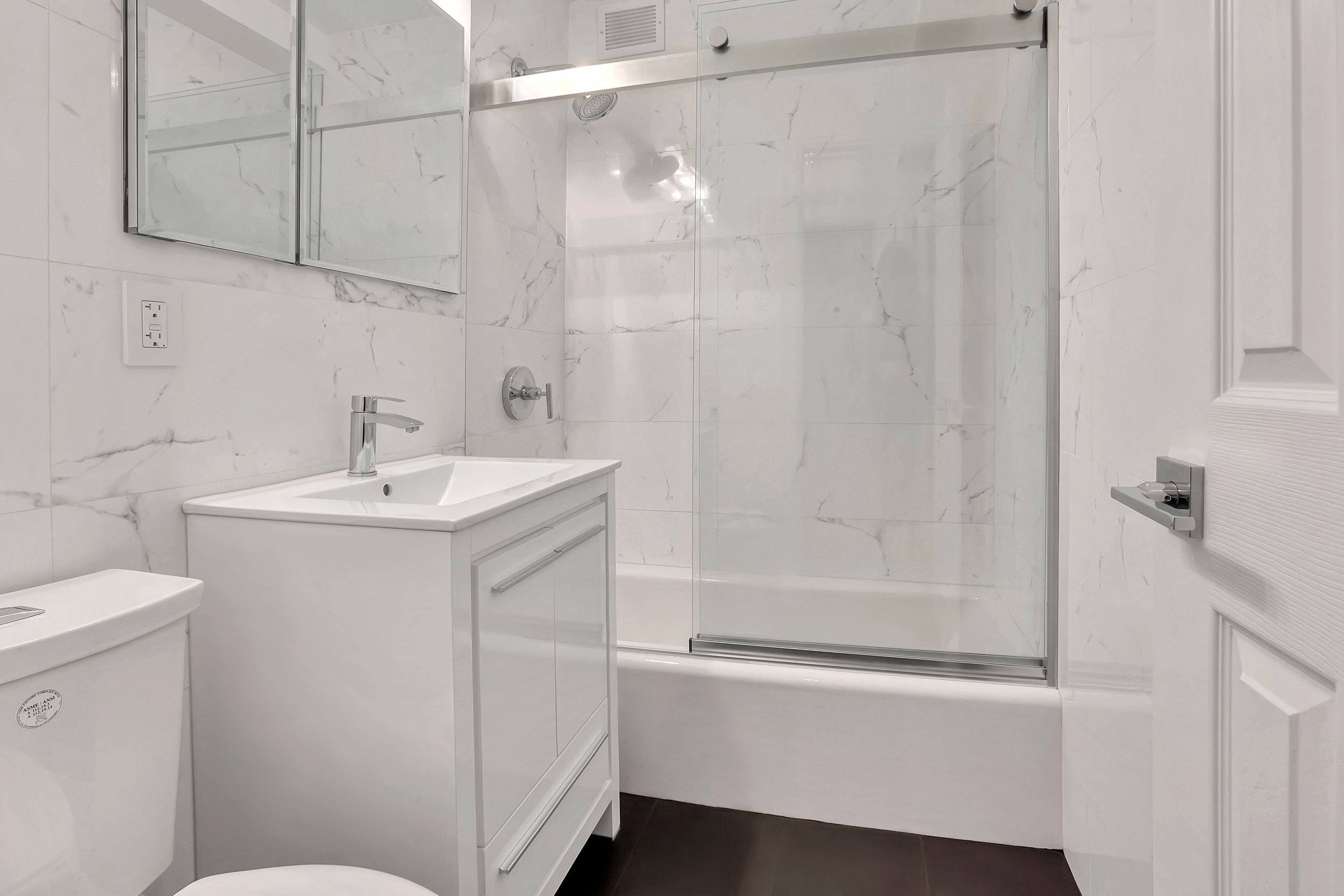
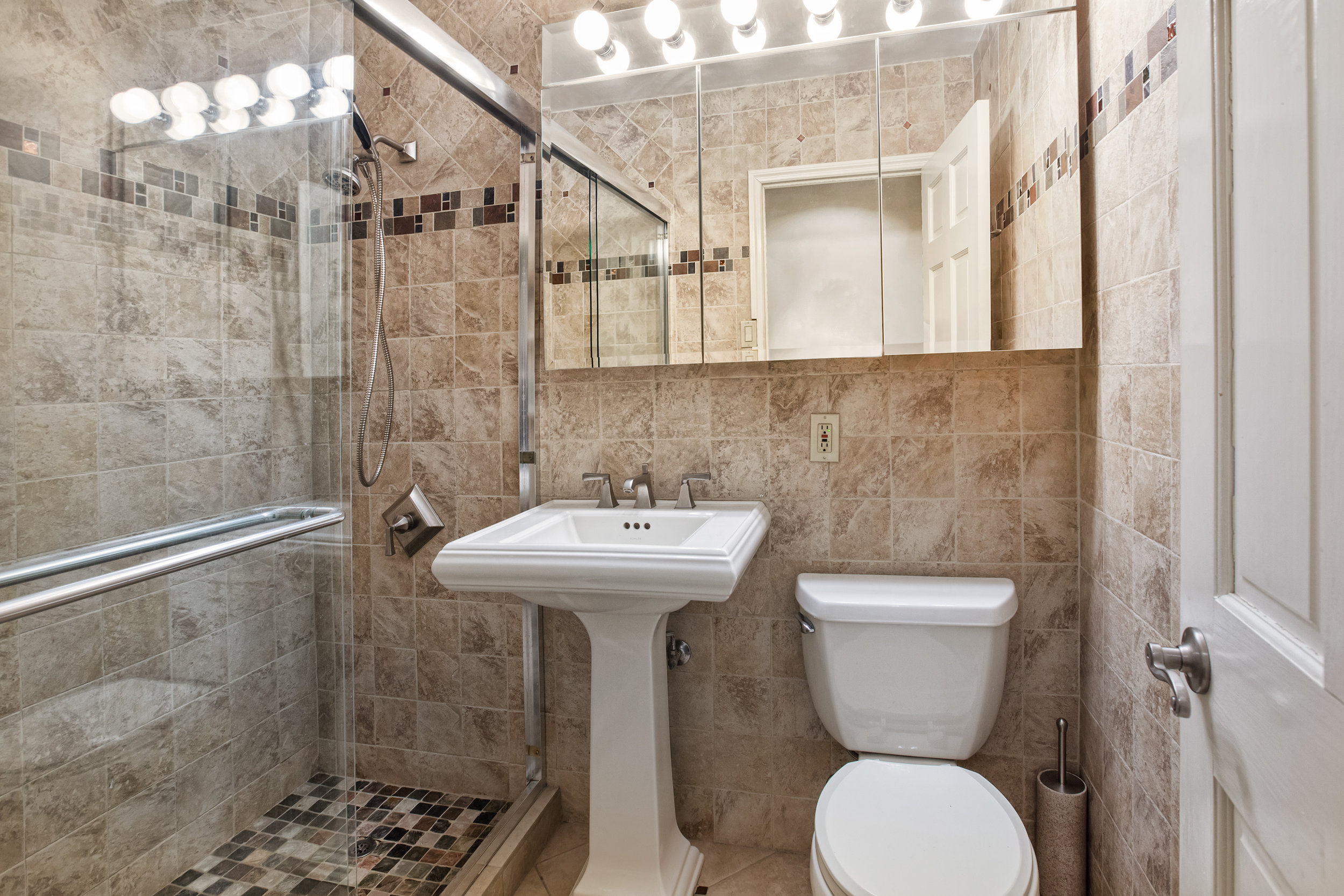
No expense was spared or detail overlooked in this lovely home's stunning transformation. From brand-new deep-stained wood flooring to skim-coated walls, every surface and finish is flawless. A wide east-facing window floods the home with light, providing sunny living and sleeping quarters. The completely reimagined kitchen far surpasses those typically found in studio homes, with rows of tall high-gloss cabinets, glass tile backsplashes, quartz countertops, under-cabinet lighting, deep sound-deadening sink, and top-of-the-line stainless steel appliances and fixtures, including a dishwasher and gas convection oven, by Fisher + Paykel, Blanco and GE. A spacious dressing room and floor-to-ceiling mirror leads to the entryway of the white-on-white bathroom, where you'll find stunning wide format Porcelanosa tiles and modern fixtures, including a roomy Fresca vanity, recessed medicine cabinet, and an insulated Kohler cast-iron tub with rainfall shower and spa-like sliding glass doors. Designer lights with dimmers adorn every room, and three extra-large closets, including a massive walk-in, provide superlative storage space. Through-the-wall air conditioning provides year-round comfort, and this unit is adjacent to a stairwell for extra peace and quiet..

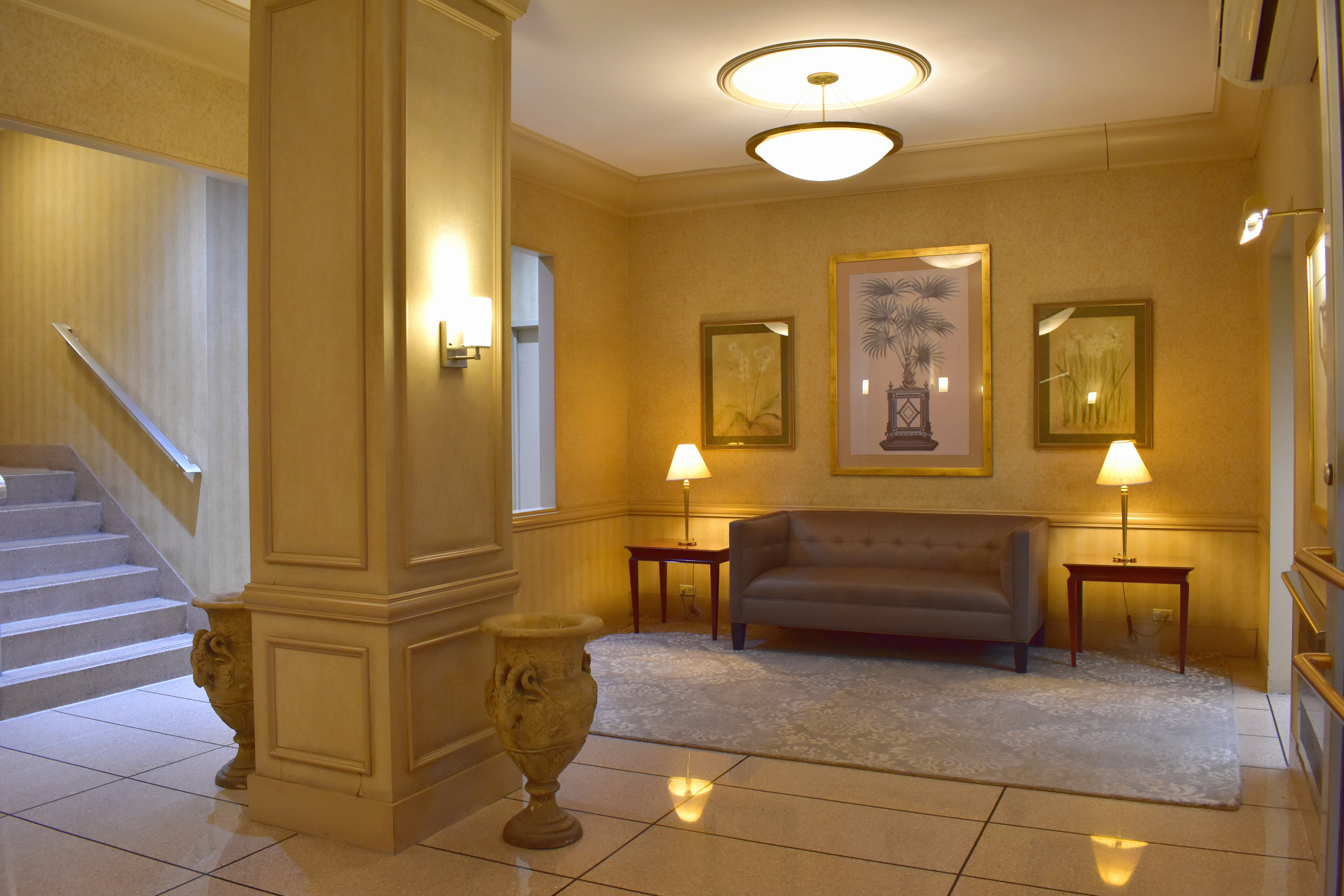
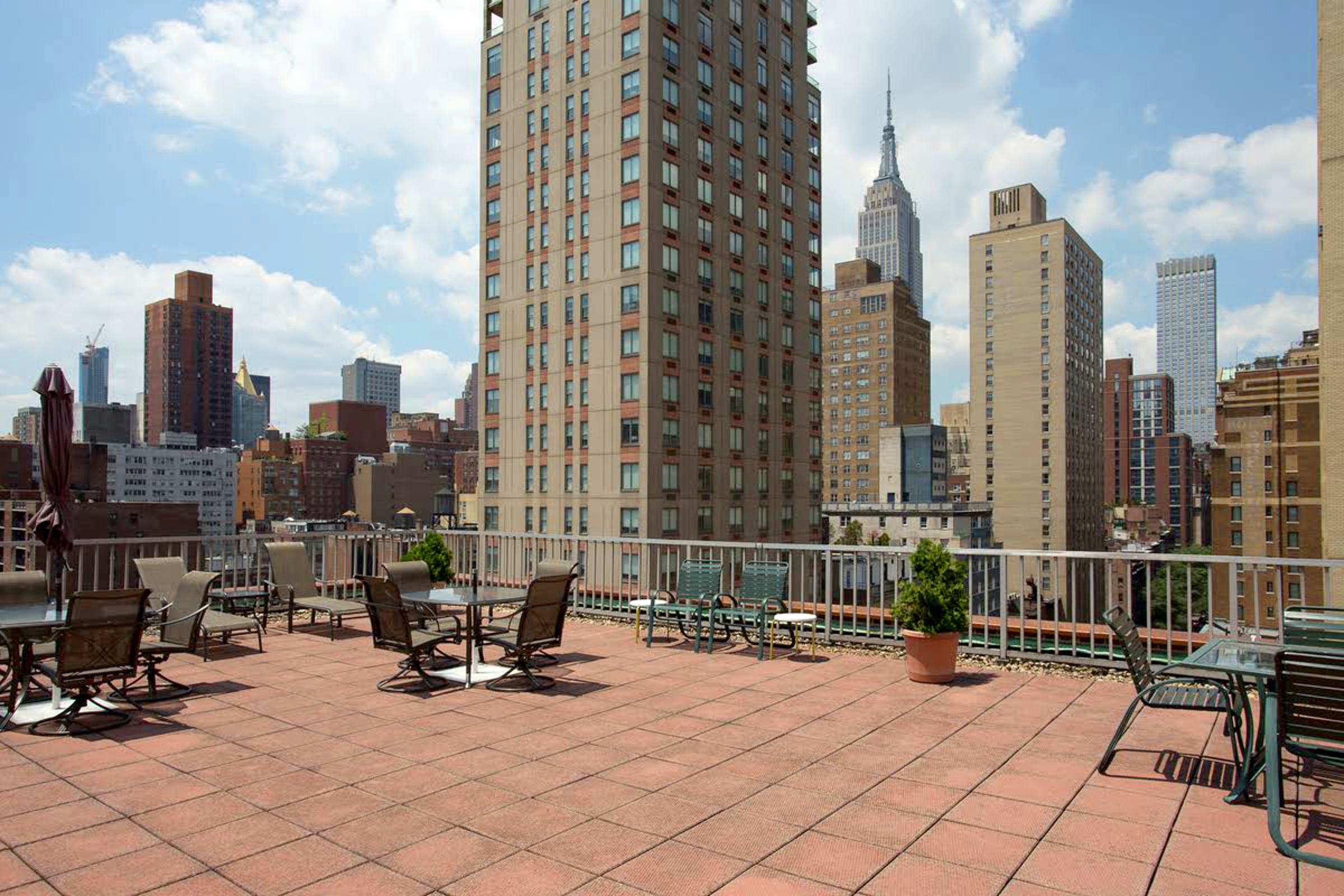
The Wingate is a postwar co-op building known for its attentive staff, including 24/7 doorman/concierge service and live-in superintendent. Residents of this elevator building enjoy central laundry, common storage, a bike room and a lovely furnished rooftop deck with breathtaking city and river views. Building financials are excellent with low monthlies. Bulk electricity and discounted cable TV are available for extra savings, and residents have the option of installing Fios. Pieds-à-terre, parental and co-purchases, guarantors and sublets are permitted upon board approval. Cats, but not dogs, are allowed. No flip tax..

Located on a tree-lined block, this home offers fantastic proximity to nearby shopping, dining and nightlife with easy access to Midtown, NoMad, Chelsea and Kips Bay. NYU Medical, the United Nations, Trader Joe’s, Shake Shack, the Ginger Man, and Wolfgang’s Steakhouse are all nearby. Grand Central Terminal puts 4/5/6, 7, S subway lines and Metro-North trains minutes away, and the 34th Street Ferry Landing and Midtown Tunnel provide direct access to Queens, Brooklyn and beyond.

Newark Airport's $1.4B New Terminal

With major renovations underway at both JFK and LaGuardia Airports, Newark is the latest to join the crew. Grimshaw Architects has just announced its involvement building a new terminal at Newark Airport, the third airport serving New York City. According to dezeen, Grimshaw will serve as lead design architect, alongside design firm STV and contractor Tutor Perini/Parsons, to build a two-leveled, T-shaped building spanning one million square feet with 33 different gates.

The design of the new Terminal One is “intended to accommodate the airport’s growing capacity while meeting the changing demands of passengers and airlines for years to come,” Grimshaw said in a statement. The $1.41 billion addition will replace the airport’s adjacent Terminal A. With the new terminal, there will be more passenger amenities and a more efficient check-in system and security screening process. Grimshaw also designed it to be modified and expanded in future, in anticipation of increased airline demand and passenger volume.

Newark Liberty International Airport currently has three terminals, A, B, and C, constructed back in the 1970s and 80s. This shiny new addition is expected to begin construction in April of this year and wrap up in 2022. “Newark has a rich architectural history dominated by the modular concrete structures of the existing terminals,” said Grimshaw partner Mark Husser. “Relating to this context while creating a light, modern, steel and glass building with open sight lines and natural light, the new Terminal One will be a world-class gateway serving an ambassadorial role for the New Jersey and New York region, and establish a new trajectory for the future.”

New York, too, is in the midst of upgrading its woefully-outdated airports. LaGuardia is currently being replaced in stages with new terminals, with construction kicking off last summer on Delta’s new $4 billion facility. Last year, a $10 billion overhaul was revealed for JFK Airport, and the airport’s fancy TWA Flight Center Hotel is expected to open next year.

403 East 62nd Street, Unit 14A/15A


Learn More

403 East 62nd Street, Unit 14A/15A

LENOX HILL, MANHATTAN

1 Bed  |  1.5 Bath | ~1,150SqFt. | Condo

Offered At $1,200,000

CC: $1,598  |  Taxes: $1,203 |  24/7 Doorman  |   Roof Deck


Enjoy fantastic open-sky views, two outdoor spaces and expansive interiors in this high-floor corner duplex in a premier Lenox Hill condominium.

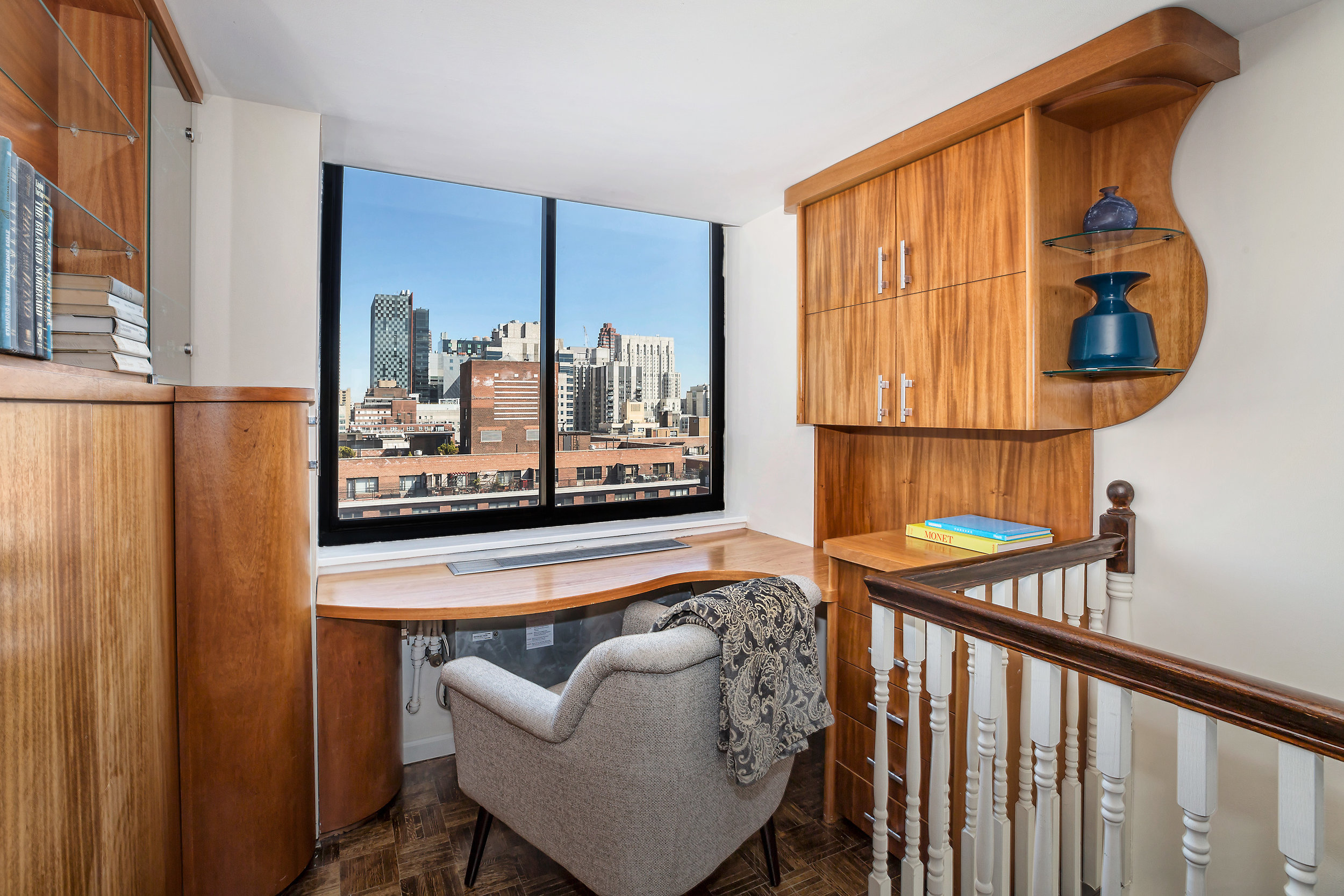
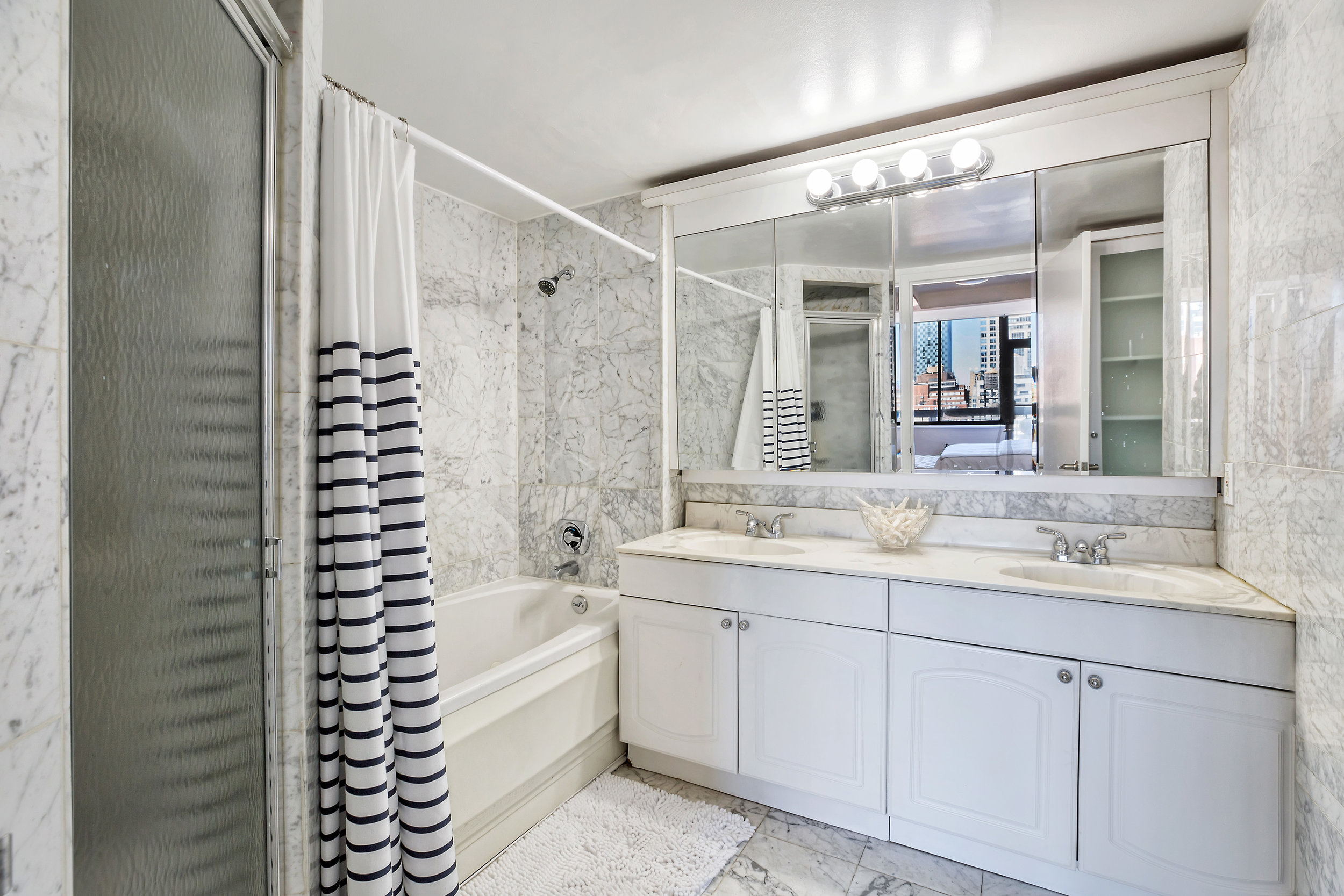
With 1,100 square feet of living space spread across two levels, this one-bedroom, one-and-a-half-bathroom home features plenty of room to stretch out and relax while basking in wide-open views to the north and west. Enter on the lower level to find a fantastic corner great room paved in dark-stained walnut hardwood. Fill the space with living and dining areas to create the perfect flow for entertaining flanked by the first of two large private balconies. The roomy kitchen is filled with stainless steel appliances, and a half bathroom and closets on this level add convenience. The entire upper floor is devoted to an expansive master bedroom suite and convenient home office. The custom-built desk provides the perfect work space framed by breathtaking northern views, while huge bedroom boasts another roomy balcony and easily accommodates a king-size bed. Extra-large closets pave the way to the en suite marble bathroom featuring a dual-sink vanity and large tub shower.

Nestled in Lenox Hill, one of the most prestigious neighborhoods in Manhattan, Le Domaine is a premier boutique condominium offering peace, quiet and convenience. The friendly and attentive staff includes 24-hour doorman service and a full-time superintendent, and residents of the pet-friendly building enjoy a lovely interior courtyard, a common laundry room located on the ground floor and a gorgeous roof deck surrounded by some of the most dazzling views in Manhattan. There are no more than four apartments per floor in this modern 19-story brick building, ensuring optimal discretion and privacy.

Centrally located on 62nd Street near First Avenue, Le Domaine offers the perfect blend of residential serenity and effortless accessibility. There are five-star restaurants and world-class shopping destinations nearby, and the glorious East River Promenade provides fantastic waterfront outdoor space and a dog run just minutes away. Abundant transportation options include F, N/R/Q/W and 4/5/6 trains plus M15-SBS bus service all nearby.

MTA Will Most Likely Raise Fares In 2019

Without another option to bring in revenue to the cash-strapped Metropolitan Transportation Authority, straphangers will most likely have to pay higher fares next year. The fare hike would be the sixth since 2009 when the state legislature approved a financial rescue plan that included increasing fares every other year. While funding for the financially-troubled authority continues to be negotiated among lawmakers before the state’s budget deadline next month, MTA Chairman Joe Lhota told the Daily News he did not see a scenario where the fares could remain the same.

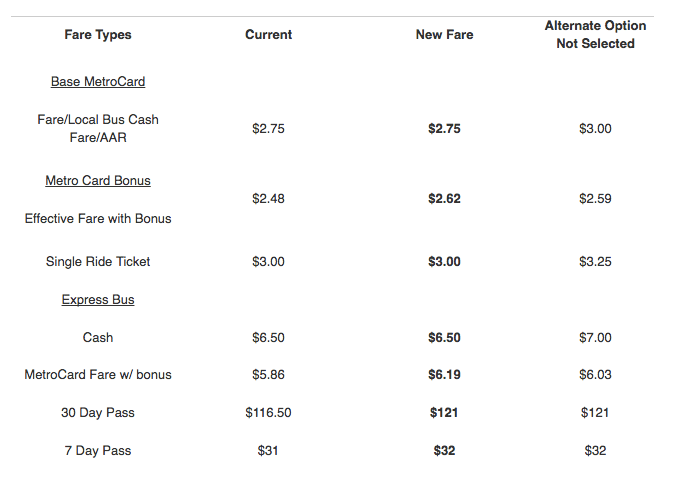
The fare hike options in 2017 via MTA

The exact percentage of increase in fares remains unclear as of now. Increases are expected on all subway, bus and commuter rail fares. Last year, the MTA voted not to increase per-ride costs, but instead upped the price of weekly and monthly MetroCard prices, from $31 to $32 per week and from $116.50 to $121 per month.

MTA board members do not support another fare and toll hike, especially because of the system’s poor service. One board member, Mitchell Pally, told amNY: “In these times of difficulties on the system…to ask our riders to pay more now, in my opinion, would be a grievous mistake. It’s March. We have time ’til December to solve that problem in some way — hopefully with our funding partners.”

A congestion pricing plan, advocated by Governor Andrew Cuomo, is an option currently being debated in Albany that could raise revenue quickly for the MTA. While the authority’s board considered approving a resolution to call for a congestion pricing plan, it never came to a vote.

227 East 12th Street, Unit 2C


Learn More

227 East 12th Street, Unit 2C

EAST VILLAGE, MANHATTAN

1 Bed  |  1 Bath  |  Co-Op

Offered At $940,000

MM: $1,297 


Welcome to a tranquil East Village one-bedroom retreat, featuring loft-like proportions and gorgeous renovations, on one of the prettiest blocks in the city.

This approximately 725-square-foot co-op home is situated just a quick two flights up where you'll find refinished hardwood floors, 11-foot tall ceilings, exposed brick and gorgeous natural light thanks to huge north-facing windows. The oversized open-plan great room is a stunning space for entertaining or relaxing thanks to enchanting garden views and an expansive footprint for living and dining areas. Whip up Sunday breakfast or dinner for 10 with ease in the renovated open kitchen equipped with stone counters and breakfast bar, ample cabinet space and top-notch stainless steel appliances, including a gas range, dishwasher and built-in microwave. In the pin-drop-quiet king-size bedroom, a wide pocket door and clerestory windows allow sunshine to roam unimpeded. There's a beautifully equipped dressing area with spacious floor-to-ceiling fitted closets, and the serene bathroom is a vision in classic octagonal and subway tile, a glass-enclosed tub-shower and modern fixtures.

227 East 12th Street is a red brick townhouse co-op with a private, planted forecourt entry, voice intercom and a common laundry room. Flexible sublet policy with board approval. Sorry, cats only; no dogs. Set on a peaceful East Village block lined with trees and historic townhouses, this home is a delightful oasis surrounded by the best of Downtown living, just seconds from Greenwich Village and Union Square. Half a dozen Michelin-starred restaurants are within walking distance, and the East Village's renowned nightlife scene offers endless entertainment at every turn. Enjoy tremendous access to transportation with N/Q/R/W, 4/5/6 and L trains all nearby.

Empire State Building Gets A New, Nightly Sparkling Light Show

If you’re lucky enough to be blessed with Empire State Building sightlines, your views will, as of this week, include a five-minute sparkling light show every hour, on the hour, between sunset and 2 AM nightly. As Time Out New York reports, this latest addition to the iconic spire’s light show repertoire joins a lighting tradition that began in 1932 and includes holiday flair–red, white, and blue lights on the Fourth of July, the green and orange of the Irish flag on St. Patrick’s Day–music-enhanced light shows, and color changes to salute occasions and organizations every night of the year.

The building’s lighting tradition started when a searchlight was used to hail the election of New York-born President Franklin D. Roosevelt. In 2012, a new digital LED light system was installed with the capability of bringing 16 million colors, all able to change in an instant, to the city skyline.

The tower has sparkled before on special occasions or partner requests, but not as a regular gig. Now, New Yorkers will have yet another way to mark the passing of every hour. Of the glam new lighting feature, Anthony E. Malkin, Chairman and CEO of Empire State Realty Trust, said, “Just as the world defines the New York City skyline by our famous silhouette, our iconic tower lights are the globally recognized icon of the New York City skyline at night. We are excited to unveil the new sparkle effect which will permanently enhance the New York skyline.”

280 Park Avenue South, Unit 24JL


Learn More

280 Park Avenue South, Unit 24JL

FLATIRON, MANHATTAN

3+ Bed  |  3.5 Bath | Condo

Offered At $4,500,000

CC: $2,425  |  Taxes: $4,142 |  24/7 Doorman  |  Pool  |  Roof Deck  |  Gym


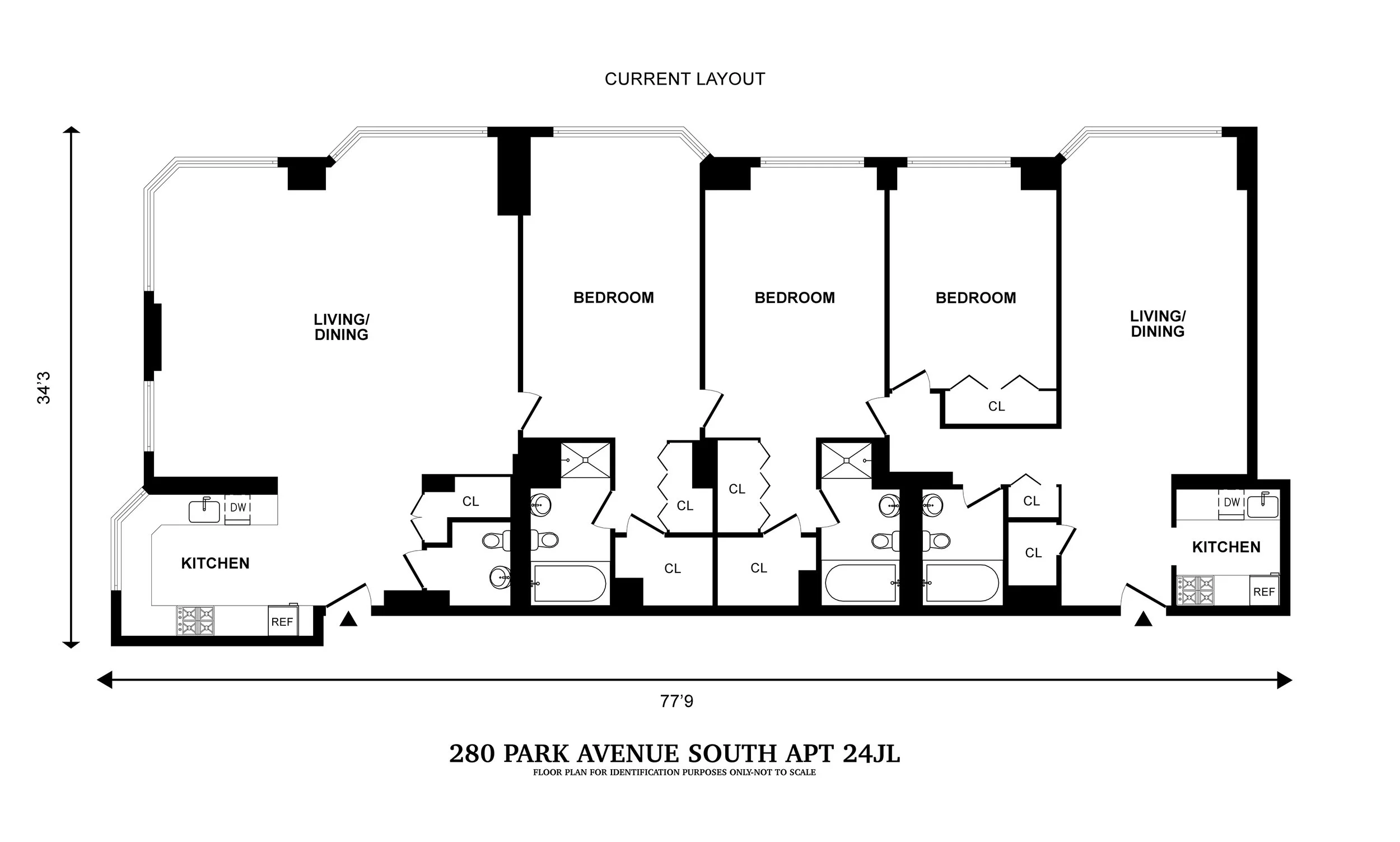
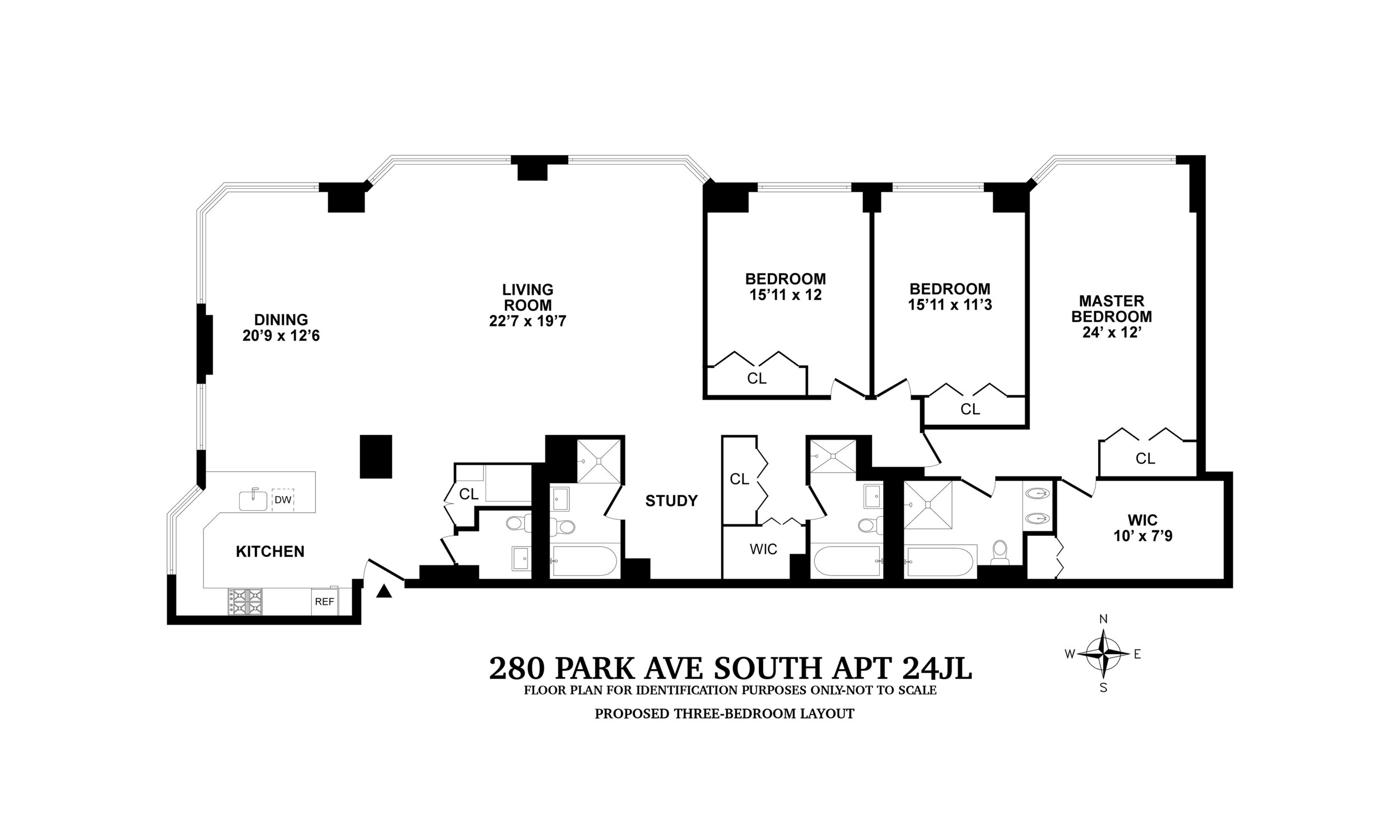
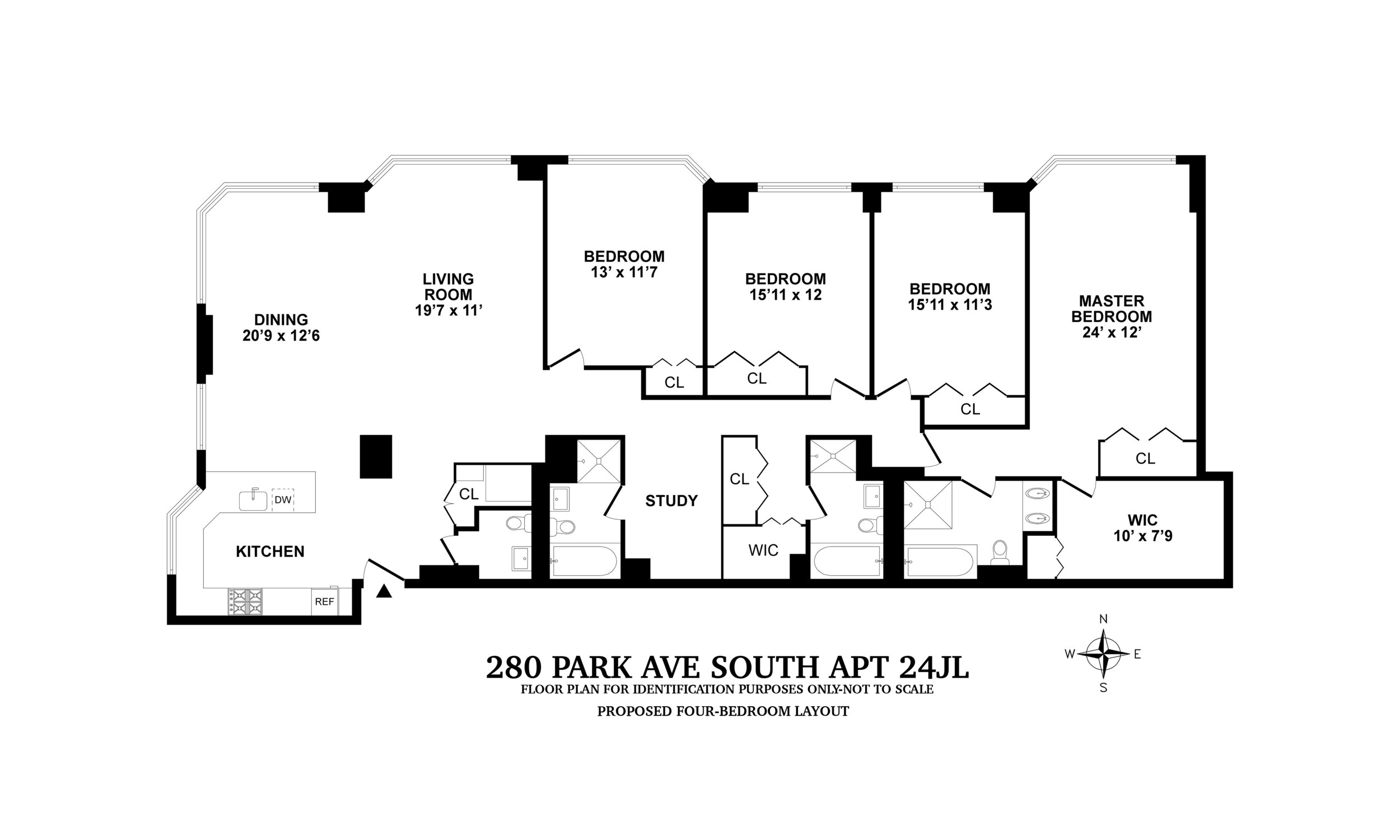
Bring your contractor to finish this already combined, 2,400-square-foot Gramercy/Flatiron condominium to your exacting specifications in a full-service, amenity-rich building.

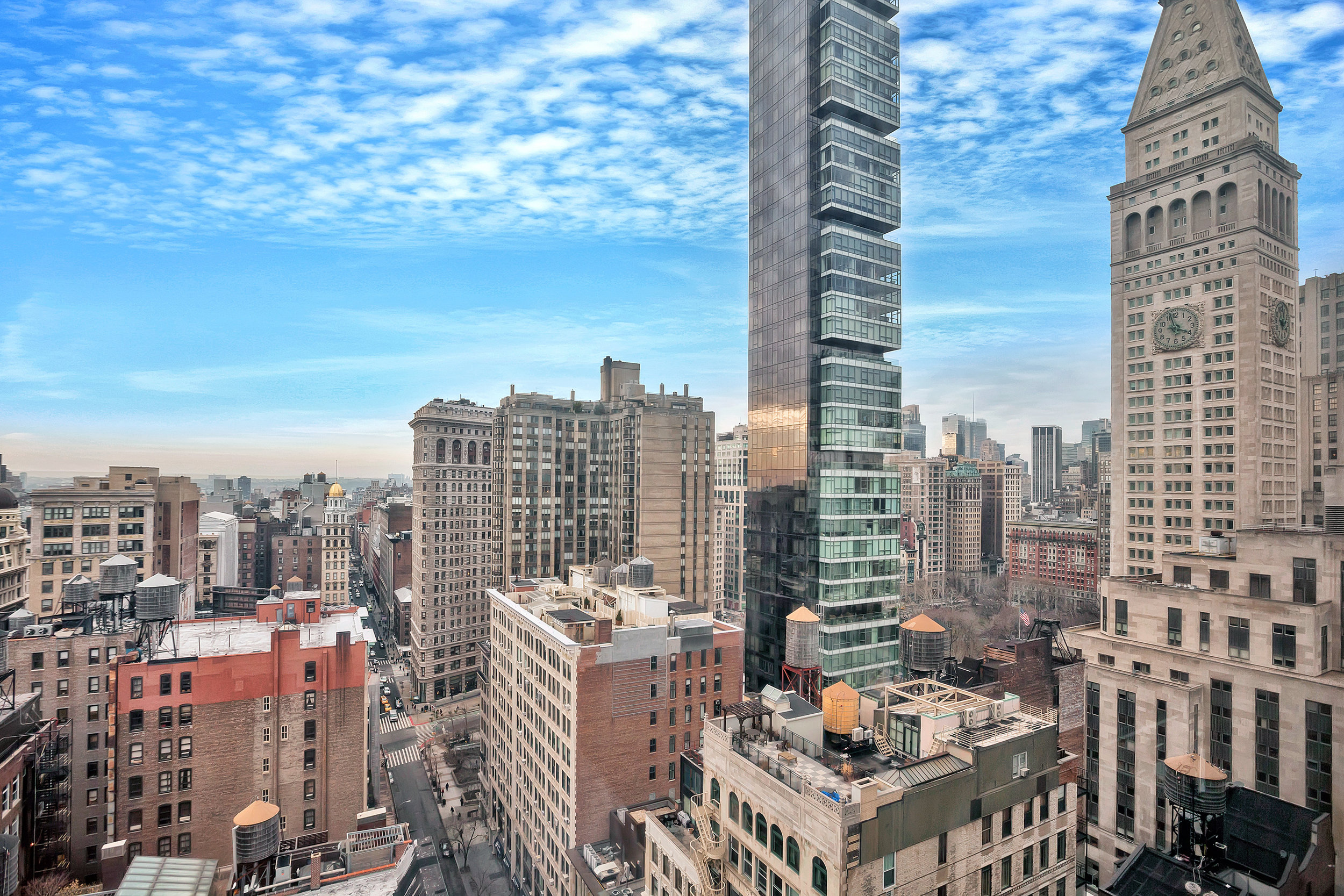
Why live with someone else's design choices when you can fashion a three- or four-bedroom, high-floor retreat in this spectacular layout surrounded by breathtaking facing views? This incredibly rare opportunity to live in a combination of the sought-after J and L lines has never been done before at Gramercy Place. Move into the recently updated home as is and adjust the layout as your needs evolve, or create a mint-condition showplace in the sky. Current features include a recently remodeled open kitchen with top-notch appliances and a large great room wrapped in south and west views of the iconic MetLife Clocktower, Madison Square Park, the Flatiron building and the Hudson River. Don't miss this amazing opportunity to pick up the most sought-after layout in the most sought-after building in the most sought-after neighborhood in the city!

Gramercy Place is a full-service postwar condominium boasting an endless list of premier amenities and a friendly, attentive staff. Residents enjoy full-time doorman and concierge service; a stunning rooftop with 360-degree views of Manhattan, two sundecks and a swimming pool, Jacuzzi, and his/her locker rooms with sauna and steam access.; a state-of-the-art fitness center; children’s playroom; central laundry; private storage and bike room. Located at the intersection of the Flatiron District and Gramercy, with easy access to NoMad and Union Square, this home is at the center fantastic Manhattan living. Michelin-starred restaurants and great nightlife destinations line the nearby streets, and transportation options are unmatched with N/R/Q/W, 6, F/M and PATH trains all nearby. 

Please note this is a smoke free building.

CRAIN'S: Manhattan landlords race to fill apartments in declining market

Apartment rents are dropping in Manhattan. So is the patience of landlords.

Units that found tenants in February spent an average of just 34 days on the market—the shortest stretch since October 2011—as owners cut rents, offered incentives and did whatever else they could to fill vacancies, according to a report Thursday by appraiser Miller Samuel Inc. and brokerage Douglas Elliman Real Estate.

“Landlords, they’re not playing around,” Jonathan Miller, president of Miller Samuel, said in an interview. “They’re being more aggressive in terms of time. They just want to get them in.”

Rents fell from a year earlier for the third consecutive month in February as landlords competed for tenants in a market that’s overflowing with choices. Owners cut an average of 2.4% off their asking prices, then sweetened deals with incentives, such as rent-free months, on 48% of new leases, Miller Samuel and Elliman said. The median rent, with concessions subtracted, dropped 2.8% from a year earlier, to $3,168.

Concessions are getting more creative. Publicly traded landlord Equity Residential is reducing security deposits to $1,000, instead of the usual full month’s rent, for tenants who sign leases at most of its Manhattan towers by the end of March. Signers at Stuyvesant Town–Peter Cooper Village, the borough’s biggest apartment complex, will get a year of free Wi-Fi and cable.

At one Upper East Side property, a letter from owner Hakim Organization was slipped under residents’ doors, offering half a month of free rent if they help find occupants for vacant units by April 1.

“If you have a friend or relative looking for an apartment, we are willing to rent to them through you,” read the letter, signed by Ely Samuels. He didn’t return calls for comment.

Landlords seeking the advice of brokerage Citi Habitats have been calling regularly to ask, “What else can I do?” said Gary Malin, the firm’s president, who tells them that ingenuity helps. That’s translated into some owners lifting restrictions on pets and others offering to pay a portion of a new tenant’s moving costs, he said.

“A lot of owners take the wait-and-see approach, but unfortunately, the market has changed and the sentiment of tenants has changed,” Malin said. “Landlords realized that what they were doing wasn’t getting the right results.”

About 5,630 newly built apartments will be listed for rent in Manhattan this year, according to data compiled by Citi Habitats. That’s on top of the 4,270 units that reached the market in 2017.

MTA Hit With Federal Lawsuit Over Lack Of Accessibility

The MTA has found itself on the wrong end of a lawsuit by the feds for failing to make its subway stations wheelchair-accessible. On Tuesday, U.S. Attorney  Geoffrey Berman joined a lawsuit accusing the agency of not adding assistance for disabled riders when renovating stations, the New York Post reports. The suit began in 2016 when a civic agency in the Bronx accused the MTA of violating the Americans with Disabilities Act by not creating wheelchair access at the Middletown Road station. The suit should come as no surprise; as 6sqft previously reported, fewer than 1/4 of New York City’s subway stations are fully wheelchair-accessible–only 117 out of 472. In fact, NYC ranks the least accessible out of the country’s ten largest metro systems–all of LA’s 93 stations and DC’s 91, for example, are fully accessible.

Berman said, “There is no justification for public entities to ignore the requirements of the ADA 28 years after its passage. The subway system is a vital part of New York City’s transportation system, and when a subway station undergoes a complete renovation, MTA and NYCTA must comply with its obligations to make such stations accessible to the maximum extent feasible.”

Disability advocates have spoken up on the subject at every monthly MTA board meeting for the past year. The agency’s official response is that they are, in fact, working to add more accessibility, but that the cost of making every station wheelchair accessible has proven insurmountable. MTA spokesman Shams Tarek said, “The MTA and NYC Transit are committed to adding and maintaining accessibility for the century-old subway system, and working hard to do so by investing more than a billion dollars over the current five-year capital plan alone.”

An aging system is often to blame when cities fail to offer sufficient accessibility. The London Underground, which dates to 1863 and is the world’s oldest metro, has only 50 fully accessible stations out of 260. Paris, where the metro opened in 1900, is even worse with only nine fully accessible stations. Barcelona, considered the most accessible system in Europe, boasts 129 of 156 stations classified as fully accessible. The metro there began operation in 1924, and as of 1992 all stations built there must be made accessible.

170 West 23rd Street, Unit 4V


Learn More

170 West 23rd Street, Unit4V

CHELSEA, MANHATTAN

1 Bed  |  1 Bath | Condo

Offered At $875,000

CC: $715  |  Taxes: $957  |  24/7 Doorman


Enjoy large, light-filled living and private outdoor space in this lovely one-bedroom gem in prime Chelsea.

East-facing windows frame quintessential New York City rooftop views in this well-planned, 585-square-foot home. Stretching a full 26 feet long, the bright great room provides plenty of space for living, dining and even home office areas, all with access to your private balcony with a view of The Empire State Building. The separate kitchen, flanked by convenient closets, boasts tons of cabinet and counter space plus great full-size appliances, including a gas range, dishwasher and built-in microwave. The queen-size bedroom features a huge closet and bright views, and the spacious bathroom includes a granite-topped vanity and large tub-shower. A fifth closet in the hallway ensures storage will never be concerned in this delightful Chelsea condo.

The Chelsea 7th is a pet-friendly elevator building offering full-time doorman service, live-in superintendent, updated common areas and a newly renovated smartcard laundry room. Located in vibrant, central Chelsea, at the corner of 23rd Street and 7th Avenue, there's no shortage of great dining, nightlife, shopping and open space in the surrounding area. Foodies will love the immediate access to Whole Foods, Trader Joe's and Eataly. Two blocks away, Madison Square Park provides verdant outdoor space and a year-round calendar of events, while both the High Line, Hudson River Park and Chelsea Piers sit just over a half-mile to the west. Transportation couldn't be easier with 1 train service just downstairs, plus F/M, C/E and PATH trains all within blocks.

*Please note there is an $89 monthly assessment in place.

Justin Timberlake Wants To Sell His Soho Penthouse For $8M

A year ago, Justin Timberlake, his wife Jessica Biel, and their young son Silas decided to call Tribeca home with a $20 million penthouse buy at 443 Greenwich Street. That left Timberlake with an unwanted penthouse at the Soho Mews, which the singer/actor/all-around celeb paid just over $6.5 million for in 2010. Curbed now reports that he’s listed the sleek spread on the market for $7.995 million with Stribling broker-to-the-stars Jared Seligman. Any interested party will be buying into a celebrity-friendly condo that Meg Ryan and Jake Gyllenhaal have also called home.

The penthouse spans 2,600 square feet and holds three bedrooms, three-and-a-half bathrooms, and a wraparound 853-square-foot terrace. His new Tribeca pad is larger, with four bedrooms, four bathrooms and a massive terrace.

The listing brags that the apartment features over 10-foot ceilings, floor-to-ceiling windows with an electronic shade system, a gas fireplace and custom wood paneling for art displays. The kitchen, designed by Soho Mews architect Gwathmey Siegel, boasts cabinetry of striated elm and smoked glass, Jet Mist granite and a Sub-Zero refrigerator and wine storage. Wood-lined walls hold storage space and match the six-inch-wide plank oak flooring. Then much of the apartment perimeter looks out toward the wraparound terrace.

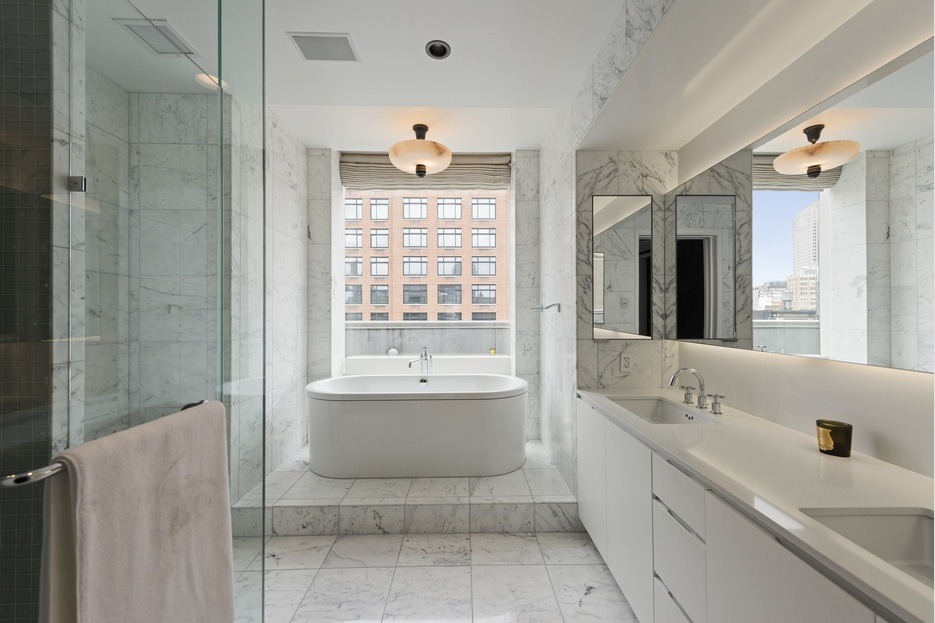
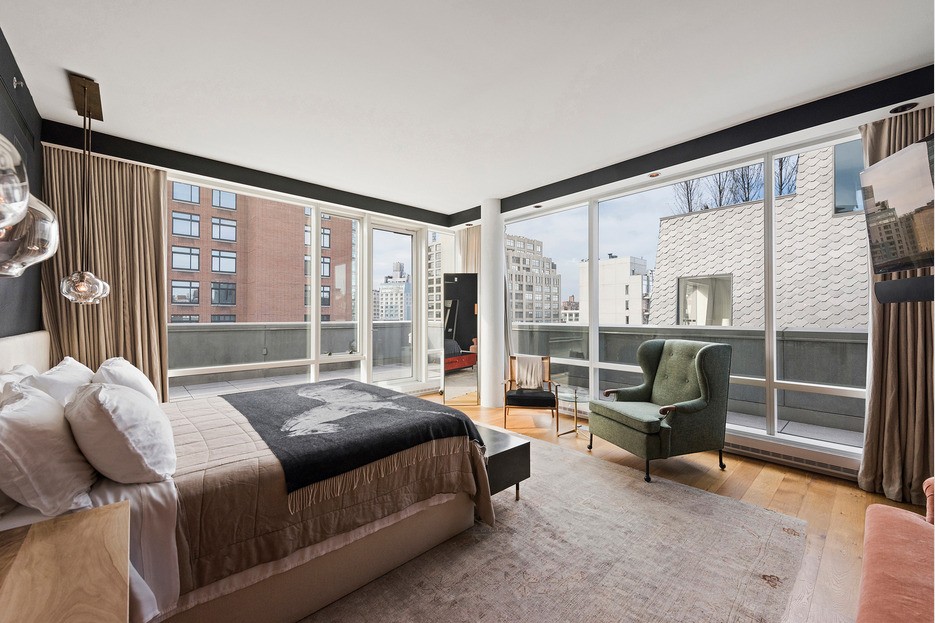
The master features floor to ceiling windows and a fancy bathroom, while the second and third bedrooms also feature en-suite baths. The master bath is lined in marble and boasts a radiant heat floor, oval freestanding tub and frameless glass-enclosed shower. JT’s latest digs at 443 Greenwich is known for being amenity loaded and papparazzi proof. The Soho Mews isn’t too shabby, either, with a concierge, private parking with a private entrance and its own fitness center.

Real Estate Investor Wants Amazon To Build Second Headquarters On The Hudson River Landfill

After landing on Amazon’s list of 20 potential cities for its second headquarters in January, New York City is one step closer to securing $5 billion in city investment and 50,000 high paying jobs. Although the city pitched four neighborhoods for the tech-giants’ HQ2 (Midtown West, Long Island City, the Brooklyn Tech Triangle, and Lower Manhattan), one investor has a different, less grounded location in mind. Real estate mogul Charles Urstadt took out an ad in the New York Post on Friday detailing his plan to bring Amazon to a landfill in the Hudson River.

Urdstadt, best known as the founder of the state-agency Battery Park City Authority, calls for Amazon to pay a nominal amount for underwater land measuring 2,000 feet from north to south, stretching 1,000 feet into the river.

Urdstadt first revealed his ambitious vision for HQ2 in an op-ed published last month in the Broadsheet. He recommends New York use landfill to create the property in the Hudson. He wrote: “Using fill to extend Battery Park City beyond its current northern border (roughly at Chambers Street) by half a mile (to a point just below Canal Street) would create more than 60 acres of additional new land in Tribeca, one of the most desirable residential and business districts in the United States.”

In exchange for the new acres of waterfront land, Amazon would pay a “nominal annual ground rent,” which Urdstadt says would be a fraction of the cost if the company had to purchase it instead. And the staff of the Battery Park City Authority, which is made up of architects and engineers, would be in charge of overseeing and maintaining the landfill.

“Only New York can offer Amazon benefits that such a scheme would make possible,” Urdstadt wrote. “And only in Lower Manhattan do all of these possibilities come together in a single place.  A creative partnership between the public and private sectors to bring Amazon to the Hudson River waterfront will benefit both, but the best reason for doing it is that it will (in more ways than one) enrich the City and its people.”

[Via NY Post]

380 Rector Place, Unit 3R


300 Rector Place, Unit 3R

BATTERY PAK CITY, MANHATTAN

2 Bed  |  2 Bath  |  1,014SqFt  |  Condo

Offered At $1,398,000

Real Estate Taxes: $1,542/ mo.   |   Common Charges: $1,384/ mo.   |   Doorman  |  Roof Deck


Learn More
 

A breath of fresh air, 3R is everything you are searching for in your Battery Park City 2 BD / 2BA home. Expansive Hudson River views, a renovated kitchen, shower in the master en-suite, extra tall ceilings and plenty of closet space make this unit a stand out. 

Rarely available, this 2 BD / 2BA home is over 1000 sqft. As you enter the apartment, a gracious dining area and serene living room greet you along with breathtaking Hudson River views. The kitchen has been renovated with new cabinets and appliances. A king sized master suite easily accommodates all of your furniture and offers the same stunning river views. The master bath has also been renovated with a new vanity and shower stall!

The queen sized second bedroom, currently configured as an office, faces the river. Completing this well-thought out floor plan are closets throughout and a large second bathroom. 

Liberty Terrace offers residents a 24 hour doorman/concierge and laundry on every floor. The Terrace Club is a privately owned gym within the building that residents can join for a nominal membership fee. The Club includes classes, a gym that overlooks the Hudson River, and a pool with retractable roof and outdoor lounge chairs. 

Perfectly situated in Battery Park City, grocery stores (Gristedes, Battery Place Market, Whole Foods), restaurants (Mir-a-mar, El Vez, Parm, PJ Clarkes, Treadwell, Hudson Eats, Inatteso), parks, the riverfront esplanade, entertainment (Battery Park Conservancy, Regal Cinemas), and shopping (the Westfield Mall, Barnes and Noble, Bed Bath and Beyond, Target). Getting around couldn't be easier – take advantage of the free Downtown connection, M20, M9, and all trains close by!

As Of Today, The MET Will Start Charging Non-New Yorkers $25 For Admission

At the beginning of the year, the Met announced that it would begin charging non-New Yorkers (i.e. those without a state ID) $25 for admission, waiving its pay-what-you-wish policy that had been in effect since 1970. And as of today, that policy is officially being implemented through signs at all entrances, 14 new kiosks in the Great Hall, roaming museum staff with iPads, and a brochure that explains the new fee system, reports the Times.

When the Met put its pay-as-you-wish policy into effect nearly 50 years ago, it was one of the very few museums to do so. However, Daniel Weiss, president and chief executive officer of the Met, said that the new policy is necessary because “people assume that The Met is free when, in fact, it depends on the support of its visitors to open its doors every day.” To that end, over the last 13 years, despite attendance growing from 4.7 to 7 million, those who pay the “suggested” donation has dropped from 63 to just 17 percent. And the average person contributed between $9 and $16, still less than the suggestion. Admission currently makes up 14 percent, or $43 million, of the Met’s $305 million annual operating budget, but the new policy which the Met estimates will impact 31 percent of visitors, will increase that amount to roughly $49 million a year.

The new policy has faced its fair share of disapproval. In fact, shortly after the announcement, a petition went live to keep the museum free for all. It currently has 27,655 of its 30,000 signature goal. Artist Ai Weiwei likened it to “taking the jacket off a poor person.” He said, “I will never go to the Metropolitan. Am I calling for a boycott? No. But I myself will not go.” Chicago-based artist and architect Amanda Williams agreed: “What are we valuing in this difficult political and economic moment? And for young people, especially little black and brown bodies, they are receiving more and more messages that they don’t belong.”

But nonetheless, the Met remains committed to the fact that the change is necessary for its future survival. So far, more than 20,000 Met employees, from the main 5th Avenue location, the Cloisters in Washington Heights, and the Met Breuer, have been trained in “customer service techniques as well as communications and technical issues” as related to the new policy. The new ticket will be good for three days at any of the three locations. Students with a valid ID from a university in New York, New Jersey, or Connecticut will still be able to pay what they wish. Students from elsewhere will be charged $12 and seniors $17.

[Via NYT]

The Waldorf Is Going Condo And Pieces Of It Are For Sale

More affordable items include steak knives ($25 each), silver-plated doorbells ($45) and towel racks ($250).

Anbang bought the famed Art Deco hotel in February of 2015 for $1.95 billion, a record sum for a single U.S. hotel. Last week, the Chinese government announced a year-long ownership period during which it would consider “all or partial” sales of the company’s assets. Anbang will be overseen for one year by a group that includes China’s central bank, the country’s securities and banking regulator, the regular of foreign exchanges and other government agencies. Hilton Worldwide Holdings Inc., which holds a long-term management contract with the Waldorf, and construction firm AECOM Tishman issued statements saying that work on the condo conversion was indeed underway.

The New York Landmarks Preservation Commission voted in March of 2017 to protect a number of the Waldorf’s public spaces like the hotel’s grand ballroom, a large floor mosaic by the French artist Louis Rigal that adorns an entry hall and the entire main lobby bedecked in black marble pillars and ceiling reliefs.

Shortly after the landmark designation went into effect, trucks owned by Olde Good Things began loading out items from guest rooms, according to members of the nonprofit Art Deco Society which has been tracking the project.

Olde Good Things has arrived to rescue interior effects at several New York City landmarks, including the Plaza Hotel, John F. Kennedy International Airport and the old New York Times headquarters. The salvage outfit is also known for being owned by the Church of Bible Understanding (COBU). The group says it uses profits from the salvage business to fund an orphanage in Haiti.

The Monthly Update - March 2018

Rent vs. Buy in 2018:

A Debate Reignited

With rental prices the lowest they've been in a while and with landlords and developers offering huge discounts and incentives, why even buy at all? It’s a fact that you can now get a nice rental in a new building for hundreds, or even thousands, less than what a mortgage + monthlies + taxes would be for a comparable co-op or condo. So why not stockpile your money and wait for sale prices to fall? We are hearing this more and more from buyers, so let’s address it.

Currently, Manhattan rents are stagnant. But, as we all know, they will go up. Landlords might give you a break this year, but as soon as they have the chance to raise your rent to the new "market" rate, they will. And if you don’t agree to the drastically higher new rate, they'll easily get a new tenant who will, and all that cash you thought you'd saved will be flushed down the toilet on moving expenses, broker fees plus a higher rent in a lower quality apartment (not to mention if interest rates go up, as they are slated to, that monthly mortgage payment will go up significantly).

Today’s lower rents won’t be low for long, so if you plan to stay in your home for five years or more, purchasing always beats renting. You might pay more in mortgage + monthlies + taxes now, but rents will meet those monthly expenses over time. Plus, your monthly purchase nut can be greatly reduced through tax savings. Even under the new tax code, that includes deductions on interest for up to $750,000 of your mortgage and deductions of property taxes up to $10,000 per year. Sure, there might be headaches that come with property ownership, but the equity you’ll earn over five years or more will be your real windfall.

So, unless you're planning to move in two years' time — say, for example, if you're only the in city trying it out for a couple of years — then yes, take advantage of developer's discounts and lower rents today. But, if you're here for the long haul, don’t think short term! Leverage your money while it's still cheap. Interest rates are on the rise, so start building equity now — you’ll be happy in five years that you did. (Maybe even less than five years in Manhattan, where our market often sees returns faster than the national average).

Bottomline, I’ve never heard a homeowner regret their purchase if they think long term, but I've heard from plenty of potential buyers who regret not jumping into the market "back then."


COMPASS News

  • Compass expands into Westchester! Read full article
  • Compass has already concurred Washington D.C. now its time to grow into Virginia, stay tuned for more information. 
  • Our goal is for Compass to be everywhere, and by the end of 2018, we will be operating in every major metro area in the United States, bringing us to 100 offices nationwide! #CompassEverywhere 

Contact Us

101 West 12th Street, Unit 8RS


101 West 12th Street, Unit 8RS

GREENWICH VILLAGE, MANHATTAN

3 Bed |  3.5 Bath | 2,350 Sq Ft. | Co-op

Offered At $4,750,000

CC: $3,822/mo.

Learn More

Enjoy sprawling living spaces and breathtaking views in this newly renovated three-bedroom, three-and-a-half-bathroom home in a coveted Greenwich Village co-op building. No expense was spared in the renovation of this beautifully appointed residence. Situated on the southeast corner of the eighth floor, fantastic light and open-sky views are found throughout. A gracious entry gallery with an elegant powder room leads you to the oversized great room, where you will find white oak hardwood floors and custom cabinetry throughout. There is plenty of room for generous living and dining areas.

The adjacent open windowed kitchen is nicely equipped with Viking and Miele appliances, custom cabinetry and a convenient breakfast bar. This home's coveted split-bedroom layout places the oversized master suite at the southwest corner of the home where you'll find a massive walk-in closet, a luxurious en suite Carrara marble bathroom with double sinks, soaking tub and separate rain shower with steam. The two additional bedroom suites are set at the opposite corner and feature en suite bathrooms and large closets. An oversized utility room/pantry is outfitted with an in-unit vented washer dryer. Central air and new double-pane windows ensure year-round comfort in this beautiful turnkey West Village home.

The John Adams is one of the finest full-service co-ops in all of Greenwich Village. Amenities in the pet-friendly postwar building include full-time doorman and concierge service, live-in superintendent, renovated lobby and hallways, central laundry, bike room, a stunning roof garden with panoramic views and on-site parking garage at an additional cost. Gifting and pieds-à-terre permitted; no co-purchases or guarantors. Set on the corner of West 12th Street and Sixth Avenue, this fine building is at the center of coveted West Village living. Historic streets, fantastic restaurants and lively nightlife venues surround the home, and outdoor space and recreation can be found just blocks away at sprawling Hudson River Park, Washington Square Park and Union Square. Transportation from this highly accessible neighborhood is a breeze with 1/2/3, B/D/F/M, L, A/C/E, 4/5/6, N/Q/R/W and PATH trains all nearby.

330 Third Avenue, Unit 18L


Learn More

330 Third Avenue, Unit 18L

KIPS BAY, MANHATTAN

Studio |  1 Bath | Co-op

Offered At $519,000

CC: $1,217/mo.  |  24/7 Doorman


This beautifully renovated, well-planned studio feels a much larger home thanks to its incredible storage, fantastic finishes and pin-drop quiet all set in a revered Kips Bay co-op.

Arrive in the oversized foyer flanked with huge closets and know at once this is no ordinary, cramped studio. An extra-wide central hallway — roomy enough to accommodate a large dining table — leads to the spacious main living area. Lit by a wide west-facing window, this perfectly arranged space features tons of built-in cabinetry, a desk and a convenient Murphy bed that effortlessly transitions the space from living to sleeping. Unlike the small pullman kitchens found in most studios, this home features a gut-renovated separate kitchen filled with beautiful maple cabinets, granite countertops and top-notch, full-sized stainless steel appliances, including a gas range, built-in microwave and dishwasher. A big dressing area and third large closet lead to the gut renovated bathroom which features incredible stone and tile surrounding a glass-enclosed shower, pedestal sink and wide vanity mirror. The high-floor, rear-facing location makes this exceptional studio home a peaceful and serene retreat in the heart of the city.

330 Third Avenue is a beautifully maintained, full-service co-op building offering 24-hour doorman, live-in superintendent, laundry facilities and newly renovated common areas. On-site parking, storage and bike room available at an additional cost. This co-op considers pied-à-terres, co-purchasing, gifting and dogs up to 40 pounds. Subletting is permitted after two years of ownership for up to four years. Located in lower Kips Bay, surrounded by Gramercy Park, Flatiron and NoMad, this location offers an abundant supply of phenomenal dining, entertainment and shopping venues. Foodies will rejoice at the nearby gourmet food shopping available at Eataly, Trader Joe's and Fairway markets, not to mention the half-dozen Michelin-starred restaurants within blocks, including Eleven Madison Park, The Clocktower, Gramercy Tavern and The Breslin. This incredibly accessible neighborhood offers a multitude of transportation options within blocks, including 6, N/R/W, F/M and PATH trains.

8 Ways To Help The Homeless In NYC

In recent years, as the city grapples with a lack of affordable housing, New York’s homeless population has soared.

According to a 2017 report by Coalition for the Homeless, which has been fighting the city’s homeless crisis since 1981, more than 62,000 men, women, and children currently sleep in city shelters every night—that’s a 79 percent increase in the demand for shelters over the past decade. As the report states, “Extreme income inequality and unanticipated but rapid growth in the overall population of New York City together continue to push those at the lowest end of the income spectrum out of the housing market entirely.”

Add to that the fact that homeless shelters are being constructed more slowly than the city had projected in 2017, and the scope of the crisis begins to feel overwhelming.

But there are a number of organizations providing shelter and resources, coordinating outreach efforts, and pushing for government policy to alleviate the crisis—and there are concrete ways to help these groups. Curbed spoke with representatives from four advocacy groups to find out how New Yorkers can best channel their resources when it comes to helping the homeless.


1. Donate money.

Perhaps the easiest way to support the effort to end homelessness is through monetary donations. The four organizations Curbed spoke with—Breaking GroundCoalition for the HomelessPicture the Homeless, and Ali Forney Center—all accept donations through their websites. (And that’s hardly an exhaustive list of NYC organizations—here are even more.)

The current political climate threatens to end funding some of these groups depend on, making donations all the more important. Carl Siciliano, executive director of the Ali Forney Center, which provides support to homeless LGBTQ youth, says his organization is grappling with the end of roughly $1 million of federal contracts this year. “We just don’t see the Trump/Pence White House offering the same support to the LGBTQ community as the Obama administration did,” Siciliano says.

The center needs about $3.5 million of annual income, outside of government contracts, to continue its full programming. “We are always in extraordinary need of monetary donations,” he says.


2. Donate goods.

For opportunities to donate goods or participate in drives, look no further than Coalition for the Homeless. In the summer, the organization hosts Project: Back to School, a drive that distributes new backpacks and school supplies to homeless children; during the holiday season, it has a toy drive. The organization also runs the Grand Central Food Program every single night, in which a fleet of vans deliver meals to approximately 1,000 people at 23 different sites around the city. (You can volunteer as a driver for that program, help identify drop-off locations for drives, host a drive at your business, or help sort and distribute goods.)

Outside of Coalition for the Homeless, there are a number of other organizations who accept donated goods. Bowery Mission accepts food, clothes linens and hygiene items. Housing Works accepts a variety of goods at its thrift store and bookstore. New York Cares, which runs an annual coat drive, also pulled together a comprehensive roundup of where to send clothing donations.


3. Volunteer.

There are countless ways to donate your time to homeless outreach, from long term commitments to one-time events. The Ali Forney Center offers a year-long opportunity to serve as a life coach to LGBTQ youth; you can also help cook meals at one of the organization’s shelter sites. Coalition for the Homeless hosts a First Step Job Training Program, in which you could volunteer as a student mentor, mock interviewer, or guest lecturer. Over at Breaking Ground, a non-profit building supportive housing, you can volunteer with the organization’s outreach workers, who engage homeless people and work with them to find housing.


4. Participate in the Homeless Outreach Population Estimate.

Every January, the city’s Department of Homeless Services conducts its annual Homeless Outreach Population Estimate (HOPE), a citywide volunteer effort to count every New Yorker sleeping on the street across the five boroughs. The agency conducted its 2018 survey on January 22, and more than 4,200 people participated. While the data from that count has not yet been released, last year’s count found 3,892 homeless individuals living on the streets—a 39 percent increase from 2016.

So mark your calendar now for next year’s count: DHS needs a minimum of 3,000 New Yorkers (who must be 18 or older) to collect this data, which is used to assist outreach teams in engaging and encouraging unsheltered individuals to transition into more stable environments.


5. Advocate for affordable and supportive housing.

Every advocate Curbed spoke with stressed the importance of building more affordable and supportive housing (the latter of which provides on-site services for formerly homeless individuals). “The most important thing to do is learn about the topic and become an advocate for this type of housing in your community,” says Brenda Rosen, CEO of Breaking Ground.

Buildings with supportive housing components often face opposition at community meetings. “There’s a stigma around supportive housing,” Rosen notes. “A very common reaction is to be afraid, or envision something chaotic, unattractive, or unsafe. But if you’ve seen the work of good non-profits like Breaking Ground, you realize that none of what people envision is true.”

Her suggestion in countering that viewpoint? Join your local community board—or simply show up to meetings—and voice your support for these projects. While you’re at it, email or call your elected officials to express support for these projects and ask them to do the same.


6. Push for policies that help the homeless.

Housing policy isn’t the only issue to stand behind. Picture the Homeless, which is made up of current and formerly homeless individuals, advocates for Communities United for Police Reform. It’s an effort to end discriminatory policing practices in New York, particularly toward homeless individuals, through a combination of community organizing, policy advocacy, media and research.

The group’s latest effort was in support of the Right to Know Act, a package to end unconstitutional searches by the NYPD and force officers to identify themselves and explain the reason for any interaction. Rogers, a leader of Picture the Homeless who entered the shelter system 17 years ago (he prefers not to use his full name), asked New Yorkers to stand up for homeless individuals who get searched or harassed by police without clear reason. He adds that Picture the Homeless can also be supported in its work pressuring City Council to improve the services and operations of existing shelters.

Siciliano of the Ali Forney Center highlights a new state policy that hasn’t yet garnered support from Mayor Bill de Blasio. Currently, the city forces young people living in youth shelters to transition into the larger shelter system on their 21st birthday. “The adult shelter system can be very frightening, especially for LGBT youth,” he says. Advocates pushed for years to raise the age limit, and in 2017, New York state changed its homeless youth regulations, giving New York City the opportunity to let those up to the age of 24 stay in youth shelters. “The Mayor has not indicated he’s willing to do this,” Siciliano says. Advocacy and pressure on local pols, he hopes, can sway the mayor to address the issue.


7. Call 311—really.

Many New Yorkers will roll their eyes at this suggestion, but advocates say that it works. “I know a lot of people don’t have any idea what to do, on their way to work, as they see homeless people bedded in the streets,” says Rosen. “We always encourage people to call 311.” When you call, ask for the street outreach team—those calls are forwarded to New York-based non-profits that provide on-the-ground homeless outreach. Breaking Ground, one such organization, will respond “within an hour,” according to Rosen. “We want that information,” she continues. “It might just mean we’re visiting to say hello, or we end up convincing them to come inside. It gives us that opportunity.”

If there appears to be a medical emergency, or someone is in acute crisis or distress, go ahead and call 911. “But in the great majority of cases, calling 311 and asking for a mobile outreach team is the best option,” Rosen says.


8. Get to know NYC’s homeless population.

It can feel like there’s a great divide between non-homeless and homeless New Yorkers. But you can make an effort, through organizations like Picture the Homeless, to lessen it. “There’s often an absence of voices from homeless people at community meetings around issues like housing or shelters,” says Rogers. Work to bring homeless voices to your community meetings, merchant association meetings, church groups, and the like.

And Rogers suggests that New Yorkers have “a willingness to listen to those who have gone through homelessness.” It could be as simple as saying hello.