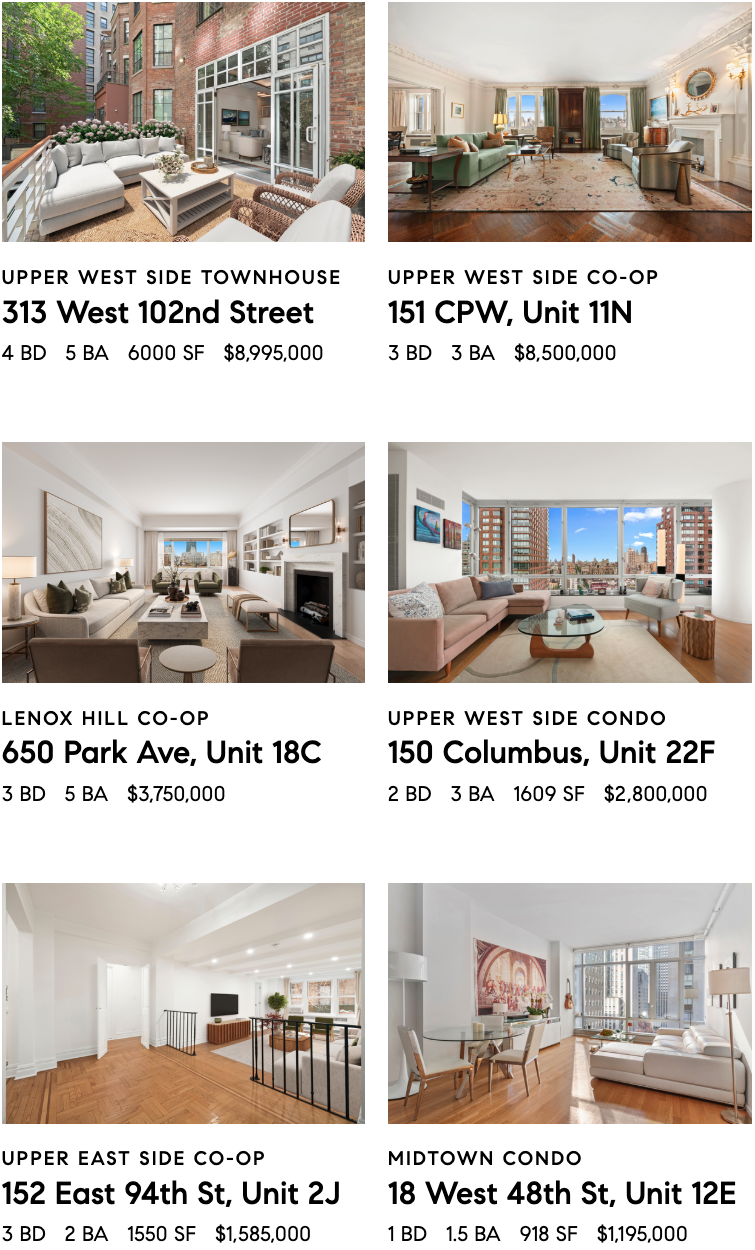
Newark Airport To Test Self-Driving Shuttle Buses

Self-driving shuttle buses are coming to Newark Liberty International Airport (EWR) this spring, with the Port Authority of New York and New Jersey launching a pilot program to test the technology. The agency announced Wednesday that it has partnered with three autonomous vehicle companies to operate electric self-driving shuttles at the airport through the spring, with each company conducting two-week test periods in a section of the airport currently closed to the public as part of its ongoing redevelopment. The Port Authority will evaluate whether the shuttles could serve as an effective way to transport passengers between existing airport facilities and the new AirTrain system currently under construction.

Image courtesy of Ohmio on the Port Authority of New York and New Jersey’s Flickr

“Autonomous vehicles are in use around the world and around the country, and they are part of the modern travel experience whether in a private car, a for-hire vehicle or on public transit,” Kathryn Garcia, executive director of Port Authority, said.

“We are building a new Newark Liberty that meets the demands of the next generation of travel, so we must embrace a future that is inclusive of all the different ways we can move this region.”

Zero-emission vehicles from three firms, Oceaneering, Ohmio, and Glydways, will be tested in a simulation of a high-capacity shuttle network, with multiple vehicles operating simultaneously in a complex airport environment.

Oceaneering will begin testing in March, followed by Ohmio later that month and Glydways in May. The trials are intended to qualify participating firms to respond to a formal request for proposals that the Port Authority may issue in 2027.

The pilot program follows an October 2024 request for innovation, which invited proposals from companies capable of delivering an electric, autonomous transportation network. Firms were asked to outline how they would operate a system connecting two locations roughly 2,500 feet apart over a five-year period.

Evaluation included scored submissions and interviews with leading candidates, with each firm also participating in adverse weather testing earlier this winter to assess vehicle performance in snow and cold-weather conditions.

Image courtesy of Glydways on the Port Authority of New York and New Jersey’s Flickr

Since July 2022, the Port Authority has been testing self-driving technology, successfully piloting autonomous platooning and lane-keeping systems on retrofitted buses in its Exclusive Bus Lane, which streamlines travel into and out of the Lincoln Tunnel during rush hours.

The effort also builds on a series of autonomous vehicle demonstrations conducted at other Port Authority airports, including John F. Kennedy International Airport in 2022, 2023, and summer 2025. A self-driving shuttle was also tested in mixed traffic at EWR in 2023 and again in 2024.

The program is intended to complement the $3.5 billion revamp of the airport’s AirTrain system, which is nearing the end of its useful life and struggling to accommodate the airport’s growing number of passengers. The upgraded AirTrain is a central element of the broader EWR Vision Plan, a long-term effort to rebuild the airport that also includes a new Terminal B, improvements to Terminal C, and upgrades to the airport’s complex roadway network.

“We have been working with self-driving technology successfully for many years, particularly at the airports, and believe autonomous shuttles offer a safe, efficient solution for moving passengers while we concurrently work to build a new AirTrain Newark and the brand-new Terminal B,” Kevin O’Toole, chairman of the Port Authority, said.

According to the Port Authority, autonomous vehicles could provide a “safer, more efficient, and more cost-effective solution” than traditional buses. The agency also plans to test conventional electric buses during the airport’s redevelopment.


Newark Airport to test self-driving shuttle buses this spring

By Aaron Ginsburg

February 27, 2026

Cover image courtesy of Oceaneering on the Port Authority of New York and New Jersey’s Flickr
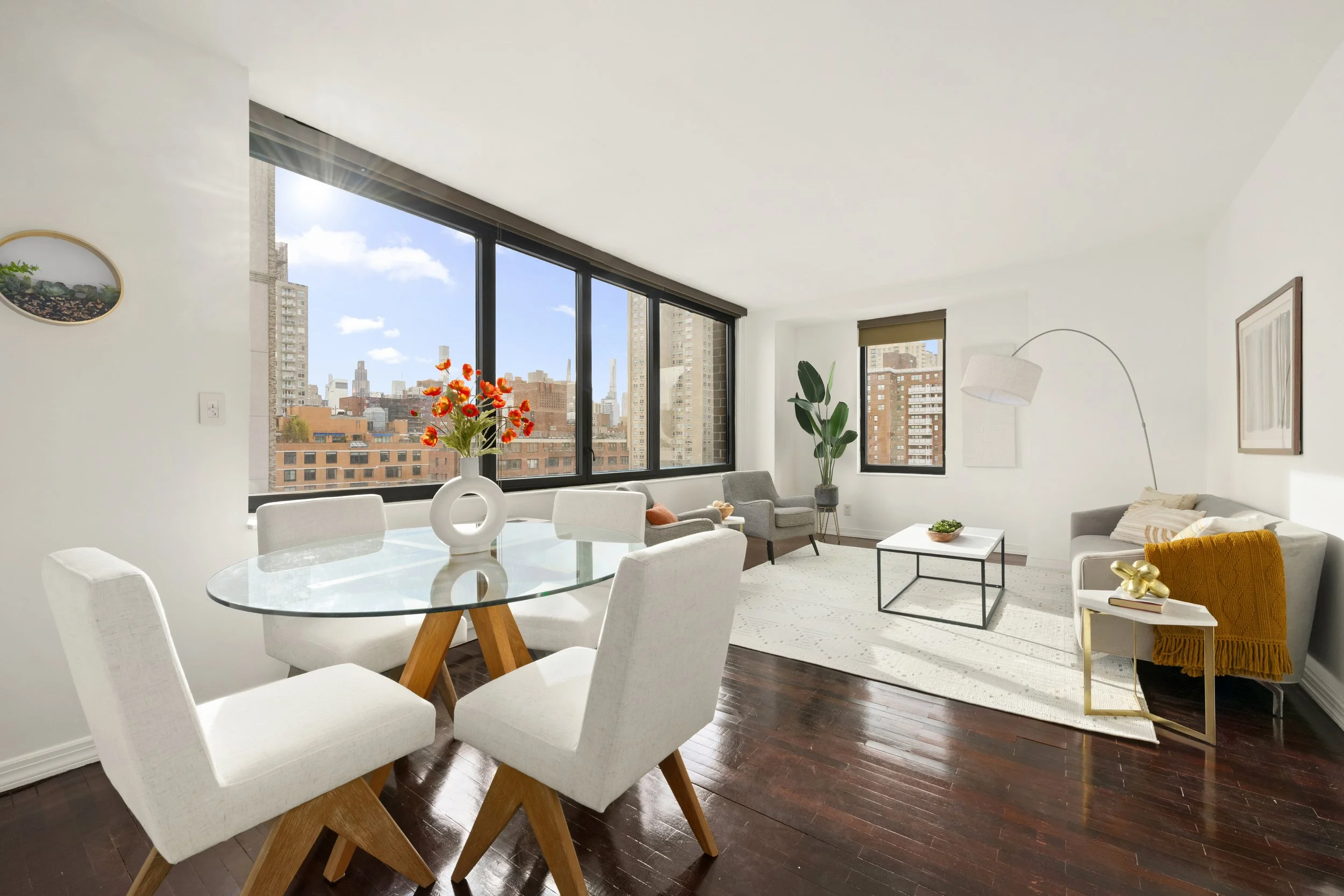
52 East End Avenue, Unit 12B

52 East End Avenue, Unit 12B

upper east side, Manhattan

Asking $925,000

1 Bed  |  1 Bath | Condo


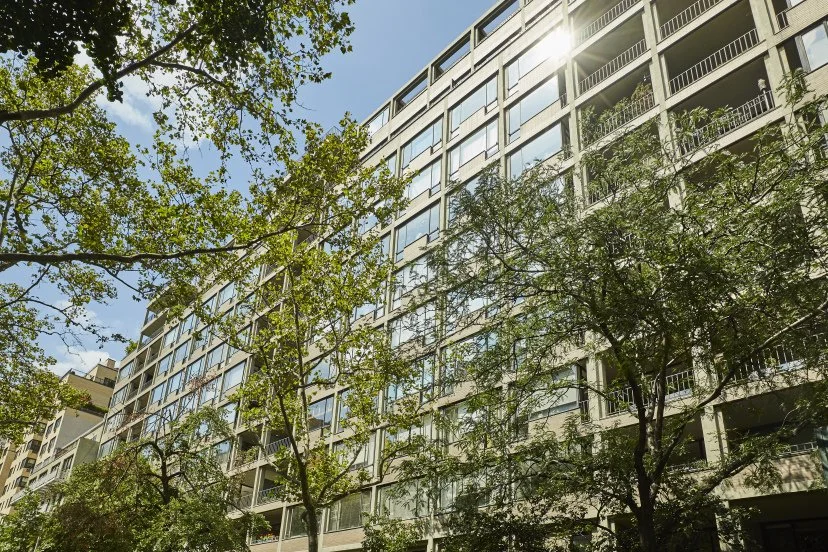
EAST END AVENUE CORNER UNIT WITH BALCONY

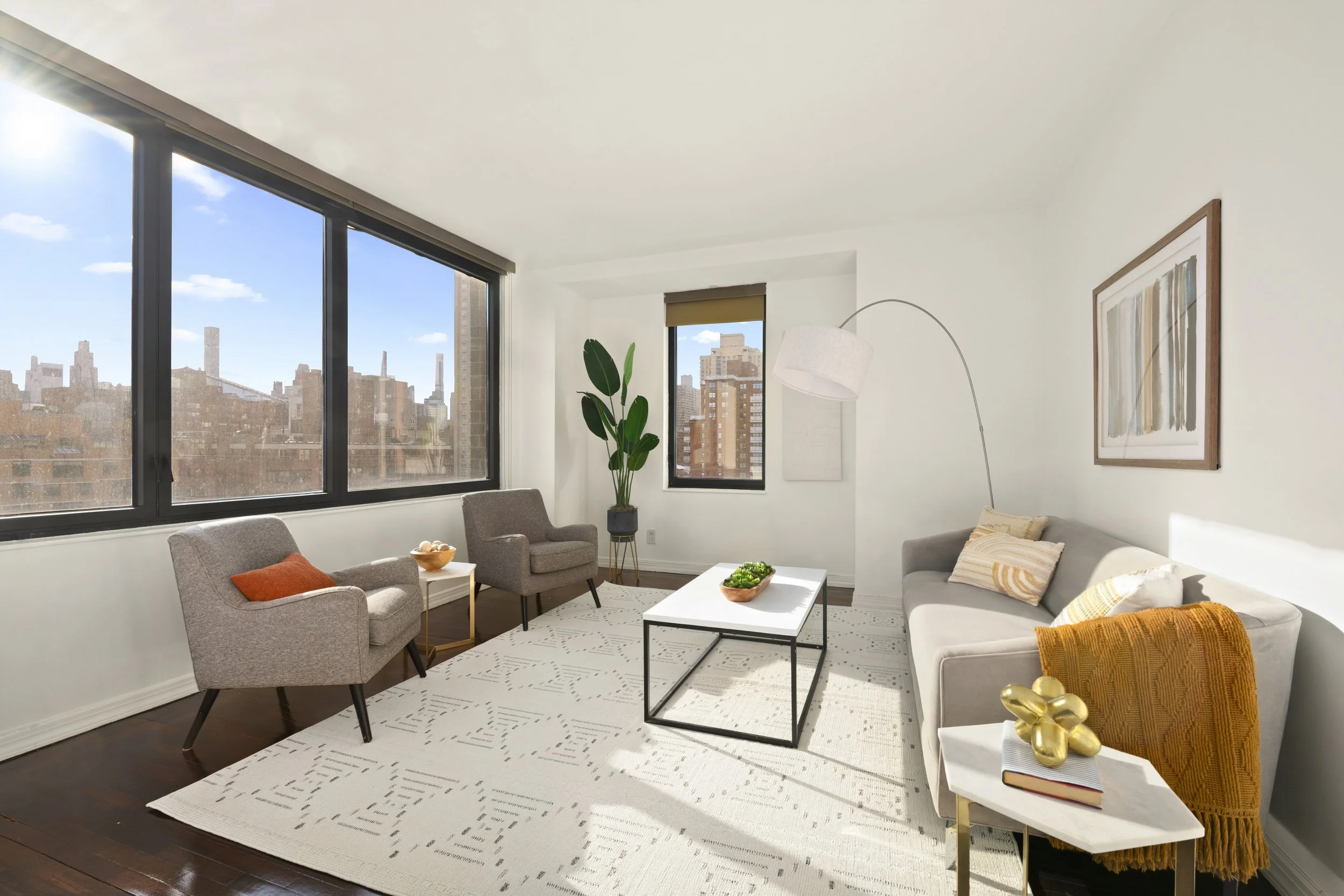
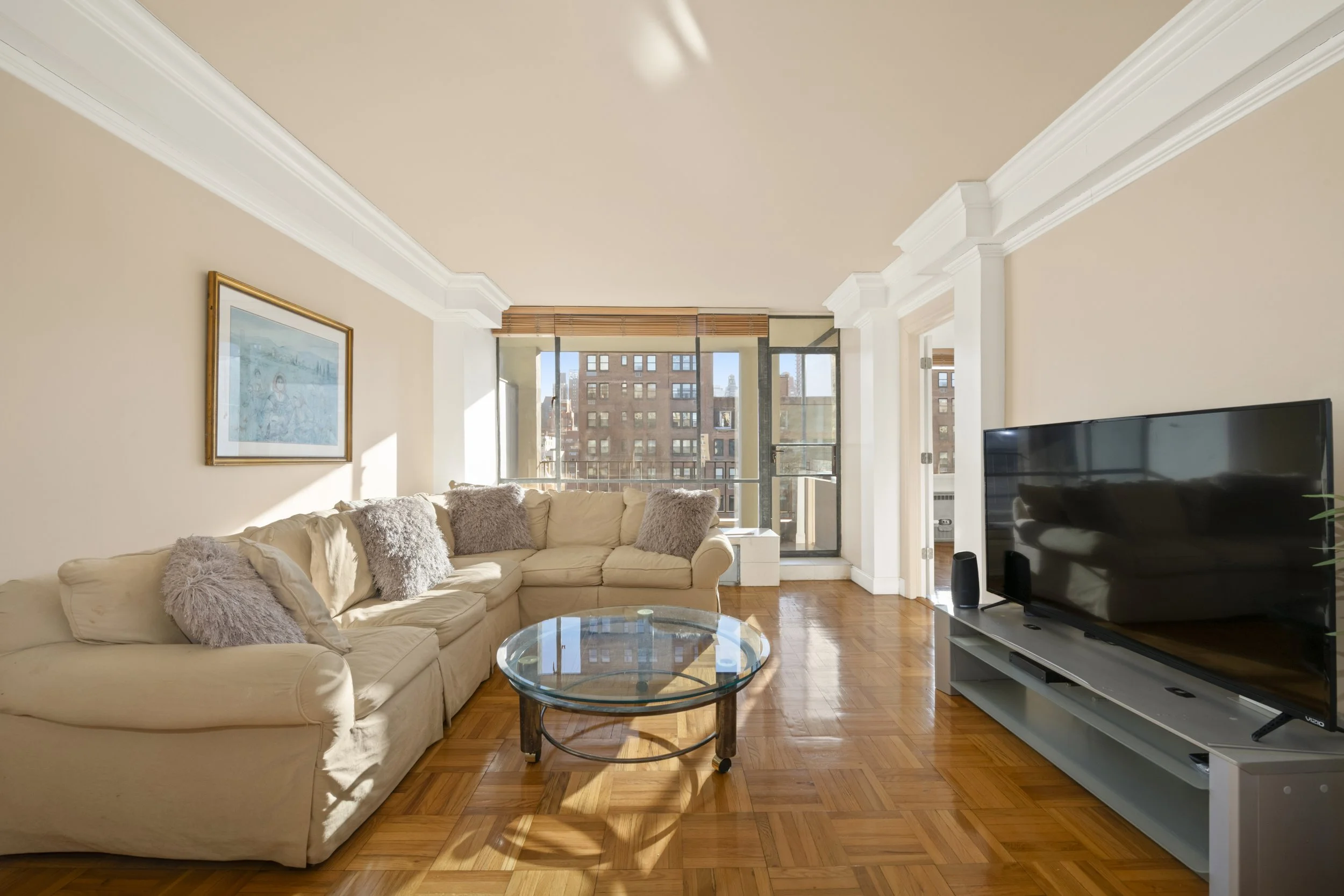
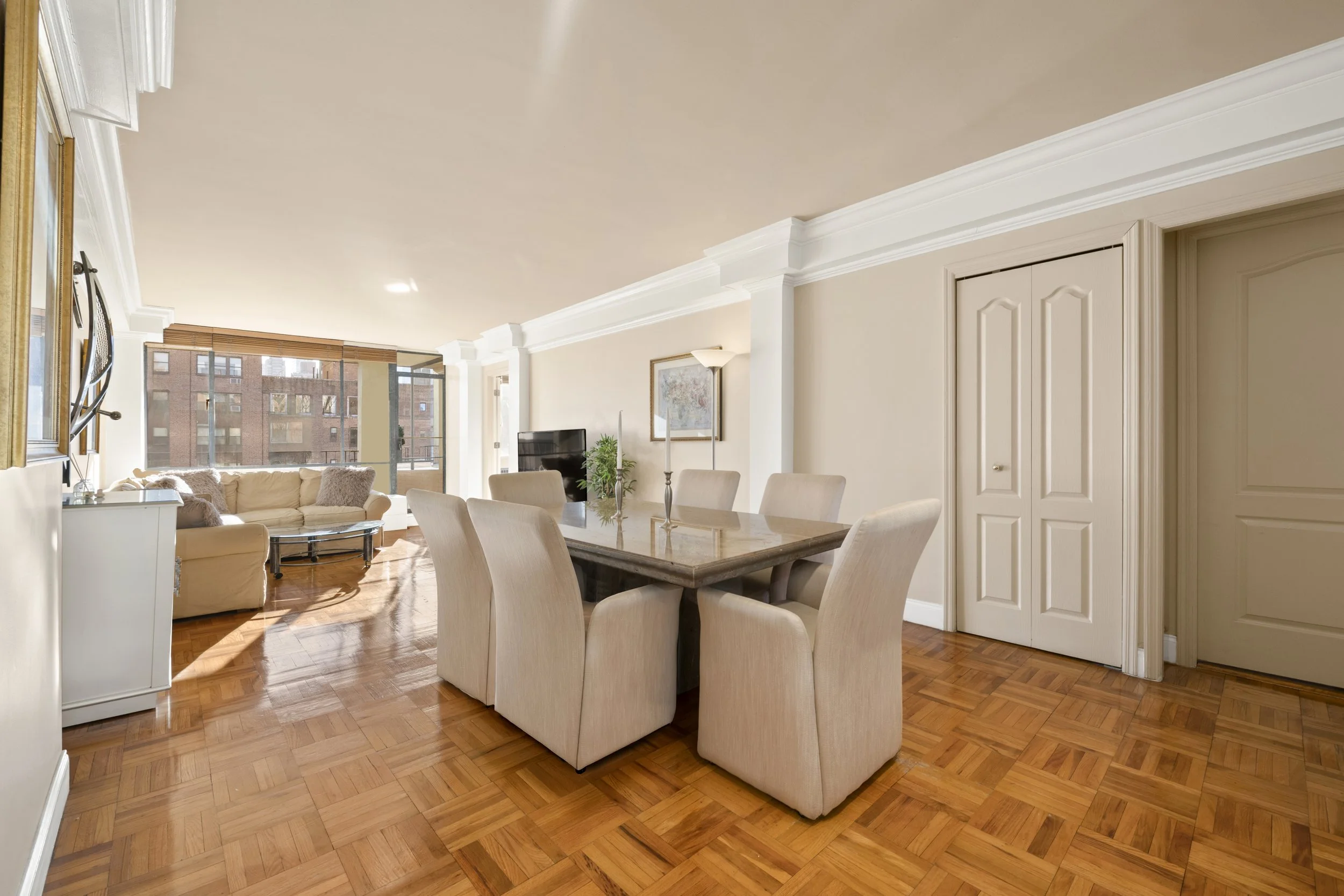
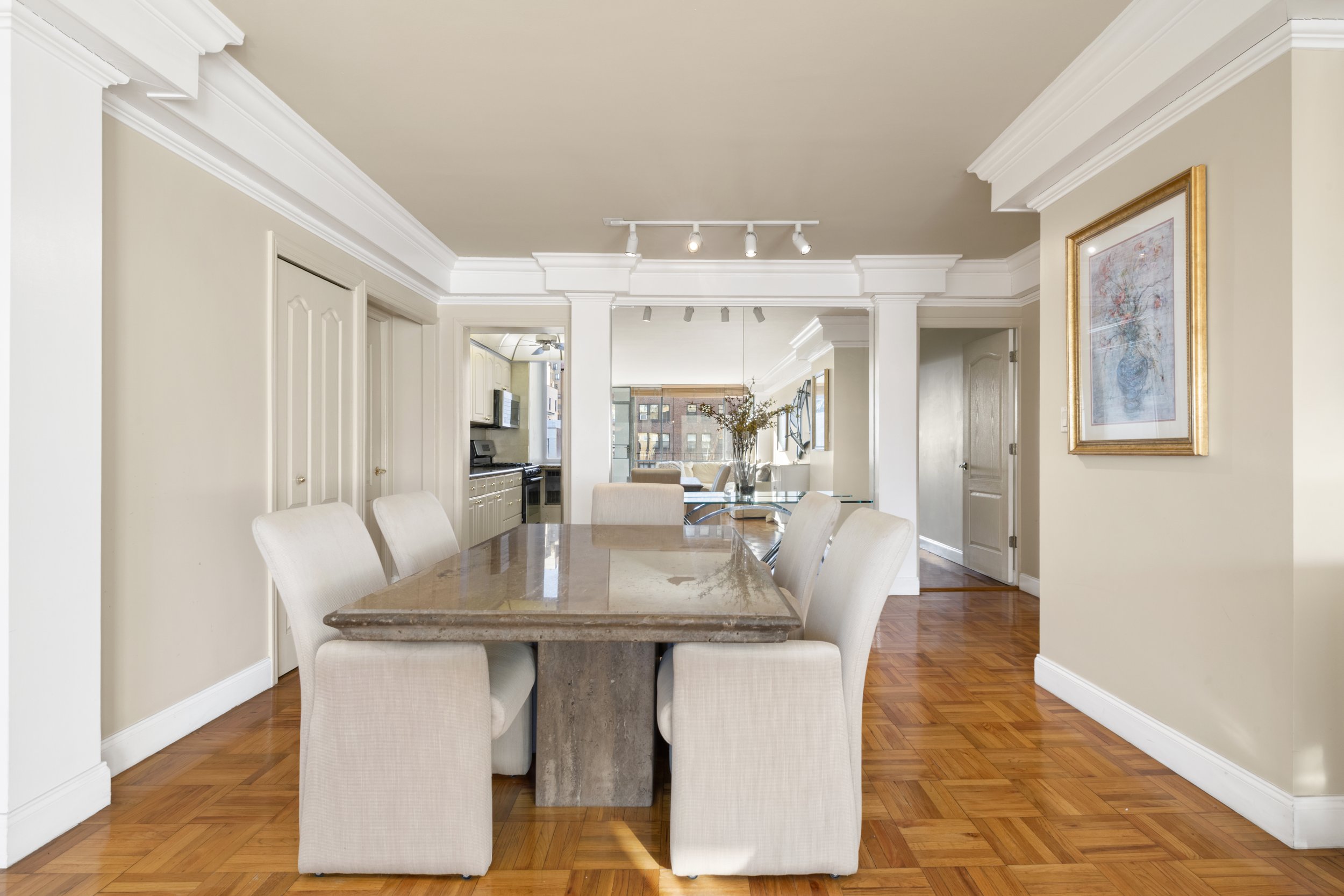
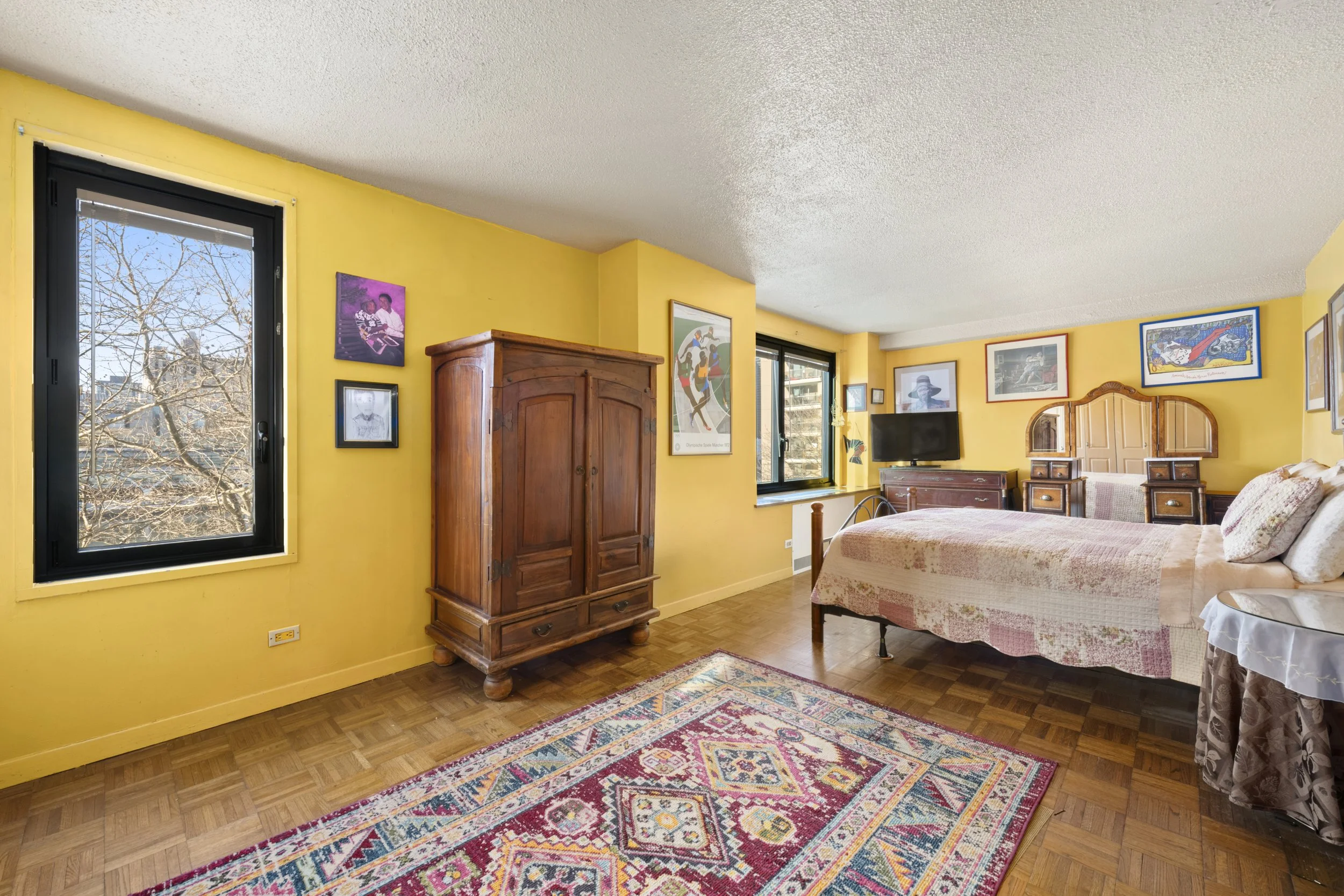
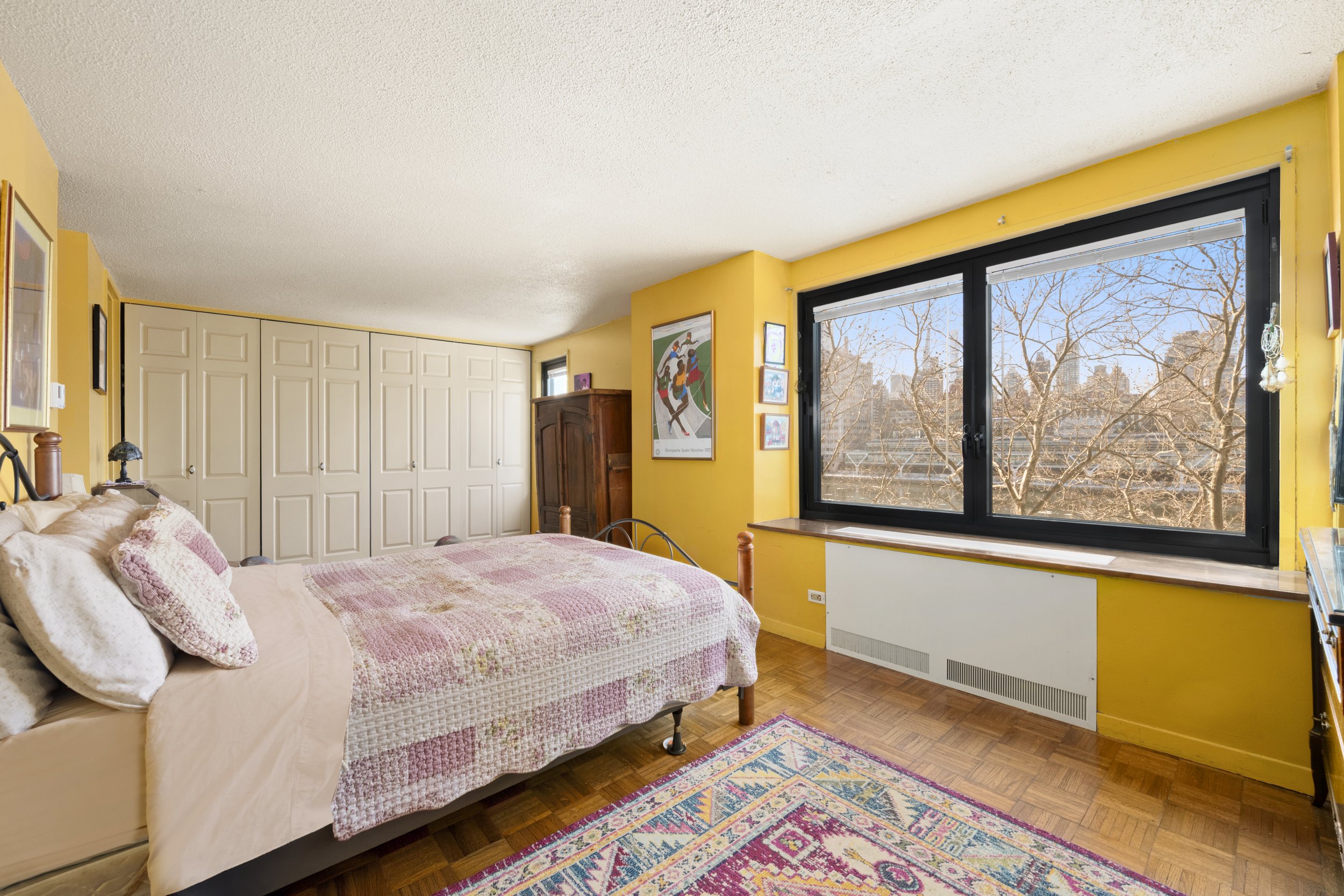
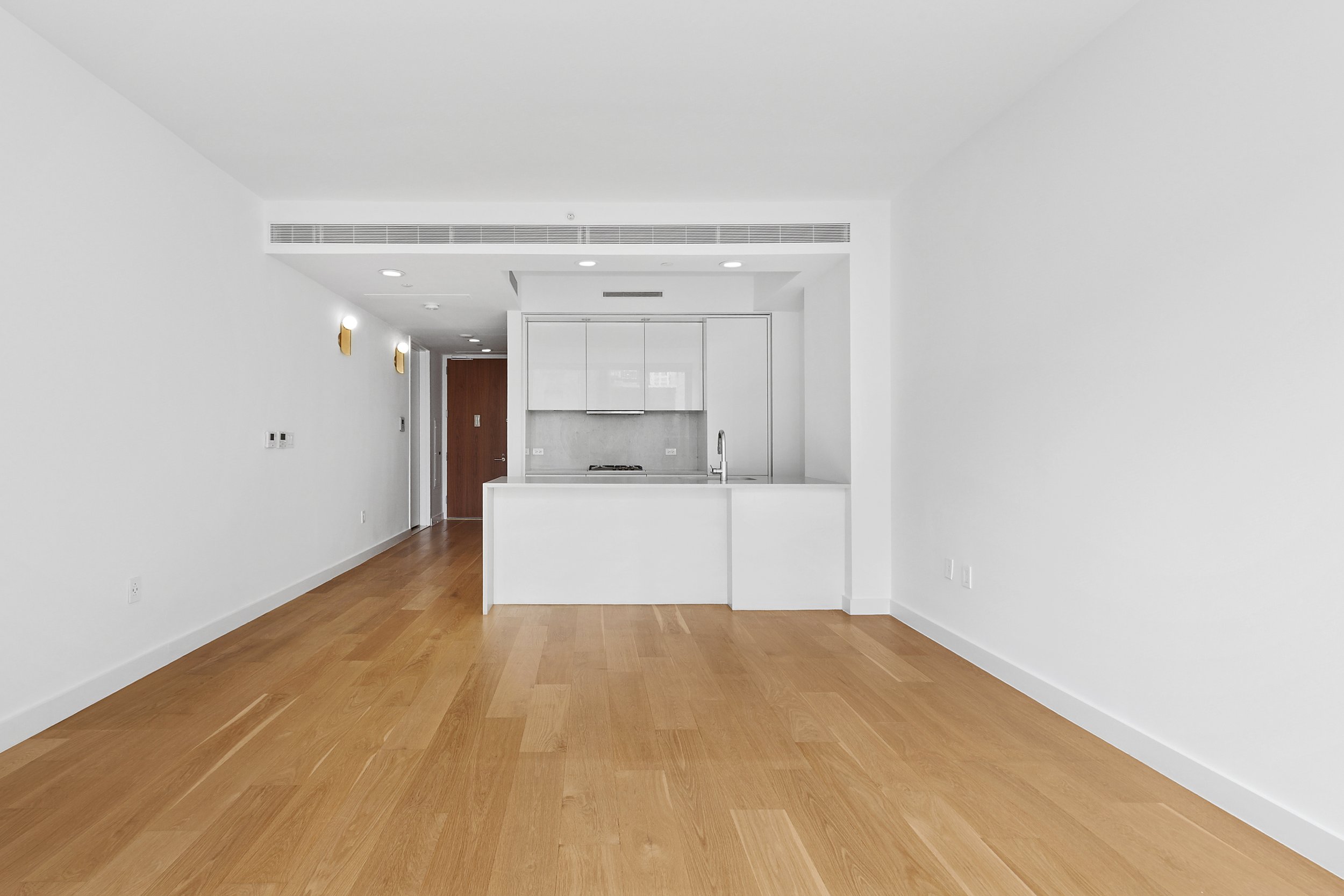
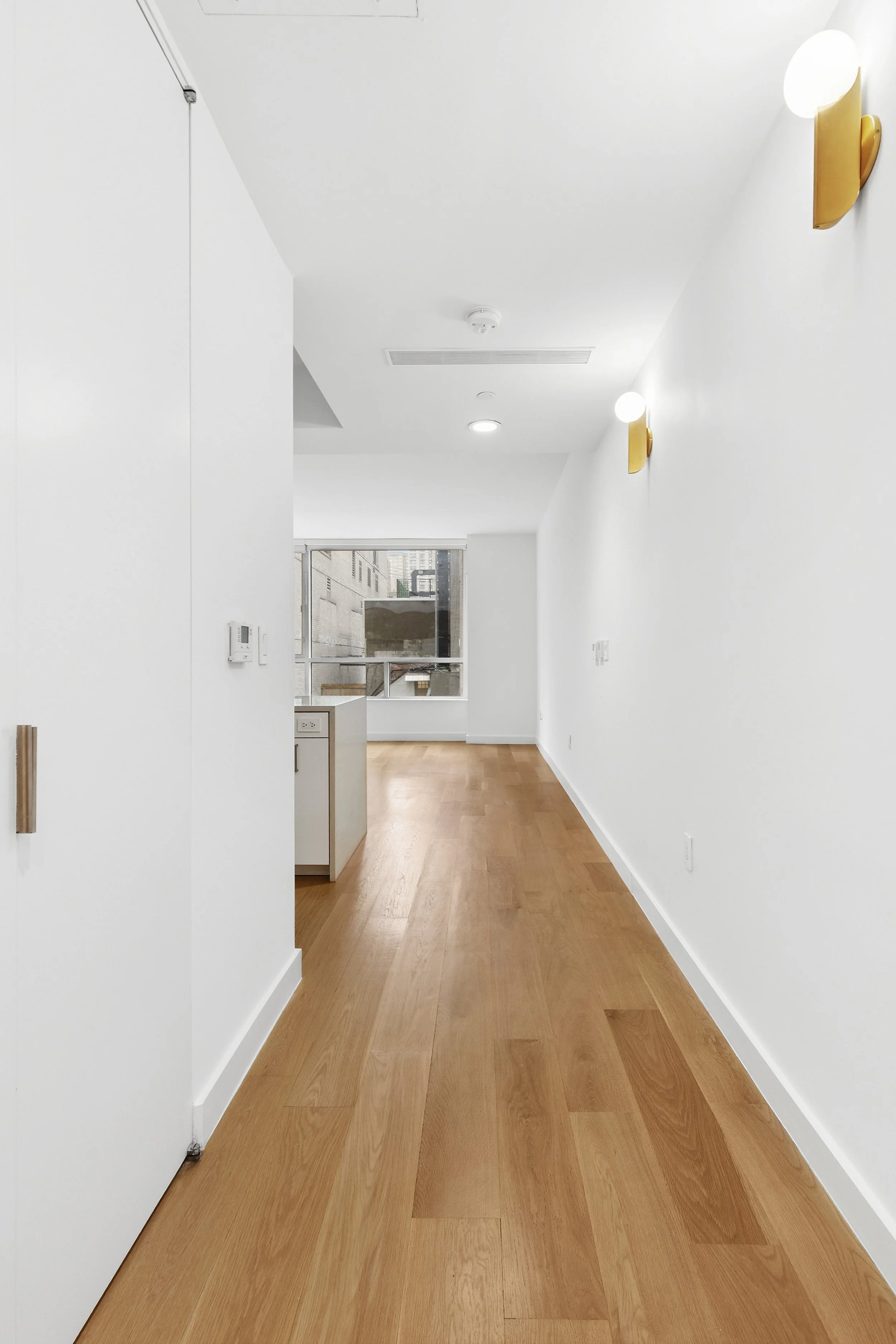
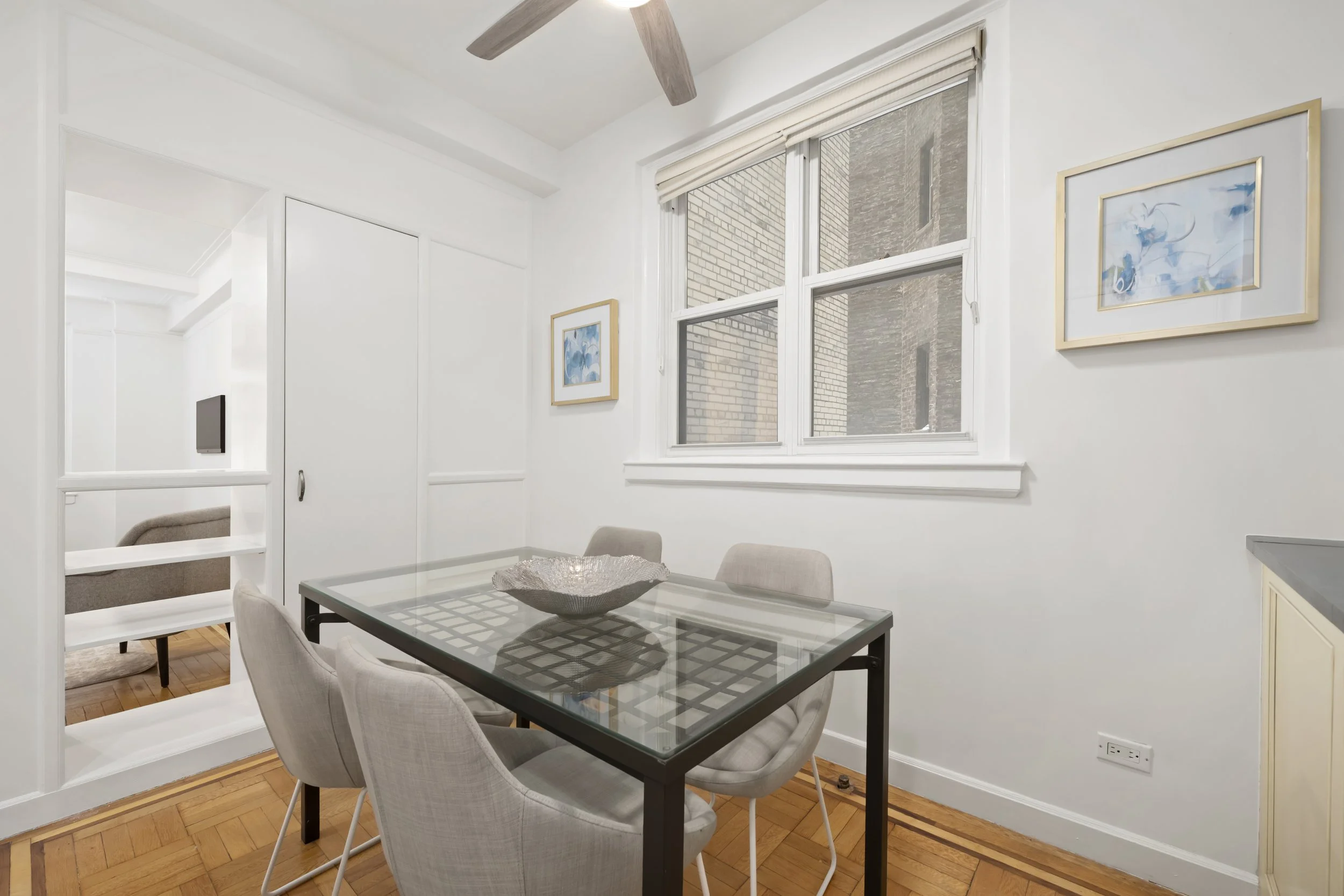
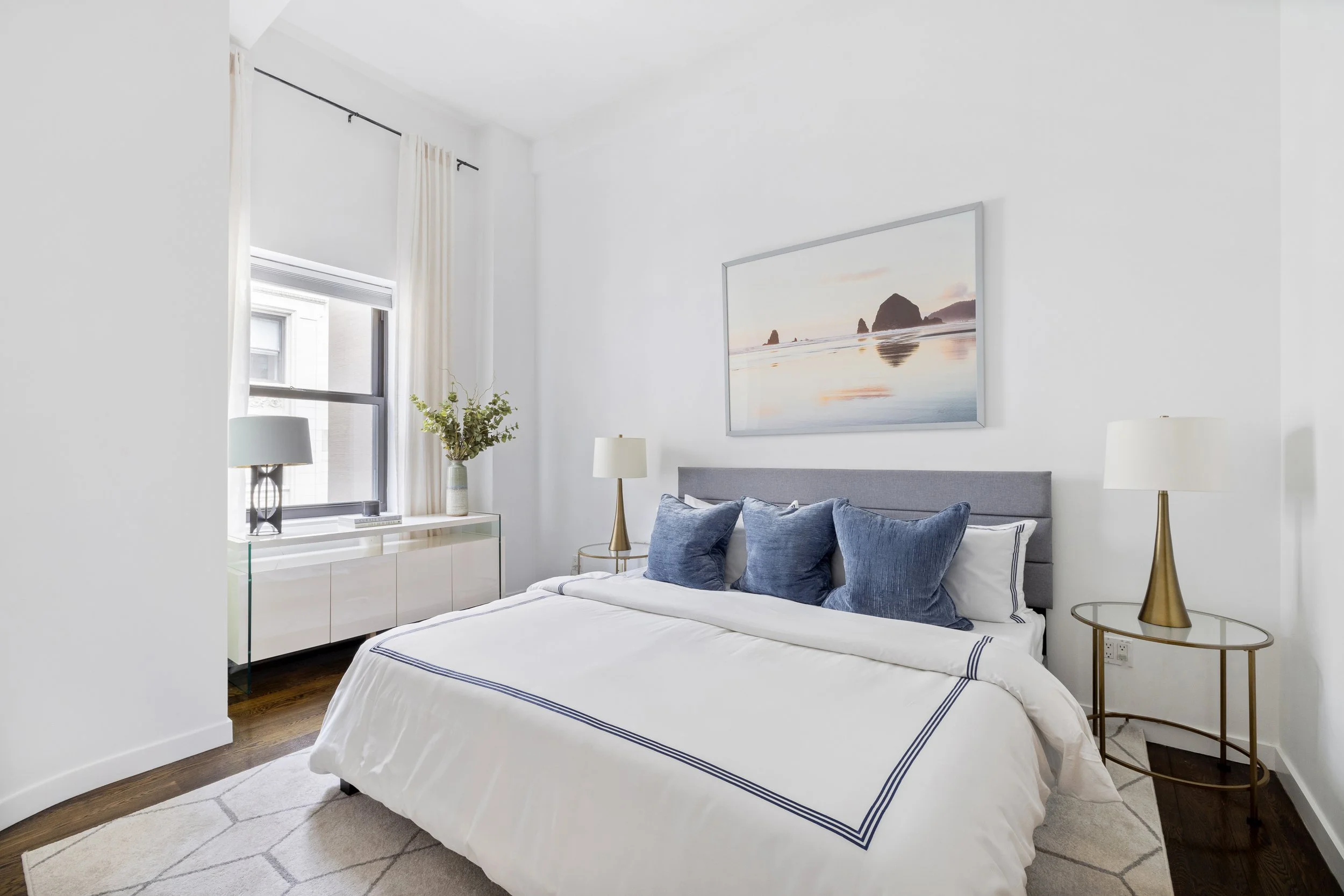
Flooded with sunlight and tranquility, this one-bedroom residence with three exposures and a private balcony is ideally situated on picturesque East End Avenue. Abundant natural light and open cityscape views enhance the apartment from every angle. With only one other residence on the floor, the home offers exceptional privacy.

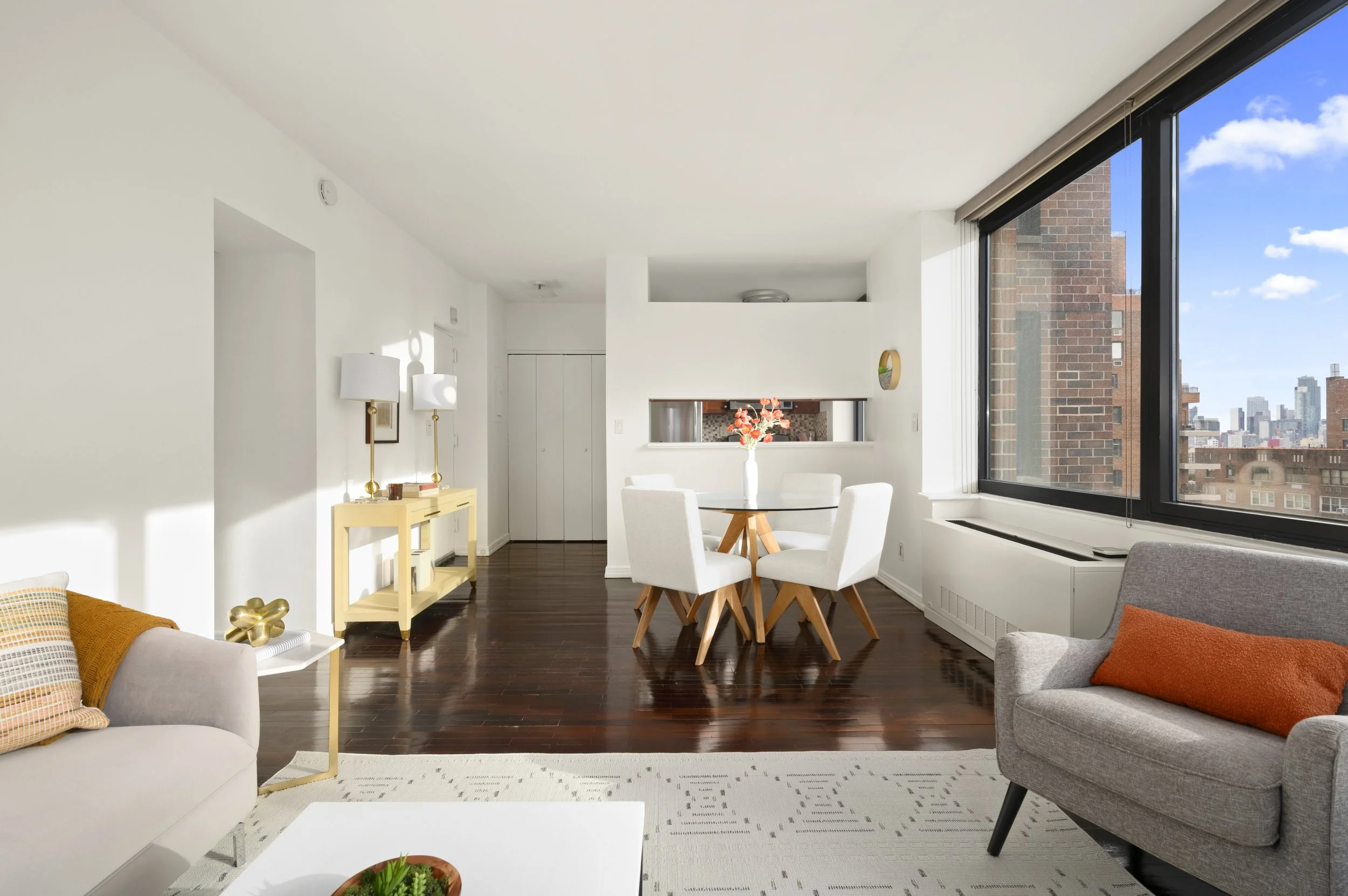
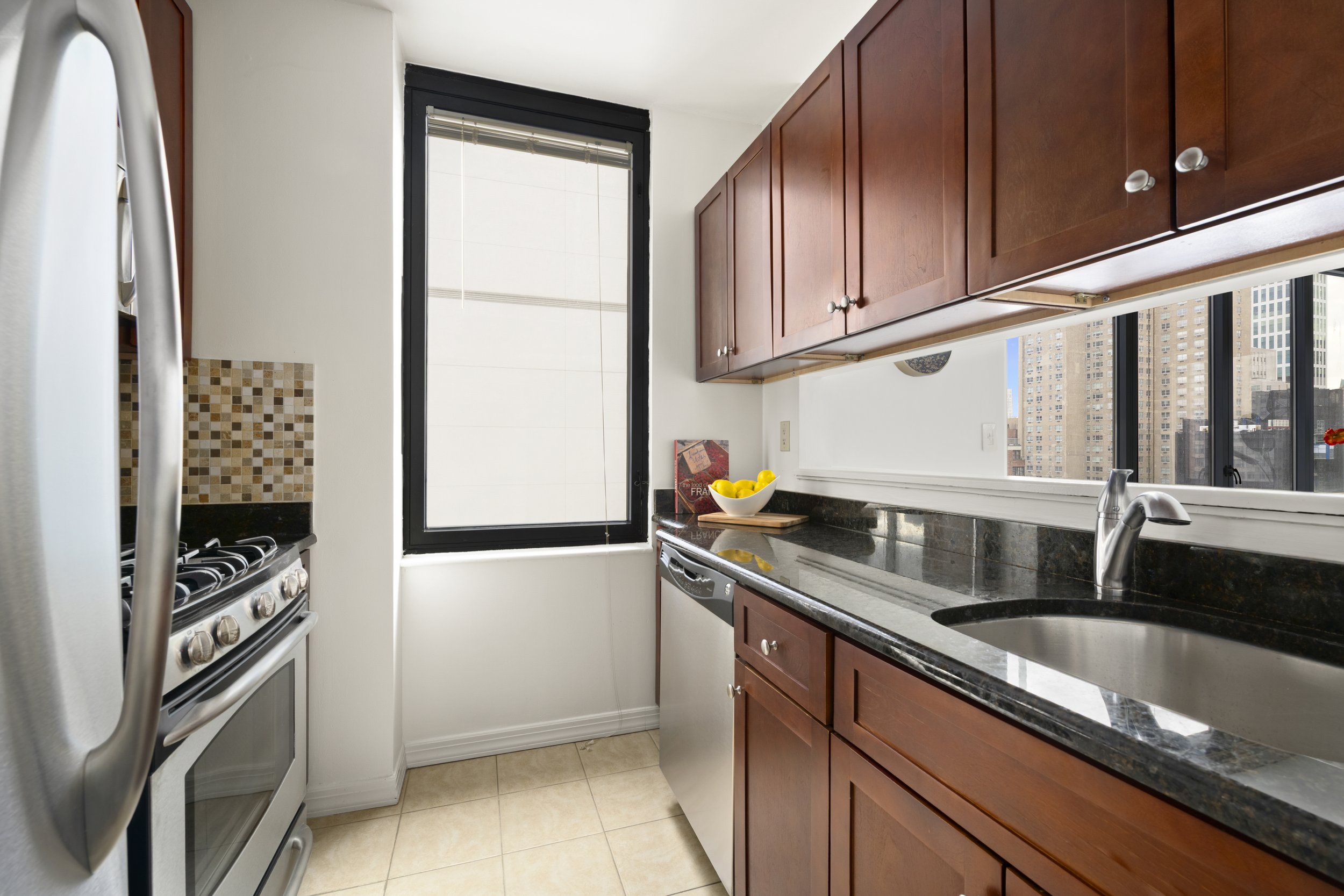
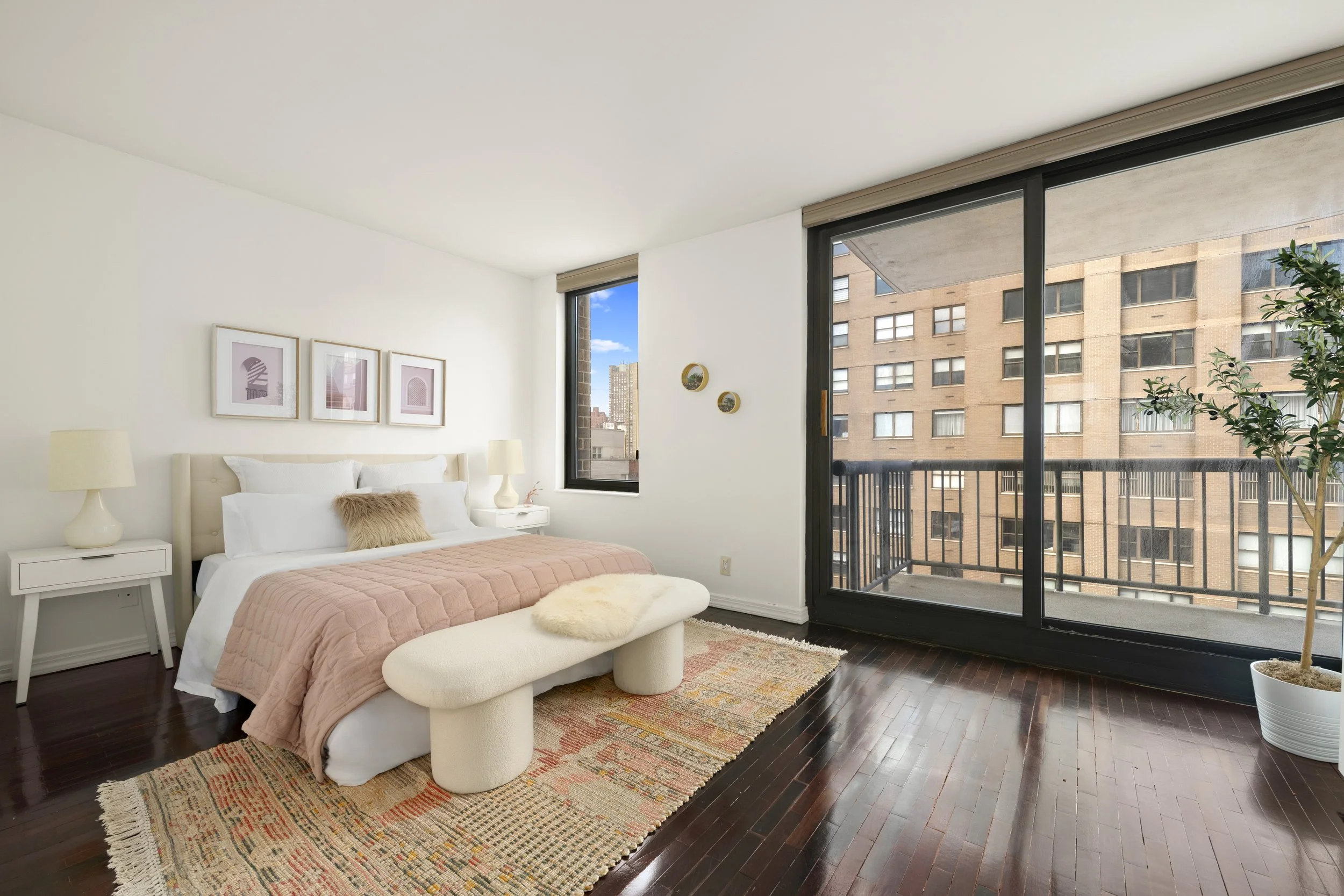
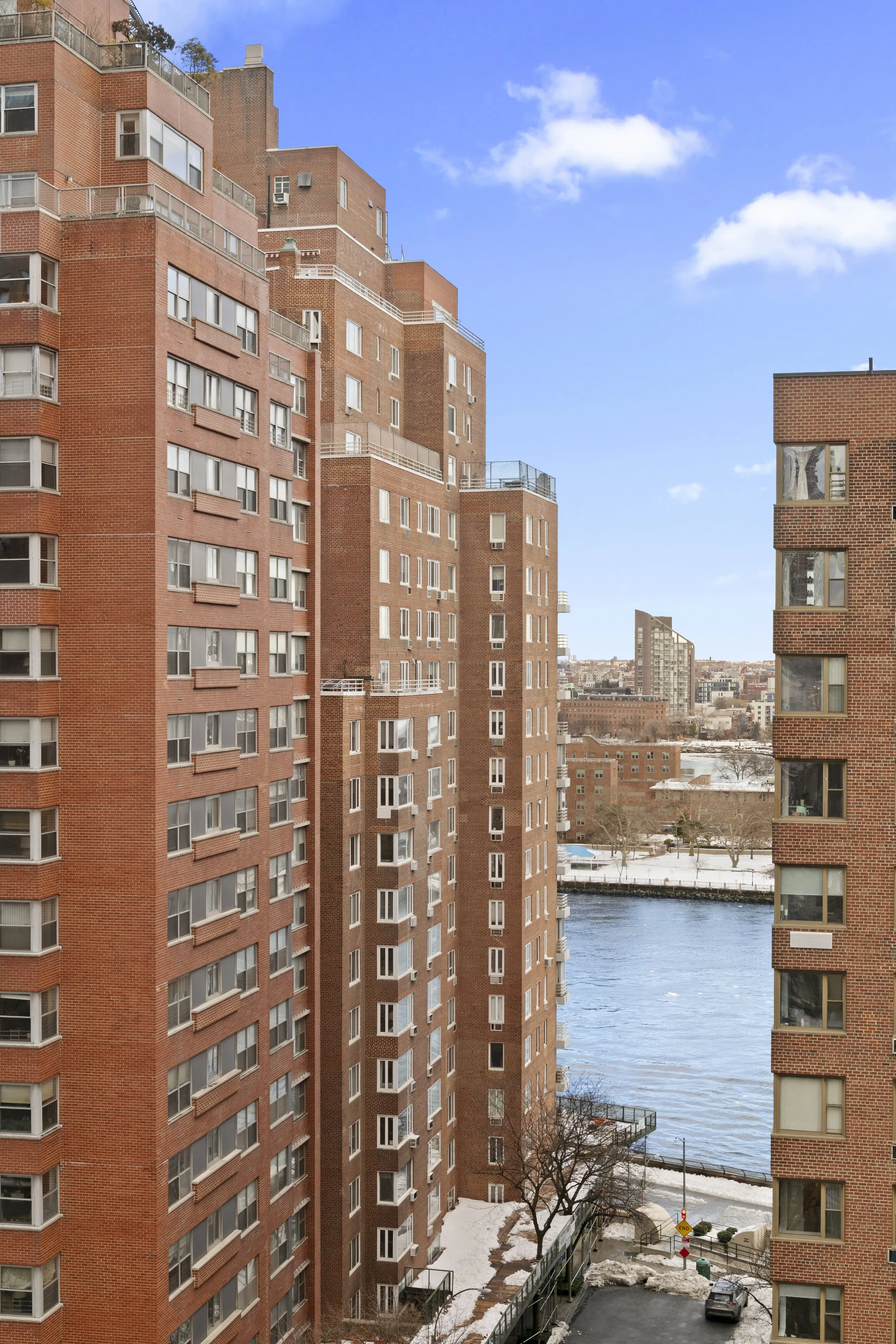
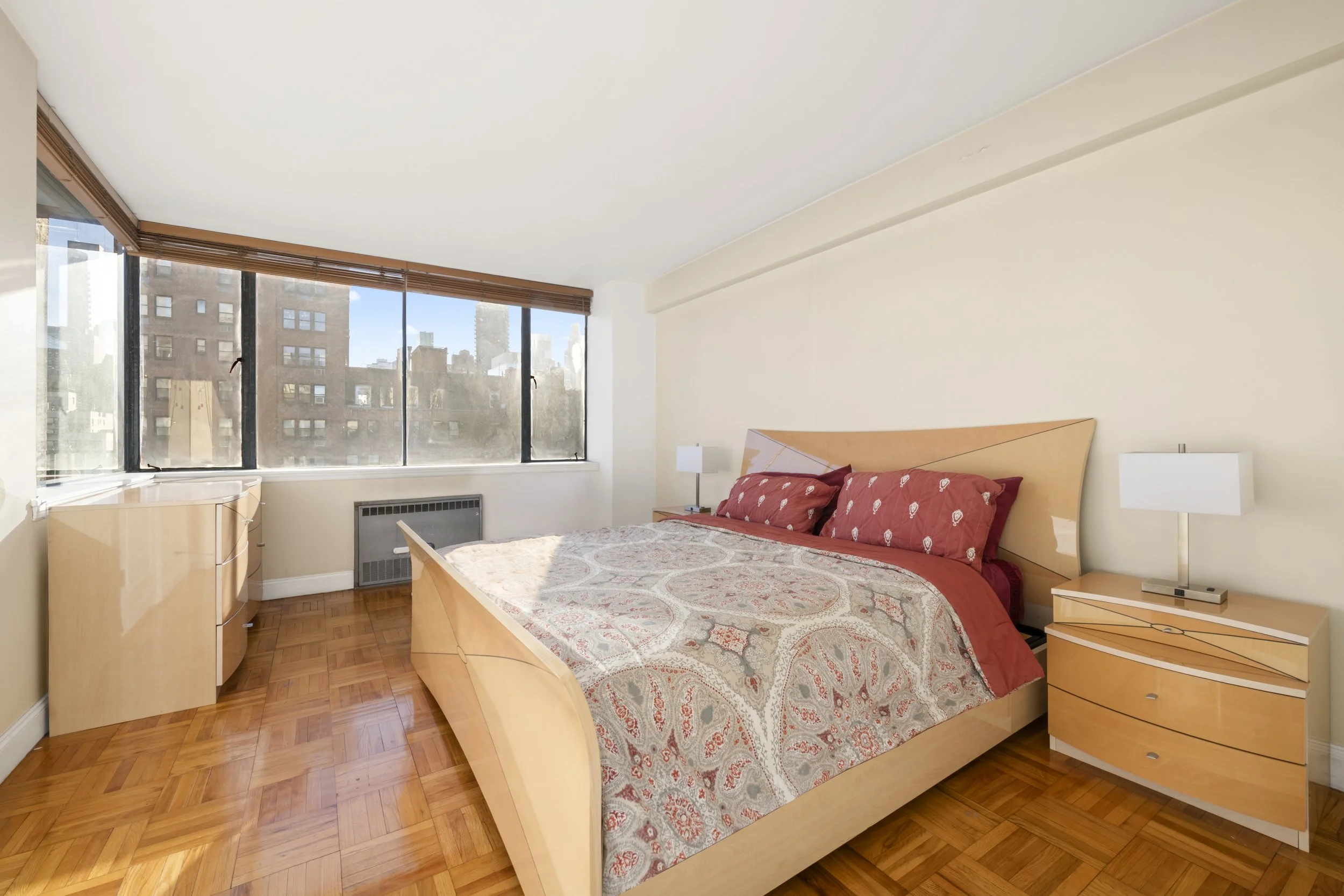
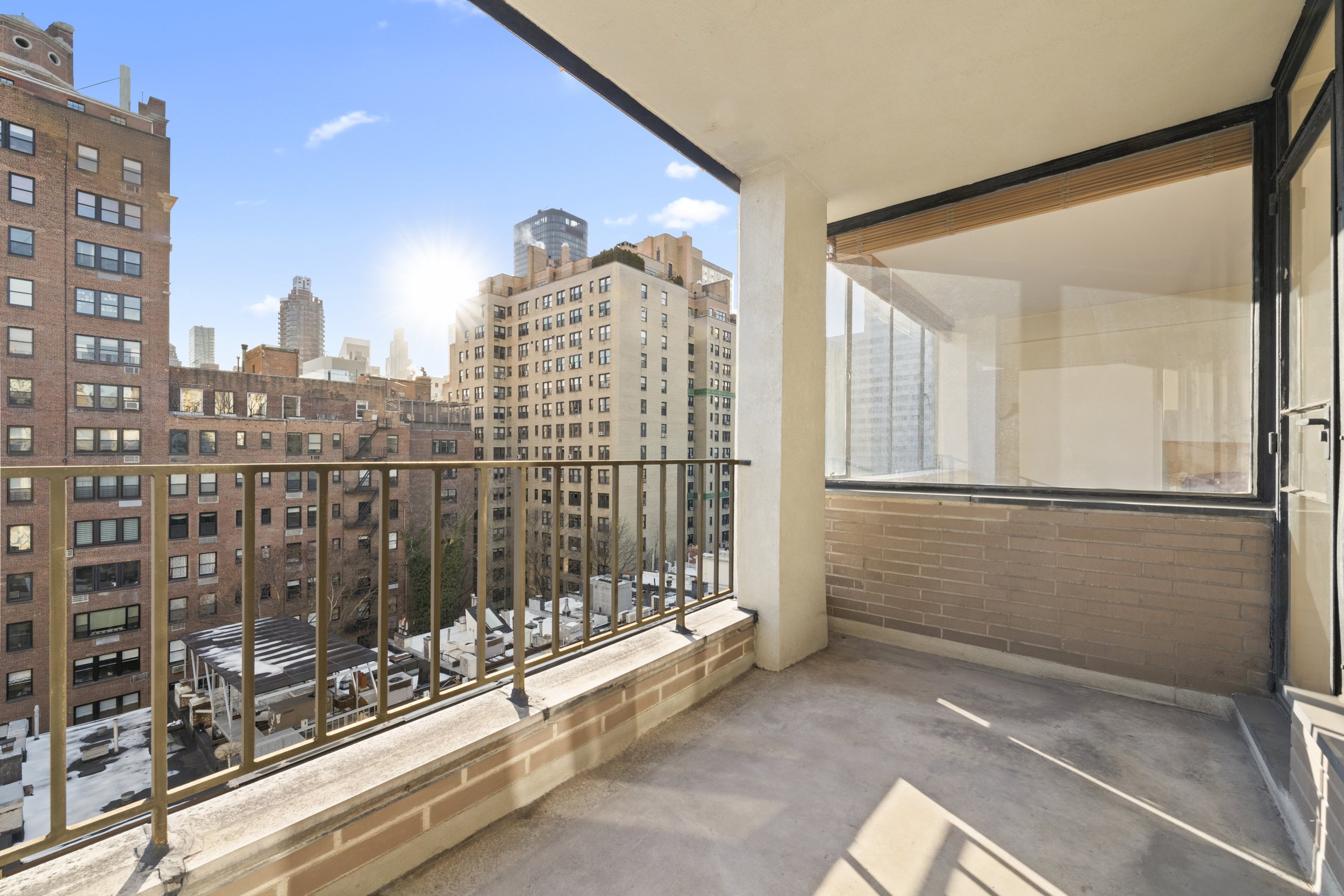
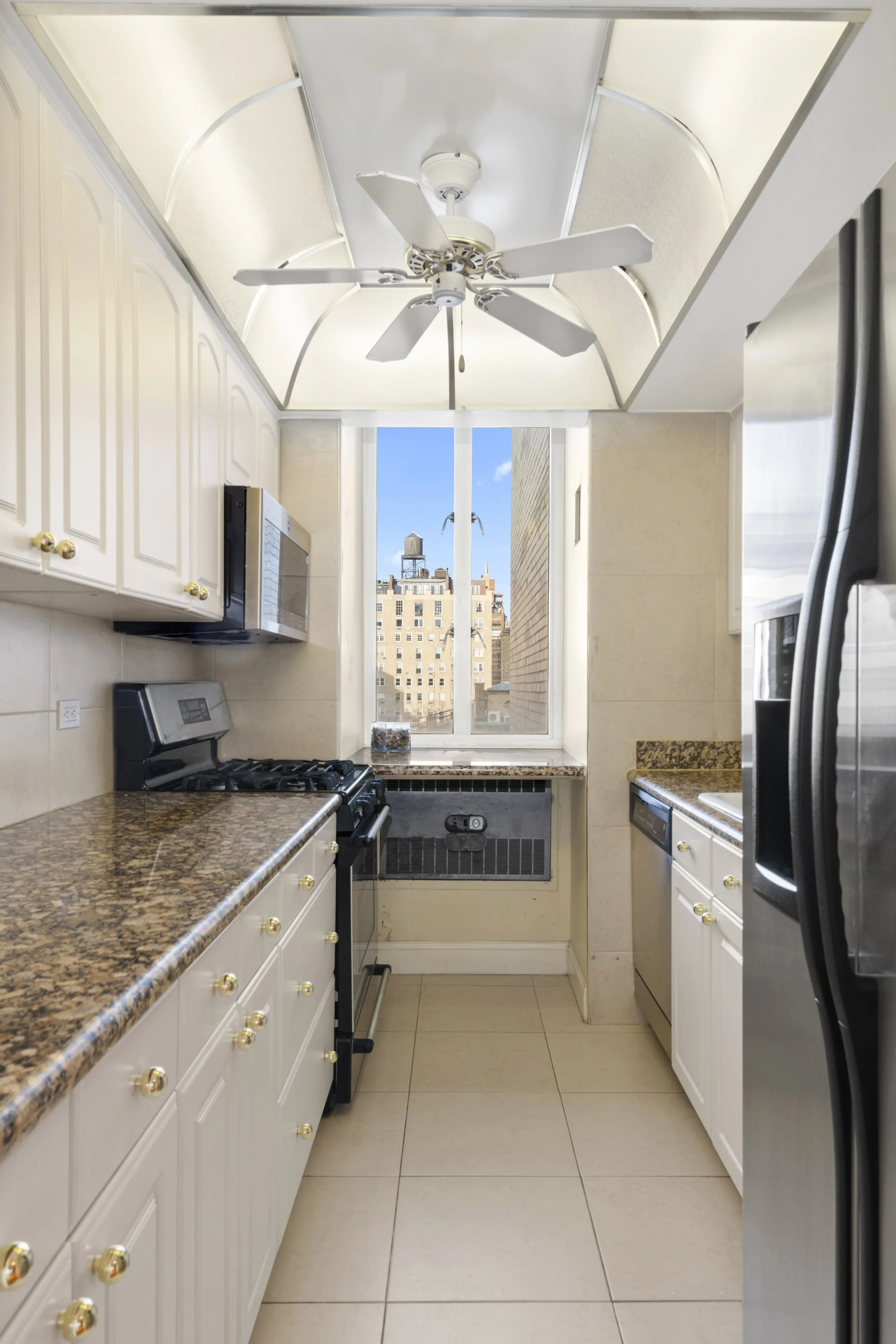
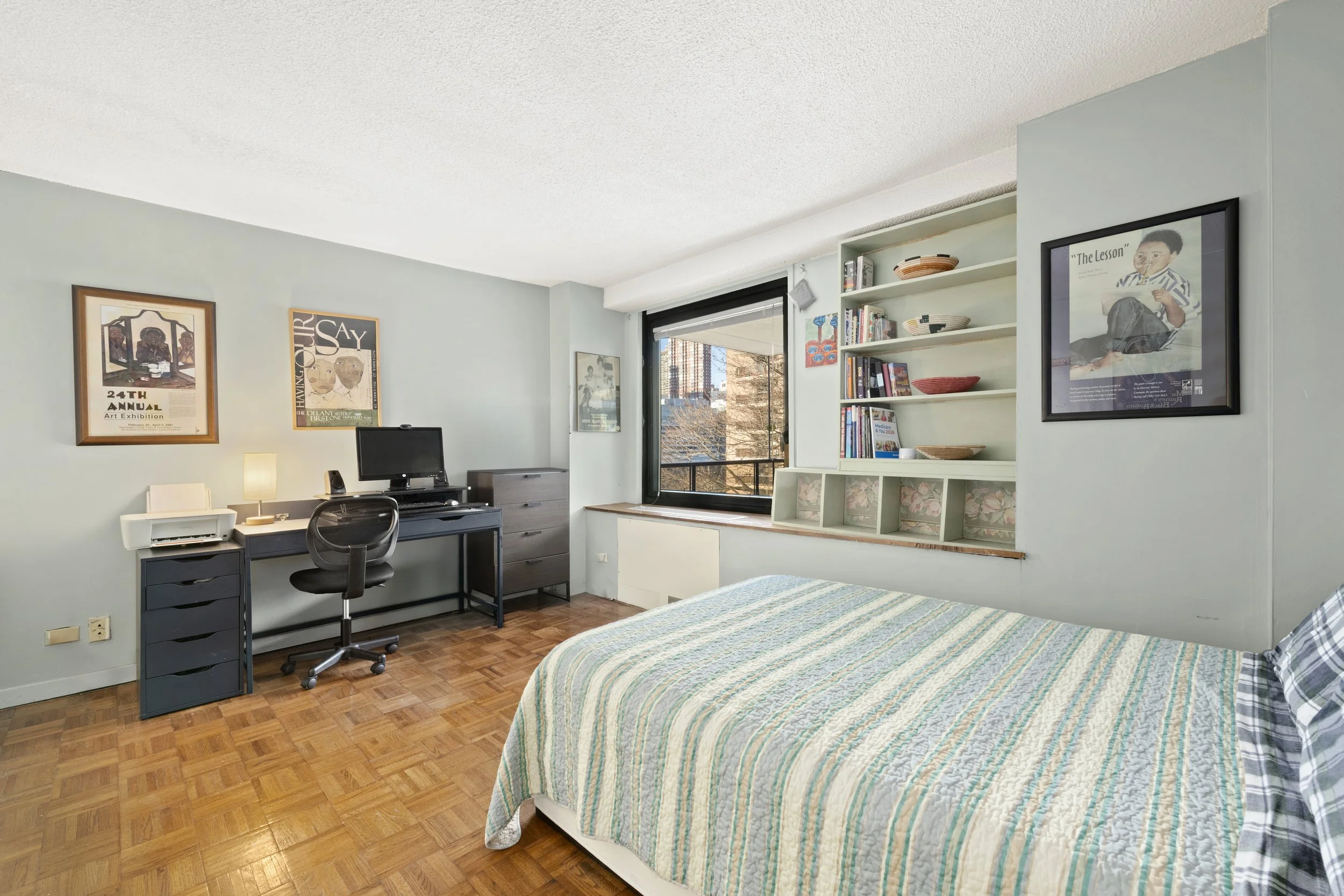
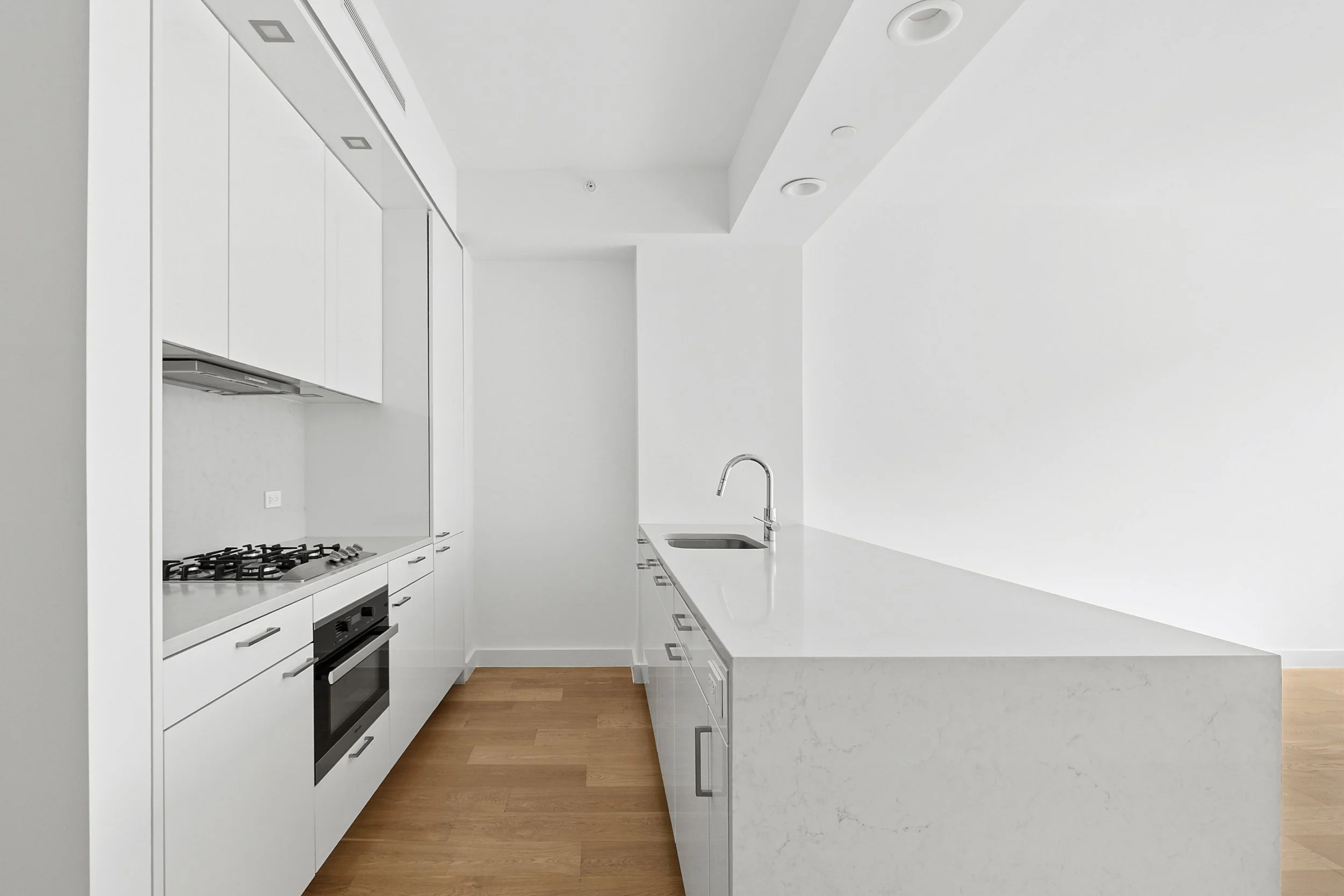
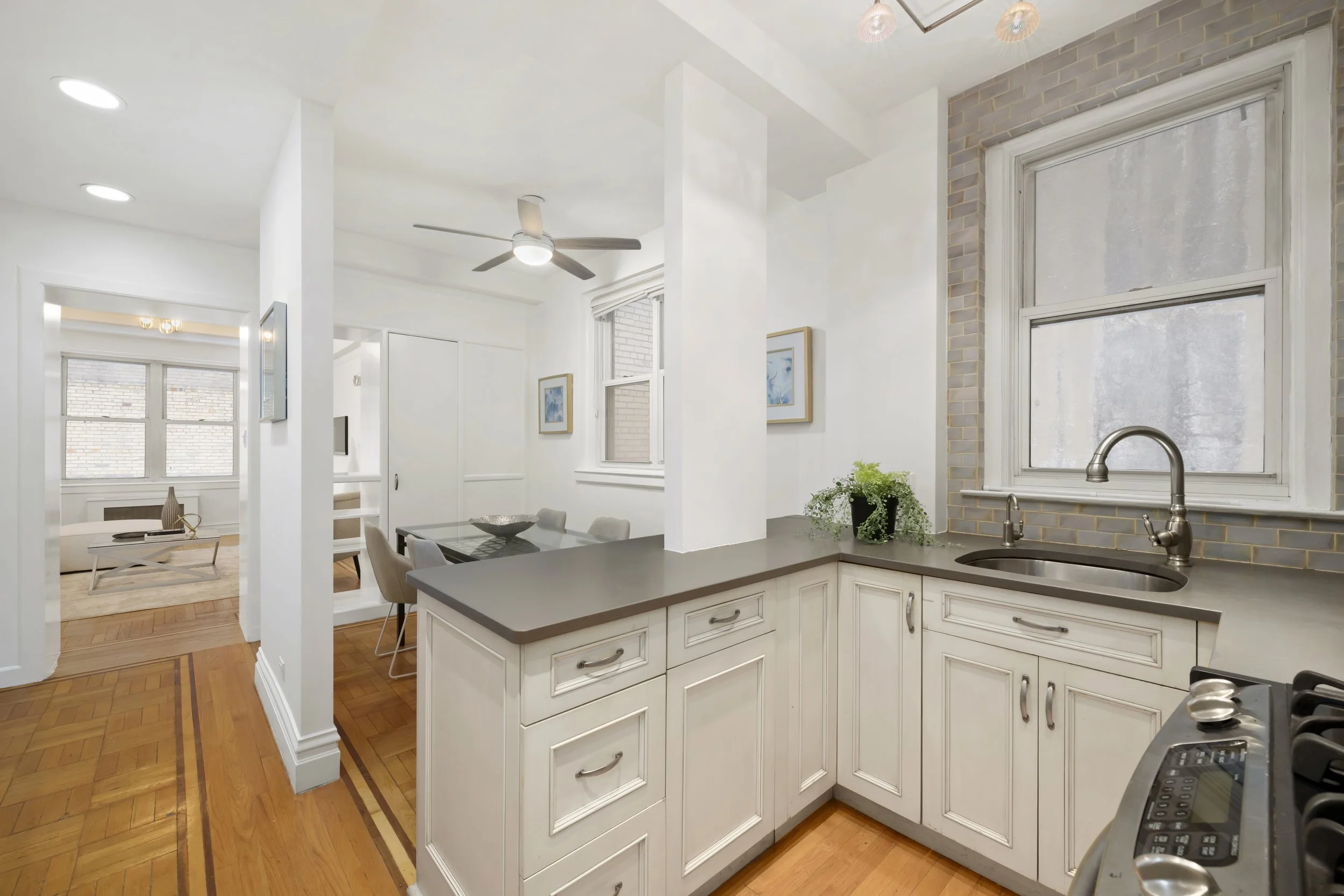
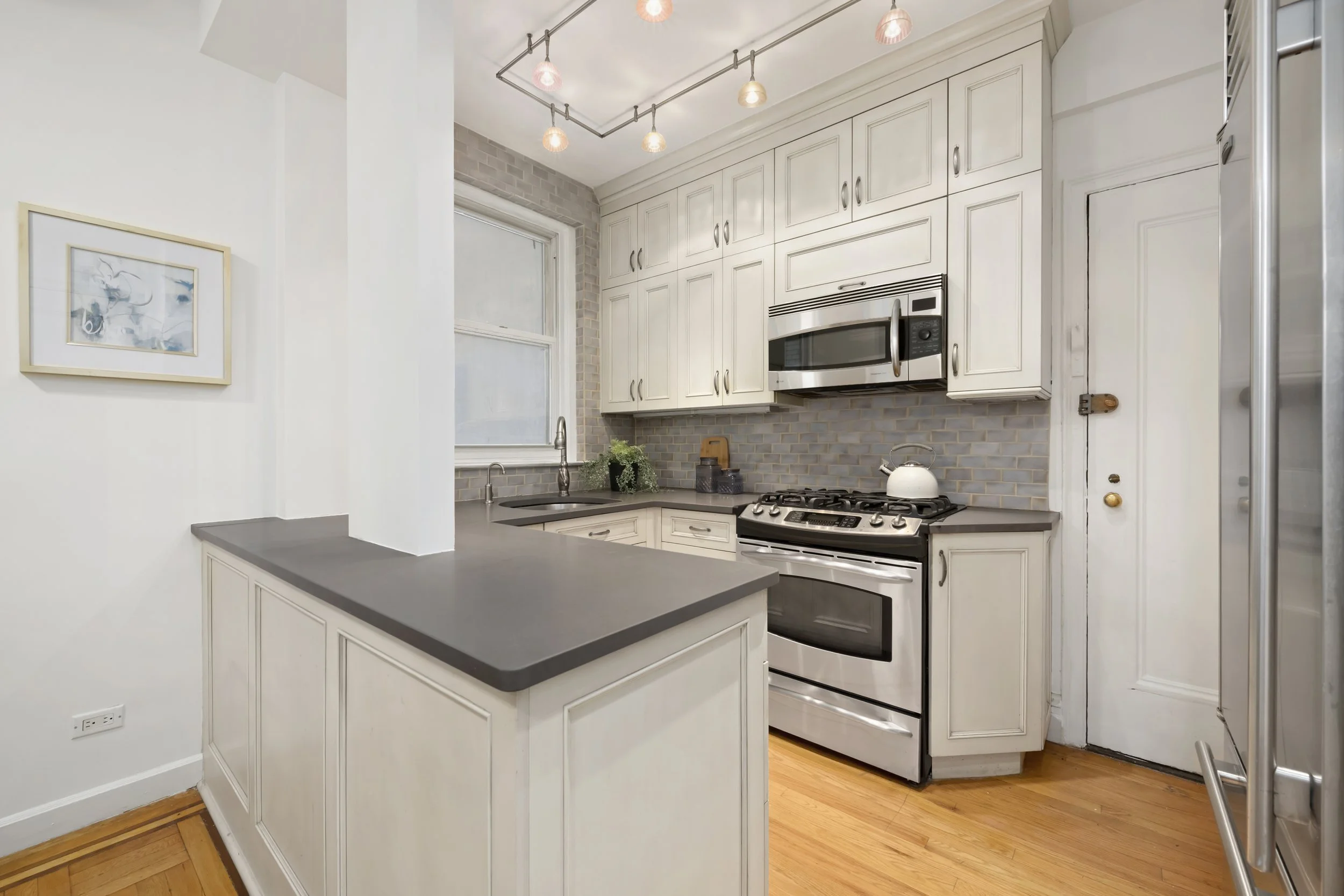
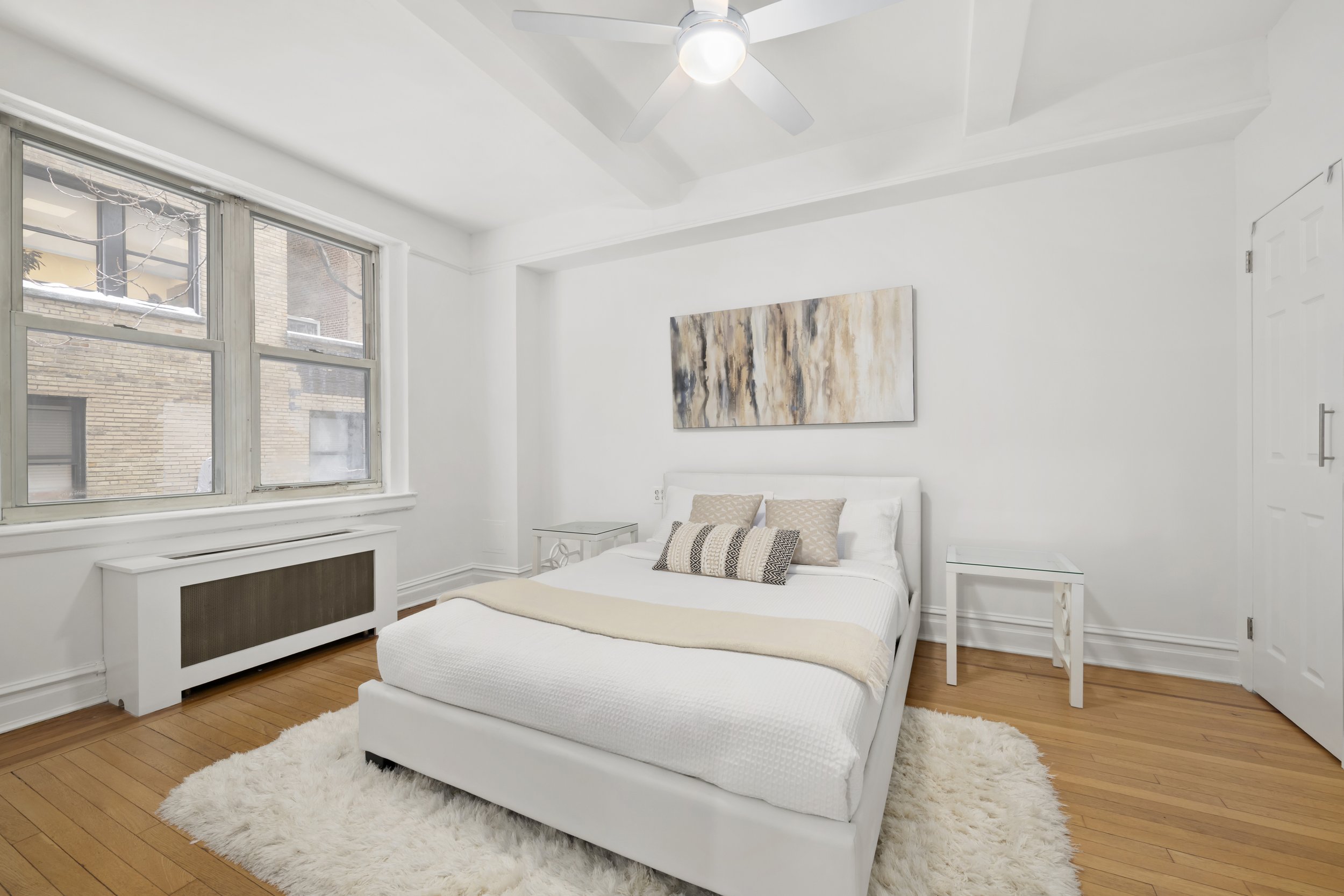
This home features an open-concept living and dining area with south-western exposures in the main room, along with a windowed pass-through kitchen appointed with granite countertops and GE Profile appliances. The spacious primary bedroom offers a serene retreat from city life and comfortably accommodates a king-size bed as well as a home office setup. A private, north-facing balcony is directly accessible from the bedroom, providing a peaceful outdoor escape and views to the East River.

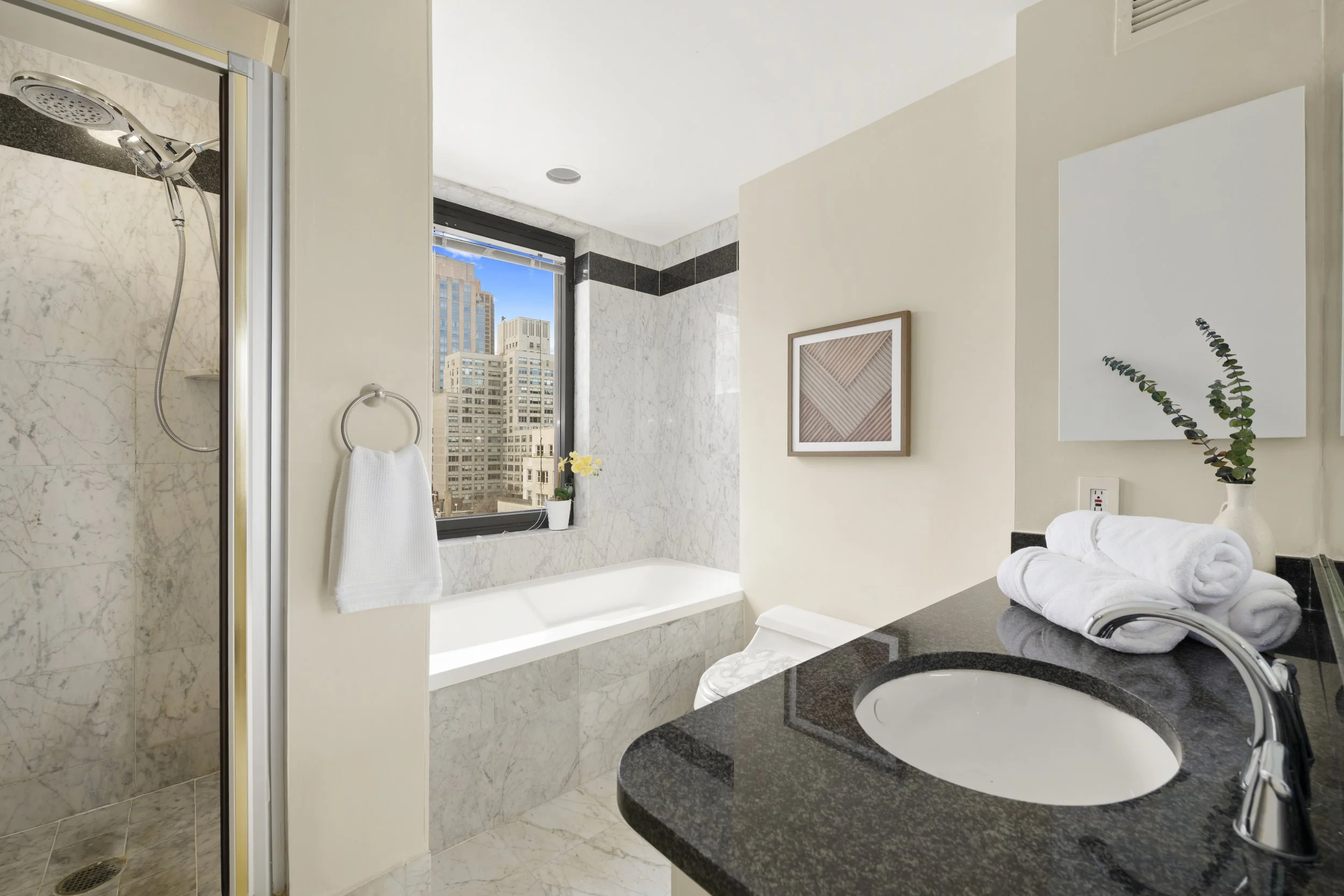
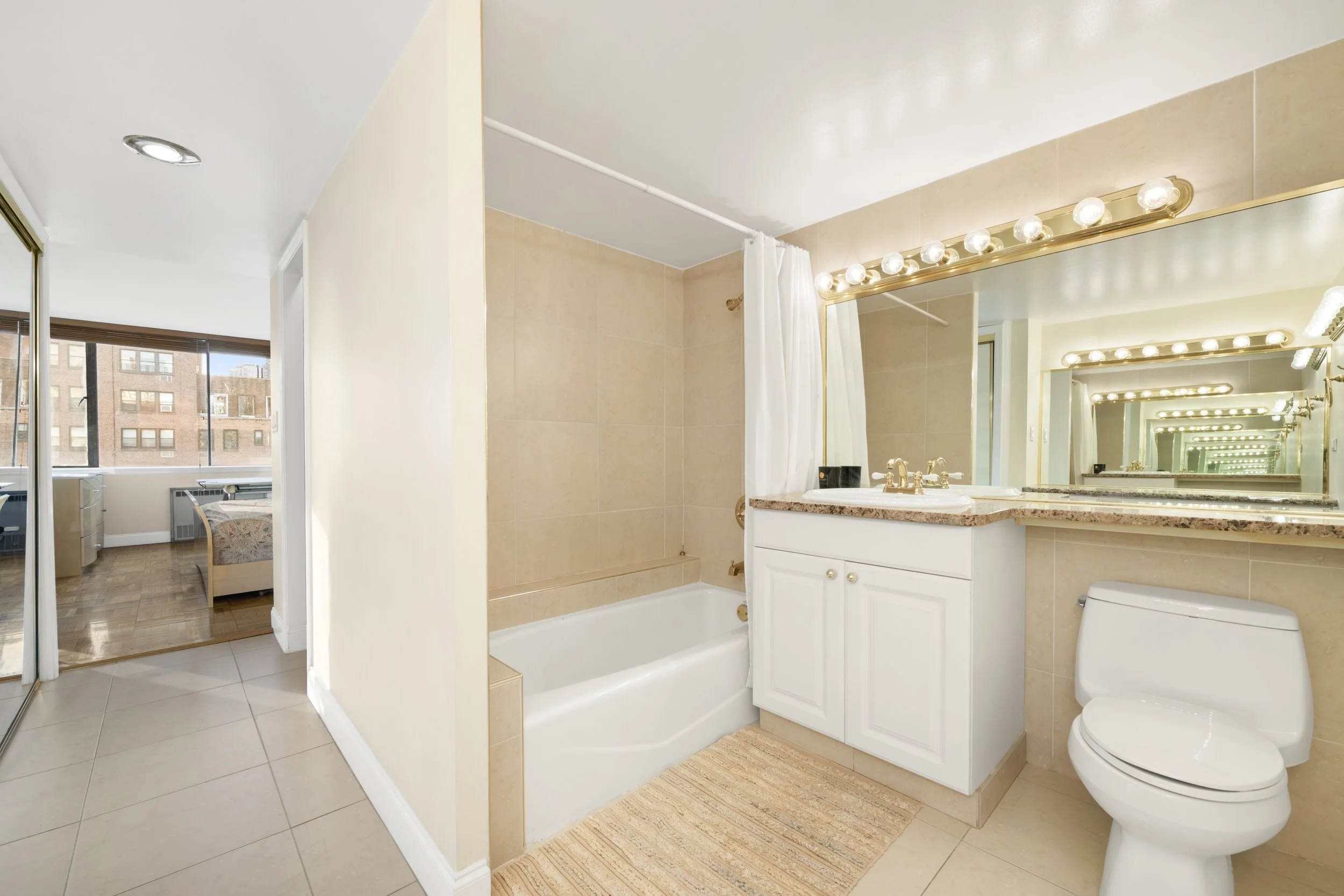
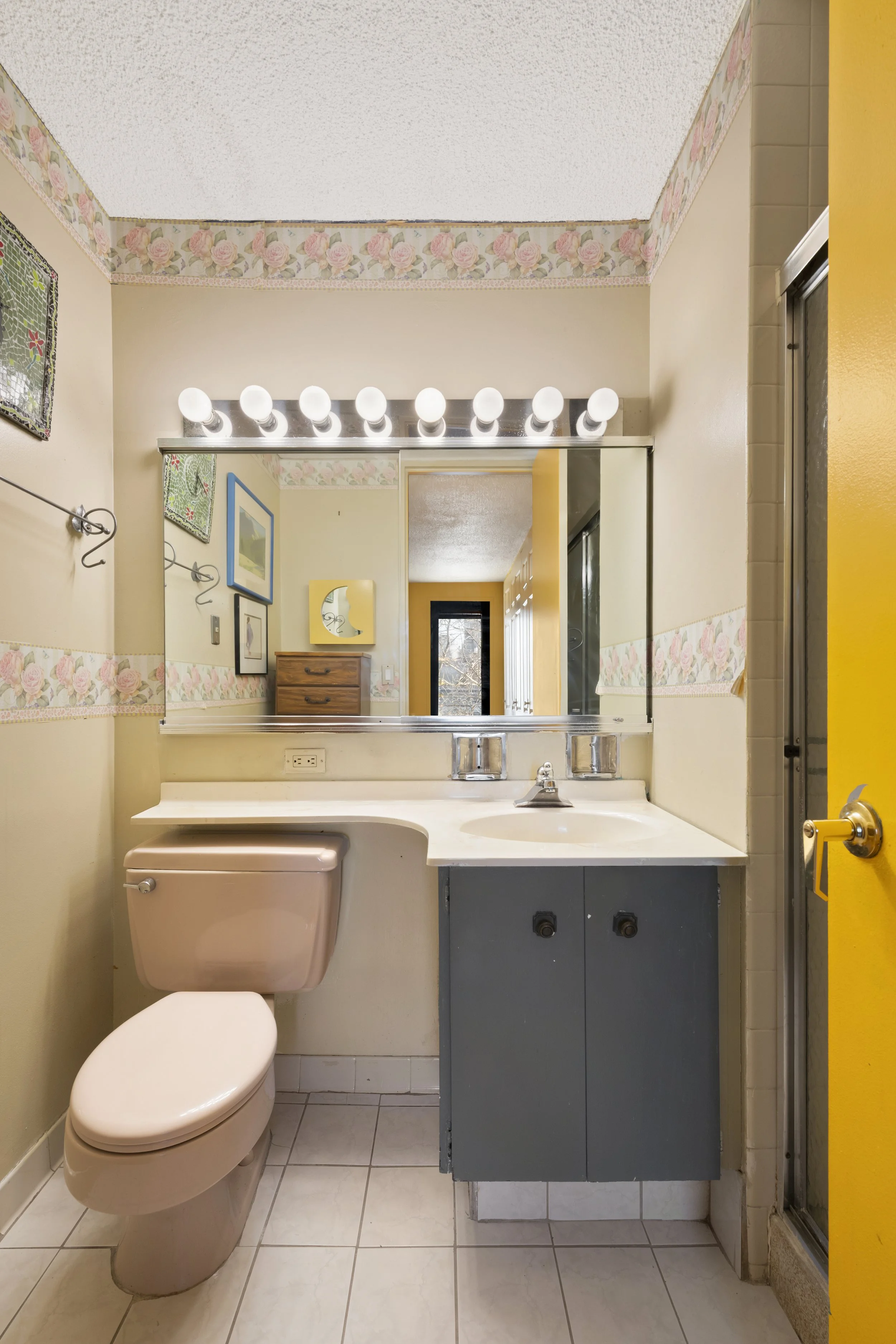
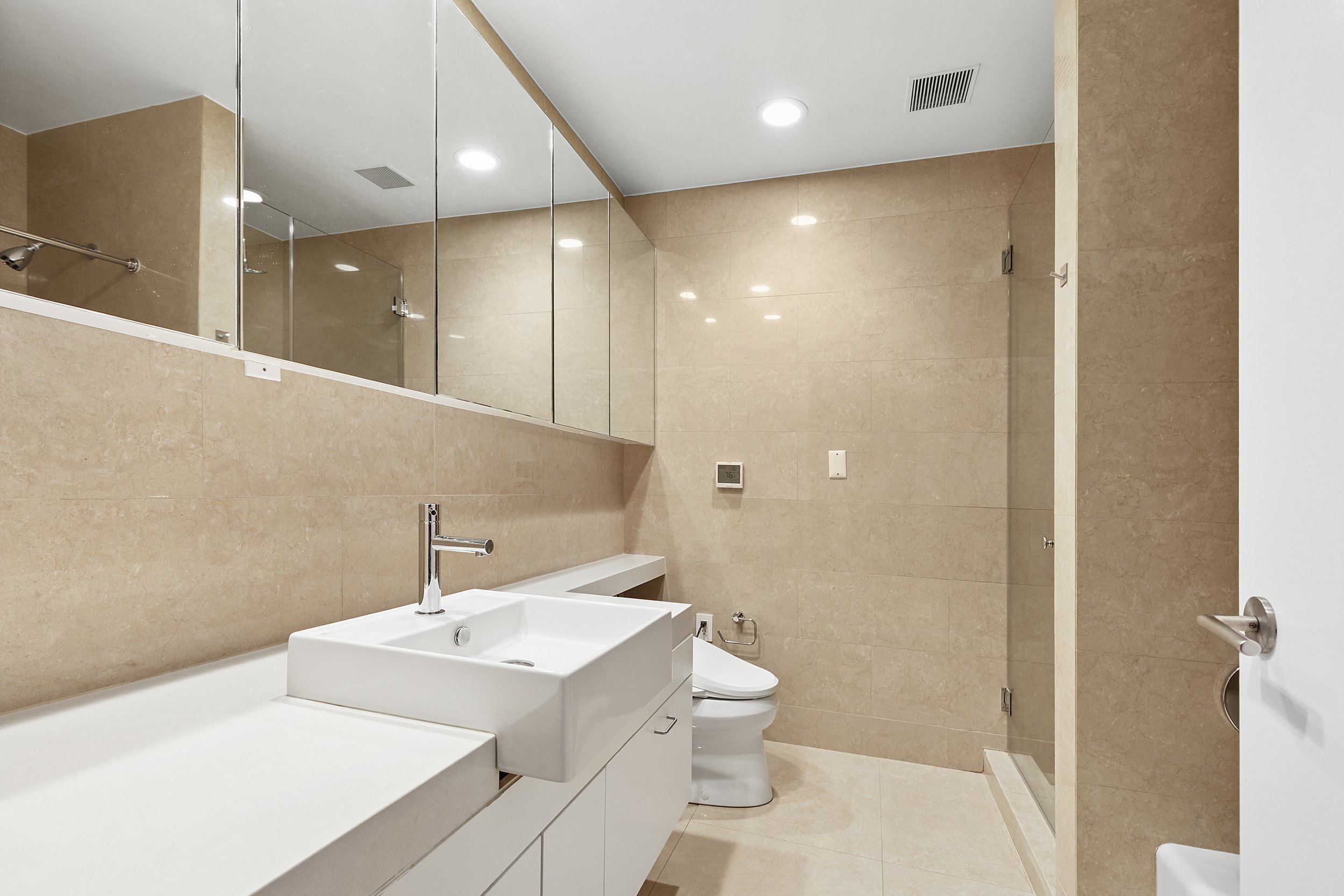
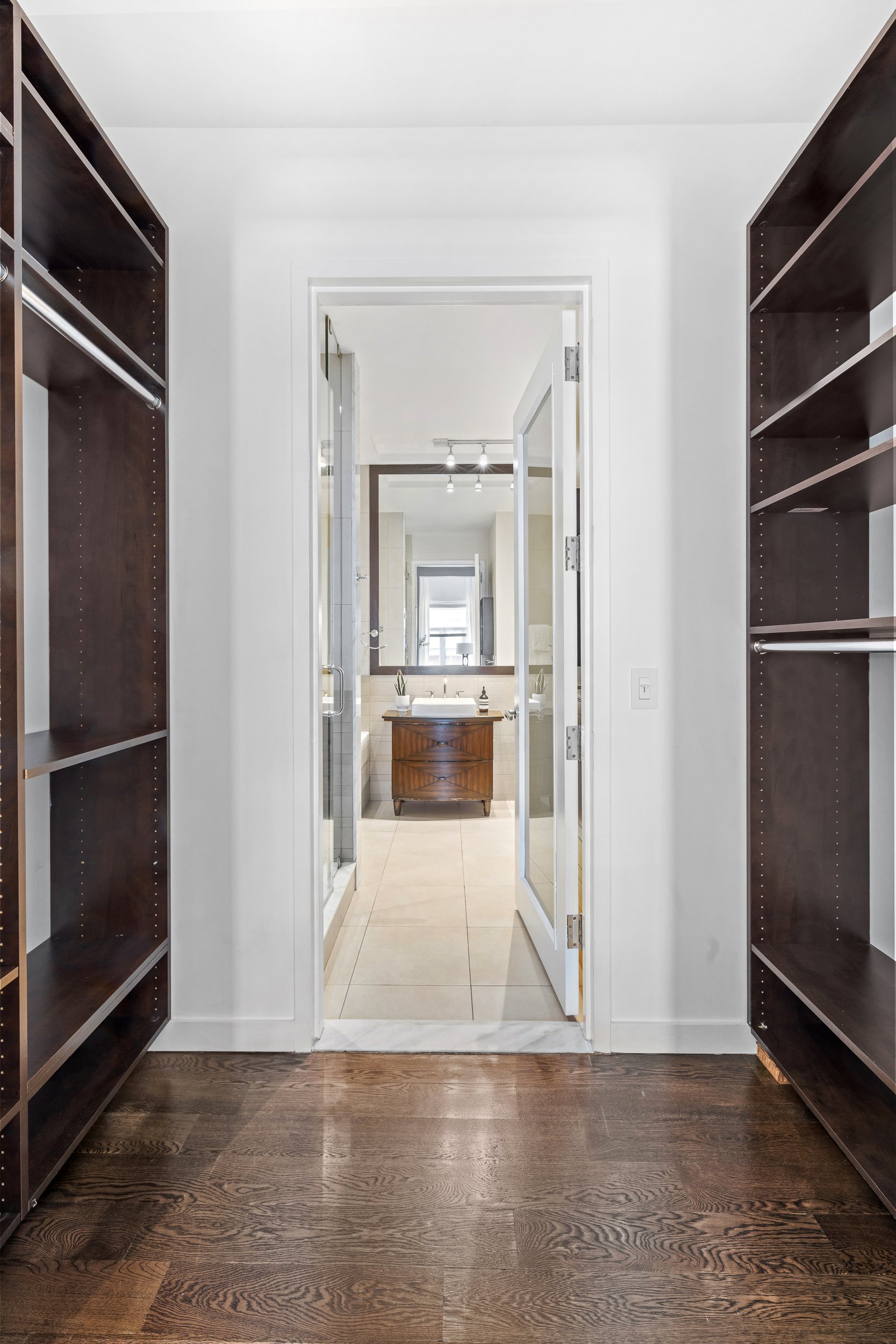
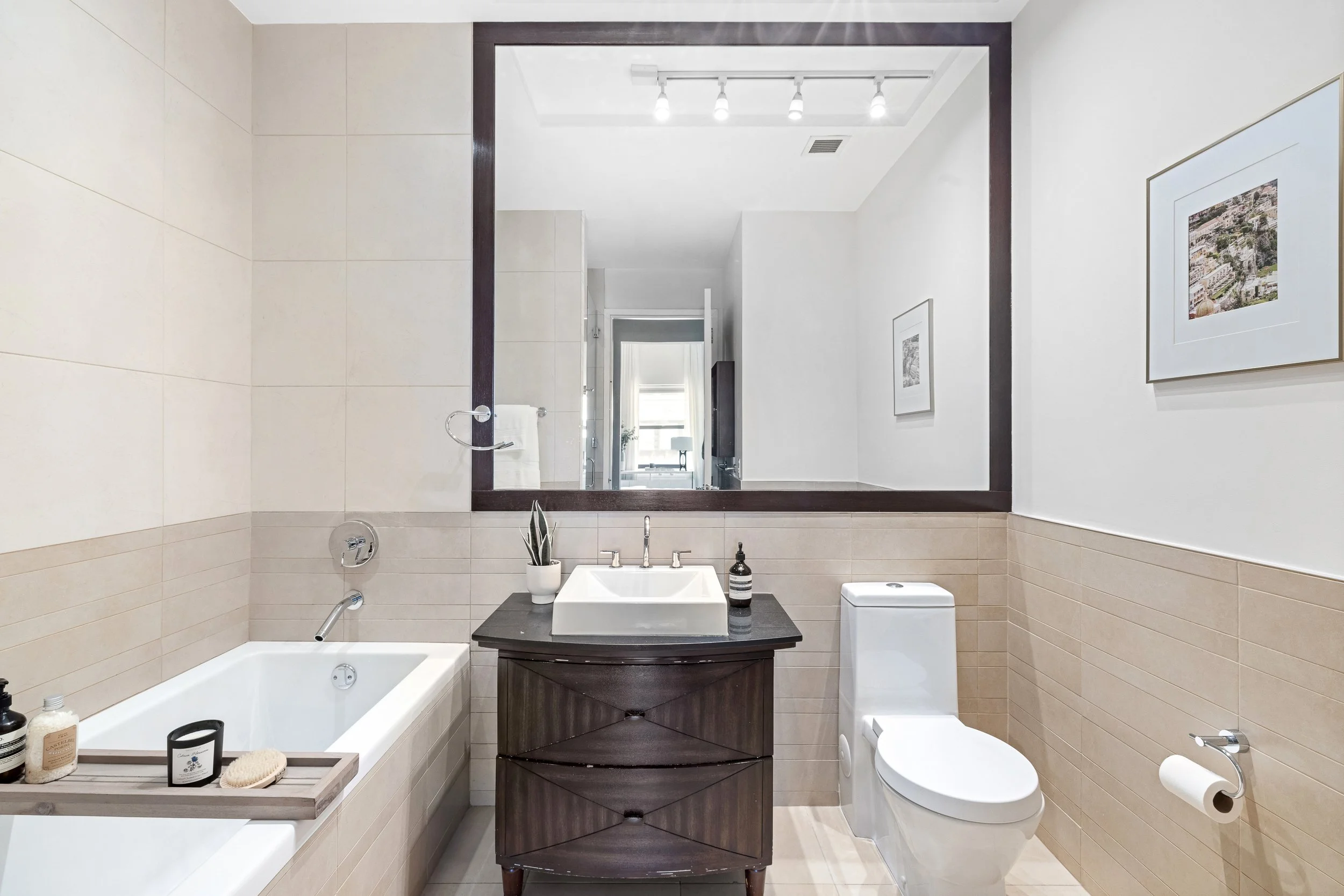
The generously sized marble bathroom offers a separate marble walk-in shower and ample closet space is found throughout the apartment, ensuring both comfort and functionality.

There is a flip tax of 2% split evenly between buyer and seller and primary residents will be eligible for a 17.5% real estate tax abatement. Additionally, there is an assessment of $695.59 through August 2027. Pets welcome.

52 East End Avenue is a meticulously managed full-service condominium offering a sleek, renovated lobby, 24-hour concierge and doorman services, elevator security, a live-in superintendent, fitness center, laundry room, and bike storage. Located on a wide, tree-lined avenue, the building is just moments from Carl Schurz Park, the East River Promenade with dog runs and walking/jogging paths, as well as an excellent selection of restaurants and shopping options.

This desirable section of the Upper East Side offers a true neighborhood feel and is home to many highly regarded public and private schools. Residents enjoy convenient access to the FDR Drive, the Q train, the 4, 5, and 6 subway lines, crosstown buses on 79th and 86th Streets, and Midtown and Wall Street ferry service.

The Monthly Update - March 2026

Manhattan’s Infamous Co-op — Understanding the Maintenance (HOA) Structure

Manhattan’s cooperative, or co-op, is the largest category of apartment you can purchase in New York City, making up roughly 60 to 65 percent of all purchasable units. In many ways, buying a co-op is unavoidable if you are in the market for Manhattan real estate, and even much of Brooklyn. Unlike a condominium, when you purchase a co-op you are not technically buying real property. Instead, you are purchasing shares in a private corporation along with a proprietary lease that gives you the right to occupy a specific apartment. This ownership structure can feel confusing at first, but it dates back to the wave of rental-to-co-op conversions that took place decades ago. It also means that a co-op board has the authority to approve or reject prospective buyers, making the process more involved than a typical condo purchase.

The monthly “maintenance” in a co-op functions similarly to what many people think of as HOA fees, but it is much more comprehensive. Maintenance typically includes property taxes allocated to your shares, heat, hot water, building staff and payroll, and the managing agent who oversees the day-to-day operations of the building. Because so many expenses are bundled into one number, maintenance can appear high compared to a condo’s common charges, but you are paying for far more than just building upkeep.

One of the biggest drivers of maintenance is the number of shares assigned to each apartment when the co-op was first formed. Share allocation was determined by factors such as apartment size, floor level, views, outdoor space, layout, and even unique quirks. Those allocations were often set decades ago and still determine how much each unit pays today. Apartments on higher floors with better views or more desirable layouts typically carry more shares, which translates into higher monthly maintenance. Whether that math still feels logical today or not, it remains the primary reason why some units have significantly higher fees than others.

So what qualifies as “high” maintenance? The answer depends entirely on context. A typical Manhattan studio might have maintenance between roughly $900 and $1,300 per month, but that number can vary widely depending on the building and its services. In larger, more prestigious co-ops, especially on avenues like Park or Central Park West, the numbers rise quickly. For larger apartments, maintenance becomes even less predictable. A four-bedroom co-op might carry monthly maintenance in the high $8,000 range or climb to $16,000 or more. Importantly, maintenance does not scale in a straight line with size. A three-bedroom does not necessarily pay three times what a studio pays, because the share allocation and building structure drive the cost more than simple square footage.

The most effective way to determine whether a maintenance number is high is to compare the apartment to similar units in similar buildings. A two-bedroom, two-bath co-op on a high floor with white-glove service, a live-in superintendent, and strong amenities must be evaluated against other apartments with those same characteristics. Comparing it to a lower-floor unit, a non-doorman building, or a property with fewer services will lead to misleading conclusions. Maintenance varies dramatically based on services, staffing, taxes, and legacy share allocations, so context is everything.

It is also important to understand that high maintenance does not automatically mean a bad deal. In many cases, it reflects a well-run building with strong staffing, robust services, and properly funded reserves. Conversely, very low maintenance can sometimes indicate fewer amenities, fewer shares assigned to the unit, or a building that has deferred necessary increases to cover rising costs and capital improvements. Rather than asking whether the maintenance is too high, a more accurate question is where that maintenance falls within the range for comparable apartments. Knowing whether a unit sits above, below, or within the median for its peer group provides meaningful insight.

Co-op maintenance can seem shocking at first glance, particularly for larger apartments or those on higher floors. But once you understand the context—shares, services, building quality, and comparable units—it becomes much easier to evaluate. In many cases, what appears high is simply the result of legacy share structures and full-service living. Understanding that framework allows buyers to make informed decisions and avoids the sticker shock that often comes with encountering co-op math for the first time.

At The Hoffman Team, we’ve been selling co-op apartments for over 20 years, and many of us on the team are co-op owners ourselves. We understand firsthand the value that co-op living can offer, as well as the nuances of maintenance and how to evaluate it properly. If you ever have questions about co-op maintenance—or about your own building—we’re always here to help. We’re just a phone call away.

Sourced from: John Walkup, Forbes


Local Happenings

March 17, 2026

One of NYC’s oldest cultural traditions, this parade down Fifth Avenue honors Irish heritage with marching bands, dancers, and thousands of participants. It’s a lively, quintessential city-wide celebration perfect for community engagement. Click HERE to learn more!

March 11–14, 2026

Held at Madison Square Garden, this high-stakes college basketball tournament brings intense competition and lively crowds to Midtown Manhattan. It’s a standout sporting event and great draw during mid-month. Click HERE to learn more!


Featured Listings


Stay Connected

333 East 69th Street, Unit 10H

333 East 69th Street, Unit 10H

Lenox hill, Manhattan

Asking $1,650,000

3 Bed  |  2 Bath | Co-op


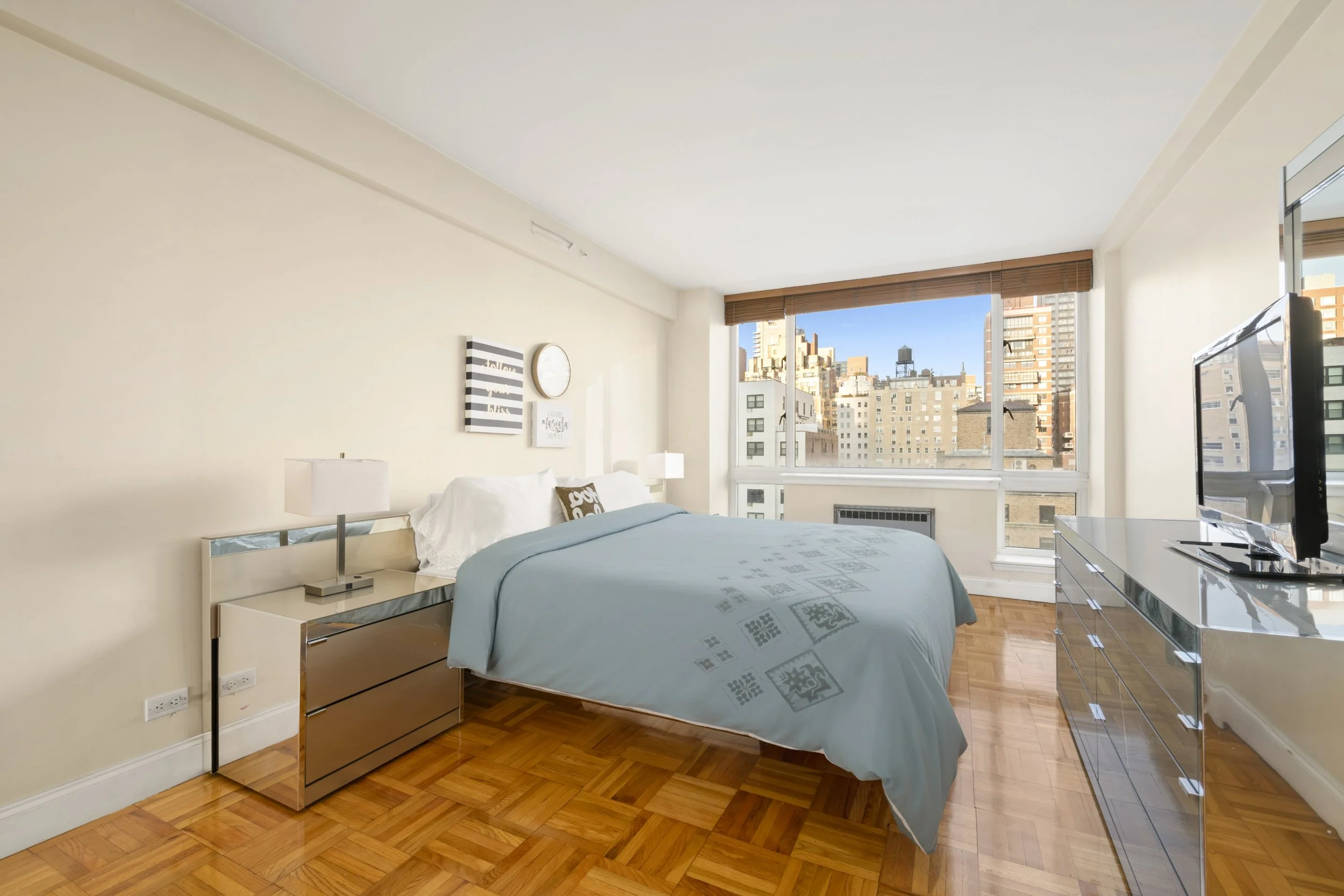
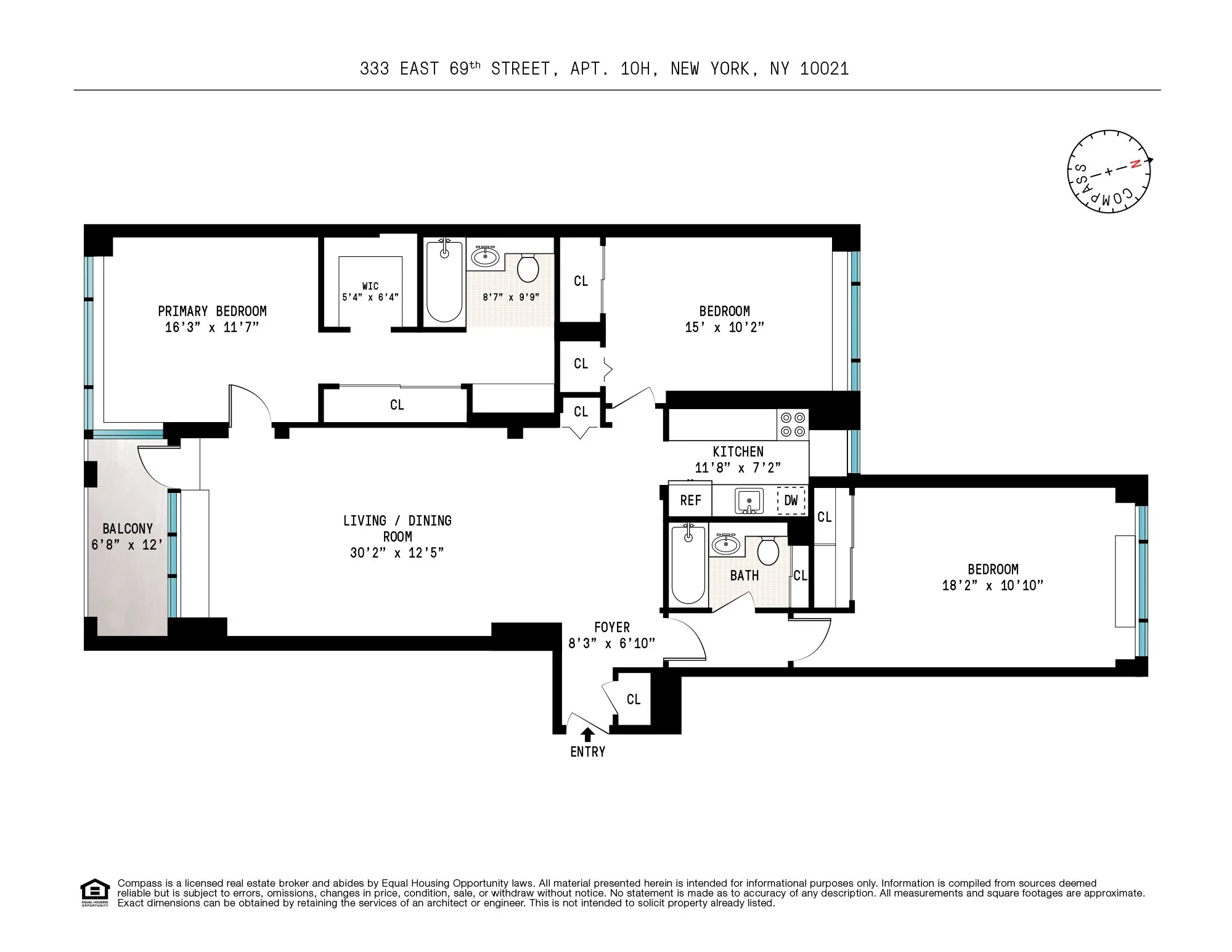
Rarely available and highly sought after, this H-line three-bedroom, two-bath residence at The Premier offers a truly exceptional opportunity. This is the highest-floor H-line three-bedroom in the building.

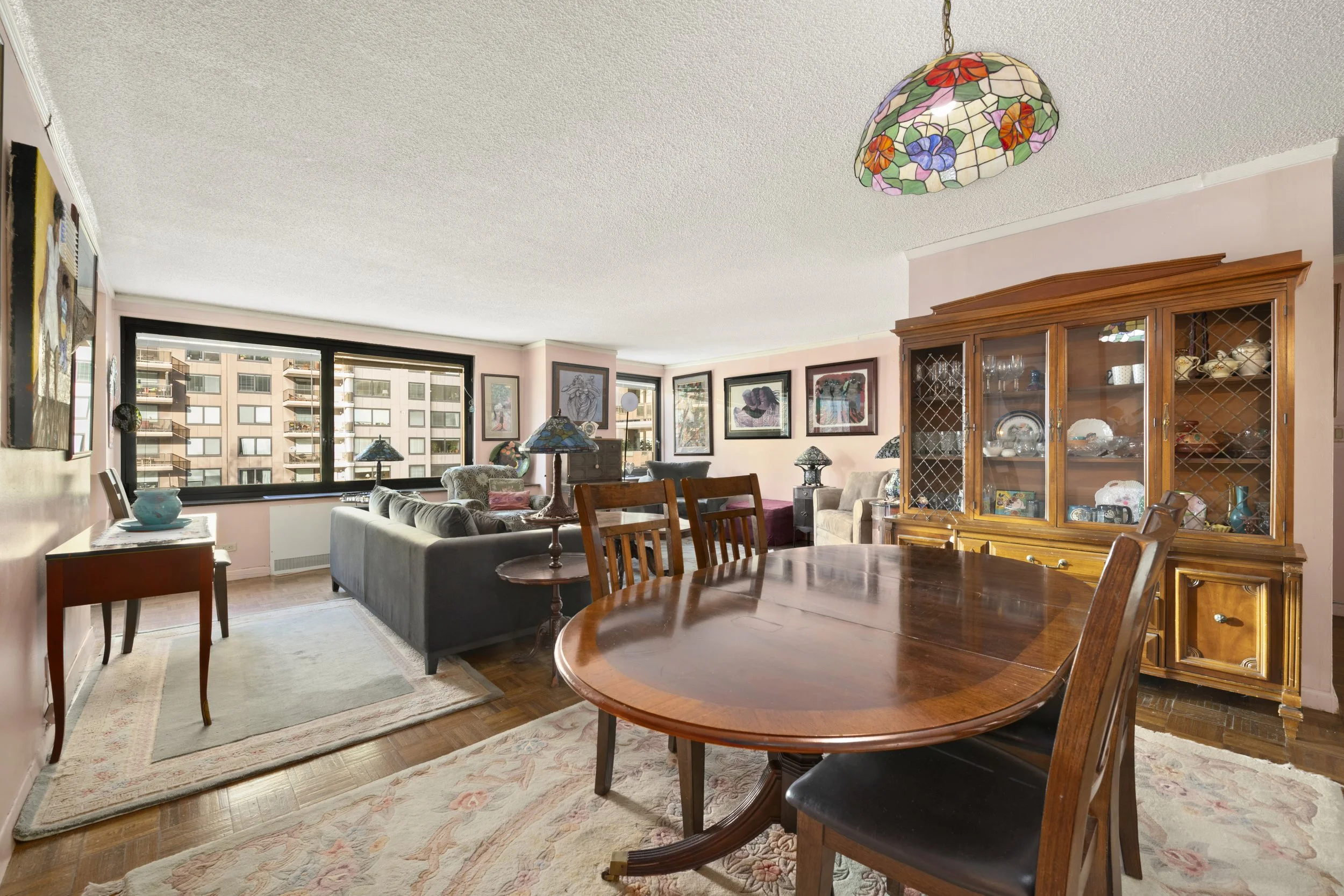
Perched on a prime corner, this sun-filled home enjoys open exposures to the South, North, and East, easily clearing the surrounding low-rise buildings and allowing for beautiful light and expansive city views throughout the day. A spacious, south-facing recessed balcony extends from the living area, creating the perfect setting for relaxing or entertaining against a classic Upper East Side backdrop.

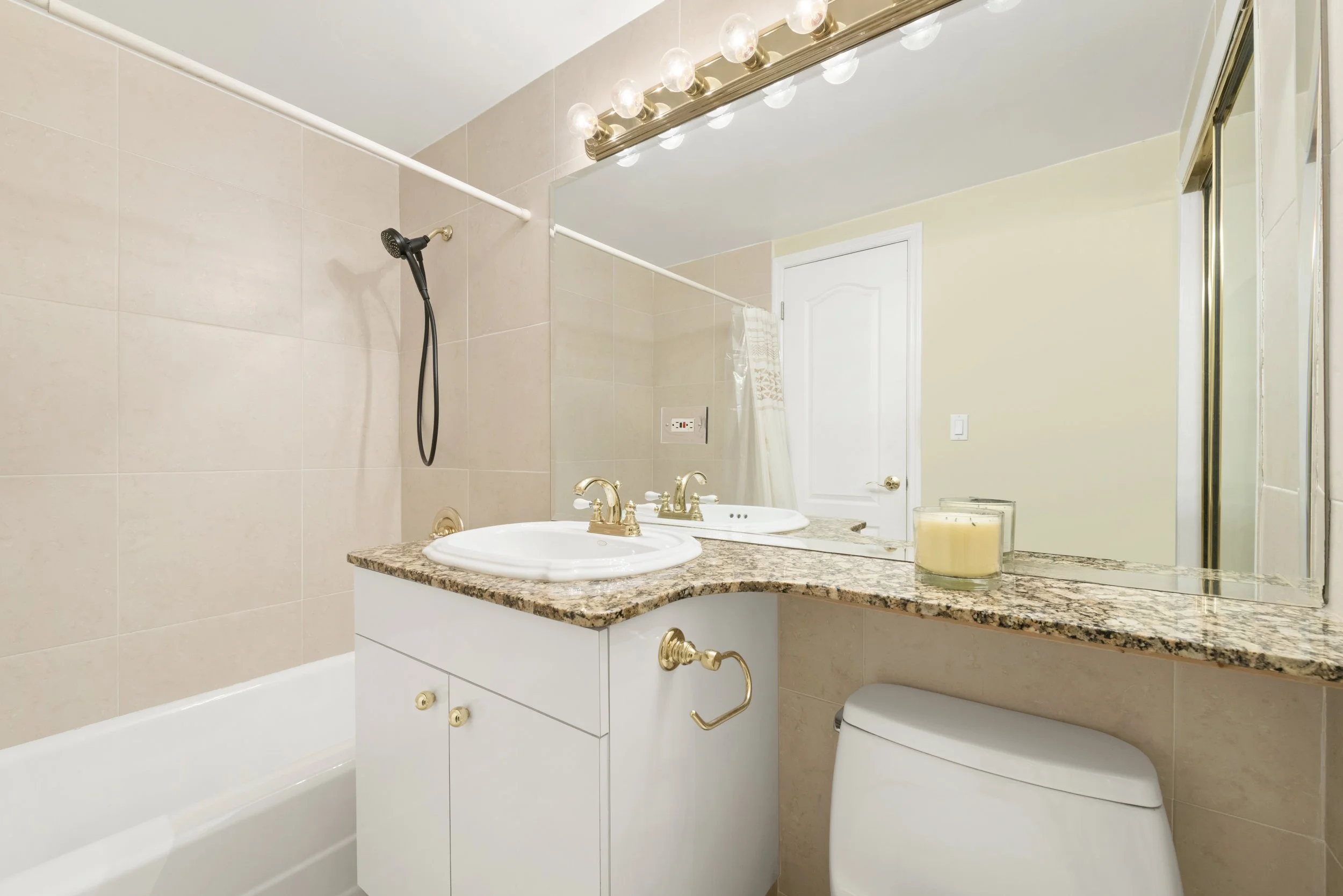
The thoughtfully designed layout features three generously proportioned bedrooms and two full bathrooms. All bedrooms are well-scaled with large windows and excellent light. The primary suite includes a large walk-in closet, and the apartment offers eight closets in total, providing outstanding storage rarely found in comparable homes. The windowed kitchen enhances both functionality and charm, complementing the home’s bright, airy feel.

Located on a quiet, tree-lined block dotted with townhouses in the heart of Lenox Hill on the Upper East Side, 333 East 69th Street is a highly regarded, full-service cooperative. Residents enjoy a 24-hour attended lobby, live-in resident manager, landscaped roof deck, on-site garage, laundry room, and bike and luggage storage. Maintenance includes central air, heat, and gas. There is no flip tax, and the building is both pied-à-terre and pet friendly.

Convenience is unparalleled, with the Q train entrance just half a block away, the M15 Select Bus Service along Second Avenue nearby, and neighborhood favorites including Grace's Marketplace and St. Catherine's Park just moments from your door.

A rare chance to secure one of the building’s most desirable lines — and its highest-floor offering — in one of Manhattan’s most established and sought-after neighborhoods.

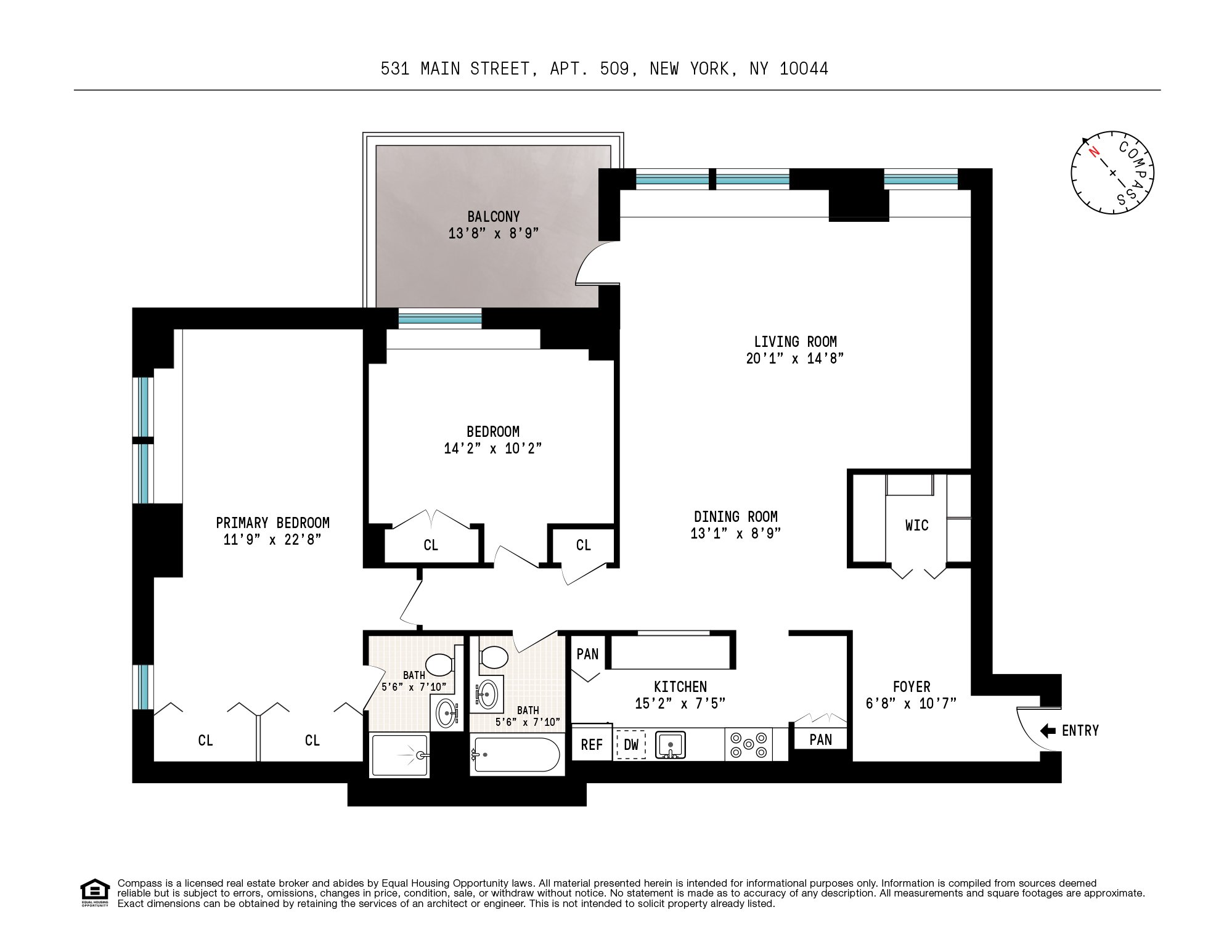
531 Main Street, Unit 509

531 Main Street, Unit 509

Roosevelt Island

Asking $925,000

2 Bed  |  2 Bath | Co-op


-Doorman
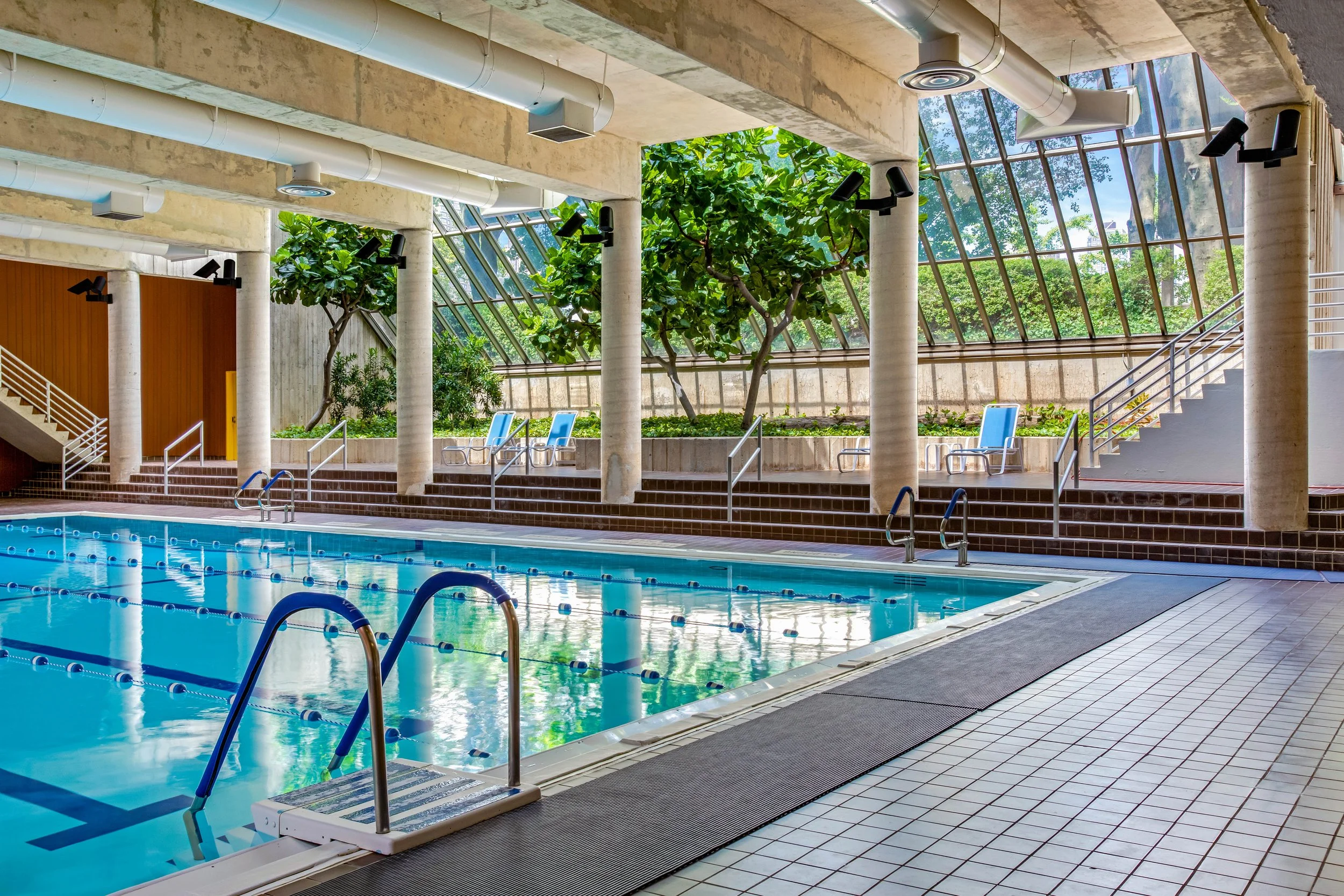
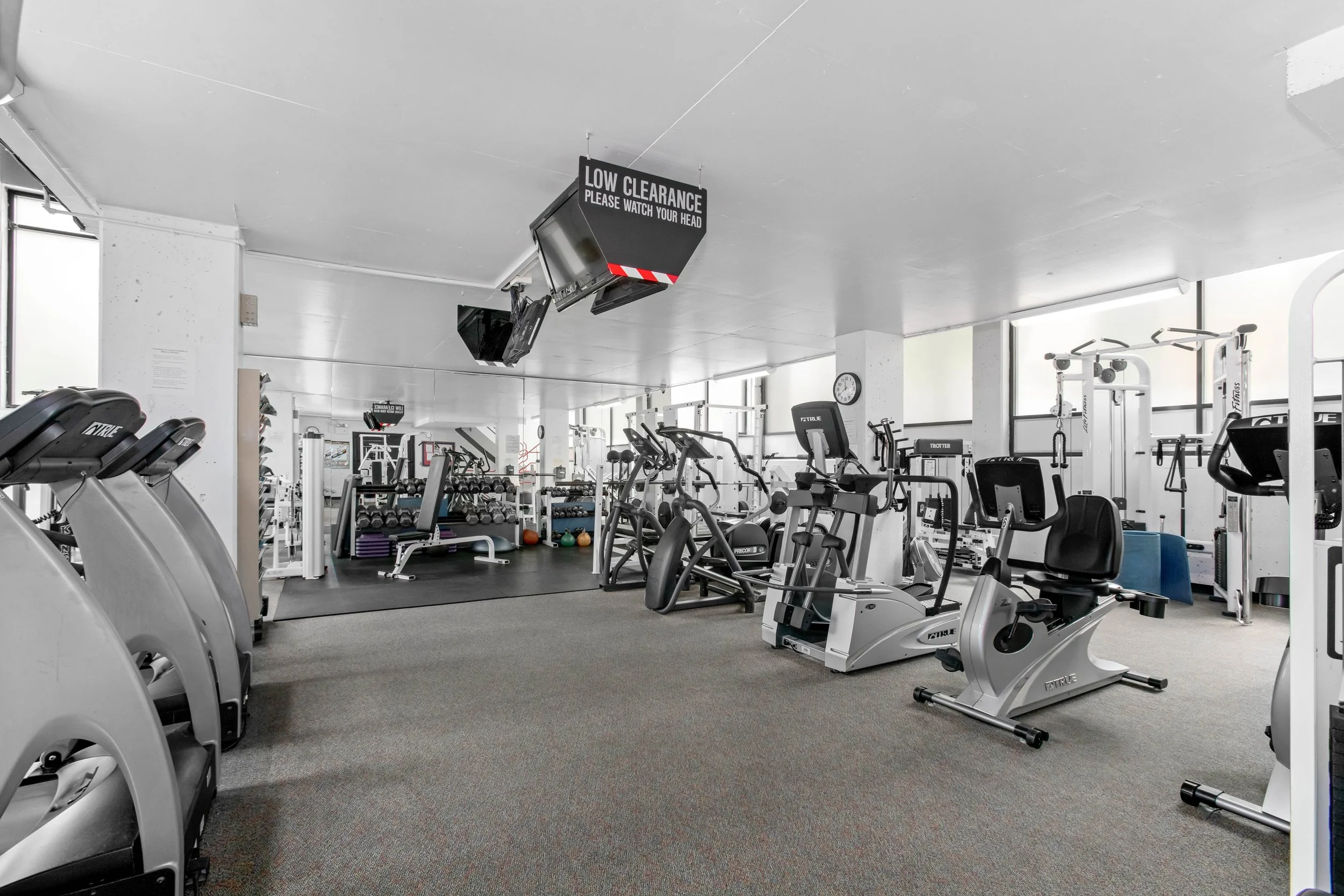
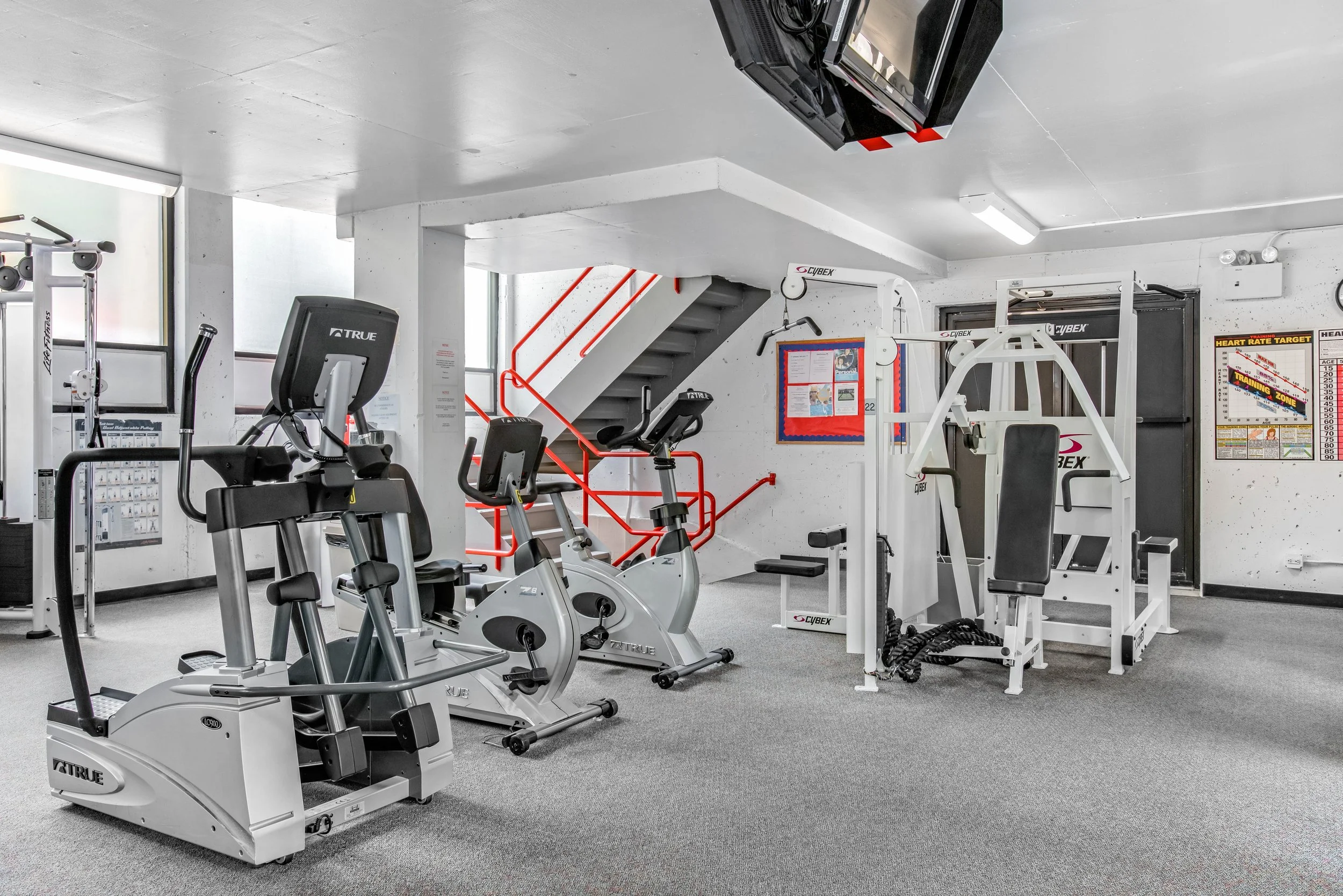
-Two-level state-of-the-art fitness center with saunas
-60-foot-long atrium swimming pool
-Monthly maintenance includes heat, air conditioning, electricity, gas, and water.
______________________________________

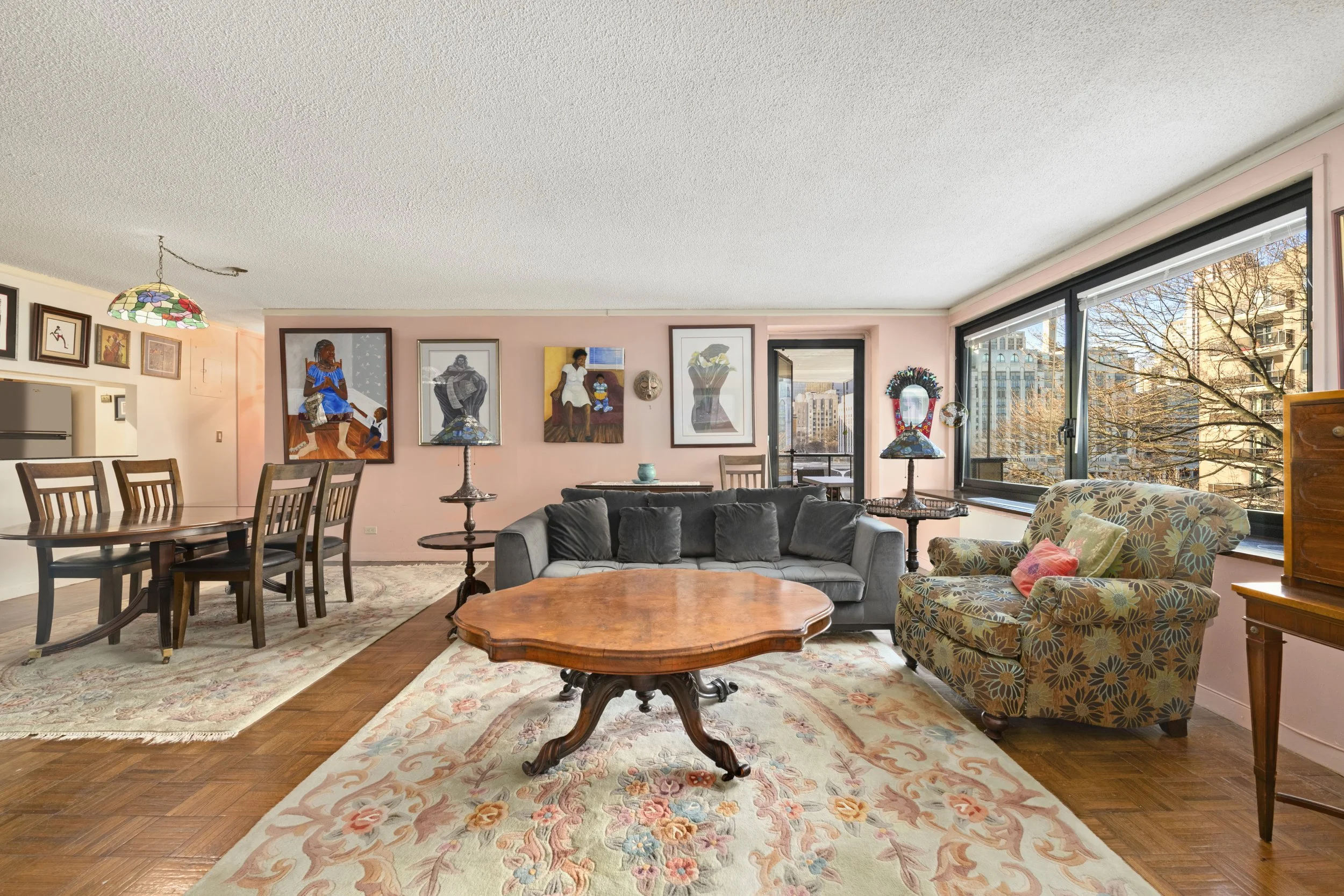
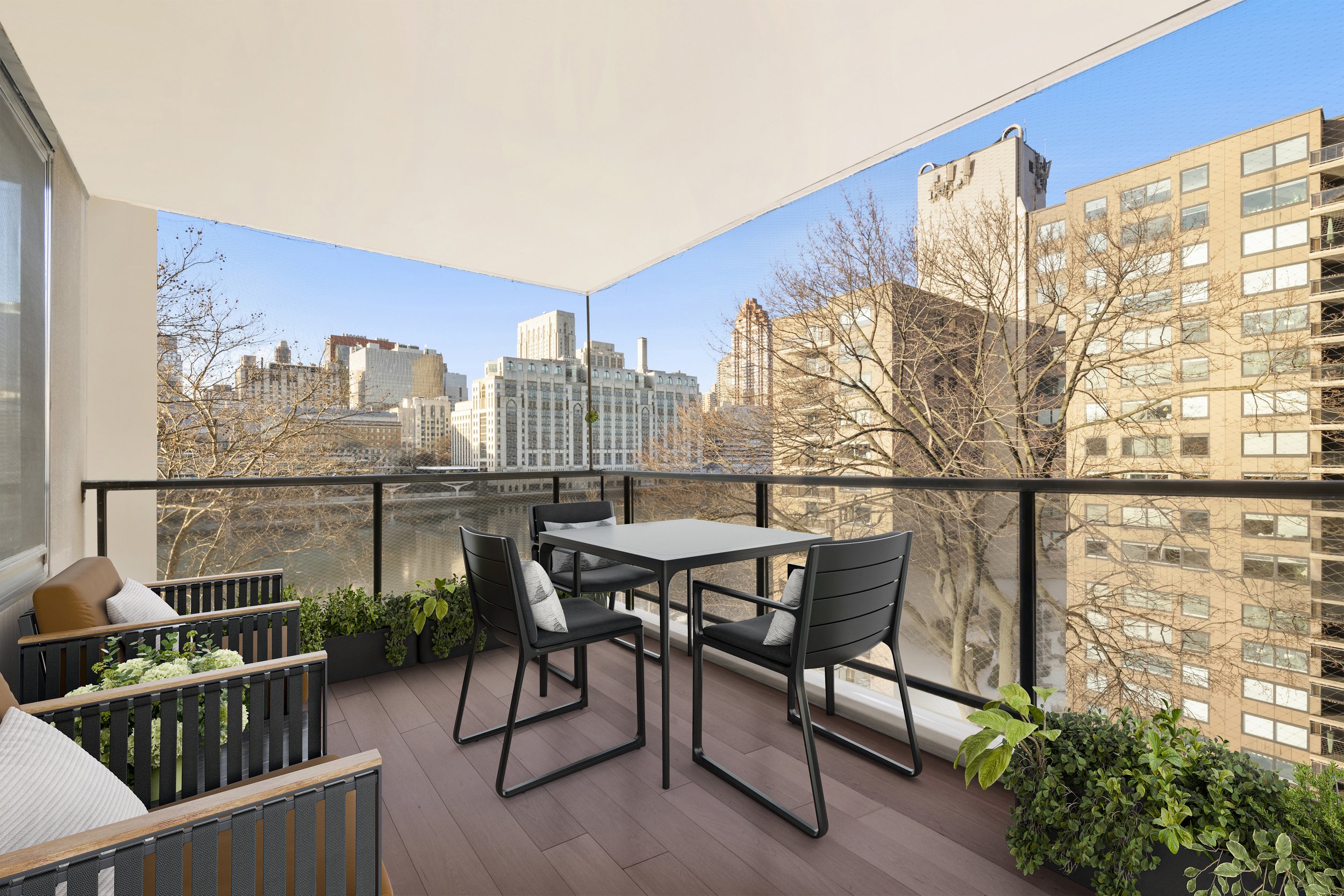
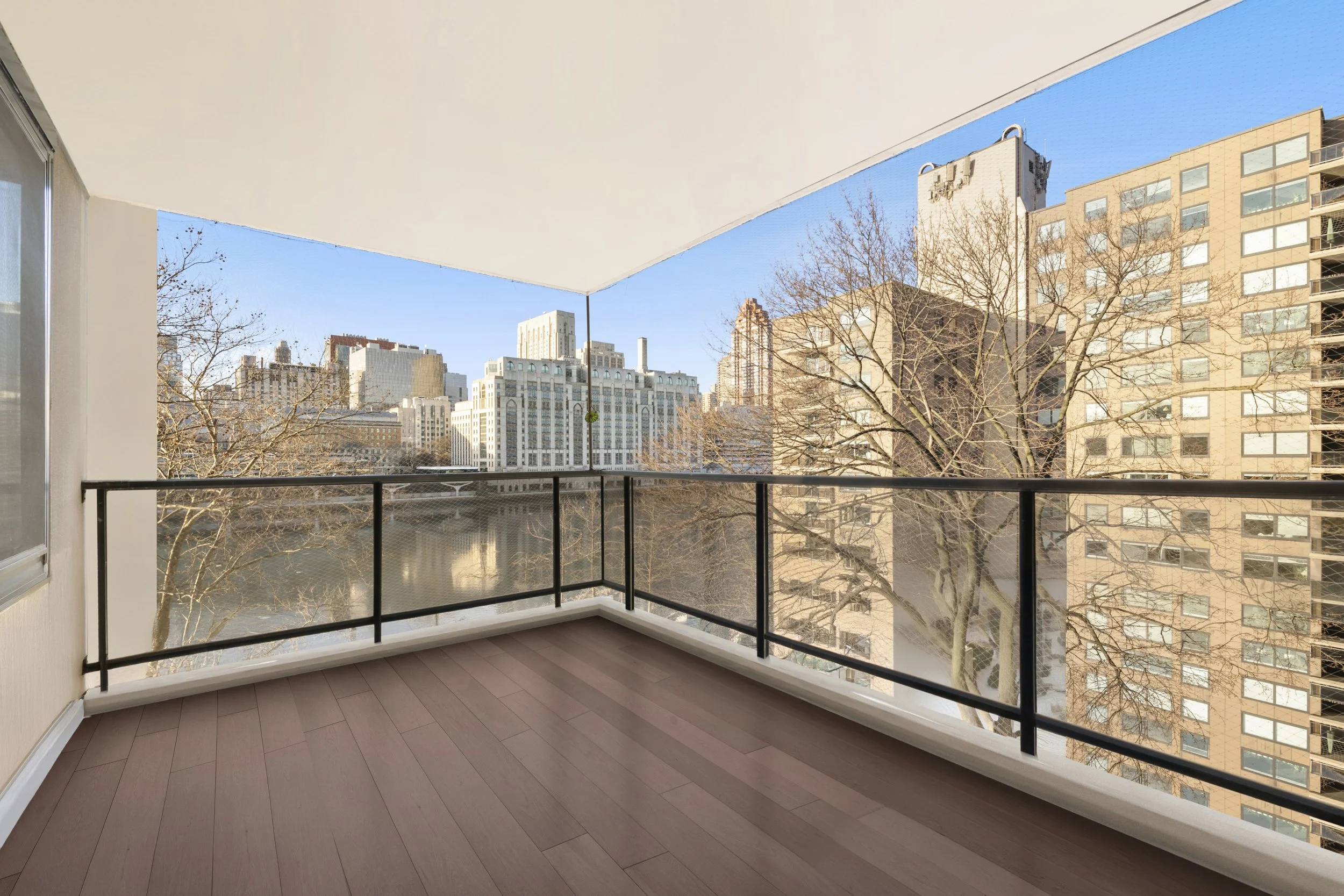
Peaceful, waterfront living awaits in this sunny corner two-bedroom, two-bathroom home with private outdoor space at Rivercross, Roosevelt Island's most revered co-op.

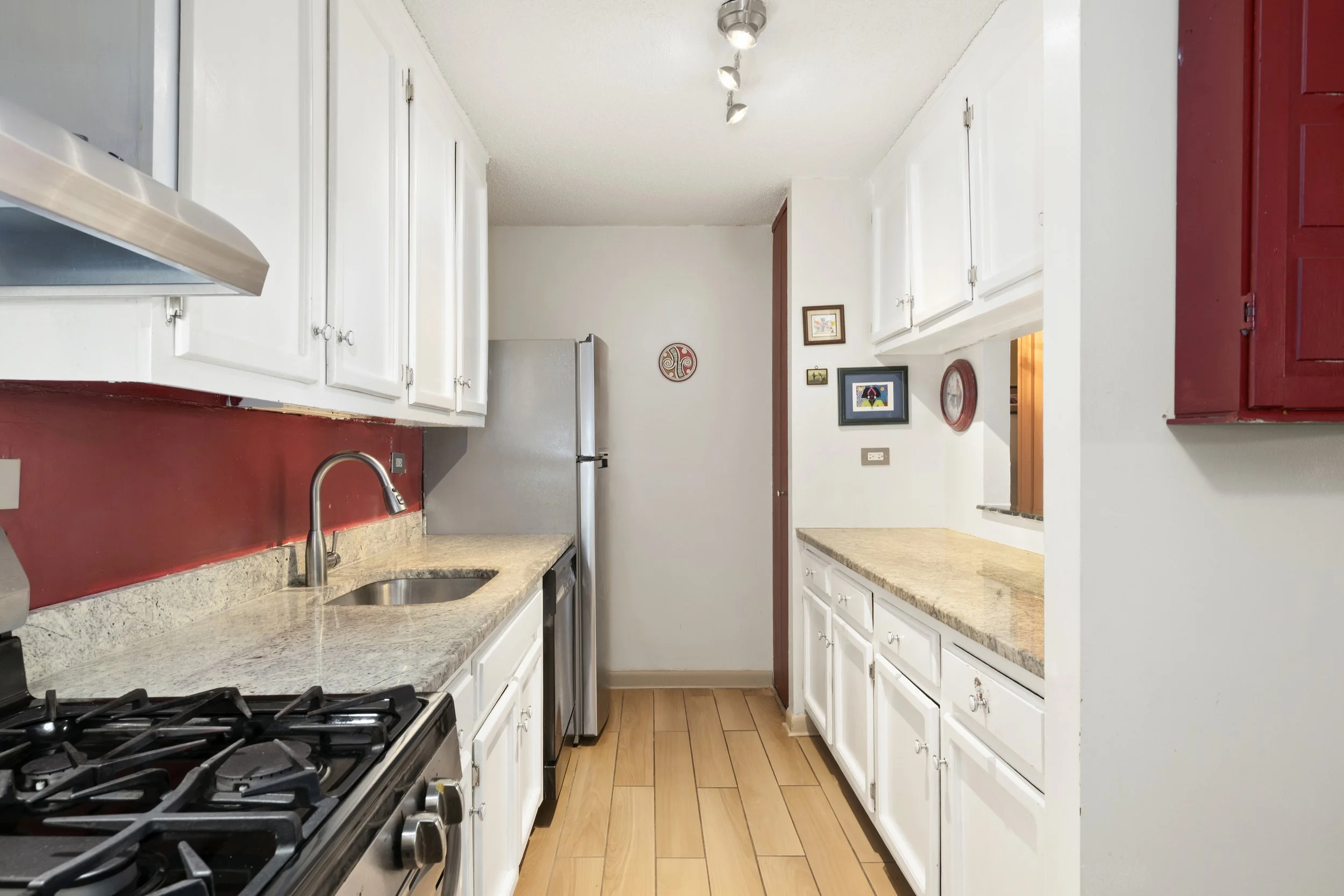
Spanning approximately 1,364 square feet, this spacious and bright home drinks in sunlight thanks to walls of south-facing windows. A gracious foyer invites you into the expansive living room, where you'll enjoy a generous footprint for seating and dining areas. Relax and entertain indoors, or step onto the oversized balcony for al fresco dining overlooking the East River and city skyline. The roomy pass-through kitchen accommodates dinner for one or a dozen with ease thanks to custom cabinetry, a pantry, abundant granite counter space and stainless steel appliances, including a gas range, dishwasher, and built-in hood.

The sprawling owner's suite boasts plenty of space for a king-size bed and a home office, plus a walk-in closet and an en-suite bathroom. The second bedroom delivers balcony views and direct access to the guest bathroom. Additional closets, including another walk-in, mean storage will never be a problem in this exceptional Roosevelt Island home.

Rivercross is a handsome, well-maintained postwar co-op offering 24-hour doorman and concierge service, live-in superintendent, a playroom, bike room, two large laundry rooms, a two-level state-of-the-art fitness center, saunas, a sun deck and a glorious 60-foot-long atrium swimming pool. Monthly maintenance includes heat and air conditioning, electricity, gas, and water.

On serene and secluded Roosevelt Island, you're surrounded by beautiful waterfront recreation and skyline views. Lovely parks sit alongside an array of local shops and services, including a Starbucks, drug and grocery stores, banks, performance spaces, a New York Public Library and the fantastic new Cornell Tech campus. The iconic Roosevelt Island tram, F subway train and the Roosevelt Island Ferry Terminal provide effortless access to the rest of the city and beyond.

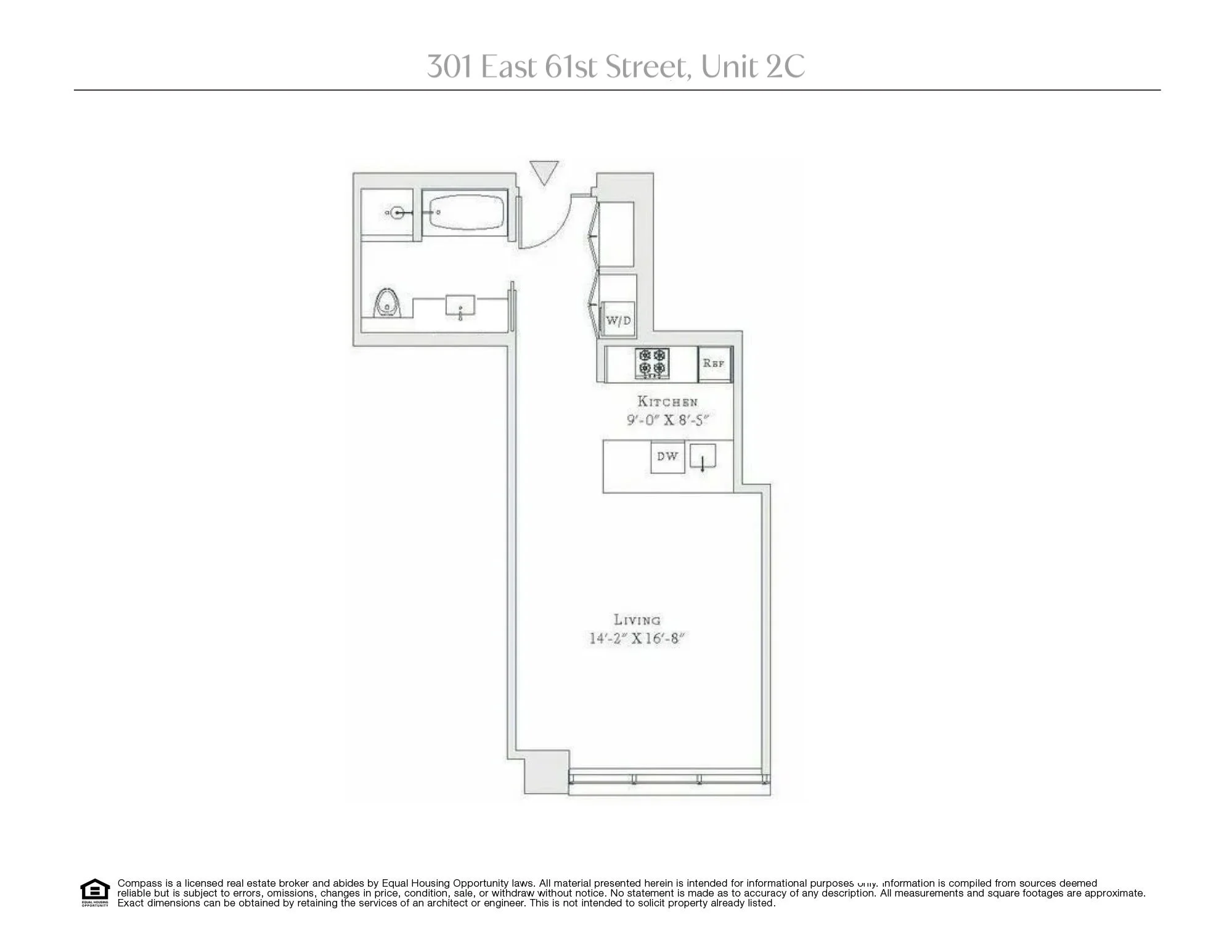
301 East 61st Street, Unit 2C

301 East 61st Street, Unit 2C

Lenox hill, Manhattan

Asking $715,000

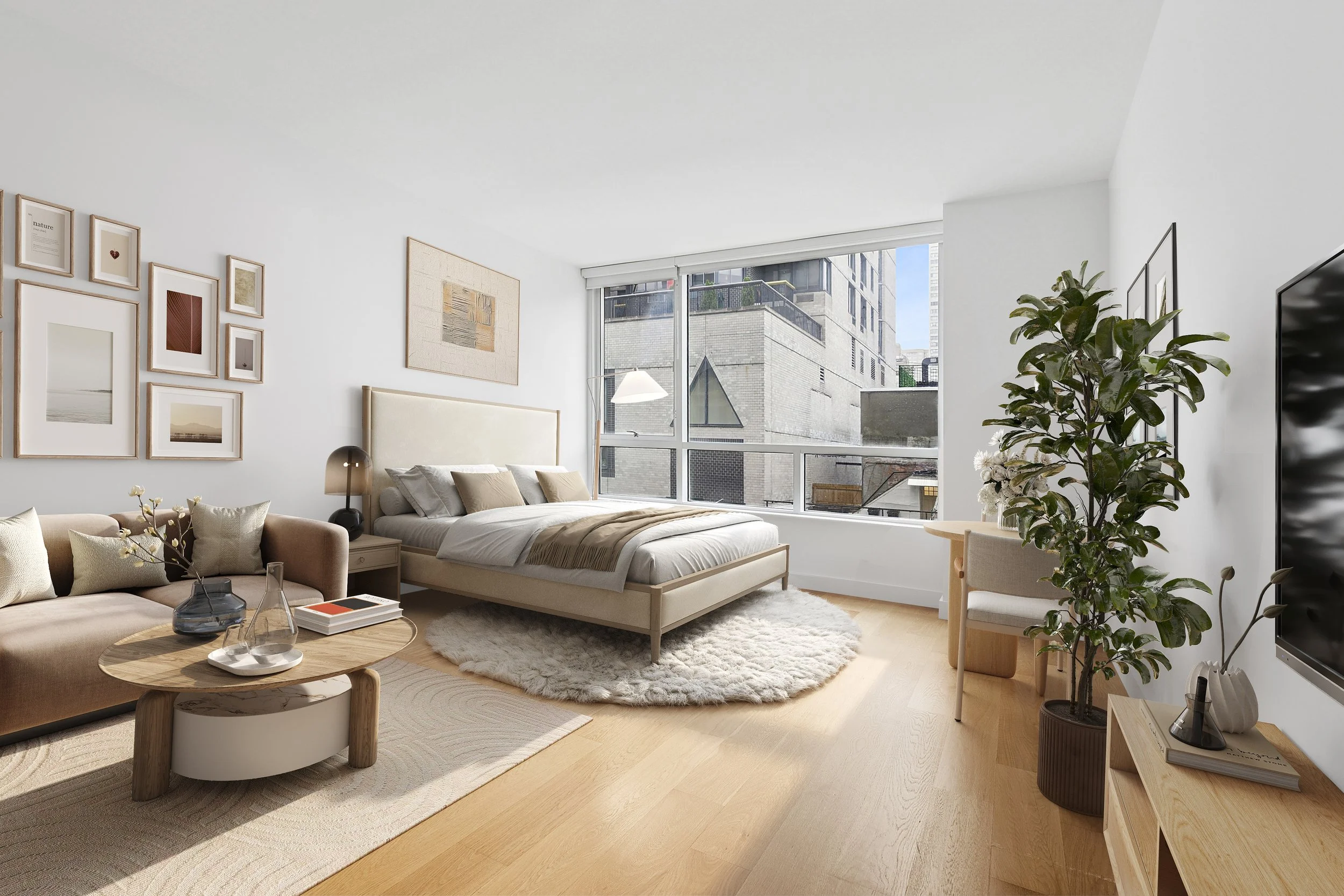
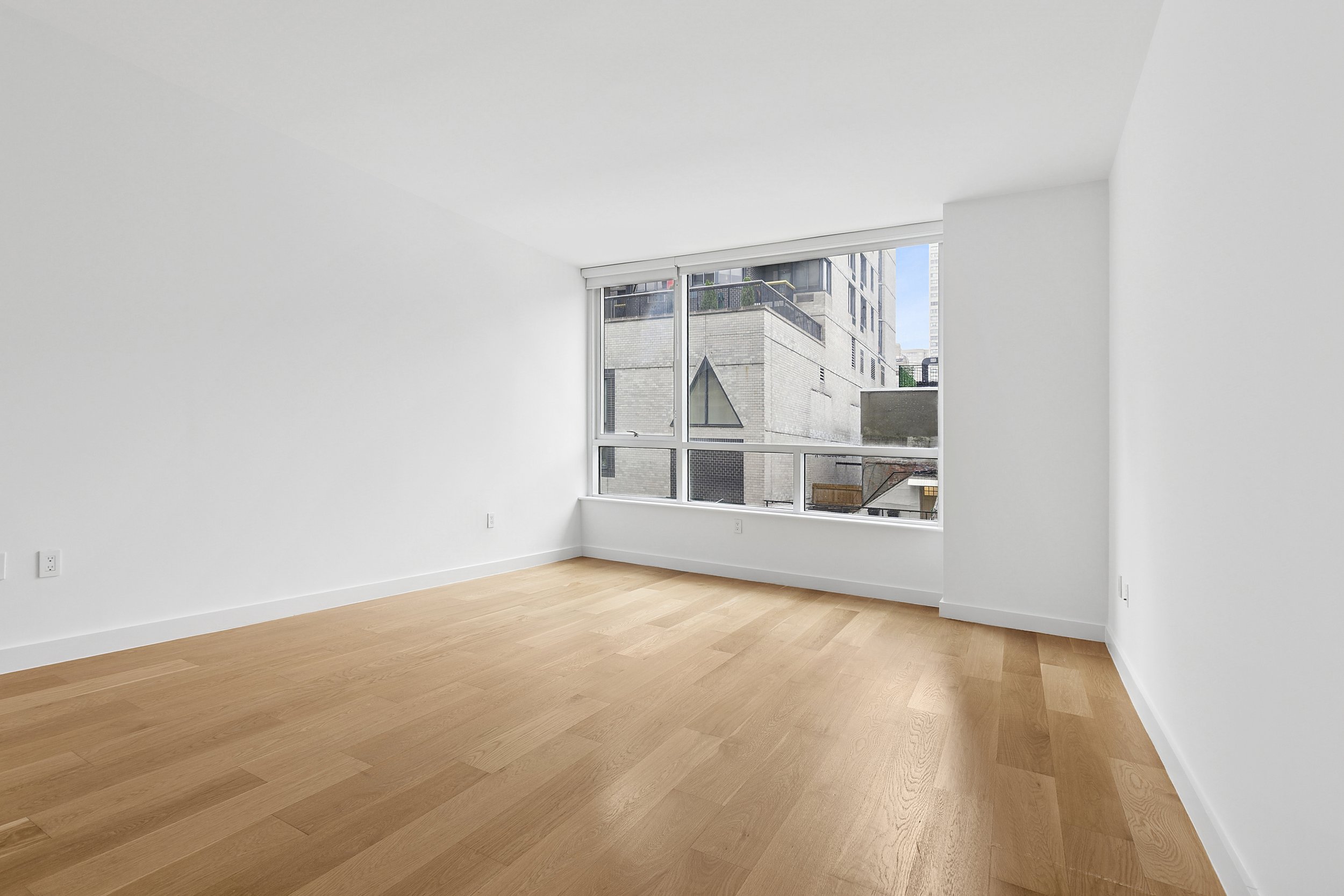
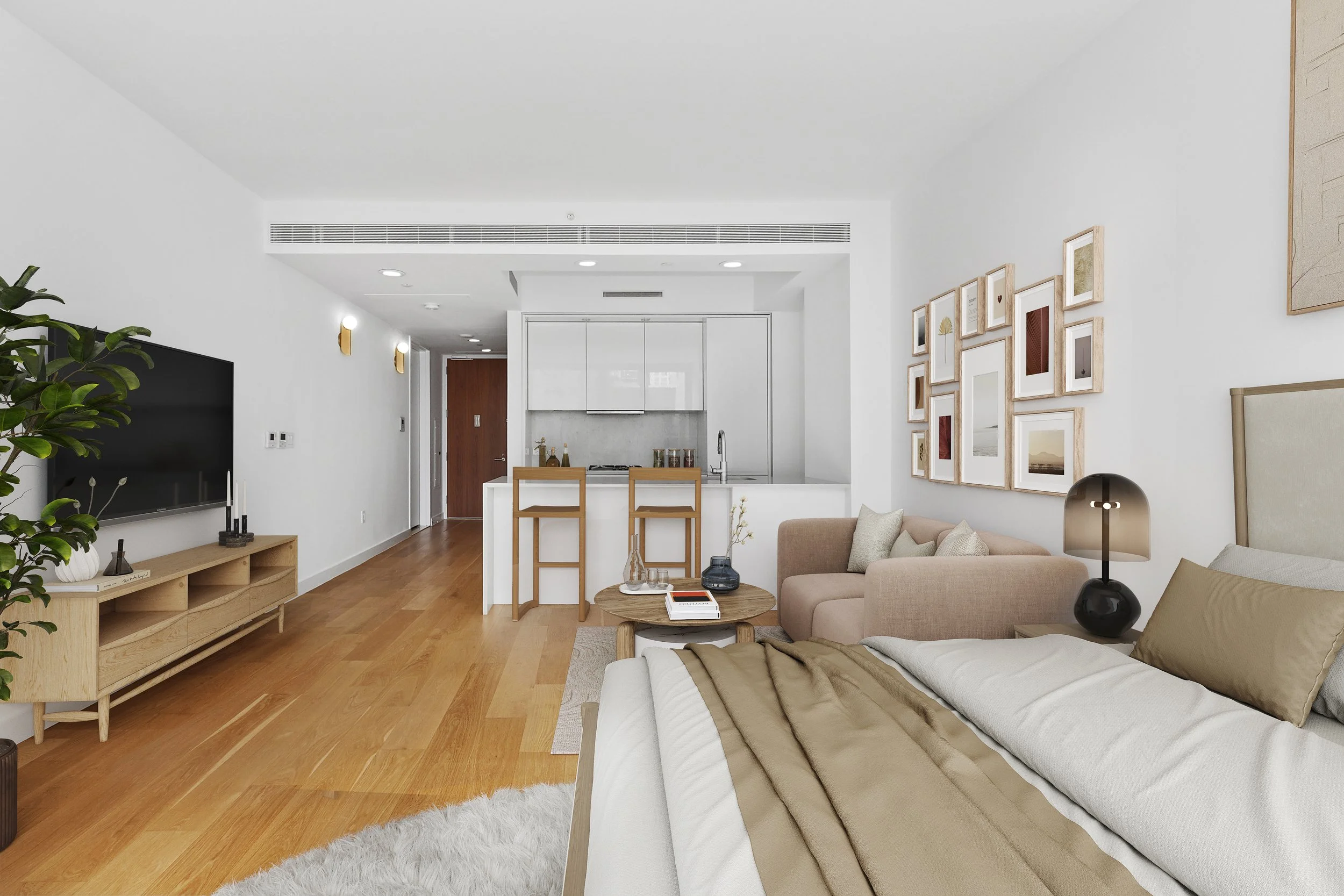
Studio  |  1 Bath | Condo


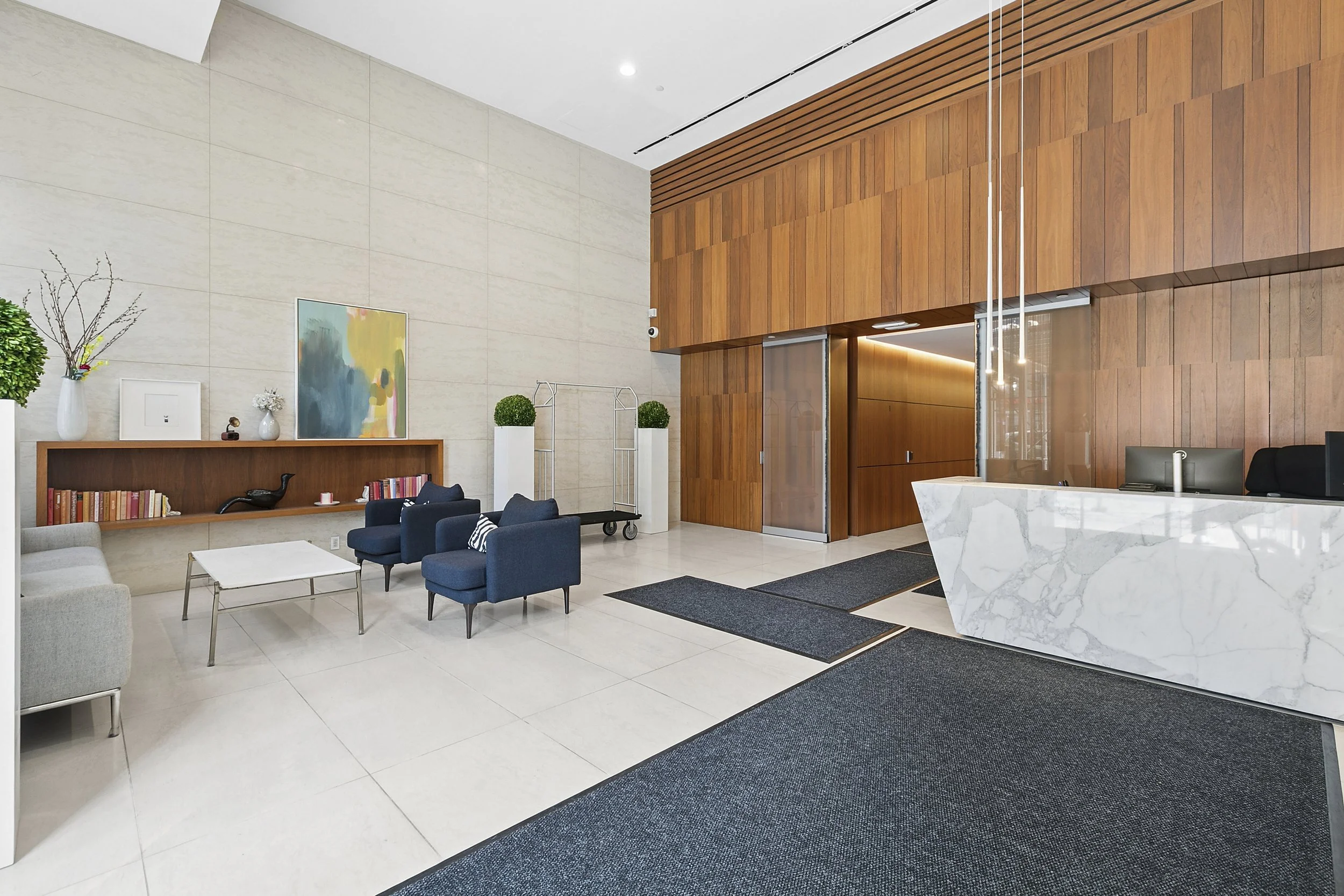
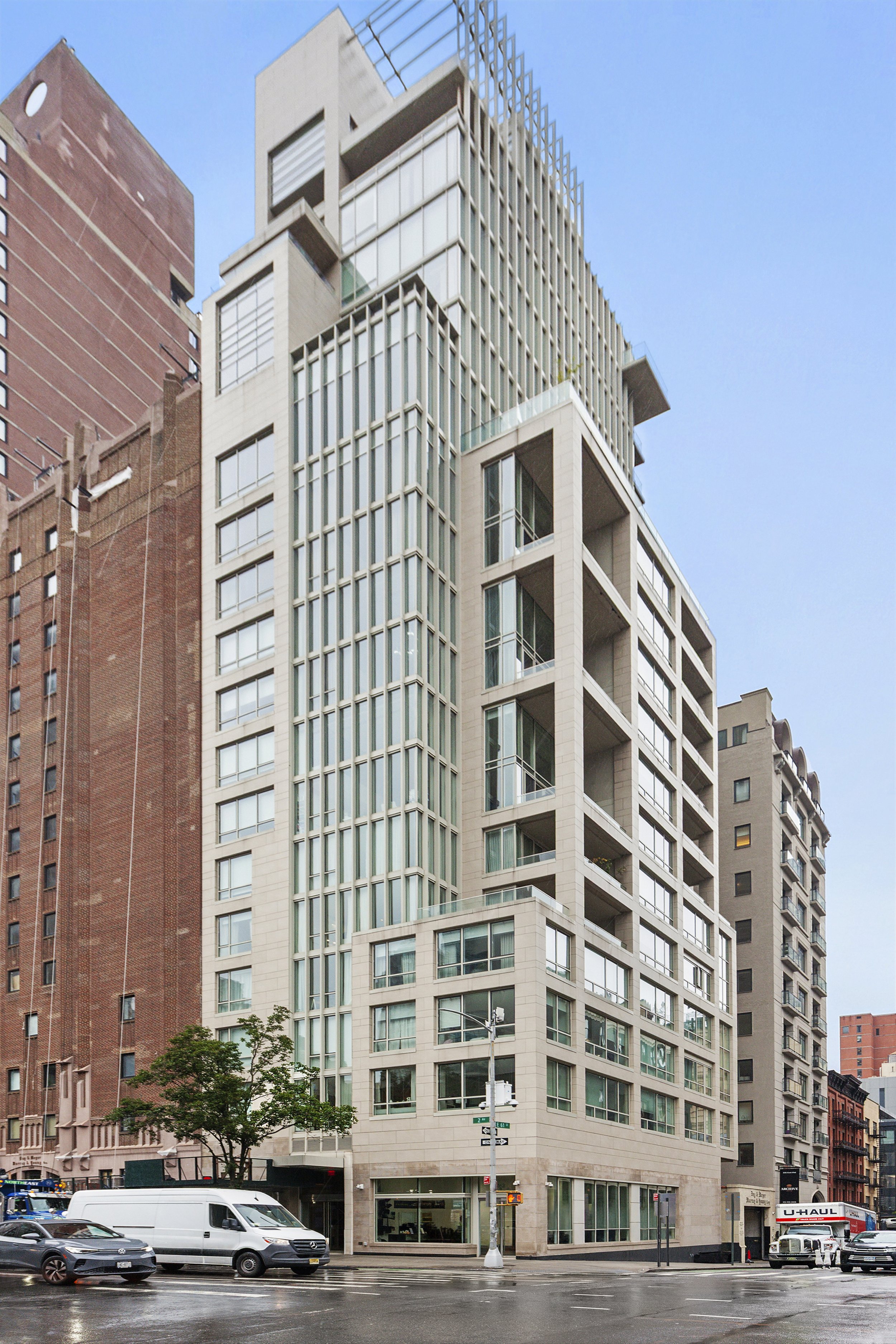
Welcome to Residence 2C at The Clare, a full-service boutique condominium offering just 30 residences for unparalleled privacy and first-class luxury in the heart of Lenox Hill.

This sophisticated studio is bathed in natural light through a wall of oversized windows and features 7-inch wide heated white oak flooring, LED lighting throughout, multi-zone heating and cooling, and radiant heat flooring. Thoughtful details, such as an in-unit washer/dryer, central heating and air, and ample storage, enhance everyday comfort.

The sleek open kitchen is outfitted with a full suite of Miele appliances, framed by custom Poggenpohl cabinetry and quartz countertops. A floating island anchors the space, providing both style and functionality. The spa-like bathroom is finished with Porcelanosa Carrara Blanco–style marble floors and wall tiles, a Kohler soaking tub, a walk-in shower, and generous above- and below-counter storage.

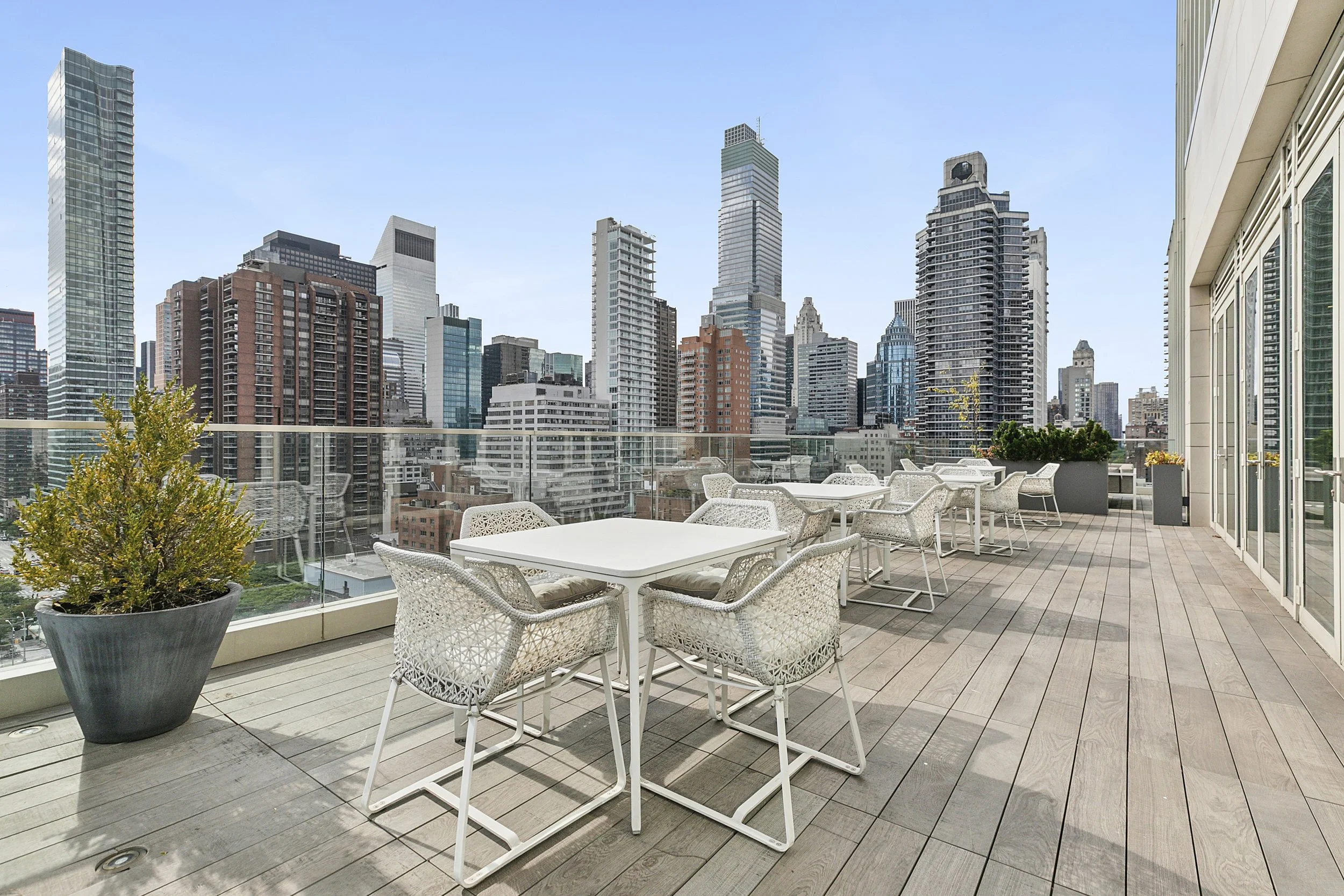
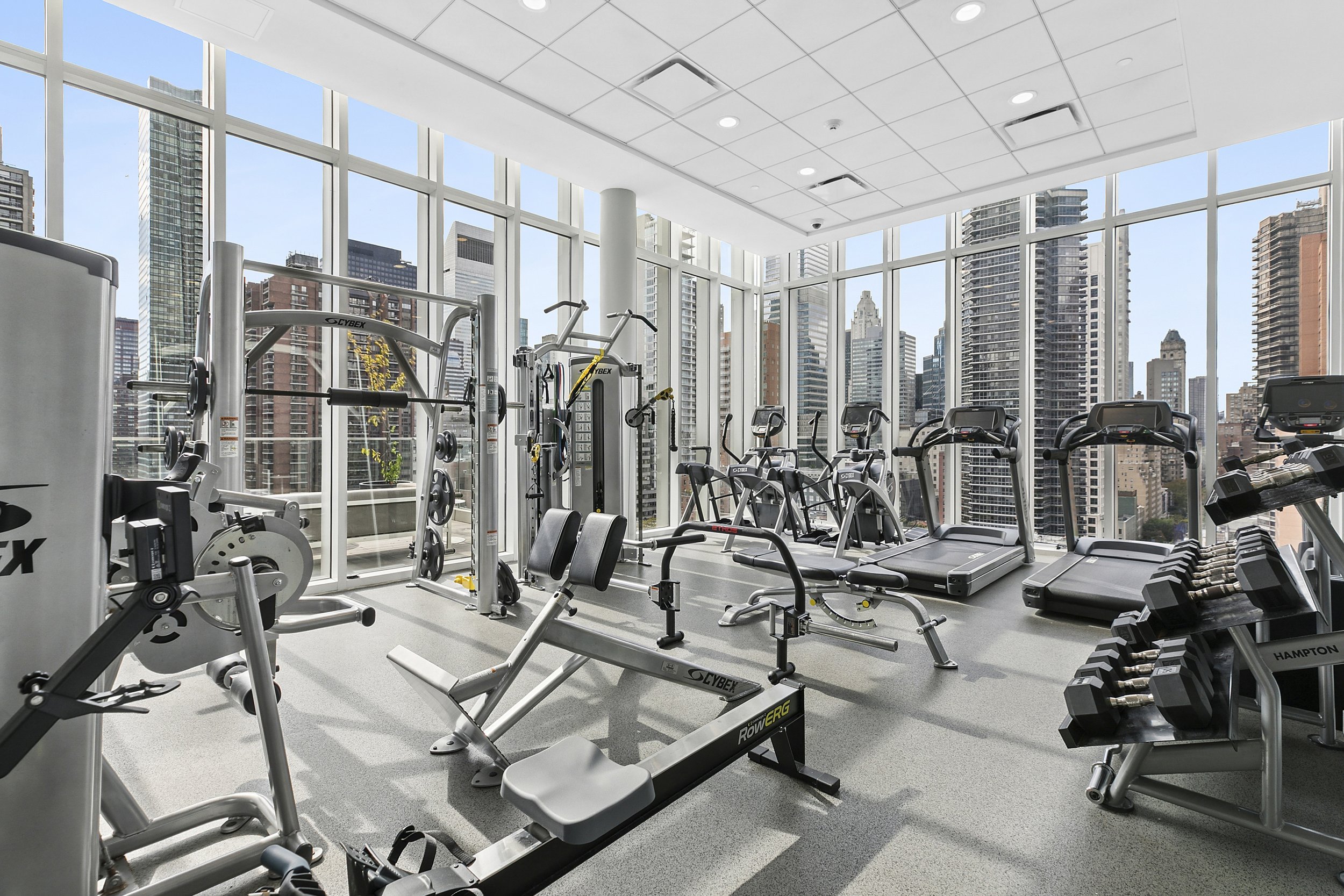
Life at The Clare is elevated by a spectacular amenities floor, highlighted by a 60-foot south-facing terrace, a dramatic lounge with 40 feet of glass doors, a catering kitchen, and a double-height gym wrapped in two walls of glass. A mirrored yoga and stretching room completes the offering. The doorman's hours are 7-11 and overnight from 11-7.

Perfectly located near the Second Avenue Subway, multiple bus lines, and some of the city’s finest restaurants, shops, and medical centers, The Clare delivers both convenience and lifestyle in one of Manhattan’s most desirable neighborhoods.

30-Story Condo Will Be The Tallest Building in Greenwich Village

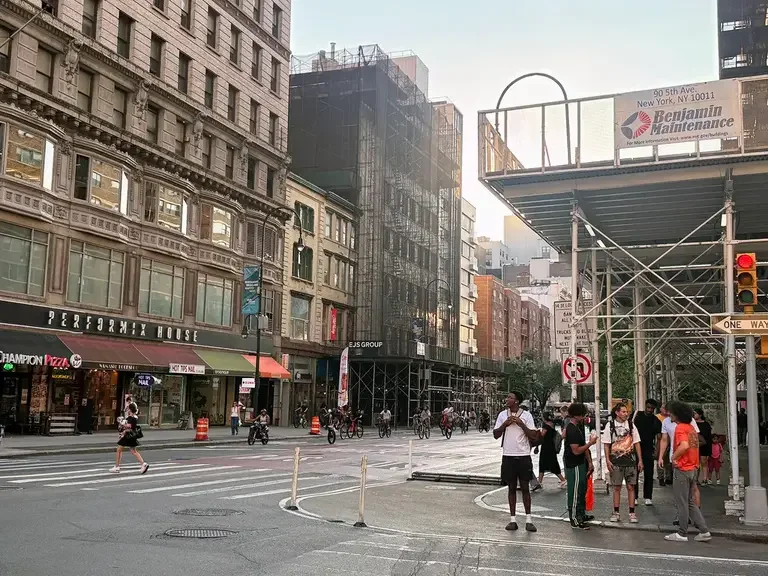
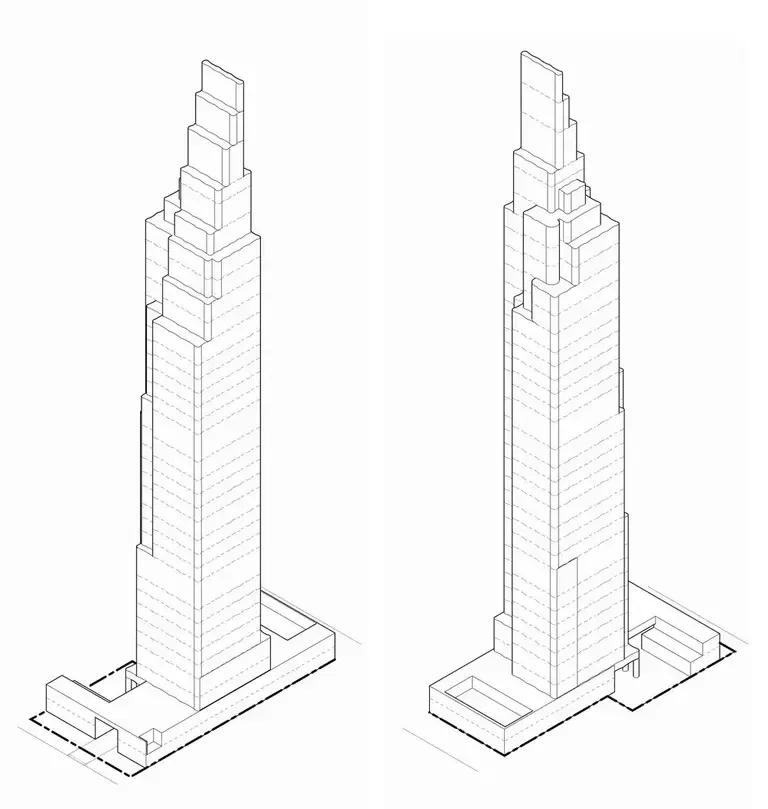
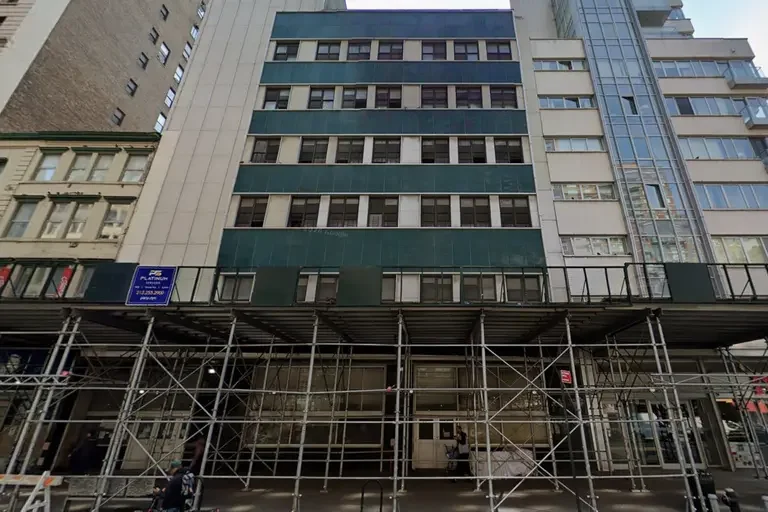
The tallest building in Greenwich Village is moving forward. Construction financing was secured last week for a new luxury condominium at 11 West 13th Street, a planned 30-story tower with 34 residences that will rise well above the neighborhood’s next tallest buildings. Despite backlash from preservationist groups, which filed a zoning challenge with the Department of Buildings, the project is moving ahead, after developers Legion Investment Group and EJS Group secured $190 million in construction financing last week.

11 West 13th Street in July 2025, ahead of construction. © Ondel Hylton

Developers have tapped Kohn Pedersen Fox (KPF) to design the tower, which will be 538 feet tall, roughly 200 feet higher than the neighborhood’s current tallest buildings, Georgetown Plaza and Hilary Gardens, according to CityRealty. The building sits off of Fifth Avenue, just south of Union Square.

Credit: DOB

The project’s financing package includes a $140.075 million senior mortgage loan from Bank OZK and $50 million in mezzanine financing provided by CanAm Enterprises. Legion and EJS purchased the site, previously occupied by vacant office space, for $57 million in 2024, as reported by Our Town.

The development is being marketed as a rare condo tower offering unparalleled privacy and exclusivity in one of Manhattan’s most sought-after residential areas.

“Greenwich Village remains one of New York City’s most resilient residential markets,” Victor Sigoura, founder and CEO of Legion, said. “This financing from Bank OZK allows us to advance a rare development opportunity.”

“We are confident this project will build upon our track record of enhancing Manhattan’s most historic neighborhoods with design-forward, landmark developments”.

Excavation is currently underway, with completion expected in 2027.

Sales will be exclusively handled by Corcoran Sunshine Marketing Group and are expected to launch in mid-2026.

The project is moving forward despite backlash from Village Preservation, which in October urged the city’s Department of Buildings (DOB) to reject plans for the tower, calling it “appallingly out of scale” for the site and surrounding neighborhood, according to Our Town.

The former office building at 11 West 13th Street © 2024 Google

After plans were filed in October, the Village Preservation urged the DOB to reject plans for the tower. The group also rejected the developers’ claims that the plans follow “City of Yes” zoning reforms.

In a letter to former DOB Commissioner James Odo sent last year, zoning specialist George Janes argues that the project violates ZR-35-61, a housing code guideline that sets minimum street wall base heights—essentially claiming that the building’s facade is out of step with the character of surrounding structures.

Both Janes and Village Preservation executive director Andrew Berman also said that the proposal has “too much residential floor area” and that some of it has not been properly accounted for, putting the project out of compliance with zoning laws.

Finally, the two argue that the developer’s zoning application includes a “deficient” zoning drawing (ZD1), a visual illustration of the proposed structure accompanied by a summary of how it complies with zoning regulations.


30-story condo will be the tallest building in Greenwich Village

By Aaron Ginsburg

February 10, 2026

Cover Photo Credit: DOB

351 West 53rd Street, Unit 4E

351 West 53rd Street, Unit 4E

MIDTOWN west, MANHATTAN

Asking $450,000

Loft  |  1 Bath | Co-op

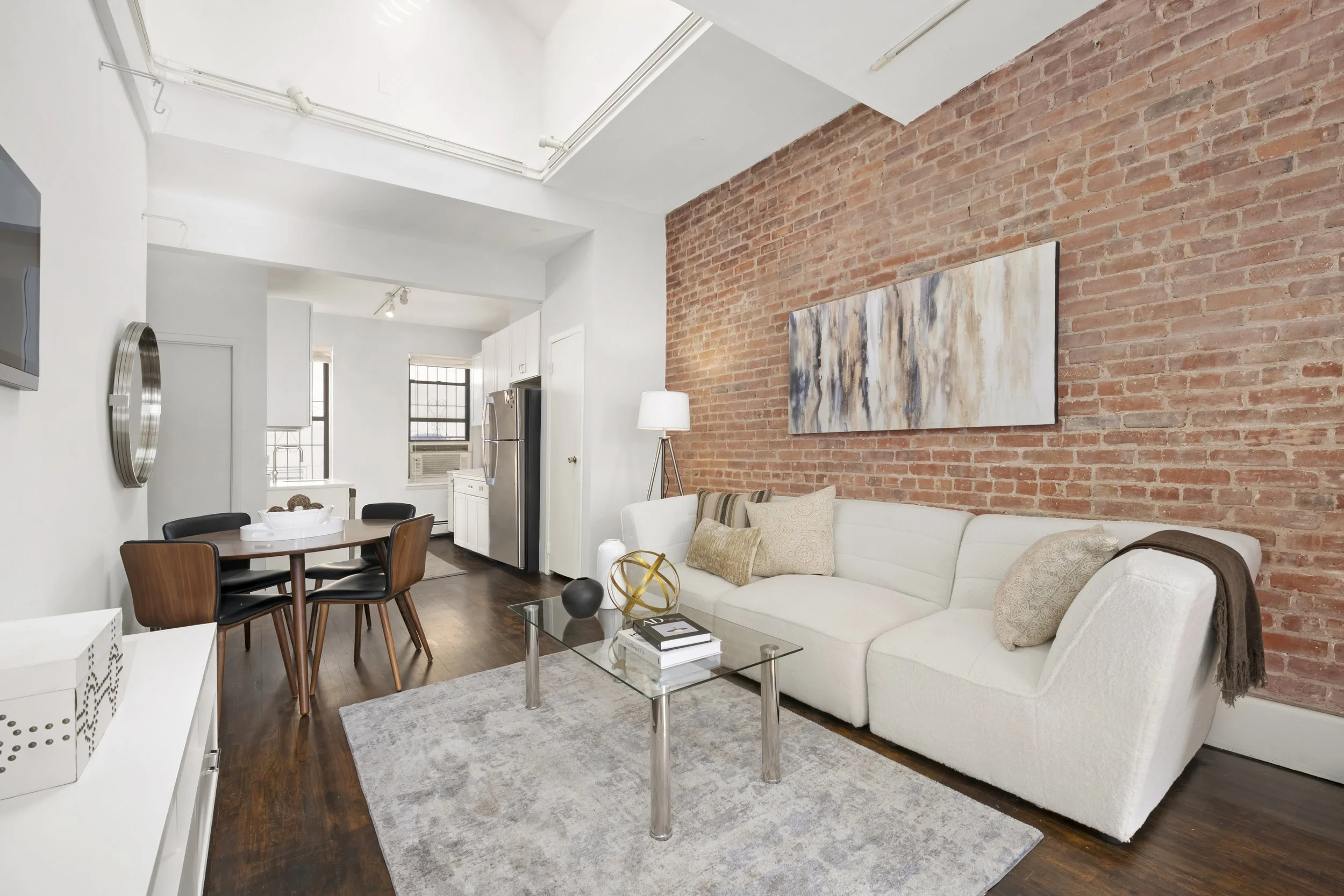
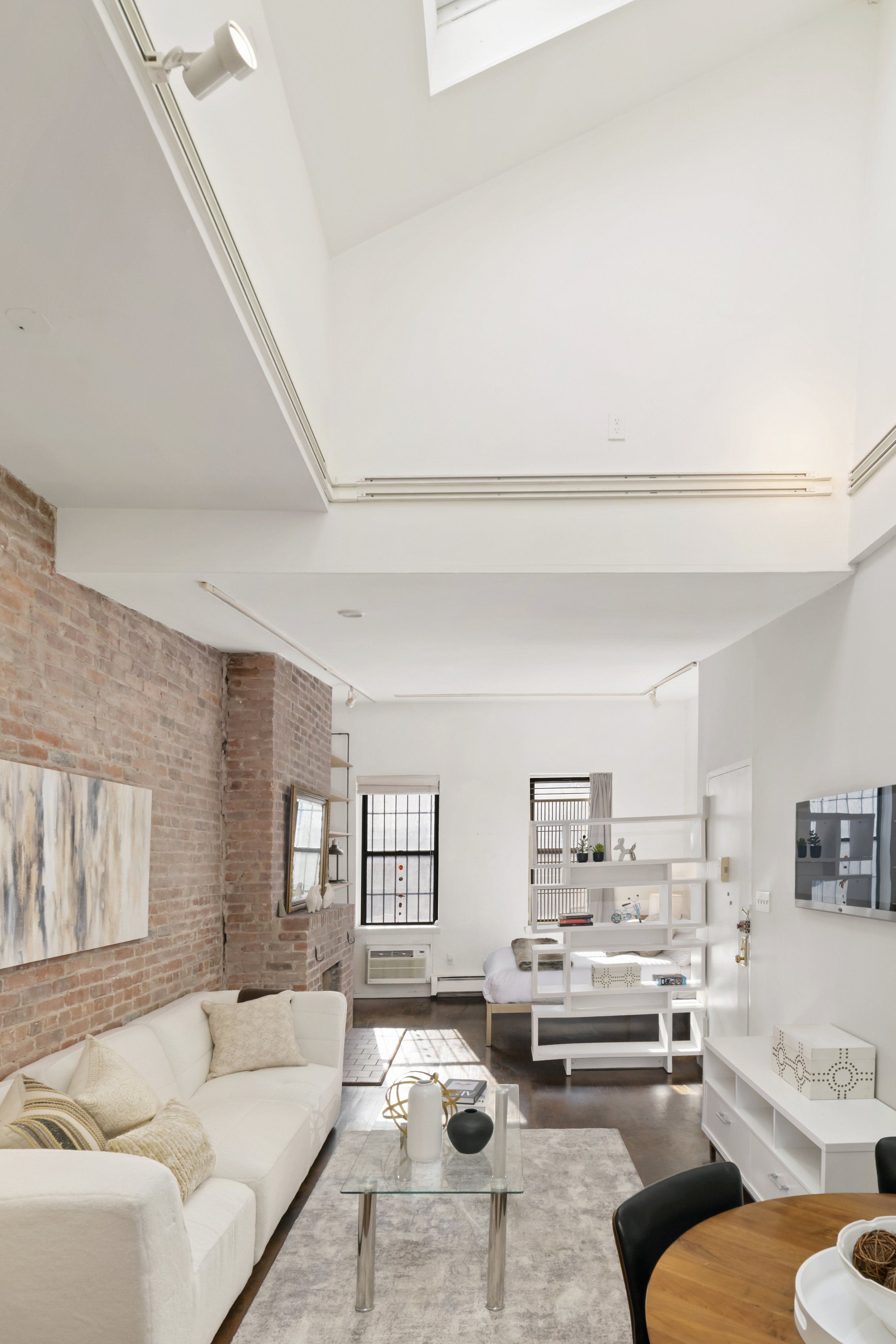
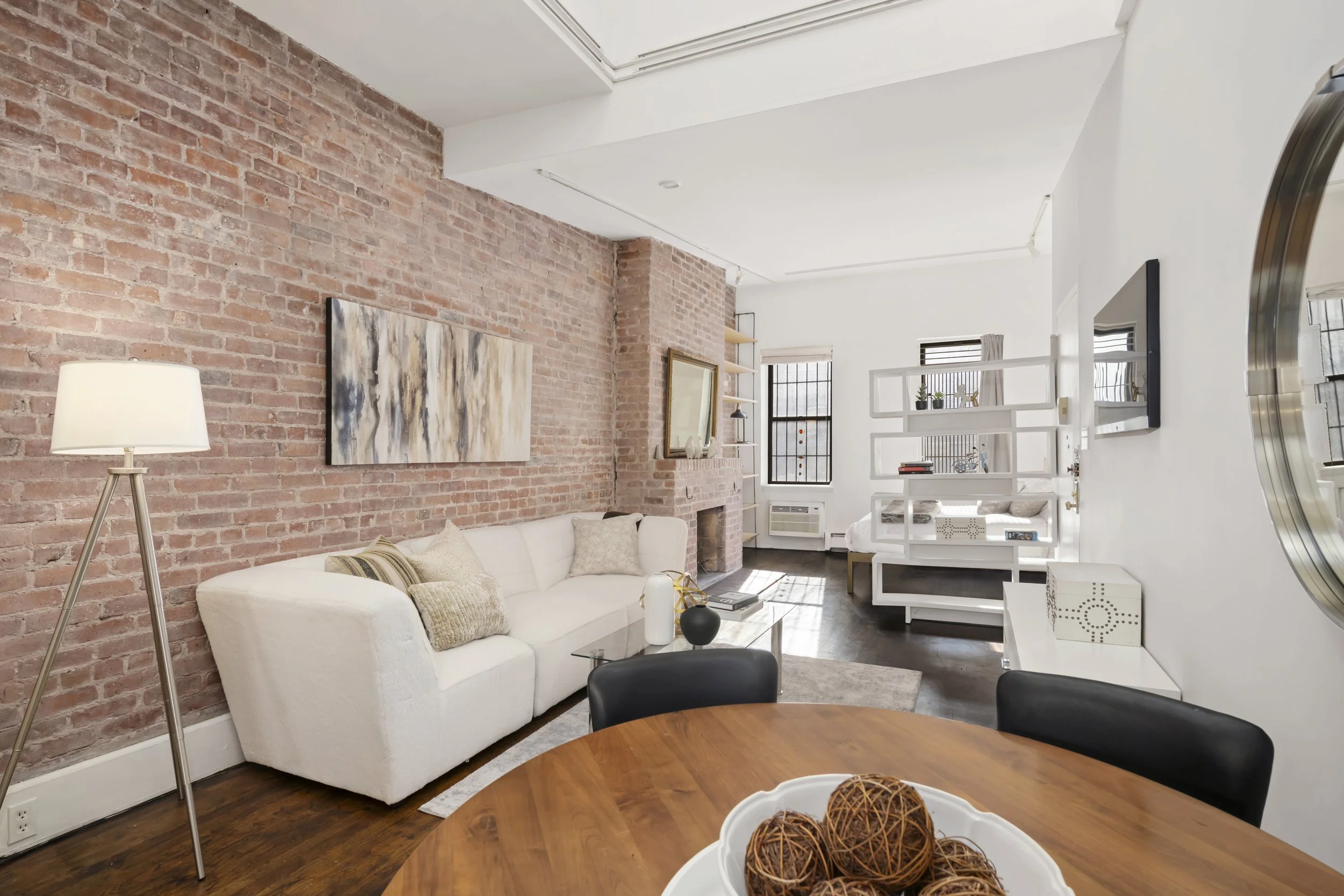
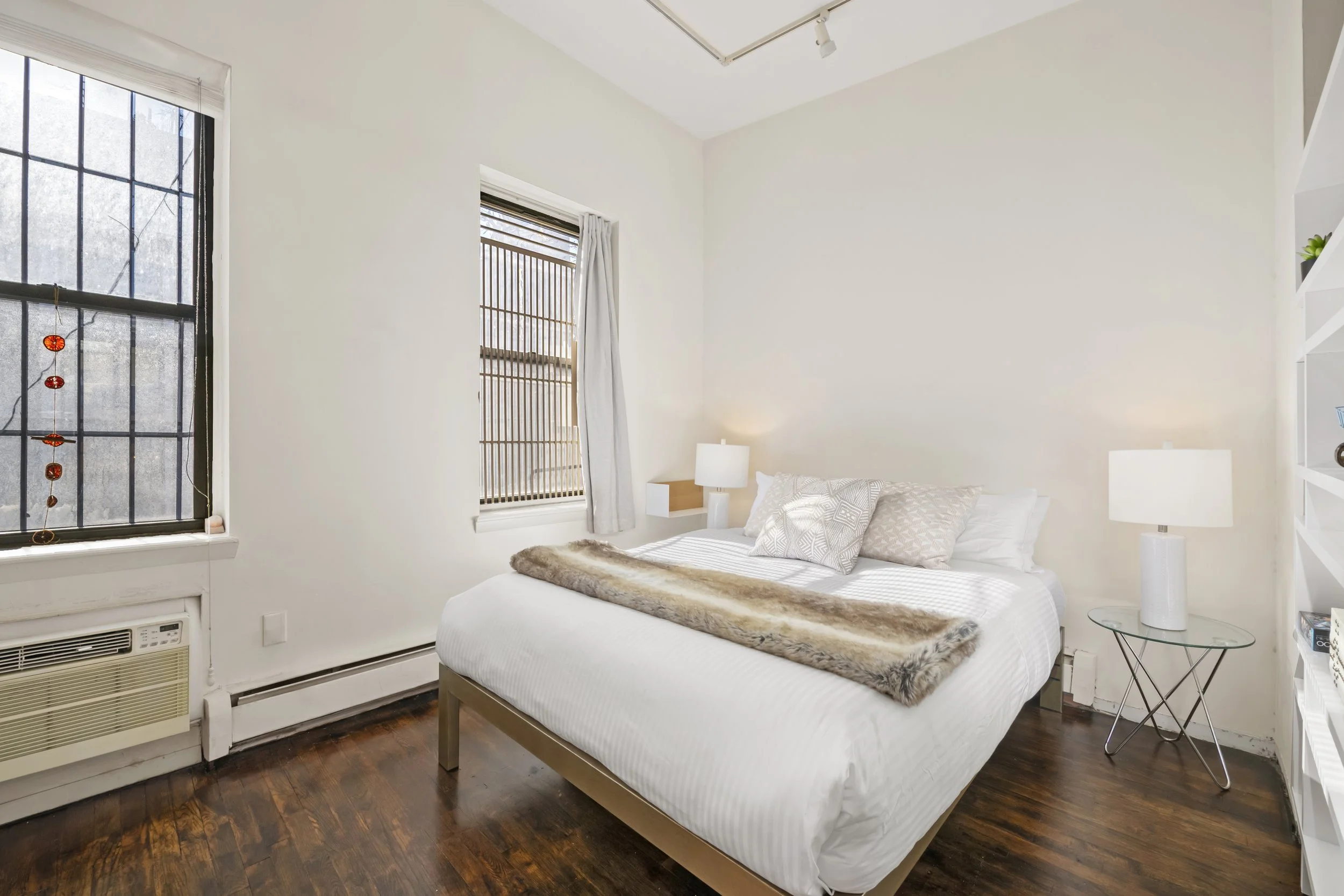
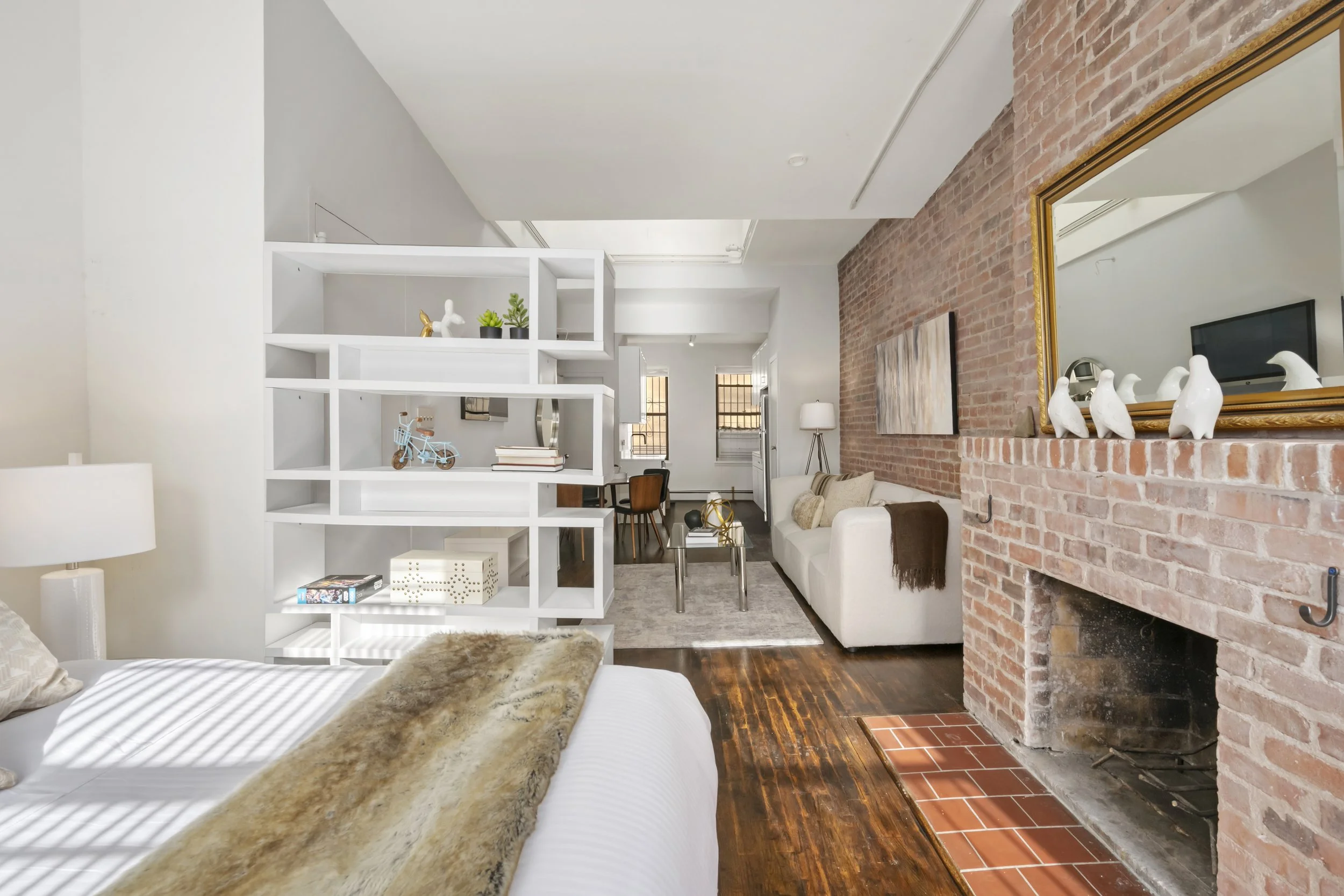
Welcome to 351 West 53rd Street, #4E—a bright, top-floor loft-like one-bedroom sanctuary in the heart of Hell’s Kitchen, where classic pre-war charm meets the vibrant energy of Midtown Manhattan. Perched just three easy flights up in a boutique 1920 co-op, this home offers the rare feeling of a mini–SoHo loft with dramatic architectural details and an airy, open flow.

Natural light pours through an oversized skylight, framing open-sky views and illuminating the expansive living space. With multiple north and south exposures, the home enjoys beautiful cross breezes and an all-day glow that enhances the sense of volume created by the soaring 10'6" ceilings at their highest points. Bookend windows and exposed brick add warmth and authentic New York character, while a cozy wood-burning fireplace serves as a stunning focal point—something rarely found at this price point.

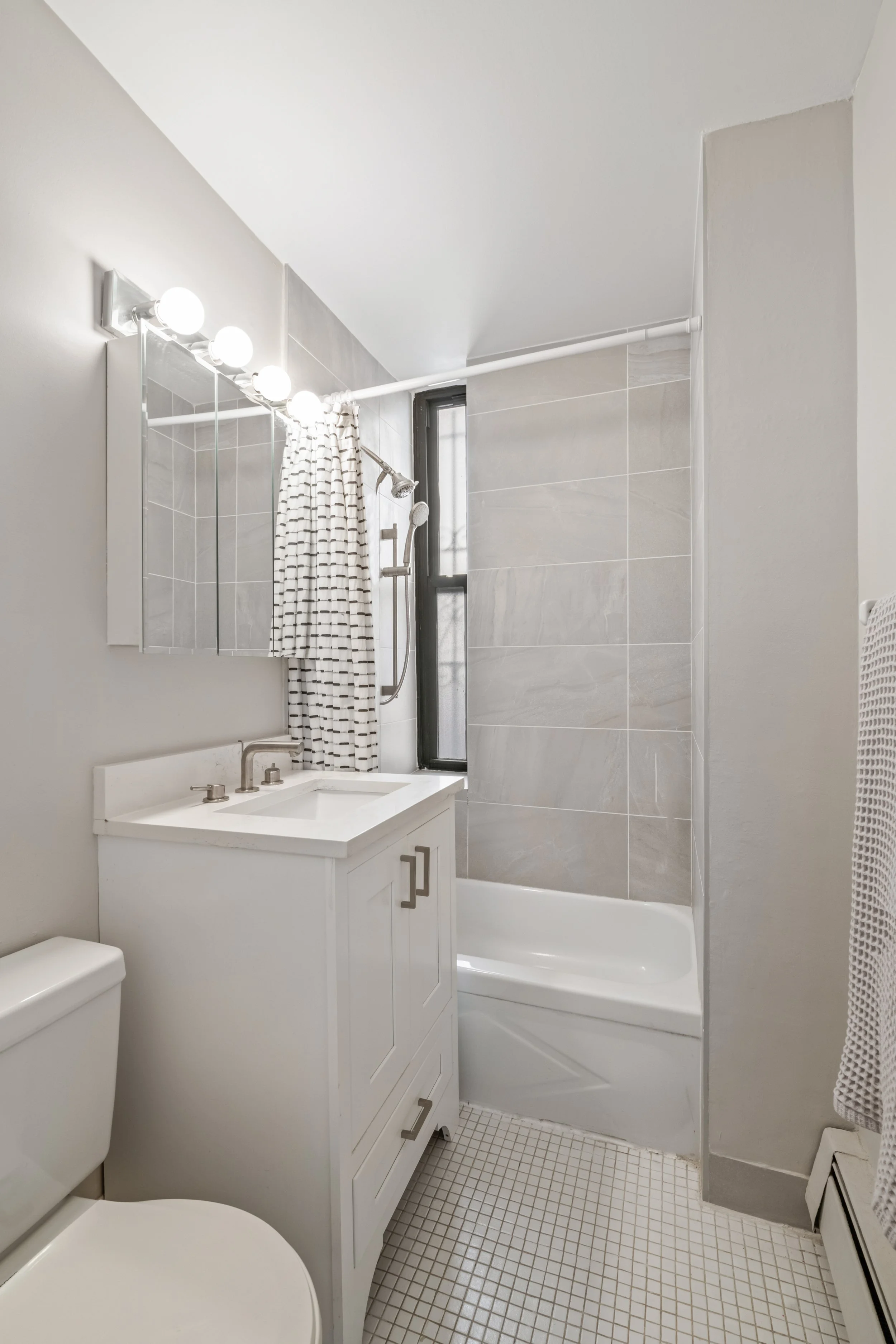
The layout, substantially larger than many one-bedrooms in the neighborhood, offers remarkable flexibility with clean sightlines, wide living/dining zones, and a footprint that can easily accommodate a proper bedroom configuration. The renovated windowed kitchen is smartly designed with modern conveniences—including a dishwasher—while the updated bathroom completes the turn-key appeal.

Outside your door, you’re surrounded by the best of Hell’s Kitchen and Midtown West: an endless collection of top-rated restaurants, cafés, boutiques, and local shops, along with effortless access to transportation options including the A/C/E, 1, B/D, N/Q/R trains. You’re moments from Central Park, the Hudson River Park waterfront, Lincoln Center, the Theatre District, and all the cultural and lifestyle amenities that make this one of Manhattan’s most dynamic and convenient neighborhoods.

A rare blend of loft-like character, natural light, volume, and location, #4E offers the perfect balance of pre-war charm, modern updates, and quintessential New York living.

*Monthly assessment of $330/mo. till 02/2027

NYC Council Will Bring Back Year-Round Outdoor Dining

The New York City Council will make outdoor dining year-round again. During a speech at A Better New York’s (ABNY) Power Breakfast on Wednesday, City Council Speaker Julie Menin said she plans to advance legislation introduced last year that would bring back the pandemic-era program, allowing for roadway dining in winter and reducing the cost to businesses.

In a speech highlighting policy priorities as speaker, Menin said: “This is a big one, we will finally fix the City’s outdoor dining program to make it year-round and reduce the regulatory burdens for restaurants.”

She added: “These measures will help small businesses survive and adapt by clearing up policies of the past that can lead to closures and job loss.”

In 2023, the City Council approved a new dining program, scaling back the Covid-era system with stricter rules. Conceived by Mayor Eric Adams and former Speaker Adrienne Adams, Dining Out NYC changed the program to allow roadway dining only between April and November. This meant restaurants had to disassemble and store dining structures in the winter and follow specific design standards, as 6sqft previously reported.

As Menin’s team first shared with Politico, the plan is to pass a version of a bill introduced by Council Member Lincoln Restler last year, which would restore the year-round format.

Restler told Streetsblog that just 400 restaurants completed the outdoor dining application last year, while 2,600 operated with conditional approvals. During the height of the program, which debuted in June 2020, roughly 8,000 restaurants participated.

“We need to revisit the failed policies of the Adams administration and make outdoor dining a tremendous year-round success once again for New Yorkers to enjoy,” Restler told the website. “I’m thrilled that Speaker Menin has made year-round outdoor dining a top priority for the City Council.”

Remaining details on the reforms will be subject to negotiation among lawmakers, Streetsblog reported.

The NYC Hospitality Alliance, which advocates for NYC restaurants, praised Menin’s announcement.

“New York City Council Speaker Julie Menin has long been a friend to small businesses and a strong voice for our communities,” the group said in a statement.

“We’re thrilled to see her prioritize restaurants, nightlife, and other local businesses through meaningful policies—like reforming outdoor dining so small restaurants, workers, neighborhoods, and communities across the city can benefit.”


NYC Council will bring back year-round outdoor dining

By Devin Gannon

February 5, 2026

Cover Photo - King, a restaurant in the Village. Photo by GuardianKC, CC BY-SA 4.0

220 East 57th Street, Unit 17G

220 East 57th Street, Unit 17G

MIDTOWN East, MANHATTAN

Asking $625,000

1 Bed  |  1 Bath | Co-op


-Co-op
-Full-time doorman
-Unlimited subletting after one year with board approval
-Co-purchasing, guarantors, and pied-à-terre use allowed with board approval

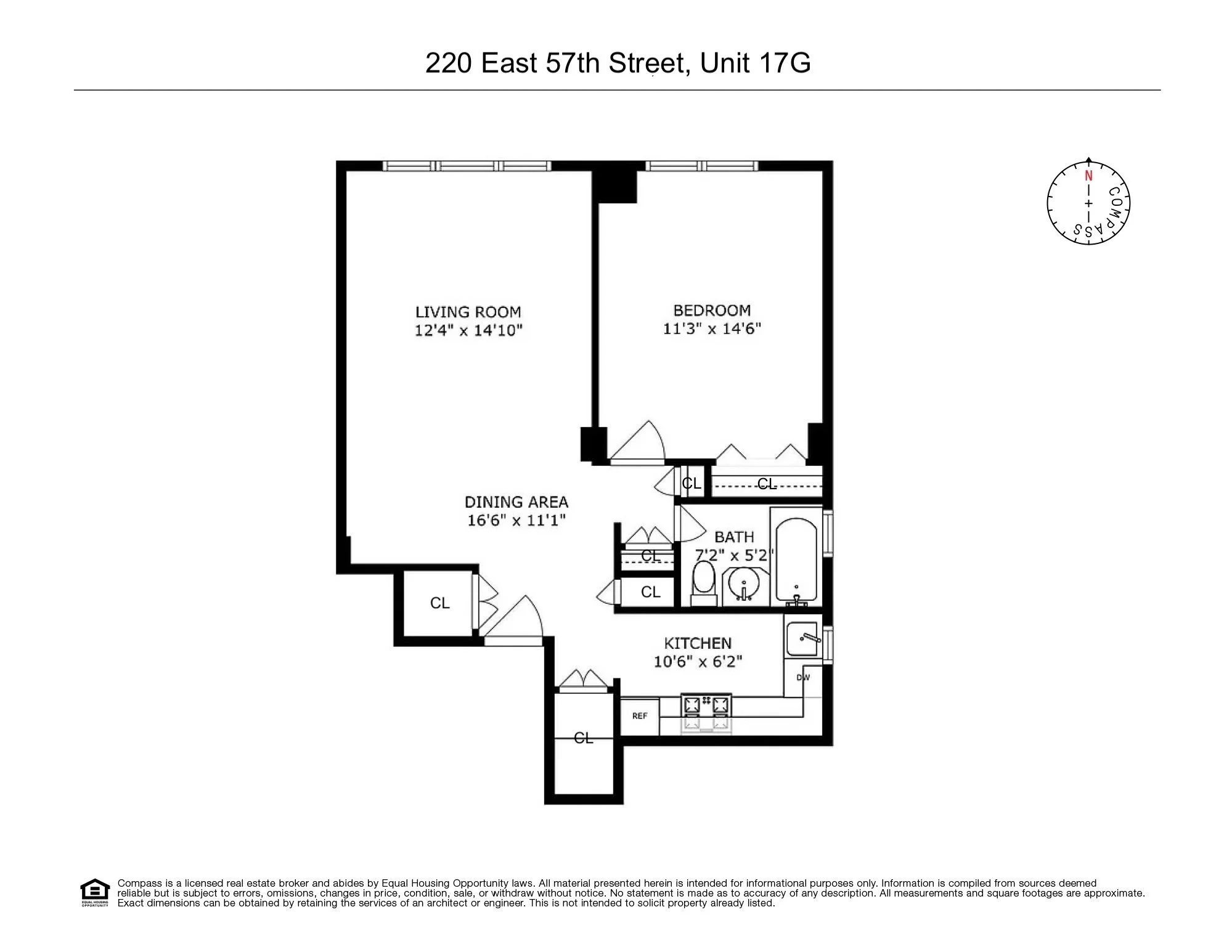
Residence 17G at 220 East 57th Street is a high-floor, move-in ready one-bedroom home at The Carlton East, offering bright north-facing city views, a quiet atmosphere, and an exceptionally functional layout in the heart of Midtown East. Perched on the 17th floor, this pristine apartment delivers a peaceful retreat above the energy of the city below.

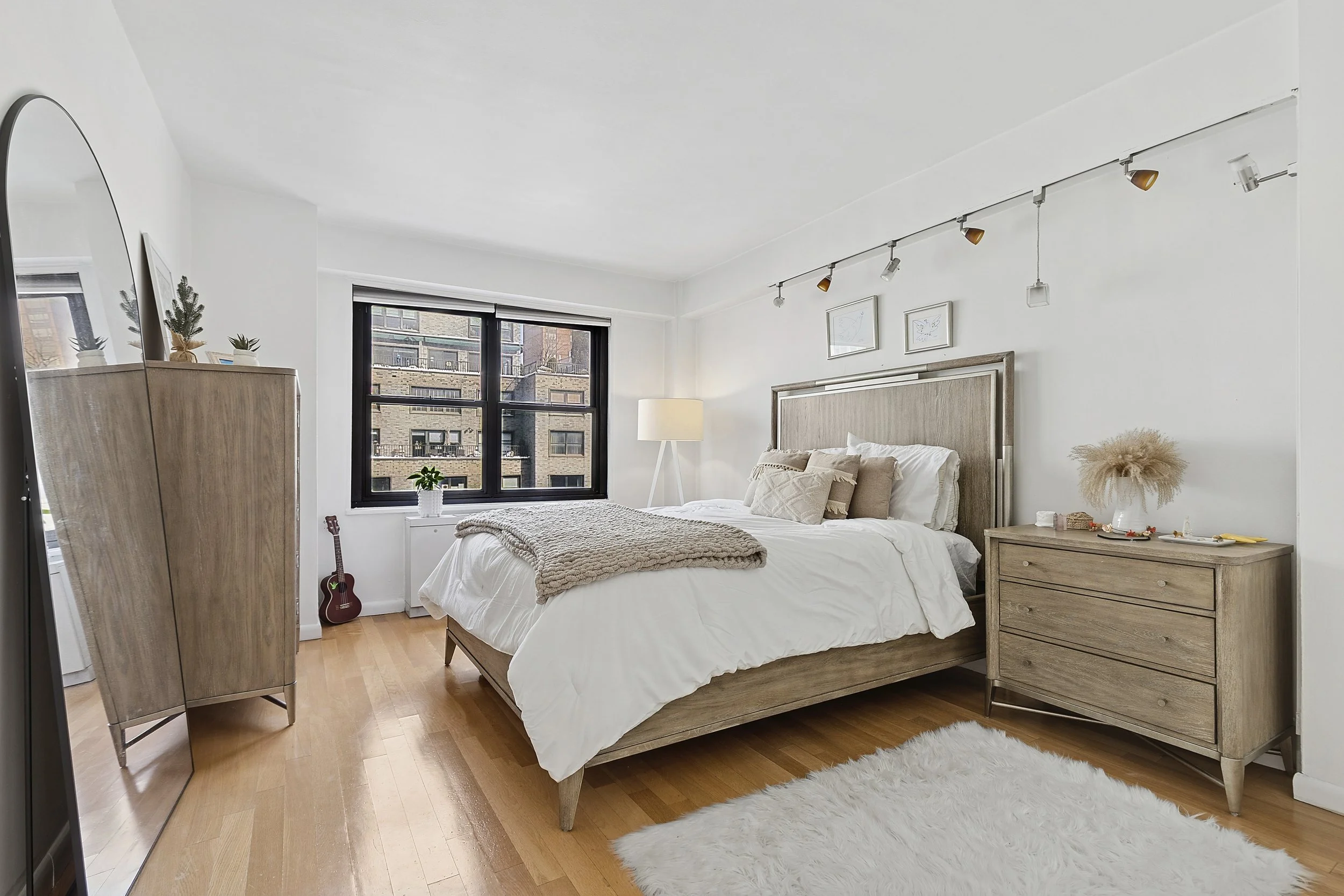
The spacious layout is both inviting and versatile, featuring a large living room with a separate dining alcove that easily serves as a home office — ideal for modern living. The generous bedroom comfortably accommodates a king-size bed plus additional furniture, while closets galore throughout the home provide outstanding storage solutions rarely found in a one-bedroom.

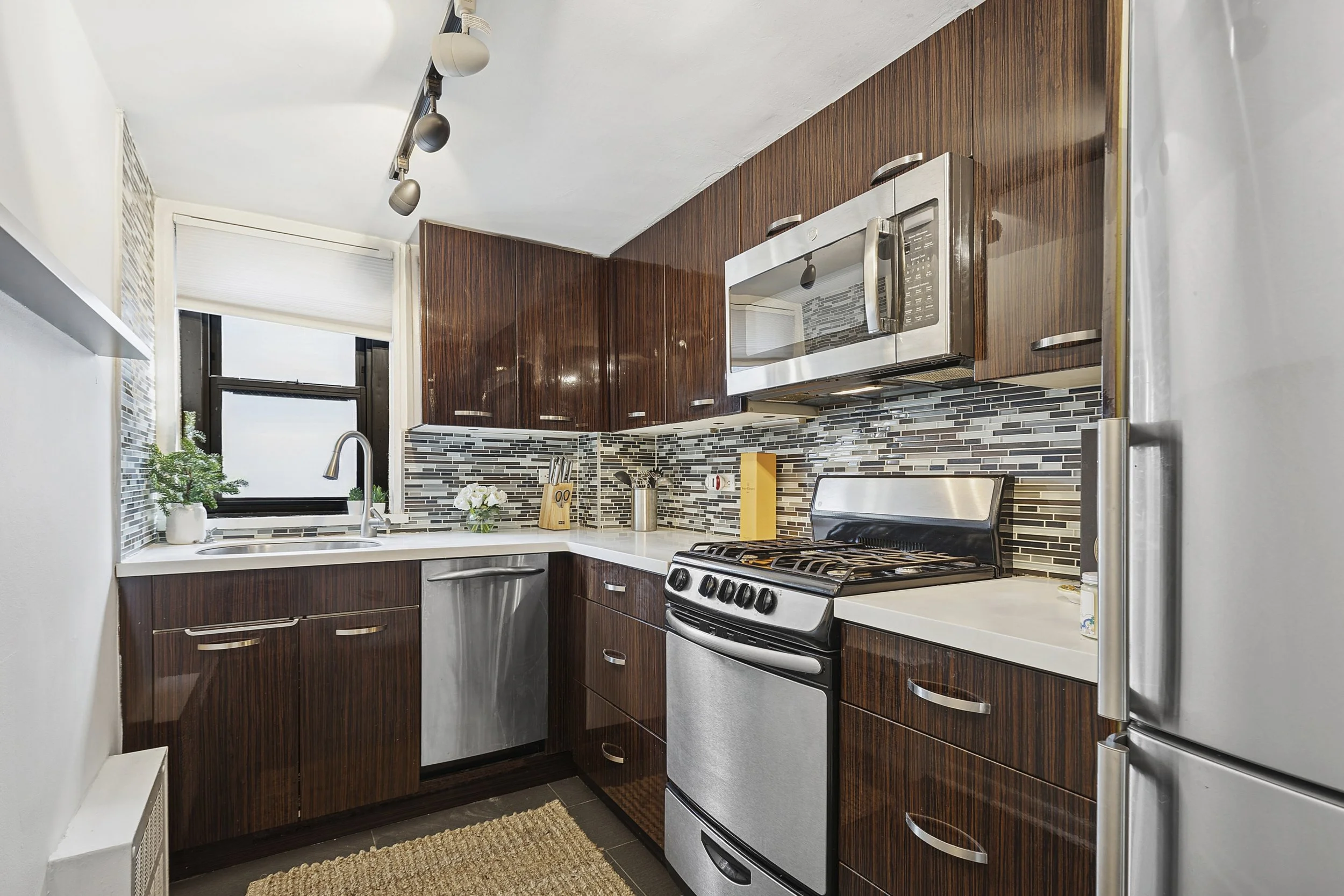
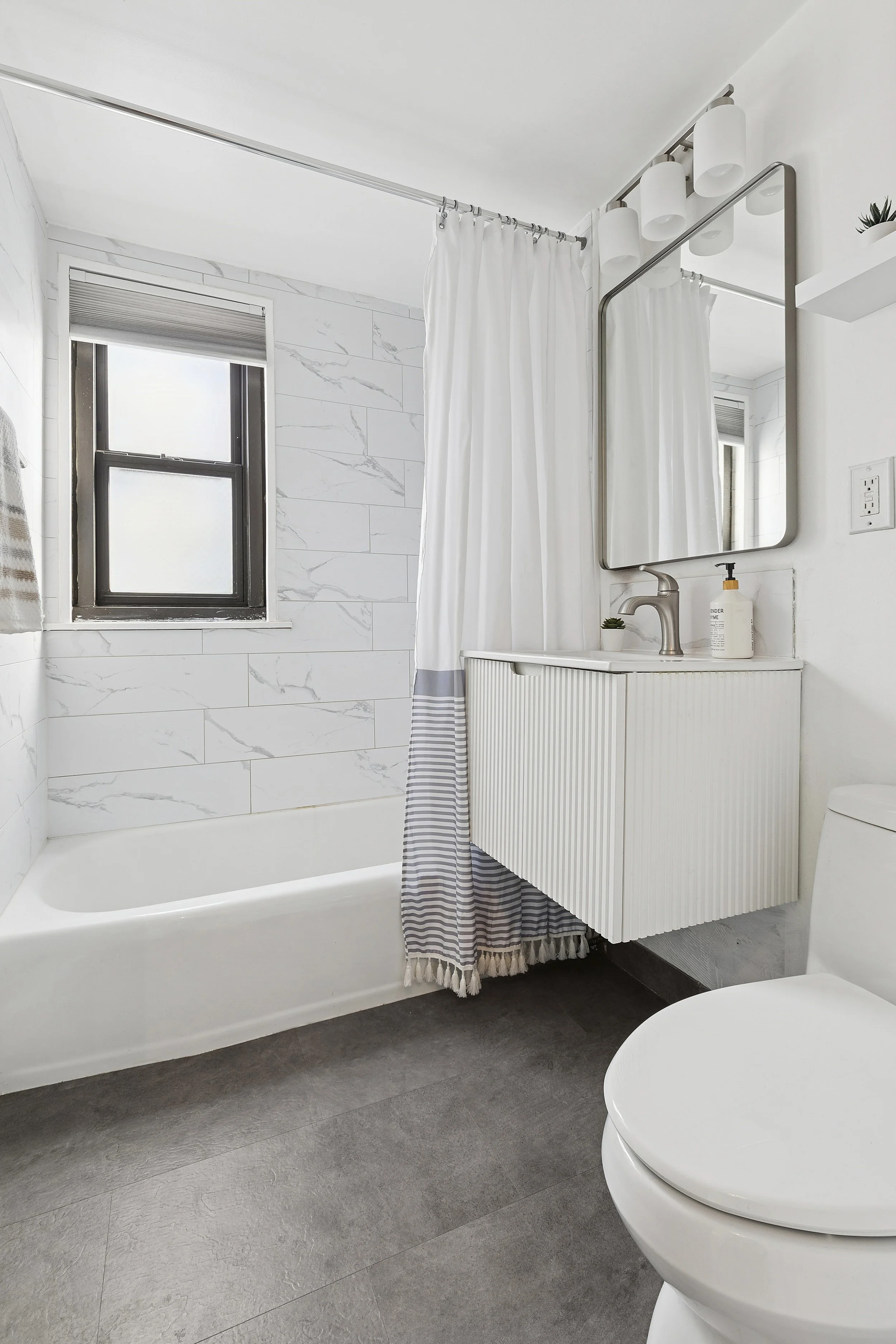
The beautifully renovated kitchen is equipped with stainless steel appliances, including a dishwasher, along with ample cabinetry for everyday ease. The bathroom is designed for comfort with both a full tub and shower, perfect for unwinding at the end of the day.

The Carlton East is a well-maintained, full-service post-war cooperative offering residents a 24-hour doorman, live-in superintendent, central laundry, bike room, and additional storage. The building allows up to 80% financing and welcomes co-purchasing, guarantors, and pied-à-terre use (board approval).

A standout benefit is the rare flexibility: unlimited subletting after one year of ownership, giving buyers condo-like rental freedom within a co-op setting.

Ideally located on East 57th Street, you are moments from top dining, shopping, Whole Foods, Trader Joe’s, and multiple subway lines including the 4/5/6, N/R/Q, M, F, and E trains — bringing convenience, connectivity, and value together in one of Manhattan’s most central neighborhoods.

*There is a quarterly capital assessment of $9.40/share/year, payable on March 1st, June 1st, September 1st, and December 1st through 2027. The quarterly assessment for this unit is $1,198.

18 West 48th Street, Unit 10E

18 West 48th Street, Unit 10E

MIDTOWN, MANHATTAN

Asking $1,125,000

1 Bed  |  1 Bath | Condo


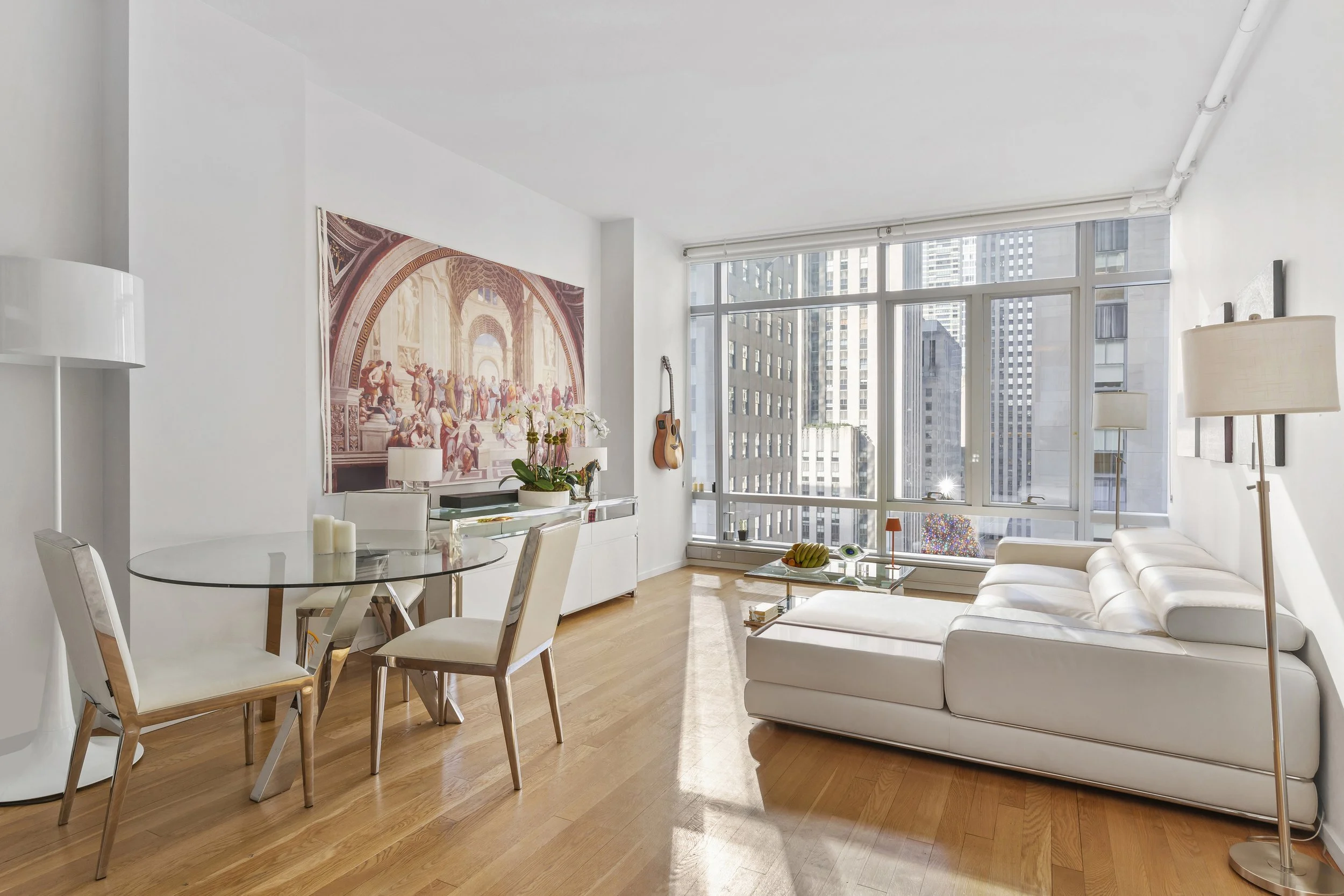
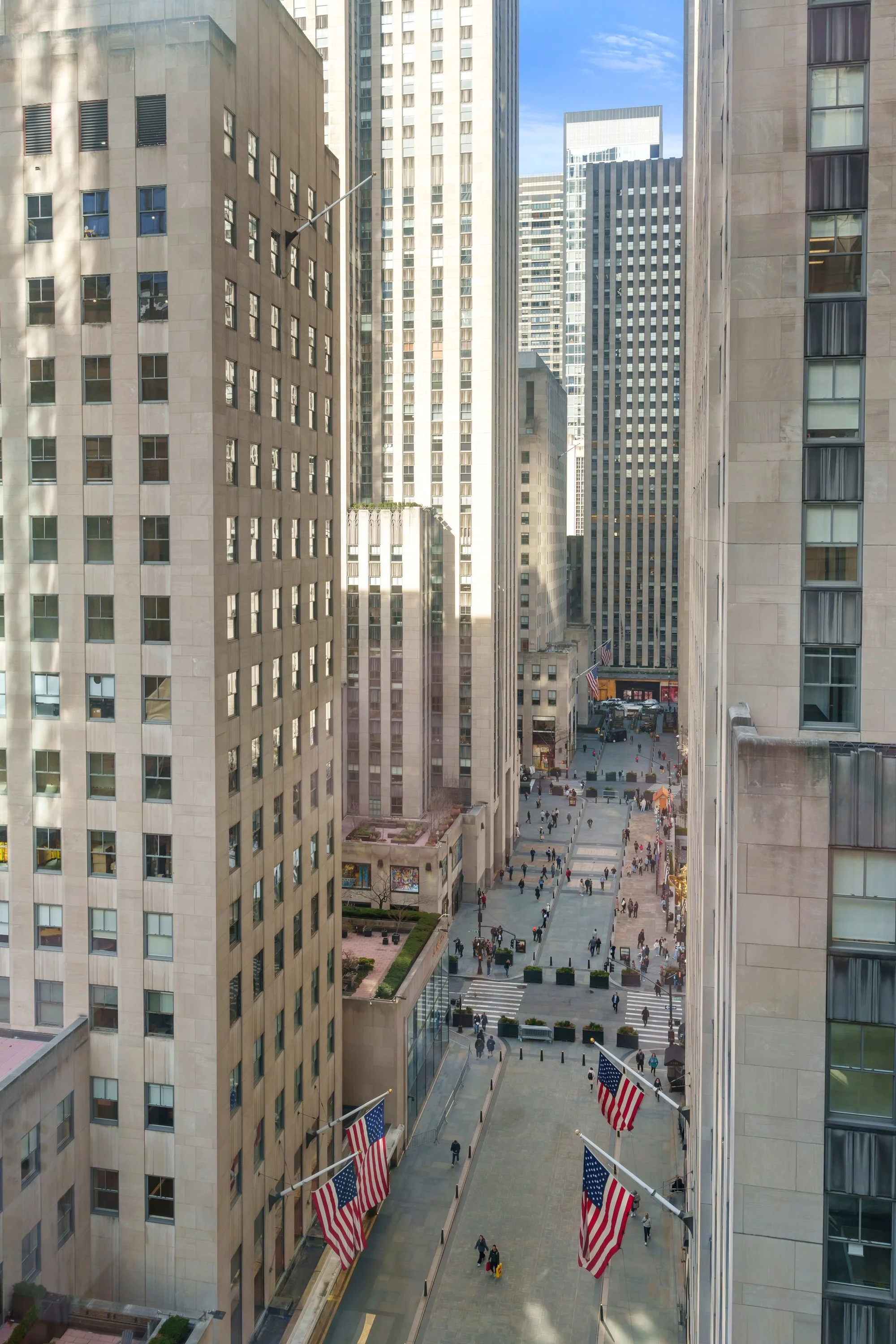
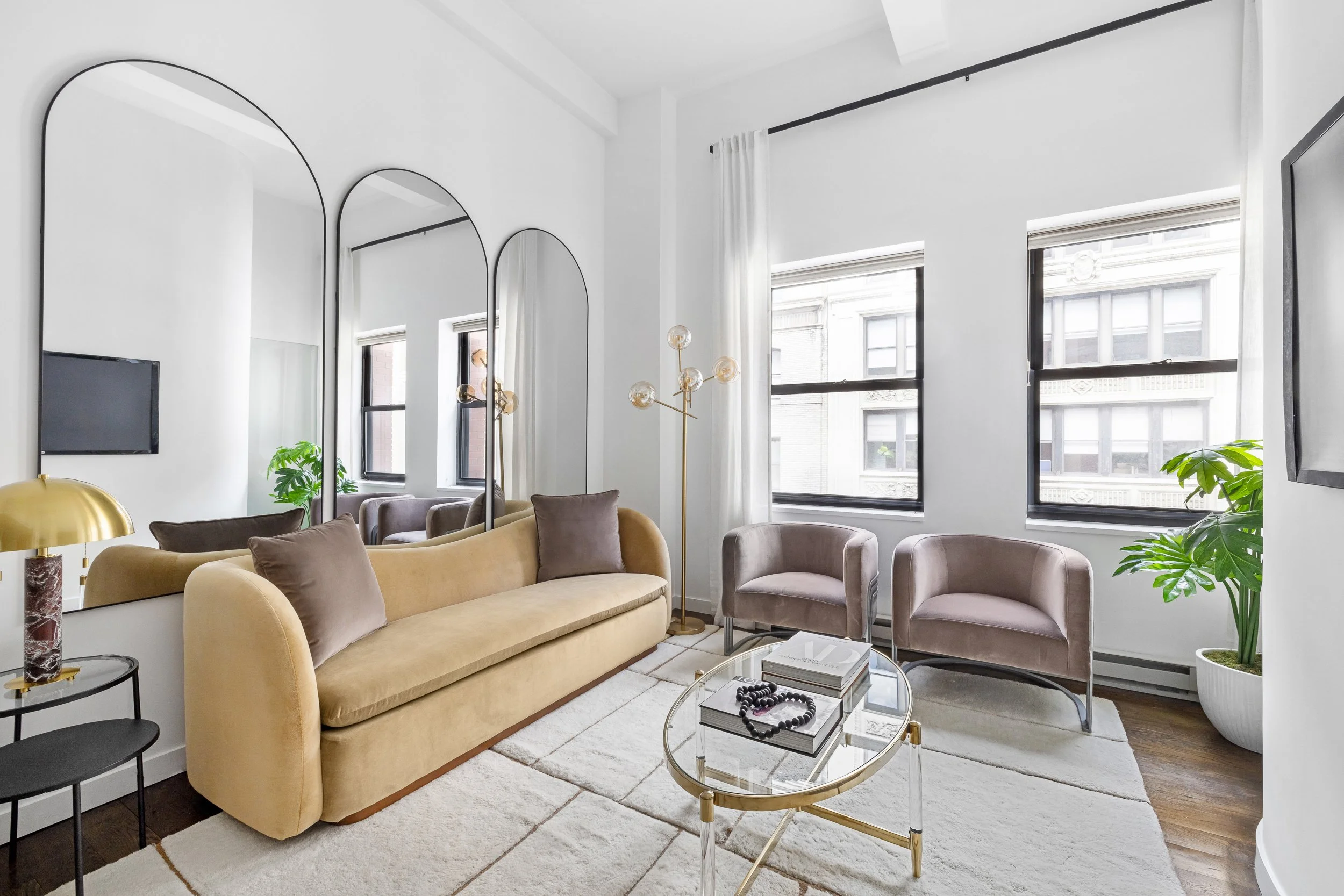
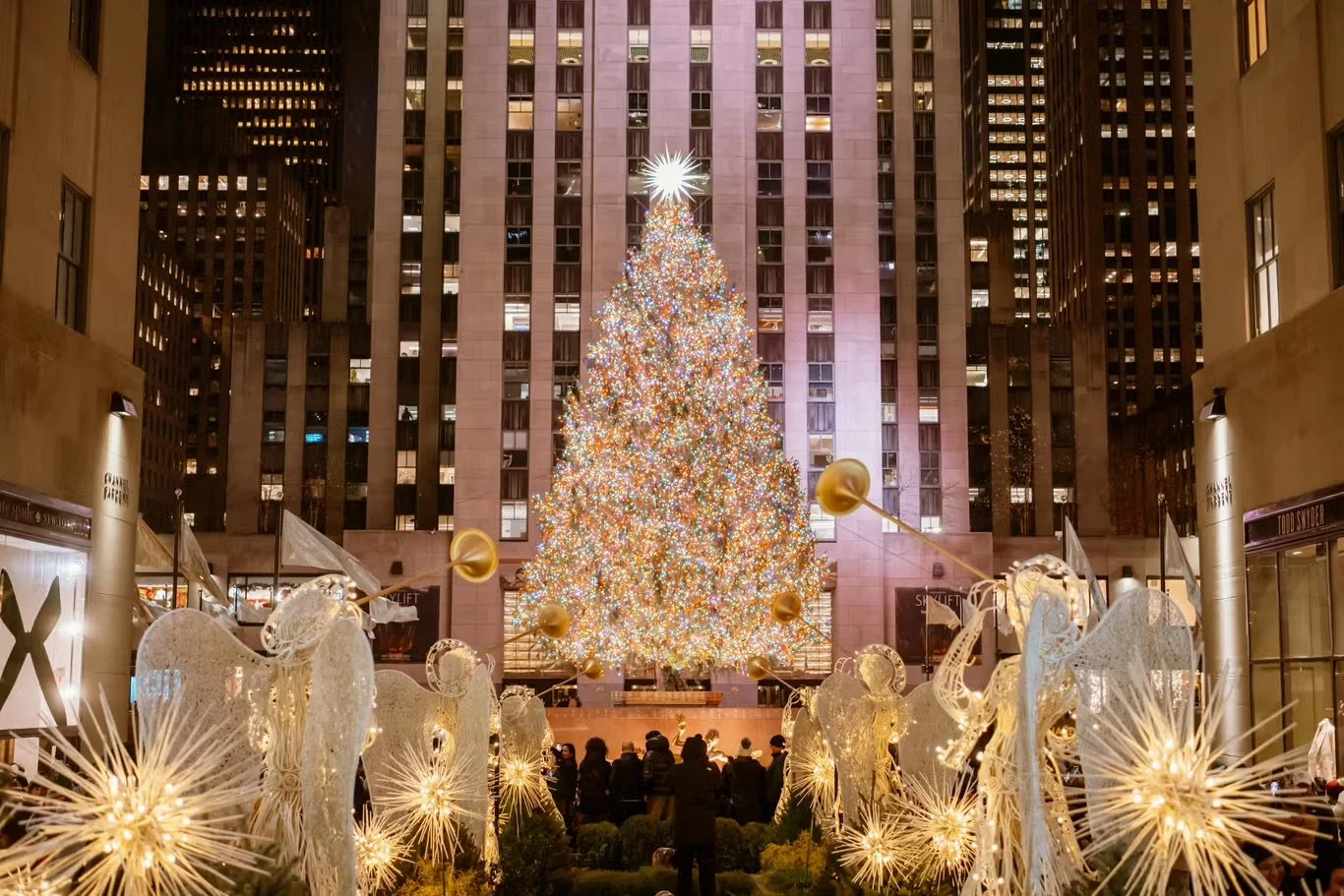
Direct iconic views of Rockefeller Plaza from one of the largest one-bedroom lines at The Centria Condominium. Make your home in the heart of the city in this expansive one-bedroom, one-and-a-half-bathroom showplace featuring chic contemporary interiors and dramatic Rockefeller Center Christmas tree views in a full-service, amenity-rich Midtown condominium.

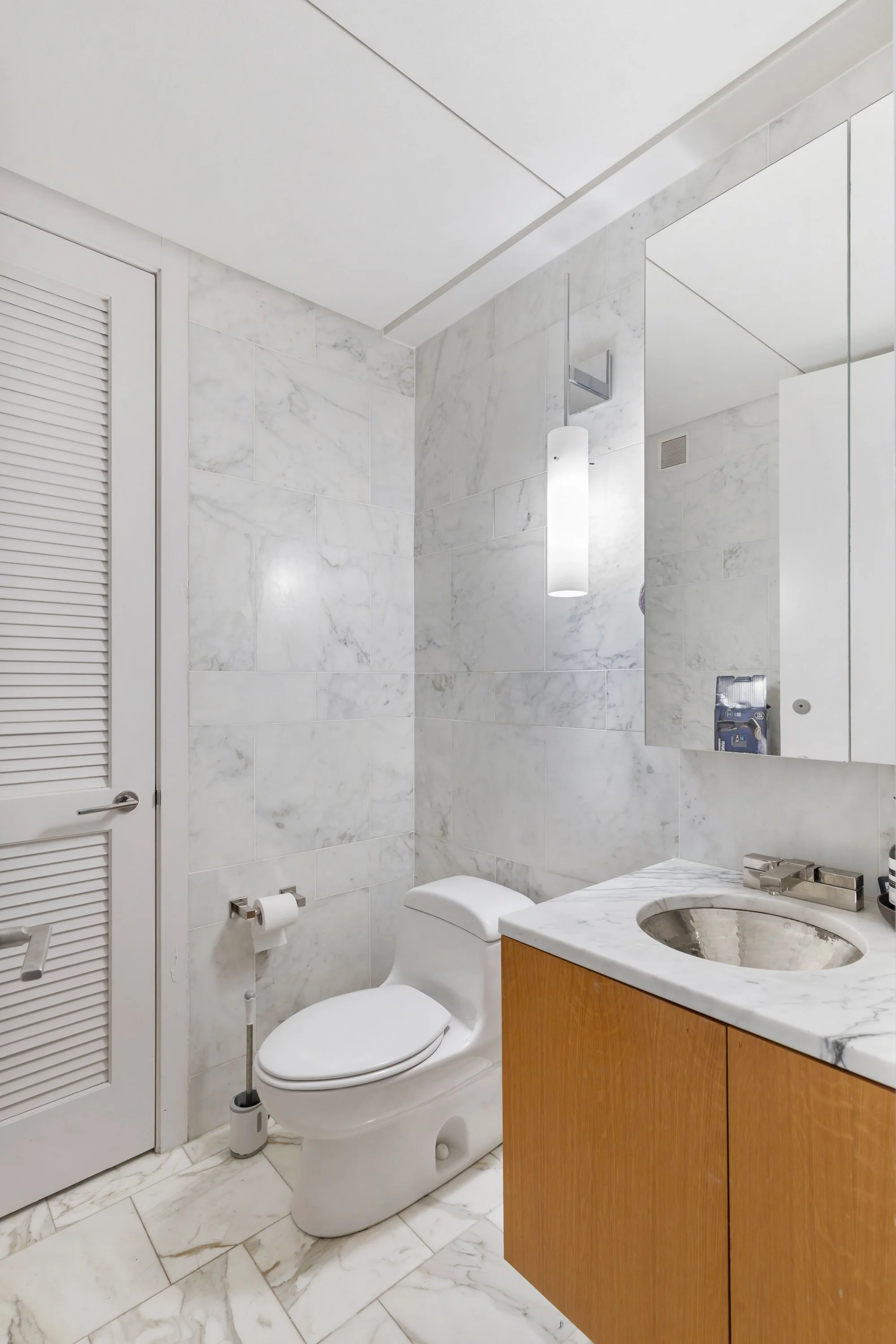
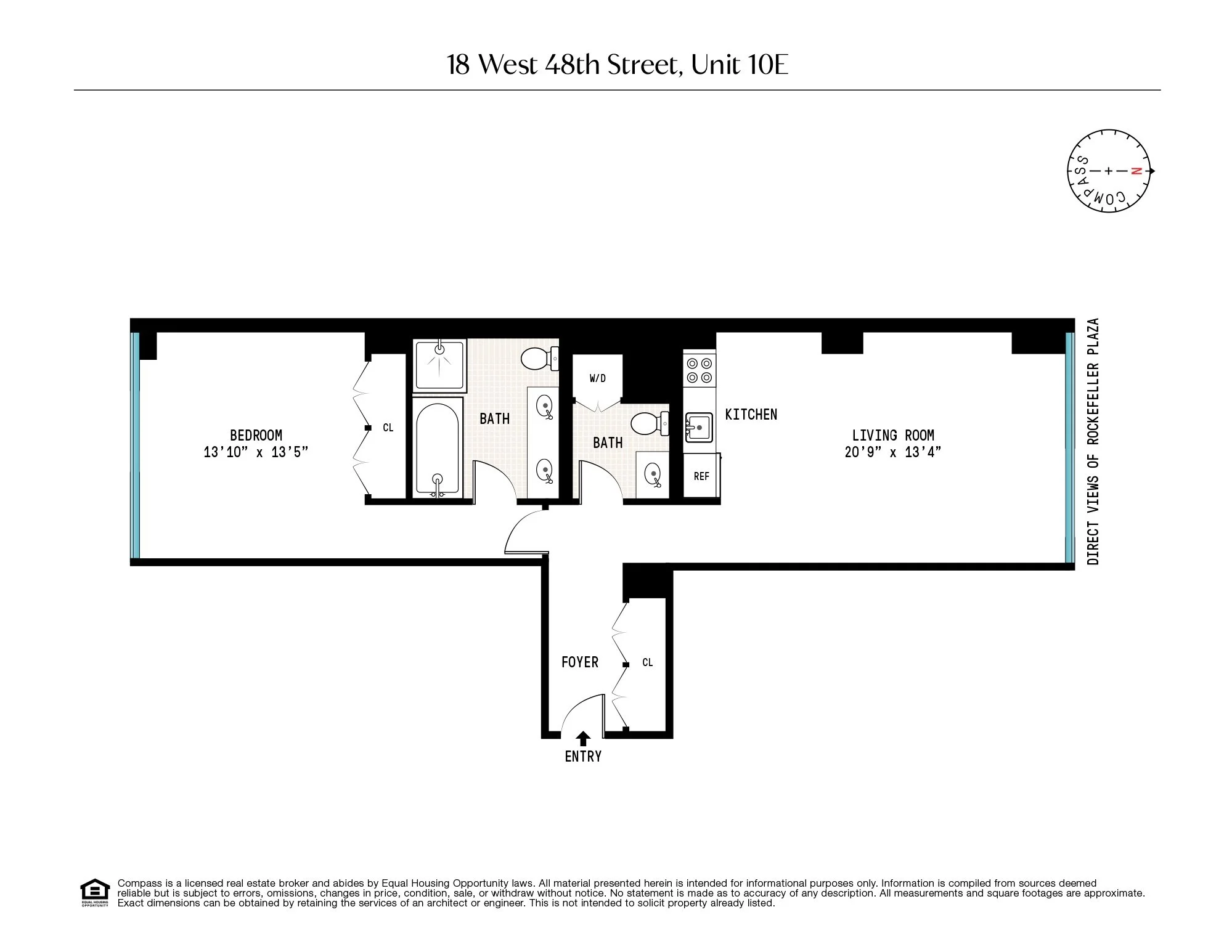
Inside this sun-splashed 918-square-foot residence, tall ceilings and hardwood floors are illuminated by walls of north- and south-facing windows. An inviting foyer with an oversized storage closet ushers you into the dramatic 23-foot-long great room. Here, you'll find a generous footprint for living and entertaining alongside show-stopping city views, including a direct line of sight to the famous Rockefeller Center Christmas tree! Folding doors reveal a well-appointed Pullman kitchen featuring glossy cabinetry, a stainless steel counter, a refrigerator, a cooktop and an oven. Sleep soundly in the sunny, south-facing bedroom offering king-size proportions, room for a home office area and a wall of reach-in closets. The en suite marble bathroom impresses with a soaking tub, glass shower, floating double vanity and wide medicine cabinet. A convenient powder room with an in-unit washer-dryer completes this magnificent Midtown home.

Built in 2007, The Centria is a sleek glass condominium tower offering residents an outstanding luxury lifestyle with 24-hour doorman and concierge service, a live-in resident manager, a state-of-the-art fitness center, a residents' lounge, a lounge with a professional catering kitchen and bar, a business center with two conference rooms, and adjoining landscaped courtyards. This pet-friendly enclave is ideal for full-time residents, investors and pieds-à-terre alike.

Located in the heart of Midtown Manhattan, this home defines exciting urban life with direct access to Rockefeller Center, Radio City Music Hall, MoMa, Bryant Park and the exciting theater district. World-class dining, designer shopping and vibrant nightlife venues line every nearby block, and transportation is effortless with B/D/F/M, E, N/R/W, 1/2/3, 4/5/6, 7 and S subway lines, Metro-North trains, excellent bus service and CitiBikes all nearby.

*Tenant occupied till 7/2026, paying $5,400/mo.

The Monthly Update - February 2026

Looking Ahead to 2026: Market Insights, Predictions & Possibilities

Before we dive into 2026 predictions, let’s set the stage. The Manhattan and Brooklyn markets hit what many consider a post-COVID floor in 2023, after the steep correction triggered by the summer 2022 interest rate spike. In 2024, the market began to rebound. Then came 2025—showing modest growth on top of that recovery. So here we are in 2026: a year that begins with both uncertainty and opportunity, and the potential for measured revival. Buyers remain cautious, especially around pricing, and sellers—particularly in Manhattan—continue to show some resistance, though perhaps with a slightly more congenial tone. If the market takes the right cues, 2026 could be a touch better than 2025.

As John Walkup of UrbanDigs recently noted in Forbes, this year may have less to do with rate cuts, Wall Street, or rental trends, and more to do with how individual buyers and sellers view the market. Let’s take a closer look at three major themes that could shape the year ahead.

Interest Rates

It’s widely assumed that falling interest rates will spark a buyer frenzy. But that’s only true if the rate cuts come alongside broader economic strength. If lower rates are paired with economic weakness, recession fears, or macro uncertainty, buyers may still sit on the sidelines. Also, according to Realtor.com, over 70% of U.S. mortgages are locked in below 5%, and 52% are below 4%, making many homeowners unwilling to sell and give up their low-rate financing. So even if rates decline, we may still see limited inventory—a “frozen seller effect”—where few are willing to trade up or down. In other words, while rate cuts might seem like a golden ticket, they’ll only move the needle if combined with easing inflation, stable employment, and renewed buyer confidence. It will take more than just monetary policy to meaningfully shift the needle in NYC.

Pricing & Seasonal Timing

In today’s market, correct pricing matters more than ever. If a property is priced right—and hits the market at the right time—it has a strong chance of selling. With buyer fatigue and budget sensitivity still lingering, sellers will need to adjust expectations and price and list their home at the right time. Expect most deals to happen in two distinct windows: spring (March through early June) and fall (late September through early November). Outside of those seasons, listings may sit idle unless priced aggressively. The market is active—but only at the right price point. Manhattan and Brooklyn haven’t seen sustained momentum in several years, and even though rents remain at all-time highs, many buyers are still waiting on the sidelines due to affordability concerns.

The Return of the Unrenovated Co-op

Affordability challenges could bring unrenovated co-ops back into favor. For buyers who are priced out of newer, turnkey homes, older properties—often with 1980s kitchens and original details—could offer a path to ownership at a lower entry price. While these homes may require renovations, they also offer flexibility: buyers can update over time, room by room, as budgets allow. After years of a market dominated by turnkey demand, 2026 might mark a shift toward value-driven purchases—especially among buyers who are more patient, budget-conscious, and renovation-inclined.

In Conclusion

These are three trends to watch as we enter the 2026 market. Of course, if you have any questions about Manhattan or Brooklyn real estate, I’m always happy to chat. After 24 years of successful sales in NYC, with 89 closed transactions last year and closing 2205 with another 25 properties currently under contract, The Hoffman Team is ready to help you navigate the market—no matter what 2026 brings.

Wishing you a great month ahead. Let’s see what this next chapter holds. 


Real Estate in the News

Real Estate Giant Compass Closes $1.6 Billion Merger to Become Worlds Largest Broker

"We are pleased with the strong support from our and Anywhere's stockholders in approving this transaction," said Compass founder and CEO Robert Reffkin. "Today's outcome reflects confidence in our shared vision to empower real estate professionals with everything they need to grow their business and better serve their clients."

Courtesy of Realtor.com


Local Happenings

NYC Restaurant Week returns with discounted prix-fixe menus at hundreds of participating restaurants across the city. It’s a delicious way to spotlight the city’s culinary diversity from fine dining to neighborhood favorites.

Click HERE to learn more!

One of New York’s longest-running spectacles returns with canine competition at Madison Square Garden and Javits Center. The 150th anniversary edition brings elite dog breeds and show events that delight families and animal lovers.

Click HERE to learn more!


Featured Listings


Stay Connected

NYC To Complete Delayed Madison Avenue Bus Lane Redesign

New York City is moving forward with a long-delayed project to give buses a dedicated lane along a busy stretch of Madison Avenue. Department of Transportation (DOT) Commissioner Mike Flynn on Sunday announced that the agency will complete the stalled redesign of Madison Avenue, extending double bus lanes from 23rd to 42nd Streets. The upgrades aim to improve the commutes of the avenue’s 92,000 daily riders, a stretch where buses often crawl at speeds as low as 4.5 miles per hour, according to a press release.

Today, Madison Avenue from 42nd to 60th Street has two bus lanes, two travel lanes, and one parking lane, serving 34 local and express routes with riders from all five boroughs. DOT data shows that buses along this corridor below 42nd Street often travel at less than half the citywide average speed of 8.1 miles per hour.

Although 55 percent of travelers along this stretch ride the bus, it currently lacks a dedicated lane. To improve service, DOT proposed in 2025 extending the double bus lanes south to 23rd Street, with plans to begin installation last year before the project was paused. The redesign will also include one travel lane and a combined parking and rush-hour travel lane.

The project was paused, Deputy Mayor for Operations Julia Kerson said, because the city “missed the last painting season,” as Gothamist reported.

DOT data shows that double bus lanes can significantly increase bus speeds. On nearby Fifth Avenue, the introduction of double lanes boosted local bus speeds by six to 12 percent and express bus speeds by 11 to 20 percent.

A cross-section of the proposed redesign. Credit: Metropolitan Transportation Authority

The redesign will build on the traffic improvements the city has experienced since the start of congestion pricing, with the Metropolitan Transportation Authority reporting in January a modest 2.3 percent increase in bus speeds across the central business district.

“One year after the implementation of congestion pricing, it is clear that it is working and making New York better,” Rep. Jerrold Nadler said. “There’s less traffic, safer streets, and cleaner air. And it allows us to reimagine our streets for improvements such as the extension of the Madison Avenue bus lane south to 23rd Street.”

The initiative joins several other stalled transportation projects that Mayor Zohran Mamdani has revived since taking office on January 1. Earlier this month, Mamdani announced the city would restore the original “road-diet” plan for Greenpoint’s notoriously dangerous McGuinness Boulevard.

He also revived the bike lane redesign for Astoria’s 31st Street, which had been partially built under former Mayor Eric Adams but was ordered removed by a judge for failing to follow proper protocols.

“The Mamdani Administration is serious about keeping this city moving. Installing new bus lanes on Southern Madison Avenue will speed up commutes for nearly 100,000 riders a day. That saves New Yorkers time, money, and headaches,” Kerson said. “That’s a real impact, and I want to thank DOT for delivering it.”


NYC to complete delayed Madison Avenue bus lane redesign

By Aaron Ginsburg

January 15, 2026

Cover Photo Credit: DOT Commissioner Mike Flynn announcing the redesign. Credit: Michael Appleton/Mayoral Photography Office on Flickr
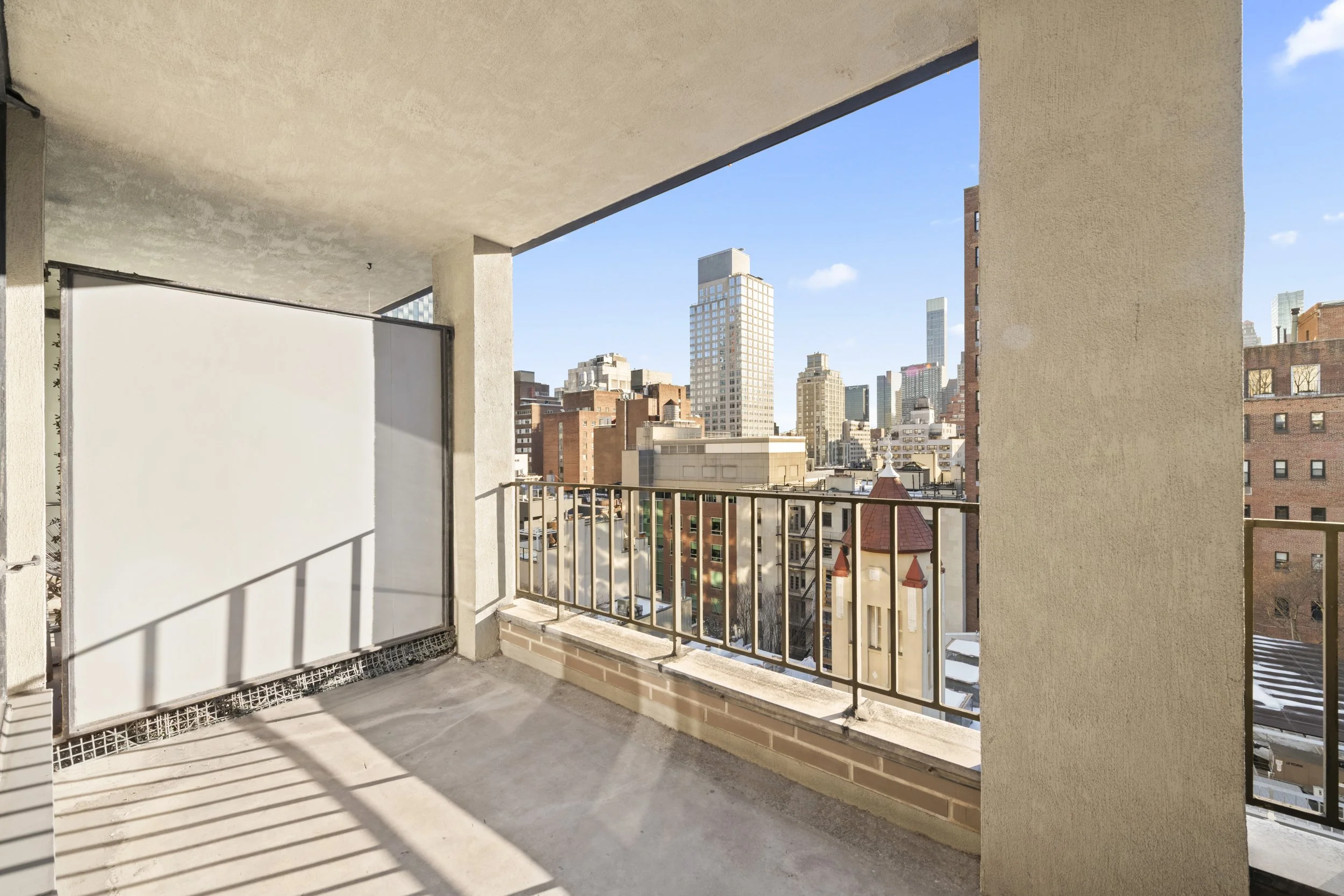
334 West 87th Street, Unit 1D

334 West 87th Street, Unit 1D

upper west side, manhattan
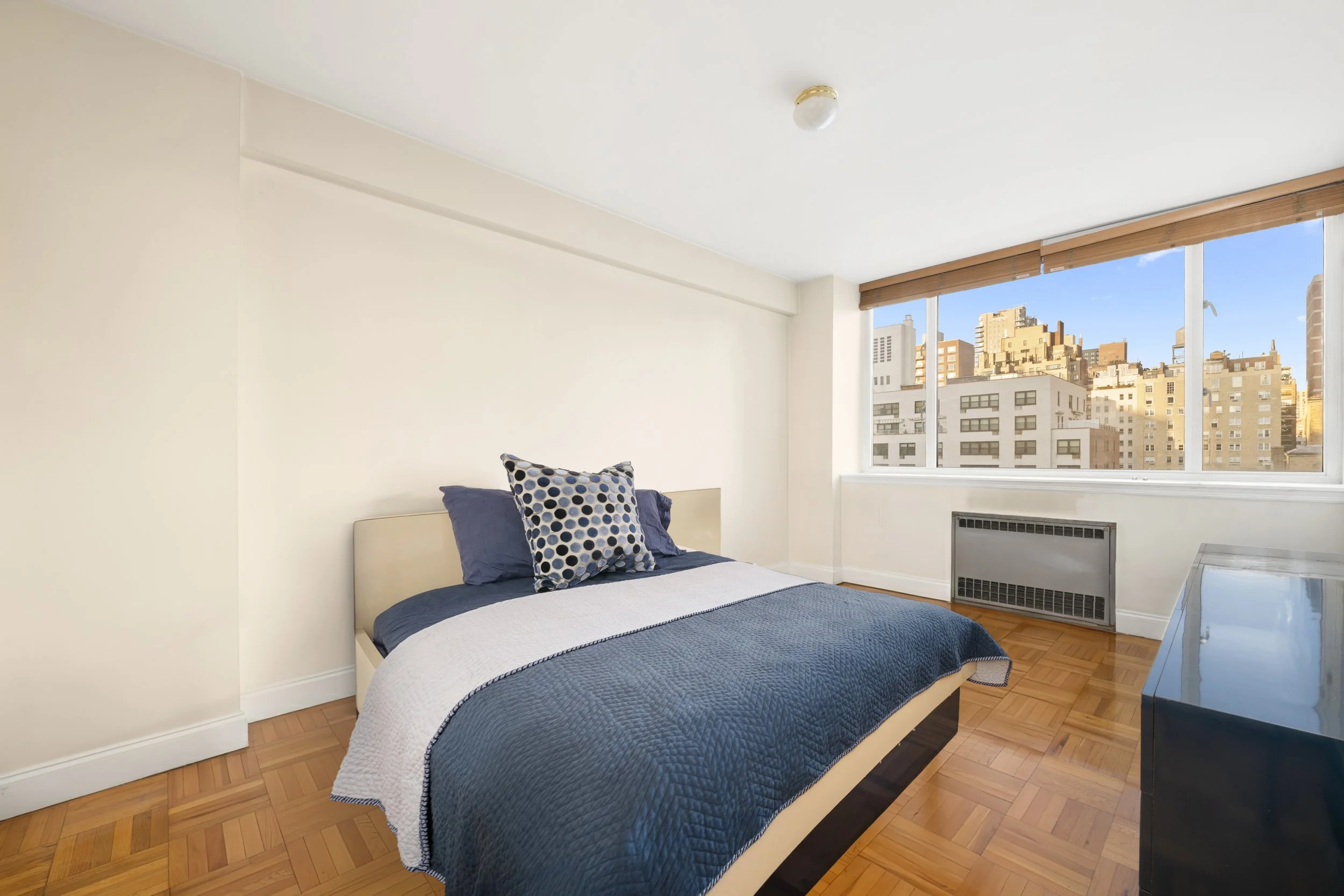
Asking $599,000

1 Beds  |  1 Baths | Co-op


- Live in super
- ButterflyMX Door System w/ Mobile Phone Accessible
- Subletting allowed 2 out of 5 years
- Pied-à-terre allowed with board approval

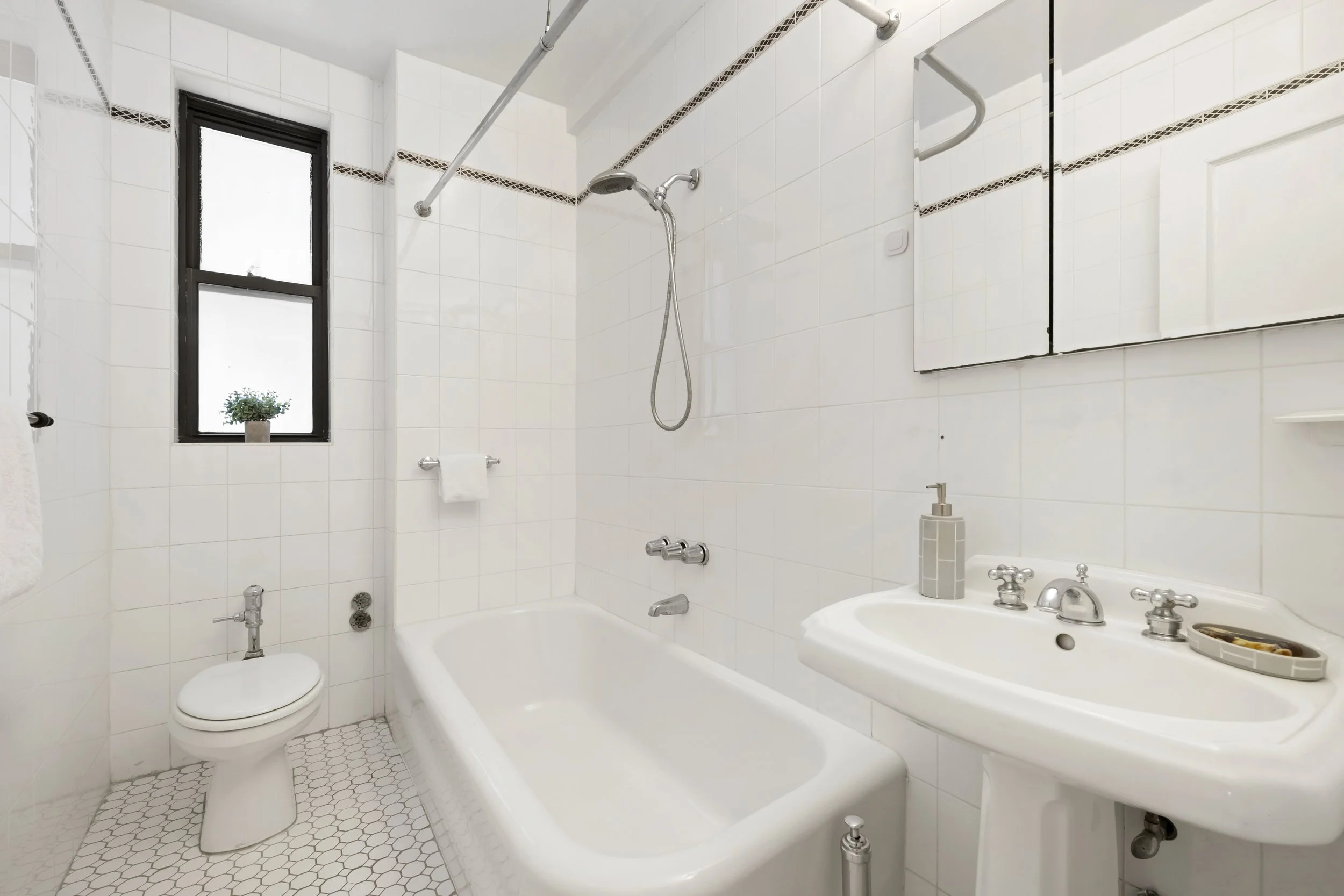
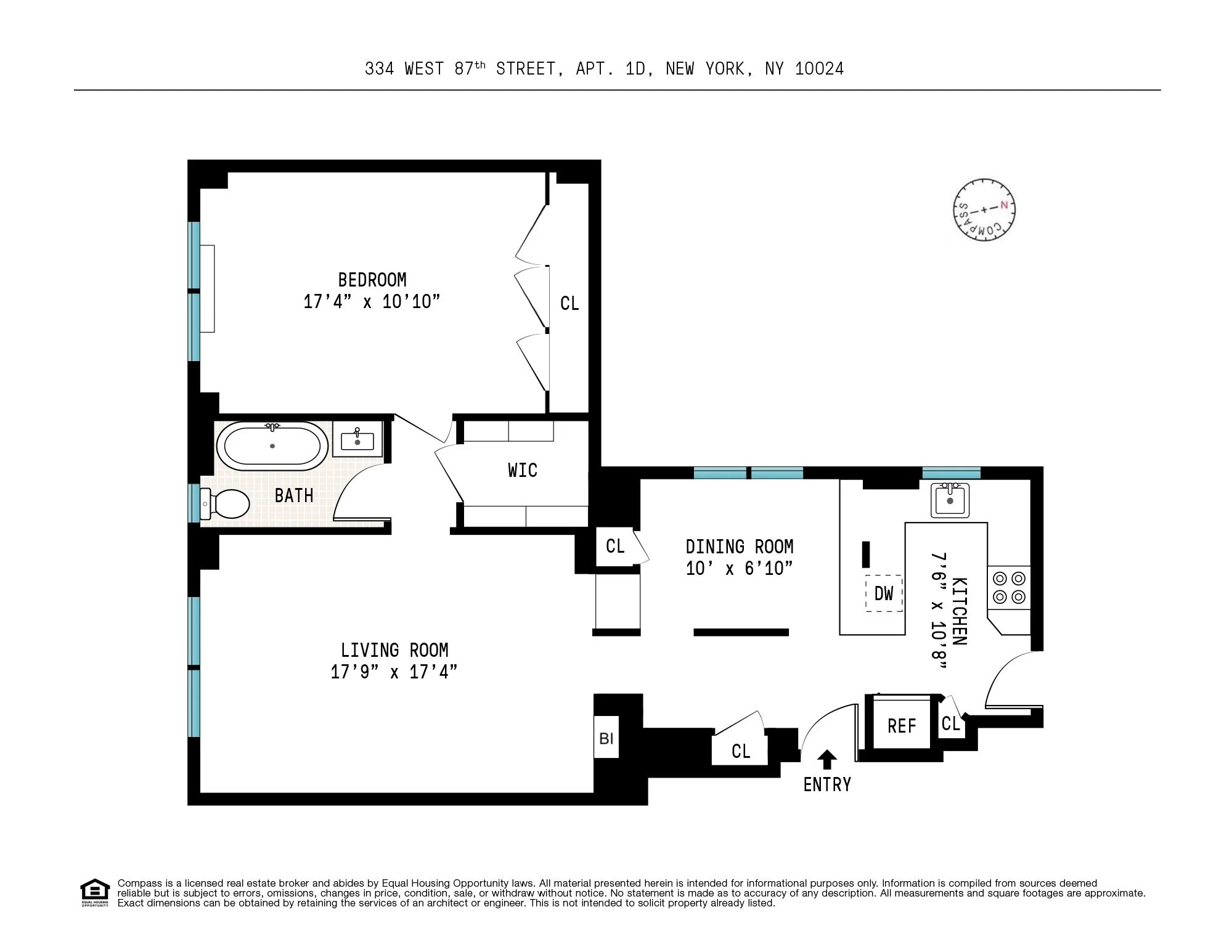
Perfectly positioned on one of the Upper West Side’s most picturesque, tree-lined blocks, Residence 1D at 334 West 87th Street is an incredibly quiet and generously proportioned pre-war one-bedroom just moments from Riverside Park.

This inviting home blends classic architectural character with thoughtful updates. Beautiful hardwood parquet floors, 9-foot beamed ceilings, and oversized windows create an airy, elegant feel throughout. The layout offers both functionality and charm, including a separate windowed dining area — a rare and welcome feature that allows for true entertaining and comfortable daily living.

The fully updated, windowed kitchen is outfitted with custom cabinetry, stainless steel appliances, and a Sub-Zero refrigerator, offering both style and performance. The windowed bathroom has also been updated while preserving its pre-war aesthetic.

The king-sized bedroom is exceptionally spacious and features an entire wall of closets, complemented by a large walk-in closet off the hallway — providing outstanding storage rarely found in one-bedroom homes.

Located just steps from Riverside Park and close to neighborhood favorites for dining, shopping, and transportation, this home offers the ideal combination of classic Upper West Side charm, quiet comfort, and modern convenience.

There is an assessment of $536/mo ending 12/2026

DSNY Invites Artists to Decorate NYC Garbage Trucks

Back for the first time since 2022, New York City’s Department of Sanitation (DSNY) is inviting artists to paint vibrant murals on its garbage trucks. As part of their “Trucks of Art” zero-waste initiative, the agency adorns the sides of its 46,000-pound garbage trucks with traveling works of art using leftover household paints that would otherwise end up in landfills. Applications are being accepted until February 8 at 11:59 p.m., with the trucks expected to be painted in April.

Now entering its third year, the program debuted in 2019, showcasing artwork that highlighted the city’s essential sanitation workers. After a pandemic-related hiatus, it returned for its second year in 2022.

Selected artists will receive a stipend of up to $1,500 from the Sanitation Foundation and have up to five seven-hour workdays to decorate the trucks’ nearly 400 square feet of exterior space—including the front, back, and sides—with vibrant designs.

Each participant will be provided with a workspace, paint, and tools, while vehicle painting experts will be on hand to offer guidance. Designs must also be flexible enough to accommodate small areas of the trucks that cannot be painted.

Artists retain the rights to their designs while granting DSNY and the Sanitation Foundation permission to reproduce them. Once they finish the artwork, the city seals it with a clear coat, and the designs stay on the trucks as long as they withstand the elements. New Yorkers can see the freshly painted trucks in June.

This year’s initiative will feature artwork that honors DSNY workers and highlights the importance of keeping the city safe, healthy, and clean, while adding flair to the department’s fleet. DSNY will prioritize designs that celebrate cleanliness, sustainability, and the agency’s workforce.

“Sanitation trucks have become part of our city’s streetscape, and today we announce a third opportunity for local artists to reimagine these trucks as 400 square feet of metal canvas and transform them into roving works of art,” Acting DSNY Commissioner Javier Lojan said.

“Previous Trucks of Art are still on collection routes in all five boroughs, and we are thrilled to be adding five more to our fleet this spring.”

New Yorkers who aren’t artists can also get involved. DSNY encourages residents to drop off unwanted paints—cans, sprays, or tubes—at the department’s special waste collection sites. Participating artists can then select the paints they need, while any remaining supplies will be recycled or properly disposed of.

Artists interested in participating can learn more about the application process here.


Trucks of Art returns: DSNY invites artists to decorate NYC garbage trucks

By Aaron Ginsburg

January 14, 2026

Images courtesy of DSNY

‘Mr Pink’ Is Lurking Around Flatiron and Nomad’s Rooftops

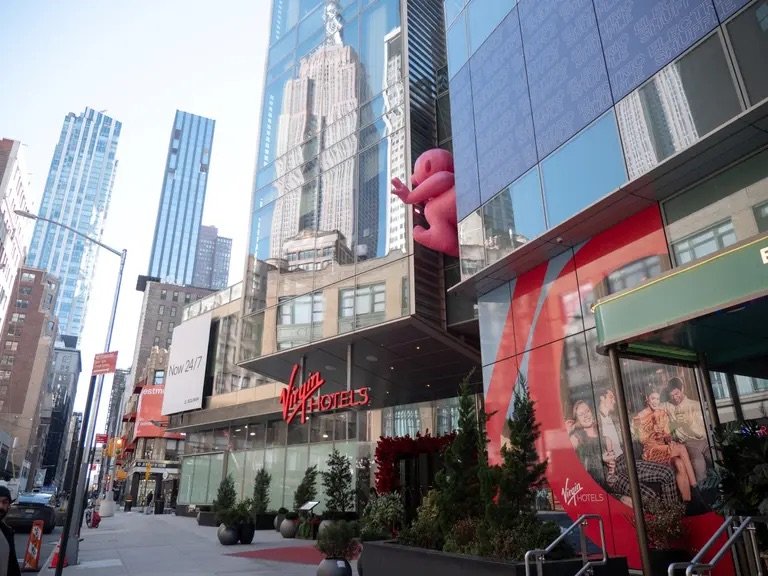
You’re not seeing things—there is, in fact, a rosy-colored man lurking around Flatiron and Nomad. Known as Mr. Pink, the quirky character is part of Flatiron NoMad Glows Pink, a public art trail composed of 10 illuminated inflatable and resin sculptures perched on rooftops and in public spaces. Part of the Flatiron Nomad Partnership’s annual Winter Glow public art program, “Mr. Pink” is a “cuteism” sculpture by French artist Philippe Katerine, and Thursday marks the character’s first installation in New York City—it’s also the first time the sculptures will be illuminated.

“Cuteism,” also known as “Mignonisme,” is a movement that embraces color, creativity, and playfulness in everyday life. From rooftops and public plazas, Mr. Pink invites New Yorkers to see their city in new ways, encouraging joy and connection while adding a burst of color to the streetscape during the colder months. Standing nine to 16 feet tall, each sculpture also provides a photo-ready moment for visitors.

“Mr. Pink is like all of us,” Katerine said in a press release. “He carries a scar on his heart—a reminder that we have all, at some point, been wounded. Like us, he seeks acceptance and a place to belong in the world. His rounded shape and wide-eyed expression invite playfulness, while the weight he bears hints at a gentle melancholy.”

He added, “Mr. Pink engages directly with those he encounters. If he waves, he asks for a response. If he opens his arms, he offers comfort. If he points the way, it is to remind us that there is always a direction, always a place where providence can be found. Encountering Mr. Pink in a city is never a coincidence.”

Mr. Pink will be here for six weeks, and his arrival kicks off with a celebration in the Flatiron North Plaza at 4:30 p.m. on Tuesday. During his stay in the neighborhood, visitors can embark on a self-guided art trail, and those who scan QR codes at all 10 installations will be entered into a raffle for prizes, including a complimentary two-night stay at Hotel Seville Nomad, which has also introduced a “Pretty in Pink” cocktail.

Other special offers include in-house experiences for guests at Virgin Hotels New York, free customization of select drinkware at YETI Flatiron, and limited-edition Mr. Pink keychains from Swingers Crazy Golf NYC. Additionally, the neighborhood will host a special Valentine’s Day activation at Flatiron North Plaza featuring themed installations and photo opportunities.

“By animating our rooftops and plazas with bold, joyful art, we’re supporting local businesses, energizing public space, and shining a light on what makes these districts so iconic,” James Mettham, president of the Flatiron NoMad Partnership, said.

Here’s where you can spot Mr. Pink:

  • Flatiron North Plaza, 23rd St. and Broadway

  • Flatiron Mini Plaza, 22nd St. and Broadway

  • Hotel Seville NoMad, 22 E 29th St.

  • Kew Management, 1129 Broadway

  • Porcelanosa, 202 Fifth Avenue (featuring two Mr. Pink structures)

  • The Capitol Plaza, 50 W 27th St. 

  • The Church of the Transfiguration, 1 E 29th St.

  • Virgin Hotels New York, 1227 Broadway

  • BXP, 200 Fifth Avenue

“Public art creates streets and public spaces that are welcoming and inviting—especially when it allows people to linger, explore, support local business, and connect with one another,” Department of Transportation Commissioner Mike Flynn said.

“Through Mr. Pink, we are proud to collaborate with the Flatiron NoMad Partnership, artist Philippe Katerine, and our many community partners to transform this public space into a joyful, illuminated winter experience for New Yorkers and visitors alike.”

A map of Mr. Pink’s whereabouts can be found on the Partnership’s website.


‘Mr Pink’ is lurking around Flatiron and Nomad’s rooftops

By Lidia Ryan

January 15, 2026

Photos courtesy of the Flatiron NoMad Partnership by Bizi Media

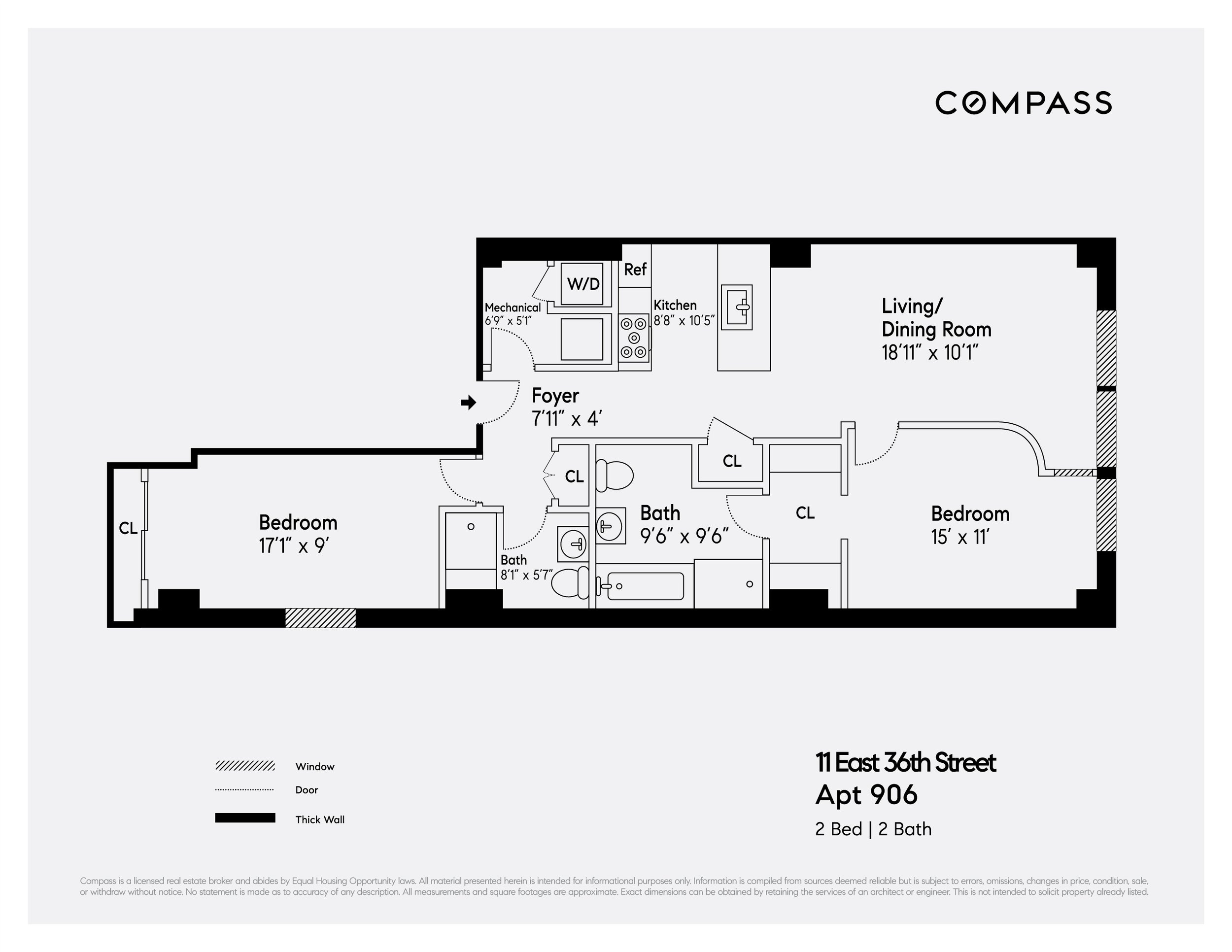
11 East 36th Street, Unit 906

11 East 36th Street, Unit 906

Midtown south, manhattan

Asking $1,249,000

2 Beds  |  2 Baths | Condo


Welcome home to this quiet 2 bed/2bath condominium in midtown south. This apartment has 12.5 foot ceiling heights, gorgeous wide plank oak floors, Central AC, including a nest thermostat, and copious closet space. The Living room and Primary bedroom face north onto 37th street, whereas the large second bedroom faces east. The Kitchen is open style with an island and bar, and features Calacatta Marble countertops and white lacquer cabinetry. It includes a SubZero fridge and freezer, a Bosch dishwasher, and microwave. Both stovetop and oven are electric. There is also a built out pantry across from the kitchen. The living room has space for both a dining table as well as living room furniture. The Primary bedroom fits a King sized bed and has custom walk through closets into the luxurious bath with separate shower and Neptune soaking tub. There is also a motorized black out shade for this bedroom. The Second Bedroom has plenty of space and is bright, with an oversized closet. The second bath is located next to the second bedroom and has a stall shower. Both baths feature porcelain tiles and limestone flooring.There is also a laundry room, with plenty of space for utilities.

Privacy and Comfort are paramount at The Morgan Lofts, a boutique condo, with only six units per floor. Here Soho style proportions meet finishes chosen by renowned interior designer Andres Escobar. There is a full time doorman, roof deck, gym, and two lobby entrances. There is easy access to midtown and trains on both the east and west side. Across the street is the new TMPL premium gym, their largest flagship location which has a literal wonderland of features including a cold plunge pool, infra red spa and more. The Morgan Library is one block away, along with many restaurants and all that Madison and 5th Avenues have to offer downtown. Minutes from Grand Central Terminal.

Please note: There is an assessment in place through December 2026 of $1,066.67 per month for this unit. Taxes listed reflect primary ownership with Star tax abatement.

The Monthly Update - January 2026

Here’s What Happened in 2025

Manhattan and Brooklyn entered 2025 with a wide range of expectations. Looking back over the last few years that brought us to this point, many believe that 2023 marked the market’s post-COVID rebound floor, following the sharp correction caused by the interest rate spike in the summer of 2022. From that base, both the Manhattan and Brooklyn real estate markets began their climb back—first through a year of stabilization and recovery in 2024, and then with hopes for measured growth in 2025.

In some regards, that prediction proved accurate. As 2025 began, it was positioned as a year of growth—though what ultimately followed was less of a boom and more of a steady return to sustainable activity. While several metrics reflected improvement, the big jolt came early in the year with what became known as “Liberation Day”—the federal government’s sudden decision to reinstate tariffs. That announcement shocked the market, slowed momentum, and created widespread uncertainty. Still, in the months that followed, both the Manhattan and Brooklyn markets gradually regained their footing, stabilizing and regaining traction as the year progressed.

Another major development was the FARE Act, which went into effect in June 2025. Intended to reduce rental prices by requiring landlords to pay the broker fee instead of the tenant, the policy ultimately failed to deliver on its promise. In Brooklyn, rents remained near record highs, hovering around $3,700 to $3,800 per month. In Manhattan, they climbed even higher, ranging from $4,500 to $4,700 per month. Rather than absorbing the cost, landlords largely passed the broker fee along to tenants by raising rent prices. Most brokers agree that the FARE Act changed the mechanics of how deals were structured—but not the actual economics. In hindsight, it reallocated costs without creating meaningful affordability.

Inventory across both boroughs remained within historical norms in 2025. From January through November, Manhattan’s listing inventory rose by about 4% year-over-year. Brooklyn saw a similar increase in overall supply, but conditions remained and seemed tighter for buyers. In many neighborhoods across Brooklyn, well-priced listings attracted multiple offers, leaving buyers frustrated by limited options and strong competition. The contrast between the two boroughs was clear: while Manhattan gradually regained its footing, Brooklyn continued to feel like a seller’s market throughout much of the year.

Contract activity continues to tell a story of recovery—particularly in Manhattan. The total number of properties put into contract was up nearly 3% year-over-year, and during the peak months of the 2025 selling season, activity surged by as much as 10%. Renovated, well-priced listings were especially sought after and moved quickly, underscoring the importance of condition and pricing in the 2025 market.

The luxury sector in Manhattan further reinforced the broader trend of recovery in 2025. Properties priced at $4 million and above saw a meaningful rebound compared to 2024. Year-to-date, 1,436 luxury contracts were signed—an 11% increase year-over-year. The total luxury dollar volume reached approximately $1.977 billion, up sharply from $1.163 billion in 2024.

Luxury buyers continued to strongly favor condos over co-ops, with a roughly 3:1 ratio, highlighting the ongoing demand for flexibility, newer construction, and fewer restrictions—a trend consistent with recent years. But perhaps the most powerful driver behind the luxury market’s resurgence was pricing, which was approximately 4% lower than the prior year. This value proposition helped reignite demand and bring lux-market buyers off the sidelines.

Once again, Manhattan’s luxury market outperformed expectations, managing to thrive in spite of economic headwinds, tariff-related concerns, political uncertainty, and broader macro pressures. It will be especially interesting to watch how ultra-high-net-worth individuals and billion-dollar buyers continue to engage with Manhattan real estate as we head into 2026.

Brooklyn, by contrast, saw contract activity dip slightly, down 1.3% year-over-year, as some buyers stepped to the sidelines amid tighter supply, elevated pricing, and increased competition. Even so, demand remains resilient, especially in core neighborhoods where quality inventory continues to attract strong interest.

Despite the early disruption from “Liberation Day,” 2025 proved to be a resilient year—especially for Manhattan. The market’s ability to regain momentum after a policy shock speaks to the underlying strength of buyer demand. Still, it’s hard not to wonder how much stronger the year might have been had the tariffs not been reintroduced. Even with that headwind, the year finished with more contract activity than 2024, and the market showed signs of renewed health across both boroughs.

Looking ahead to 2026, the big question is: will the growth continue? If 2025 was a moderate growth year, will 2026 bring further gains—or will there be another unexpected shift, like "Liberation Day," that alters the landscape? Only time will tell. The first few weeks of the January 2026 selling season should offer a valuable glimpse into what’s ahead, as sellers begin to position their listings and buyers decide whether to jump back into the market.

Sources: Donna Olshan/The NYC Luxury Market Report and John Walkup/Forbes 


Local Happenings

January 20 - February 12

January is one of the best months to see a show. Broadway Week brings discounted tickets and renewed energy to the theater scene, making it ideal for cozy winter nights in the city.

Click HERE to learn more!

Winter Jazzfest

January 8–13

Catch world-class jazz across Manhattan and Brooklyn with multi-venue shows and festival marathons — perfect for discovering live music in the heart of winter.

Click HERE to learn more!


Stay Connected

10 ‘Secrets’ of Gracie Mansion

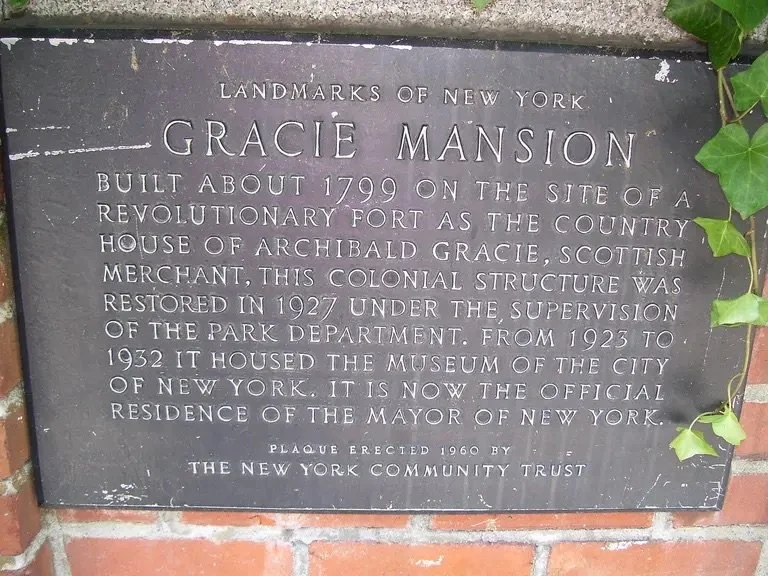
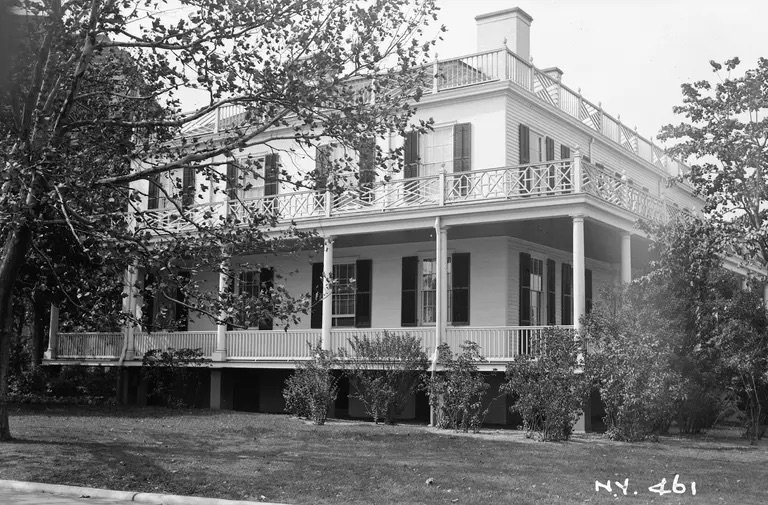
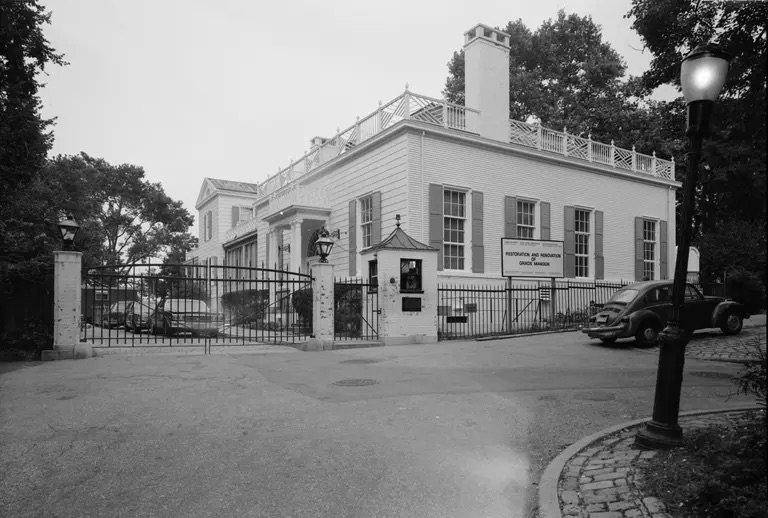
Gracie Mansion, the gracious Federal-style mansion that overlooks the East River from Yorkville’s Carl Schurz Park, has been New York’s Mayoral residence since 1942. But the house had a long history before it started hosting municipal magistrates. Since construction began in 1799, Gracie Mansion has served as a residence, a museum, and even an ice cream stand. As the city prepares to welcome a new mayor to the mansion, here are 10 secrets of the People’s House.

1. The New York Post was founded on Gracie’s front porch

Photo by Limulus on Wikimedia

Archibald Gracie was a prosperous New York merchant who made his money first as an import-export man in the East India Trade, then as a banking executive. He worked and socialized with New York’s elite, counting John Jay as a friend and Alexander Hamilton as a business partner. In 1801, after the Mansion was completed, Gracie hosted a meeting of fellow Federalists. There, Alexander Hamilton recruited investors for The New-York Evening Post (now The New York Post), and Gracie became a partner in the venture.

2. John McComb Jr. might have inadvertently designed both the Mayor’s home and his office

We know for certain who designed the Mayor’s office: Joseph Mangin and John McComb Jr. won the commission to design City Hall in 1802. But nobody can say for sure who designed his house. The Gracie Mansion Conservancy holds that the building was built by Ezra Weeks and was probably designed by McComb, who had already designed Hamilton Grange and St. Mark’s Church in the Bowery and would go on to design other landmarks, including Castle Clinton.

3. Alexander Hamilton died in front of the fireplace now in the Mansion’s ballroom

Following his duel with Aaron Burr in Weehawken, New Jersey, in July 1804, Alexander Hamilton was brought to Bayard House on Jane Street in what’s now the West Village. He died there, in front of the fireplace, on July 12th. That fireplace was installed in Gracie Mansion’s Ballroom in 1966.

4. Gracie Mansion spent nearly 28 years as an ice cream stand

The War of 1812 limited overseas trade and effectively sank Archibald Gracie’s shipping business. To settle debts, Gracie sold the house in 1823. The mansion had a succession of private owners until the city appropriated the estate in 1896 and incorporated its 11 acres into East River State Park, renamed Carl Schurz Park in 1910. As part of the park, Gracie Mansion spent decades as an ice cream stand and public restroom.

5. Gracie Mansion was the first home of the Museum of the City of New York

In 1923, the building was renovated again, going from hawking ice cream to housing artifacts, serving as the first home of the Museum of the City of New York. The Museum continued to use the Mansion until its permanent home was completed on 5th avenue in 1932.

6. La Guardia did not want to move into Gracie Mansion

Gracie Mansion in 1936. Photo courtesy of the Library of Congress

Before Gracie Mansion became the Mayor’s residence on May 26, 1942, New York’s Mayors simply lived in their own apartments. Before he moved, La Guardia was living in an East Harlem tenement. Following Pearl Harbor, Robert Moses decided that it was no longer appropriate.

Powerful New Yorkers had been trying to get La Guardia to move for years. When the industrialist Charles M. Schwab offered to donate his 75-room personal castle on Riverside Drive as the Mayor’s residence, La Guardia scoffed, “What! Me in that?”

But the war made the move particularly prudent. Since New York City was considered a prime target for Nazi bombing squadrons, Moses argued that living on 5th Avenue, at the center of the island, would make La Guardia more susceptible to attack than if he lived on the edge of the island, where he could be more easily evacuated by air or water. Though he did finally agree to move in, La Guardia wrote, “My family is not keen about it, and it has no personal advantage for me.”

7. WNYC had permanent lines installed in Gracie Mansion for direct broadcast

As WWII helped push La Guardia into Gracie Mansion, it also prompted the federal government to order a citywide “dim out” to protect New York from enemy fire. While we can thank that dim out for Brooklyn Blackout Cake, the situation was a dark one for nervous New Yorkers. To reassure his city, La Guardia addressed New York via radio every Sunday. When he moved into Gracie Mansion, WNYC followed suit, setting up permanent lines so the Mayor could broadcast his “Talks to the People” directly from home.

8. The original Yule Log was filmed at Gracie Mansion

Speaking of fire and broadcasting, Gracie Mansion made history on both those fronts. In 1966, WPIX debuted new Christmas programming: The Yule Log. The broadcast was the first of its kind in the world. The footage, 17 seconds of fire blazing merrily in Gracie Mansion’s festively decorated fireplace, played on loop for three hours.

Photo courtesy of the Library of Congress

9. Gracie Mansion’s expansion was controversial for being too traditional

In 1964, Mayor Wagner decided to add a two-story addition to Gracie Mansion so that the home’s public rooms could be separate from the Mayor’s private residence. In an effort to be respectful to the Mansion’s original Federalist style, the Mayor commissioned an addition that would be designed along those same principles. In 1964, in a city that had recently torn down the original Penn Station in favor of the new Madison Square Garden, such historicism proved highly controversial. Modernists were frankly appalled that the new addition would not follow their International Style principles and decried the project.

10. Bloomberg didn’t live in Gracie Mansion, but he did renovate it

Michael Bloomberg was the only Mayor since La Guardia to opt out of Gracie. He chose to remain in his Upper East Side townhouse during his 12 years as Mayor, but paid to give Gracie Mansion a $7 million Federalist facelift. The period-perfect restoration proved much less divisive in 2002 than the addition had been in 1964.


10 ‘secrets’ of Gracie Mansion

By Lucie Levine

December 11, 2025

Cover Photo: Photo by Jim.henderson on Wikimedia

The Monthly Update - December 2025

“How much money can I get out of my renovation?”


This month’s newsletter was inspired by a random call I recently received. A gentleman had purchased a condo on Central Park South and suddenly found himself facing ballooning renovation costs—right as the building imposed an assessment for upcoming capital improvements. His question is one I hear often: “How much money can I get back if I renovate?” The truth is, there’s no simple formula. Manhattan is one of the hardest markets in the country when it comes to fix-and-flip valuations. Certain pockets of Brooklyn may offer more predictable upside, but Manhattan plays by its own rules. UrbanDigs’ John Walkup tackled this subject beautifully, analyzing renovated versus unrenovated sales, why buyers overwhelmingly gravitate toward move-in-ready homes, and how to identify a genuine value opportunity.

The numbers help frame the conversation. Renovated apartments currently command a 19% premium over unrenovated units. During the post-Covid rebound, that spread surged to 32%, while the 10-year average sits closer to 14%. It’s a classic convenience premium—similar to paying extra at the corner bodega instead of driving to Costco. Buyers today are willing to pay more for a turnkey apartment because it eliminates the stress, time, and unpredictability of construction. And that’s where the cost—and friction—of renovations comes into play. When buyers consider an unrenovated unit, a laundry list of concerns immediately hits them: unpredictable construction costs driven by supply-chain volatility and tariffs; the challenges of navigating permits and the DOB; extensive building approval processes requiring alteration agreements, architectural plans, engineering work, and various fees; and inevitable board oversight, where building architects review plans at the buyer’s expense and often push back on materials or scope. On top of all this, buyers must continue paying their mortgage, taxes, and common charges while securing approvals and completing the work. It’s no wonder that turnkey apartments remain the preferred—and higher-priced—choice.

That said, the right renovation, done strategically, can create meaningful value. The key is approaching it with data, discipline, and a clear eye toward resale. The goal is to find the right property—one with good bones, the right line in the building, and past sales that demonstrate true post-renovation upside—then renovate with purpose. Buyers will not pay more simply because someone else overspent. If you buy a $500,000 studio and put $500,000 into it, that doesn’t make it a $1 million apartment. The market sets the ceiling, not the renovation budget. That’s why renovations must be cost-effective and thoughtfully executed. Look at historical comps to understand whether previous sellers were able to recover renovation costs. Study how long comparable units sat on the market and whether sellers had negotiating room. And when you renovate, stay price-conscious. You don’t always need a designer if you’re updating a kitchen or bath; you can take inspiration from Pinterest and focus on clean, timeless finishes that appeal broadly and protect resale value.

Renovating in Manhattan isn’t easy—but with the right strategy, the right property, and the right budget, it can deliver both personal enjoyment and real financial return. The goal is to design a home you love while avoiding over-investment in areas the market won’t reward. If you’re thinking about buying a value-add opportunity, considering a renovation, or simply want to understand the potential upside of improving your current home, I’m always here to help. I can walk you through comps, renovation budgets, resale expectations, and the numbers that matter most so you can make clear, confident decisions. Here’s to finding the right opportunity—and creating something exceptional.


Local Happenings

Rockefeller Tree Lighting

December 3, 2025

The fabulous holiday icon of NYC, The Rockefeller Christmas Tree is a must-see for both locals and visitors during the holiday season, whether you’re visiting before ice-skating on The Rink at Rockefeller Center or just passing through.

Click HERE to learn more!

Lightscape at Brooklyn Botanic Garden

Till January 4, 2026

Stroll through a glittering winter trail and be transported to an enchanted forest—right in the heart of Brooklyn.

Click HERE to learn more!


Featured Listings


Stay Connected