Central Park Ghost Tunnel Will Reopen For 2nd Ave. Subway

There are countless relics from the subway’s past hidden beneath NYC, but one of the most intriguing will reveal itself again in just 10 days when the Second Avenue Subway (SAS) invites straphangers to swipe their Metro cards for the first time. As Quartz noticed this past summer, a peculiar loop cutting through Central Park appeared when the MTA released their new subway map touting the addition of the SAS. Reporter Mike Murphy immediately questioned the mysterious addition that would move the Q train further north without issue (“I felt like people would have noticed if the MTA had been ripping up Central Park to build a tunnel,” he wrote). After a bit of digging, he found out the half-mile stretch was built over 40 years ago and, at least according to archival maps, it’s only been used only twice since then.

With the help of the Transit Museum, Murphy found that the “ghost line” runs between the 57th Street and 7th Avenue, and Lexington Avenue and 63rd Street in Manhattan, and was built in the 1970s as part of a past attempt to bring the Second Avenue Subway to life. The plan, however, was squashed when the city went into recession.

1998 map depicting the ghost tunnel via Quartz courtesy of the NYC Transit Museum

But the line wasn’t a total waste. Working with museum archivist Halley Choiniere, Murphy found two instances, of about six months each, where the tunnel appeared on transit maps. He writes:

“In 1995, the mysterious tunnel was included on the map when the Manhattan bridge was out of service, allowing Q trains to cross back over to Long Island farther up the East River while the bridge was being worked on. Once the work was completed in late 1995, the tunnel disappeared, and the Q train went back to its regular route. In 1998, the tunnel reappeared as a special temporary shuttle service while work was being done on the Sixth Avenue line, cutting off access to lower Astoria through the regular route. Again, when the work was finished, the tunnel disappeared, and the map went back to its regular delineations.”

And now, with the SAS opening in just over a week, the Q train will once again be rerouted—but this time permanently—to travel through the forgotten tunnel and up the newly constructed line.

[Via Quartz]

Gramercy Park Will Open To The Public For One Hour

For one precious hour, mere mortals will have the chance to walk through Gramercys Park‘s iron gates sans keyCurbed reports that on Christmas Eve the Gramercy Park Block Association will host its annual holiday caroling hour with the local Parish of Calvary-St. George’s, and from 6:00 to 7:00pm all will be welcome.

While an hour might not seem like a lot of time, it’s the only time during the year other than a brief springtime stint that the public can access the park. Otherwise, it’s only open to those who have one of its highly-coveted 400 keys. As 6sqft previously reported, “only those who live in dwellings circling the park have keyed access via an annual fee.” Each year, the locks and keys for the four gates are changed, and to ensure they’re not replicated, they’re”specially manufactured for Gramercy Park’s shareholders by Medeco” to be non-duplicable. Key holders can bring a maximum of five guests at a time, but losing that precious key will set you back $1,000.

2016’s Top Real Estate Stories - NYT

2016’s Top Real Estate Stories

Catch up on the most popular stories of the year. 


1.When a Dream House Becomes a Money Pit

A couple who thought they found the perfect home realized the dream was elusive after they moved in.

Full Article »


Renters

2.So Your Think Your Place Is Small?

Jack Leahy, 25, a musician, lives in a crawl space in Williamsburg, Brooklyn. His rent? $450 a month.

Full Article »


3.A Tiny Home by Choice in New York City

Some care far more about location than home size. For them, a dollhouse in the desired neighborhood will do.

Full Article »


4.Tiny Home Test Drive

A night in one of New York City’s new micro apartments.

Full Article »


5.The Art of Home Staging

The practice of home staging has long elicited strong reactions. But as staging has evolved, more real estate professionals stress its importance.

Full Article »


360 View

6.Fictional New York City Apartments Get Real

The homes of young New Yorkers on TV are getting grimmer these days.

Full Article »


What I Love

7.Tamron Hall, of the ‘Today’ Show, Feathers Her Nest

Tamron Hall, a host of the “Today” show, an MSNBC news show and “Deadline: Crime With Tamron Hall,” lives in downtown Manhattan.

Full Article »


8.New York’s Next Hot Neighborhoods

Some buyers seeking real estate deals in New York go prospecting in neighborhoods that don’t suffer from packed open houses. Yet.

Full Article »


9.A New Dimension in Home Buying: Virtual Reality

The technology is expected to transform the real estate industry, and, many say, make house-hunting more efficient.

Full Article »


10.Bidding Wars in the Suburbs

High prices in New York City are driving up demand in certain nearby towns.

Full Article »

LaGuardia Ranked Nation’s Worst Airport

J.D. Power has just released their 2016 North American Airport Satisfaction Study ranking the nation’s airports by customer satisfaction, and New York’s LaGuardia Airport has been bestowed the title of the country’s worst. According to the study—and just about anyone who’s visited LGA in the last few months—construction woes related to Governor Cuomo’s $8 billion plan to transform the hub into a world-class airport by 2020 has led to serious headaches for travelers, and a 6-point drop in overall satisfaction from 2015. Last year, LGA ranked as the second worst airport in the U.S., just after Newark International.

LGA did, however, find a champion in Michael Taylor, director of the airport practice at J.D. Power, who defended the ranking in the study: “Those current terminals handle more than 13 million travelers a year. They were designed to handle only 8 million travelers,” he said. “This improvement has been needed for a long time. The new design is going to create major short-term headaches for LaGuardia travelers, but the results will be worth it. The design solves two major problems for the airport: overcrowding and the ability to move aircraft more efficiently on and off runways.”

As seen in the chart above, the northeast was well-represented at the bottom, with Newark Liberty International, Boston’s Logan Airport, and the Philadelphia International Airport ranked among the five worst airports in the country.

In spite of this, all in all, J.D. Power found that traveler satisfaction at large airports rose 5 points in 2016 to 724 (based on a 1,000-point scale). They add that the increase is also commendable given that annual traveler volume has been up 5-6 percent.

The study, now in its 11th year, surveyed 38,931 North American travelers between January and October 2016 on six factors (in order of importance): terminal facilities, airport accessibility, security check, baggage claim, check-in/baggage check, and food/beverage and retail.

No Room For A Tree?

If you live in an apartment or other small space, you know how hard it can be to fit Christmas decorations in your living room. Sometimes there’s hardly enough room for a stocking, let alone a big bulky Douglas Fir. But there’s one holiday decorating trend that could change that.

Meet the half Christmas tree. It’s an artificial tree that’s been cut in half from top to bottom so that it can be pushed flat against a wall or in a corner.

These items were hand-picked by our editorial team because we love them - and we hope you do, too. TODAY has affiliate relationships, so we may get a small share of the revenue from your purchases. Items are sold by the retailer, not by TODAY.

Minnesota Pine Westbrook 7.5' Green Artificial Half Christmas Tree with Stand, $157, Wayfair.com

There’s clearly a market for this — according to a spokesperson for Wayfair.com, these products have seen a 150 percent lift year-over-year.

Wayfair, in fact, has a whole section dedicated to these types of trees on its web site. The trees cost anywhere between $45 to $200 and beyond, depending on the brand and size.

First Look At The Second Avenue Subway’s $4.5M Public Art

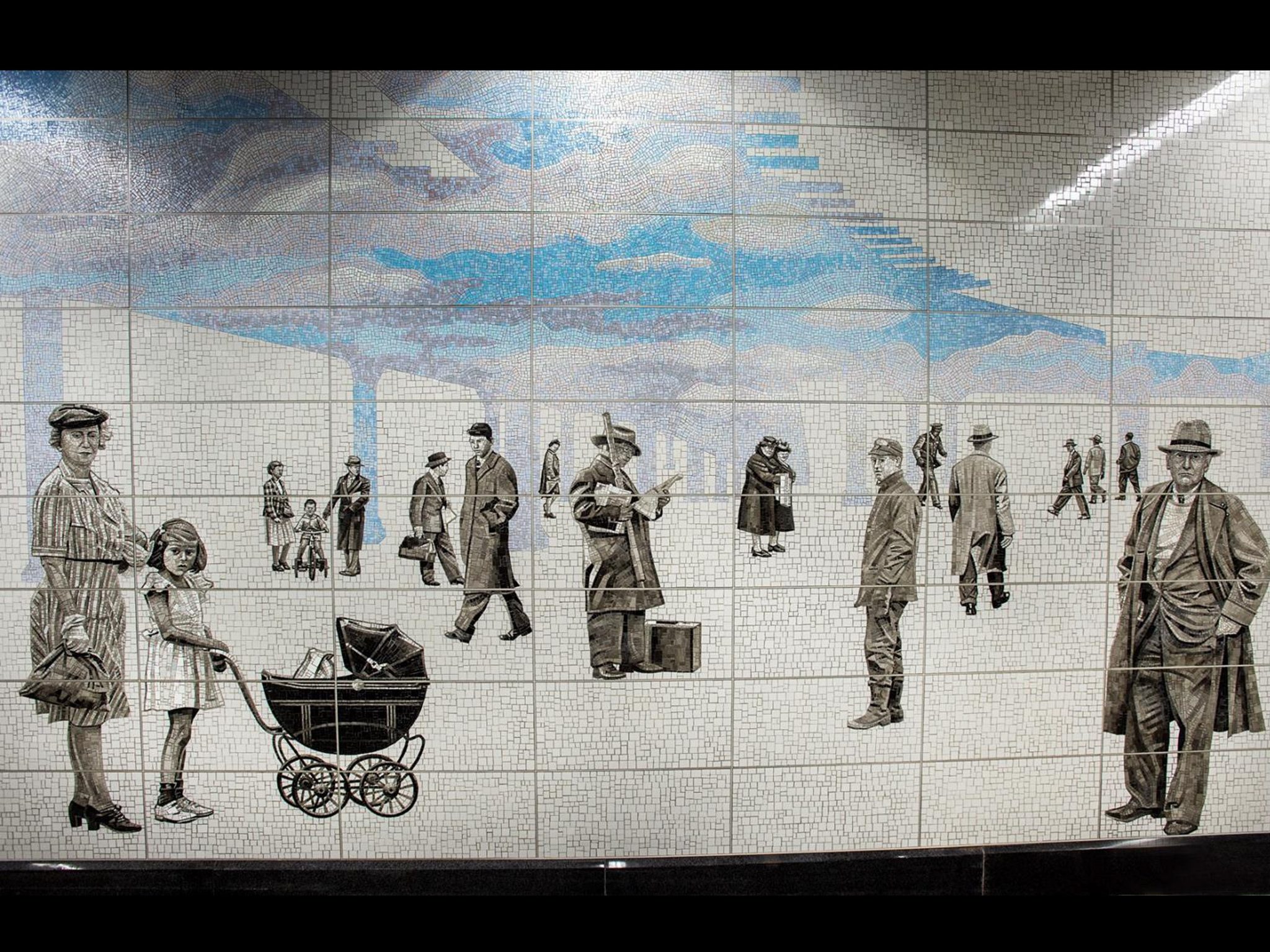
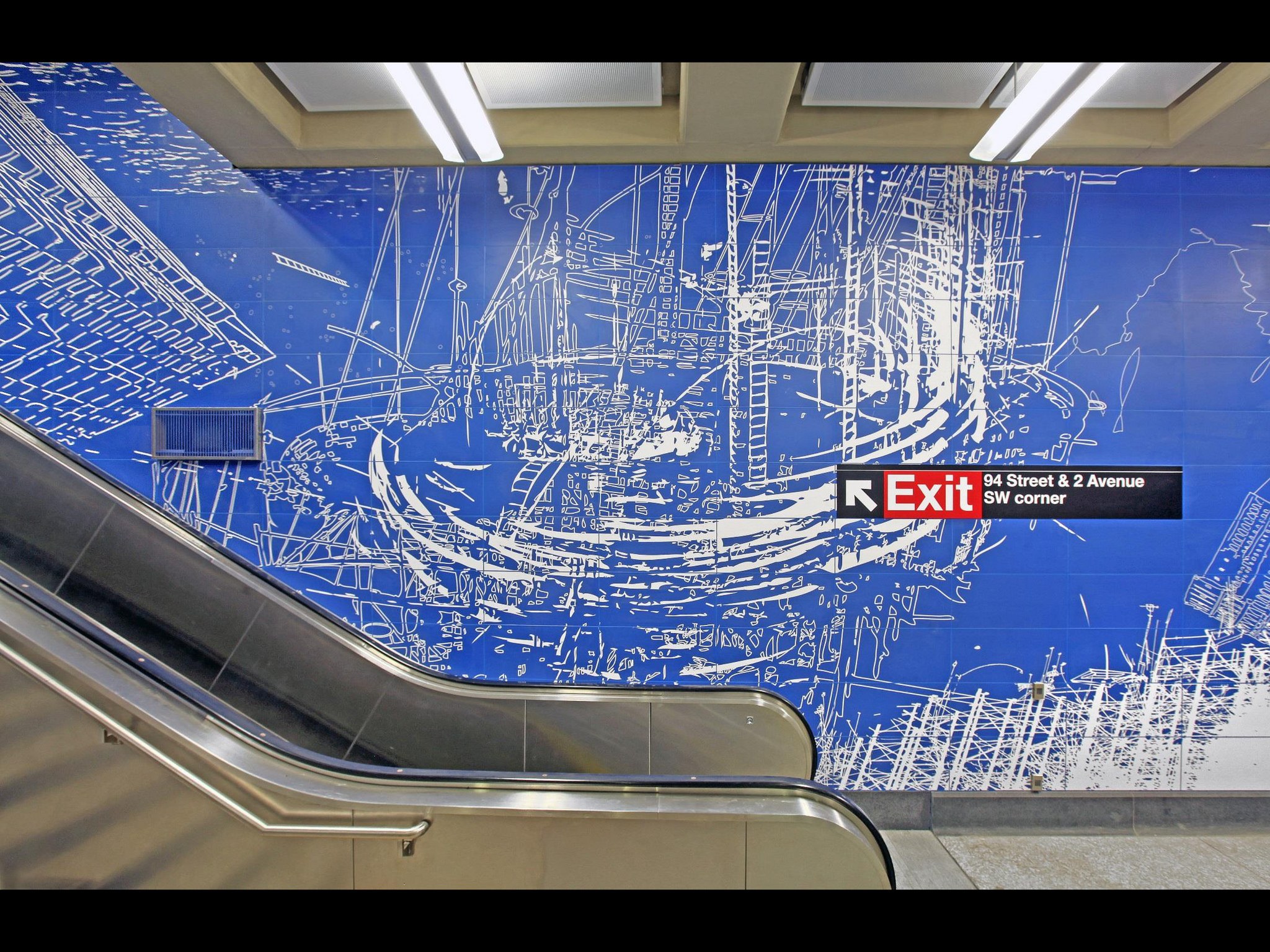
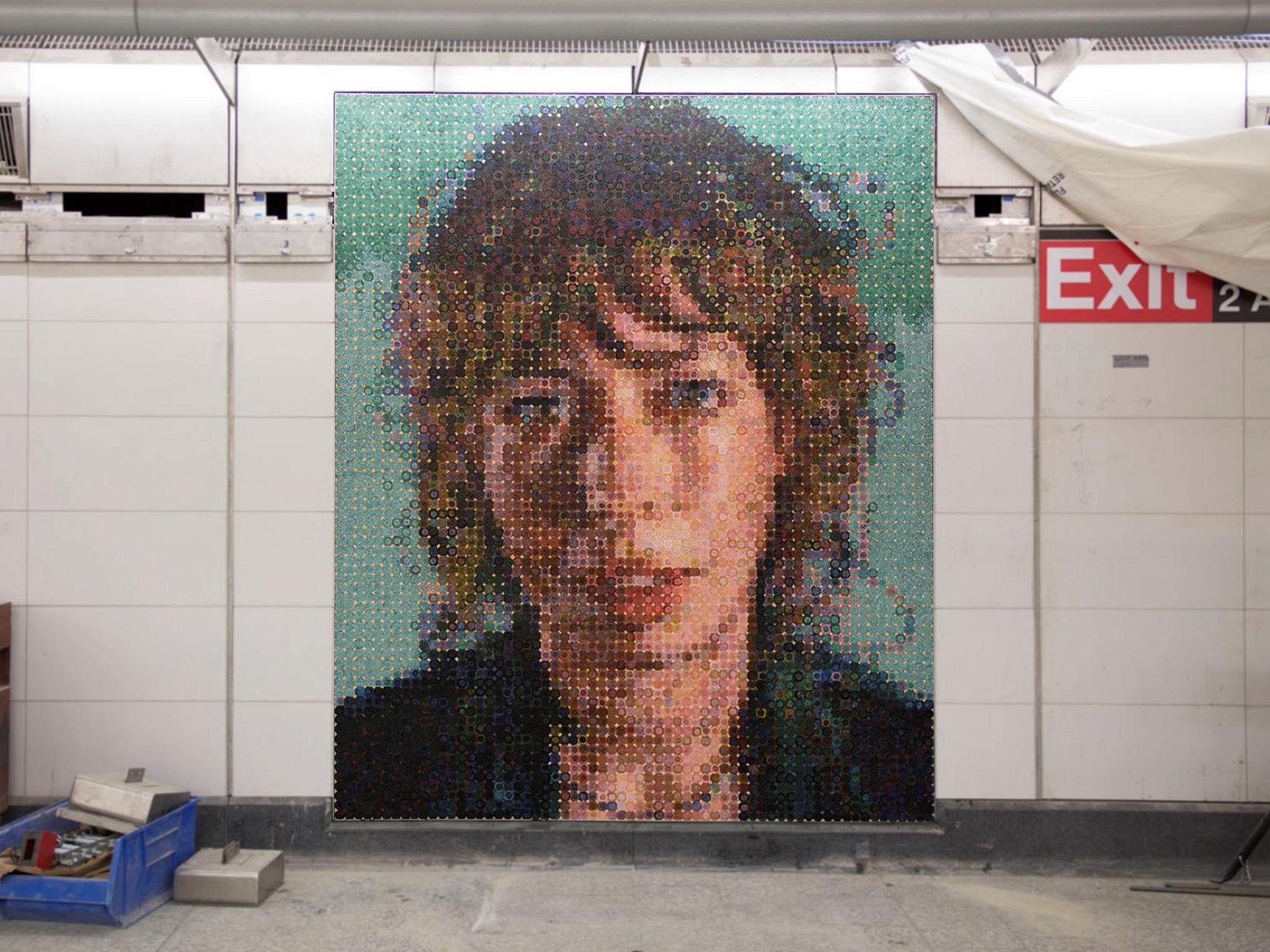
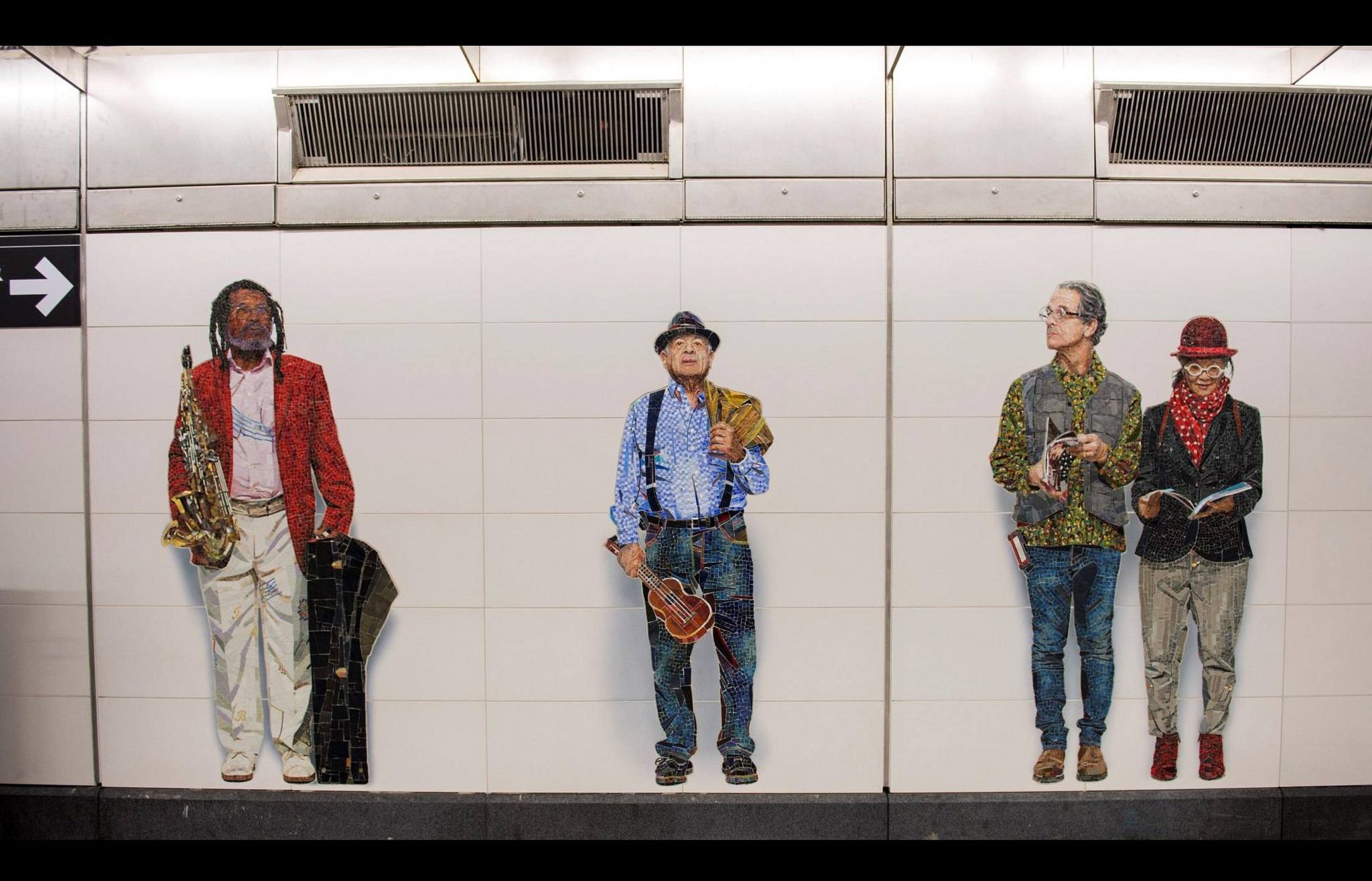
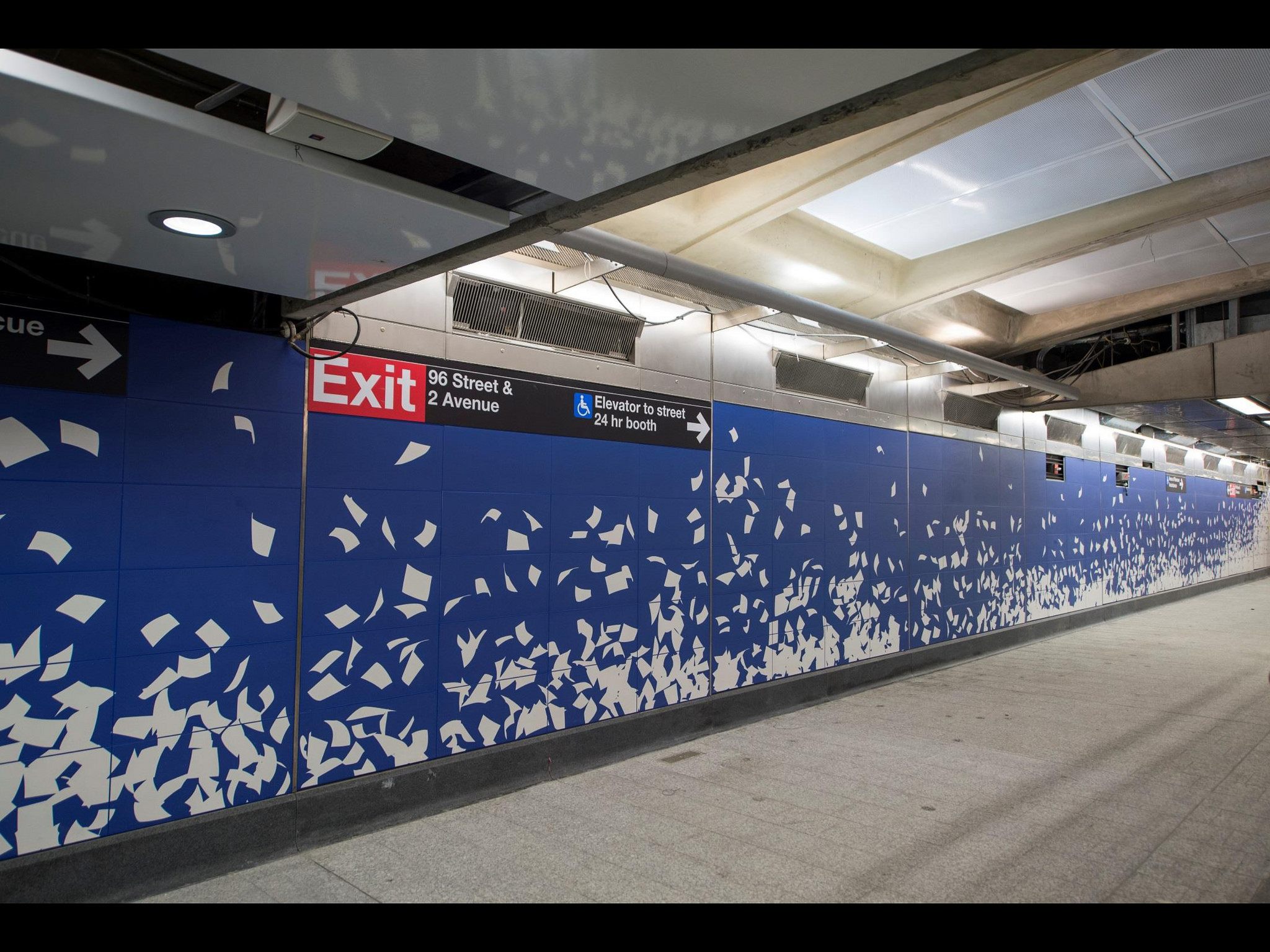
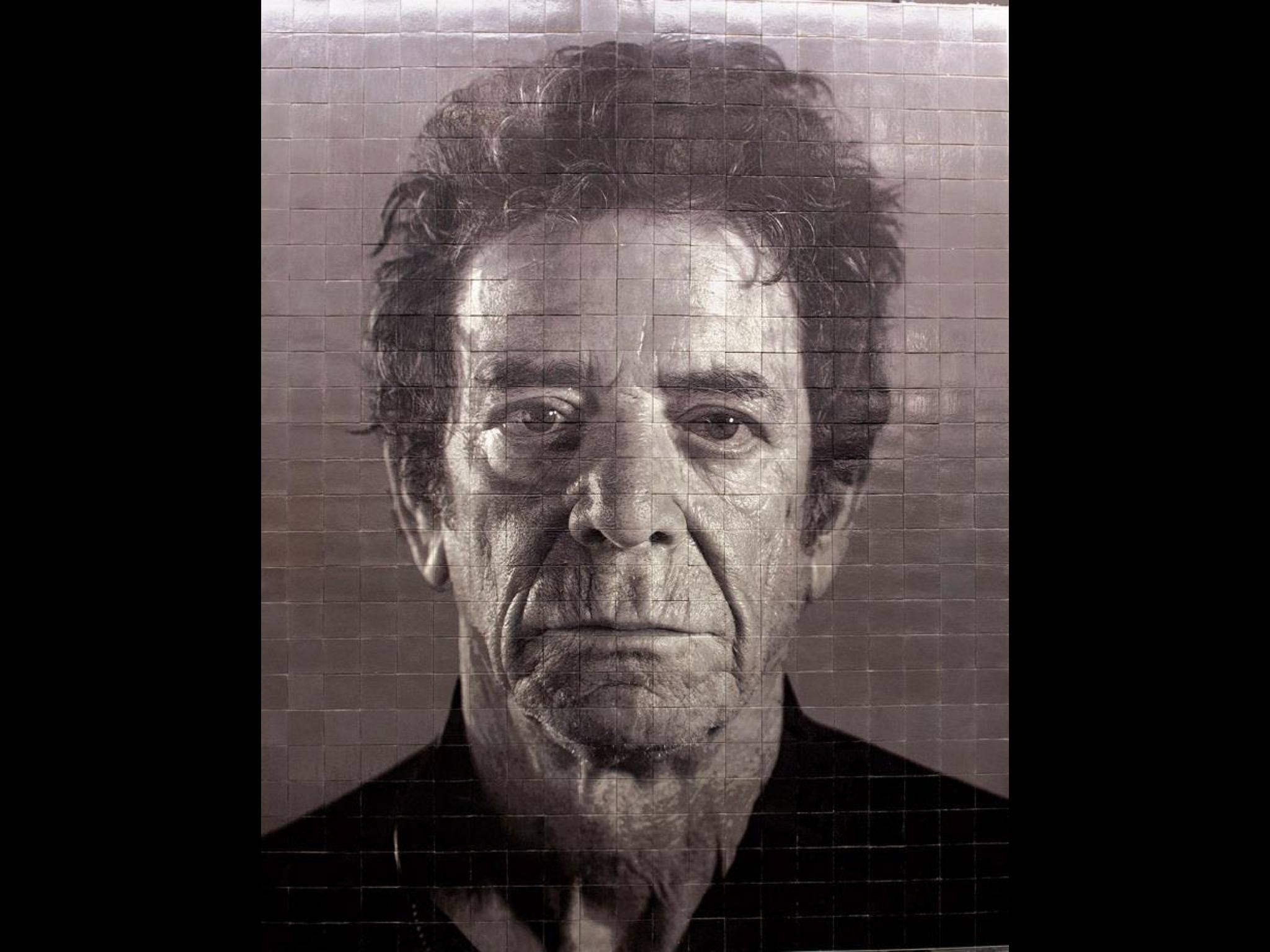
If a sparkling new line isn’t cause enough to celebrate, once the Second Avenue Subway opens on January 1st, 2017, millions of New Yorkers will also be treated to several stretches of world-class art while navigating the 96th, 86th, 72nd, and 63rd Street stations. As the Times first reports, the MTA has poured $4.5 million into beautifying the stations with contemporary tile artworks by famed names Chuck Close, Sarah Sze, Vik Muniz, and Jean Shin.

While art seems like the last thing the cash-strapped MTA should be spending on, as the paper writes, the agency sees the project as means to “put the aesthetic front and center again in a way that evokes the ambition of the city’s first subway stations.” Indeed, integrating ornamentation like mosaics, stained glass, and tiled ceilings was once as important as laying down tracks. A prime example: the City Hall Station, which opened in 1904. Moreover, the undertaking reveals an effort by the MTA to make New York’s subway stations architectural destinations rather than just public utilities, something that’s at the center of transit design in Asia and Europe.

“At some point government adopted an attitude that its job was to build things that were functional but unattractive and unappealing,” Governor Cuomo said in a statement to Times. “But that’s not how it has always been, and it’s not how it should be.”

At today’s unveiling Cuomo added, “… while we were doing public works it was about an expression of who we were, what we believe, and was an impression and a gesture communicating that we have a character of society. Every public work was also artwork and also an educational experience. A child who had never walked into a museum or never walked into an art gallery, if they just walked around the streets of New York, they would be exposed to the art, education, and culture just by being a New Yorker, and that is where we came from and what made New York special.”

The four artists were chosen by the MTA Arts & Design, the agency’s art department, from a pool of 300-plus applicants. Each was given a station as a blank canvas. The project is the city’s largest permanent installation

432 West 52nd Street, Unit 4F


432 West 52nd Street, Unit 4F

HELL'S KITCHEN, MANHATTAN

1 Bed  |  1 Bath

Offered At $995,000

Taxes: $950 / mo.  |  CC:$847 / mo.  |  New Development  |  Doorman  |  Roof Deck & Gym


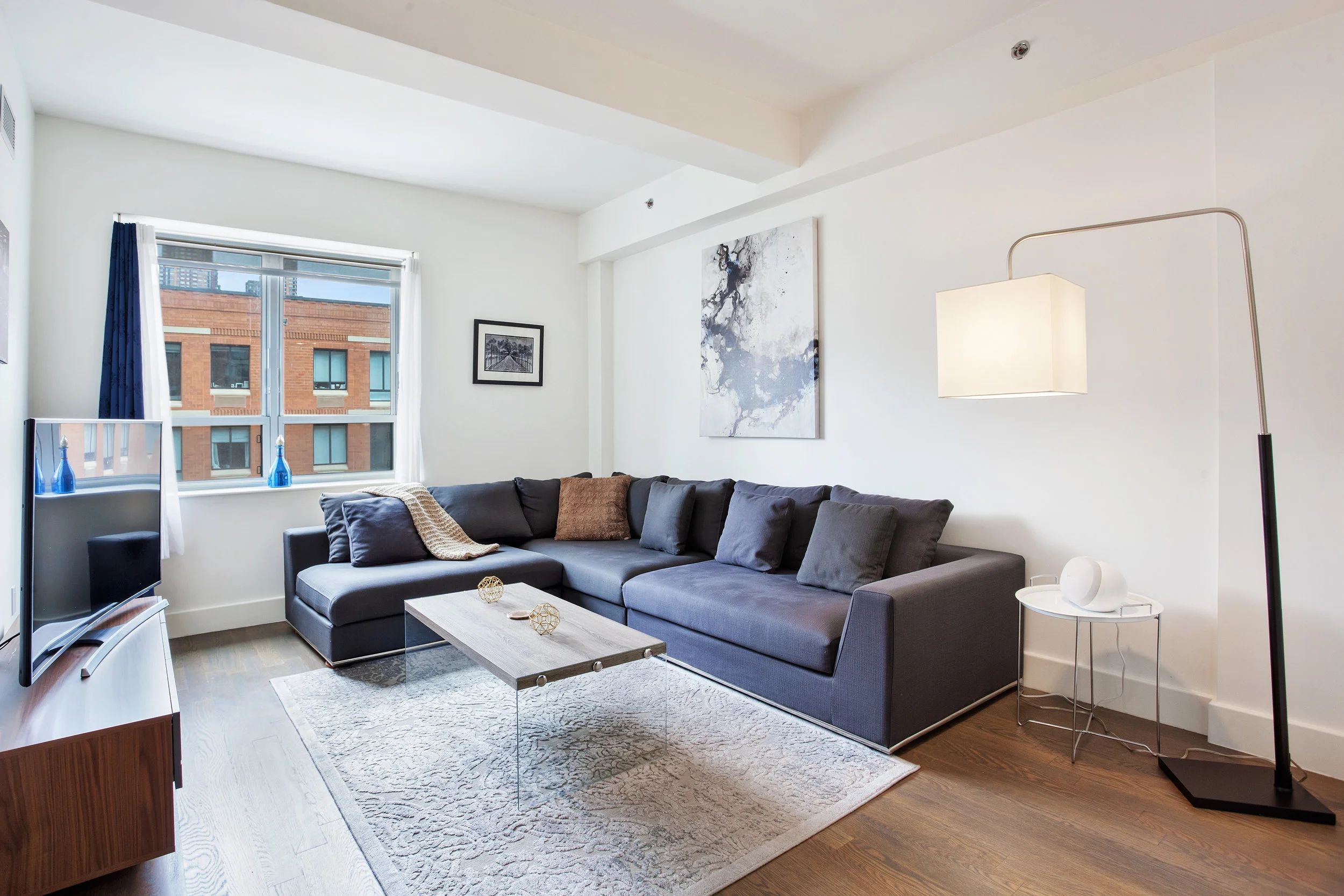
Stunning finishes line this brand-new home providing a rare opportunity to live in a spectacular new-construction building without paying the sponsor’s transfer taxes and closing cost fees!

The light-filled one-bedroom, one-bath home is topped by 9-foot ceilings while white oak hardwood floors run underfoot. The great room provides ample space for living and dining areas while the nearby open kitchen is a model of efficient, attractive design with integrated refrigerator, stainless steel appliances, lacquer cabinets and sleek Caesarstone countertops.

The large windowed bedroom is a serene space with a large closet, and two more large closets throughout the home ensure that storage is never an issue. The sleek bathroom features a custom vanity, frameless glass walk-in shower, gorgeous floor-to-ceiling tile and radiant heat flooring. Central climate control, energy-efficient windows and an in-unit washer-dryer provide the ultimate in comfort and convenience.

432 W 52 is a boutique
 condominium with extensive amenities including a 4,200-square-foot common landscaped roof deck, spacious residents' lounge, fully equipped fitness center and 24-hour doorman. Situated in Midtown within walking distance of Central Park, the Theater District, Columbus Circle and Times Square, the location is quite literally at the center of it all! Nearby access to the A/C/E, B/D, 1 and N/Q/R subway lines puts the rest of the city at your feet.

Amtrak’s Hudson River Tunnels Project Could Bring Long Term Traffic Jams

Back in January, Amtrak unveiled its $24B Gateway Program, a plan that would overhaul the Hudson River rail tunnels by building a brand new tunnel and repairing another that is currently in disrepair. Work under the plan would also encompass expanding Pennsylvania Station in Manhattan and replacing rail bridges in New Jersey. While details on the course of construction were previously thin, according to draft proposals obtained by Reuters, we now know that work on the new tunnel will begin in 2019, and the West Side Highway could be subject to three years of traffic jams as a result.

As 6sqft previously reported, the most crucial component of the Gateway is the estimated $7.7B Hudson Tunnel Project that will bring a new two-track tunnel into Penn Station station and rebuild an existing, century-old tunnel. The existing tunnel was damaged during Superstorm Sandy and continues to erode as saltwater residue clings to the interior. What’s more is that irrespective of the damage, ridership has grown tremendously over the last 30 years, and the existing setup is unequipped to handle increased demand. The Regional Plan Association has called the Hudson River tunnels “the biggest bottleneck in the metro region’s transit network, causing delays that ripple up and down the northeast corridor.” Shoring up infrastructure is imperative, and as Reuters writes, “The Gateway project is considered critical to the greater metropolitan New York City area, which produces 10 percent of the country’s economic output.”

The draft proposals was obtained from a transportation sector source by the news outlet and lays out various plans for construction. One scenario details digging up a partially renovated section of the Hudson River Park using a “cut and cover” method, a move that would lead to lane closures on the busy West Side Highway and limit access to the park. Also noted is stabilizing the ground for boring, as parts of Manhattan are on landfill; as is building a massive underwater encasement that would rise from the riverbed to protect the tunnel from things like anchors and grounded ships. Work in the water could take two years and encompass 224,000 square feet (or four football fields in size), which would also impact the Hudson’s marine life.

The plans outlined in the drafts, however, have in no way been finalized and are meant to identify the least desirable construction scenarios—a common measure taken for large-scale public projects. The proposals will ultimately be incorporated into an environmental impact statement to be released in 2017. Nancy Snyder, a spokeswoman for NJ Transit, who is leading the environmental review, told Reuters: “We are going through this process to see what is the best way to construct the tunnel with the least amount of impact to everyone involved.”

Last September, it was decided that New York and New Jersey would cover half the cost of theGateway Program, and federal officials the other half through a separate entity within the Port Authority of New York and New Jersey. Amtrak says it will take a decade to complete the entire project.

104 Years Ago This Week, The Nation’s First Public Tree Went Up In Madison Square Park

On December 21, 1912, a 60-foot-tall tree arrived by horse-drawn truck from the Adirondacks to provide Manhattan’s Madison Square Park with the glow of 2,300 colored electric bulbs. The twinklers were donated by the Edison Company, and the tree was the first of its kind: Having a Christmas tree in one’s living room was a familiar custom, but a tree outside in a public park was something new.

The idea came for the tree came from Emilie D. Lee Herreshoff, the 49-year-old wife of a prominent chemical scientist. After witnessing a rise in social causes related to the city’s poor, she proposed the tree as a way to allow everyone, especially those who couldn’t afford a tree of their own, to participate in a lighting. The Mayor eventually approved the plan, and the Adirondack Club donated the tree, with transportation costs covered by an anonymous railroad worker.

The New York Times wrote of the new public display of holiday greenery, “It is hoped by those who have worked for it and hope to personify in it the great Christmas spirit that the placing of a great outdoor Christmas tree may become a national custom, taking the place in America of the older customs of older lands.”


A Christmas Eve celebration attracted 25,000 and became the country’s first public Christmas tree lighting. Visitors “stood a reverential audience, cheering the music and praising the idea of a public Christmas tree, but not once growing boisterous in the smallest degree,” wrote the Times on Christmas Day. The Star of Bethlehem was placed atop the tree while local choirs and bands performed holiday carols. At midnight, a performance of “America” ended the festivities and the lights were shut off. But they were illuminated every evening until New Year’s Eve.

The Star of Hope, via the NYC Parks Department

Called the “Tree of Light,” the Madison Square Park tree sparked a new trend. In 1913 alone, public Christmas trees popped up in Chicago, Detroit, Baltimore, Jersey City, and 50 more cities. And to commemorate the significance of this event, a permanent monument stands in present-day Madison Square Park. Called the Star of Hope, it’s a five-pointed star atop a 35-foot pole that was erected in 1916.

Last Week’s Celebrity Update

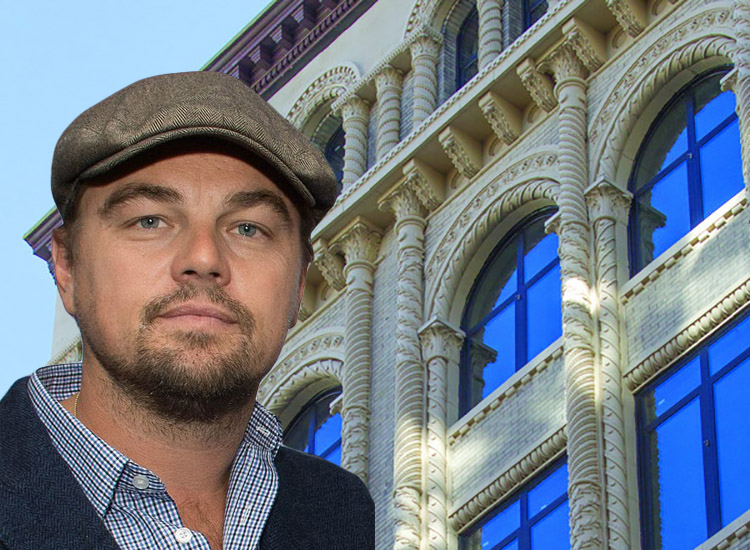
In the latest installment of Leonardo DiCaprio’s real estate shuffle, the Oscar-winning actor has parted ways his eco-friendly apartment at 66 East 11th Street. According to the Observer, DiCaprio’s 3,663-square-foot condo sold for $8 million — $2 million less than he paid for the pad in 2014 — in an off market deal.

Sculptor Anish Kapoor apparently likes to sleep where he works. The artist whose 40-ton steel sculpture sits at the base of Alexico and Hines’ condo tower at 56 Leonard just purchased an apartment in that very building.

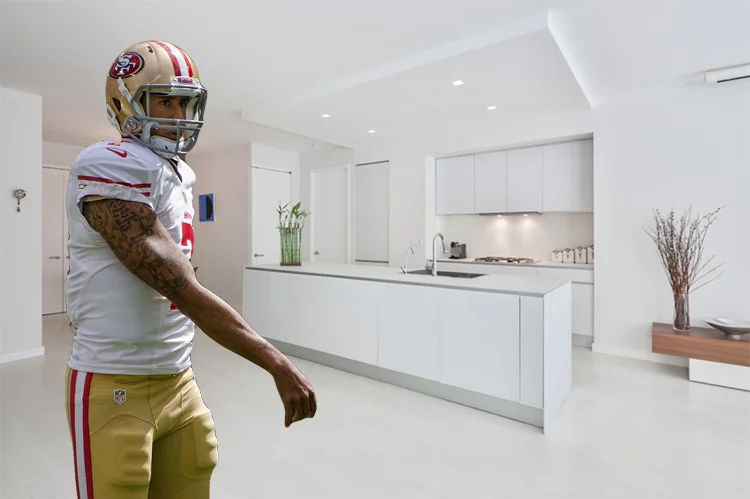
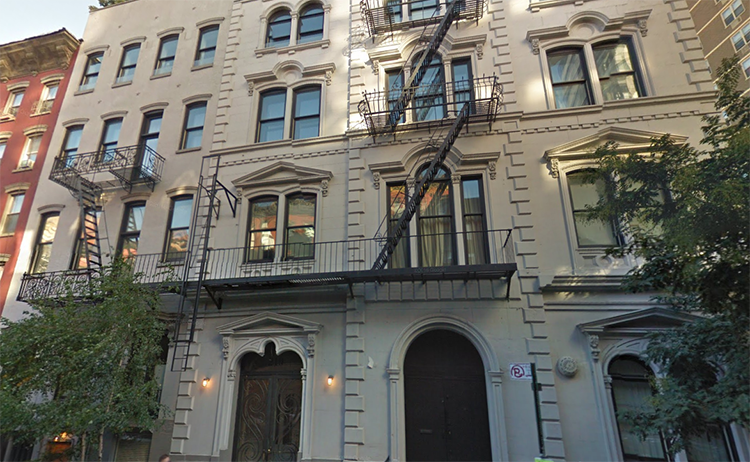
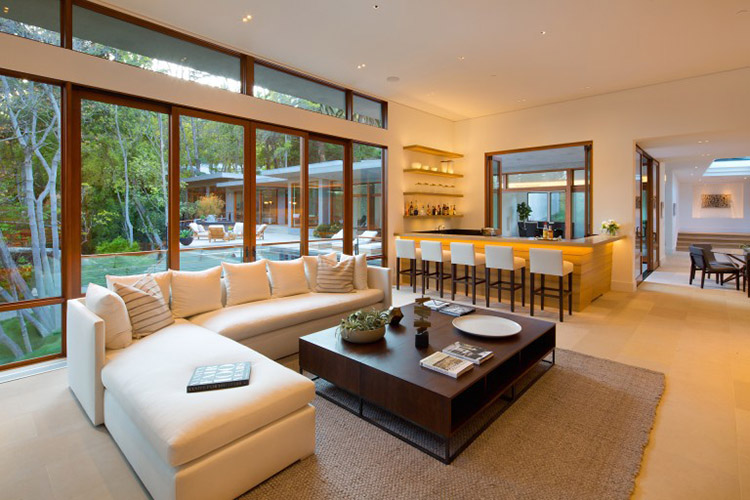
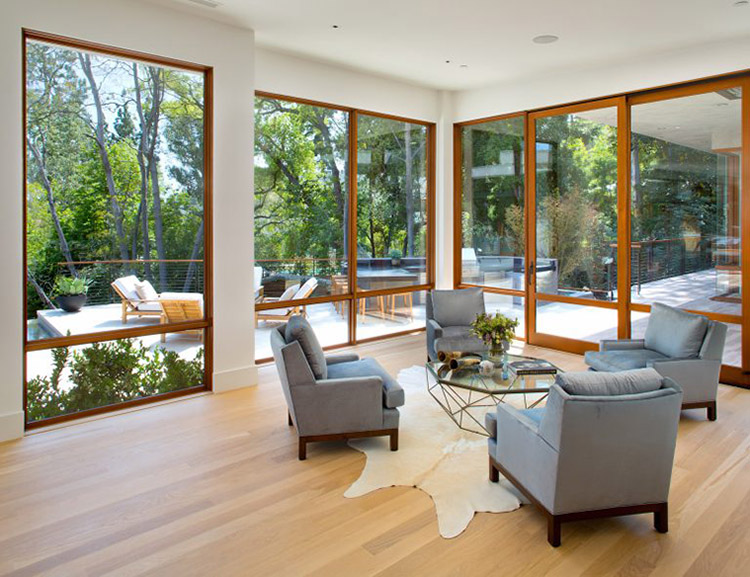
San Francisco 49ers quarterback Colin Kaepernick has been making some major plays — in real estate that is. The headline-hogging football player has been revealed by the LA Times as the owner of a $3.2 million condo at Tribeca’s Enrique Norten-designed 1 York Street.

Alas, this is not the house Bruce Willis sold  Bruce Willis has sold his sprawling Mulholland Drive ranch for $6 million. The property comprises eight lots over 35.45 acres with a 2,905 square-foot four-bedroom home, Variety reported.

Disgraced Democratic politician John Edwards has listed his enormous North Carolina estate for $6.9 million, according to the Wall Street Journal. It’s nearly as nice as his haircut.

Kylie Jenner and her Hidden Hills home 

It seems like just yesterday we reported on the youngest Jenner/Kardashian snapping up the $4.5 million home which was reportedly destined to become her home office, and already it’s back on the market — just five months later — for a pretty significant $5.4 million, almost a whole million more than she splashed out for it.

Ben Carson and the Florida home he’s put on the market 

Former neurosurgeon, pyramid theorist, thwarted Republican candidate, and upcoming secretary of the Department of Housing and Urban Development Ben Carson is ready to part ways with his miniature Florida mansion. Possibly to make room for his ever expanding resume.

This Week’s 5 Most Expensive Lgistings

Each week, StreetEasy has scores of new listings. But here’s the crème de la crème, otherwise known as the five most expensive residential listings to hit the market in Manhattan in the past seven days.

47 West 9th Street

Address 47 West 9th Street
Price $22,950,000
Type/Size Townhouse: six bedrooms and seven bathrooms
This week’s most expensive listing is this Greenwich Village townhouse. Built in 1910, the 9,200-square-foot spread comes with a library, multiple fireplaces, terraces, staff quarters, home theater, fitness center and an enviable 1,000-bottle wine cellar.


21 East 61st Street #15A

Address 21 East 61st Street #15A
Price $21,500,000
Type/Size Cond-op: four bedrooms and five-and-a-half bathrooms
Thanks to a wealth of differing definitions, we’re still not entirely sure what constitutes a cond-op, but this Upper East Side pad apparently is one, according to StreetEasy. We do know that it comes with Central Park views, a library, and a ton of storage space.


121 East 79th Street

Address 121 East 79th Street
Price $18,500,000
Type/Size Townhouse: six bedrooms and five-and-a-half bathrooms
This Upper East Side home is owned by restaurateur Simon Oren, who snapped it up in 1997 for a bargain price of $2.1 million. It has a glass-walled kitchen, elevator, arched floor-to-ceiling windows, artist’s studio, gym and garden.


845 United Nations Plaza #32AE

Address 845 United Nations Plaza #32AE
Price $12,995,000
Type/Size Condo: four bedrooms and four-and-a-half bathrooms
Over in Turtle Bay, this 3,502-square-foot spread at the building known as Trump World Tower is described as a “luxurious mega retreat in the sky.” But alas, unlike Trump Tower, it doesn’t come with any Secret Service perks. Although it does have room for a motorcycle.


326 West 77th Street

Address 326 West 77th Street
Price $10,995,000
Type/Size Townhouse: six bedrooms and eight bathrooms
This Upper West Side townhouse is an odd one. Described as “an opportunity of endless potential” and with only renderings to glance over, we can’t help but wonder what condition the townhouse — which will be delivered vacant — is in currently. Likely it’s divided into apartments, but the listing doesn’t divulge. Instead it tells us that the architects envision multiple terraces and a home gym.

187-Year-Old West Village Carriage House Receives $4M Price Chop

A few months back, it was agreed that despite its magnificent charm, the 19th-century carriage house at 29 Downing Street would need a good price-chopper before a buyer would snatch it up. The owners must have come to this same realization—the home is now asking $8.995 million—a $4.005 million price cut from its most recent ask of $13 million.

Back in June 2014, the 3,480-square-foot home, built in 1829 on land once owned by Aaron Burr, was listed for $12 million. No one bit at that price so the sellers, artist John Bennett and photographer Karen Lee Grant, re-listed the following year for $13 million (yes, we scratched our heads at that too). But it looks like reality has set in, and with that came the new lowered price.

Hopefully the charming home, which has been featured in photo shoots for magazines and fashion brands alike, will have better luck finding a new owner on this go-round. (Or maybe the Hamilton craze will make people more interested? It's big enough to get mentioned in the brokerbabble, anyway.)

Read It Here

187-year-old West Village Townhouse Sold

The 29 Downing Street carriage house, a three-story home built in 1829, was sold for $6.8 million, according to property records.

The home has some historical significance. It sits on land once owned by Aaron Burr, according to a previous report from Curbed. Burr, aside from being the third vice president of the United States, is also known for being the man who shot and killed Alexander Hamilton in a duel.

The property was sold at a steep discount. It was first listed for a price of $12 million in 2014. After about a year with no buyers, it inexplicably went back on the market for a higher price of $13 million.

The property was originally built as a two-story house. The additional floor was added in 1870. The buyer was 29 Downing LLC. The previous owners, artist John Bennett and photographer Karen Lee Grant, lived in the property and used it as a gallery. The couple bought the 3.480 s/f home in 1977.

See It Here

This Week’s 5 Most Expensive Listings

In the past seven days, 10 new listings priced at $10 million and above hit the market, according to StreetEasy. From that list, these are the crème de la crème, otherwise known as the five most expensive residential listings.


357 West 17th Street

Address 357 West 17th Street
Price $36,800,000
Type/Size Townhouse: five bedrooms and 12 bathrooms
Built in 1920, this Chelsea townhouse is the most expensive unit to hit the market this week. Spanning 11,000 square feet, the home has a whopping 12 bathrooms, a kitchen with two ovens, a 400-bottle wine cellar, a swimming pool, a soundproof home theater with stadium seating, and, from the looks of the listing photos, room for parking too.


157 West 57th Street #59B

Address 157 West 57th Street #59B
Price $27,100,000
Type/Size Condo: three bedrooms and three-and-a-half bathrooms
One57 is best known as the home of the most expensive NYC condo ever bought – a penthouse unit that commanded a record-breaking $100.5 million in late 2014 from an undisclosed buyer. This spread is a steal in comparison, and it comes with floor-to-ceiling windows, marble and onyx bathrooms, and a chef’s eat-in kitchen. Unfortunately we have to image what it looks like thanks to a lack of listing photos.


210 East 5th Street #3FLR

Address 210 East 5th Street #3FLR
Price $25,000,000
Type/Size Condo: four bedrooms and three-and-a-half bathrooms
The listing for this flawless East Village pad tragically doesn’t include any photos. Luckily though, Curbed ran an article all about the place when it was listed back in 2012 (for the same price) so we can still swoon over the interiors. The home was formerly a concert hall known as Beethoven Hall, and its current owner — a photographer — transformed it into this full-floor wonder.


180 Avenue of Americas #PHA

Address 180 Avenue of Americas #PHA
Price $25,000,000
Type/Size Condo: four bedrooms and five-and-a-half bathrooms
Three is the magic number for this is triplex penthouse at Soho’s One Vandam building. It comes with three terraces, and a triple-height staircase, which is framed by a 30-foot-tall wall of glass. Plus there’s an elevator, a spa, and a 28-feet-wide living room.


121 Washington Place

Address 121 Washington Place
Price $16,800,000
Type/Size Townhouse: five bedrooms and five bathrooms
This West Village townhouse was built in 1831 and completely remodeled in 1925. Its most interesting feature is the English styled cottage at the back of the garden. According to its listing, the home has been a gathering place for all kinds of notable folk, most recently including Patti Smith, Allen Ginsberg, Muhammad Ali, and Hillary Clinton.

The Monthly Update - December 2016


With President-Elect Trump set to take office in less than 50 days, he and his transition team are well underway in selecting the cabinet and key staff positions. In the meantime, stock markets around the world are betting big that large, publicly traded companies will benefit hugely from a Trump administration. As a result, investors are dumping bonds for stocks, which in turn is driving up interest rates.
What are we real estate professionals going to see at ground level, in the day-to-day business of selling or buying your most prized assets?

Historically, the New York City real estate market follows the trends of Wall Street. When the Streeters feel bullish, they tend to not only buy stocks, but real estate as well. At a first glance, we should assume that this will benefit our local housing market. In fact, the housing market saw strong growth nationally in both September and October.

Here in the city, the day after the election, I saw a brief pause and then a full-steam-ahead, petal-to-the-metal rush forward. Buyers are moving ahead at a strong clip to beat interest rate increases and get their rates locked in as soon as possible. There has also been an international influx over the last few weeks from Asia and even from some Russian investors. From first-time buyers to new investors to seasoned professionals, I'm seeing tremendous activity in requests, offers and pushes to get deals closed before the end of the year. In some cases, I am seeing more negotiability, seller concessions and creative offers being made but deals are proceeding nonetheless.

It seems the short-term Trump effect has been a strong jolt in the arm for the real estate market, with more than a little watchfulness. The long-term effect, meanwhile, is anyone's guess. Any predictions on what the local, national and international economies will do after Trump takes office is mere speculation at this point. Is it a wait-and-see or a bullish push to jump in?

Wall Street’s betting big. Will you?


November's Inventory Numbers

The Numbers:

On average November saw a decrease of 23% over October's inventory. The three-bedroom and more category saw the largest decrease of just over 30%. 


"Compass is building the first modern real estate platform, pairing the industry's top talent with technology to make the search and sell experience intelligent and seamless. "

As part of our promise to offer a more intelligent and seamless real estate experience, we’ve launched Market Insights HERE. You can gain timely insights about your local market by scrolling down the page and entering your ZIP code.

With Market Insights, here’s what we’re offering:

  • Gain the following high-level insights based on your ZIP code:
  • Percent change in home sales for the previous two quarters
  • Trends in home sales over the past eight quarters
  • Pricing patterns for properties per square foot
  • Feel free to share the report by email address or even post it to your social networks


Hot Off The Press!

Penthouse in peril? Despite high-profile price cuts, NYC luxury digs still attractive
NY Business Journal |  Read Full Article

Hoffman Team Press:
A Fine Vintage
The Compass Quarterly |  Read Full Article


Do You Think You Know What Your Home Is Worth?
Lets see about that, click HERE and receive a comprehensive up-to-date CMA Valuation Report.


Out TODAY!

FRESH OFF THE PRESS TODAY, THE GATHERING ISSUE OF THE COMPASS QUARTERLY.

Request Your Copy HERE


Holiday Tipping Guide: How Much To Give Your Building Staff

‘Tis the season for New Yorkers to unfurl their wallets in the spirit of giving—be it to donate or buy gifts for their loved ones—and while they may be sure-footed in that spending, many stumble when it comes to how much to tip the building staff. While The Holidays are still a ways off, most building attendants prefer to receive any niceties from residents in early December (like, now), so let’s get down to it.

A handy annual guide based on a memo sent out by Two Trees Management back in 2005 offers advice on how to dole out the dollars—original here, and years worth of Curbed tipping advice over here—but a memo that’s now over a decade old may be a less realistic guide for giving in New York City today. Good thing Brick Underground has rolled out its comprehensive annual tipping guide that addresses the nuances of holiday tipping in this day and age.

The long and short of it: no, tipping isn’t a necessity, but after this doozy of a year it’s a meaningful way to show one’s appreciation for those that make the day-to-day a little bit easier. How much appreciation should be shown to staff depends on the size of the building, the quality of service, how long a staff member has been with the building, and whether the tipper owns or rents, among other personal factors like financial ability.

Here’s a basic guideline per Brick Underground:

  • Super, resident manager: $75-$175 on average (broad range: $50-$500)
  • Doorman and/or concierge: $25-$150 on average (broad range: $10-$1,000)
  • Porters, handyman, and maintenance staff: $20-$30 on average (broad range: $10-$75)
  • Garage attendant: $25-$75 on average (broad range $15-$100)

In 2015, a poll of more than 1,400 New Yorkers found that majority of owners in doorman buildings set aside between about $250 and $500 for building staff, with majority of owners in non-doorman buildings allotting less than $250 for staffers. At that, one percent of owners in doorman building and 12 percent of owners in non-doorman building tipped nothing.


Renters in doorman buildings held their purse strings a little bit tighter with a small majority tipping less than $250. The same goes for renters in non-doorman buildings, who tipped less than $250 to building staff collectively. A big takeaway: about a quarter of renters in non-doorman buildings skip the holiday gratuities all-together.

Brick Underground has been surveying New Yorkers about their tipping practices for five years now, and some interesting trends have emerged from their data: New Yorkers have gotten more generous over the years (though the Great Recession may have a little something to do with that). Fewer New Yorkers said they wouldn’t be tipping last year than any prior year surveyed, and the number of New Yorkers who planned on giving more than $2,500 to their building staff was at an all-time high.

When it comes to actually giving, cash is preferred if gifts are being doled out directly, but if a super or other building staff member is collecting gifts, a check may be the way to go. Considering a gift-gift over a monetary gift? Brick Underground notes that “until colleges start accepting cookies for tuition payments or ConEd for utility bills, gifts are no substitute for money.” (Plus, some doormen have already confessed to providing less thorough service to residents who stiff them during the giving season.)


When it comes down to it, tipping is a building resident’s choice, but remember—everyone could use a little kindness this year.

NYC Holiday Shopping Circa 1930

Before the days of Amazon, last-minute holiday shopping actually required putting clothes on and interacting with other human beings. To fully understand just how far we’ve come (and really appreciate the ability to “add to cart”), take a look at this HD stock footage that shows the rush of New York holiday shoppers in 1930. The sidewalks are a sea of black trench coats, with shoppers trying to squeeze their way into stores on 34th Street and buy wares from vendors on what looks like it may be Orchard Street, once the hub of discount shopping.

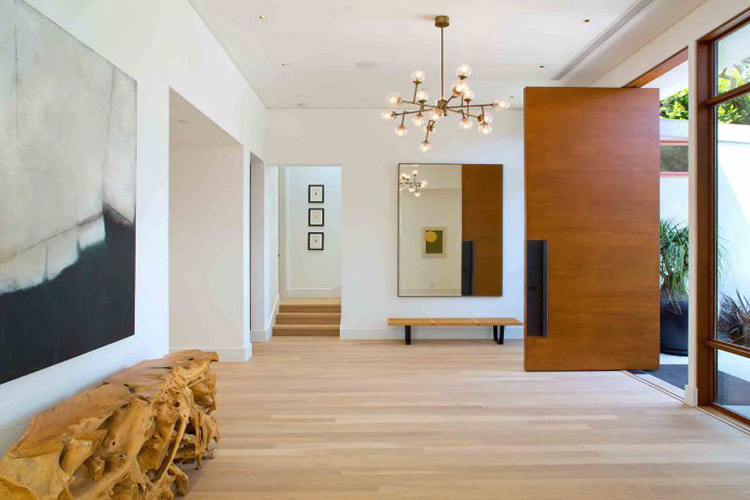
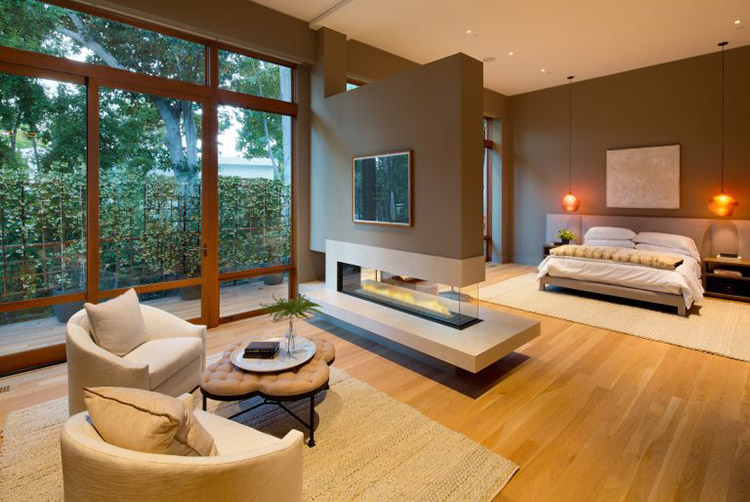
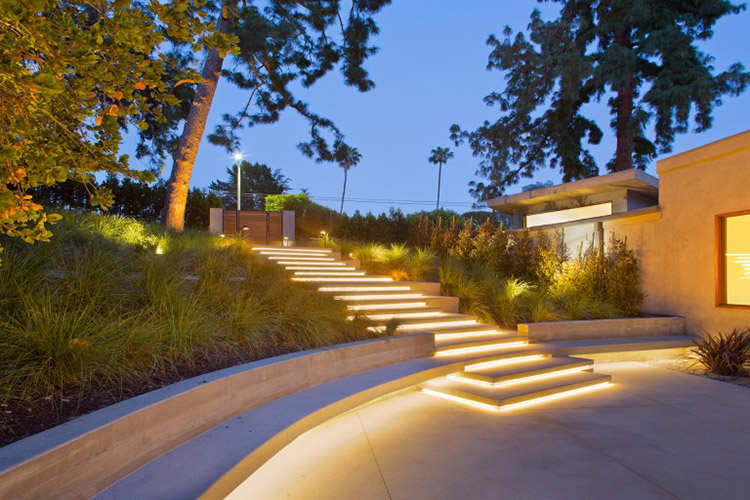
Ricky Martin's New Beverly Hills Home

Everyone’s favorite turn-of-the-millennium pop star and hip thruster has just snapped up a pretty seven bedroom spread in Beverly Hills.

According to real estate gossip blog Yolanda’s Little Black Book, Ricky Martin paid $13.5 million for the 11,300-square-foot home.

The walled and gated house reportedly sits below the street and is mostly single level. It has 14-feet-high ceilings, walls of custom sliding wood doors, three fireplaces, a chef’s kitchen with a butler’s pantry, a tiered movie theater, and an 800-bottle wine cellar.

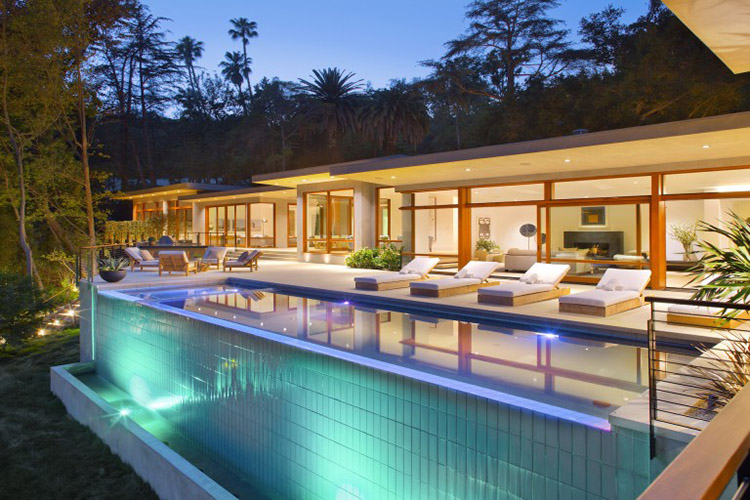
Outside there’s a 40-foot infinity-edge swimming pool and spa, a bar, and a fully equipped outdoor dining room and kitchen. Plus the home boasts an eco-freindly rainwater harvesting system capable of storing up to 4,000 gallons, parking for nine cars, and a 2,000-square-foot secluded wellness center.

In 2015 Martin — who earlier this month announced his engagement to his boyfriend Jwan Yosef — sold his three-bedroom condo at Noho’s 40 Bond Street for $7.5 million.

This Week’s 5 Most Expensive Listings

In the past seven days, seven new listings priced at $10 million and above hit the market, according to StreetEasy. From that list, these are the crème de la crème, otherwise known as the five most expensive residential listings.


441 West 21st Street

Address 441 West 21st Street
Price $24,700,000
Type/Size Townhouse
Built in 1854, this Chelsea townhouse has flirted with fame though appearances on “Saturday Night Live” and “Louie”, plus it’s been featured on the pages of Elle Decor, Vogue, Town & Country, and New York magazine. It has nine fireplaces, original moldings, and five skylights.


9 East 89th Street

Address 9 East 89th Street
Price $19,995,000
Type/Size Townhouse
Also on the Upper East Side is this sprawling six-story townhouse, which for the past 30 years has been the home of the non-profit organization, the New York Road Runners. It has an elevator, a limestone facade, Central Park views, and plenty of charming original features.


15 Central Park West #28B

Address 15 Central Park West #28B
Price $18,800,000
Type/Size Condo: two bedrooms and two-and-a-half bathrooms
This swanky 2,367-square-foot spread is at the equally swanky Robert A.M. Stern-designed park-side tower. For your money you get floor-to-ceiling windows, hardwood floors, crown moldings, custom closets, and amenities galore.


157 East 82nd Street

Address 157 East 82nd Street
Price $12,000,000
Type/Size Townhouse: six bedrooms and six-and-a-half bathrooms
This is the second Upper East Side townhouse to make our Most Expensive list this week, and although it’s half the size of the home above, it still comes with plenty of perks. There’s 12-foot-high ceilings, three fireplaces, a library, a chef’s kitchen, a garden, a top floor solarium, and a much coveted private garage.


275 West 10th Street #6D

Address 275 West 10th Street #6D
Price $11,975,000
Type/Size Condo: four bedrooms and four-and-a-half bathrooms
This pretty pad is at The Shepherd, a recently renovated West Village building. The 3,805-square-foot space holds built-in bookcases, barrel vaulted ceilings, and hardwood oak floors. Plus residents have access to amenities including a basketball court, a gym, a golf simulator, and a screening room.