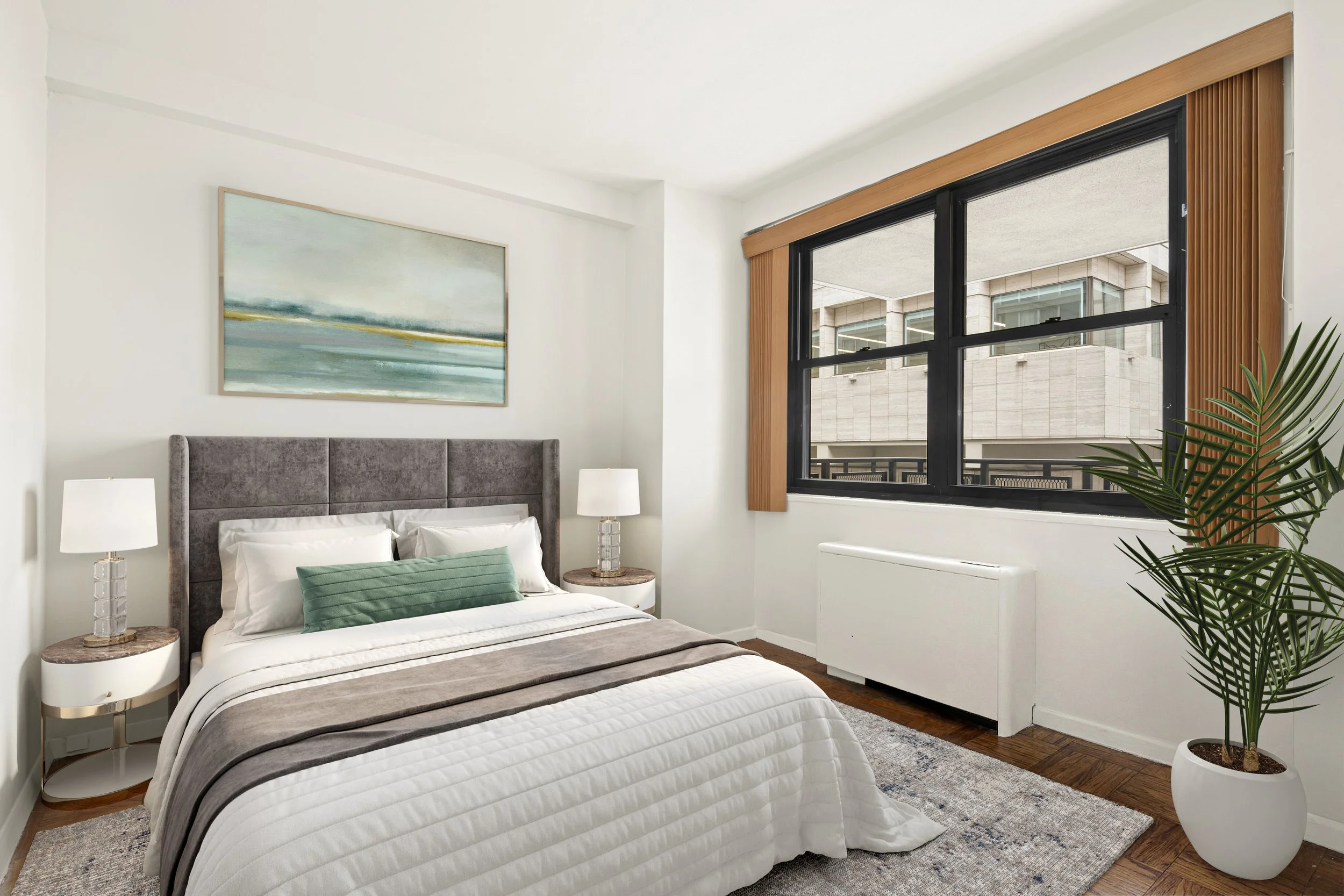
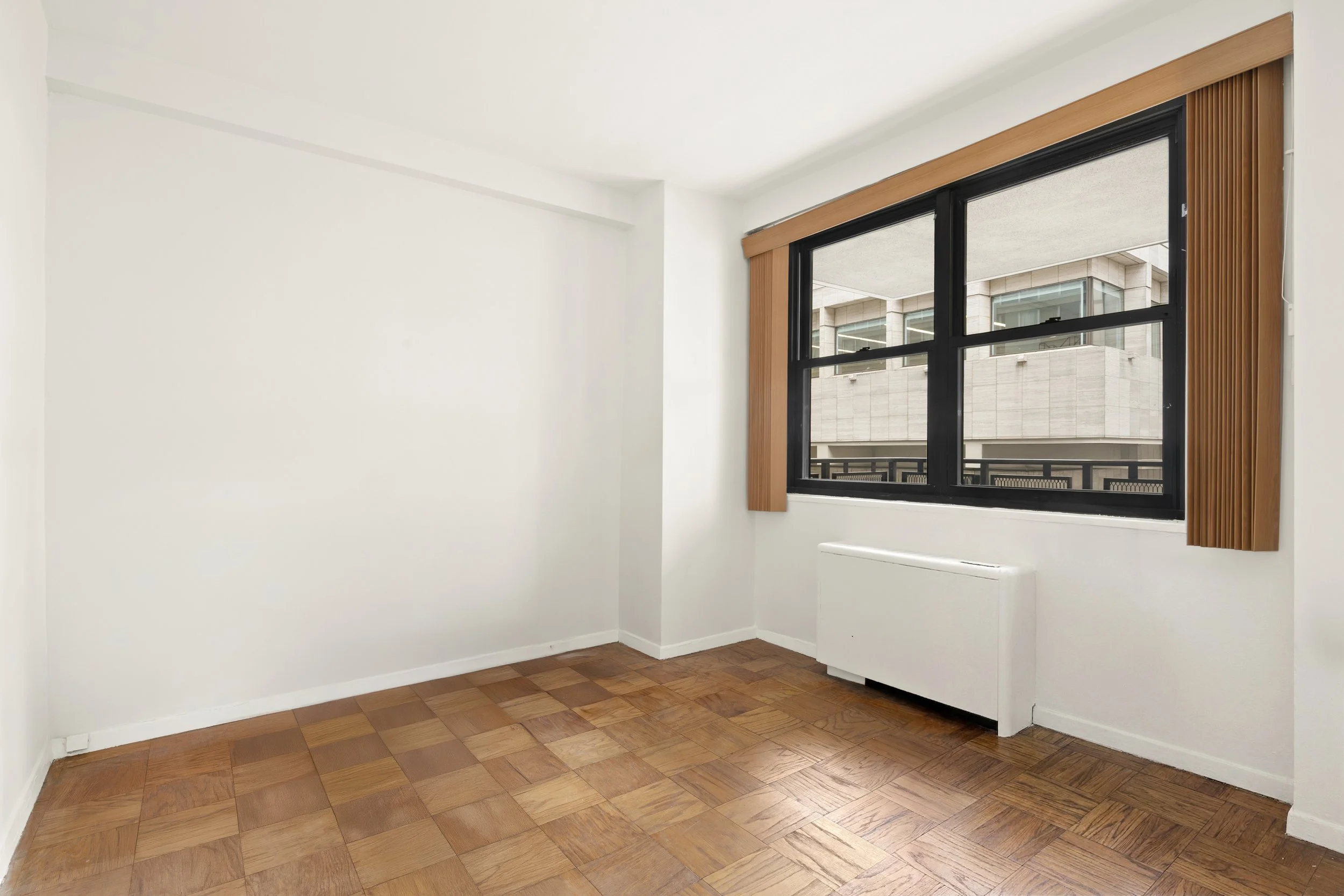
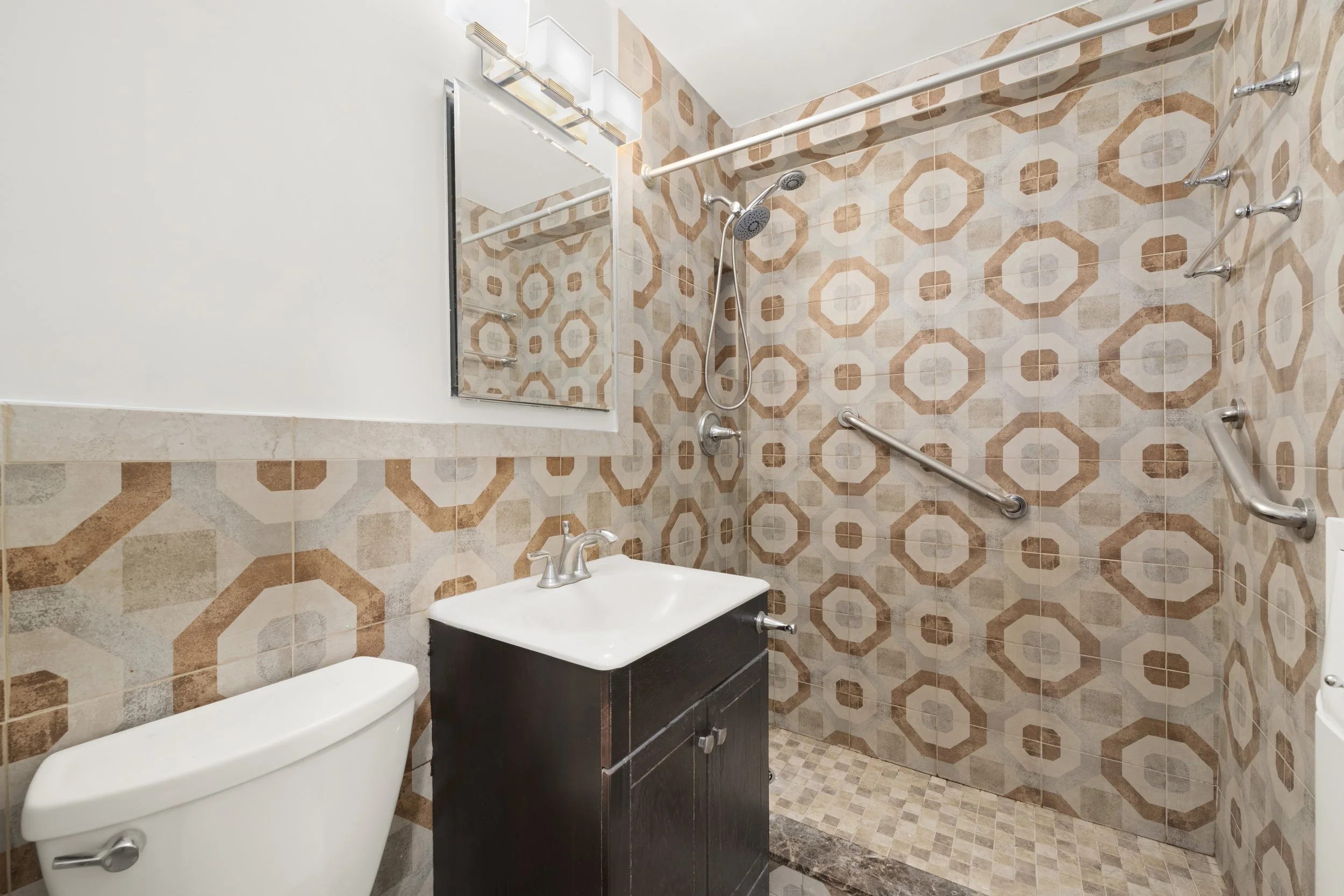
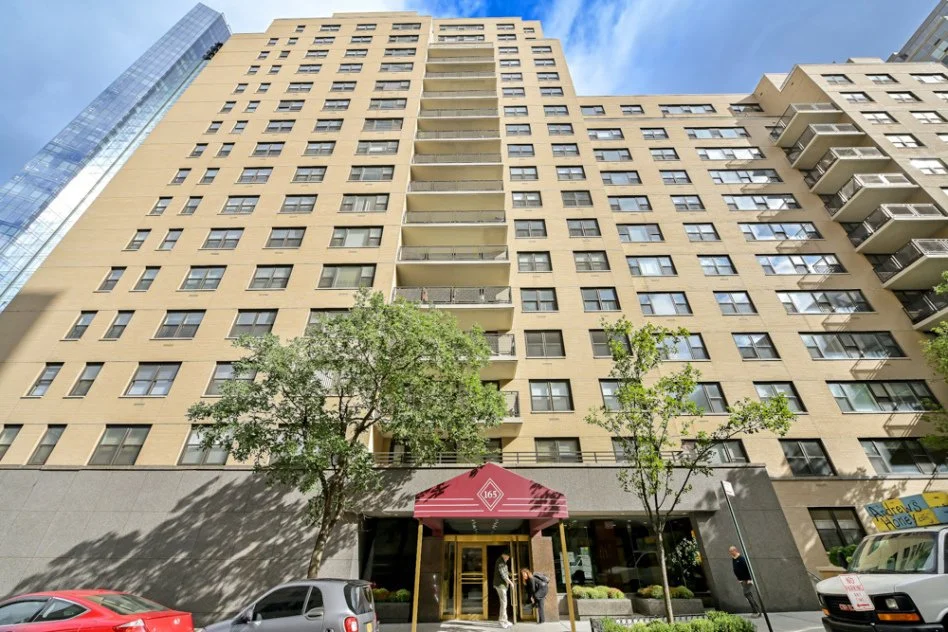
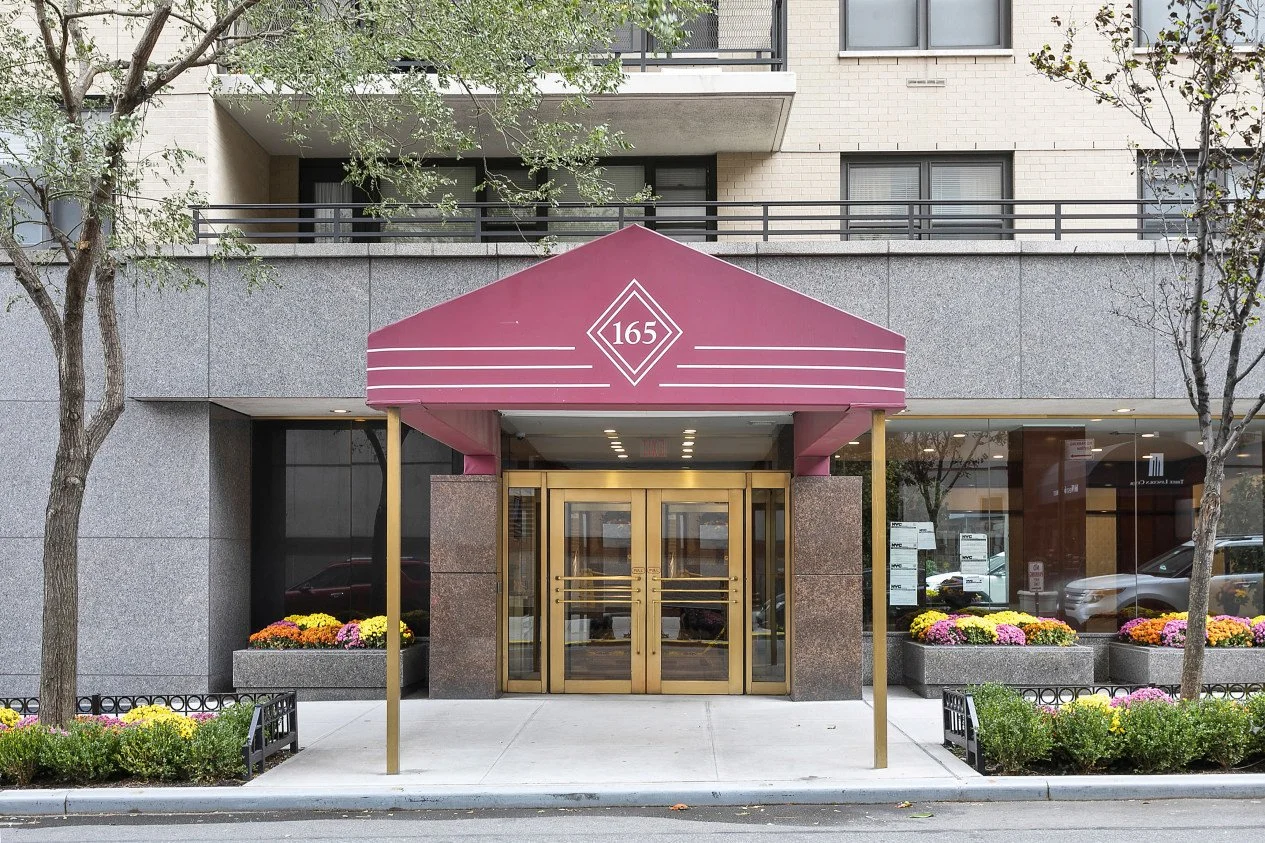
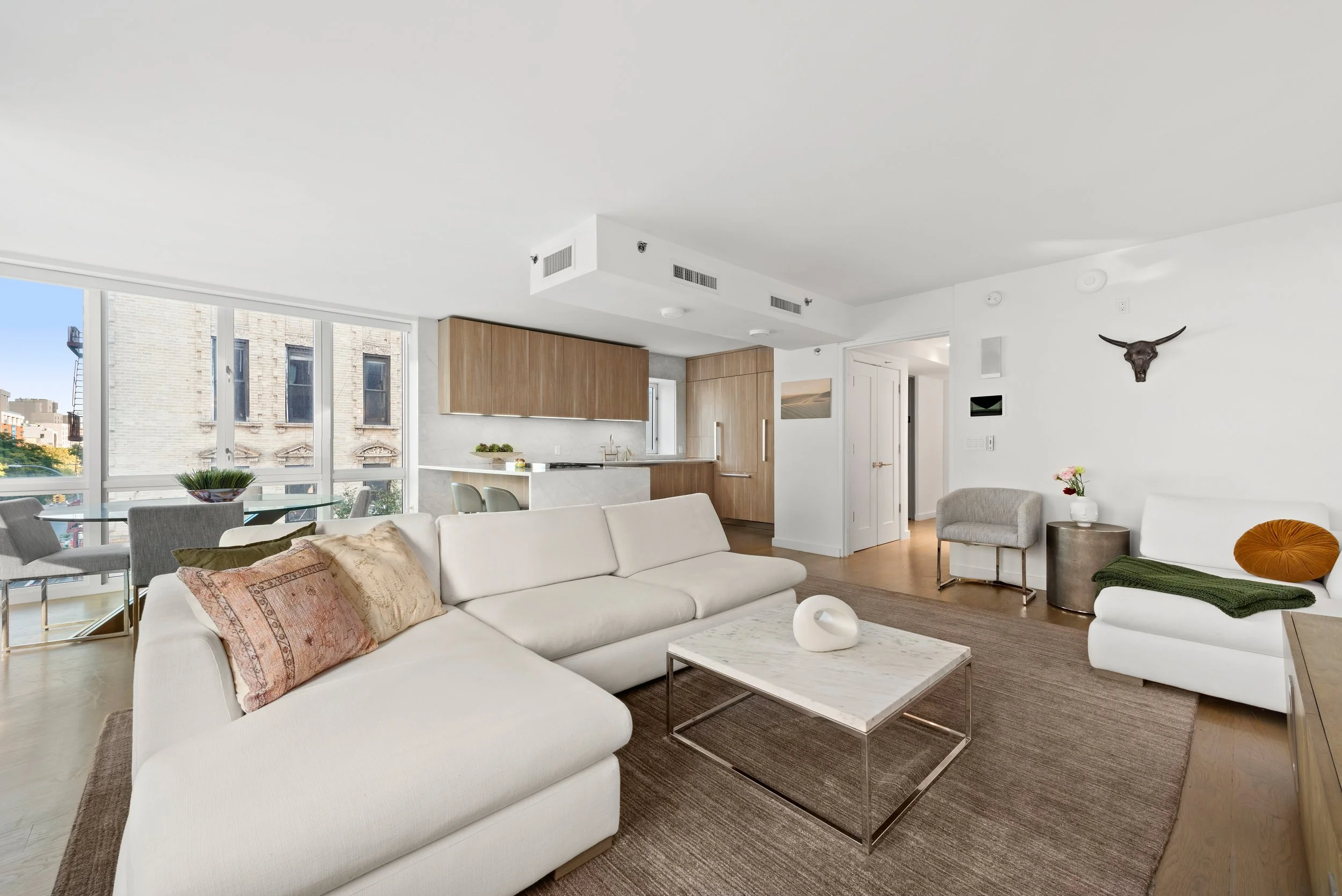
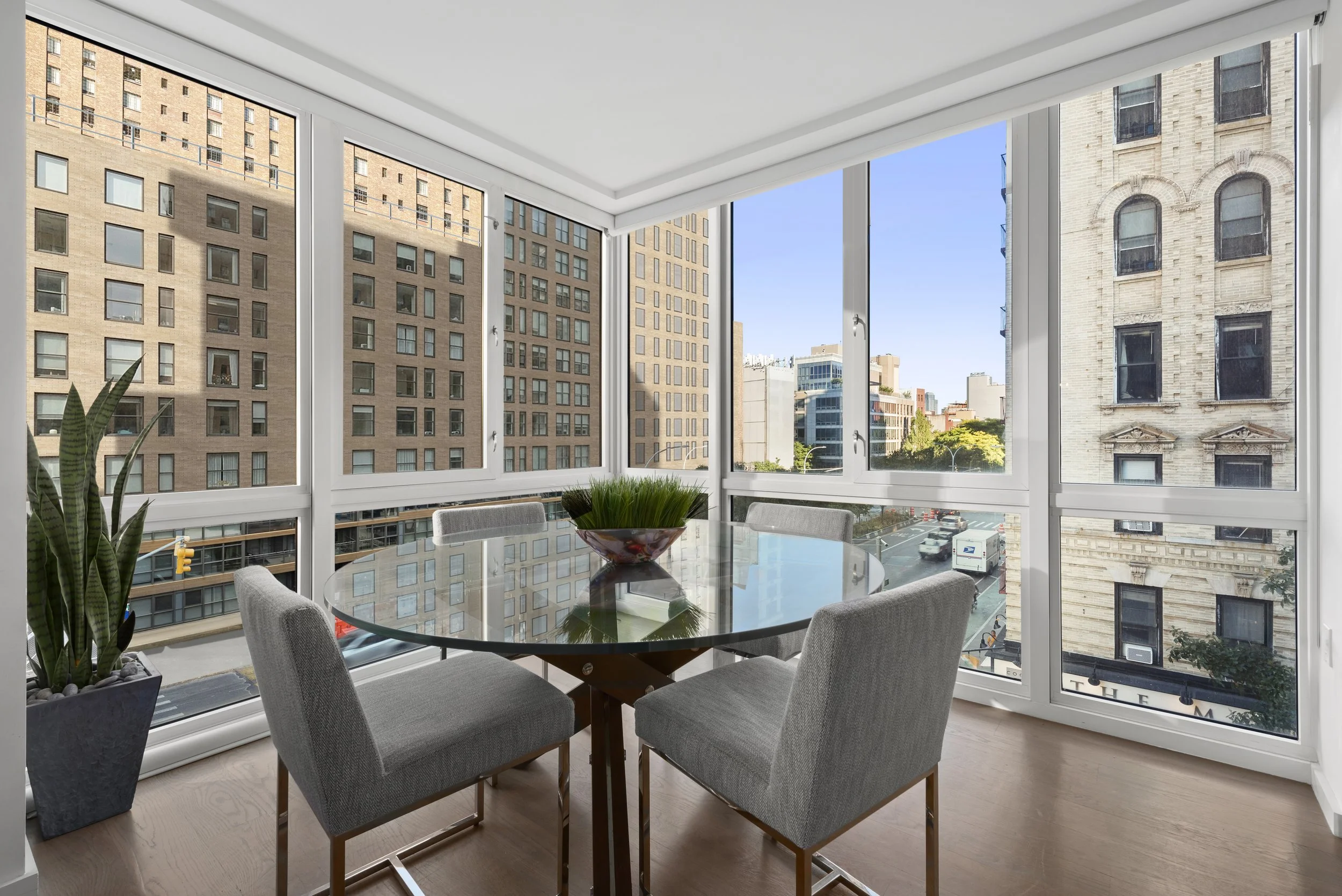
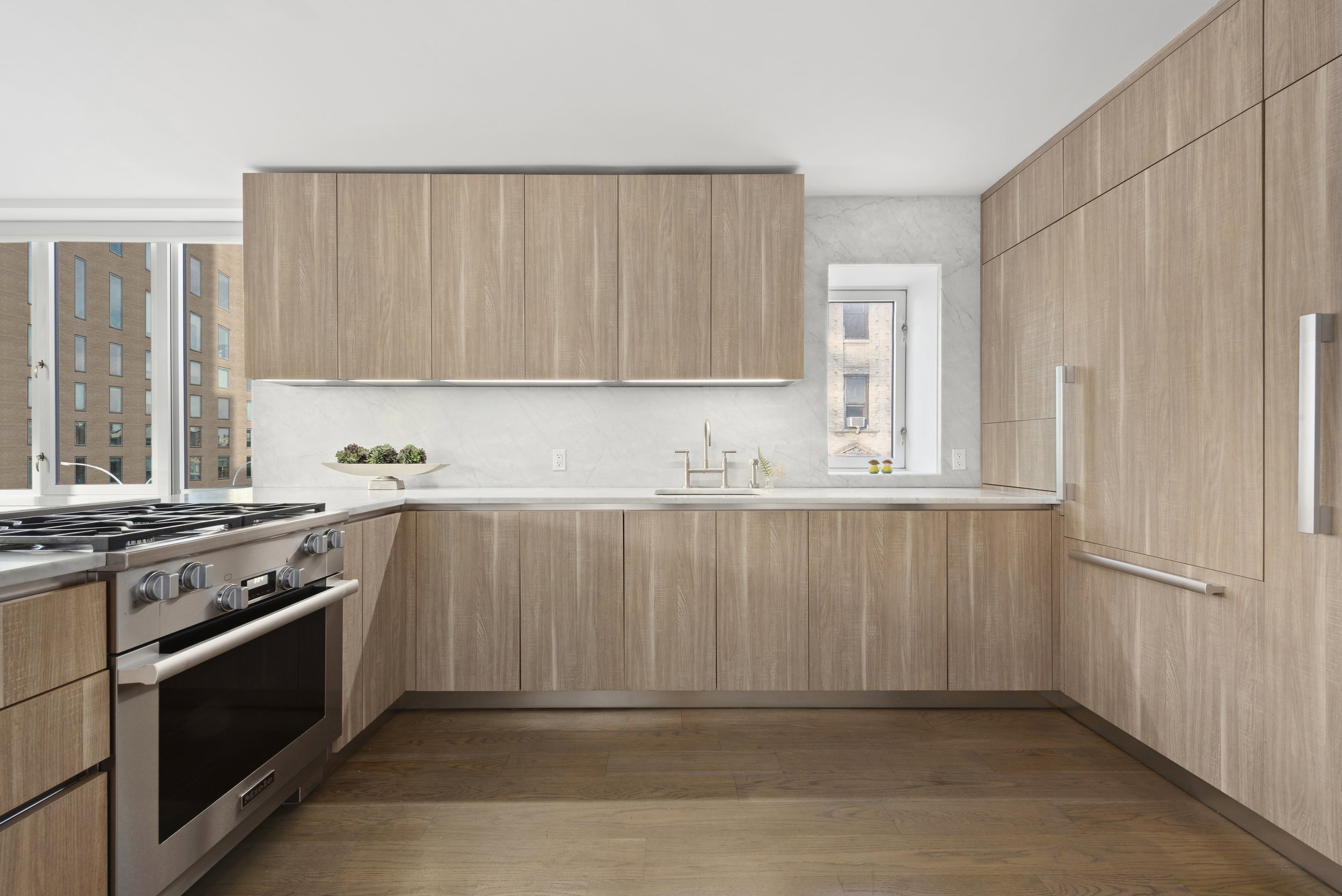
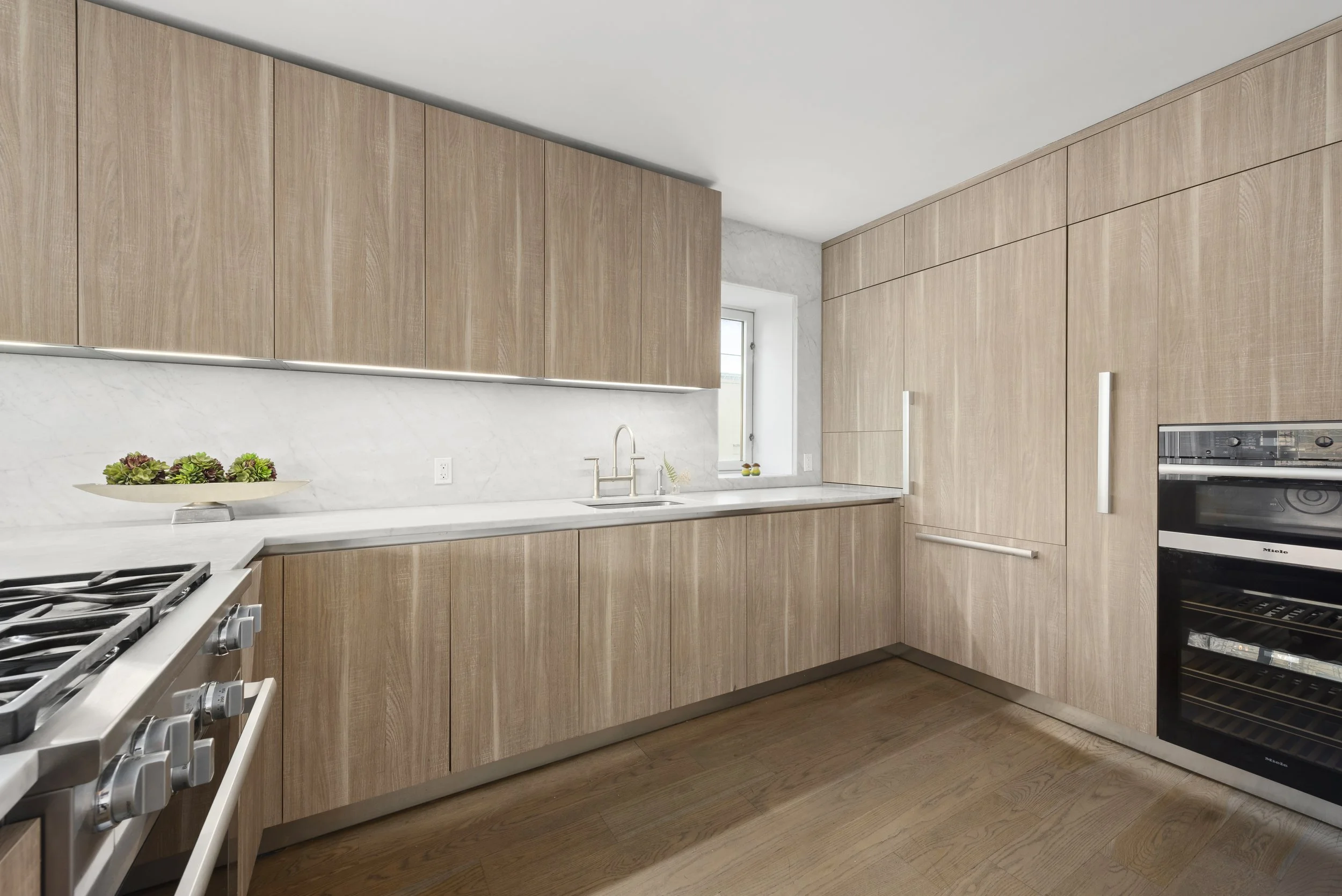
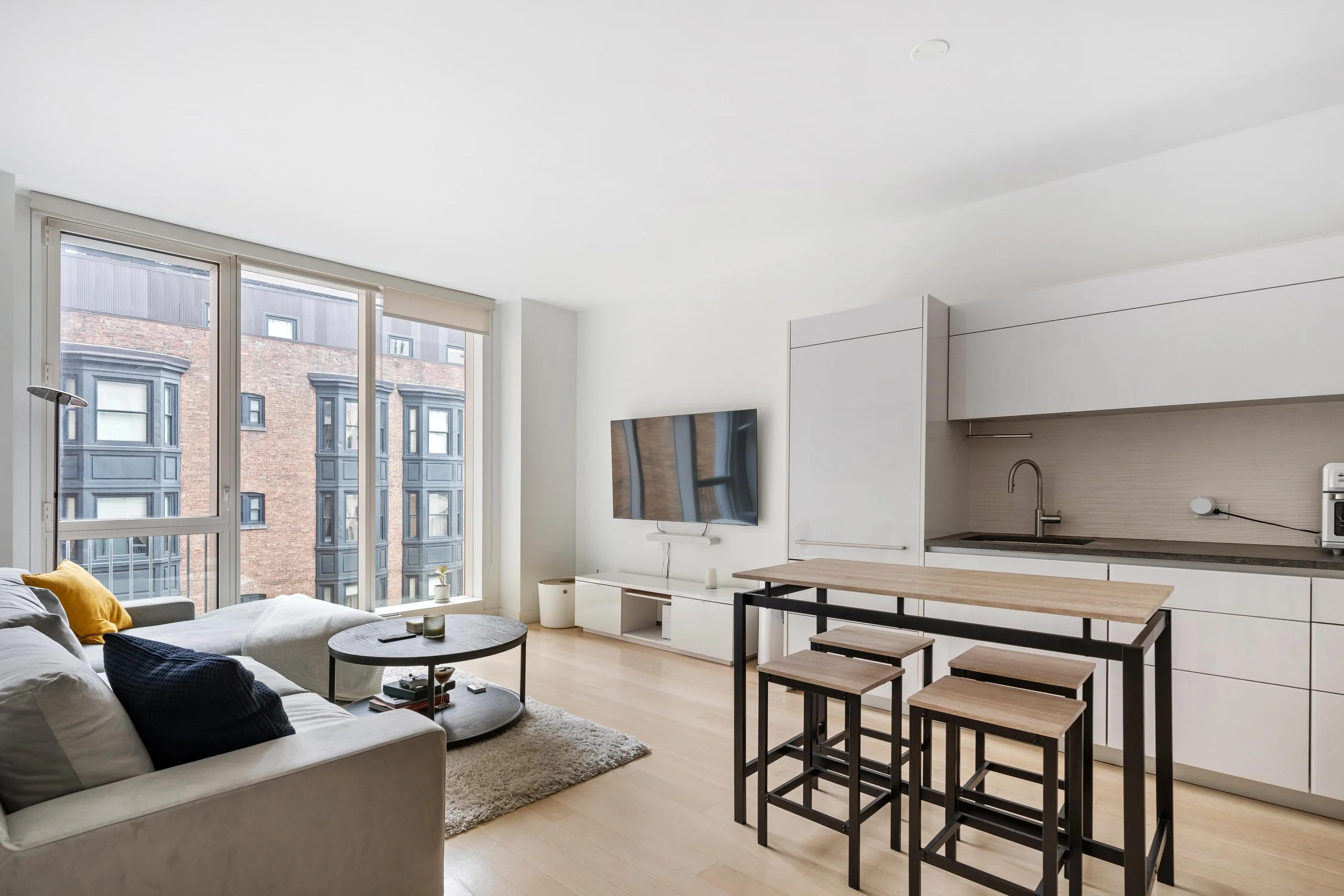
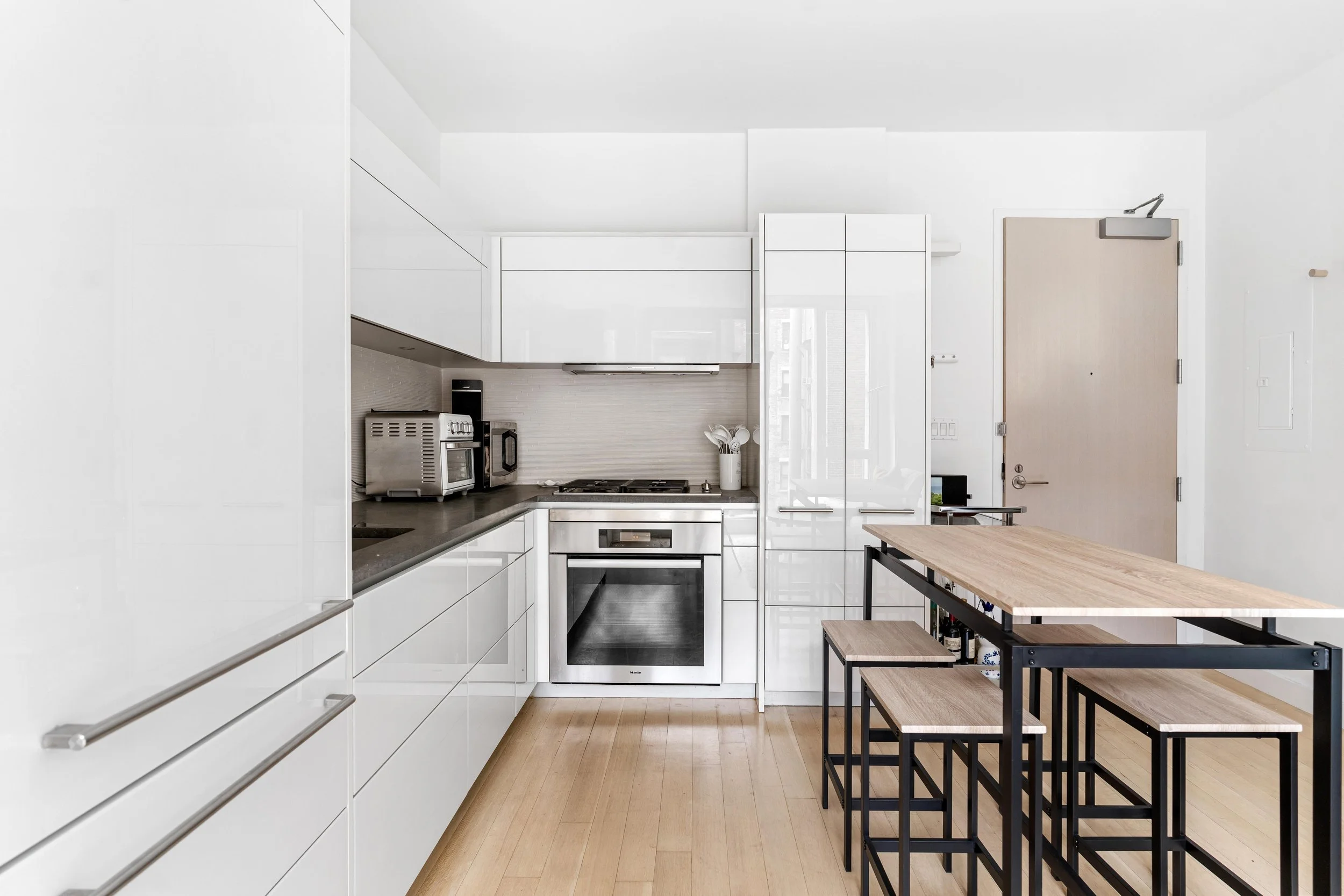
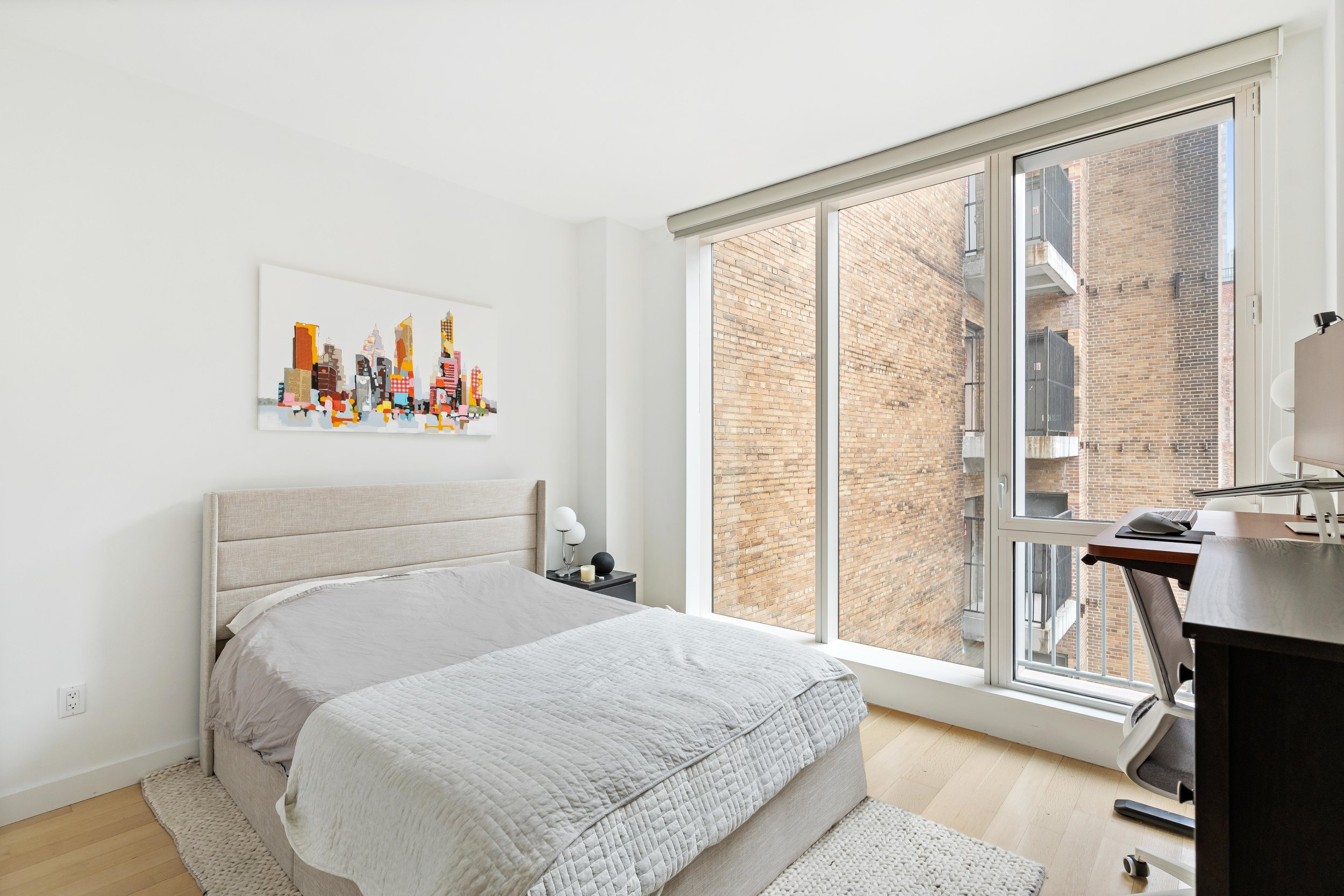
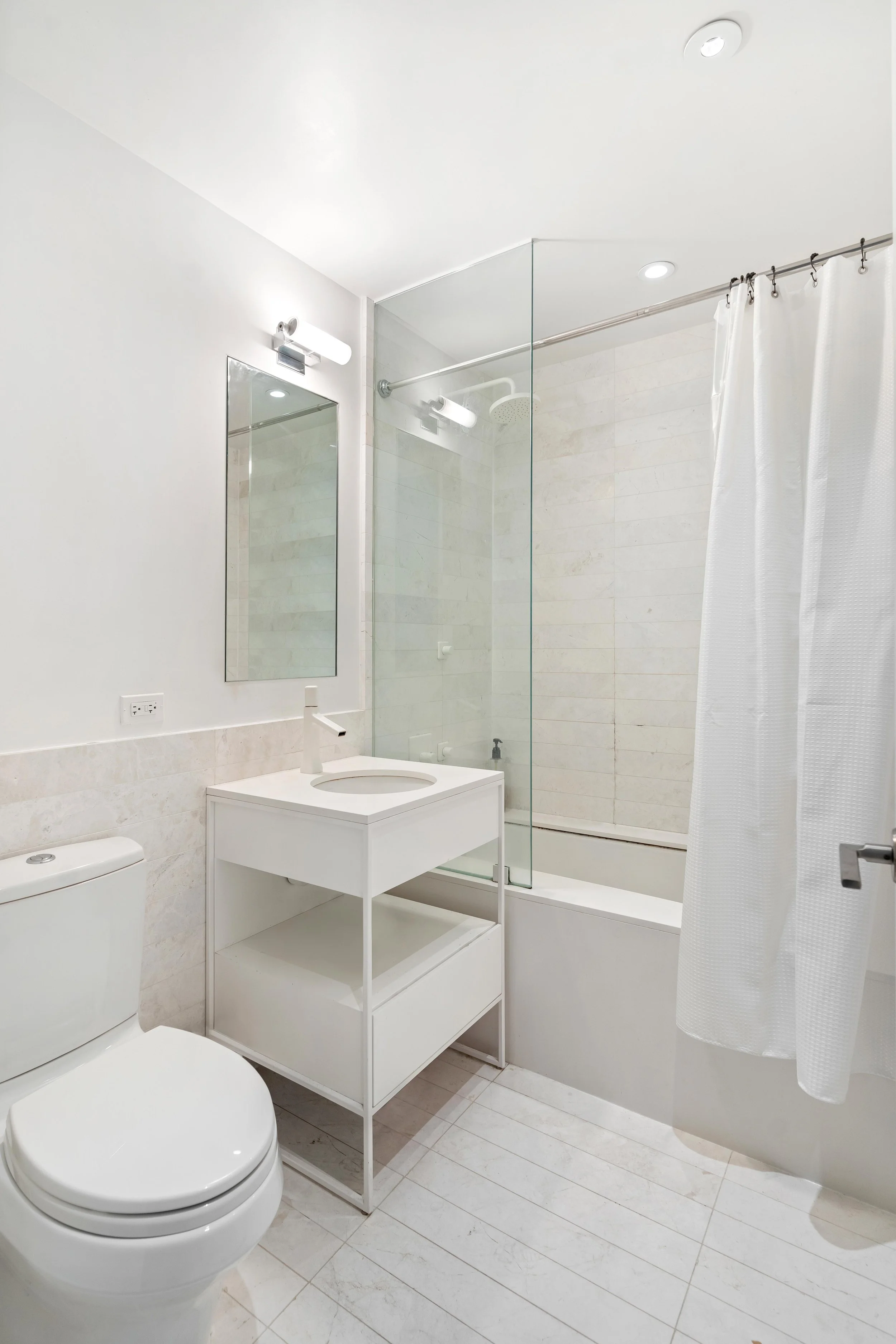
165 West 66th Street, Unit 6W

165 West 66th Street, Unit 6W

upper west side, Manhattan

Asking $900,000

1 Bed  |  1 Bath | Co-op


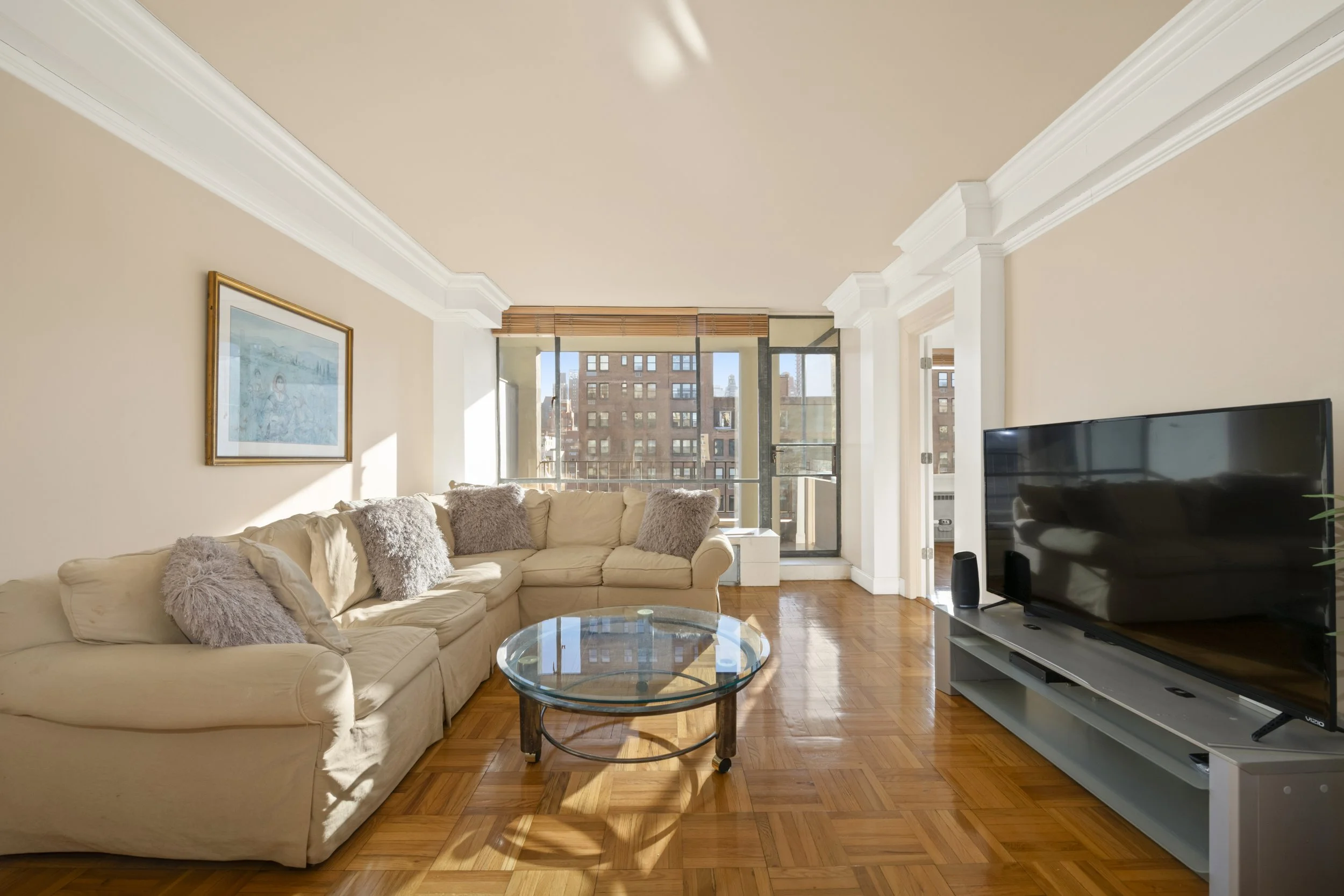
Spacious Corner Living with Private Outdoor Space at Lincoln Terrace:

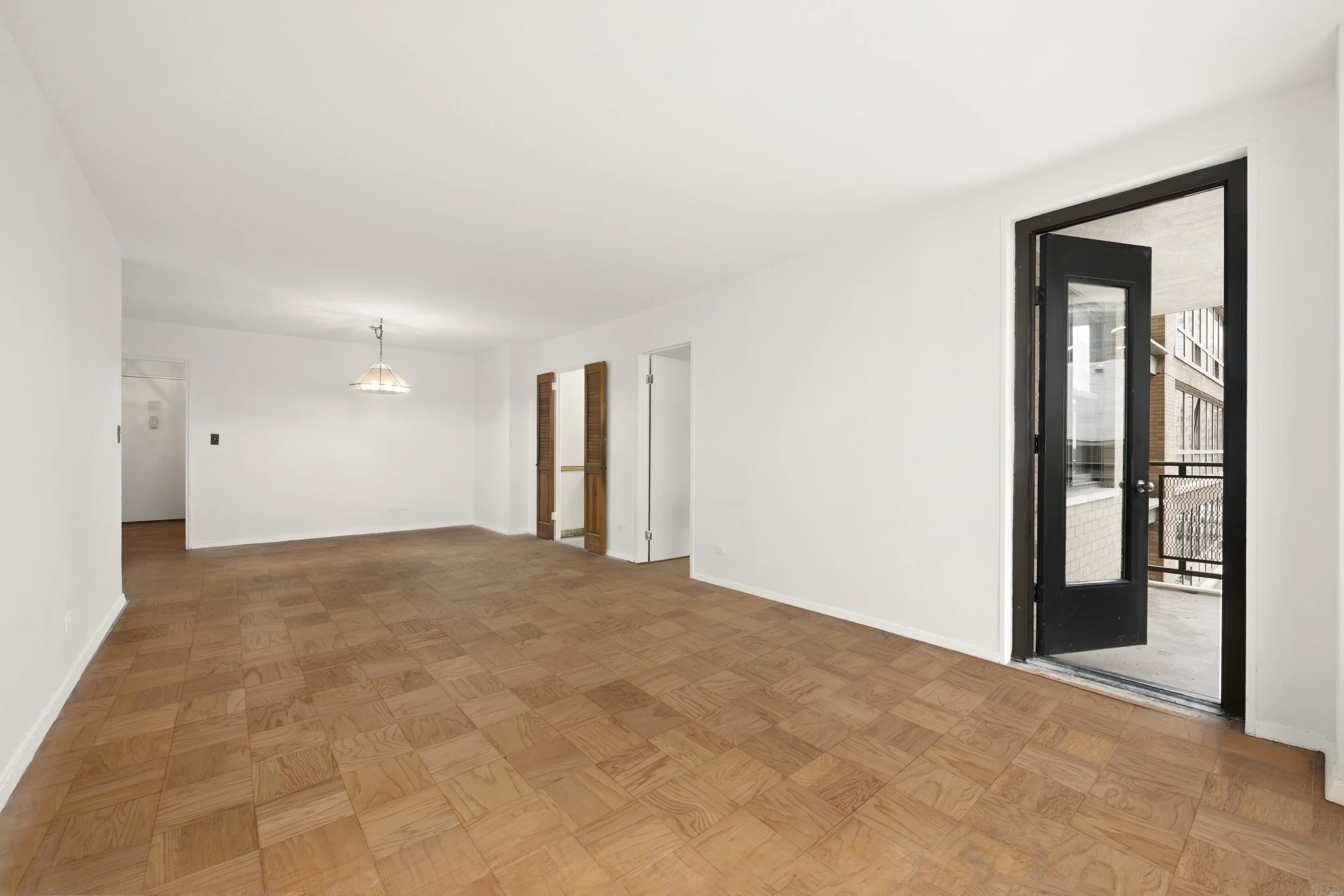
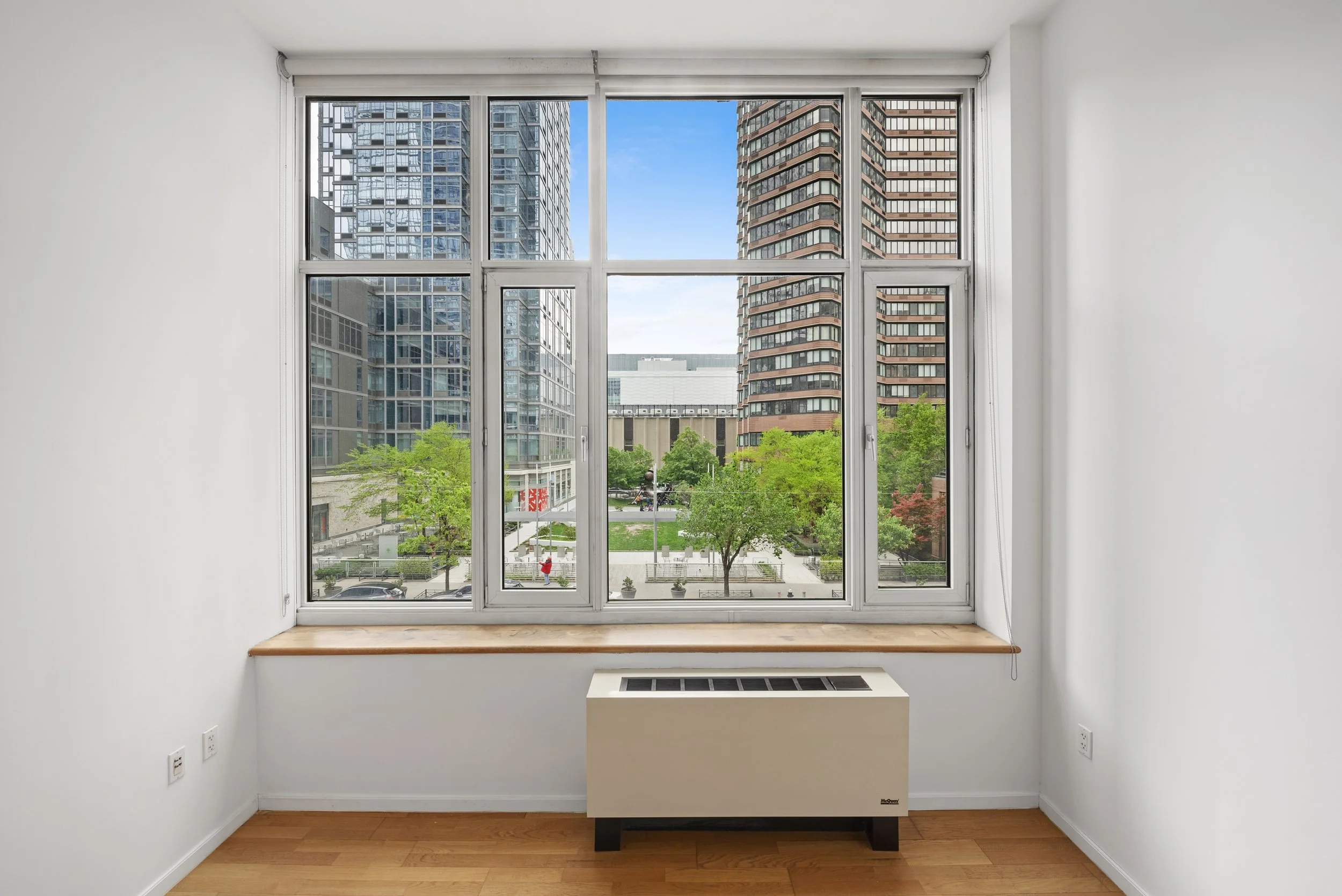
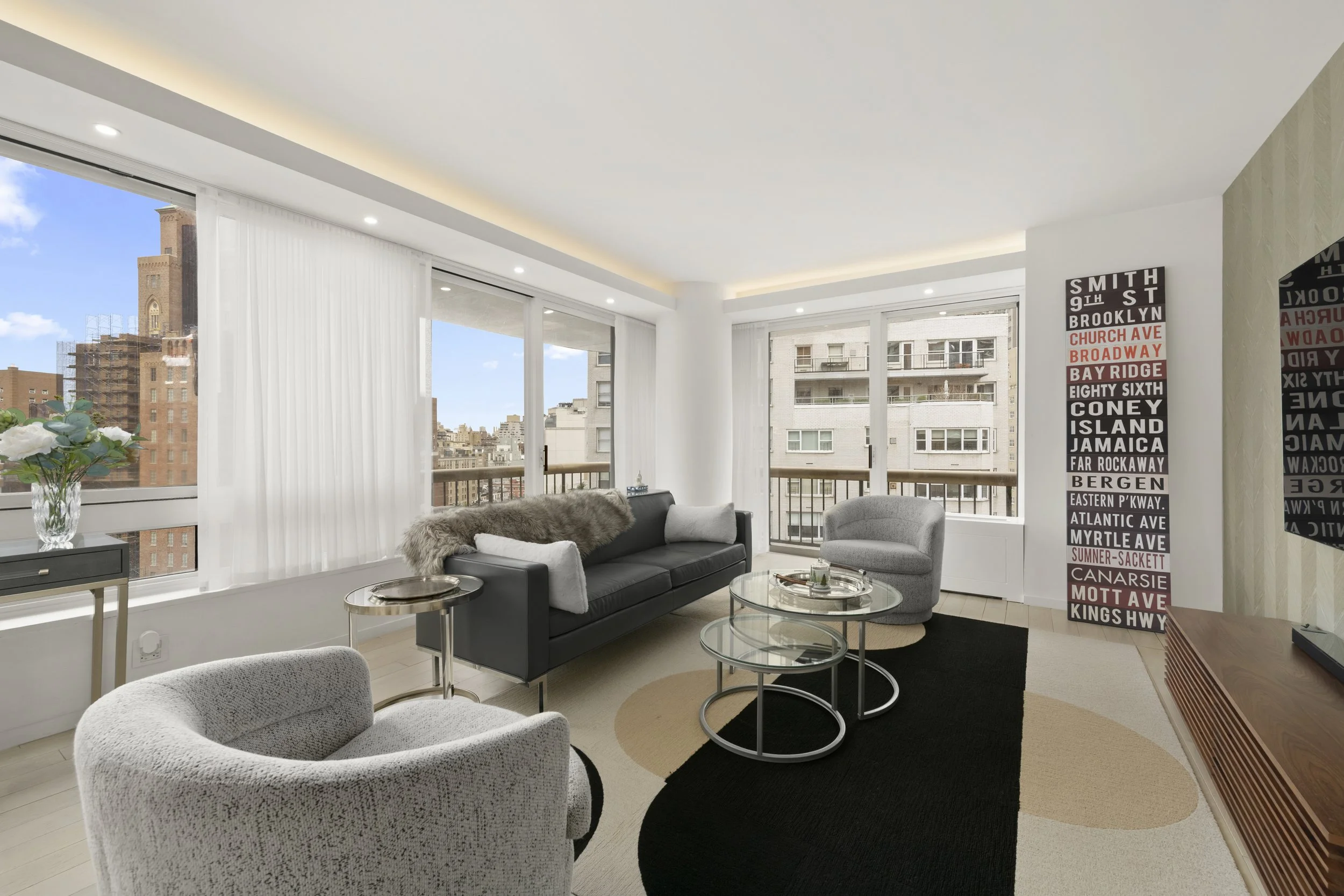
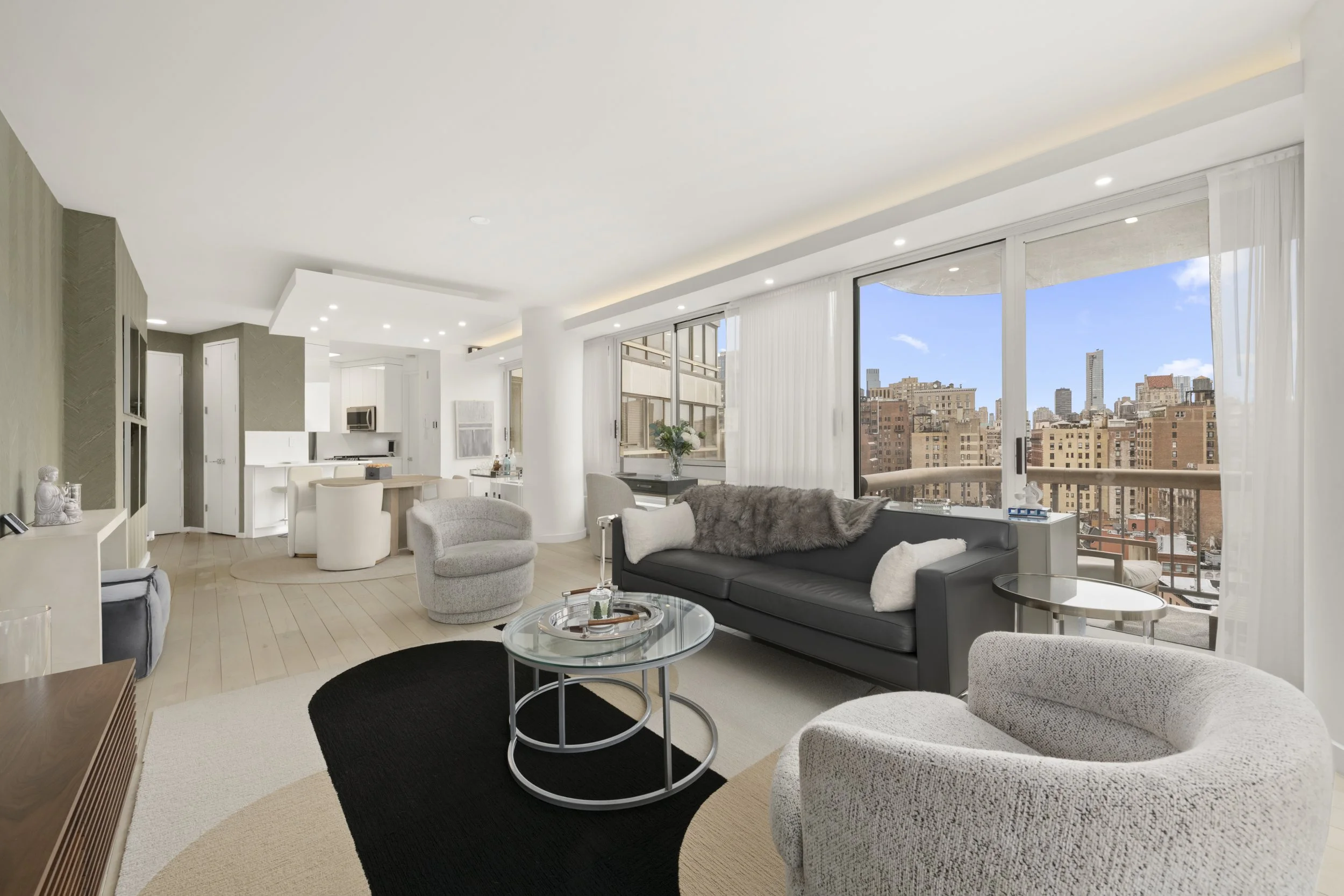
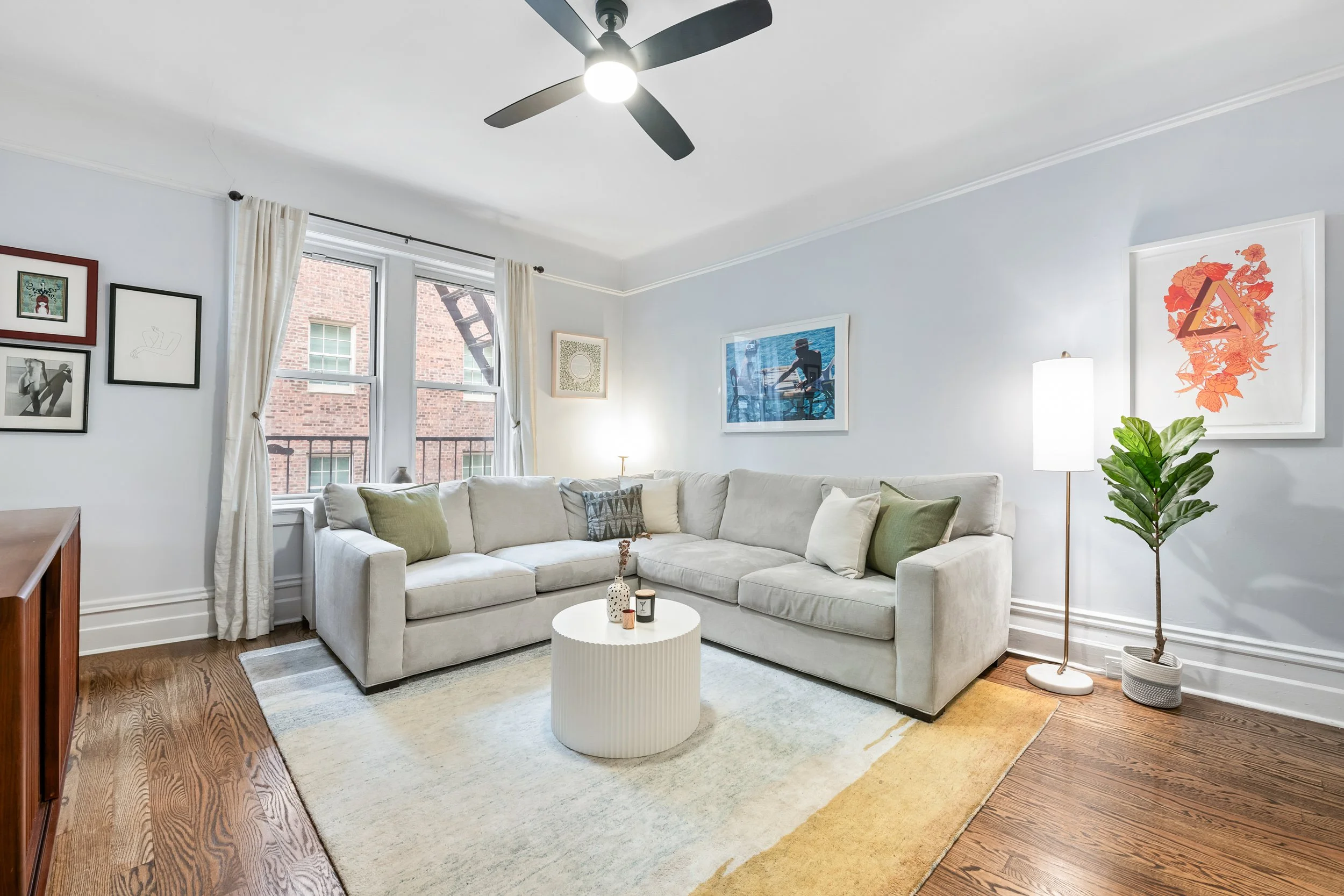
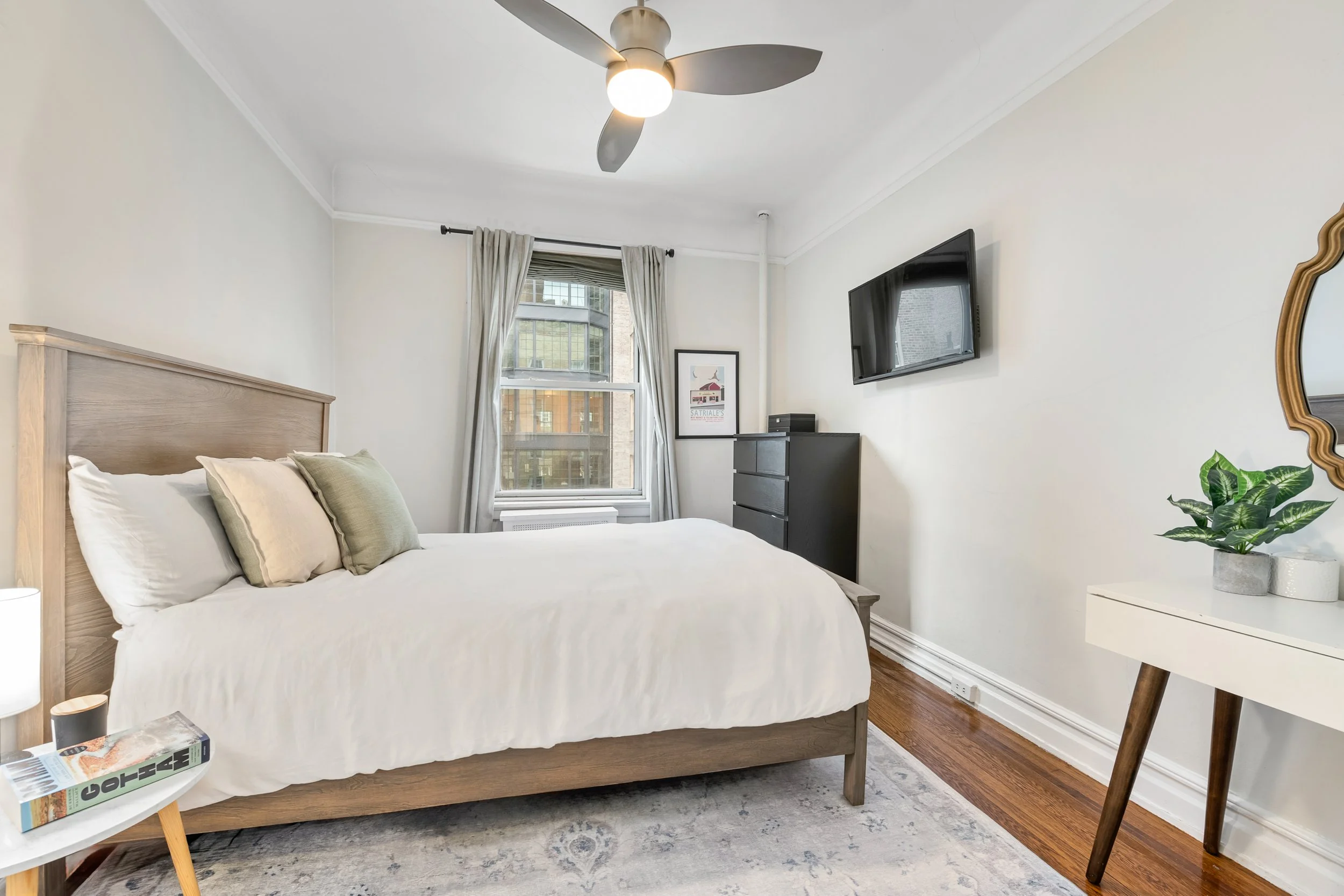
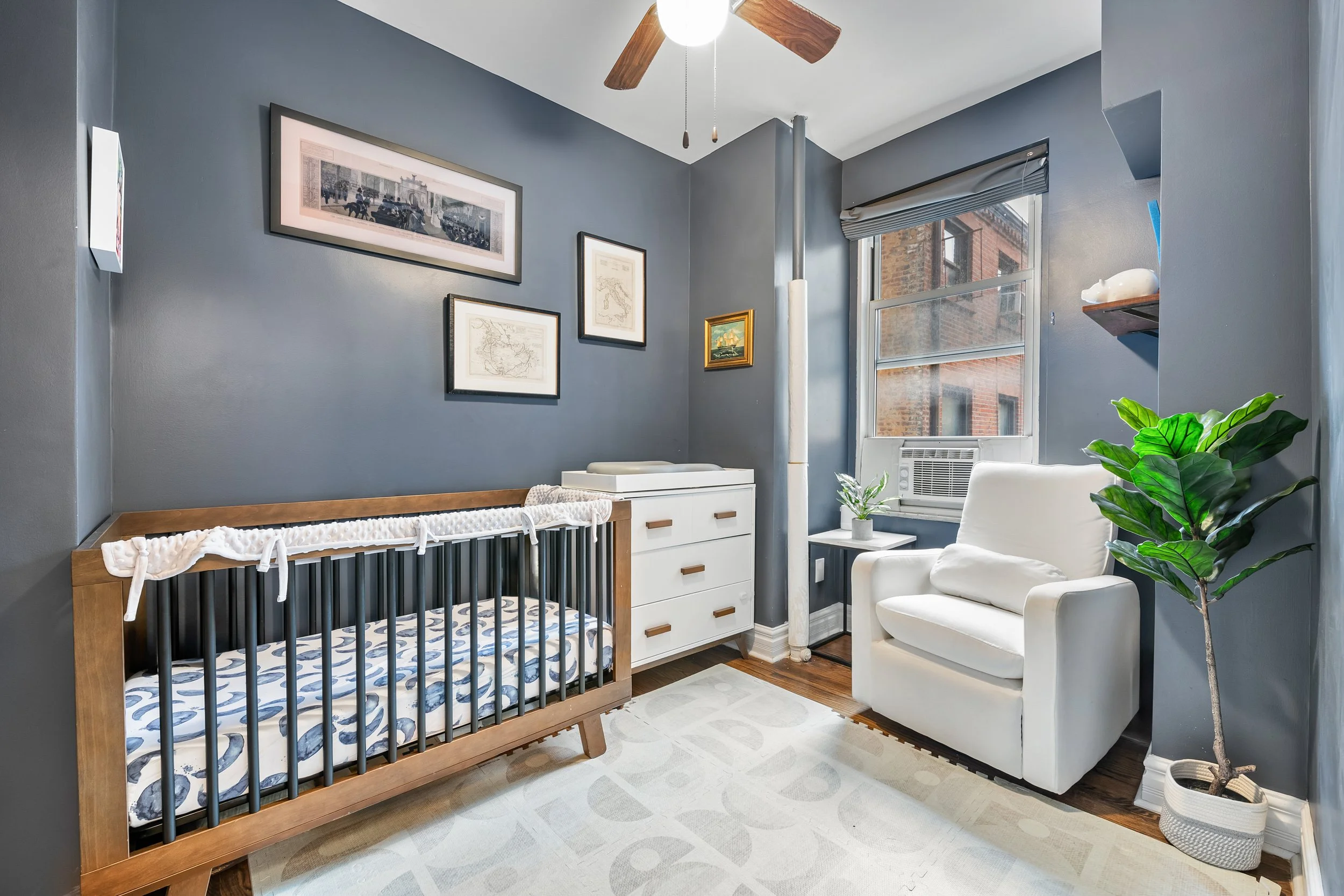
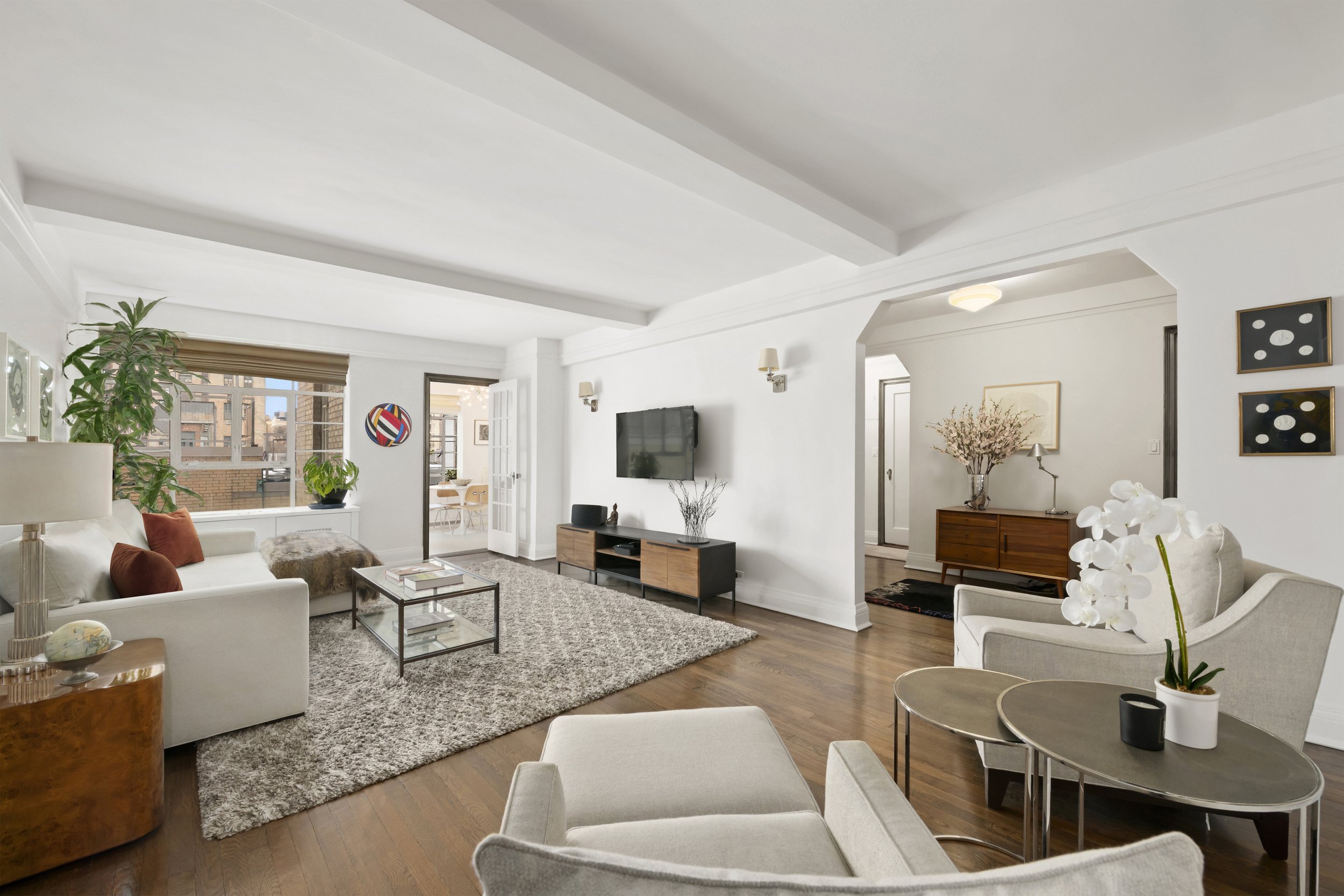
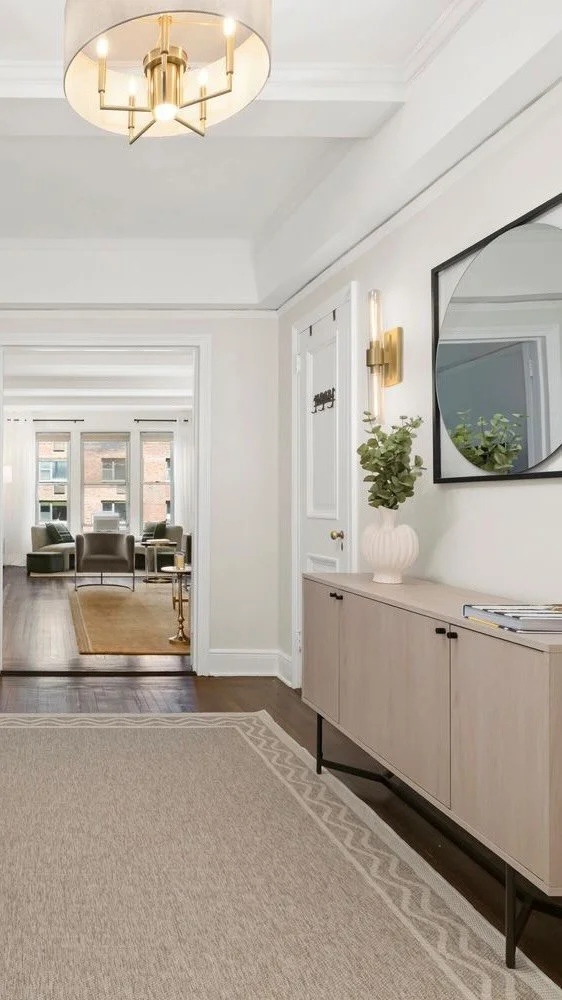
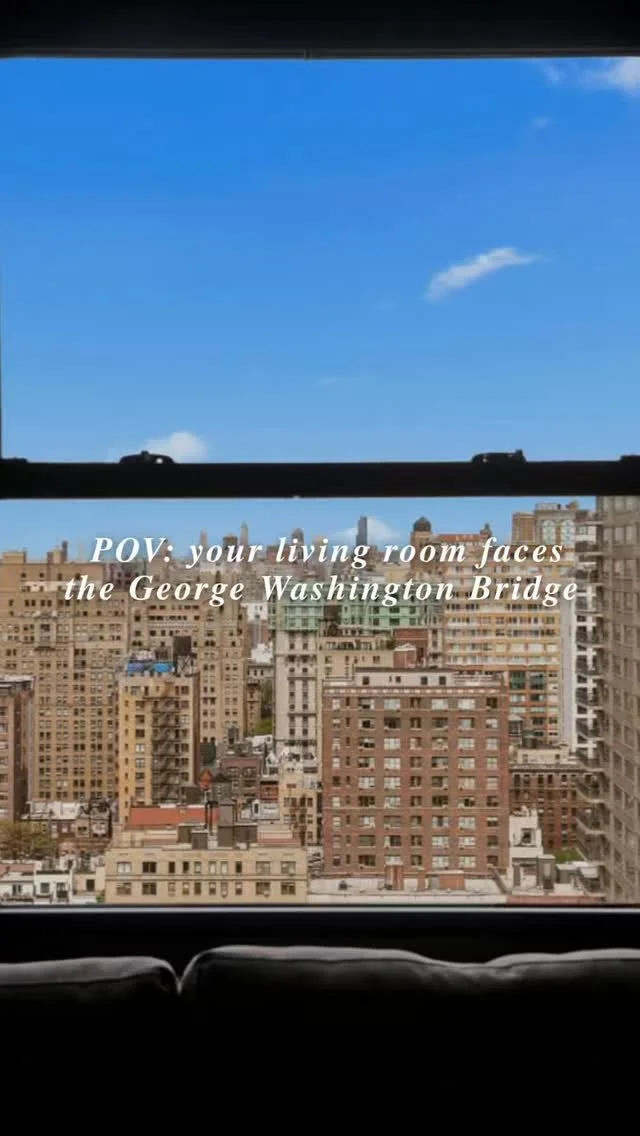
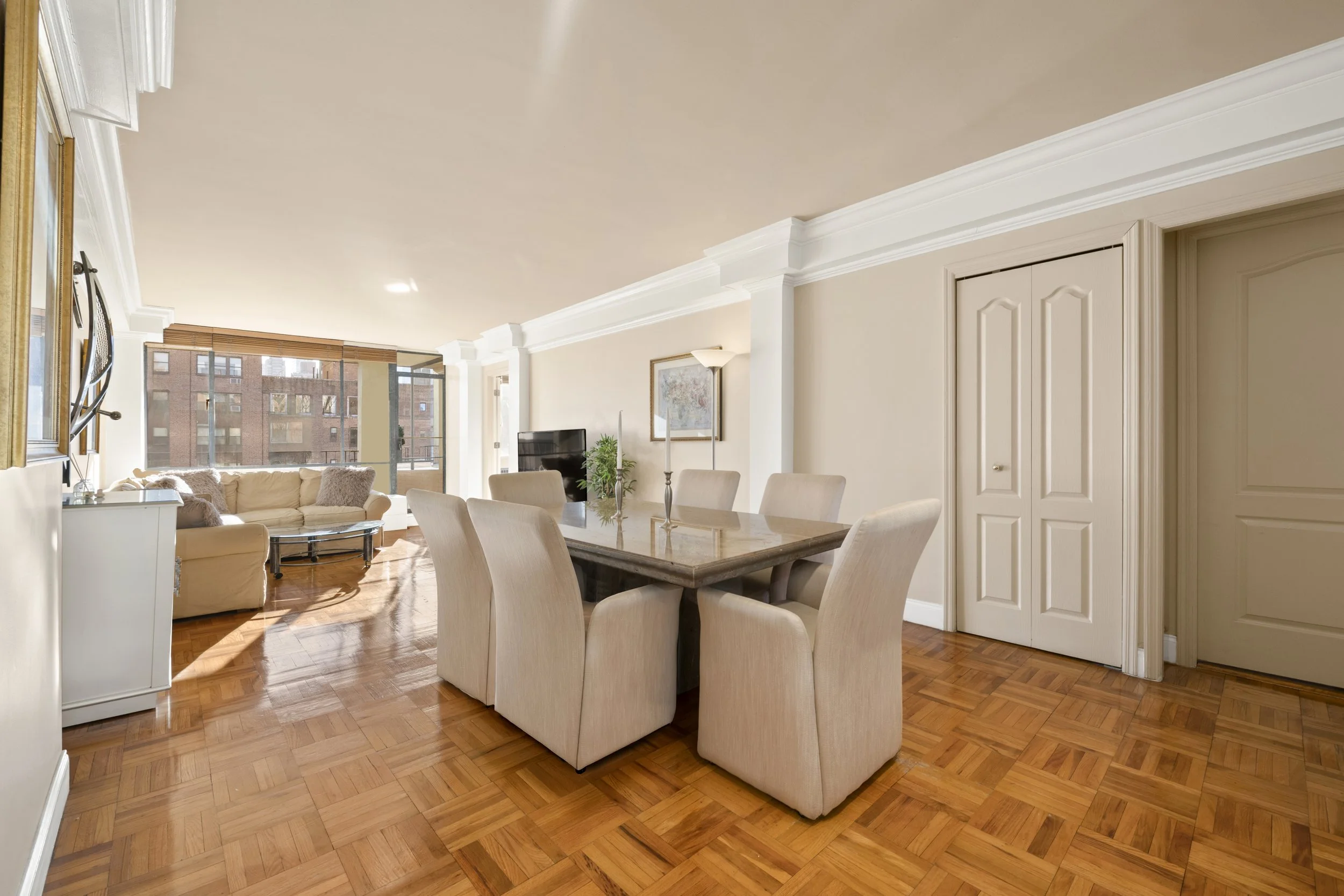
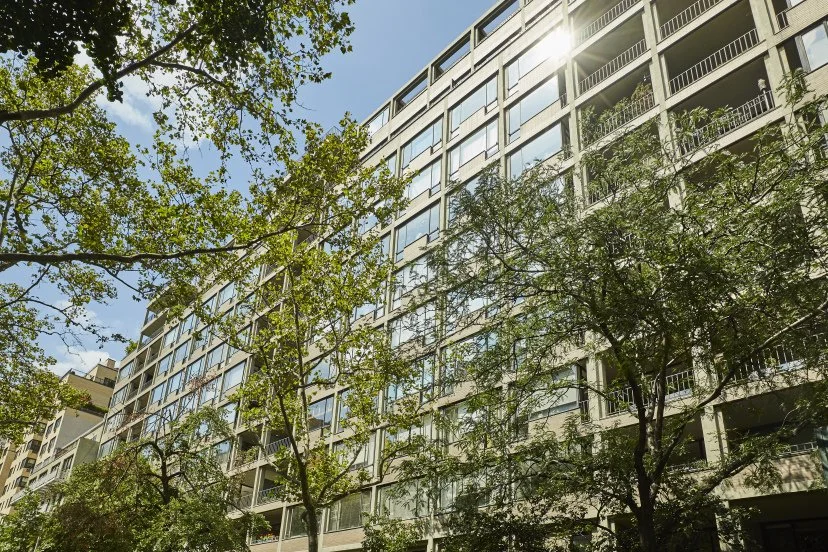
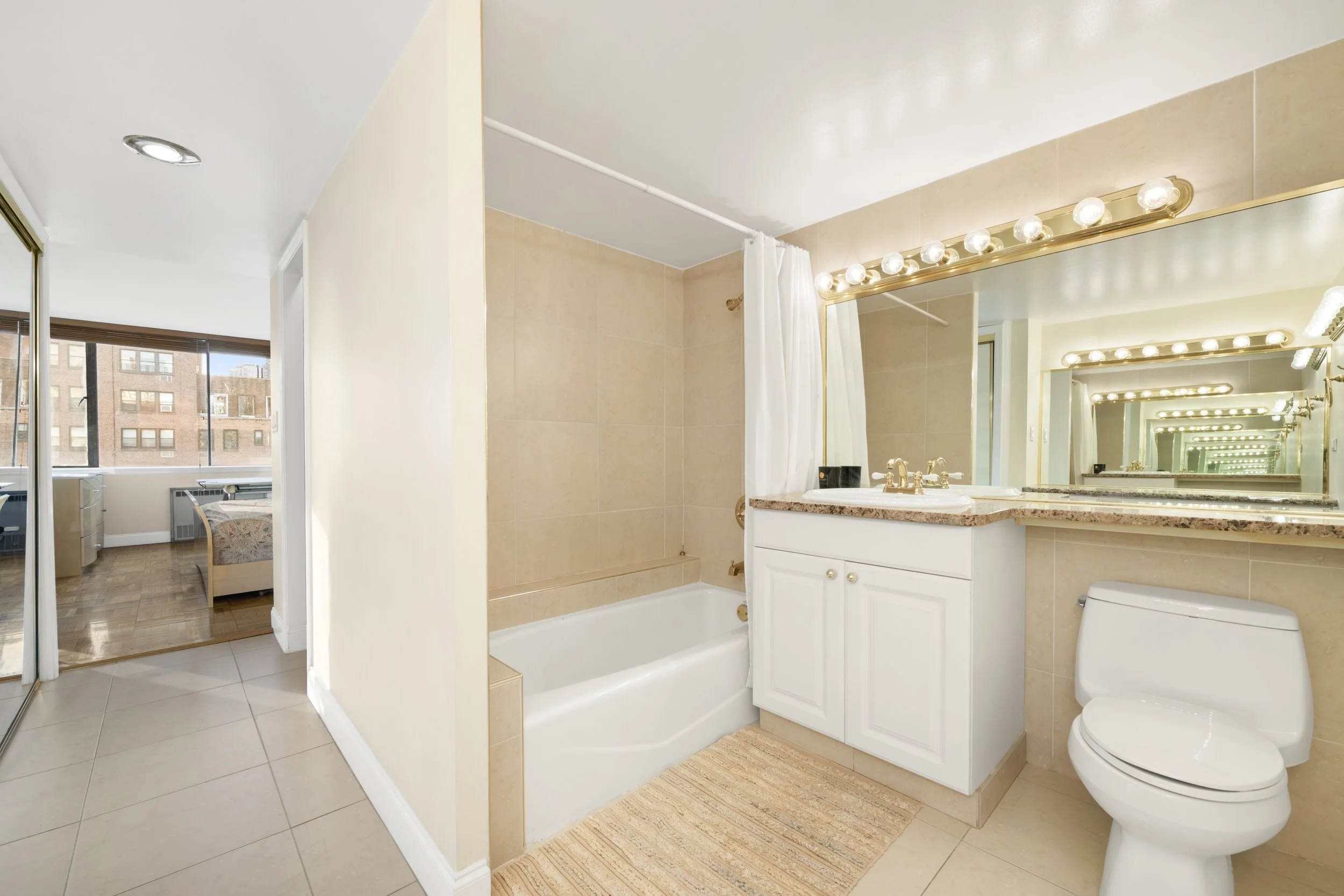
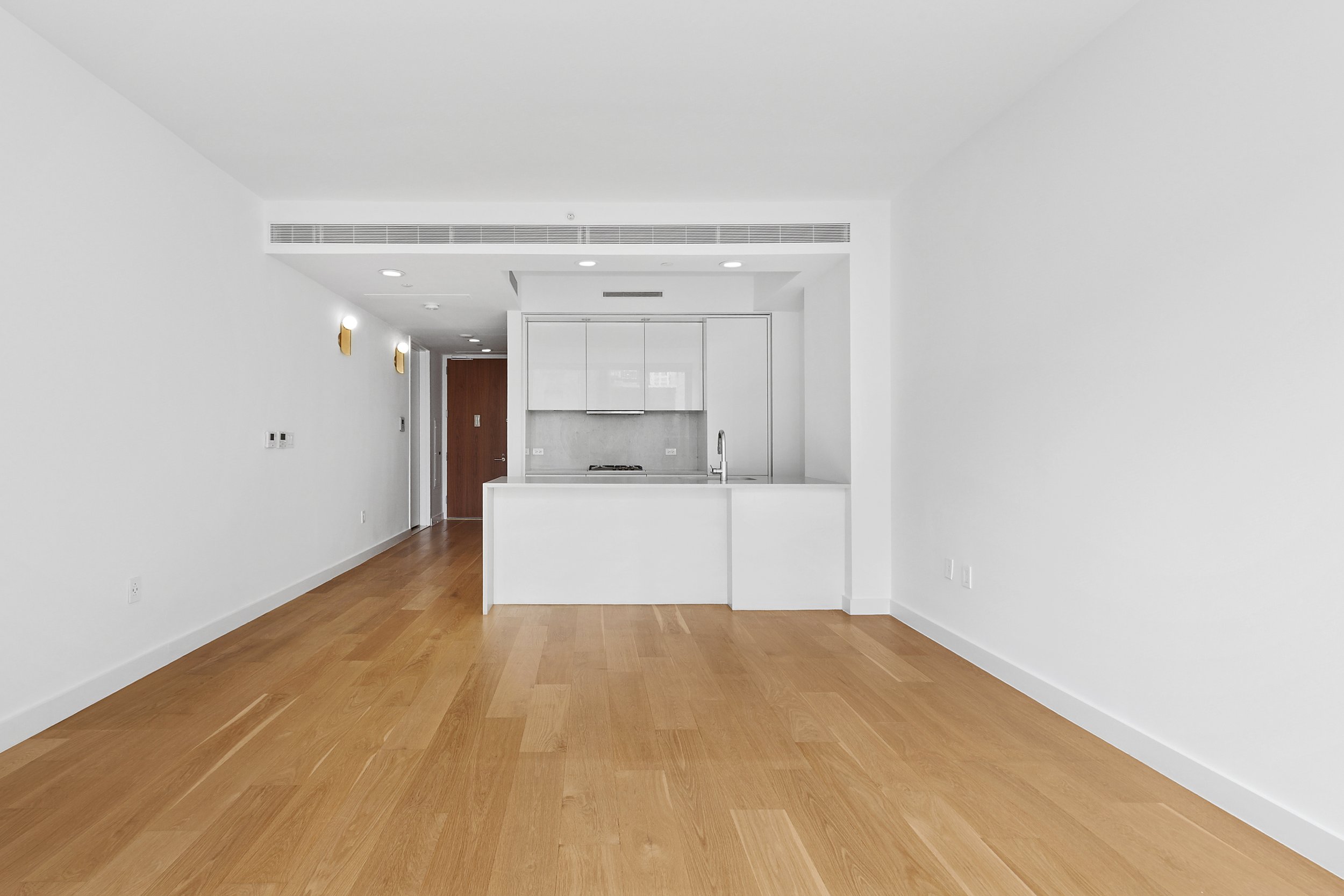
Welcome home to Residence 6W at 165 West 66th Street — a bright and generously proportioned corner residence offering exceptional space, flexible living, and a private terrace in the heart of the Upper West Side.

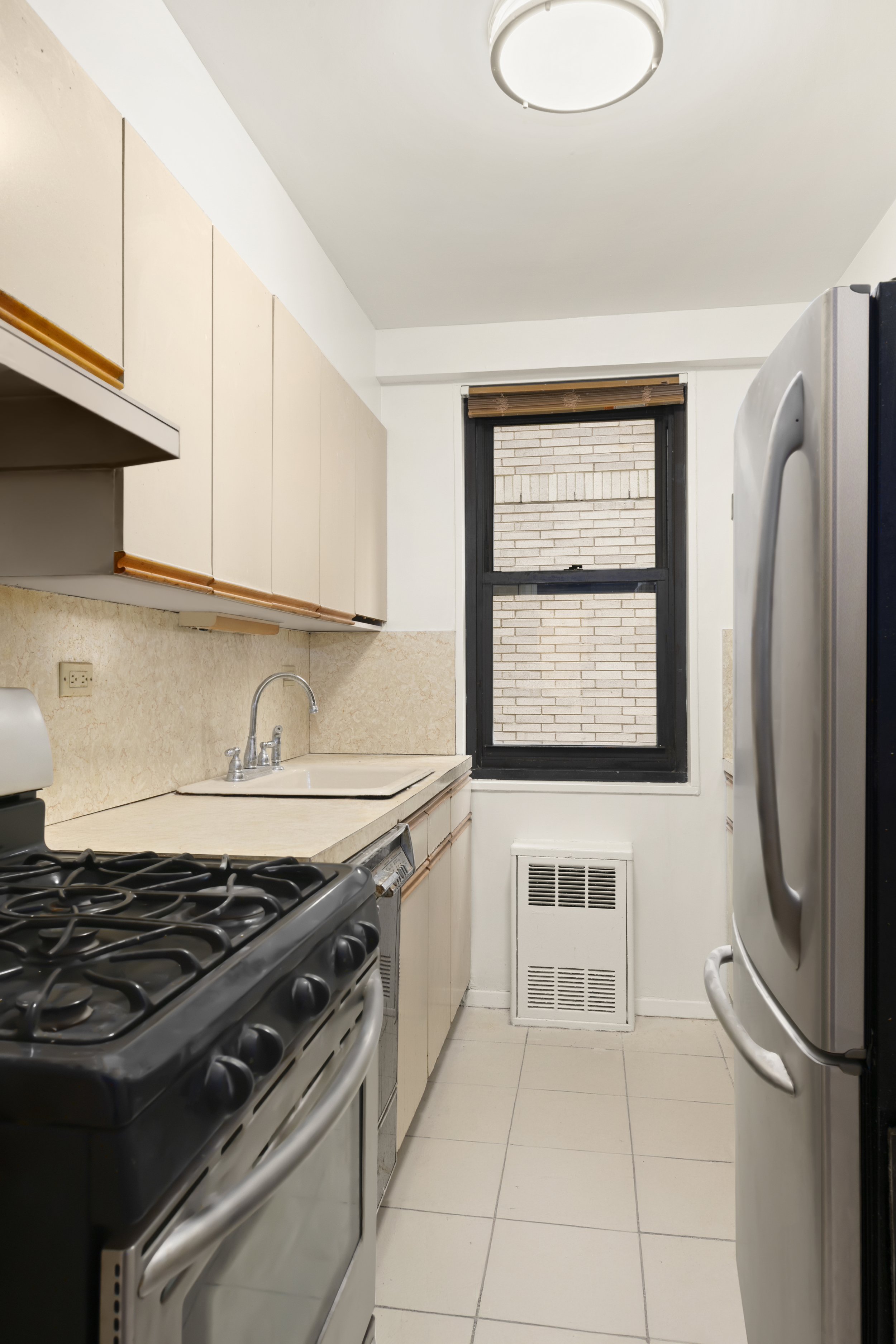
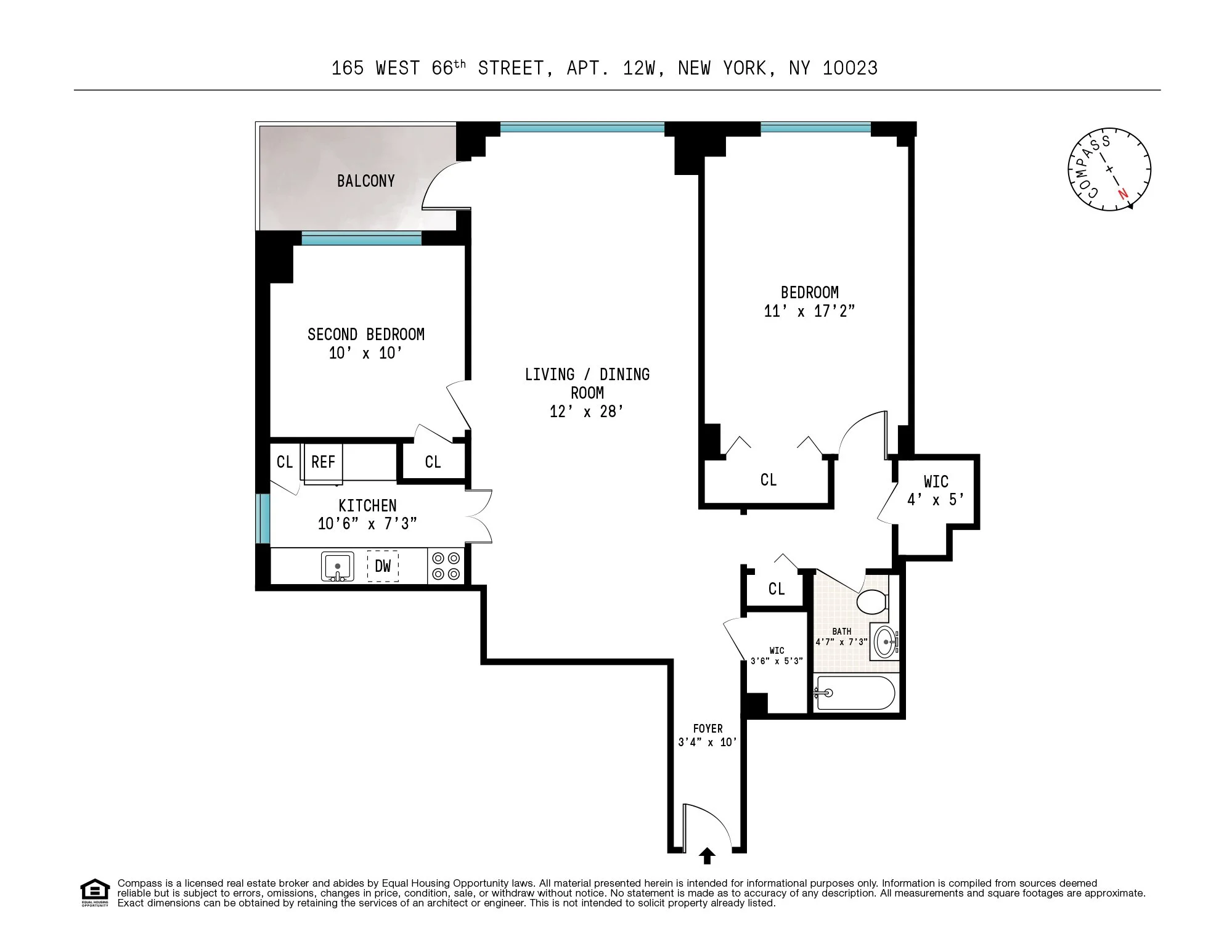
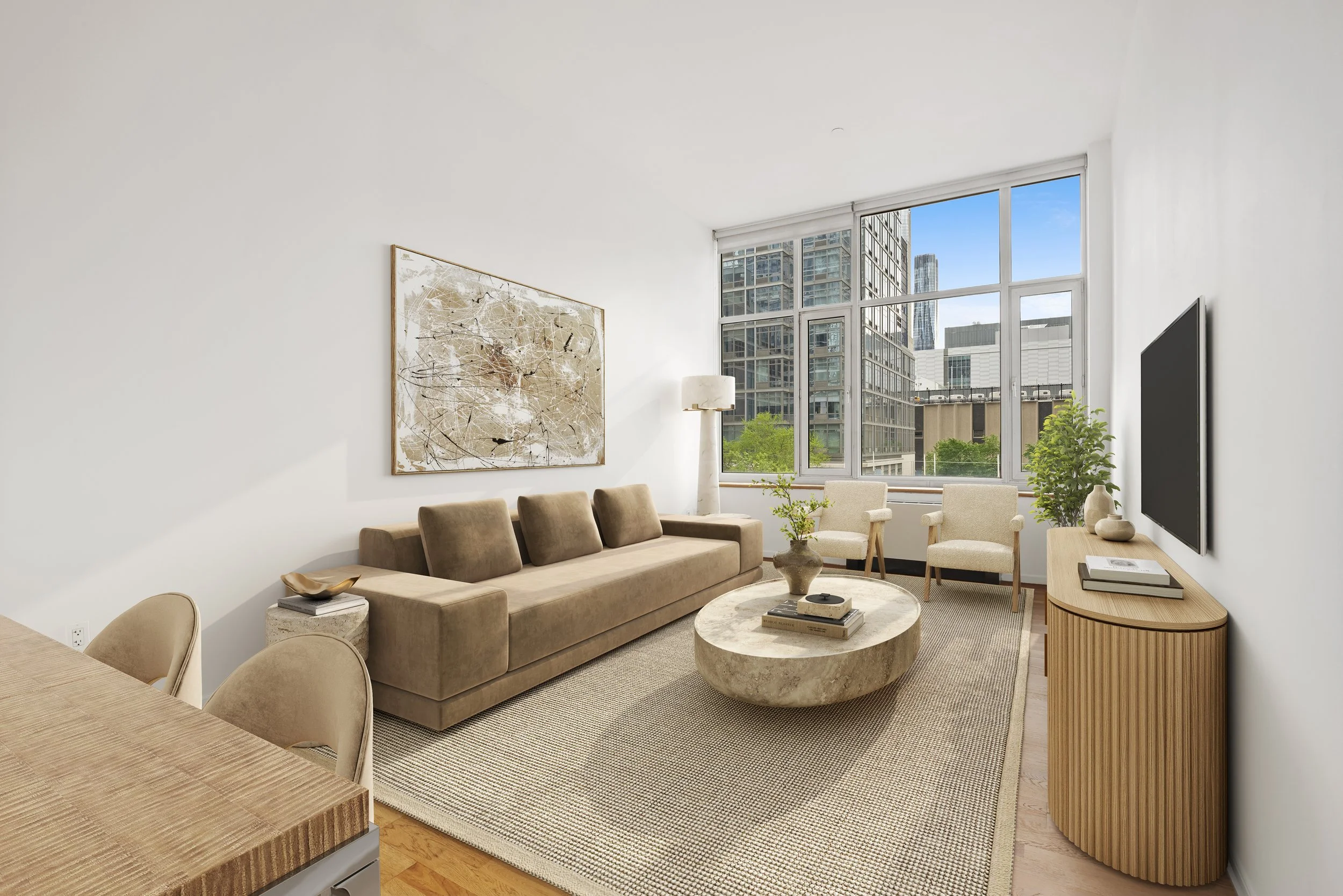
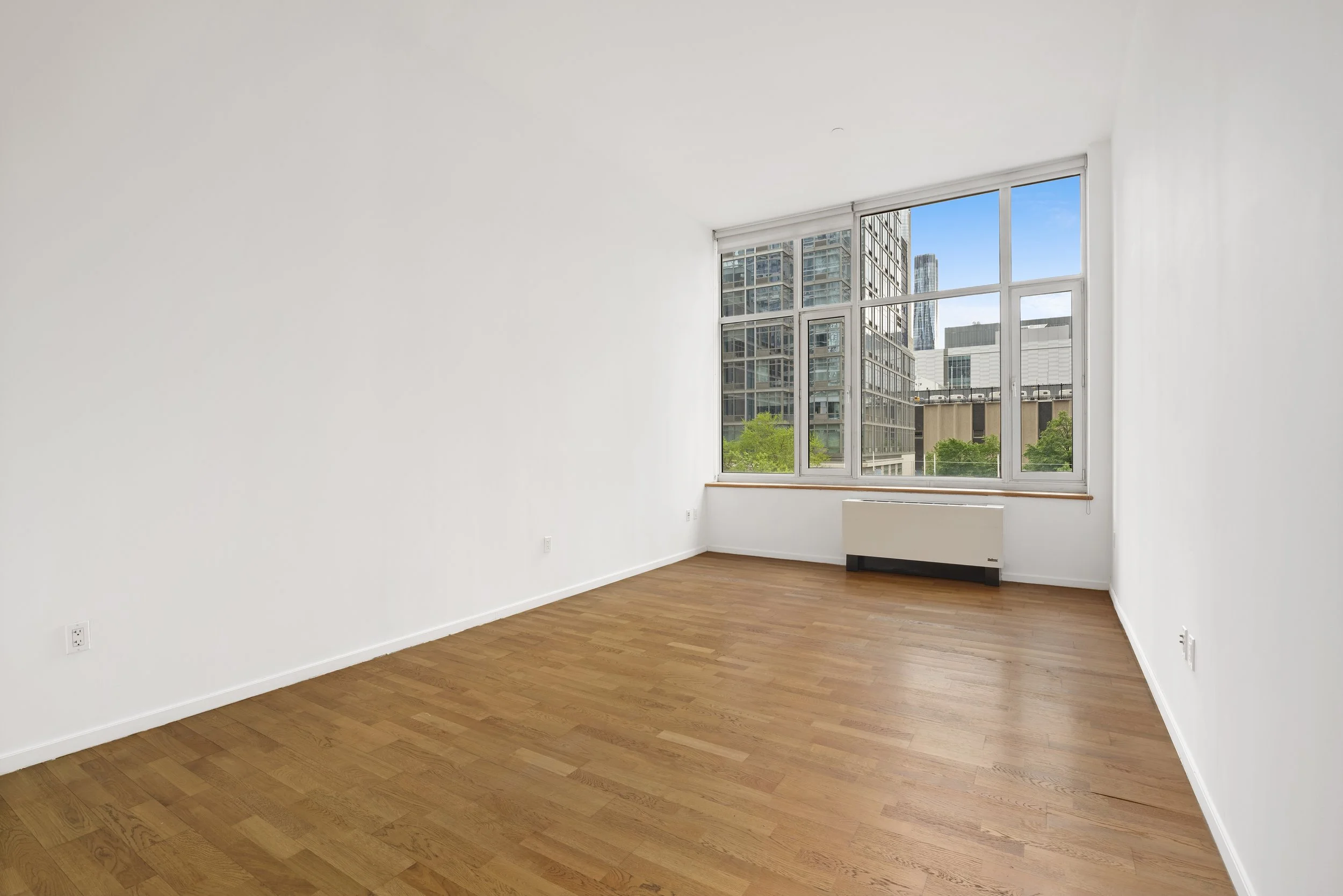
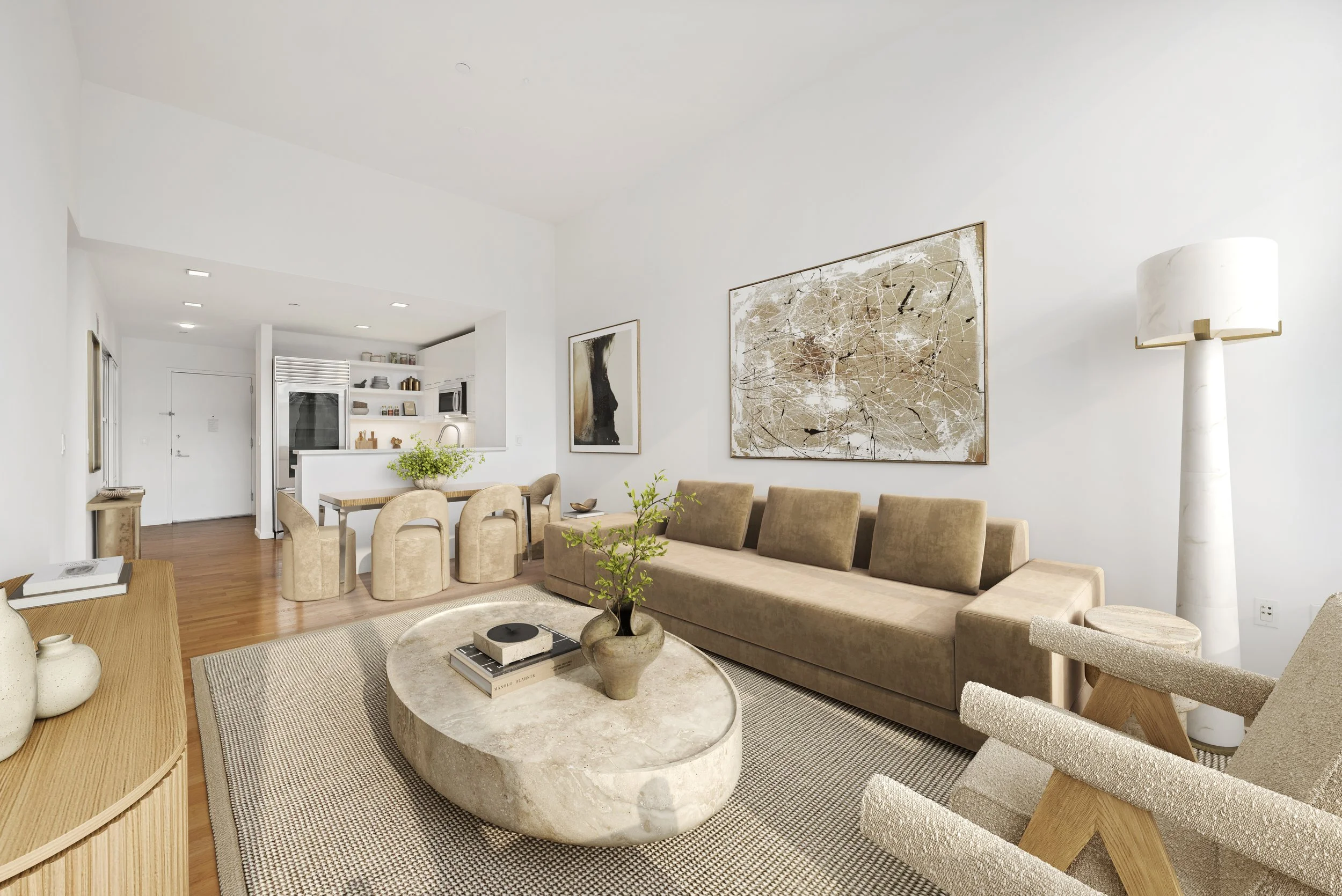
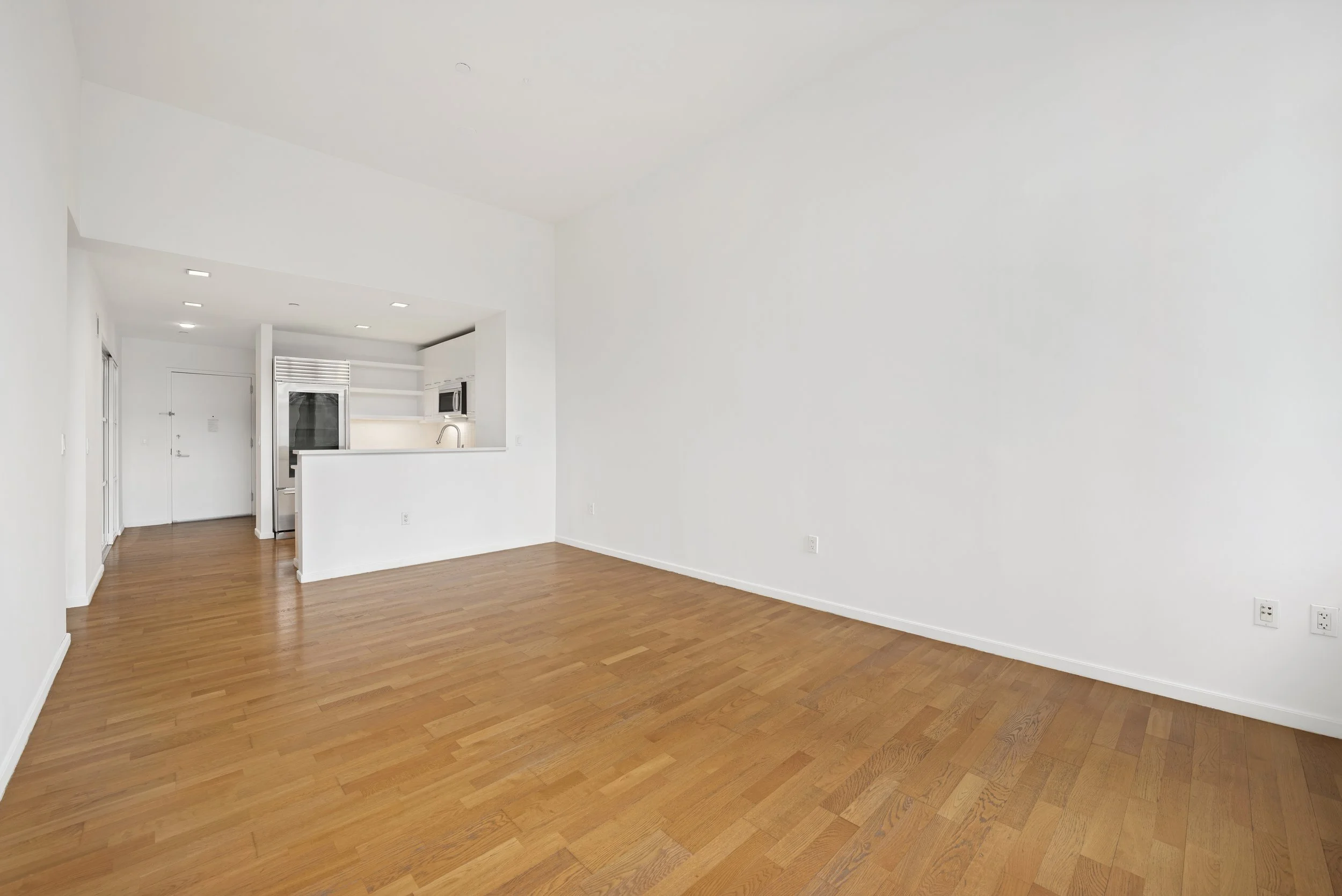
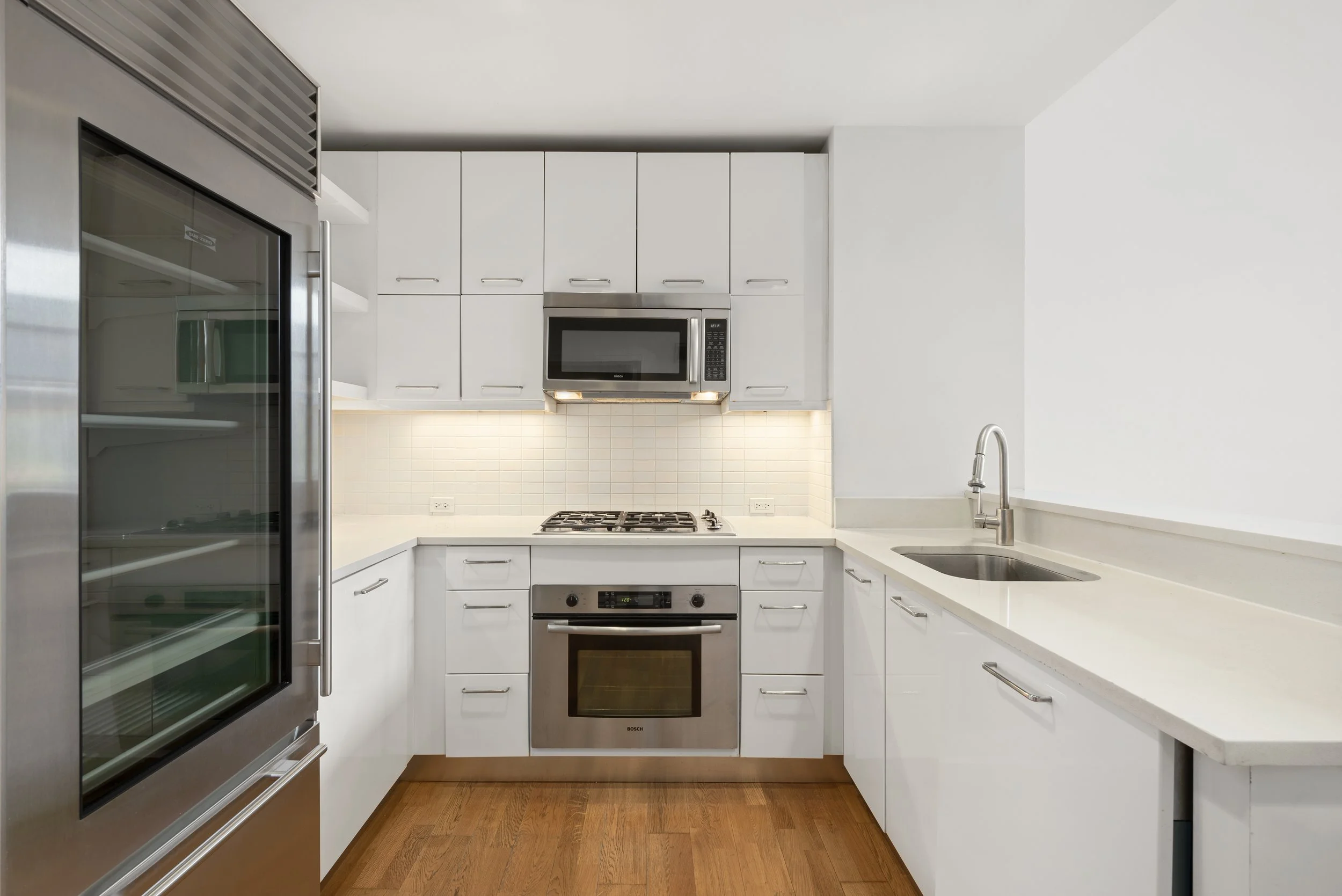
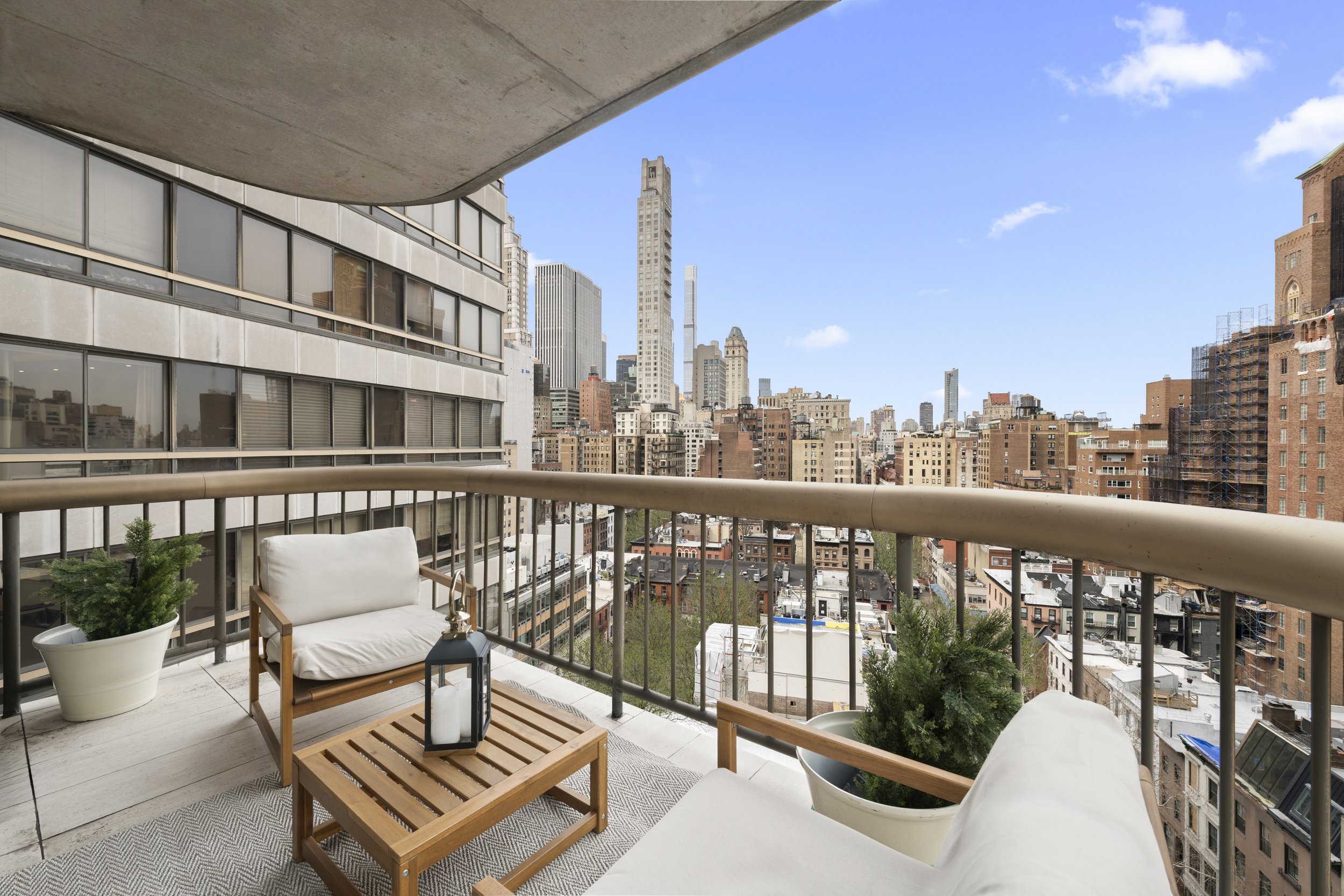
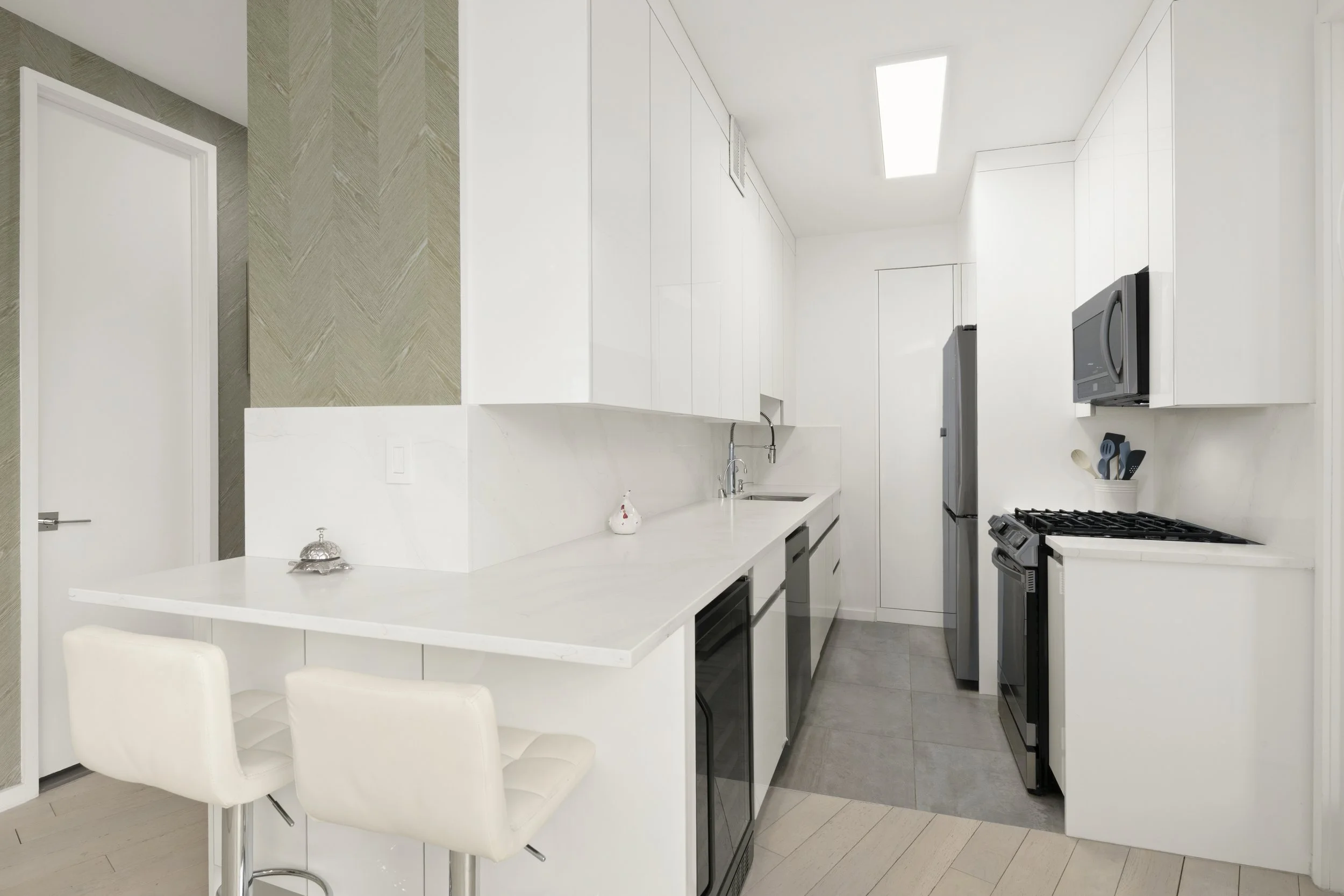
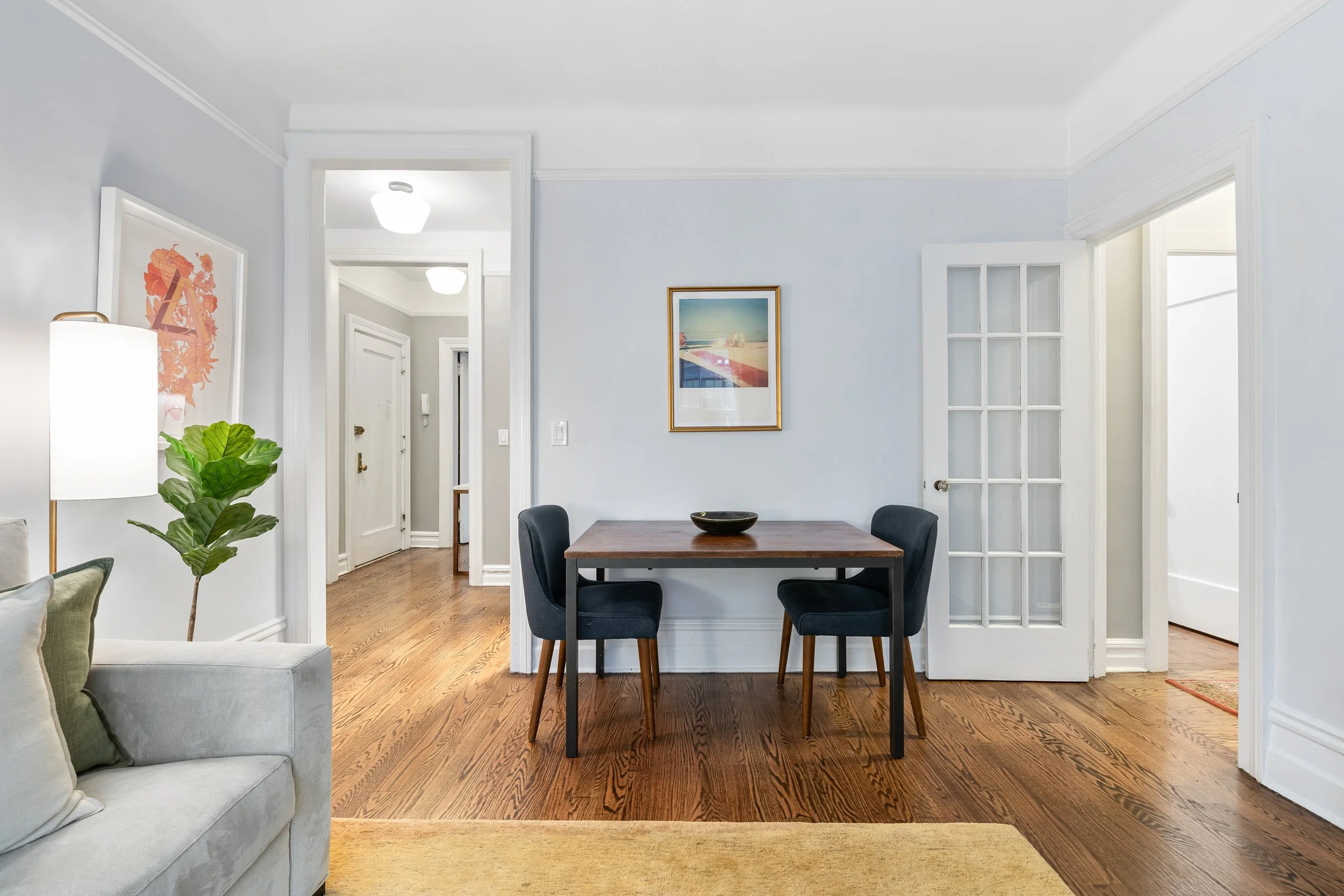
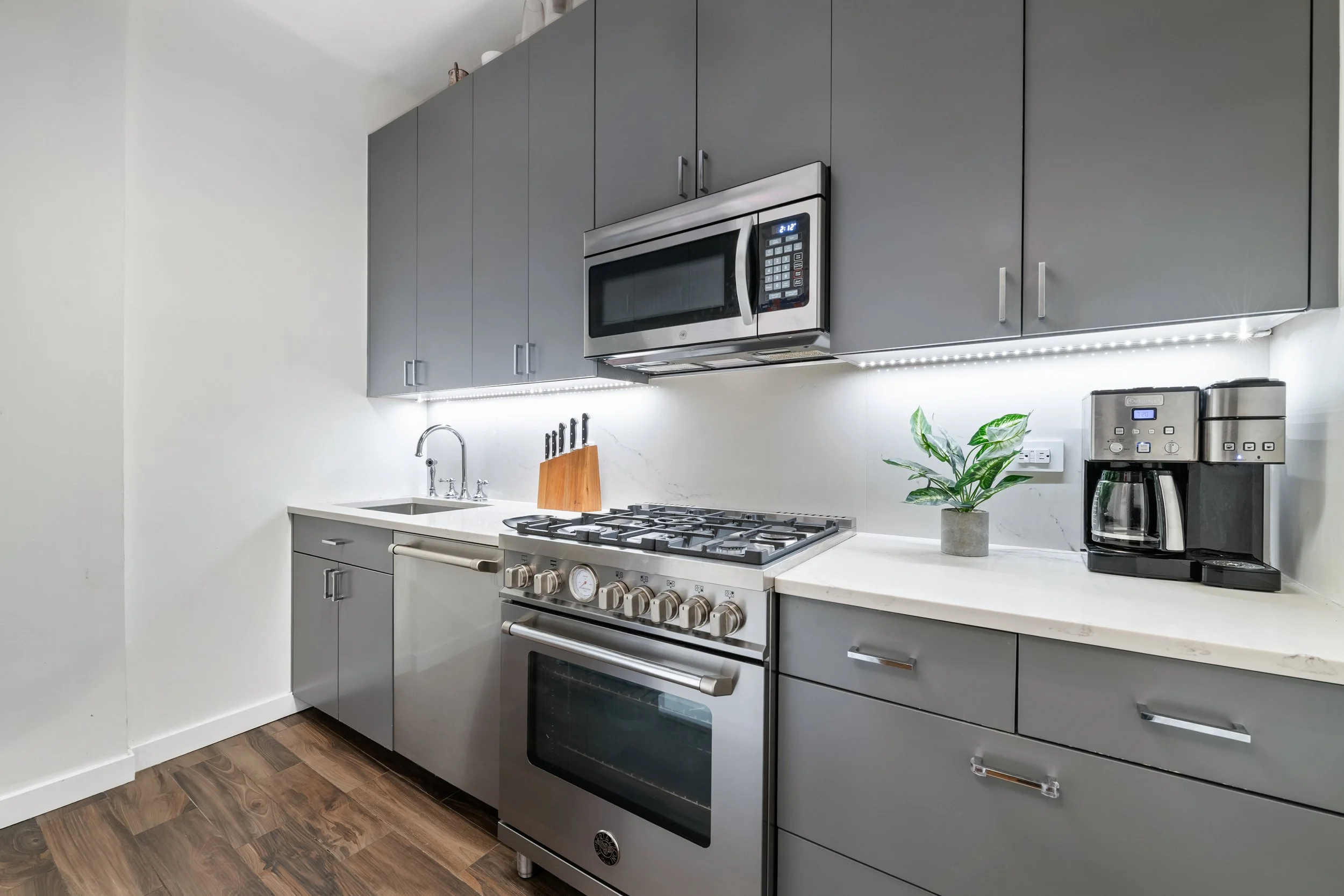
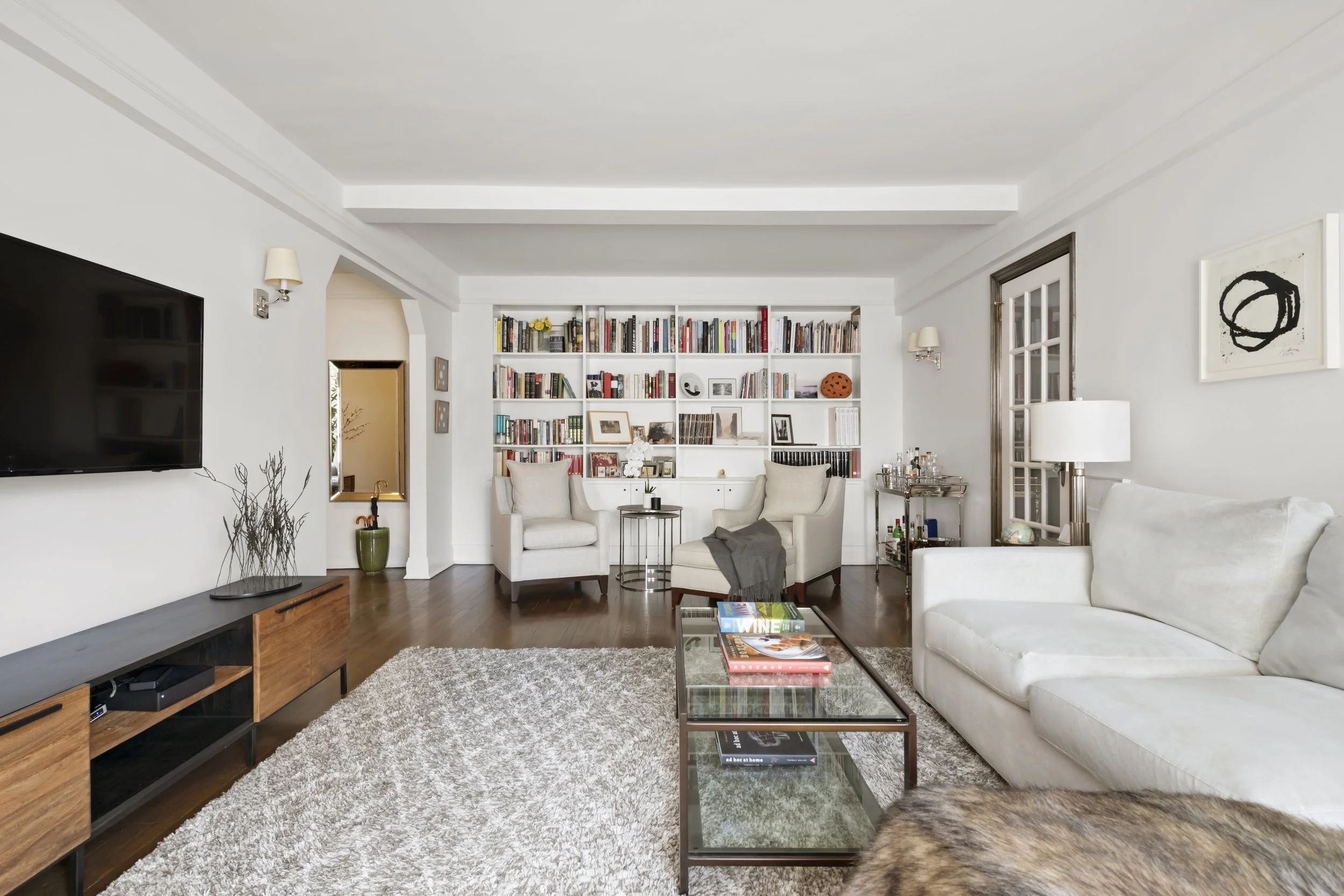
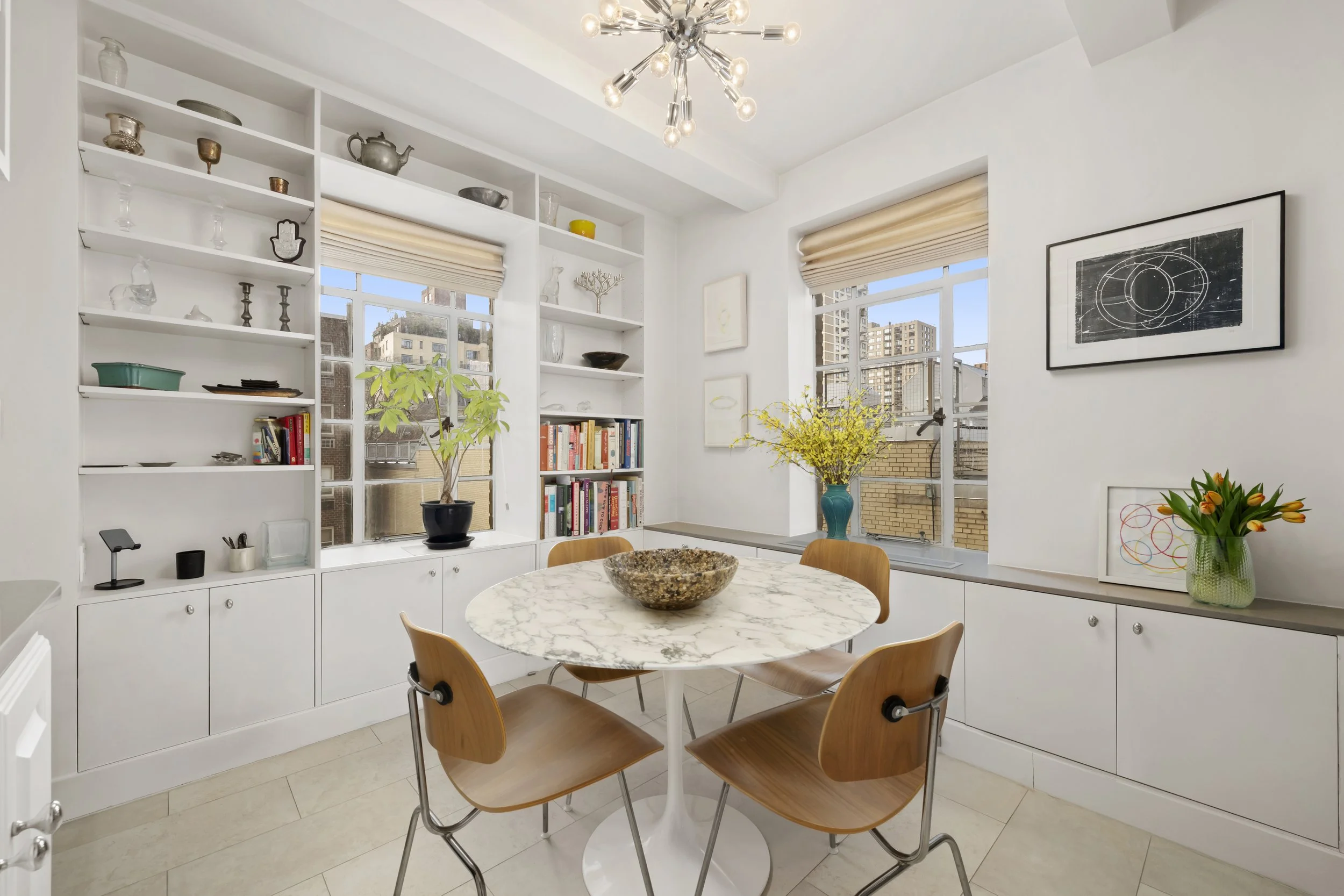
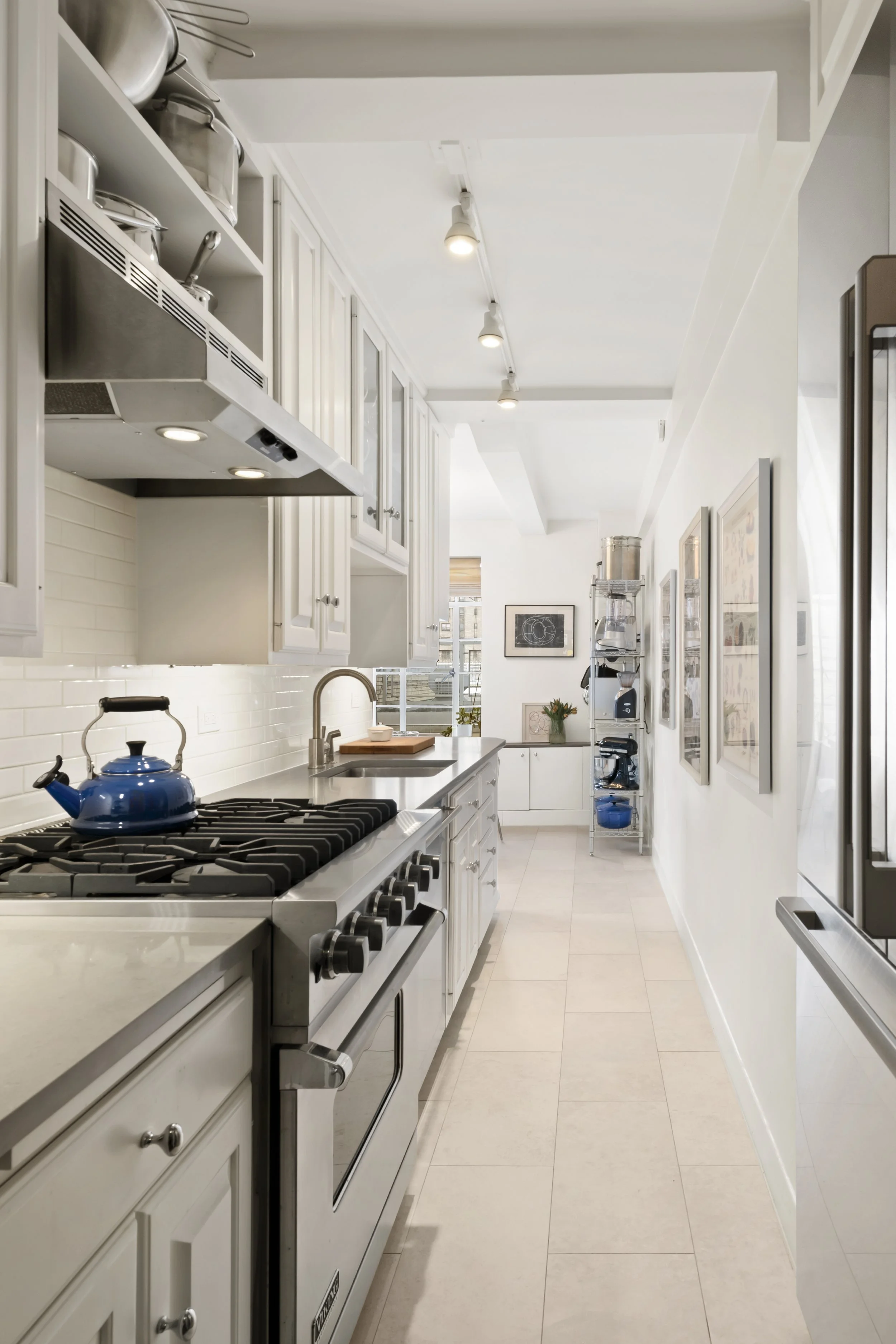
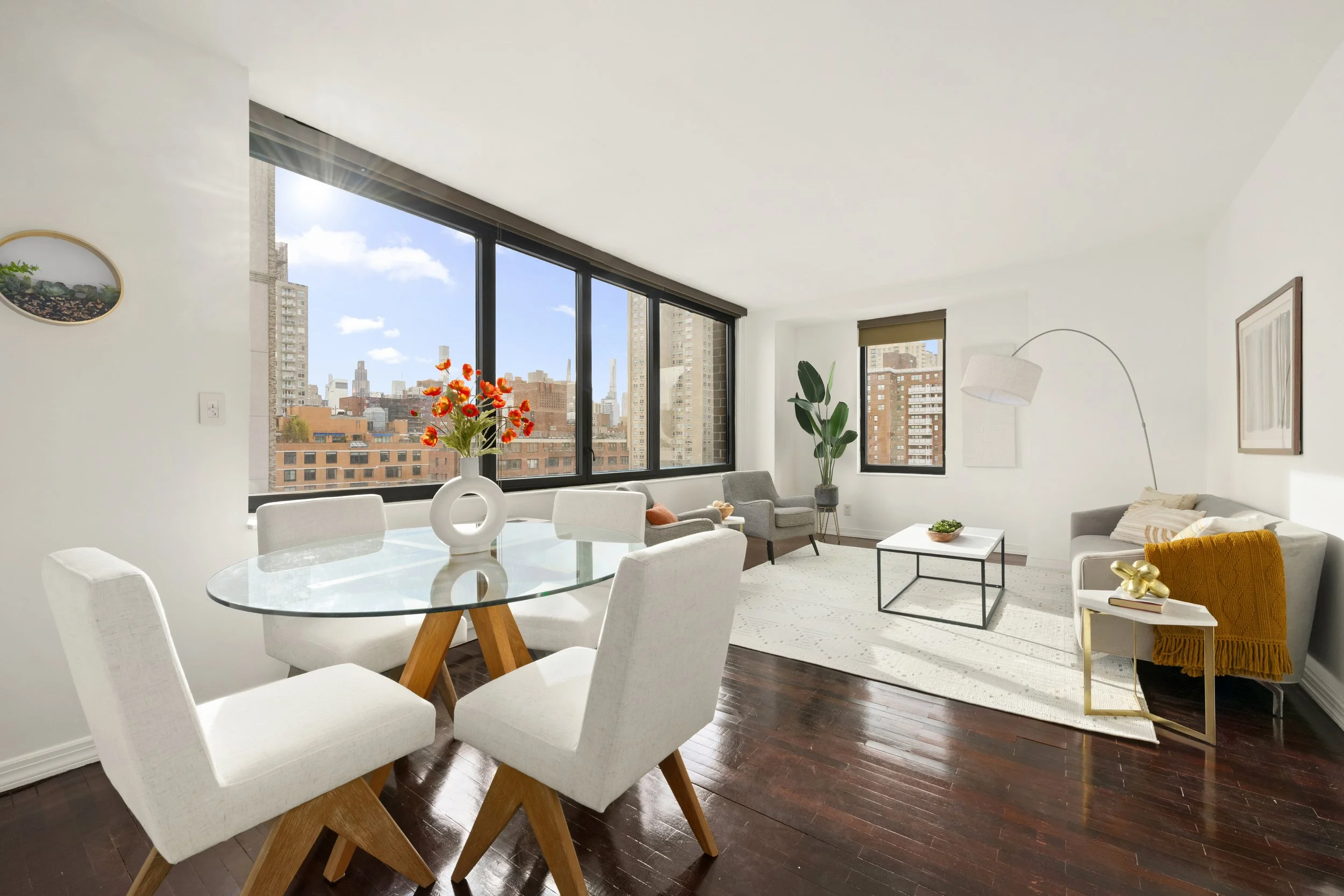
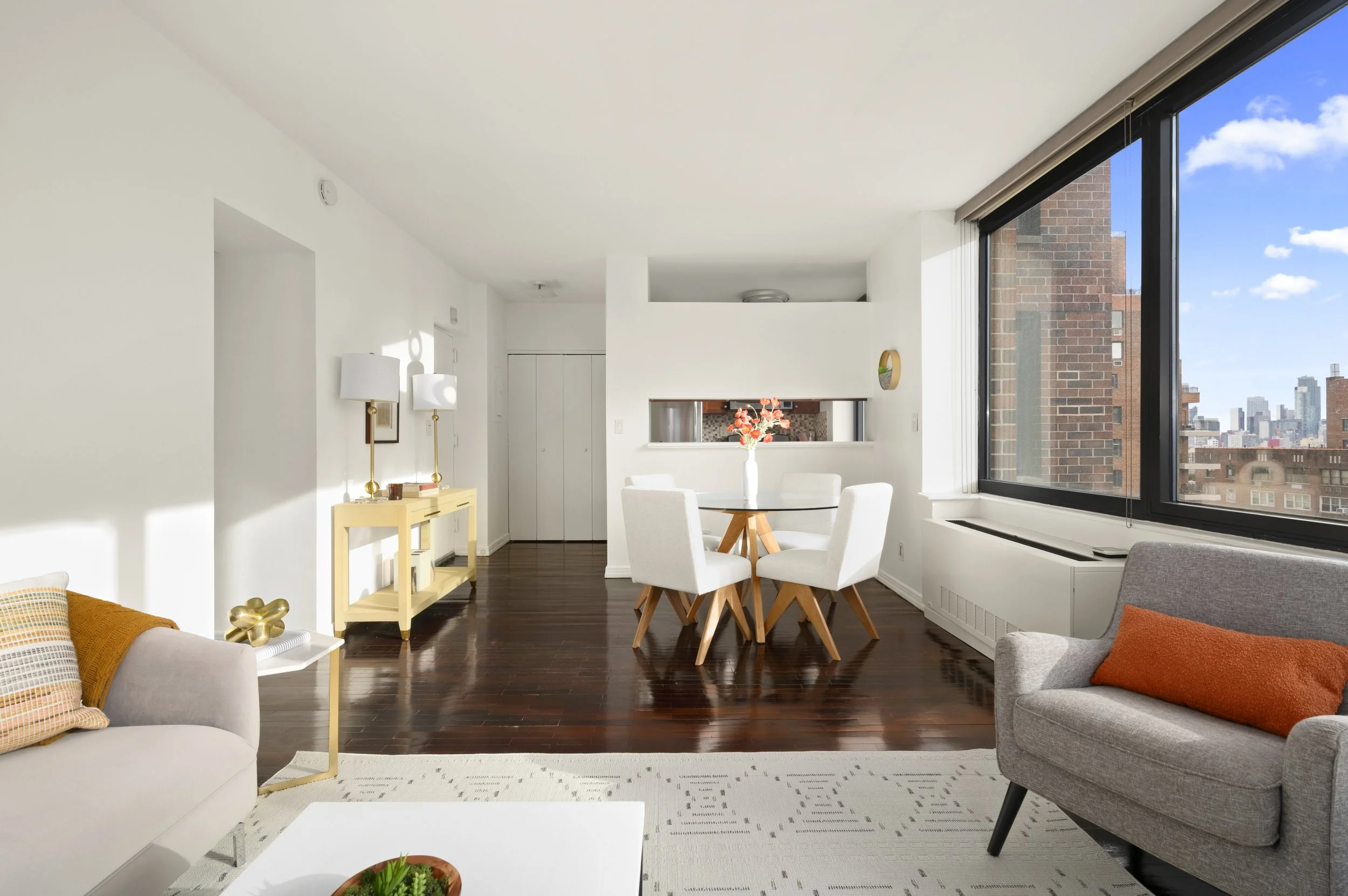
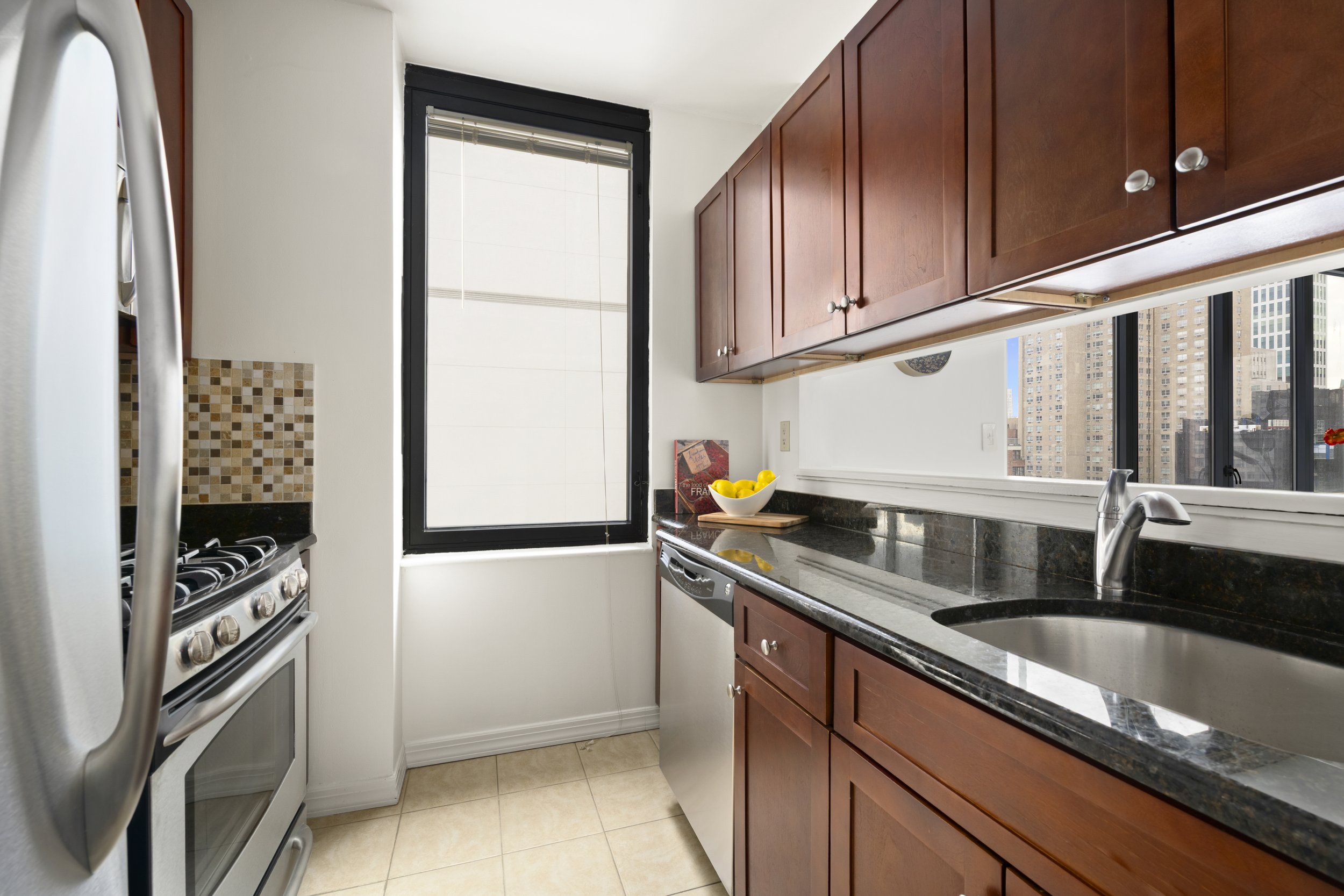
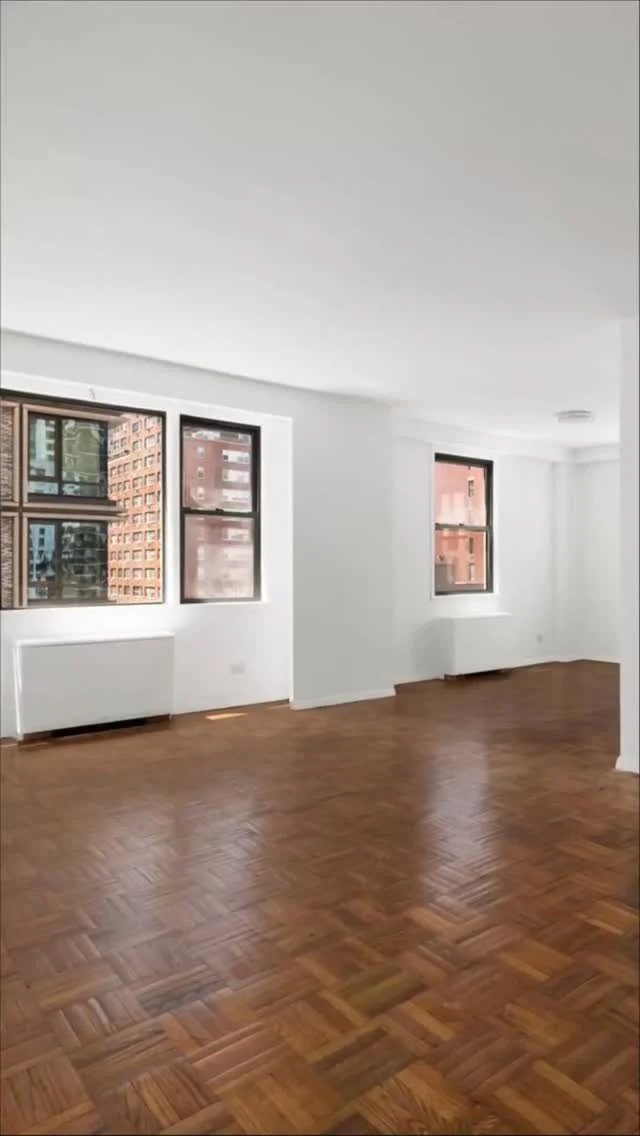
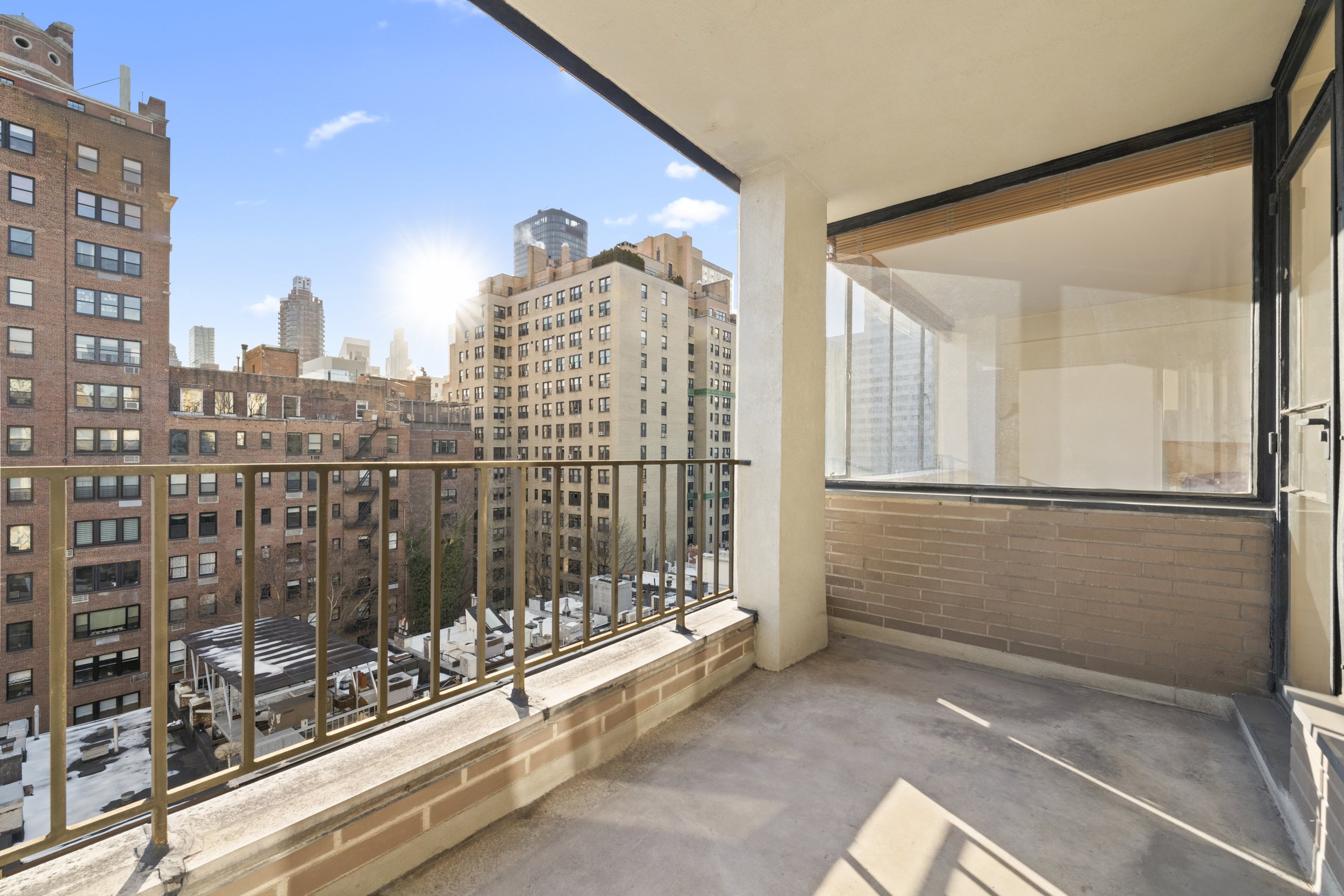
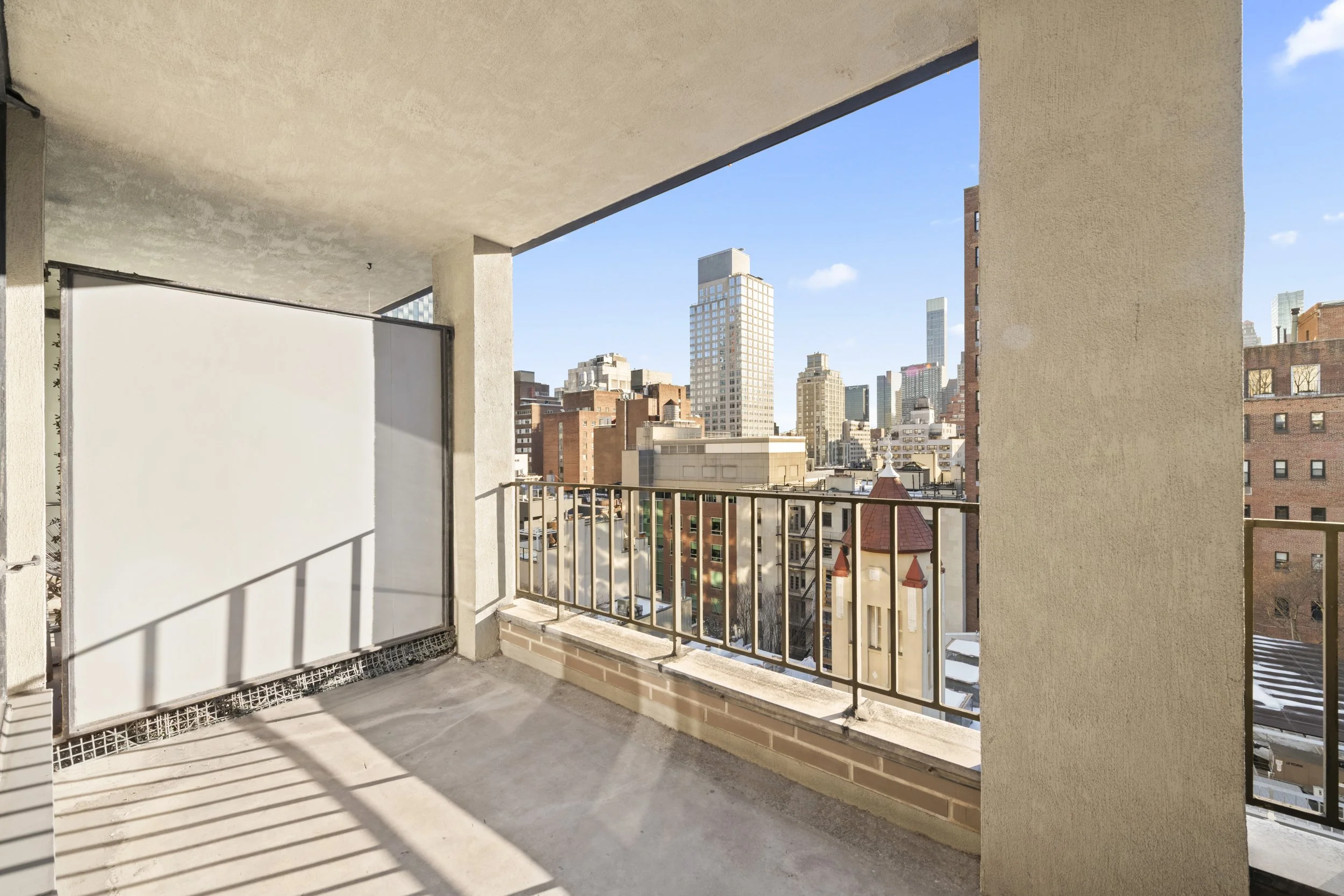
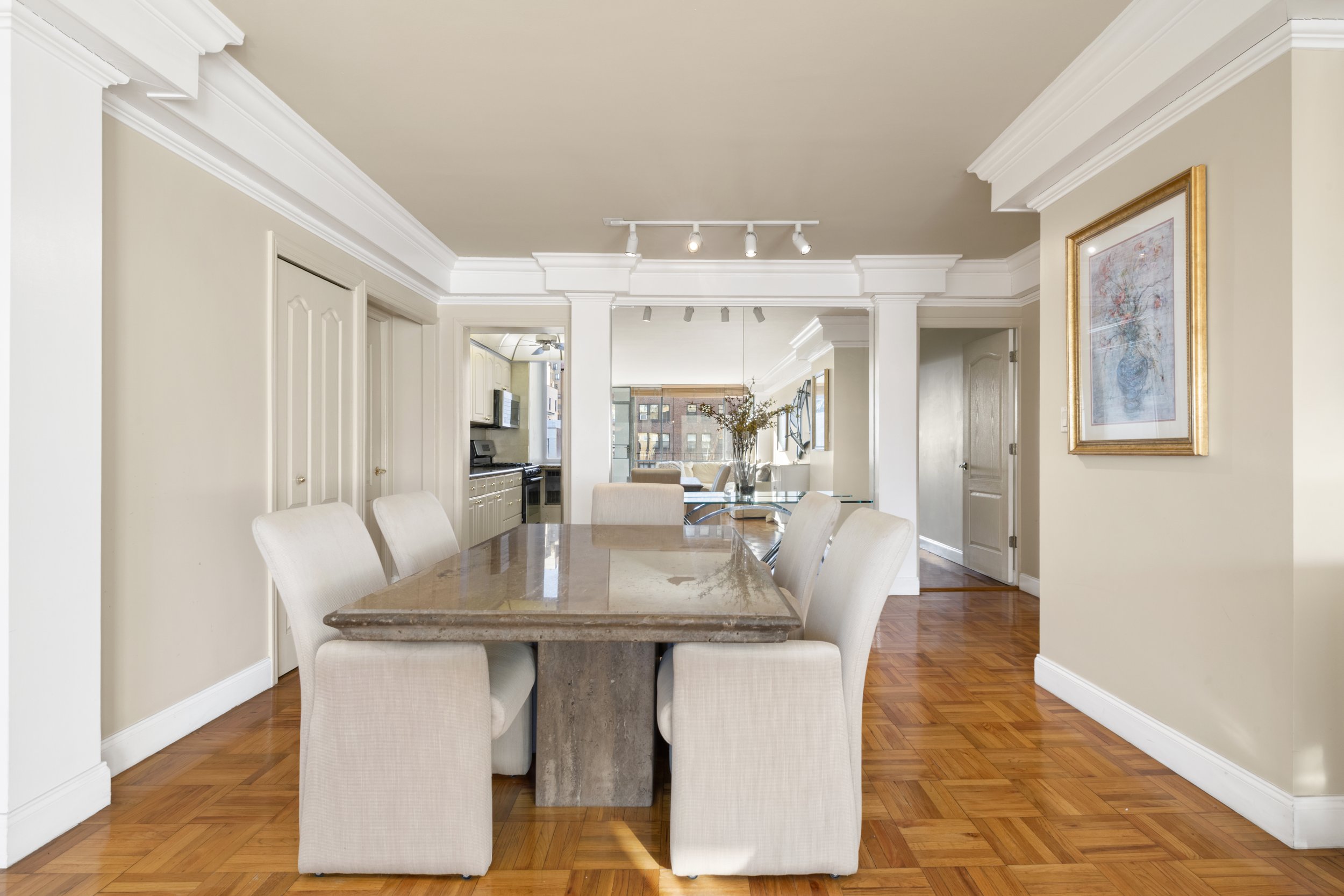
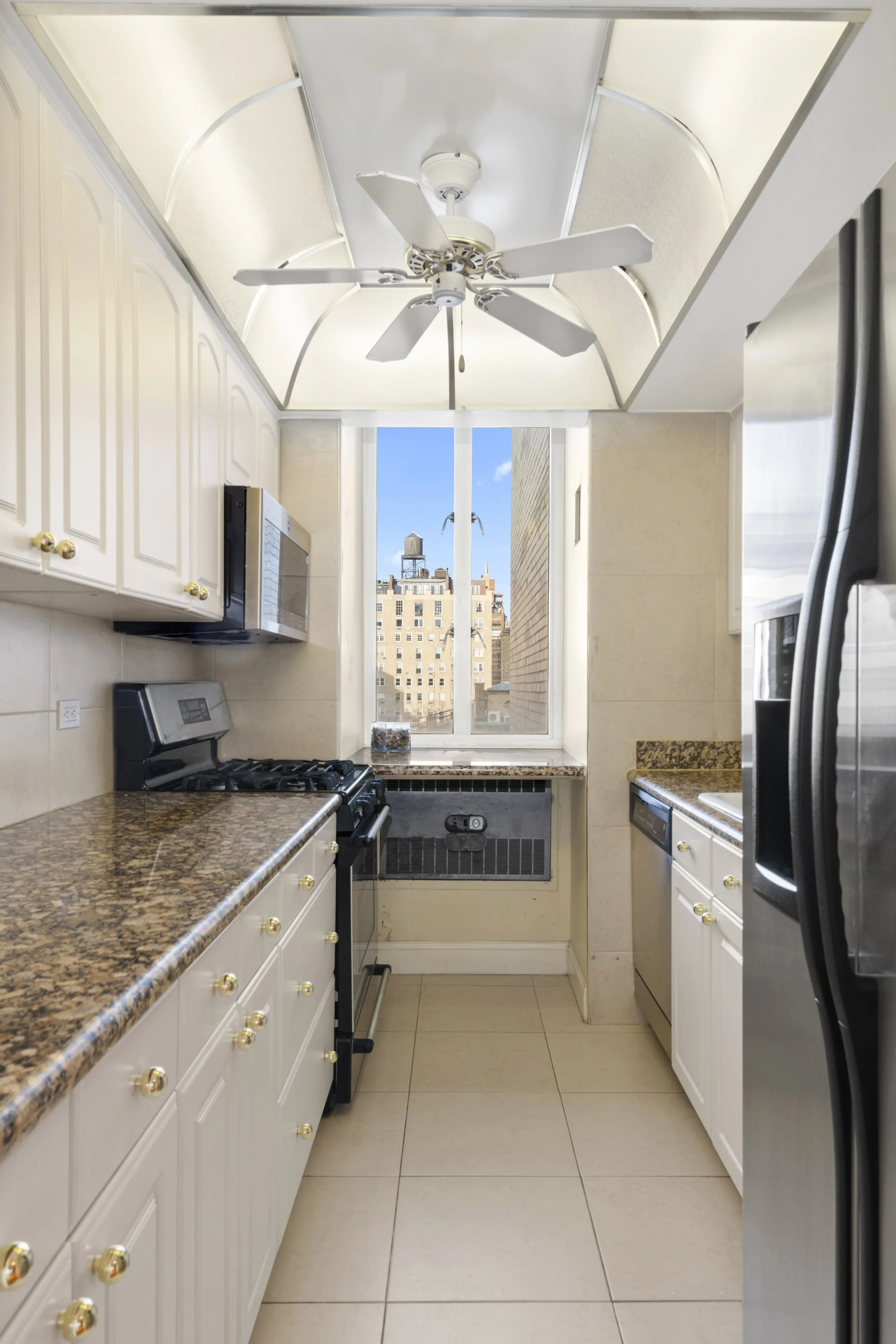
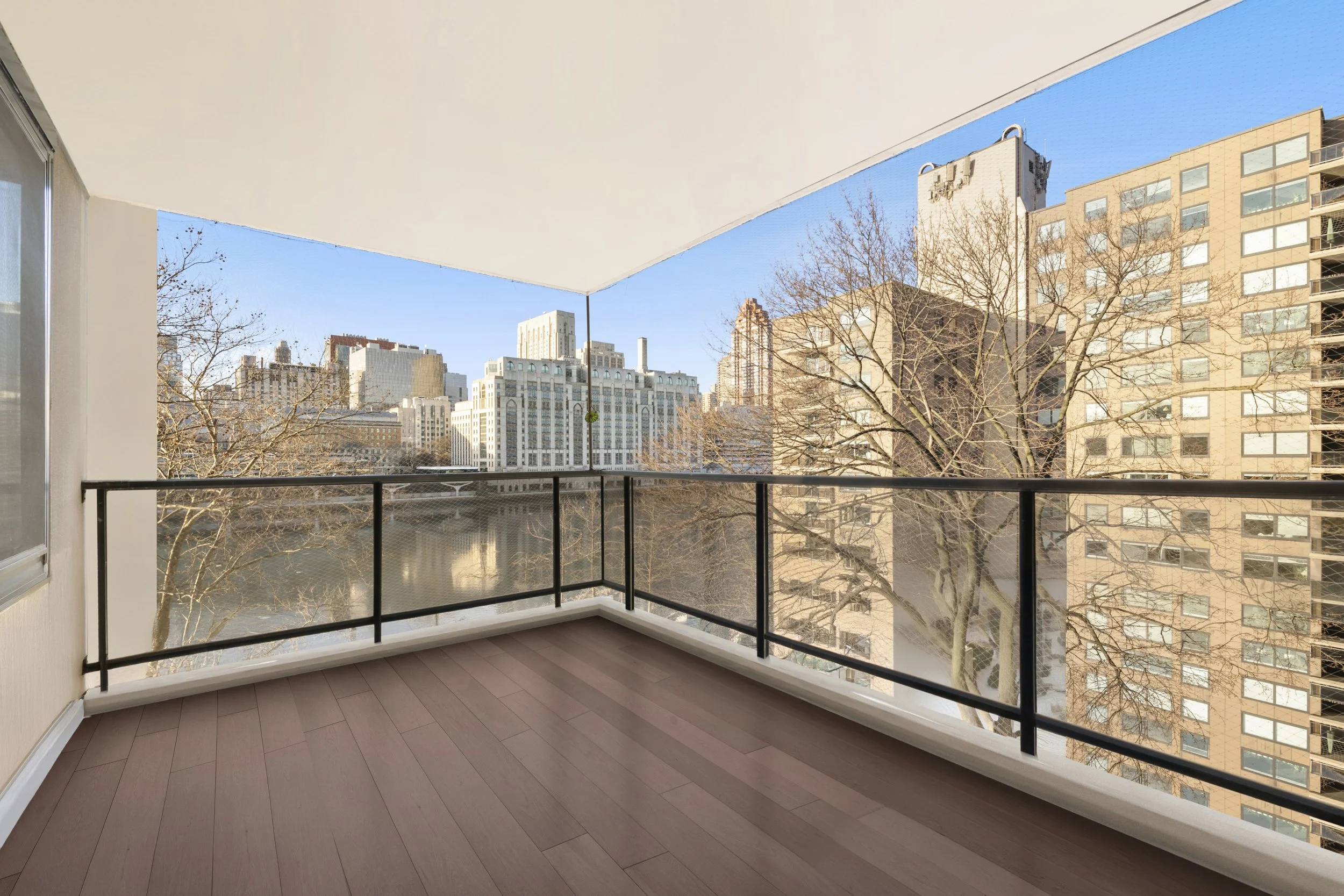
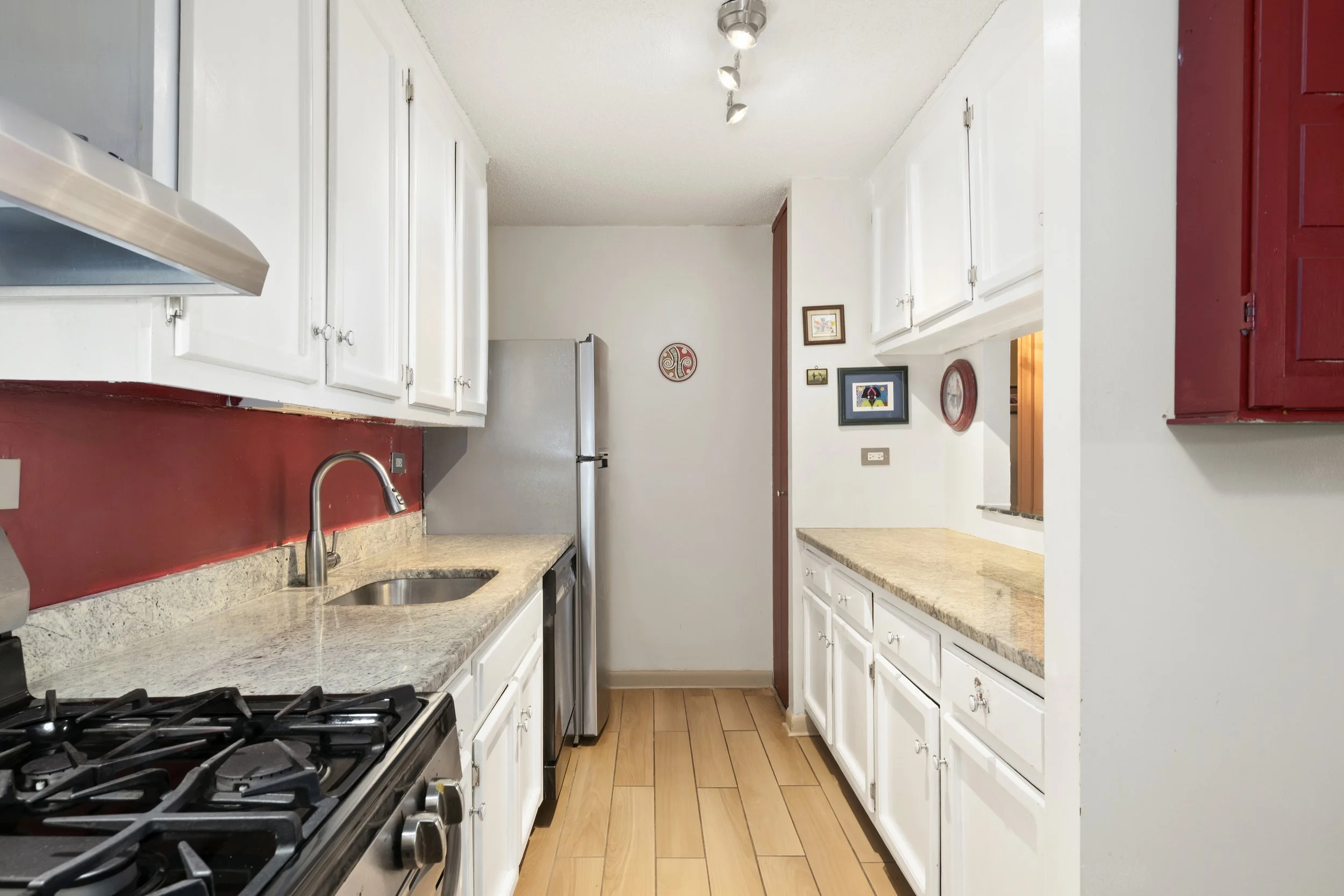
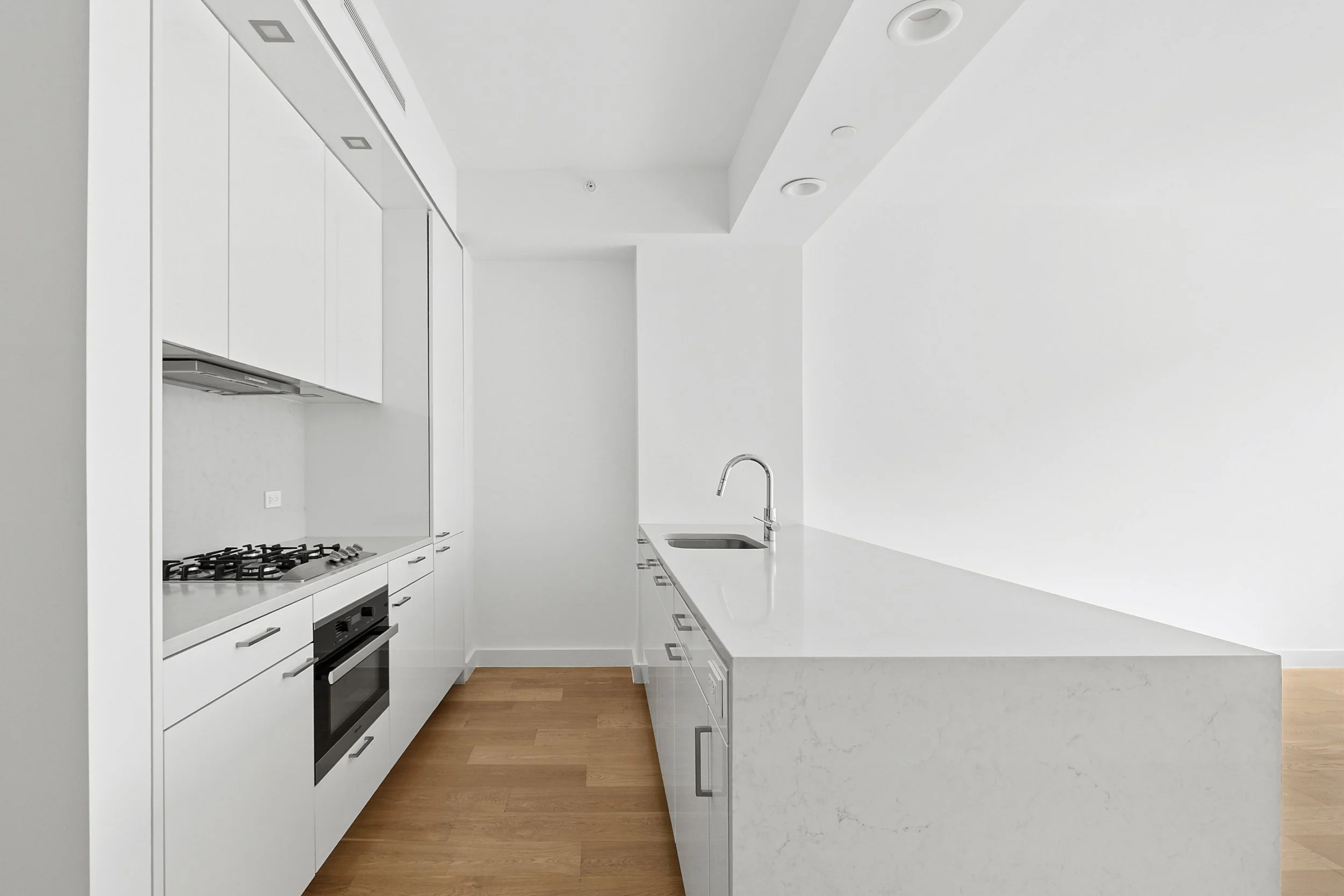
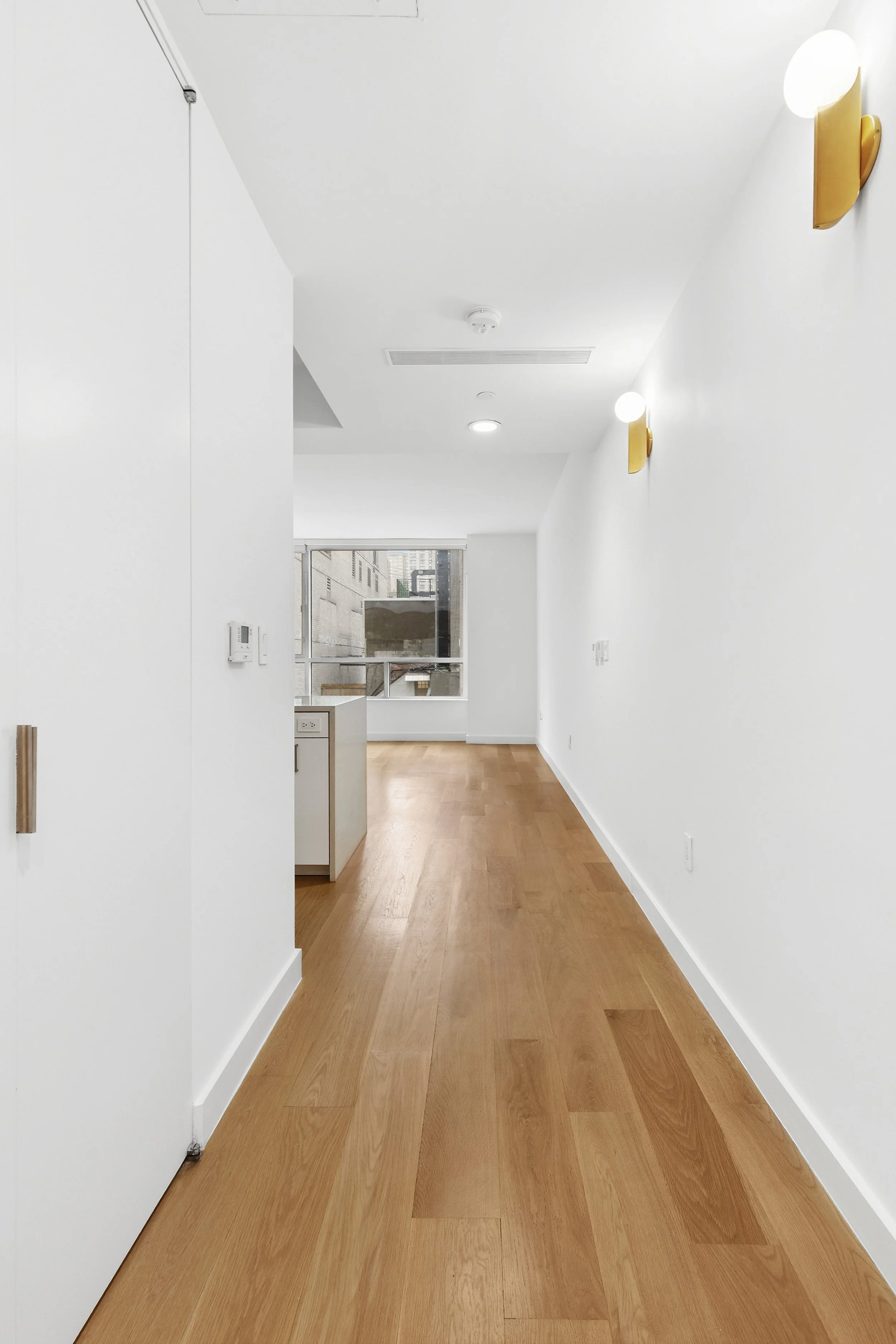
A welcoming foyer entry creates a natural separation from the hallway and opens into an expansive living and dining area flooded with light from multiple exposures. Oversized windows frame peaceful neighborhood views, while the adjoining private terrace provides the perfect setting for outdoor dining, morning coffee, or quiet evenings above the treetops. The windowed kitchen sits conveniently adjacent to the dining space and features ample cabinetry and workspace, ready to be reimagined to suit your personal style.

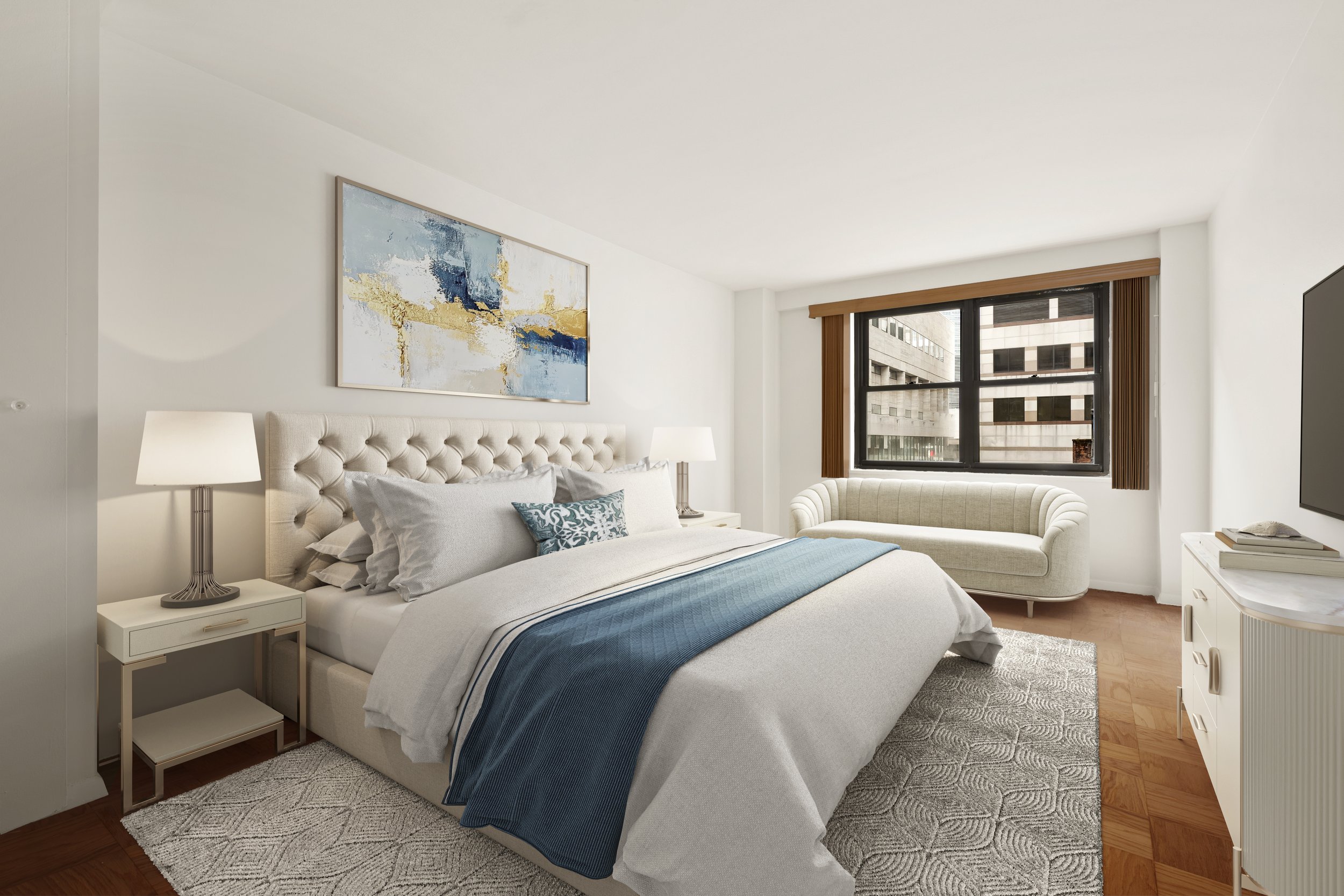
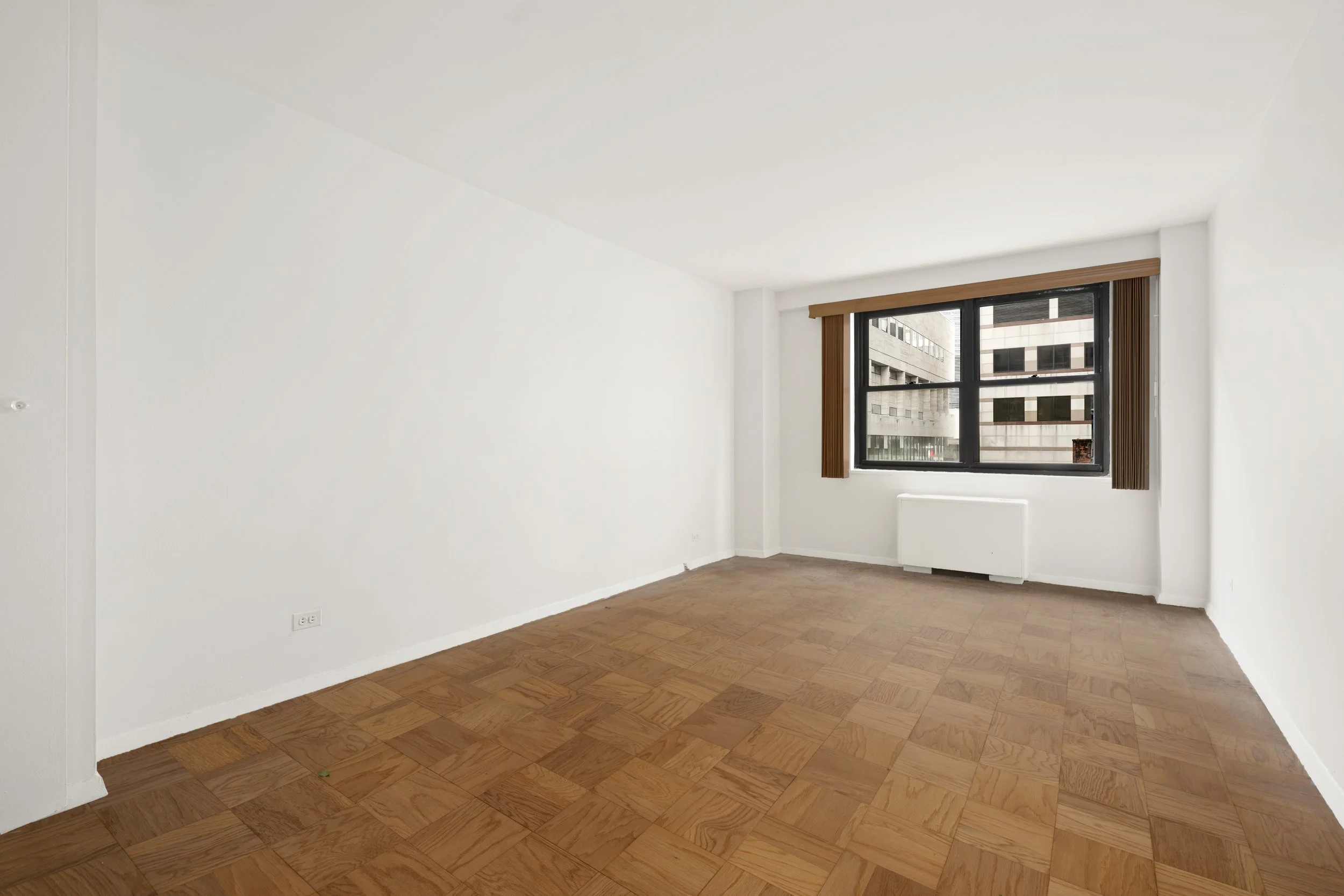
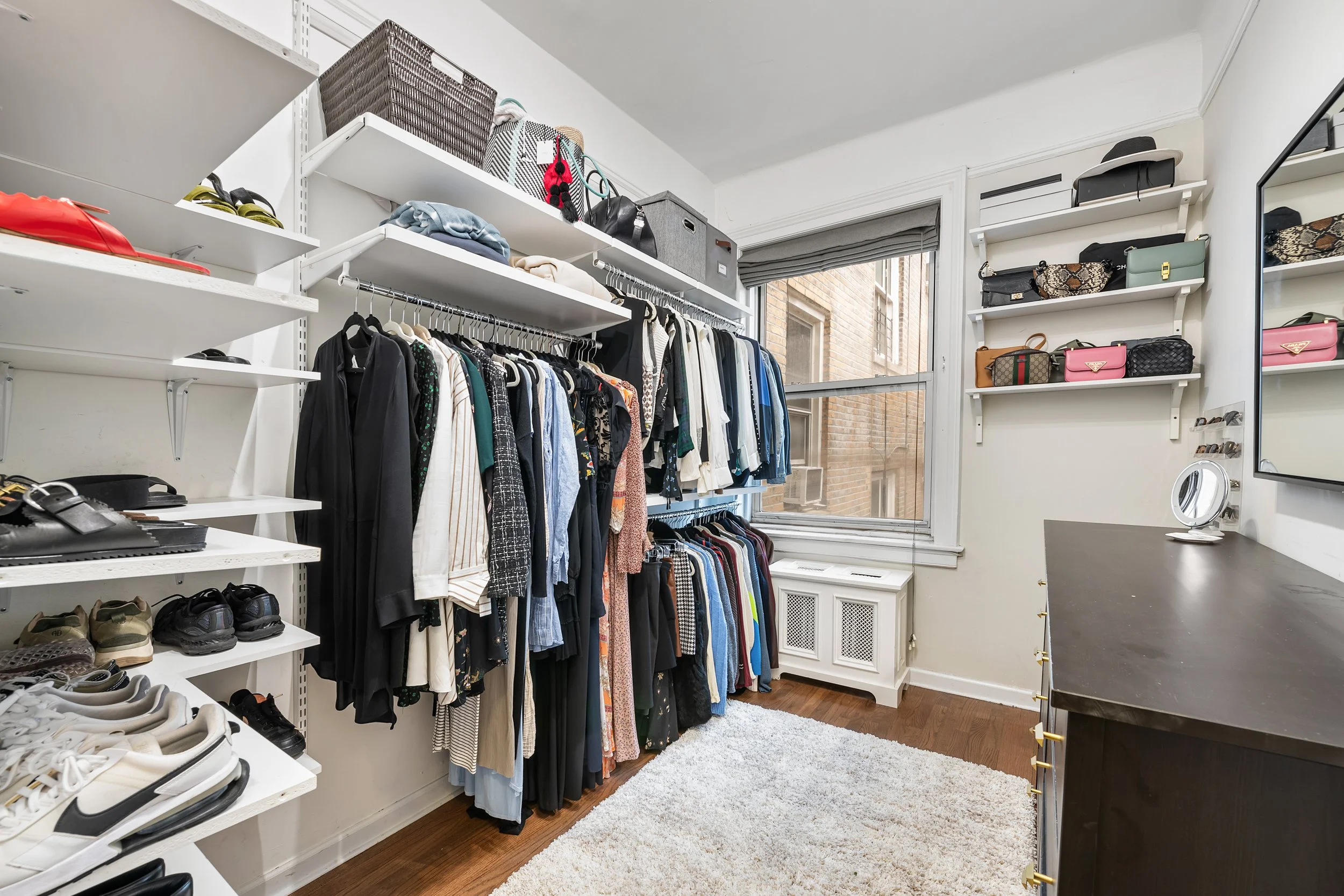
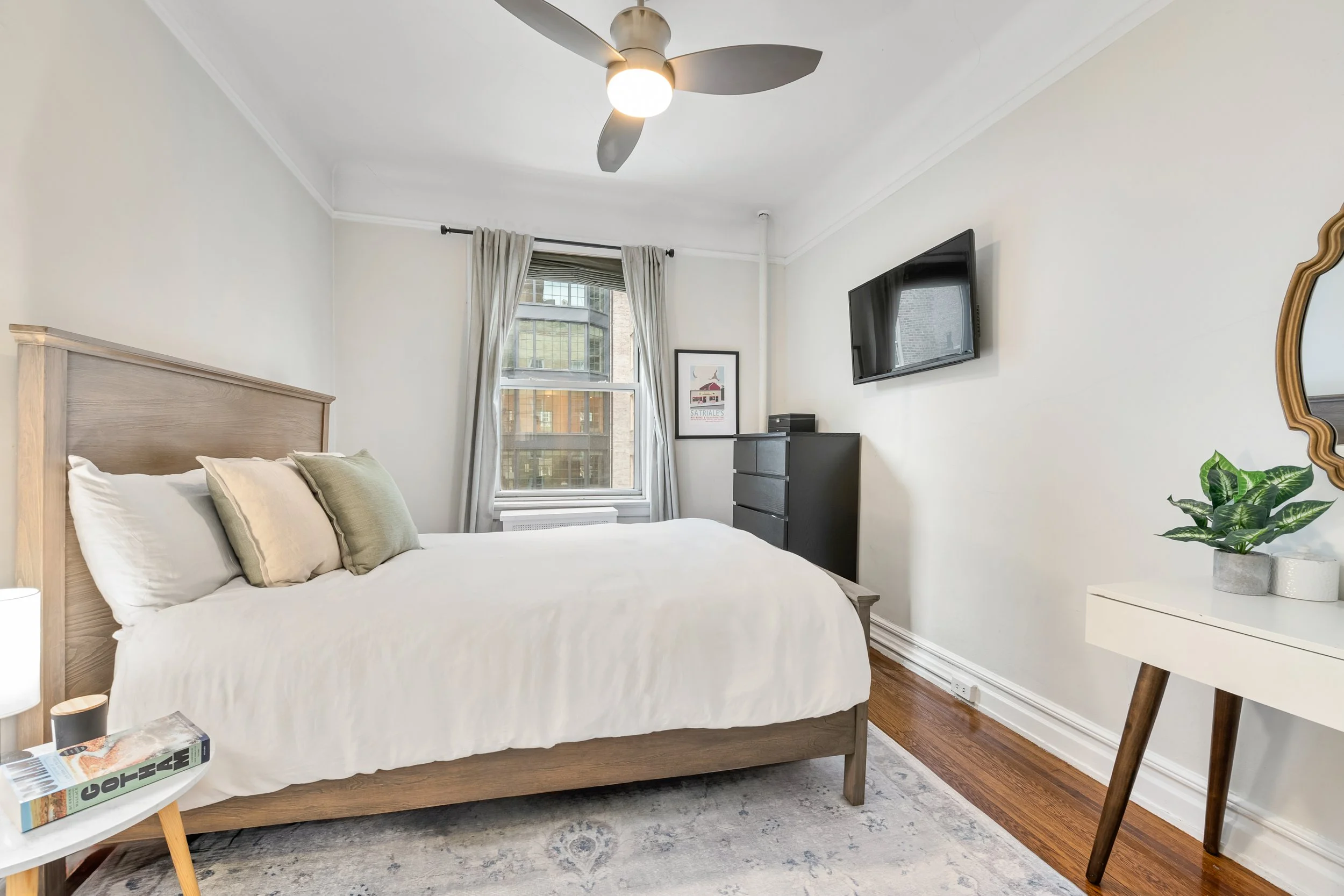
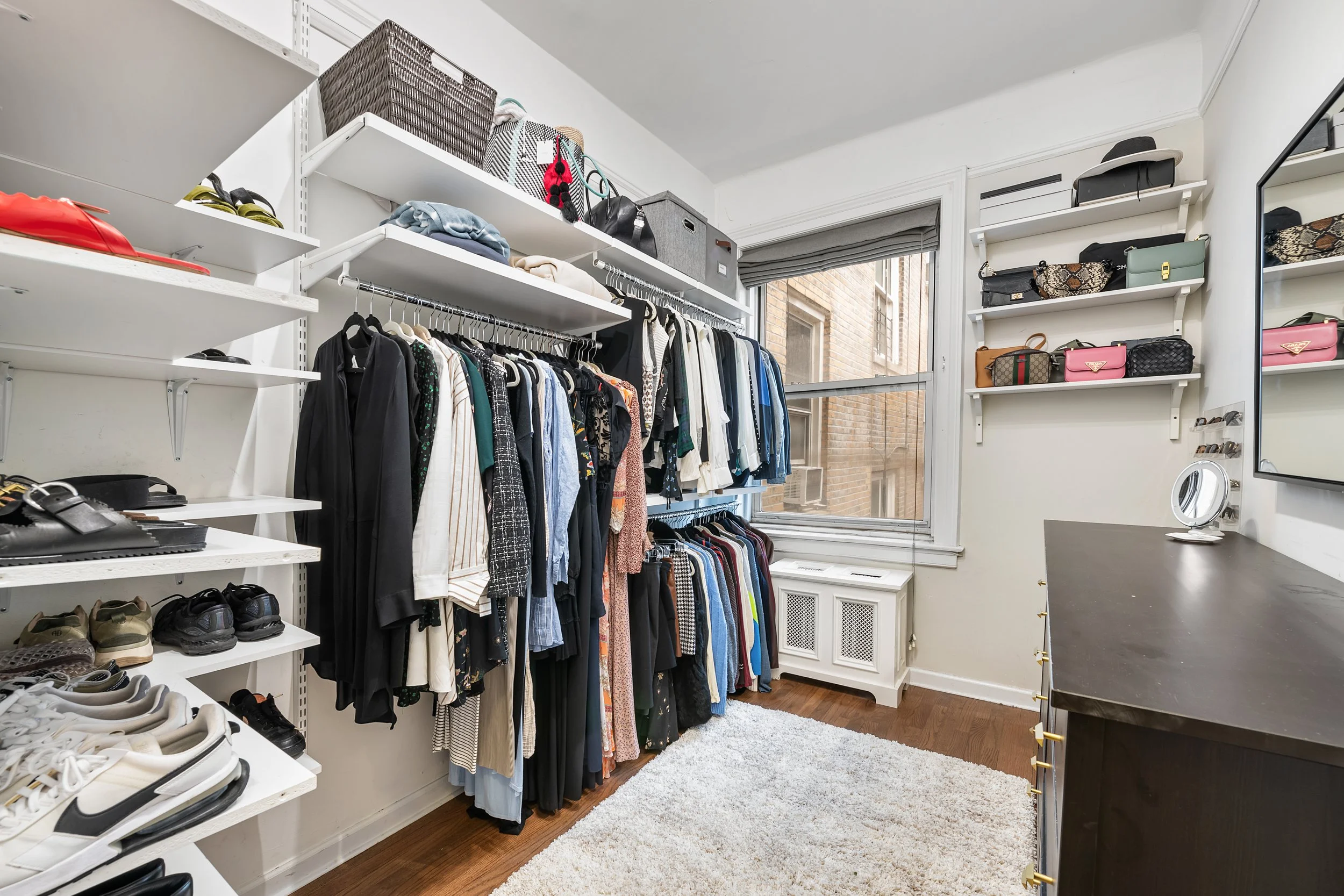
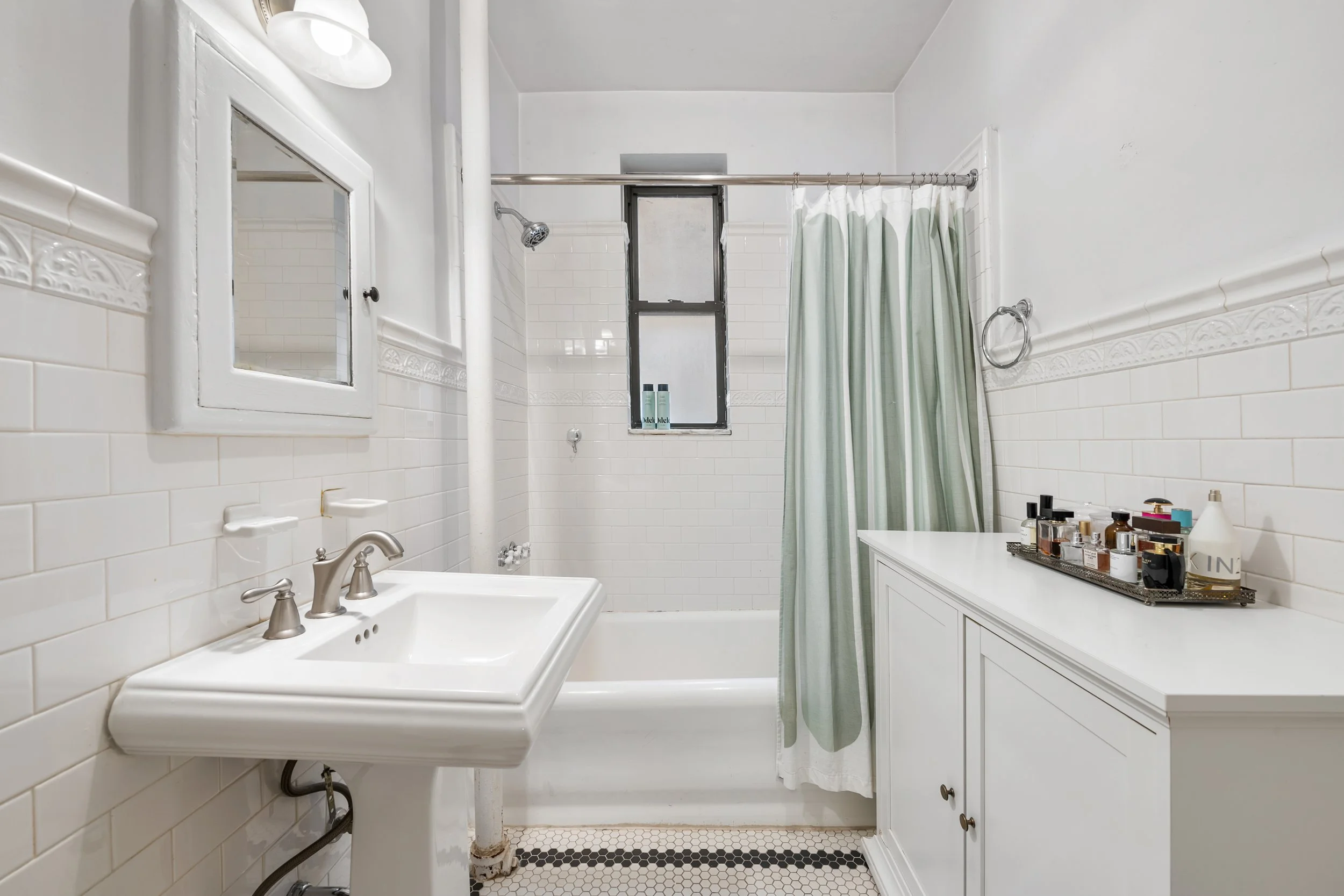
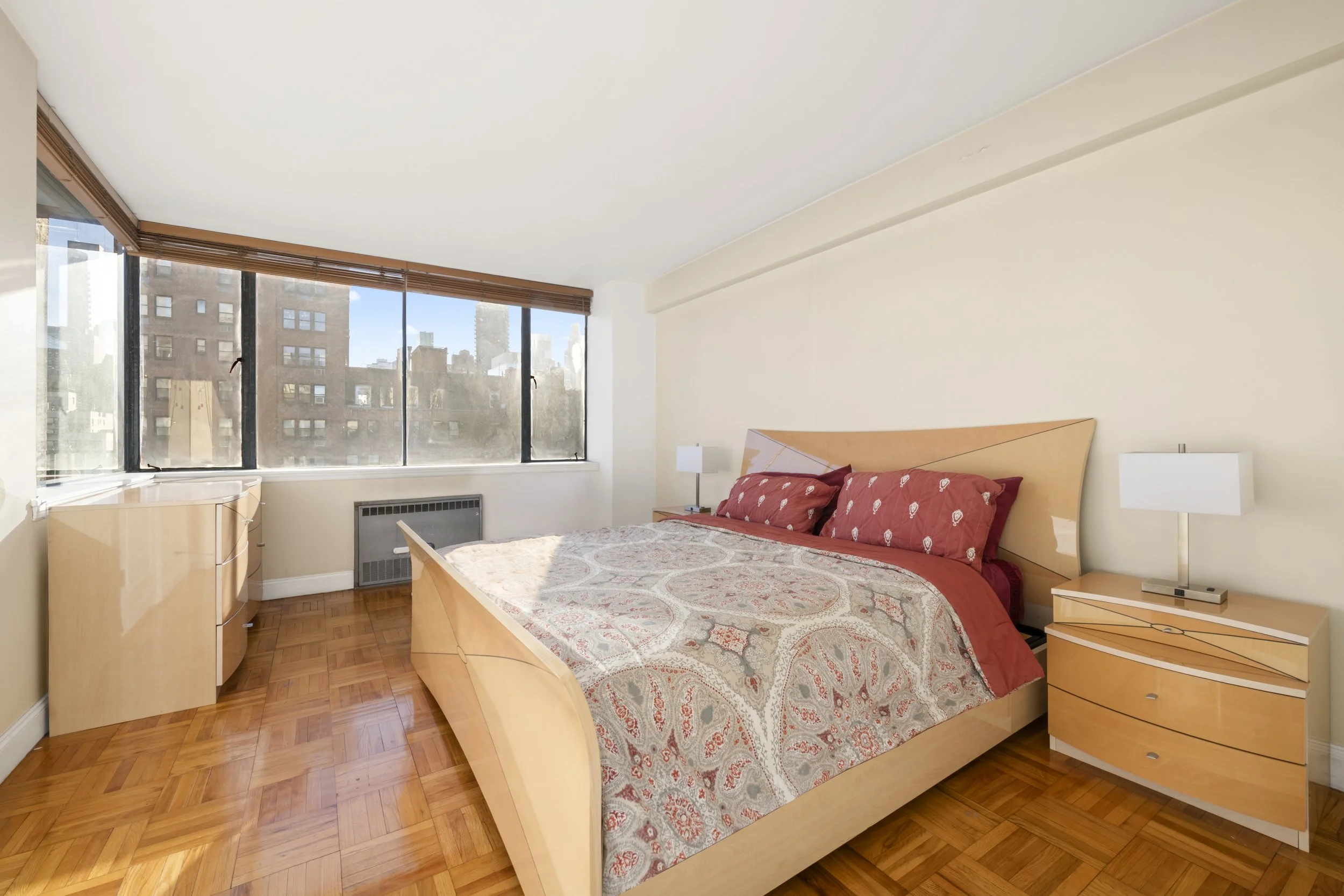
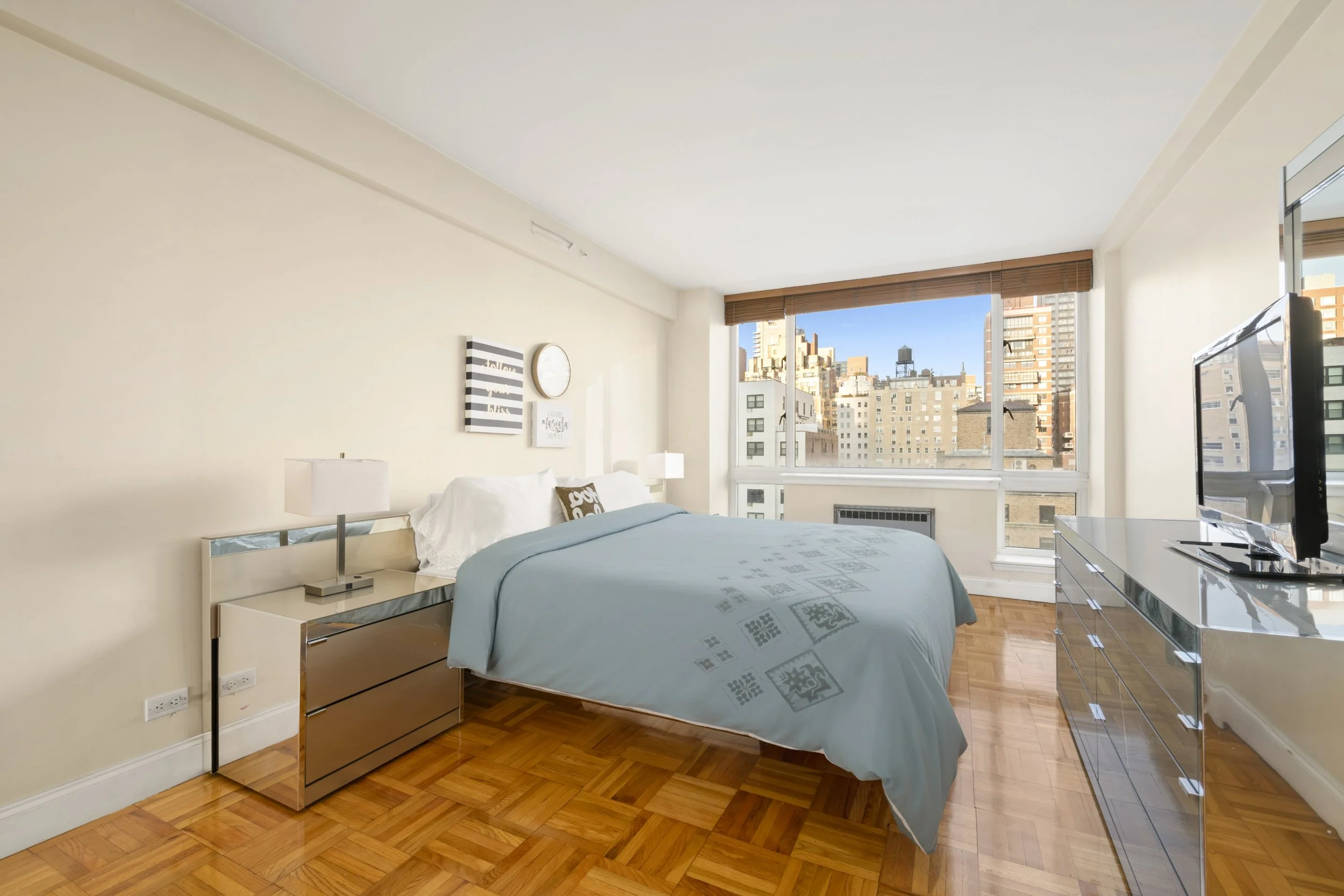
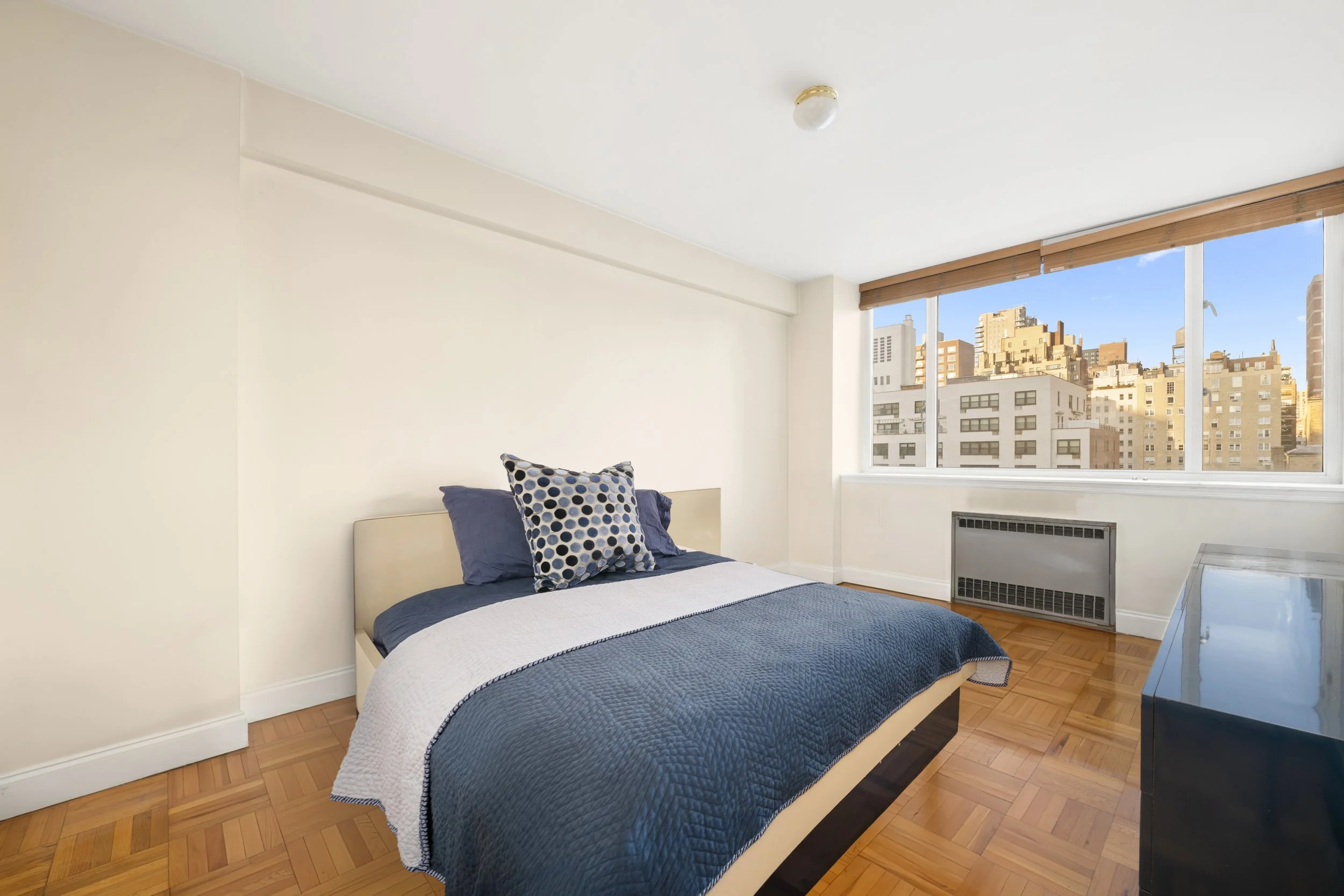
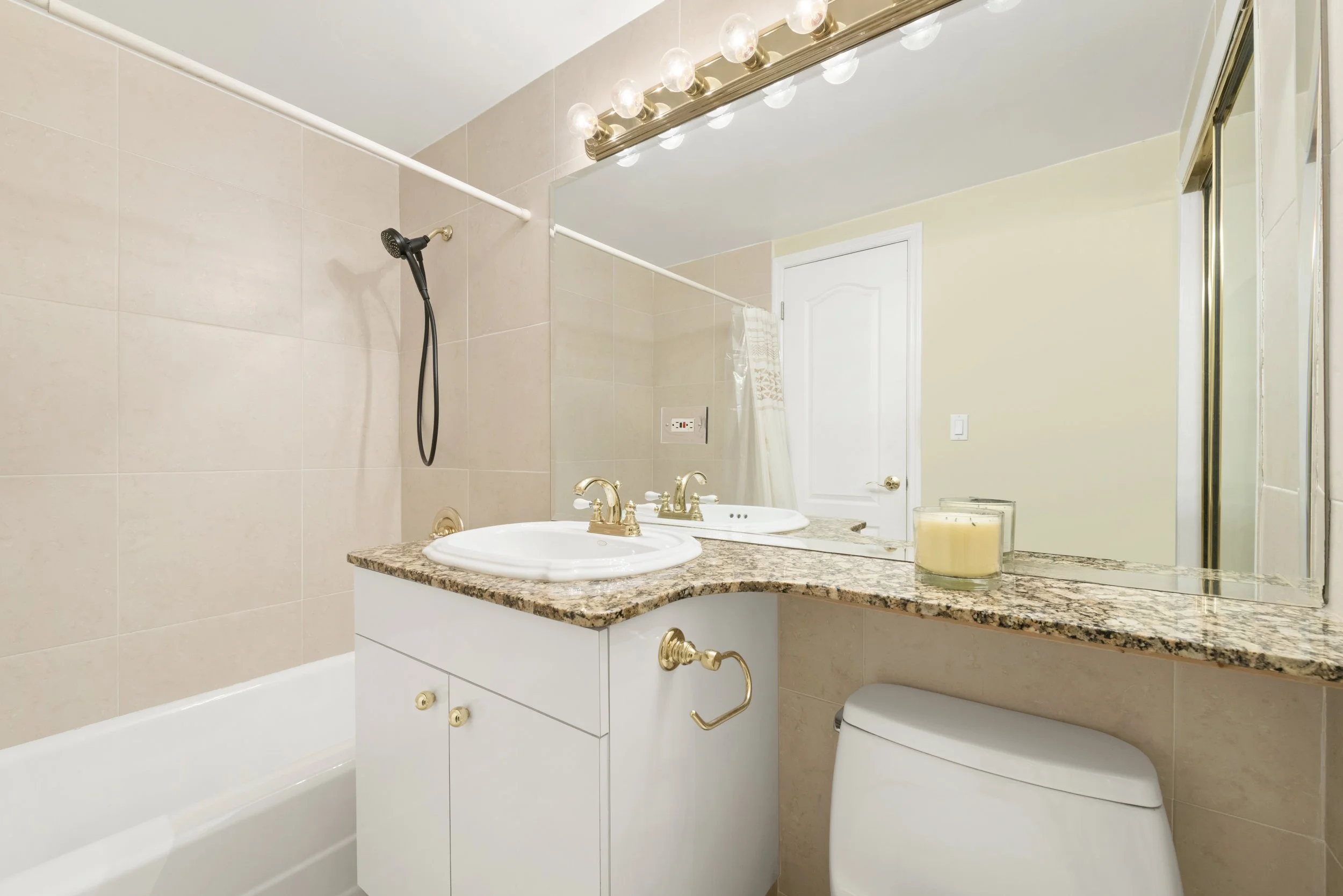
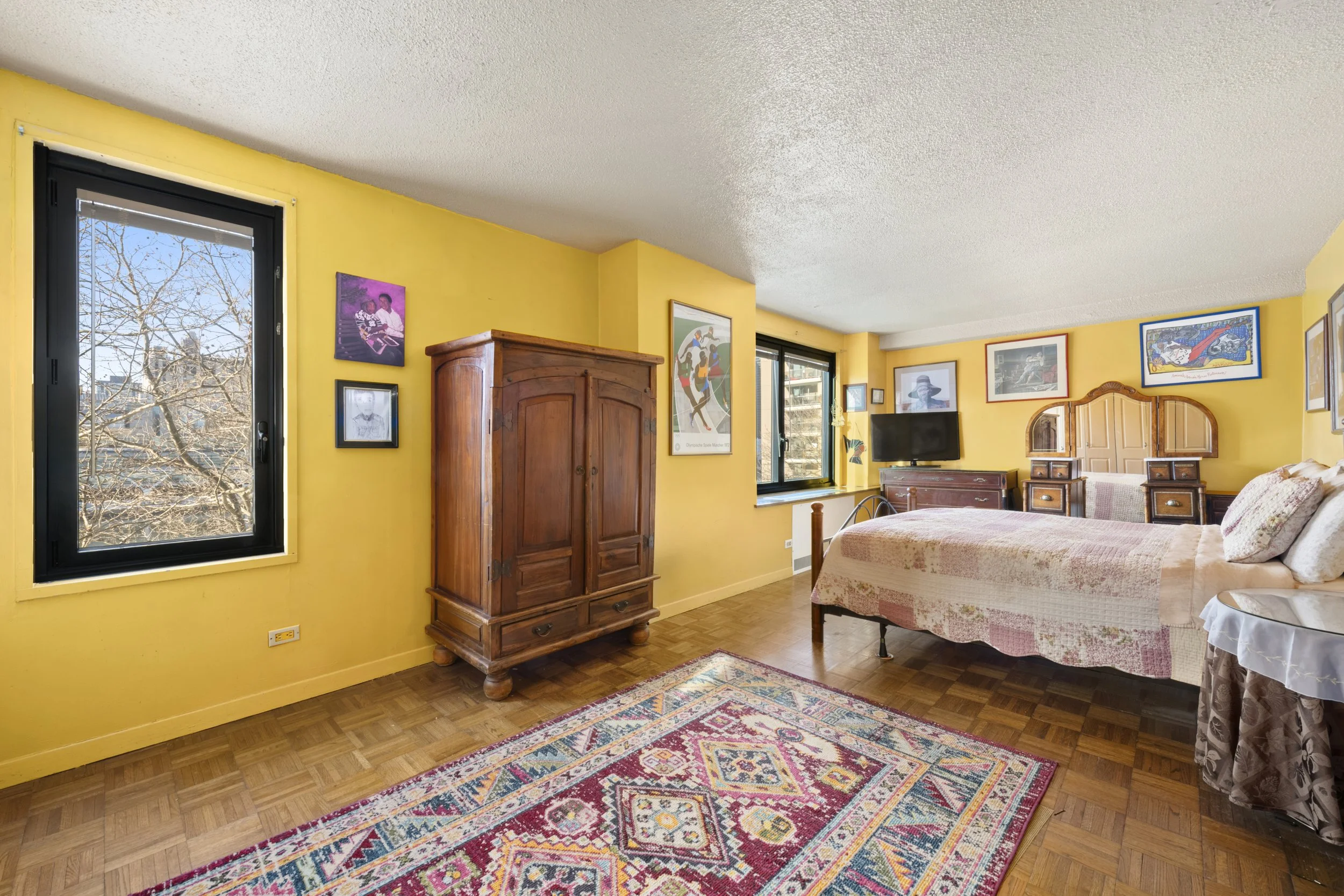
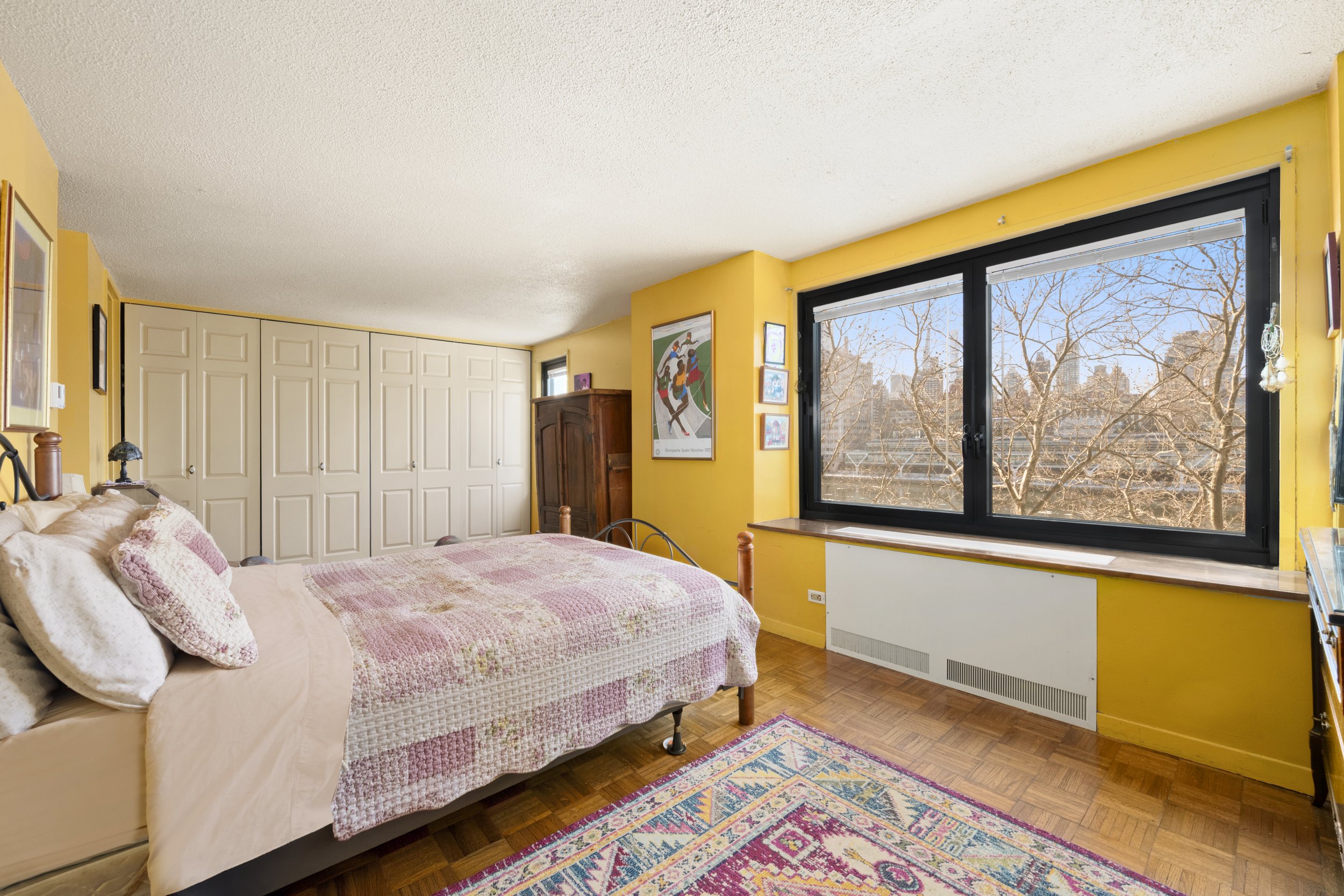
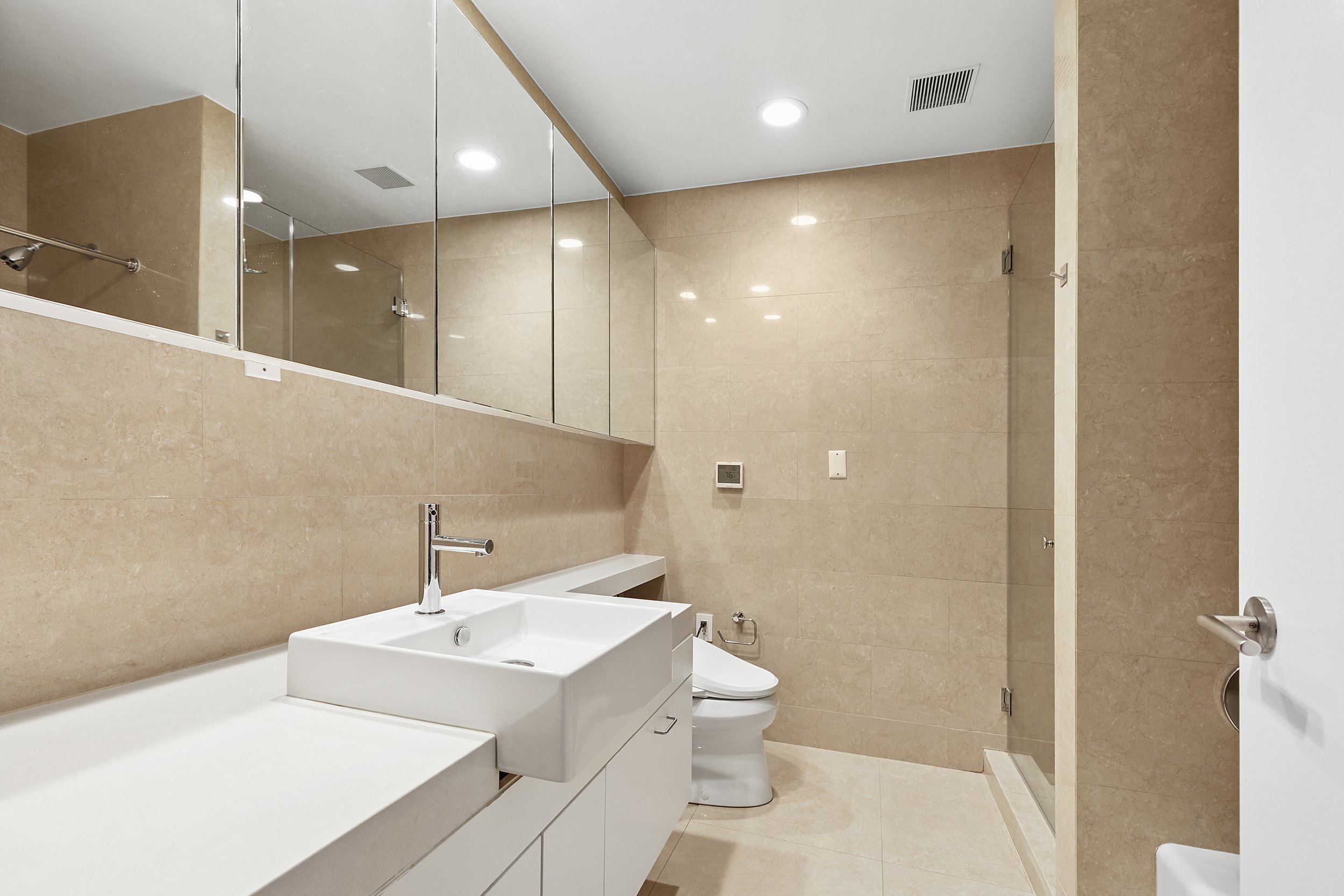
The primary bedroom wing is privately positioned and generously scaled, complete with excellent closet space, including walk-in storage. A large bathroom offers versatility and additional storage opportunities, while multiple closets throughout the home ensure exceptional functionality.

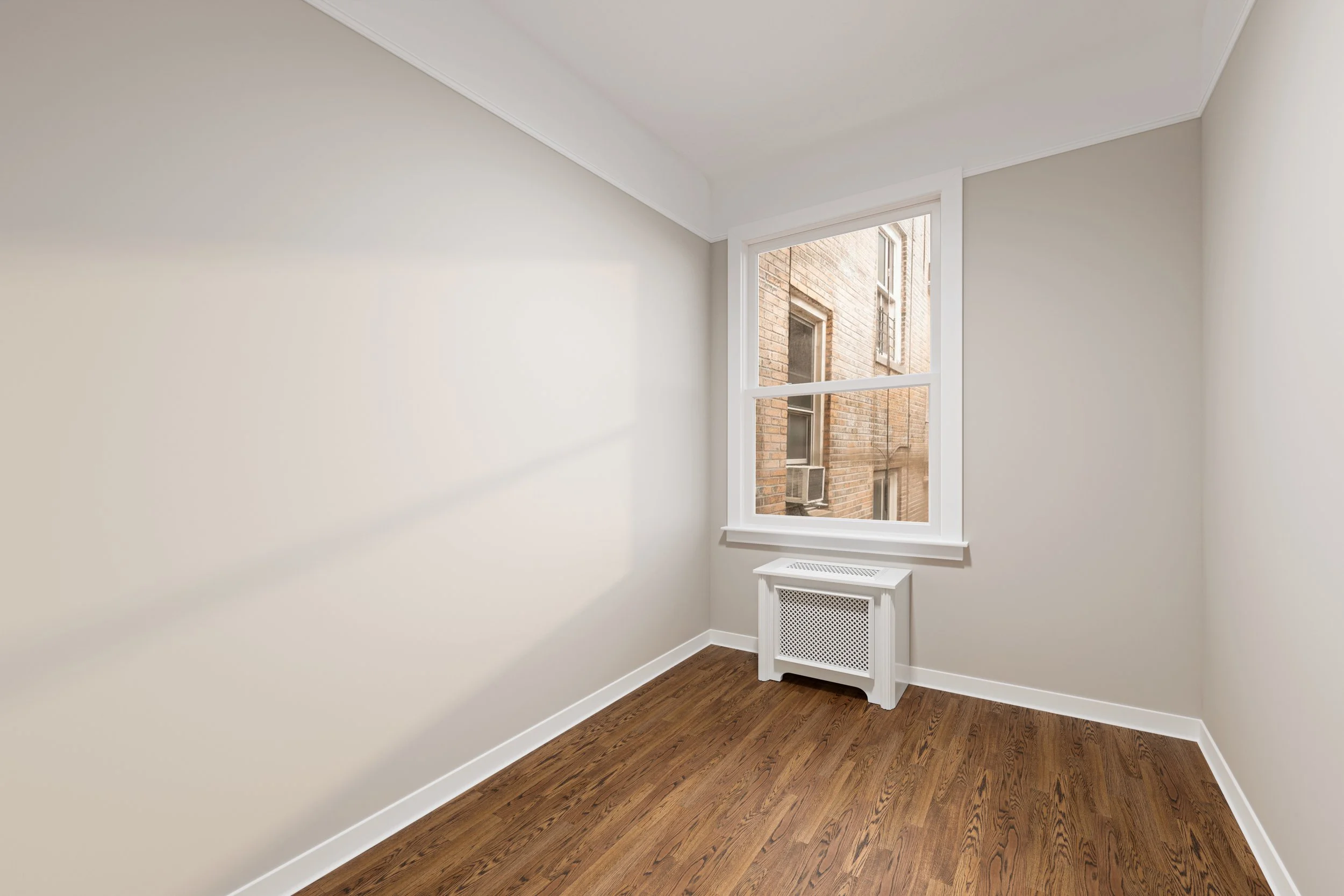
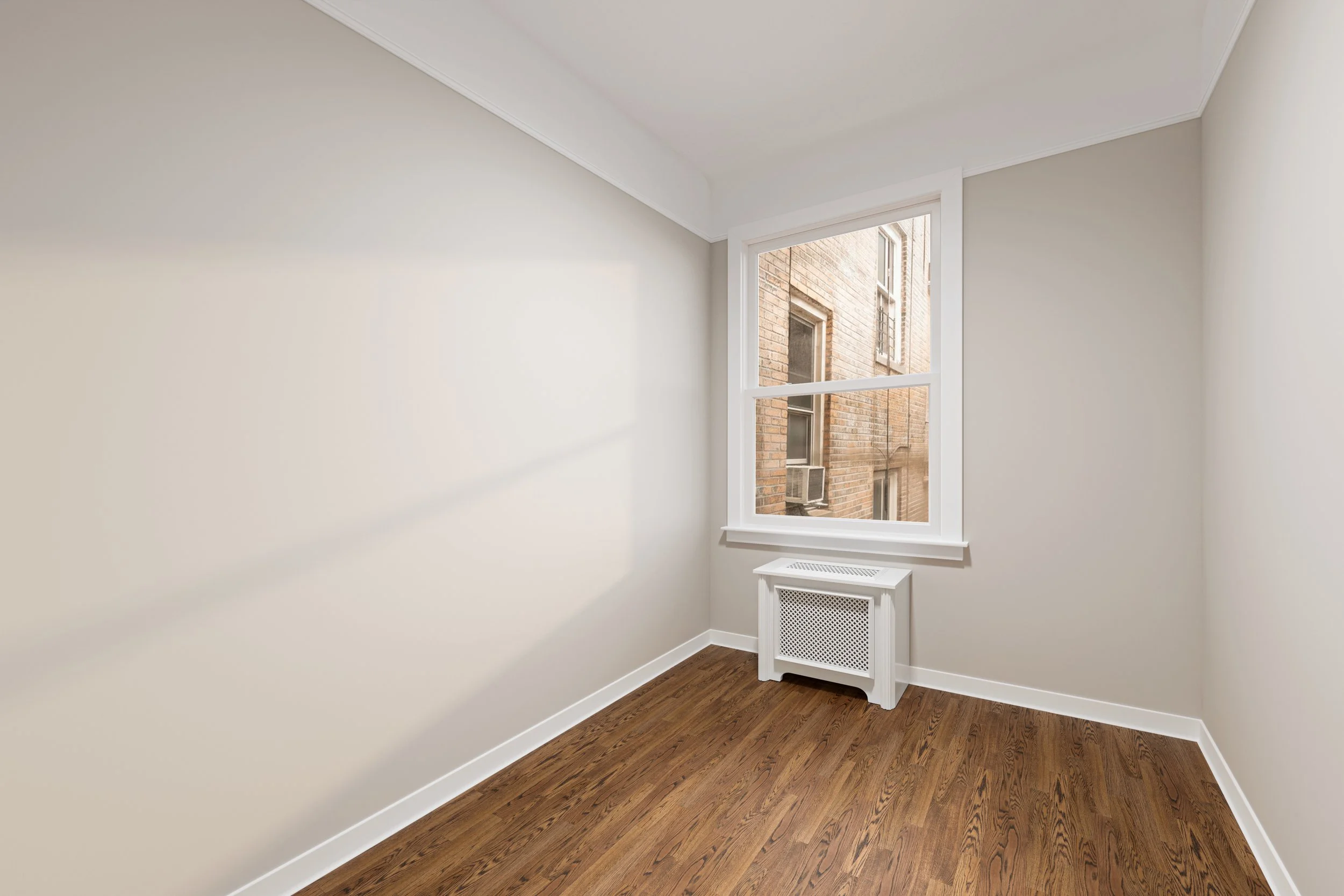
Freshly painted and meticulously maintained, the apartment presents a rare opportunity to move right in or customize and create your ideal Upper West Side home. With its size, layout, and convertible potential, Residence 6W represents outstanding value in a prime Lincoln Square location.

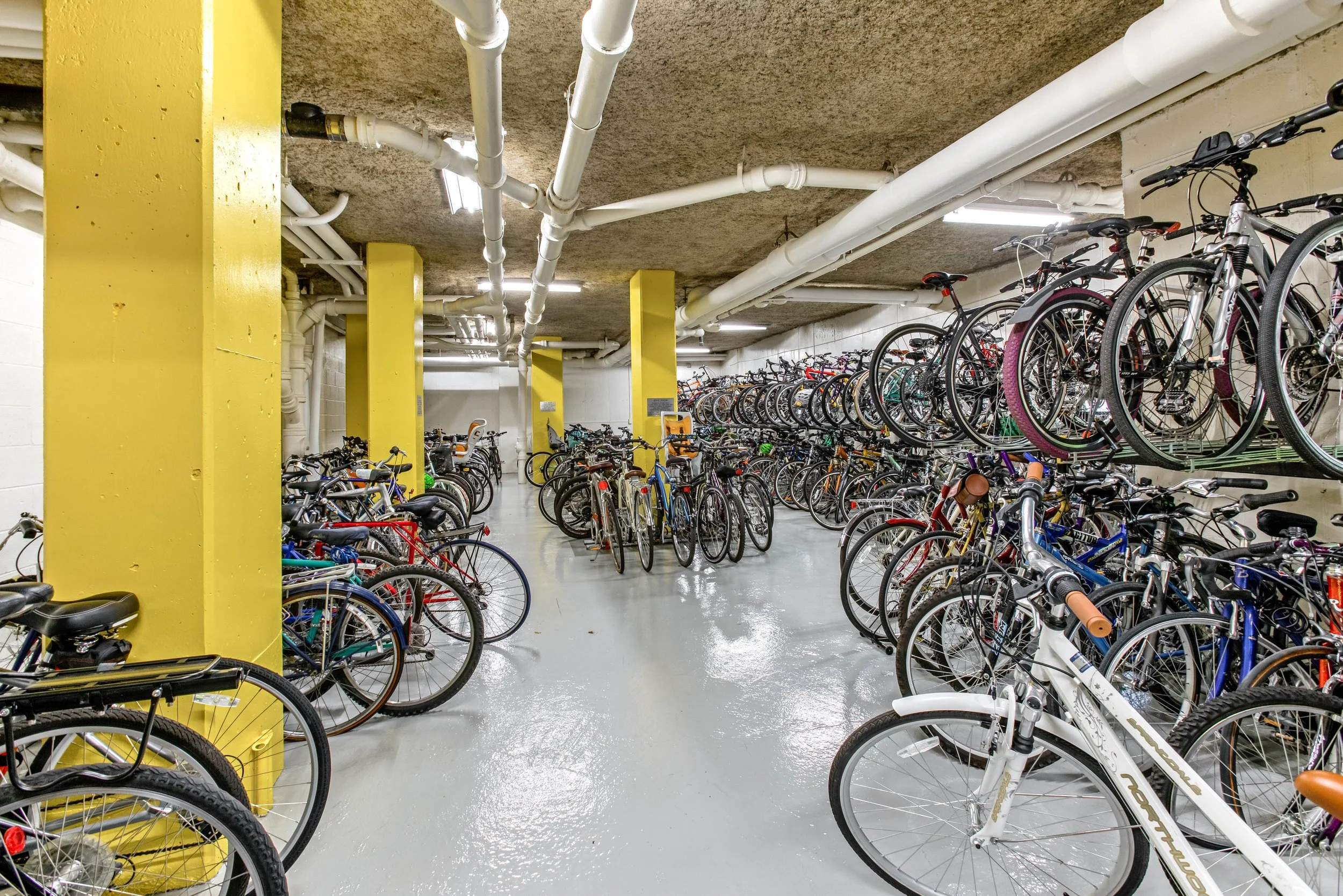
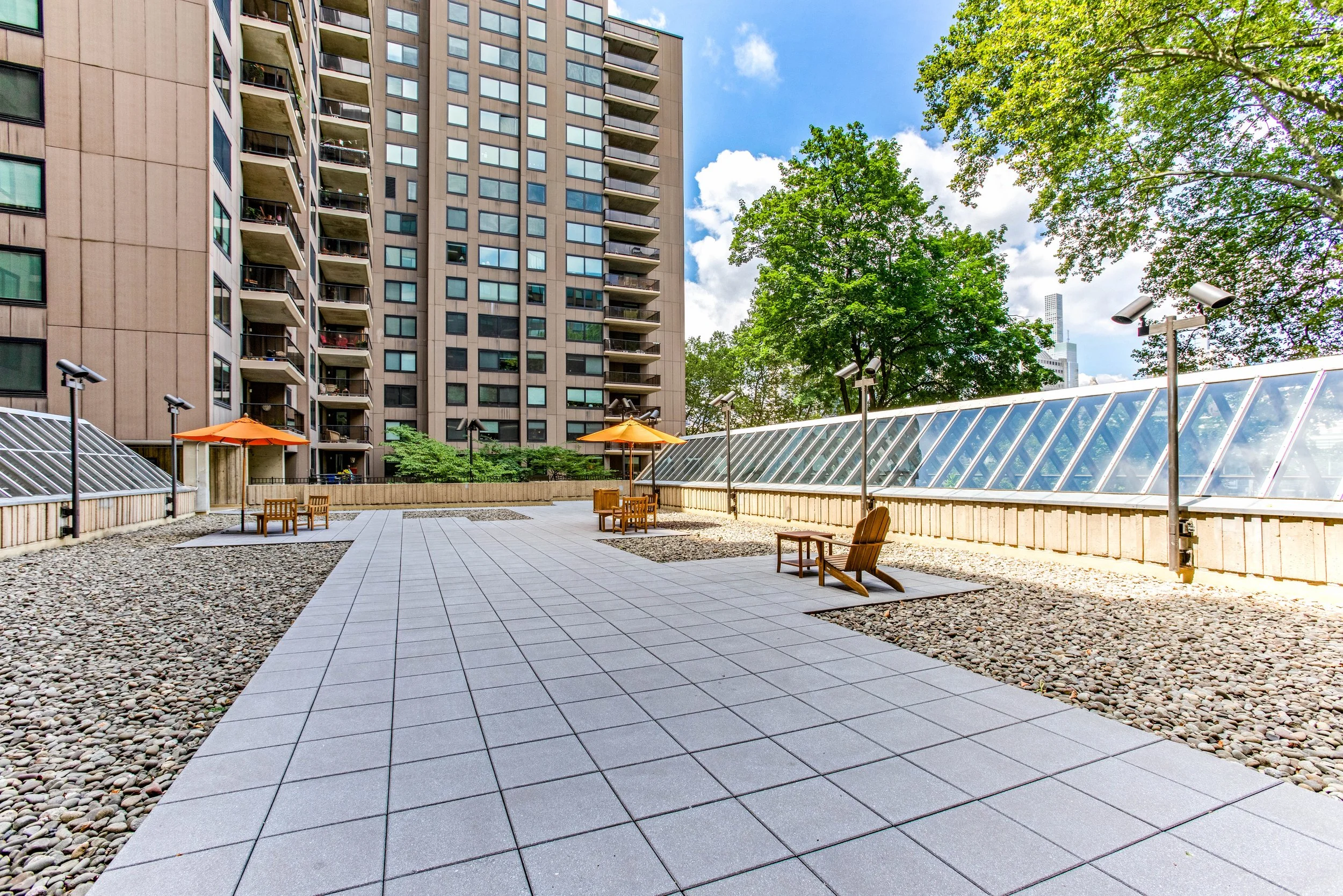
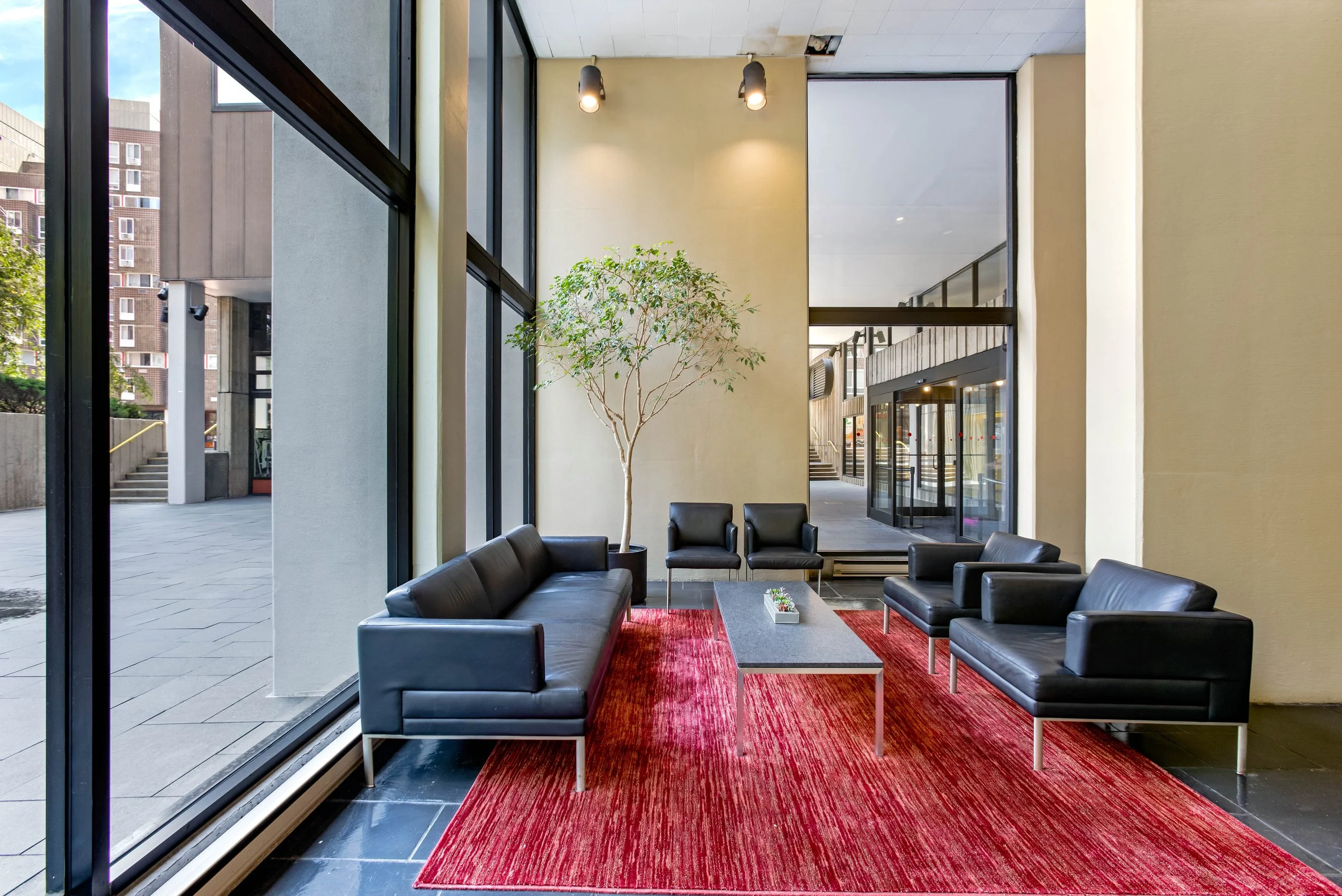
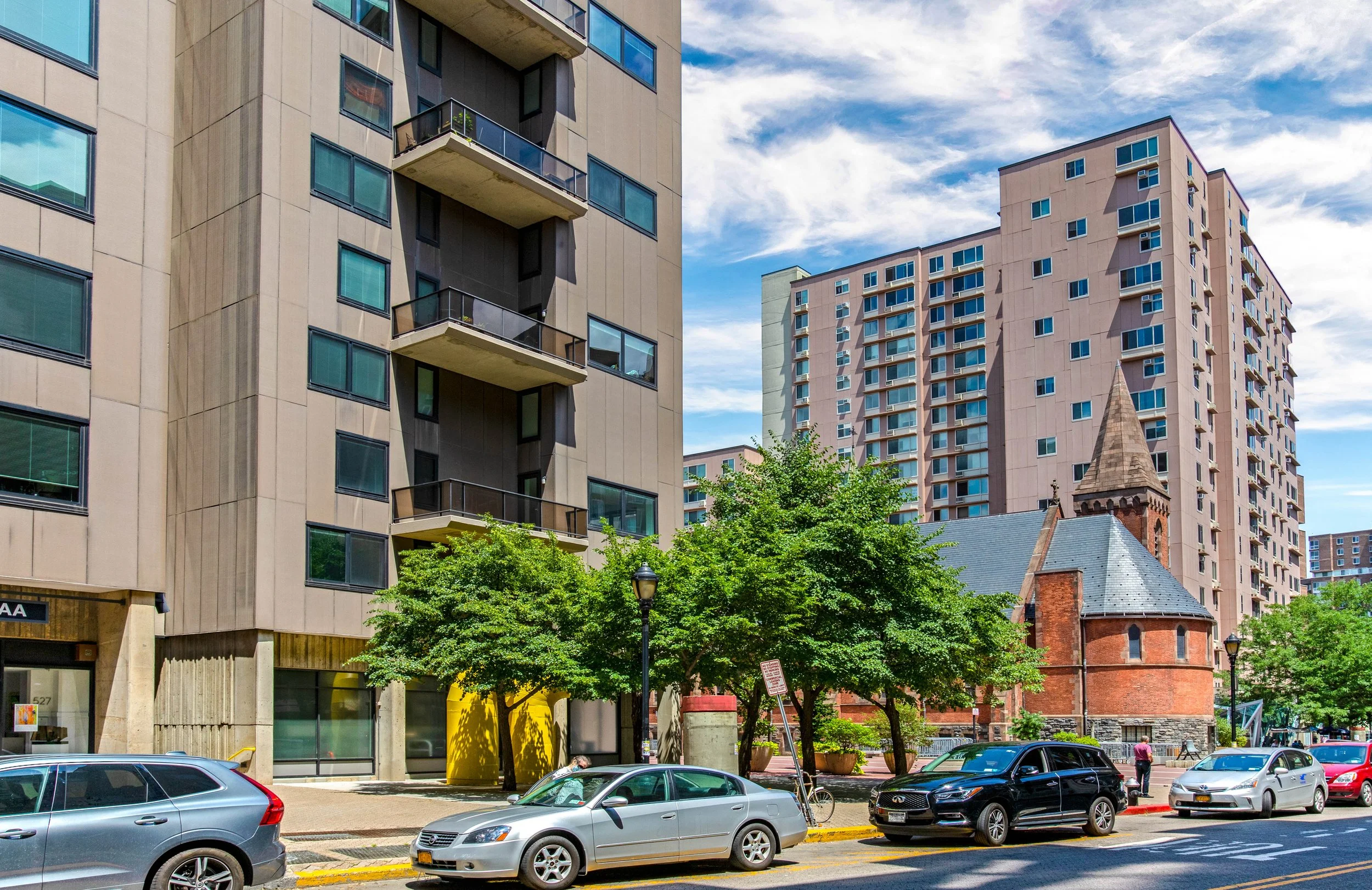
Lincoln Terrace is a well-maintained, full-service cooperative featuring a 24-hour doorman, fitness center, garage, laundry facilities, package room, storage, bicycle room, and playroom. Pet-friendly and ideally situated moments from Central Park, Riverside Park, Lincoln Center, shopping, dining, and multiple transportation options. There is a 2% flip tax.

Keith Haring’s Iconic Art Cars Headed To NYC Gallery

Two of celebrated street artist Keith Haring’s iconic art cars will be rolling into New York City for the first time. Opening on Friday, the exhibition “Keith Haring: In the Street” will display the artist’s 1963 Buick Special and a Land Rover Series III from the 1983 Montreux Jazz Festival, for 10 days only. On view from April 10 to 19 at the CART Department gallery, Free Parking, the exhibit celebrates the new book, “Keith Haring in 3D” from Larry Warsh and Glenn Adamson. The exhibition also marks the first show for Free Parking, a 3,000-square-foot gallery inside a West Village carriage house.

This rare view of Haring’s three-dimensional work will include original works and photographs, accompanied by events and appearances by artists, writers, and others in Haring’s orbit.

On April 11, “Stories from the Street” offers a conversation between choreographer Muna Tseng and culture critic Carlo McCormick about 1980s downtown New York City. A kick-off party for the event, featuring G-Bo The Pro, will begin at 2 p.m.

On April 18, Brad Gooch, author of “Raidant: The Life and Line of Keith Haring,” will be in conversation with Larry Warsh on his new book.

The exhibition also celebrates the upcoming “Keith Haring Exhibition in 3D,” which will open in June at Crystal Bridges Museum of American Art in Bentonville, Arkansas.

“Keith Haring: In the Street” will be at Free Parking at 16 Morton Street from April 10-19. Gallery hours are 12-6 p.m.; panels require an RSVP.

To go even deeper, check out a major exhibition of Haring’s work at the Brant Foundation‘s East Village space through May 31. The exhibition, which features pieces that predated the artist’s rise to fame, brings the work back to a neighborhood that inspired Haring’s artistic upbringing.


Keith Haring’s iconic art cars headed to NYC gallery

By Michelle Cohen

April 9, 2026
All photos courtesy of CART (@CartDept)

635 West 42nd Street, Unit 2H

635 West 42nd Street, Unit 2H

Hell’s Kitchen, Manhattan

Asking $1,150,000

2 Bed  |  1 Bath | Condo


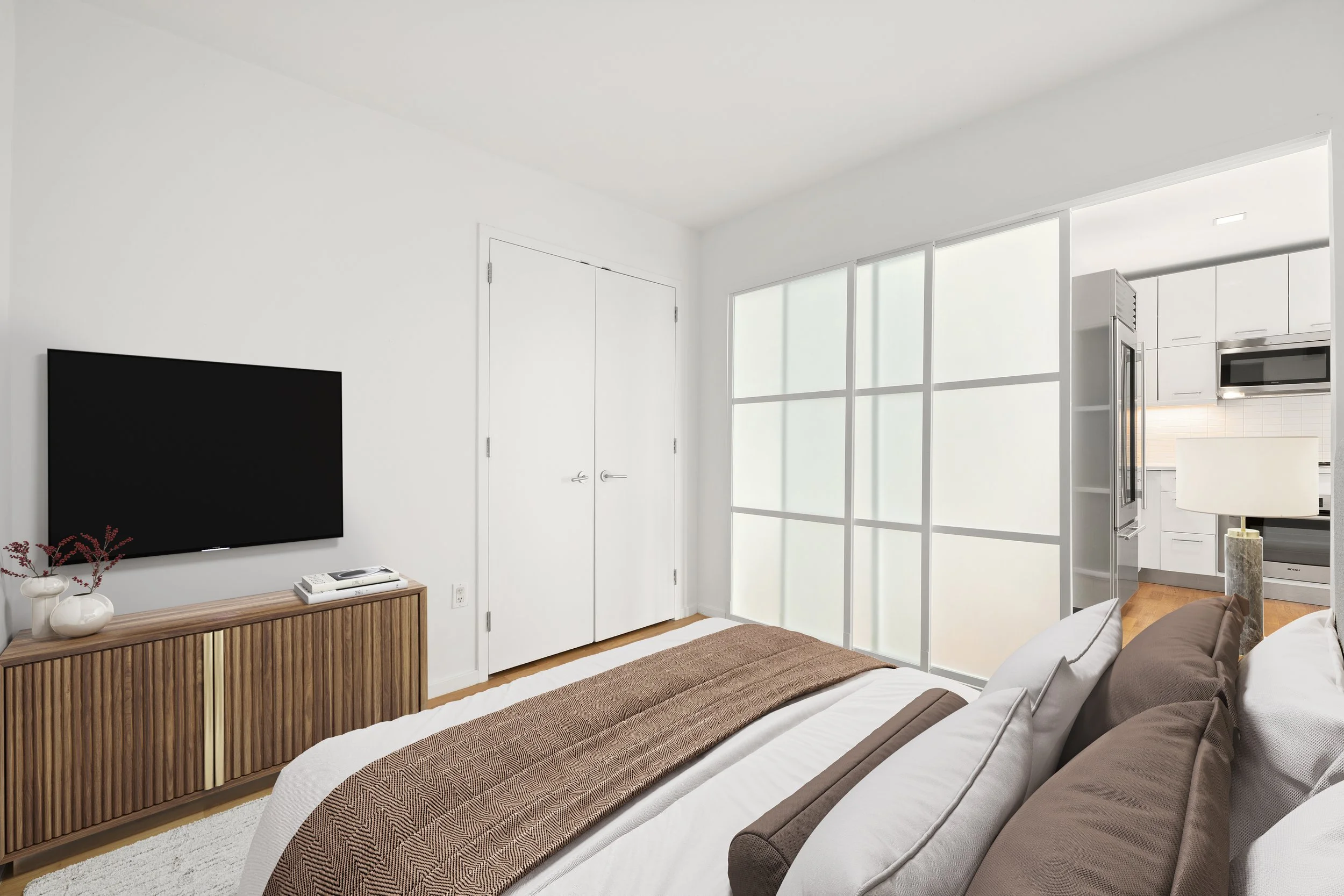
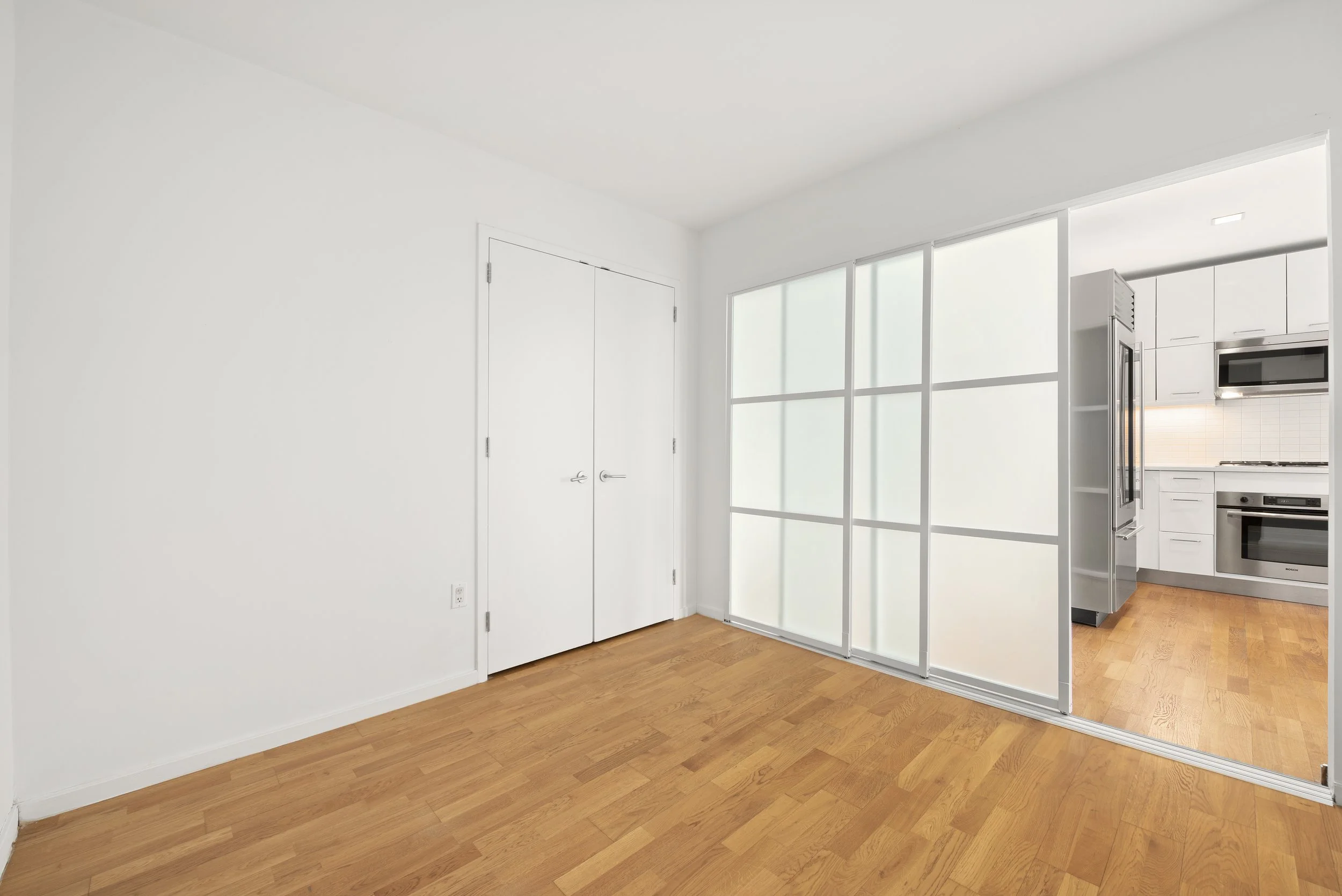
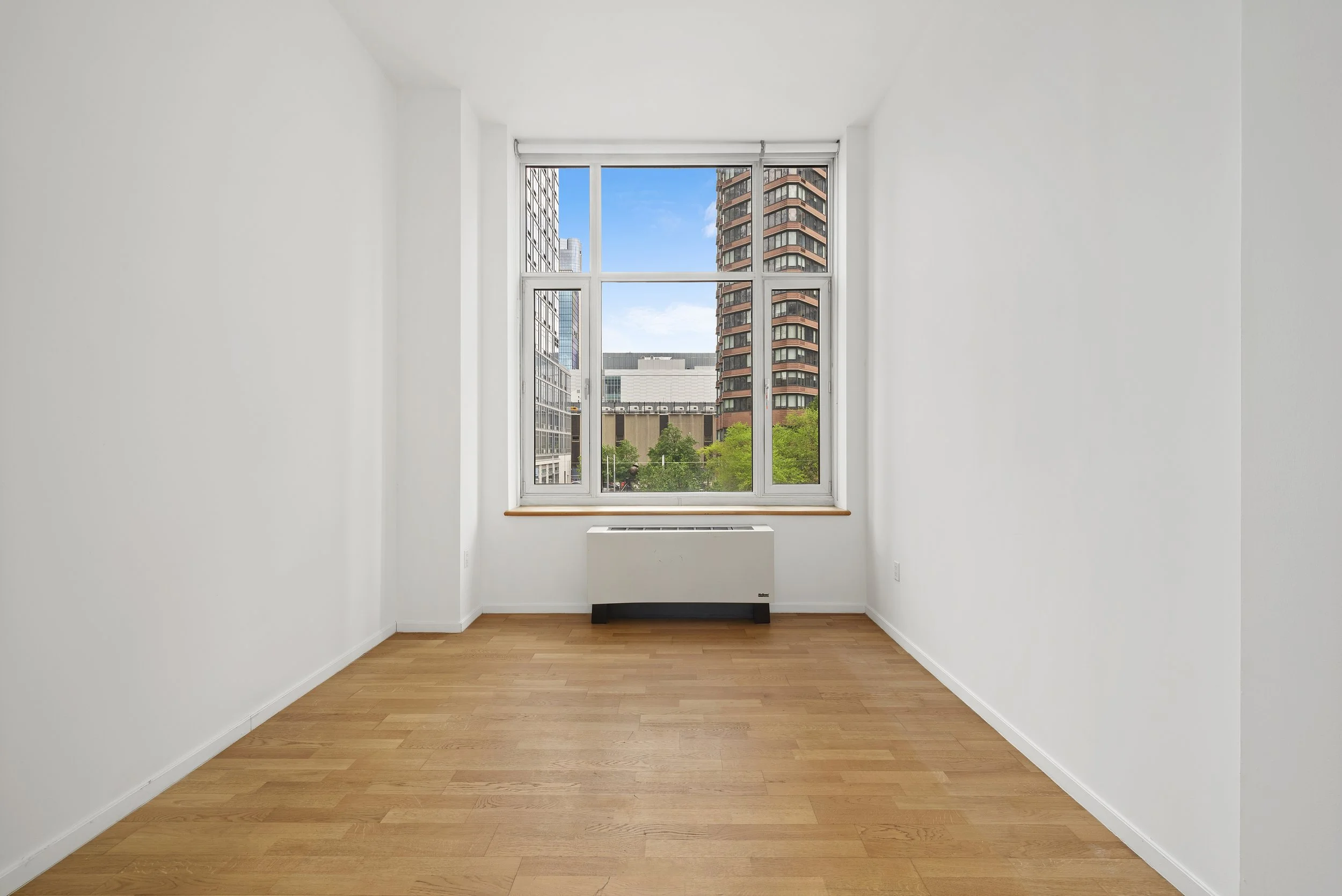
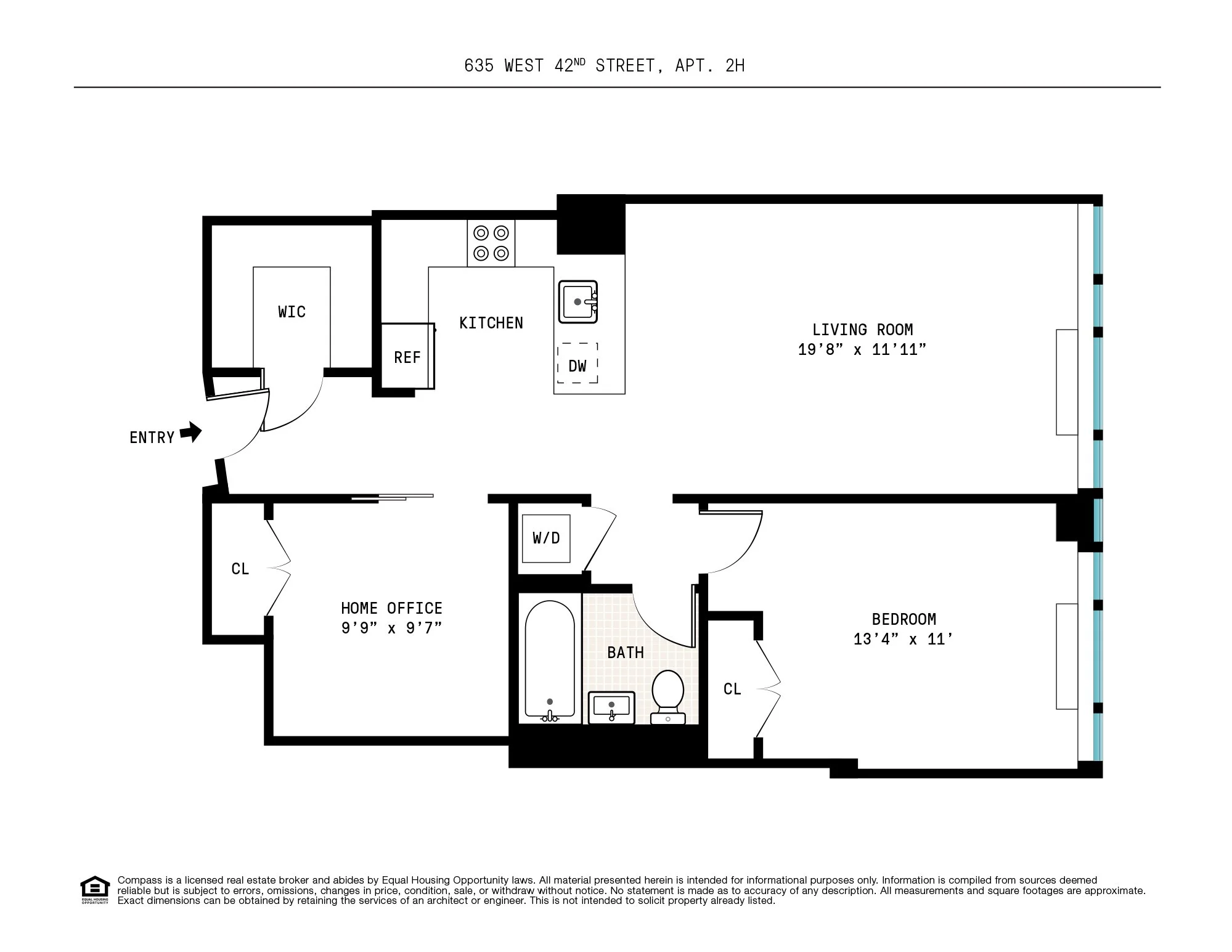
Wake up in the heart of New York City in this mint-condition one-bedroom with home office, and one-bathroom unit in one of Hell's Kitchen's best full-service condominium buildings.

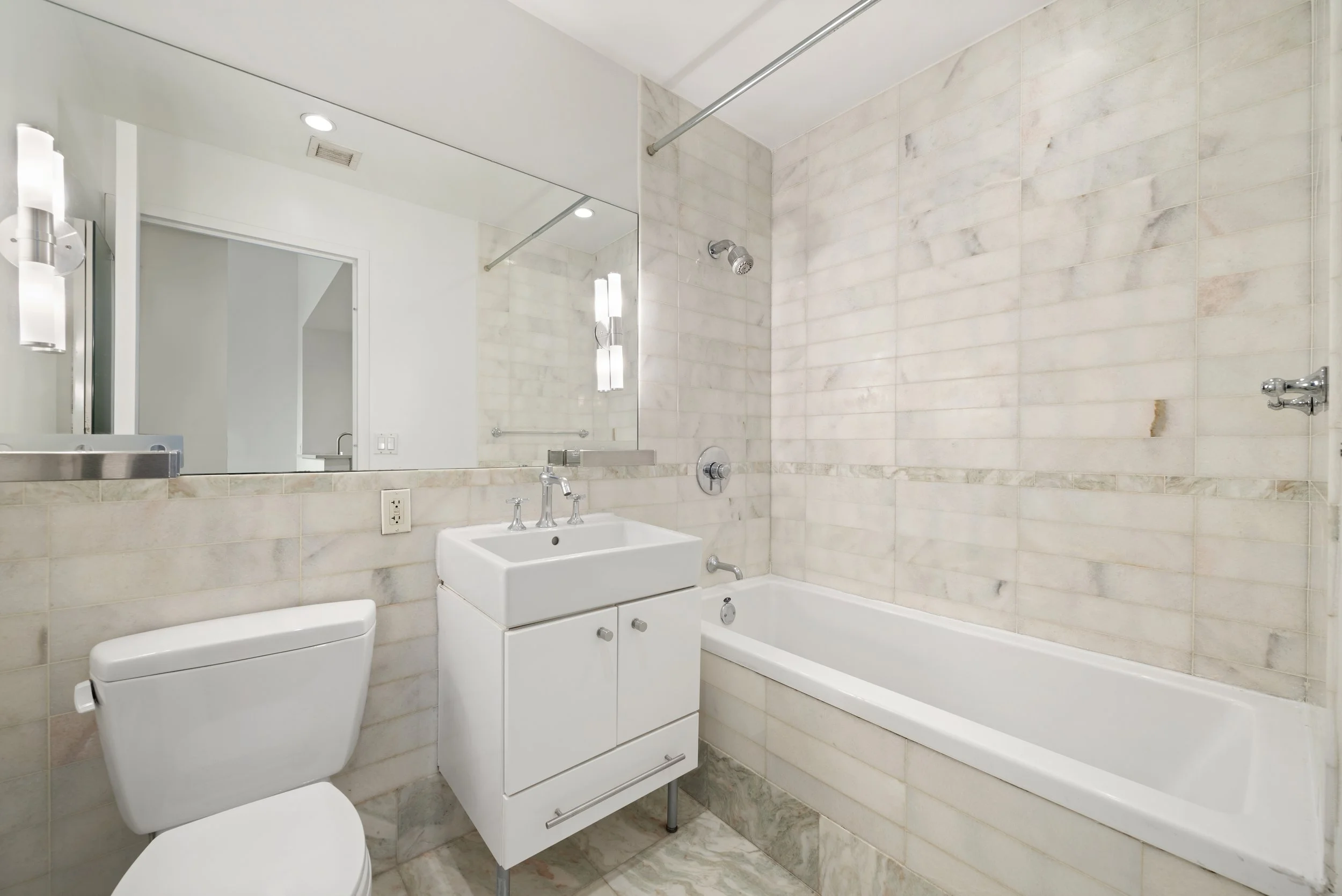
Spanning 837 square feet with 11-foot ceilings, this spacious home is filled with south-facing sunlight and enjoys open-sky views in the oversized living room, while the sleek, open chef's kitchen dazzles with excellent cabinet space, a breakfast bar and top-notch stainless steel appliances. Gleaming white oak floors guide you to the south-facing bedroom where you'll find two large closets. The bathroom is filled with floor-to-ceiling marble, the adjacent hall closet provides ample storage space, and the in-unit washer-dryer adds effortless convenience to this sunny Hell's Kitchen home.

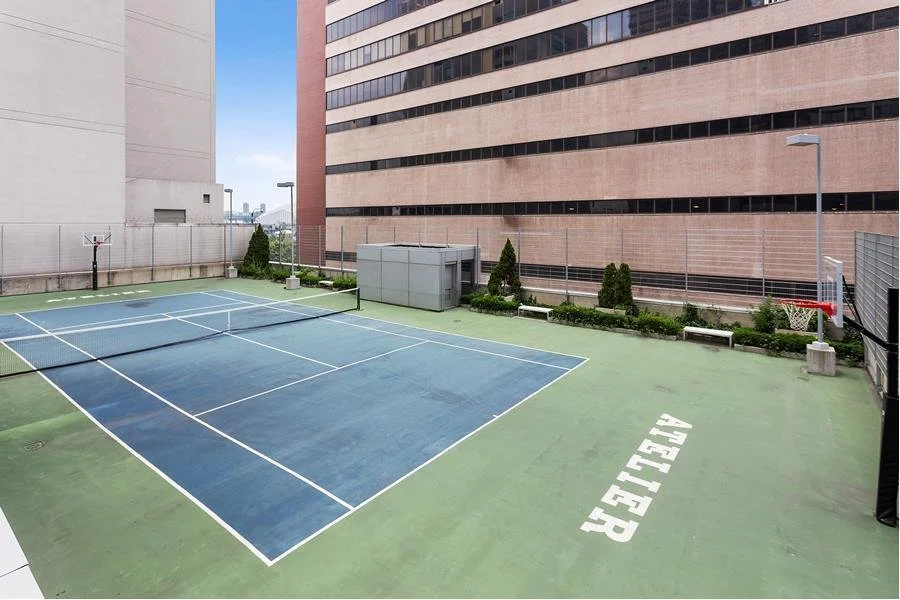
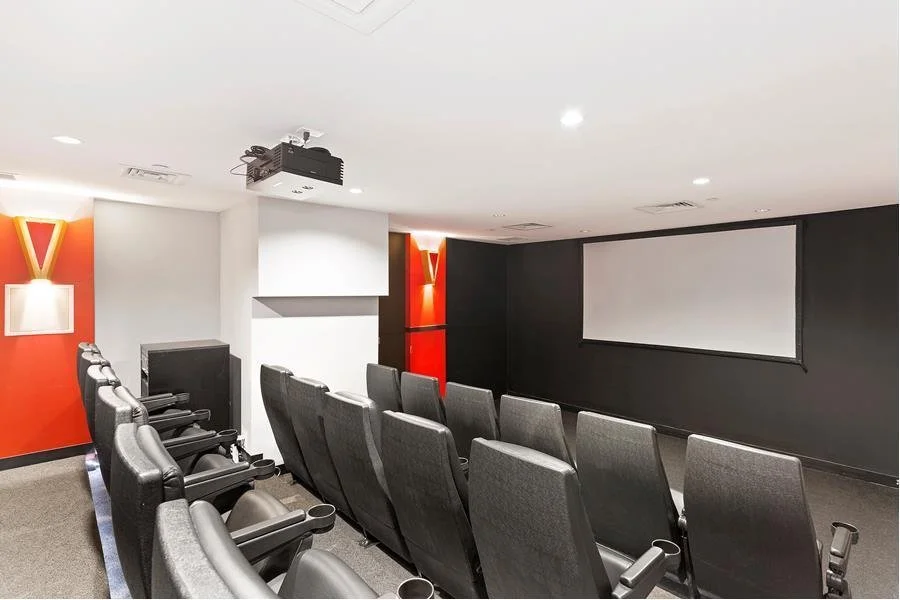
The Atelier is a modern condominium tower offering a seemingly endless suite of amenities and services, including 24-hour concierge/valet and live-in superintendent, building-wide Wi-Fi, a spectacular 12,000-square-foot fitness center overlooking the city, bike room and common storage, onsite parking, terraces and a glorious roof deck with barbecues and jaw-dropping Hudson River and city views.

Located in the heart of the vibrant Hell’s Kitchen, residents of the pet-friendly building enjoy easy access to the city's cultural and culinary delights. Massive Hudson River Park is less than one block west; the Theater District is just blocks away; and spectacular Hudson Yards is situated just a few minutes south. Transportation options abound with 7 and A/C/E trains, Port Authority Bus Terminal, West 39th Street ferry landing, and the Lincoln Tunnel all within easy reach.

*There is a $29/mo assessment in place starting June 2026

New Times Square Observation Deck, 19 Floors Above Broadway

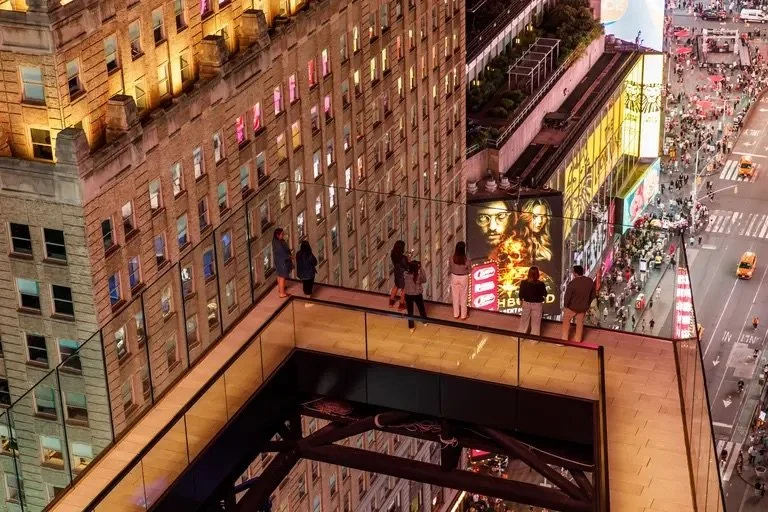
You’ve probably never seen Times Square like this before. One Times Square, home of the New Year’s Eve Ball, opened a new observation deck this week that puts visitors 19 floors above Broadway, at the center of one of the world’s most iconic destinations. Dubbed the Times Square Skywalk, the new experience provides a unique perspective of the city from a 360-degree wraparound viewing deck, offering peeks of both rivers, Central Park, and the crowds below. The skywalk is part of a broader $500 million redevelopment of One Times Square, which opens up most of the building to the public for the first time in 50 years.

Upon arriving at One Times Square on Broadway and 42nd Street, visitors will ascend to the 19th floor on a glass-enclosed elevator. On this level, guests can get an up-close look at elements of the New Year’s Eve ball drop, including the Centennial Ball, which rang in the 100th anniversary of the Times Square Ball drop tradition in 2007, and the seven-foot-tall New Year’s Eve Numerals.

Visitors can also write their wishes on a piece of confetti that will be dropped during the next ball drop.

Photos courtesy of One Times Square

Outside, the viewing deck offers 360-degree views of Manhattan and beyond. A glass-floored walkway provides a birds-eye view of Times Square below.

“The Times Square Skywalk allows visitors to experience the magic and excitement of Times Square from a new vantage point,” Delfin Ortiz, general manager of One Times Square, said.

“We’re thrilled to share this elevated perspective of the Crossroads of the World and give visitors the chance to connect with the history, joy, and wonder of the New Year’s Eve celebration year-round.”

Tickets to the Times Square Skywalk Experience start at $30. A discounted ticket offer will be available to New York City residents.

One Times Square first debuted the skywalk last December as part of a limited preview. In February, the building opened iCandy NYC, a Big Apple-themed candy installation.

Other experiences will open in the coming months, including a multi-floor interactive museum exploring the history of One Times Square, the neighborhood, and the storied New Year’s Eve celebration. As 6sqft previously reported, the NYE ball that was retired last year will be on display with its predecessors as part of the new experience. One Times Square will also be home to EVER, a venue that will host weddings, vow renewals, proposals, and “all kinds of celebrations of love.”

One Times Square. Photo © Ondel Hylton

Built in 1904 as the headquarters for the New York Times, the 26-story One Times Square was one of the tallest towers in the city when it opened. The building, which has served as the centerpiece of the New Year’s Eve Ball Drop since 1907, has been vacant for years, with only billboards covering its exterior.

Jamestown, which has owned the property since 1997, kicked off a $500 million redevelopment of the building in 2022 to turn it into a year-round tourism destination and visitor hub.


New Times Square observation deck offers unique NYC views, 19 floors above Broadway

By Devin Gannon

April 8, 2026

Cover photo courtesy of One Times Square

265 East Houston Street, Unit 4

265 East Houston Street, Unit 4

lower east side, Manhattan

Asking $1,875,000

2 Bed  |  2 Bath | Condo


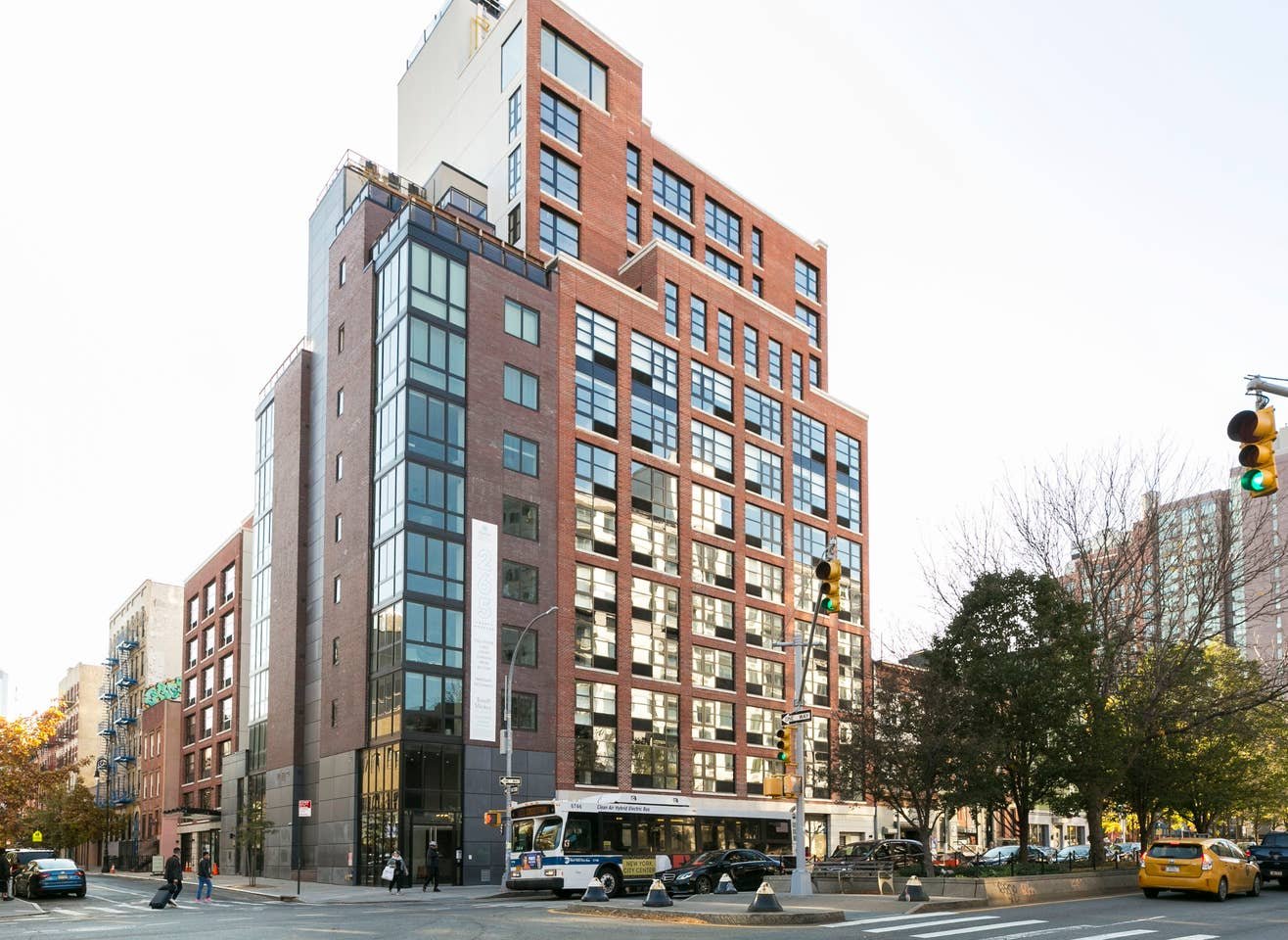
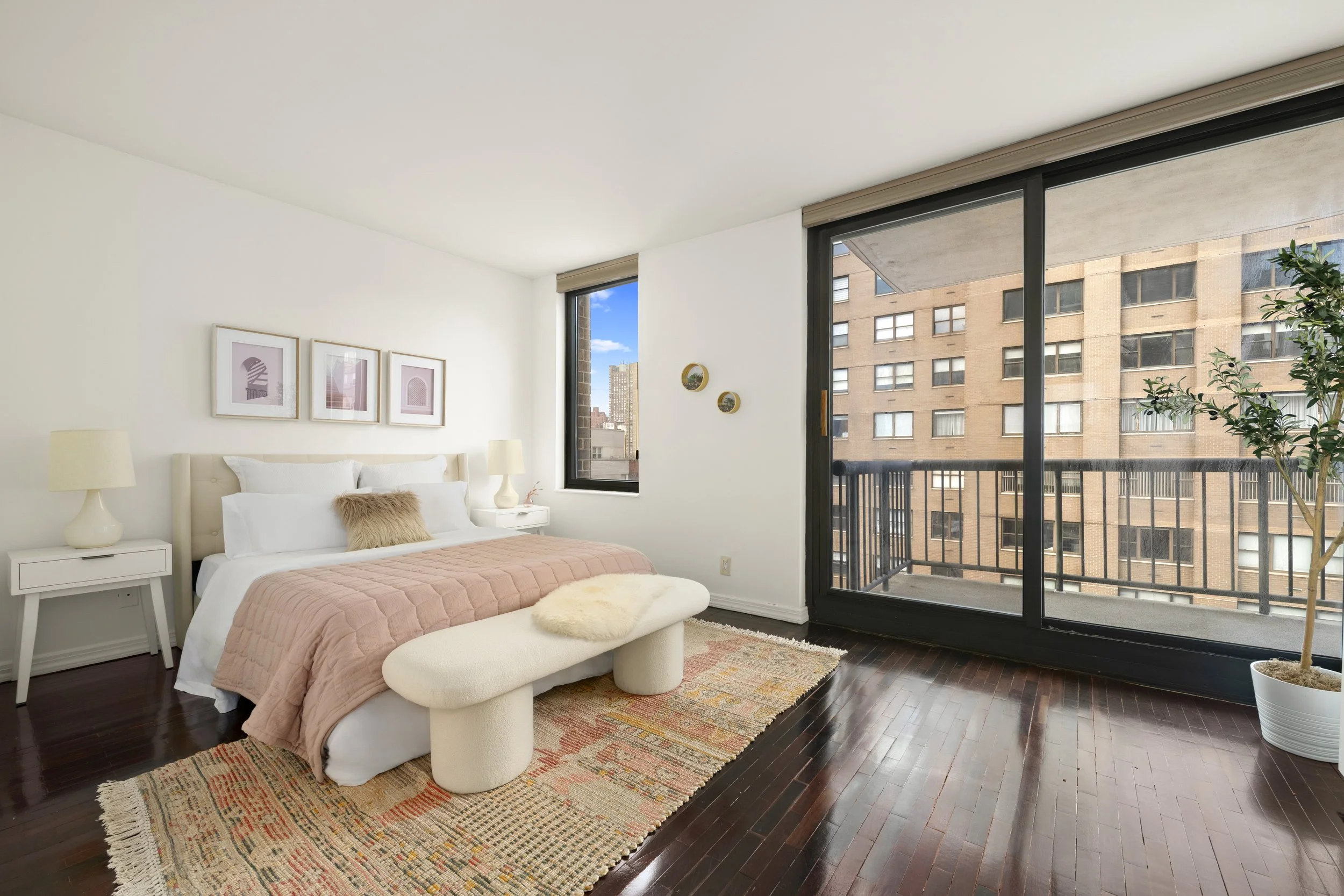
The sights of the city unfold at your feet in this sun-filled two-bedroom, two-bathroom condominium with private outdoor space, perfectly positioned at the intersection of the East Village and Lower East Side.

Private elevator access delivers you directly to this expansive 1,400-square-foot loft-like showplace featuring premium finishes and a fantastic layout. Wide-plank hardwood floors and tall ceilings usher you into the glorious great room where floor-to-ceiling windows face north and east, delivering stunning sunlight and views to the generous living and dining areas. The ultra-chic open kitchen dazzles with sleek custom cabinetry, marble waterfall counters and state-of-the-art Miele appliances, including a gas cooktop, and dishwasher.

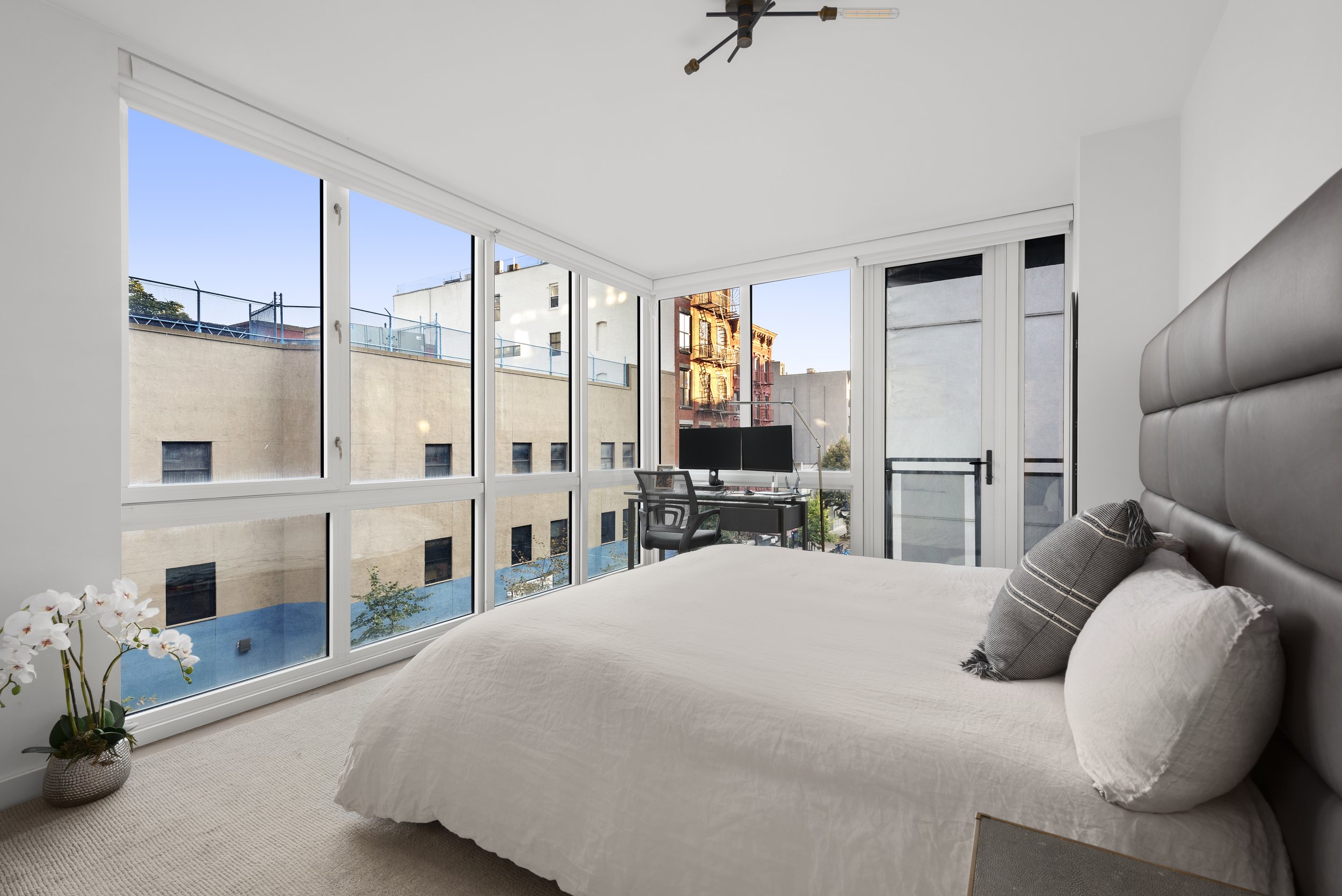
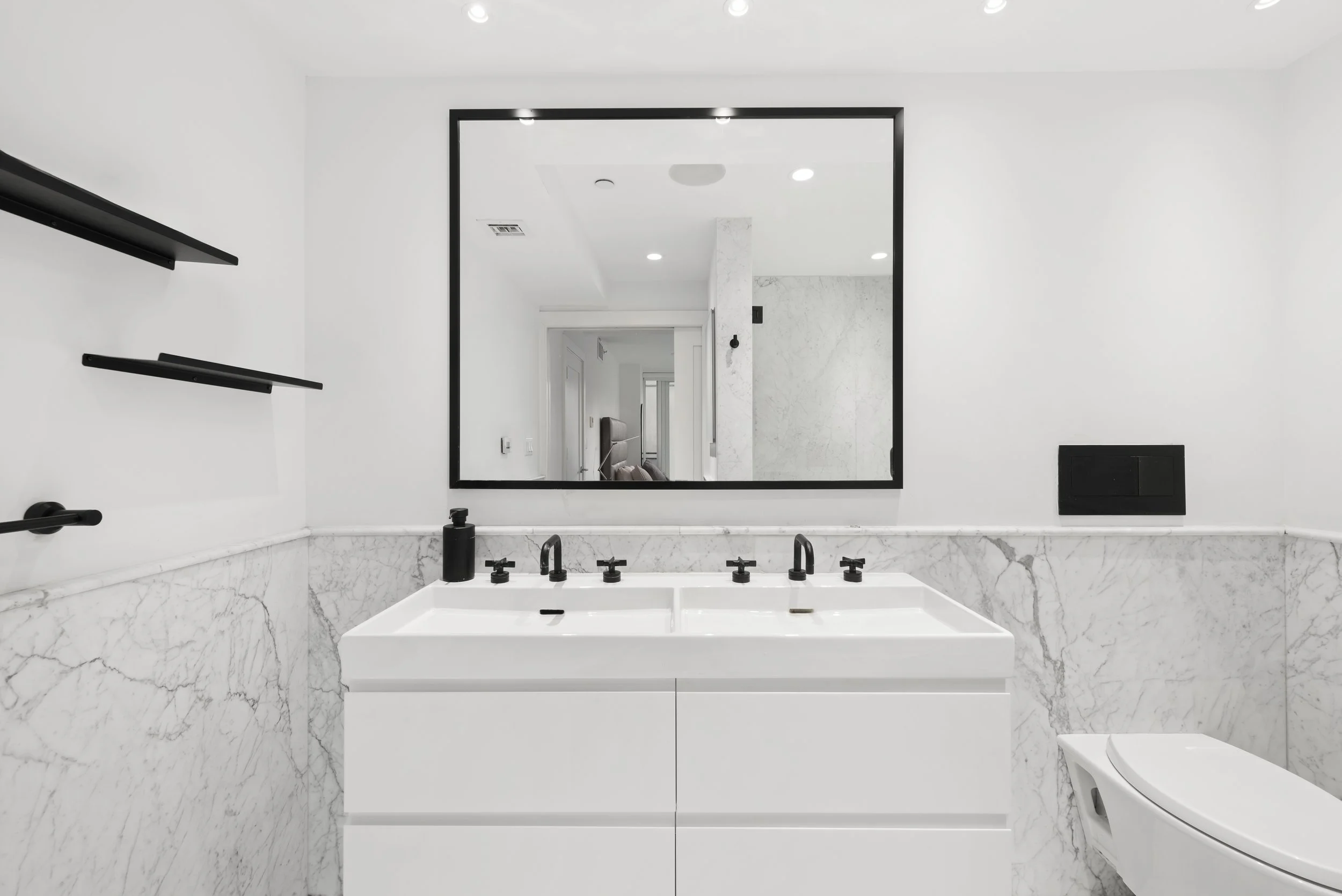
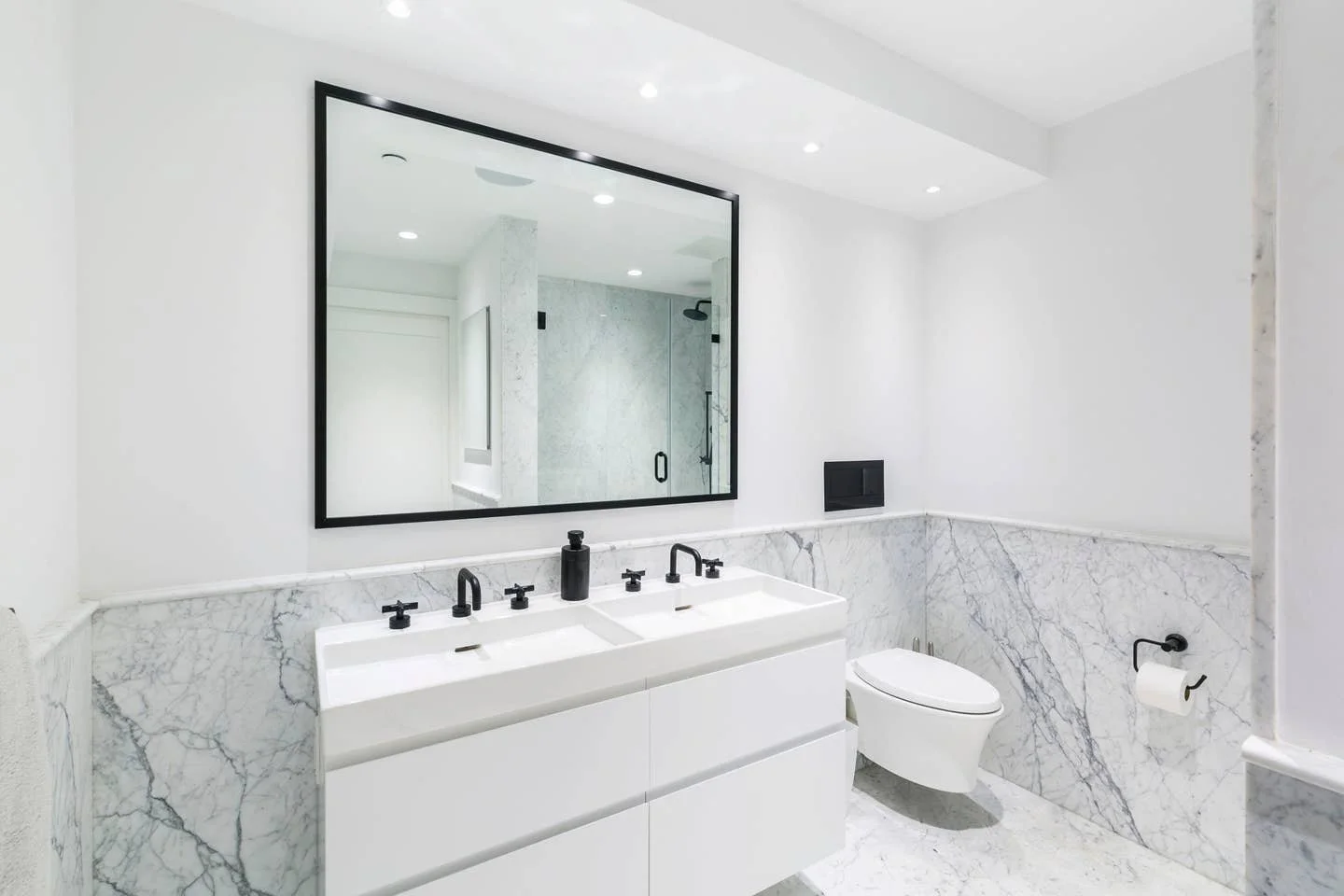
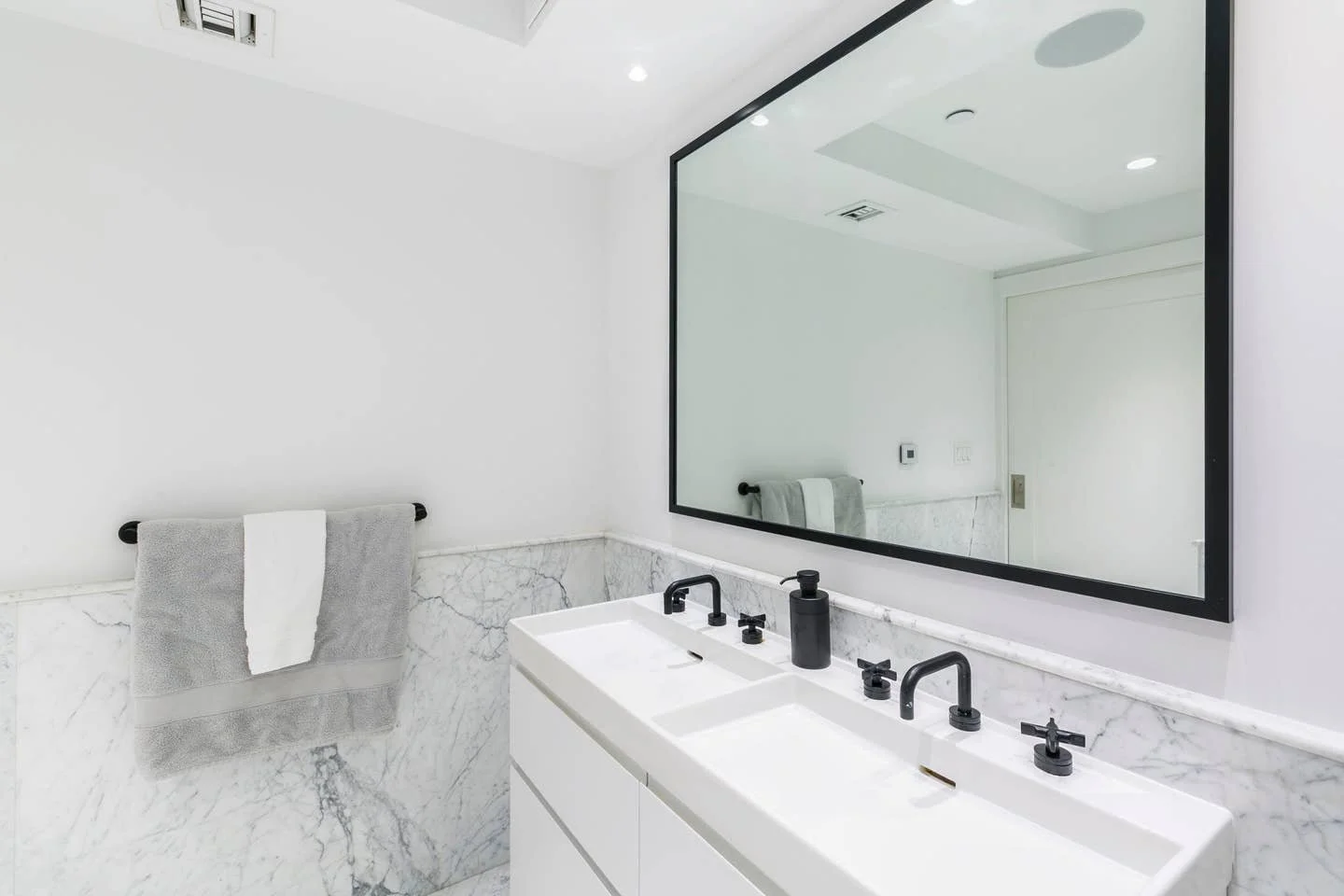
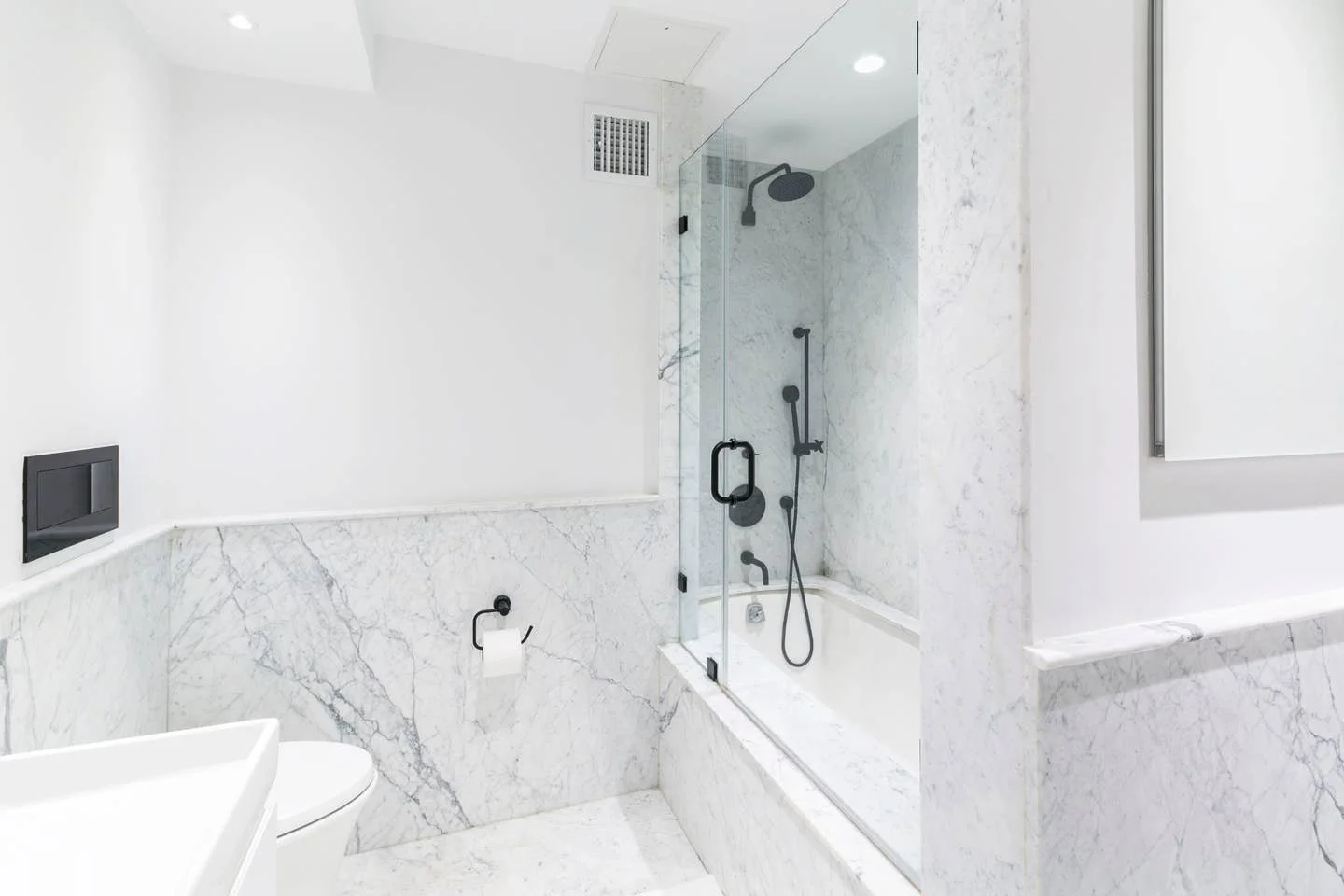
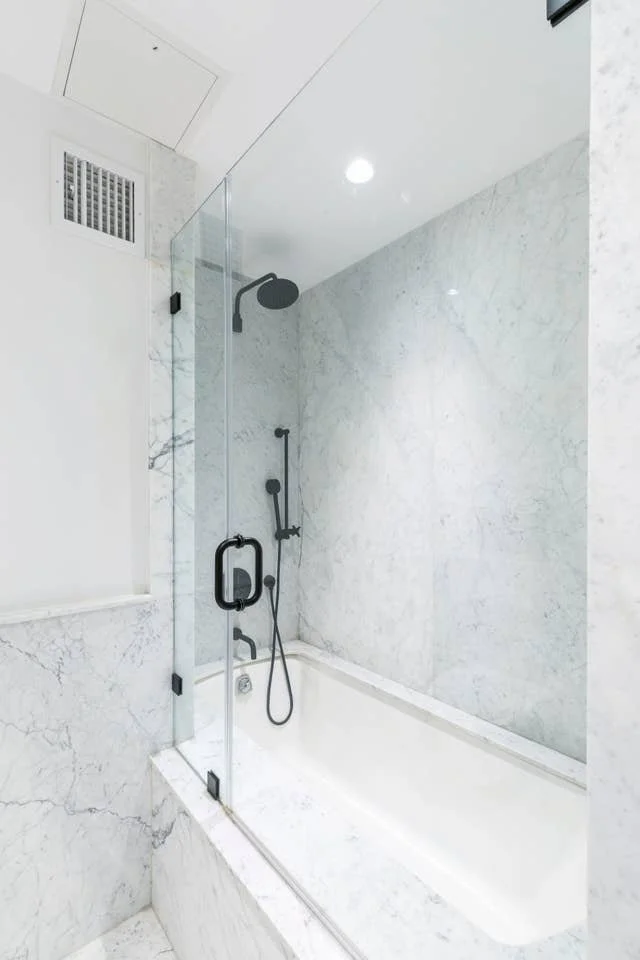
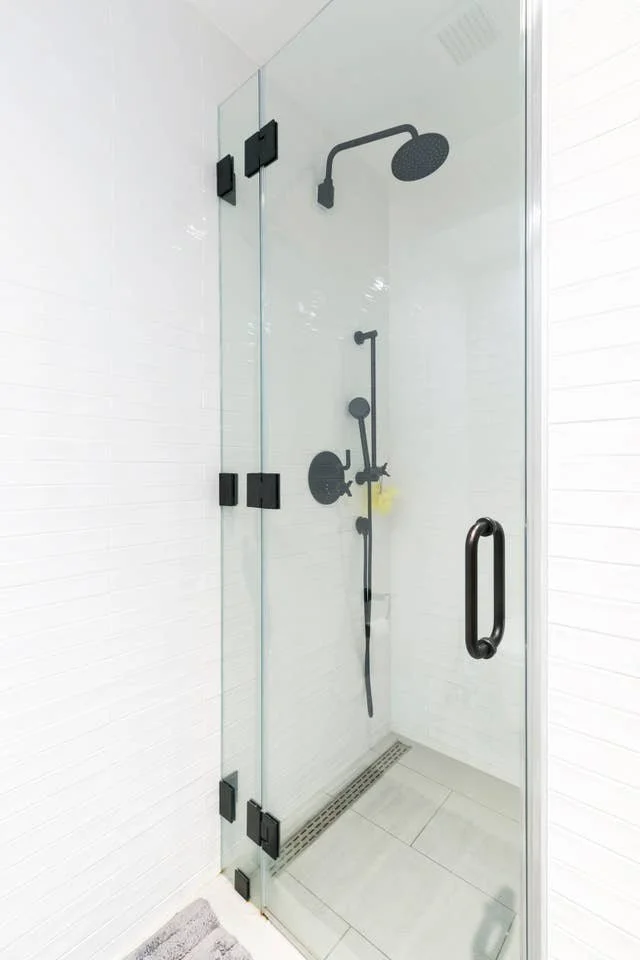
The elevator entry hall creates an ideal separation between living spaces and bedrooms. At the southeast corner, the owner's suite is encircled by walls of glass and a gorgeous private balcony. A walk-in closet attends to wardrobe needs, and the en suite bathroom dazzles with a double vanity, recessed medicine cabinet and large Kohler tub/rain shower accented by marble and black matte fixtures by local firm Watermark Designs. With its large closet and position near the gleaming guest bath, the second bedroom is ideal as a guest room, nursery or home office. A large coat closet and in-unit washer-dryer complete this impeccable Lower East Side abode.

Built in 2017, 265 East Houston is a contemporary condo building where residents enjoy virtual doorman entry, cold storage, a stately lobby and a remarkable rooftop terrace with panoramic views.

In this outstanding downtown location, you're an eclectic mix of chic boutiques, old-school nightspots and buzzy rooftop bars, making it one of Manhattan's most exciting enclaves. You'll find foodie heaven at Essex Market and The Market Line food hall. Transportation from this central neighborhood is effortless, with B/D/F/M and J/Z trains, excellent bus service and CitiBike stations nearby.

*Tenant in place until 8/31/2026.

The Monthly Update - April 2026

Manhattan Real Estate Market – Q1 Overview

The first quarter of the year has unfolded largely in line with seasonal expectations, but with several notable dynamics shaping the market—most prominently tight inventory, resilient (but picky) buyer demand, and a strong luxury sector.

On the supply side, Manhattan entered the year from a historically low starting point. Inventory declined sharply through late December and early January, at one point dipping below the 5,000 listing threshold, a level not seen in several years. Since then, supply has begun its typical seasonal rebuild, gradually climbing back into the mid-5,000 range. However, despite this upward trend, overall inventory remains consistently 5% to 10% below prior-year levels and below the five-year average for this time of year. While new listings have started to come online, the pace has been uneven, with some “choppiness” in weekly releases. As a result, the market continues to operate in a constrained inventory environment heading into the spring season.

On the demand side, the in-contract market followed its usual winter slowdown before gaining traction through February and into March. The rolling 30-day pace of buyer activity rebounded meaningfully from its January lows, with contract signings frequently reaching the 200–250 per week range, and in some cases exceeding prior-year weekly levels. While overall demand has, at times, trailed last year’s pace, the trend line is clearly upward. Notably, several strong weekly surges suggest pent-up demand—likely driven by earlier weather disruptions and a lack of available inventory. At the same time, tight supply has begun to act as a limiting factor, preventing contract activity from fully accelerating to peak spring levels. As inventory builds, this constraint may ease, allowing demand to express itself more fully.

The luxury market ($4M+) has been a standout performer throughout the quarter. Weekly contract volume has remained robust, often ranging between 30 and 40+ deals, with multiple weeks exceeding historical norms. Activity at the $10M+ level has been particularly strong, including several weeks with double-digit “trophy” transactions. February saw a meaningful increase in total dollar volume, driven by higher-priced deals rather than just transaction count. New development has played a critical role in this segment, with projects such as 1122 Madison demonstrating strong absorption, multiple contracts signed off floorplans, and even upward price adjustments. Despite broader macroeconomic headwinds—including rising interest rates, geopolitical tensions, and equity market volatility—the luxury sector has shown remarkable resilience and pricing power.

Key Takeaways

Overall, the Manhattan market enters the spring season with a tight but improving supply backdrop, steadily strengthening demand, and a highly active luxury segment. The primary variable to watch in the coming weeks will be the pace at which new inventory comes to market. If supply accelerates as expected, it should unlock additional transaction volume and support a more active and competitive spring market. If not, continued inventory constraints may temper the full potential of buyer demand.

In short, the foundation for a strong spring market is in place—but its ultimate strength will depend on whether supply can catch up to demand.


Local Happenings


Featured Listings


Stay Connected

167 East 61st Street, Unit 15D

167 East 61st Street, Unit 15D

lenox hill, Manhattan

Asking $1,425,000

1 Bed  |  1.5 Bath | Co-op


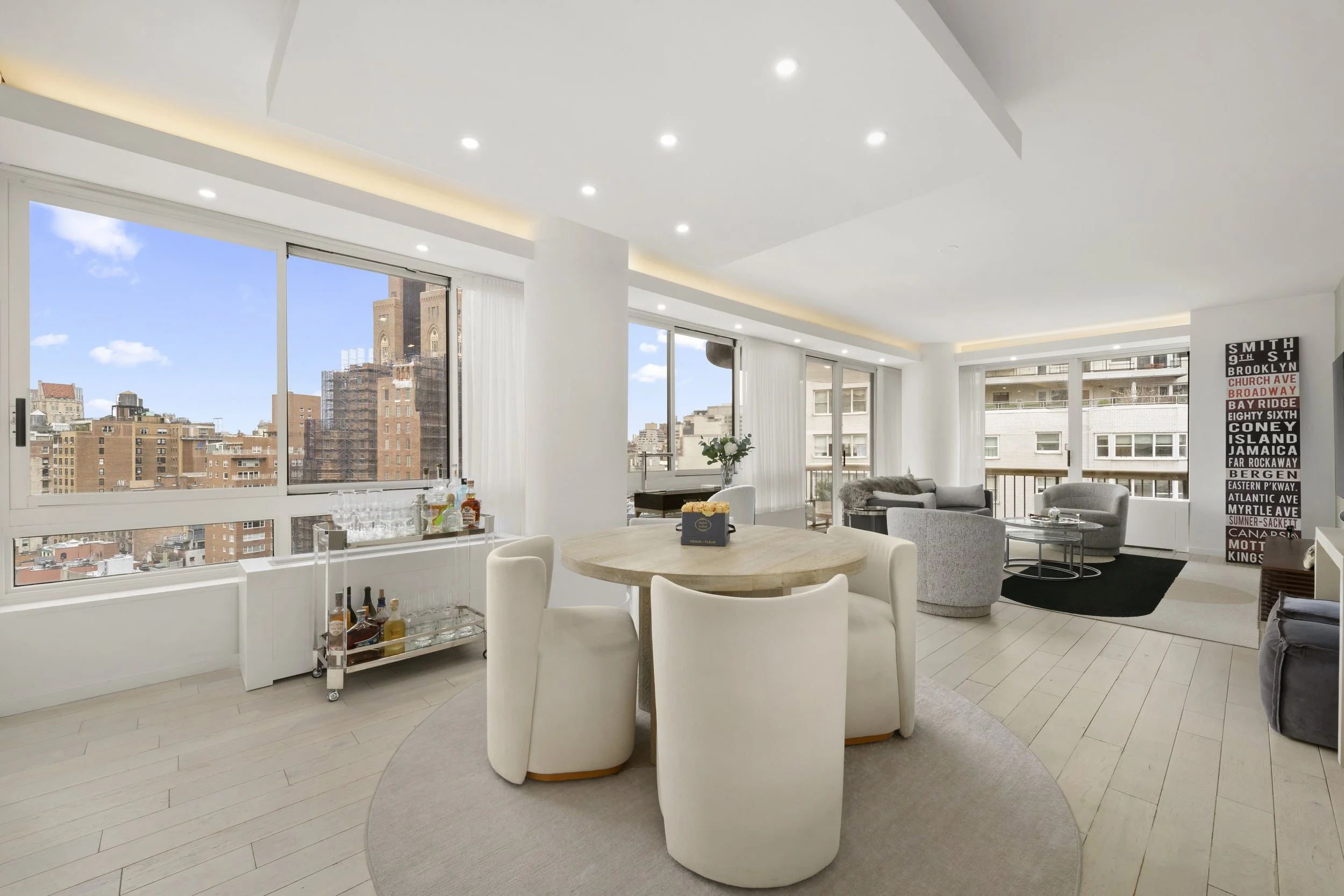
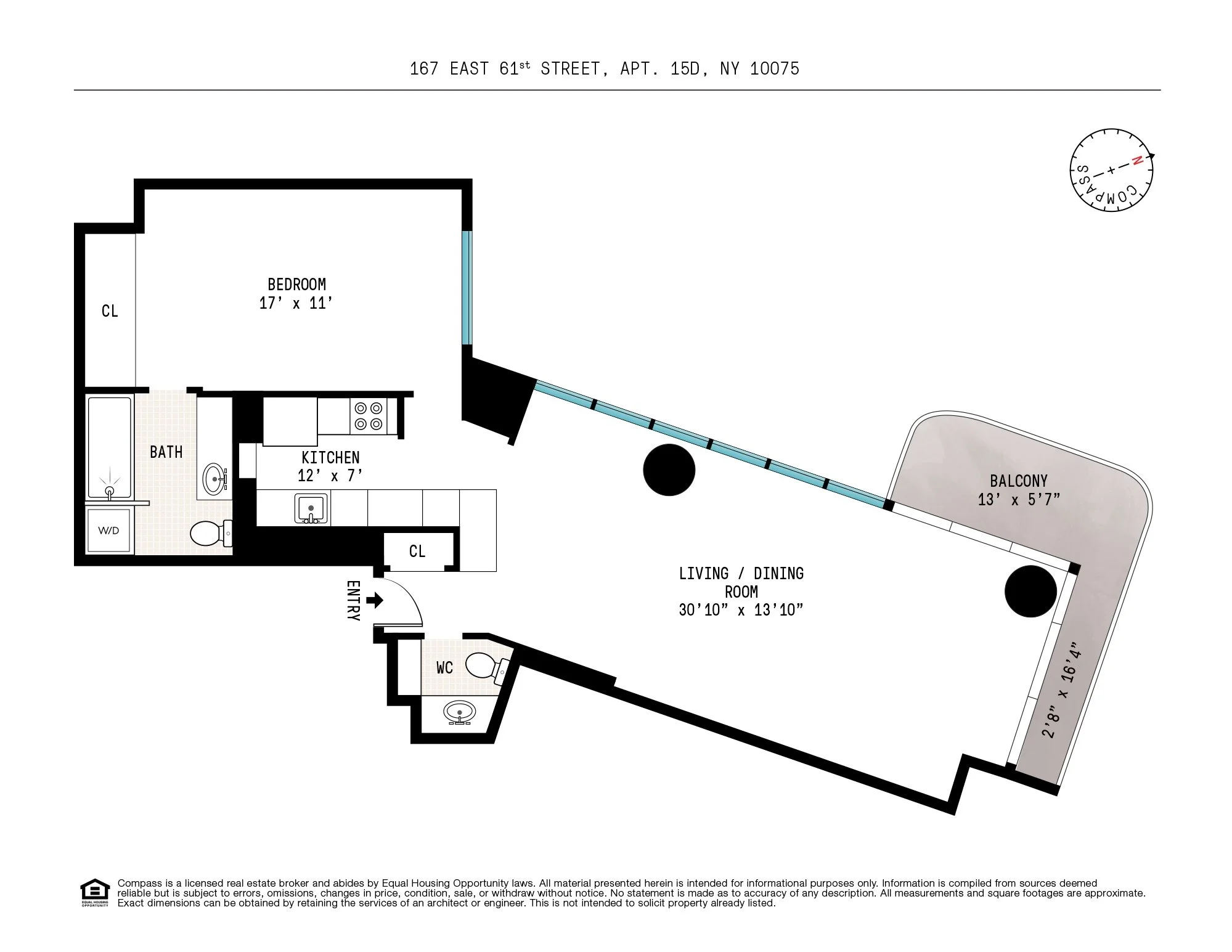
Welcome to this beautifully renovated mint-condition 1-bedroom, 1.5-bathroom apartment offering sun-drenched views and sophisticated modern design. Perched high above the city with a private terrace, the home offers spectacular northern and western city views plus wonderful natural light.

The expansive loft-like living and dining area is framed by oversized windows creating a bright and airy setting ideal for both everyday living and elegant entertaining. White oak flooring runs throughout the residence, adding warmth and timeless sophistication.

The refined, modern kitchen has been thoughtfully designed with sleek quartz countertops and matching backsplash complemented by premium stainless-steel appliances and high gloss lacquer cabinets with plenty of storage, a garbage disposal and a wine cooler—blending style with everyday functionality.

Both bathrooms are beautifully finished, and the primary bath features double sinks and a washer/dryer discreetly tucked away for added convenience. Additional highlights include custom radiator covers and built-ins in the bedroom closets. This turnkey residence is ready to be enjoyed immediately.

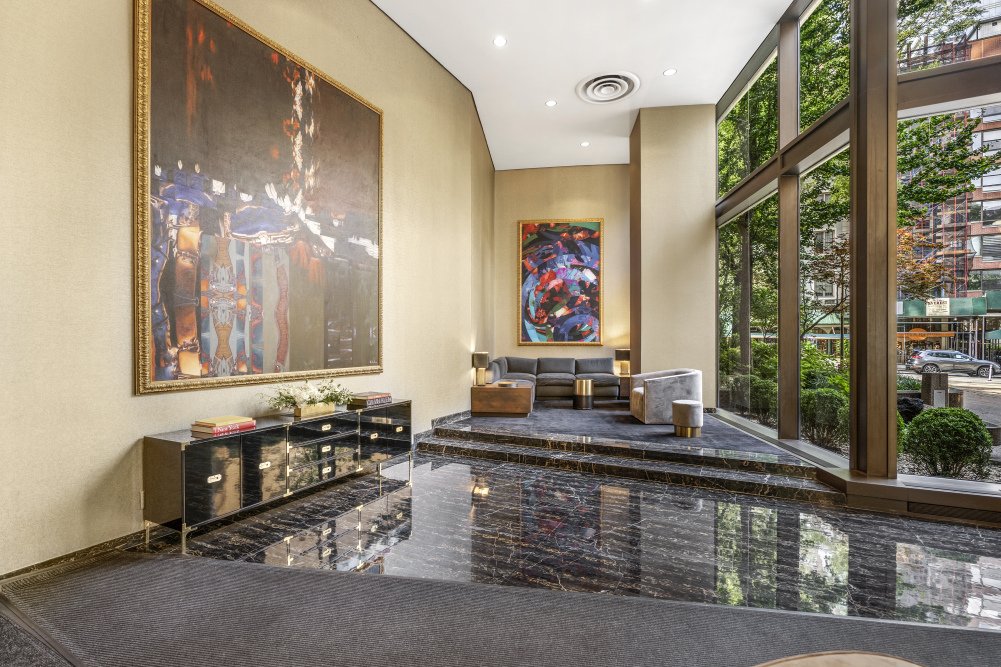
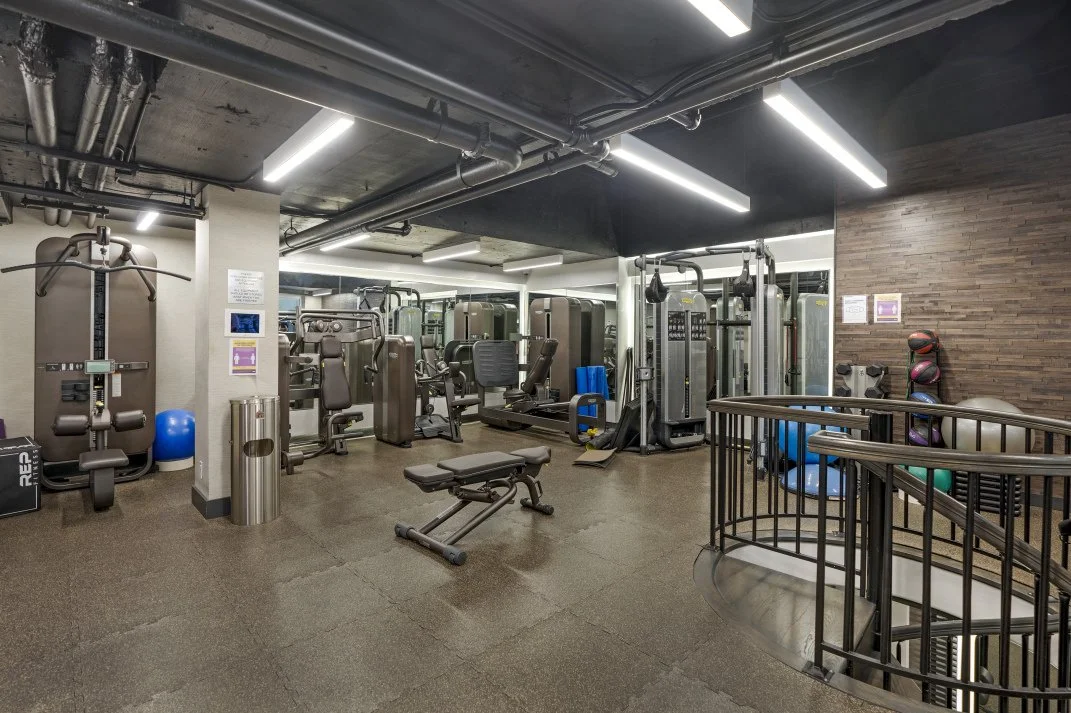
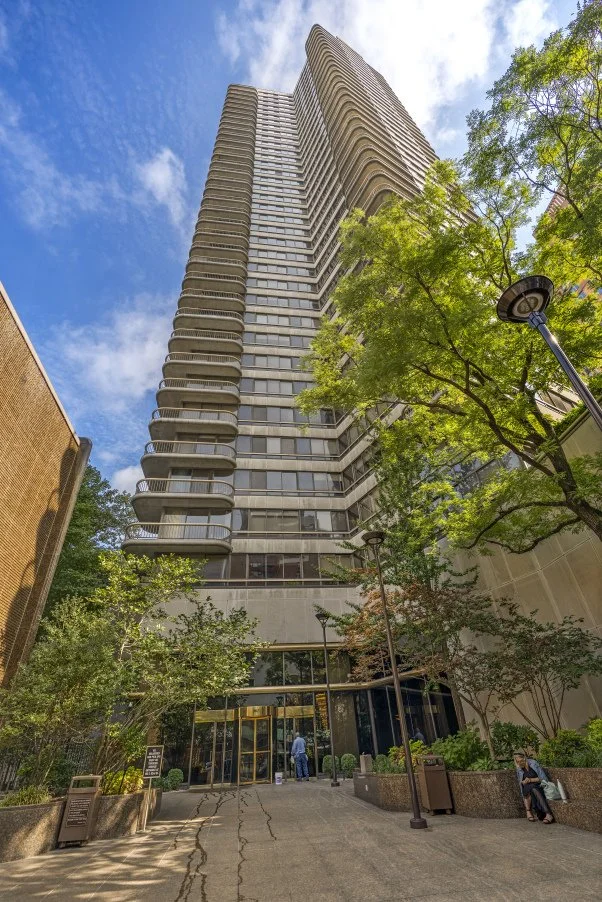
167 East 61st Street is a luxury high-rise located in one of Manhattan’s most desirable neighborhoods, surrounded by exceptional restaurants, shopping, and convenient transportation. Building amenities include full time doorman, concierge, fitness center, private garden, on-site garage, laundry room and storage.

This pet-friendly building allows pieds-à-terre and permits up to 80% financing. There is a 2% flip tax paid by the purchaser.

New Protected Two-Way Bike Lane From The Brooklyn Bridge To Union Square

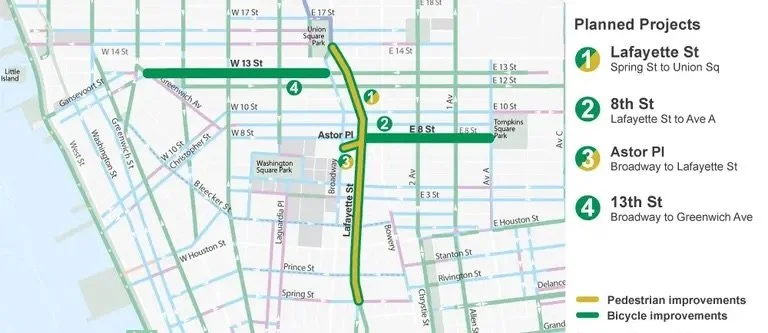
New York City has begun a series of bike lane and pedestrian space upgrades that will add a safer link between the Brooklyn Bridge and Union Square. On Wednesday, DOT Commissioner Mike Flynn announced the start of work in Noho, the East Village, and Union Square, including a continuous north-south bike connection from the Brooklyn Bridge to Astor Place and Union Square. Officials say the most significant improvements will be completed before the FIFA World Cup in July, when the already busy area is expected to see a surge in visitors.

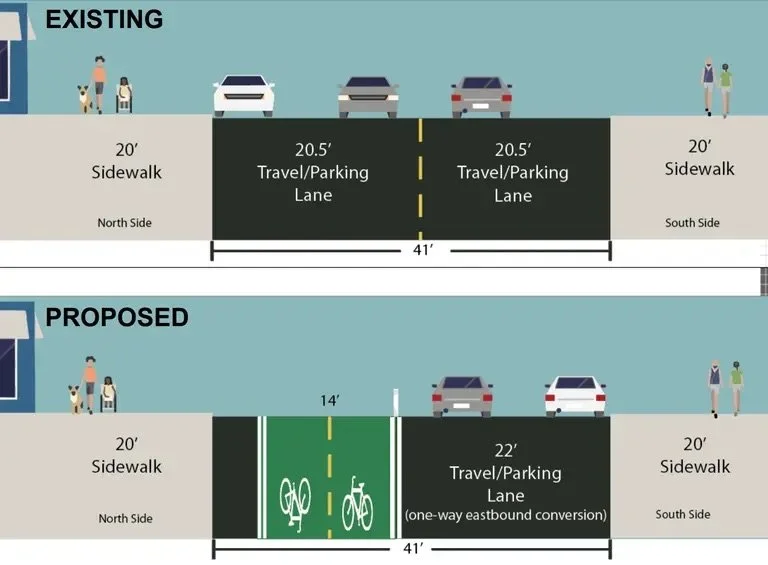
The plan, presented to Manhattan Community Board 2 on Tuesday evening, would deliver a continuous parking-protected two-way bike lane between Prince Street in Soho and 15th Street in Union Square, along Lafayette Street as it becomes Fourth Avenue, where there is currently only a one-way northbound lane.

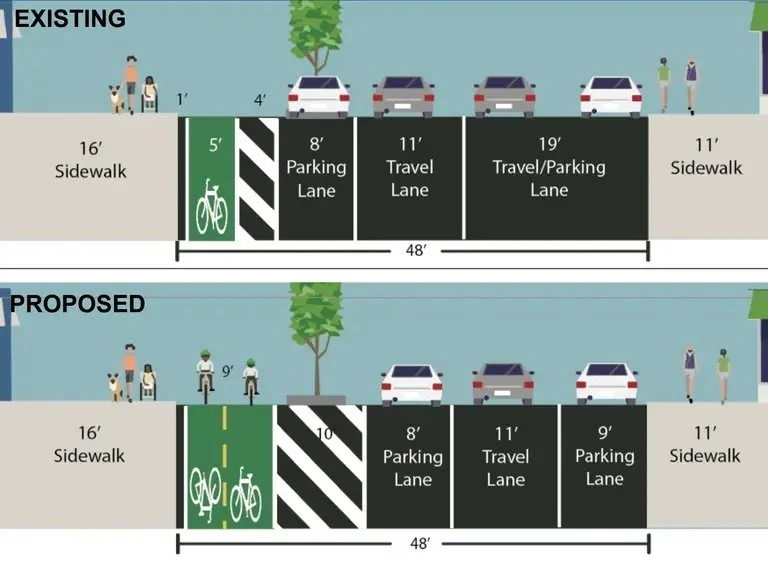
On Lafayette Street, from Prince Street to East 8th Street, the existing five-foot-wide, one-way protected bike lane will be widened to an 11-foot-wide, two-way protected lane. The number of northbound travel lanes will also be reduced from two to one, and turn lanes will be added.

“These world-renowned destinations draw thousands of visitors on a given day and are expected to see increases this summer as the World Cup begins,” DOT Commissioner Mike Flynn said.

“This plan will deliver a host of upgrades for pedestrians and cyclists from the East Village to Madison Square, improving safety and creating a more welcoming experience for pedestrians.”

Proposed redesign of Lafayette Street from Prince to East 8th Streets

An “amenities zone” will also be created between the bike and parking lanes, providing space for cargo and bike parking, trash receptacles, and landscaping, while keeping bike lanes clear and pedestrians off the sidewalk. The redesign of Lafayette will require relocating the existing Citi Bike station just south of the Astor Place intersection, moving it into the roadway.

By widening the bike lane, the redesign shortens the time it takes pedestrians to cross vehicular traffic, changes that have been shown to reduce deaths and serious injuries for pedestrians by 31.7 percent.

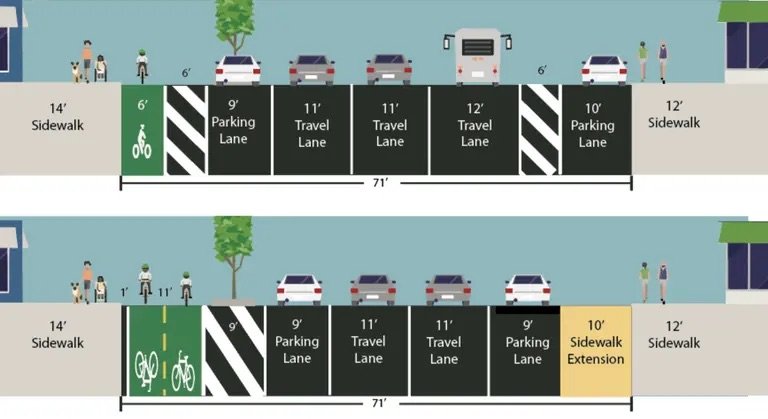
Proposed redesign of Fourth Avenue from East 9th to East 13th Streets

On Fourth Avenue, from East 9th to East 13th Street, the existing five-foot-wide, one-way protected bike lane will be widened to an 11-foot-wide, two-way protected lane, reducing the number of northbound travel lanes from three to two and adding turn lanes.

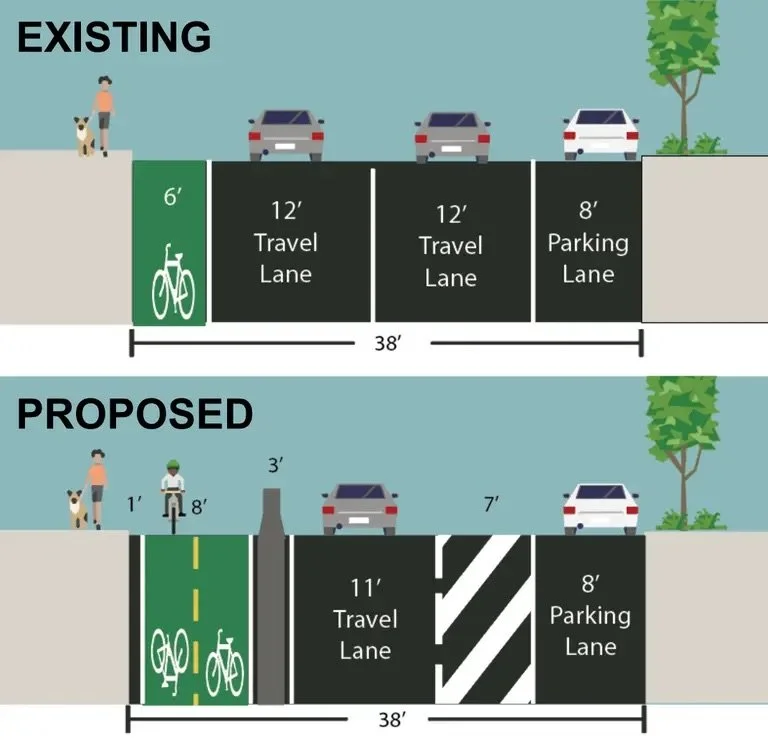
Proposed redesign of Park Avenue South from East 14th to East 15th Streets

Additionally, on Park Avenue South between East 14th and East 15th Streets, the agency will convert the existing one-way bike lane into a two-way, concrete barrier-protected bike lane.

The redesign will also connect to the existing two-way bike lane north of East 15th Street at Union Square and reduce the number of northbound travel lanes from two to one between East 14th and East 16th Streets. Additional roadway space will facilitate easier pick-ups and drop-offs.

The upgrades also include a two-way bike connection from the Brooklyn Bridge to the Flatiron District via Lafayette and Centre Streets and along Fourth Avenue as it becomes Broadway. Similar street redesigns have been shown to improve safety, reducing traffic deaths and serious injuries by 30 percent for all road users, according to a press release.

Proposed redesign of Astor Place between Broadway and Lafayette Streets

The agency will also install a two-way bike lane on Astor Place between Broadway and Lafayette to better connect cyclists traveling on Broadway and Lafayette Street, while adding standard bike lanes on East Eighth Street for riders heading east.

Later this year, DOT will reinforce the existing westbound protected bike lane on 13th Street between Broadway and Greenwich Avenue with a new concrete curb to address chronic bike lane blocking, with additional upgrades planned.

To improve pedestrian safety, the DOT will expand pedestrian space on the east side of Fourth Avenue below 14th Street, adding painted sidewalk extensions along several heavily congested blocks near Union Square. Later this year and in 2027, DOT will install concrete pedestrian islands between Spring and East 14th Streets along Lafayette Street and Fourth Avenue.

In total, the project includes nine new pedestrian islands, three sidewalk extensions, and a signal study at Jersey Street. Construction of the concrete islands is scheduled for late 2026 and early 2027.

While DOT officials say two-way bike lanes will improve safety for cyclists and pedestrians, some attendees at Tuesday’s Community Board 2 presentation raised concerns about potential risks. They said pedestrians may not be accustomed to looking both ways when crossing a bike lane, which could put them in danger.

Deborah Brook, a resident of the Stewart House at 70 East 10th Street, said “people don’t look the way they’re supposed to look” and warned that placing two lanes running in opposite directions side by side would be a “disaster.” Brook also recommended the agency look into moving the project to Third Avenue.

Hayes Lord, a DOT spokesperson, pointed to future plans for bike lanes on Third Avenue and said the agency is focused on providing protected bike lanes “wherever possible” and wants to “continue to support cycling of all ages and abilities so you don’t have to go over one block,” while acknowledging concerns about safe crossings of two-way bike lanes.

The plan has been developed to complement existing street paving schedules, streamlining operations to improve safety while supporting cycling and helping the city prepare for the World Cup.

“I appreciate Commissioner Flynn and NYC DOT’s continued commitment to safer, more accessible streets in Manhattan,” Manhattan Borough President Brad Hoylman-Sigal said.

“These upgrades, including expanded sidewalks near Union Square and strengthened north-south bike connections, will help improve safety and better accommodate the thousands of New Yorkers and visitors who travel through this corridor each day, particularly as the city prepares for increased activity surrounding the World Cup,” he added.

In Hell’s Kitchen, DOT has launched another project expected to be completed ahead of the World Cup, when sidewalk overcrowding in the area is expected to increase. The project will redesign Ninth Avenue from West 34th to West 50th Streets, expanding pedestrian space, widening the protected bike lane, and extending and repainting the bus lane to 50th Street.


New protected two-way bike lane will connect the Brooklyn Bridge and Union Square

By Aaron Ginsburg

March 26, 2026

Images courtesy of NYC DOT

125 West 12th Street, Unit 4D

125 West 12th Street, Unit 4D

WEST VILLAGE, Manhattan

Asking $1,500,000

2+ Bed  |  1 Bath | Co-op

The Epitome of West Village Living

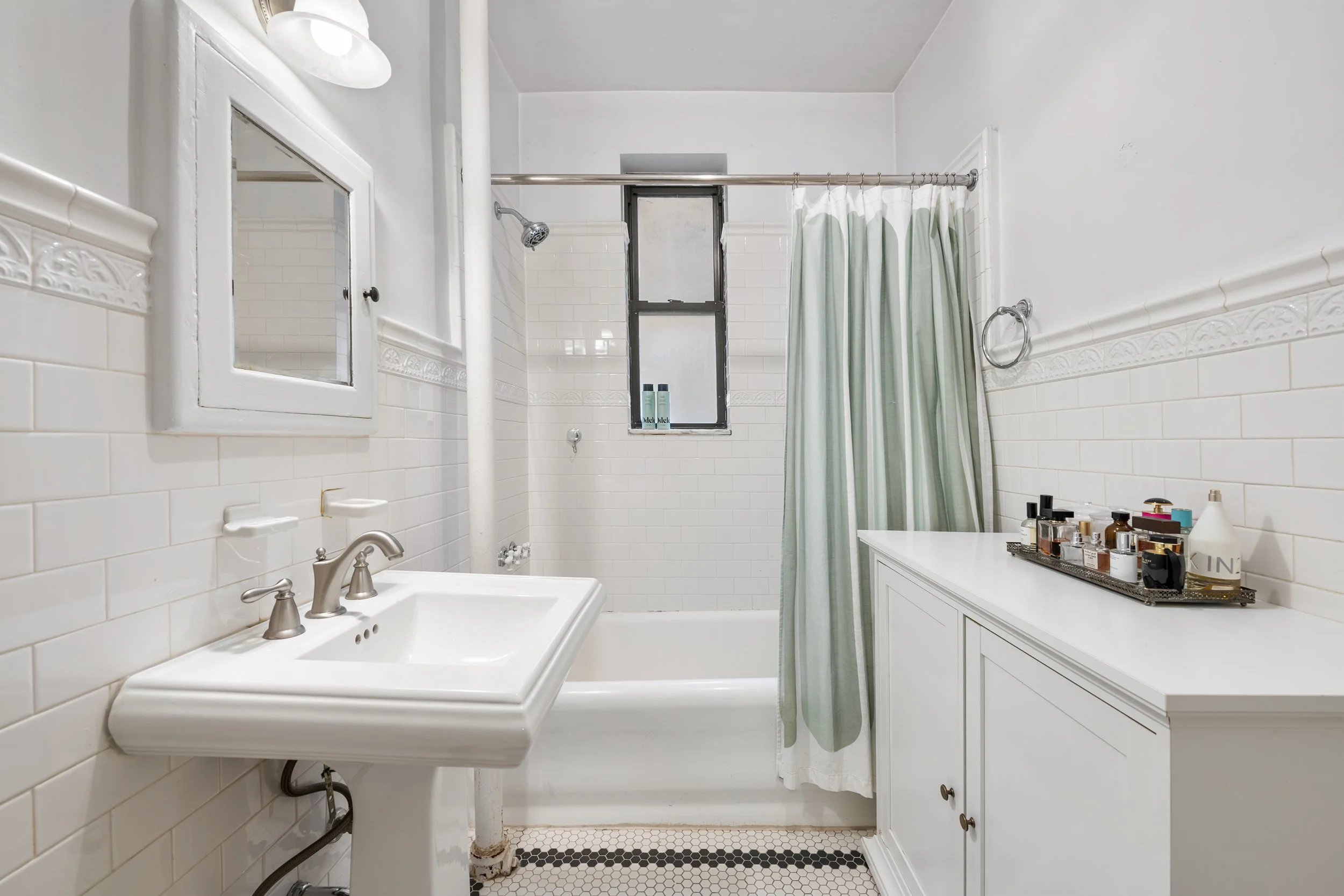
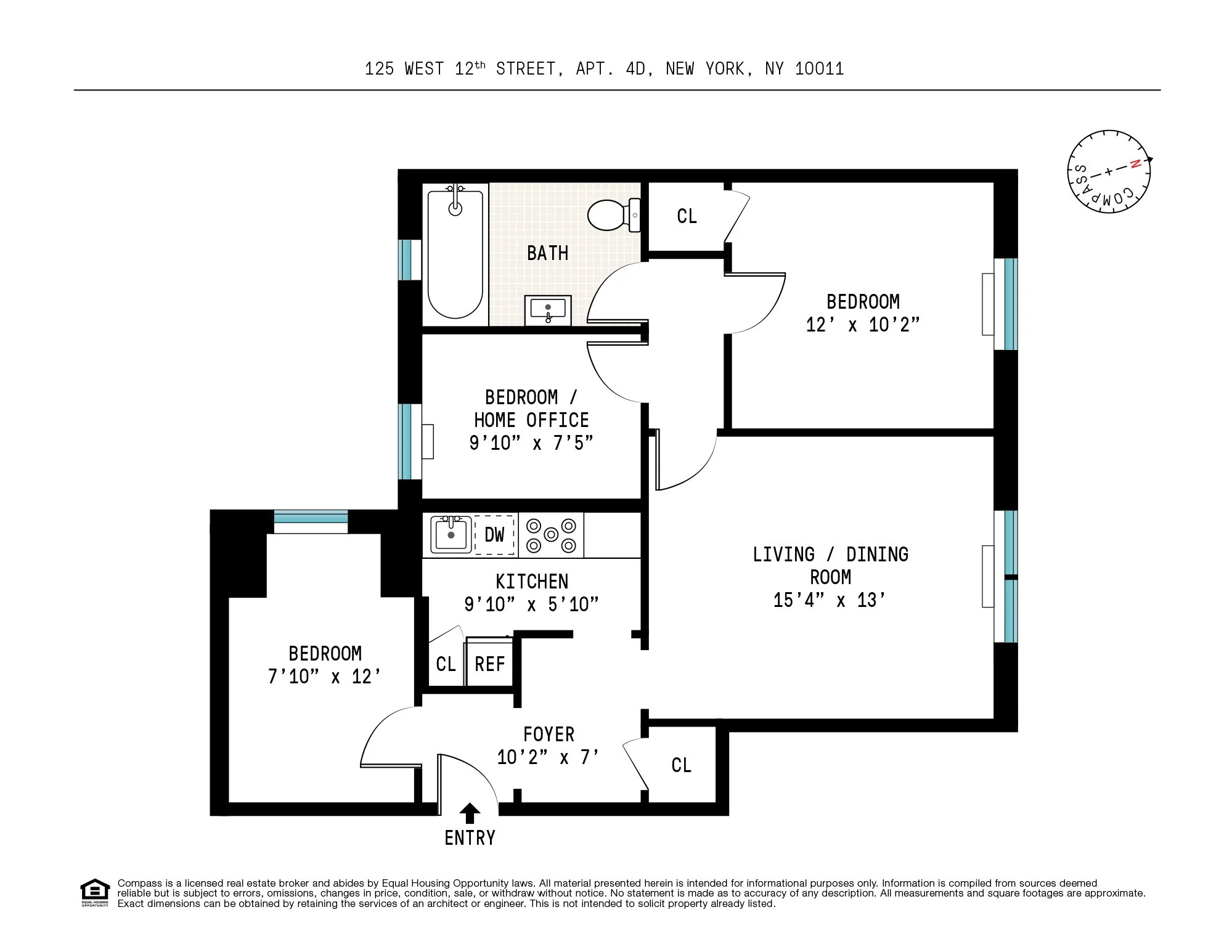
Nestled on one of the West Village’s most coveted blocks, this renovated pre-war residence boasts a sophisticated blend of historic soul and contemporary polish. Bathed in natural light, the home features airy 9.5-foot ceilings and beautiful hardwood floors throughout, with a versatile layout featuring two bedrooms plus a dedicated home office, easily convertible into a third bedroom. The gourmet kitchen is complemented by custom cabinetry and premium appliances tailored for the culinary enthusiast.

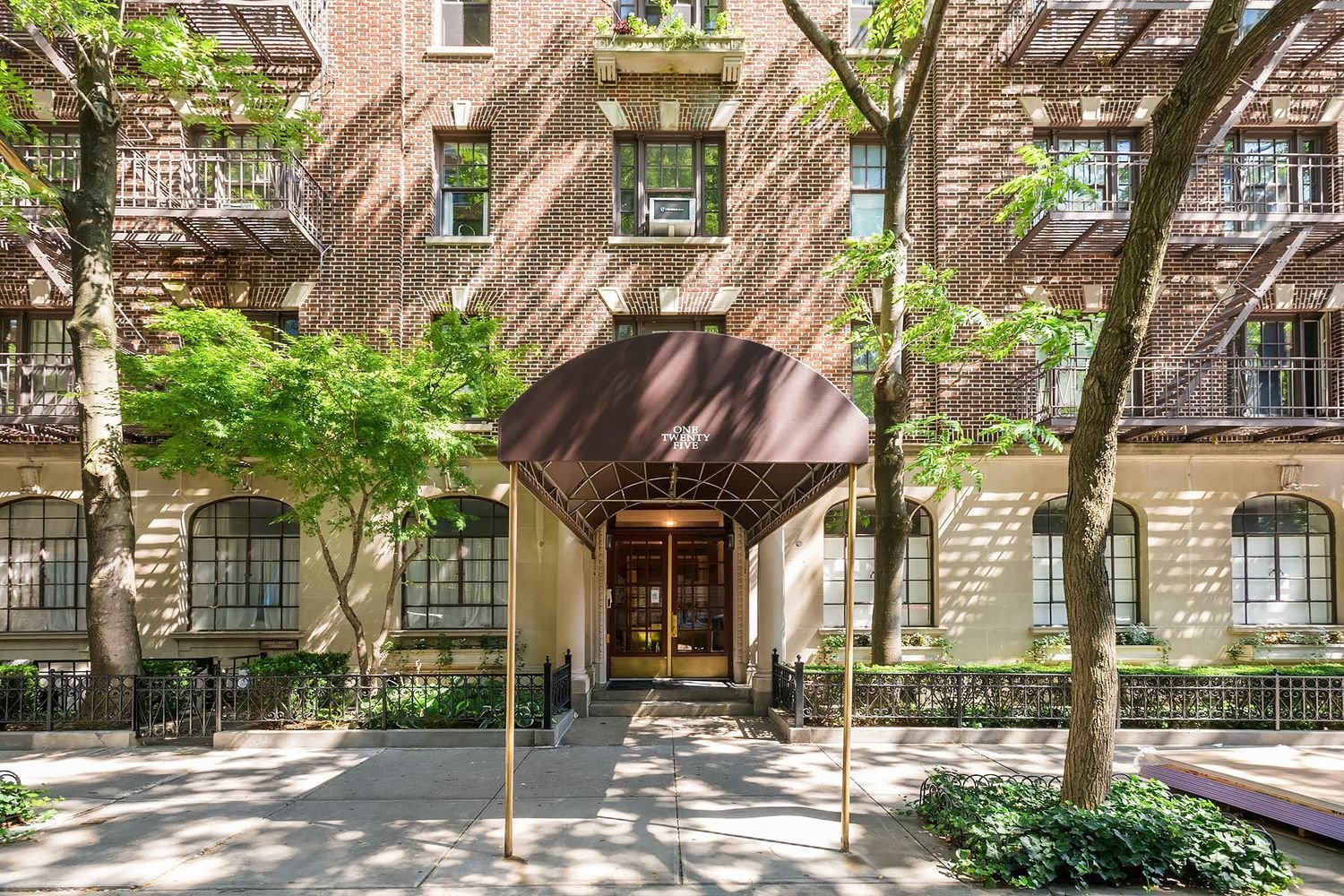
Located in a boutique elevator co‑op, the building offers the convenience of a live‑in superintendent and a virtual doorman. Pet‑friendly and exceptionally flexible, pied‑à‑terres, co‑purchasing, and subletting are allowed. Additional amenities include bike storage, private storage available for rent, and on‑site laundry, making this a rare, move‑in‑ready opportunity in the heart of one of New York City’s most storied neighborhoods.

241 Fifth Avenue, Unit 12C

241 Fifth Avenue, Unit 12C

NoMad, Manhattan

Asking $1,095,00

1 Bed  |  1 Bath | Condo

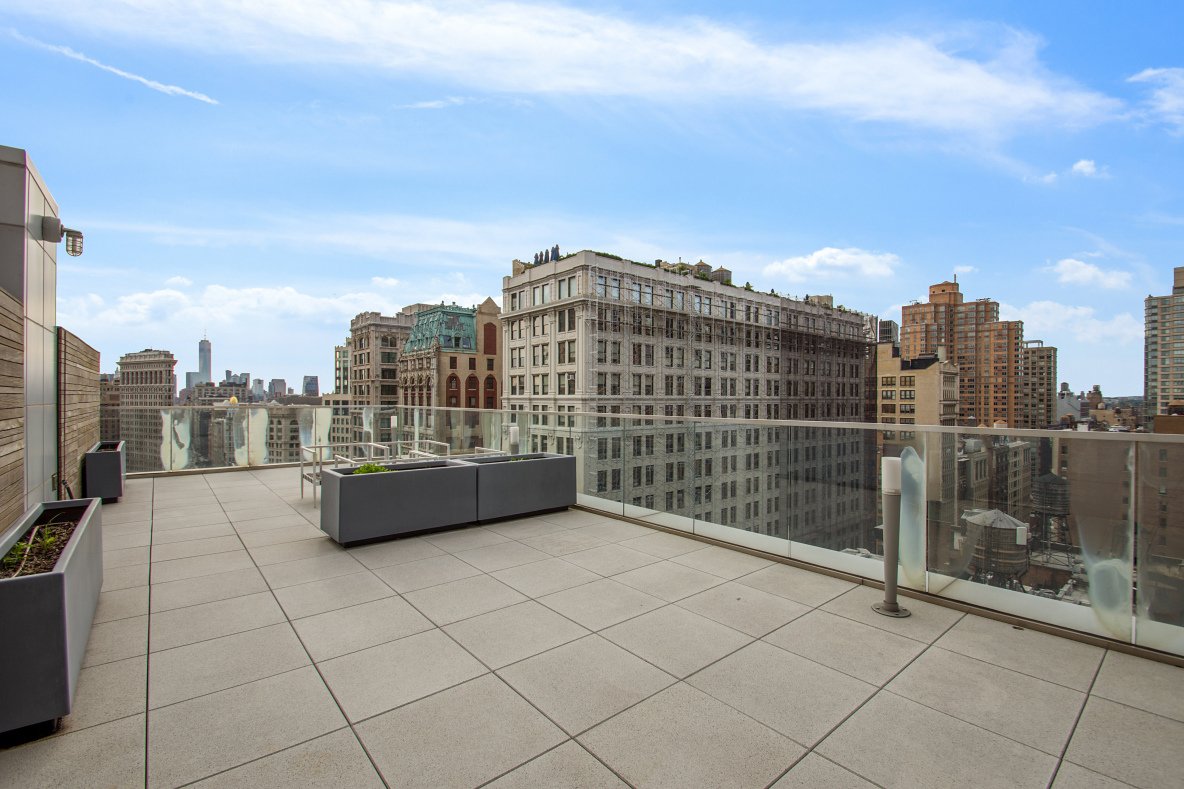
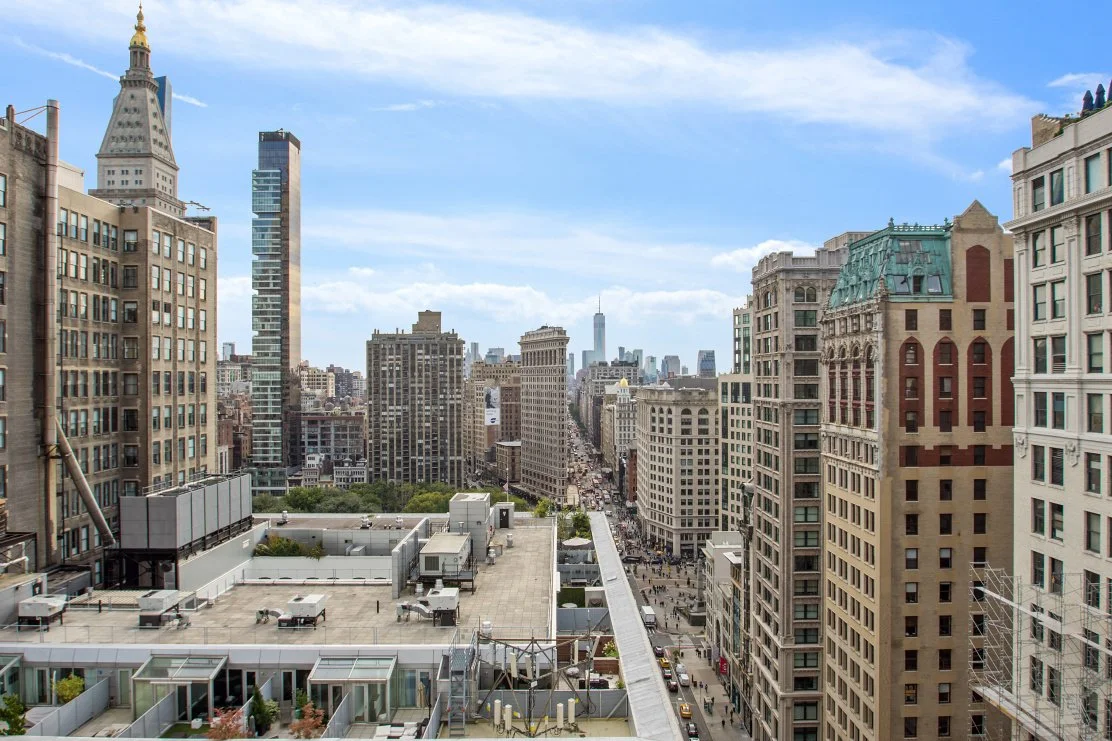
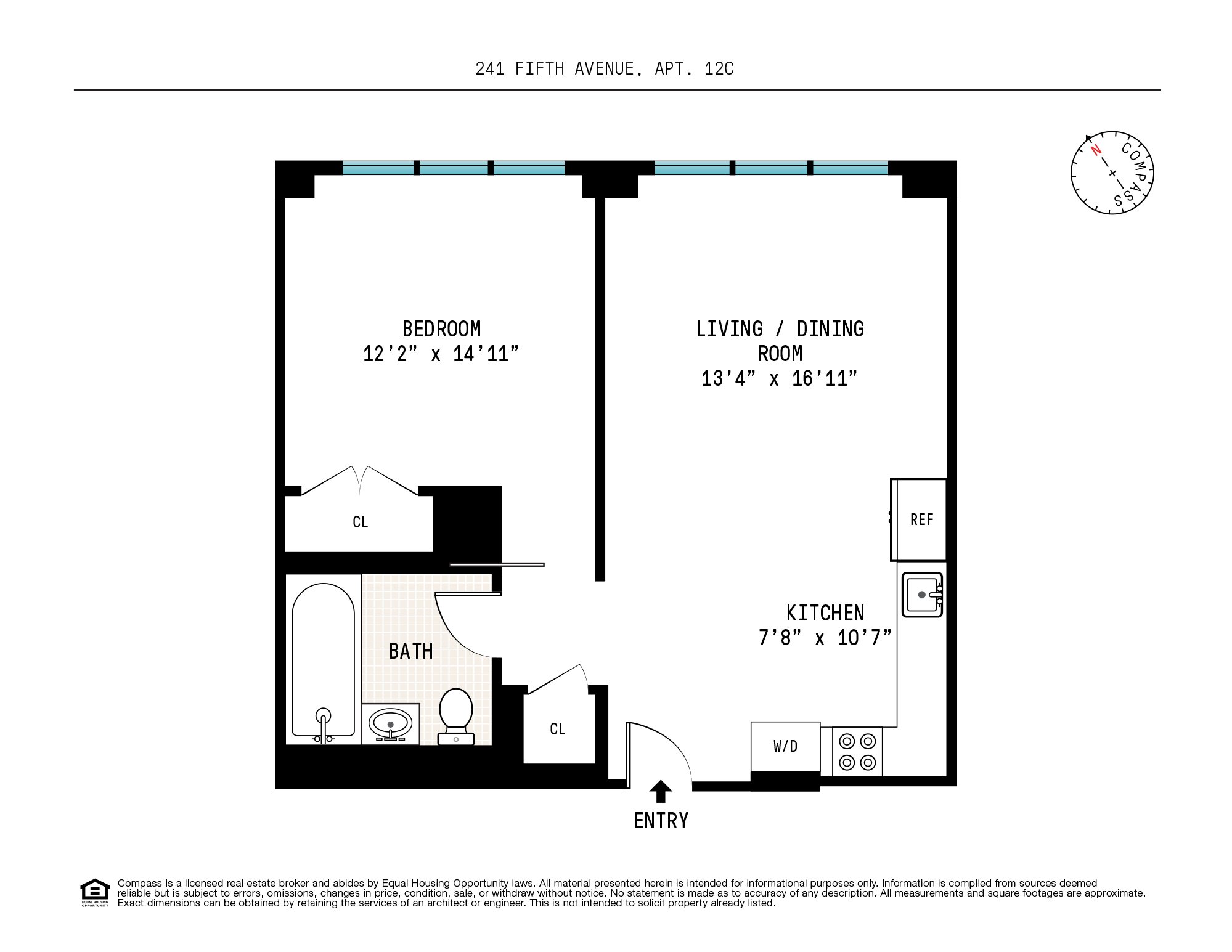
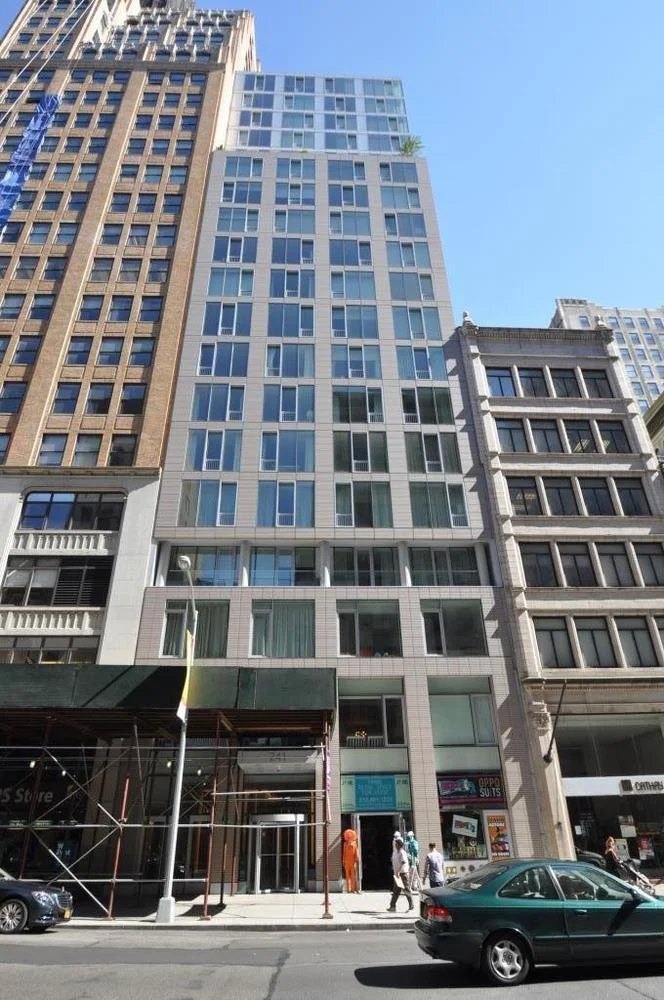
Discover the luxury of Apartment 12C at 241 Fifth Avenue, an exceptional condominium nestled in the vibrant NoMad neighborhood, just moments away from Madison Square Park.

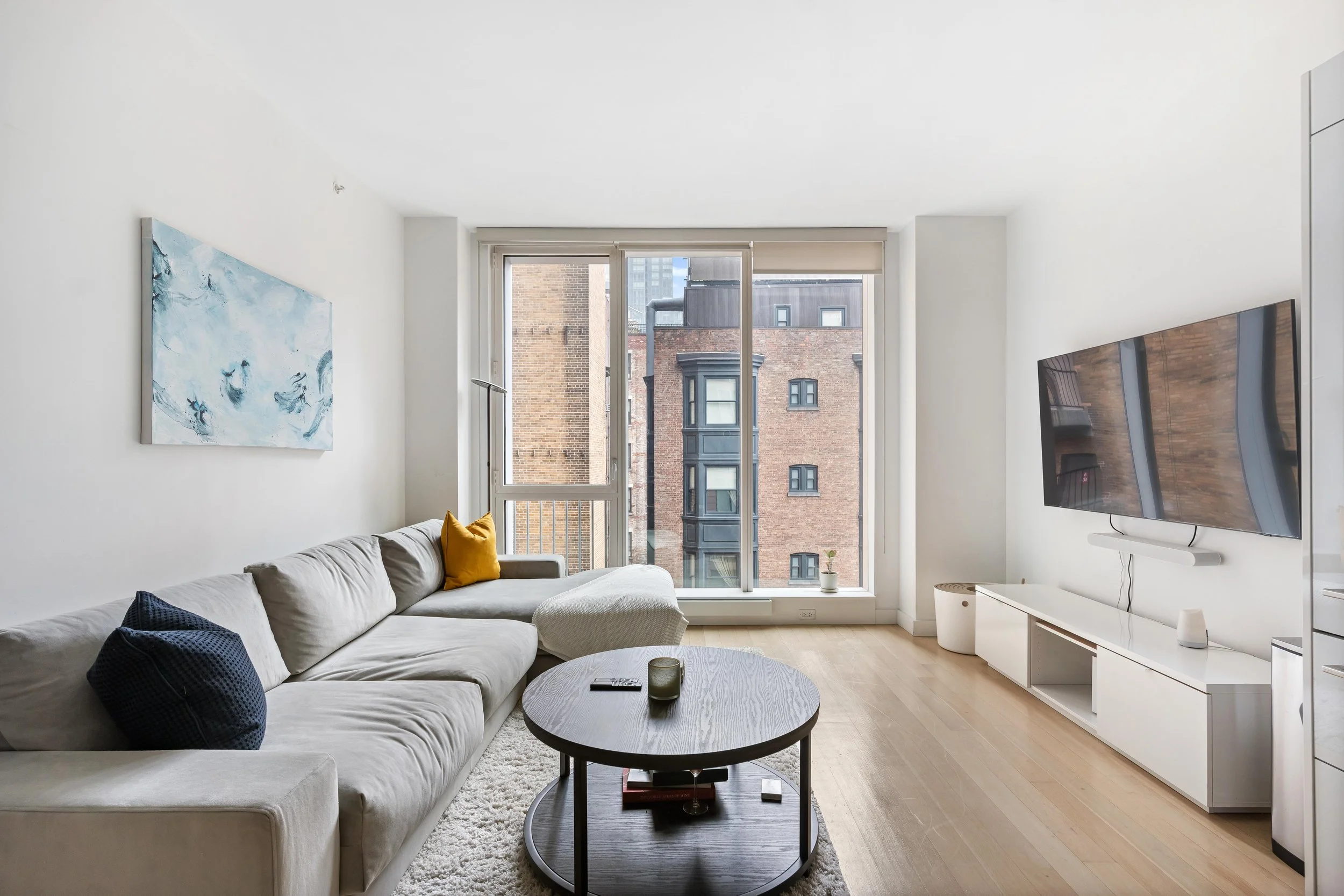
This impeccably designed one-bedroom residence boasts floor-to-ceiling windows offering sun-drenched eastern views of the iconic New York Life Building. The spacious layout features ample living space, generous closets, and elegant solid oak white flooring. The open kitchen is fully equipped with top-of-the-line Miele stainless steel appliances, glass cabinetry, basaltina stone counters, and a porcelain backsplash, creating the perfect setting for preparing meals at home. Additionally, a stacked Bosch Axxis washer/dryer and individual heating/cooling units in each room provide ultimate convenience. The bathroom is a luxurious retreat, complete with a deep soaking tub, deluxe fixtures, and heated stone floors.

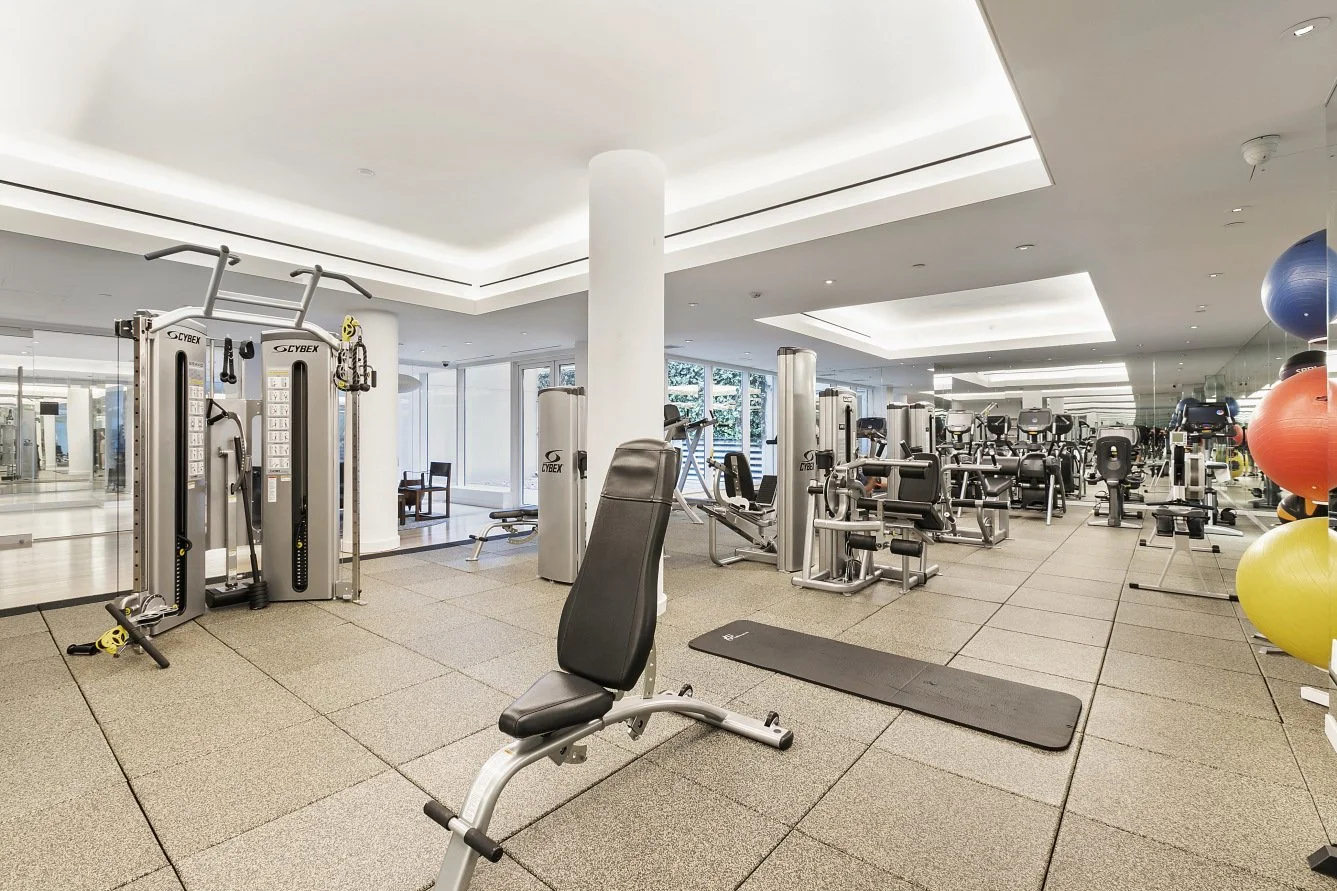
Residents of 241 Fifth Avenue enjoy the full suite of amenities offered by this boutique condominium, including a 24-hour doorman, concierge services, a rooftop terrace, a fitness center, a yoga room, a resident lounge, and a beauty/massage treatment room.

This prime location puts you in close proximity to an array of entertainment options, renowned dining establishments, stylish bars, boutique shopping, and easy access to transportation.

MTA To Replace More Than 2,000 NYC Subway Cars

The Metropolitan Transportation Authority is seeking a manufacturer to deliver 2,390 new subway cars, the largest order in the transit system’s history. Gov. Kathy Hochul announced the request for proposals (RFP) on Friday, which calls for a base order of 1,140 R262 cars to replace the R62 and R62A fleets on the 1, 3, and 6 lines. An additional 1,250 cars could be ordered to replace the R142 and R142A fleets on the 2, 4, and 5 lines.

The order includes more cars than the Chicago Transit Authority and Massachusetts Bay Transportation Authority’s fleets combined. The new cars would be funded under the MTA’s 2025–29 Capital Plan, which received $68 billion in funding from Hochul in the fiscal year 2026 enacted state budget, representing the largest investment in new rolling stock in MTA history.

“Thousands of new subway cars running better service and a more reliable ride for millions every day—that’s what we can achieve when we fully invest in transit,” Hochul said. “We are in the midst of a public transit renaissance in New York, with growing ridership, the best service in a generation and historic investments to modernize the lifeblood of our city.”

With the new rolling stock program, the agency has taken a different approach to the contract, modernizing the terms and conditions while encouraging innovation by giving manufacturers more flexibility to propose new ideas, according to a press release.

More than 60 percent of the technical specifications are now performance-based rather than design-driven, and applicants are required to submit total cost of ownership projections. The changes are intended to streamline the contract process, address existing contractual challenges, and ensure the timely delivery of the new cars.

The historic contract could replace up to 36.4 percent of the subway’s entire fleet—6,574 cars—and 17.3 percent with just the base order alone. The new cars will significantly improve reliability with a higher mean distance between failure (MDBF), which measures how long a car can operate without issues, repairs, or maintenance.

The R262 has an MDBF requirement of 200,000 miles, compared to the R62 and R62A’s average of 89,000 miles. This upgrade is expected to reduce service disruptions and decrease the amount of time cars are taken out of service.

Other technical specifications included in the RFP aim to improve efficiency, security, performance, and customer experience, including better announcement systems and assisted listening devices that allow hearing-impaired passengers to connect to personal devices such as hearing aids.

Efficiency upgrades include automatic passenger counting systems and electric braking controls, which reduce costs by minimizing the number of parts required. Security specifications include onboard cameras, like those installed on the existing subway fleet, platform-edge CCTV, and electronic locks to prevent unauthorized cab access.

Additionally, the RFP notes that future orders will contain a “to-be-determined amount” of open gangway cars, which would be a first in the A Division or the numbered subway lines.

While replacing the cars should improve service for New Yorkers, some may be disappointed to learn that the end of the R62 means the end of the classic yellow and orange seats that have long evoked nostalgia for generations of riders. However, those seats will remain on the 7 line, as the contract does not include replacing cars on that line, according to Spectrum News NY1.

The RFP follows last month’s announcement, when MTA Chair and CEO Janno Lieber appointed Jessie Lazarus to lead a new organization focused on the agency’s rolling stock strategy and on managing the acquisition and lifecycle costs of its most strategic assets—buses, subway cars, and commuter rail trains.

Lazarus and her team now manage the agency’s purchases of all new subway, bus, and railroad cars, including the $12 billion investment from the MTA’s latest five-year capital plan to replace its aging fleets.

“This will be the largest order of new subway cars in MTA history, and we’re modernizing our approach to attract as many qualified firms as possible,” Lazarus said. “We’re asking the industry to come with their best ideas—technical and commercial—to meet our performance standards and help the MTA deliver the world-class transit experience our customers deserve.”

Proposals are due by September 8, 2026, and a contract is expected to be awarded by early 2028.

Replacing aging trains and infrastructure is a top priority for the MTA. A September report revealed that over a quarter of subway cars are past their 40-year lifespan, while major service disruptions linked to car issues nearly tripled, from 27 to 77 in the first six months of 2025.

In November, the MTA announced it would spend $1.5 billion on a new fleet of modern subway cars as part of its ongoing efforts to modernize its fleet and signal system. The funds will go towards the purchase of nearly 400 new subway cars, which will feature signals compatible with the agency’s transition to Communication-Based Train Control (CBTC) technology. Those trains are expected to begin arriving in fall 2028.

Signal modernization is also underway on the G line, though it has faced significant delays. The line is undergoing a $624 million project to replace its 1930s-era signal system with CBTC. Work is scheduled to be completed north of Hoyt-Schermerhorn by the end of 2027, and between Hoyt-Schermerhorn and Church Avenue by 2028.

However, the upgraded system will not be activated until 2029 due to delays in installing 5G radio technology on subway cars, a requirement for CBTC to function across both trains and tracks.

MTA to replace more than 2,000 NYC subway cars, largest order in agency history

By Aaron Ginsburg

March 20, 2026

Cover Photo Credit: Marc A. Hermann / MTA on Flickr

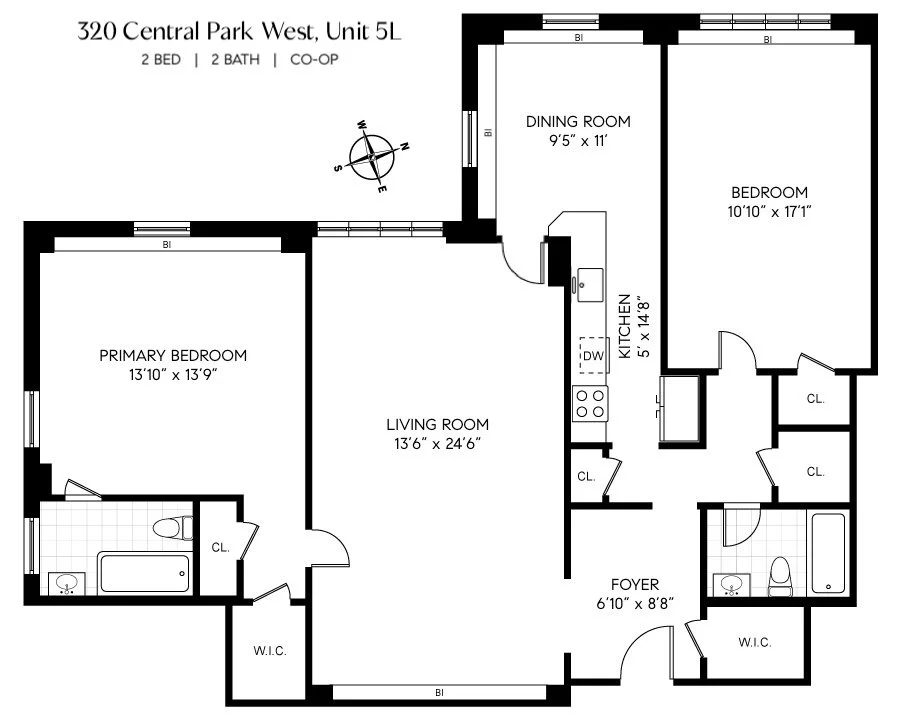
320 Central Park West, Unit 5L

320 Central Park West, Unit 5L

upper west side, Manhattan

Asking $1,800,000

2 Bed  |  2 Bath | Co-op


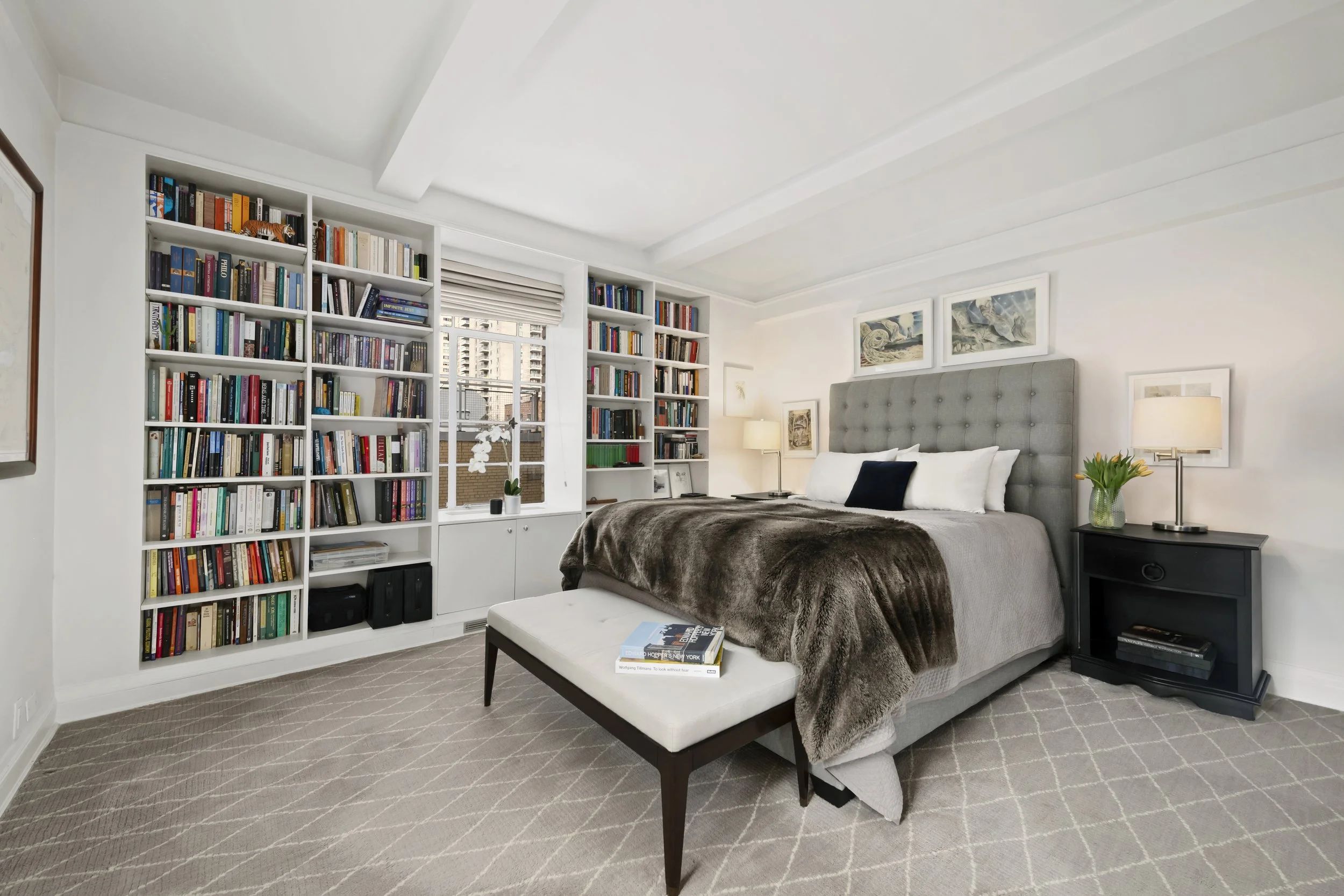
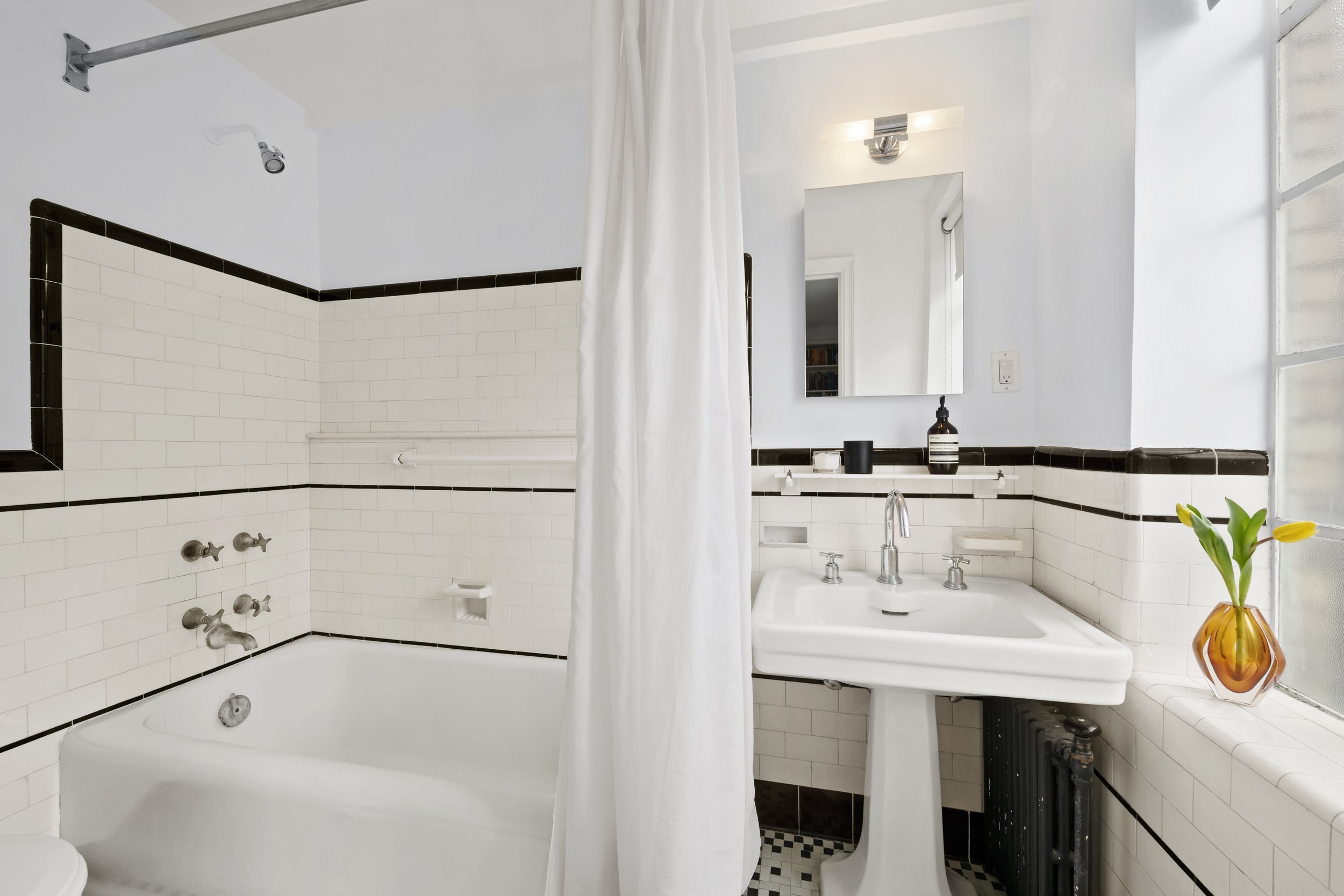
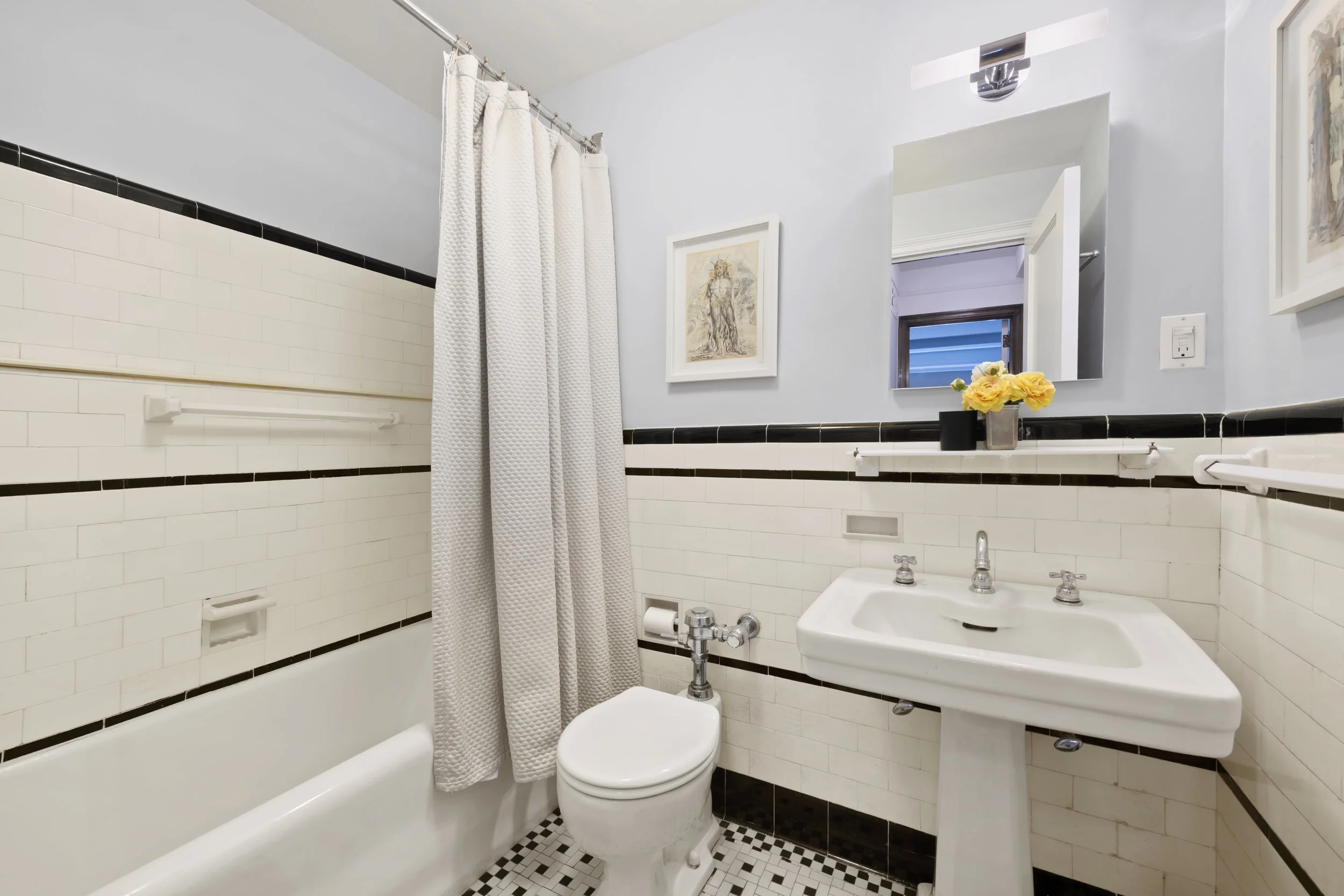
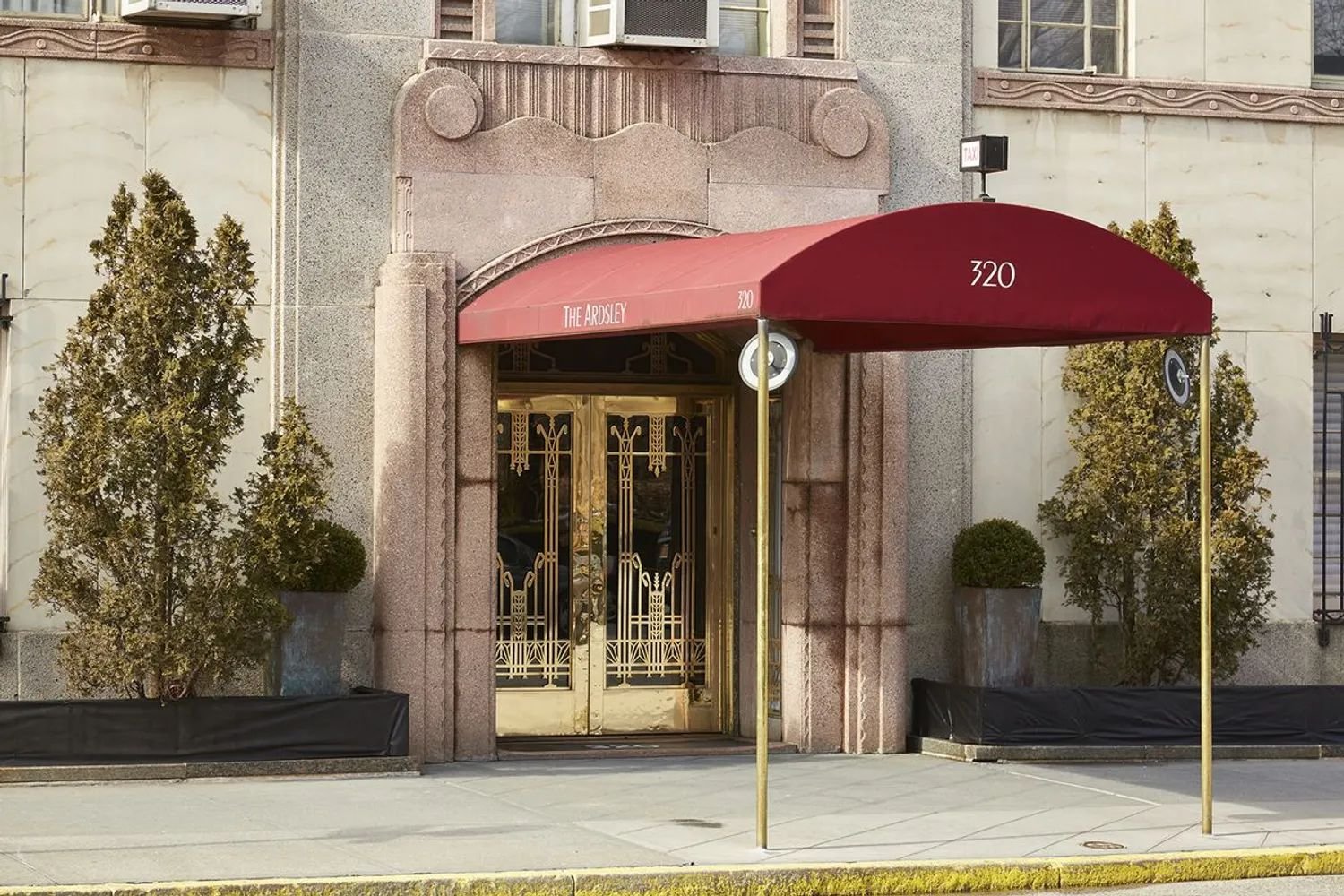
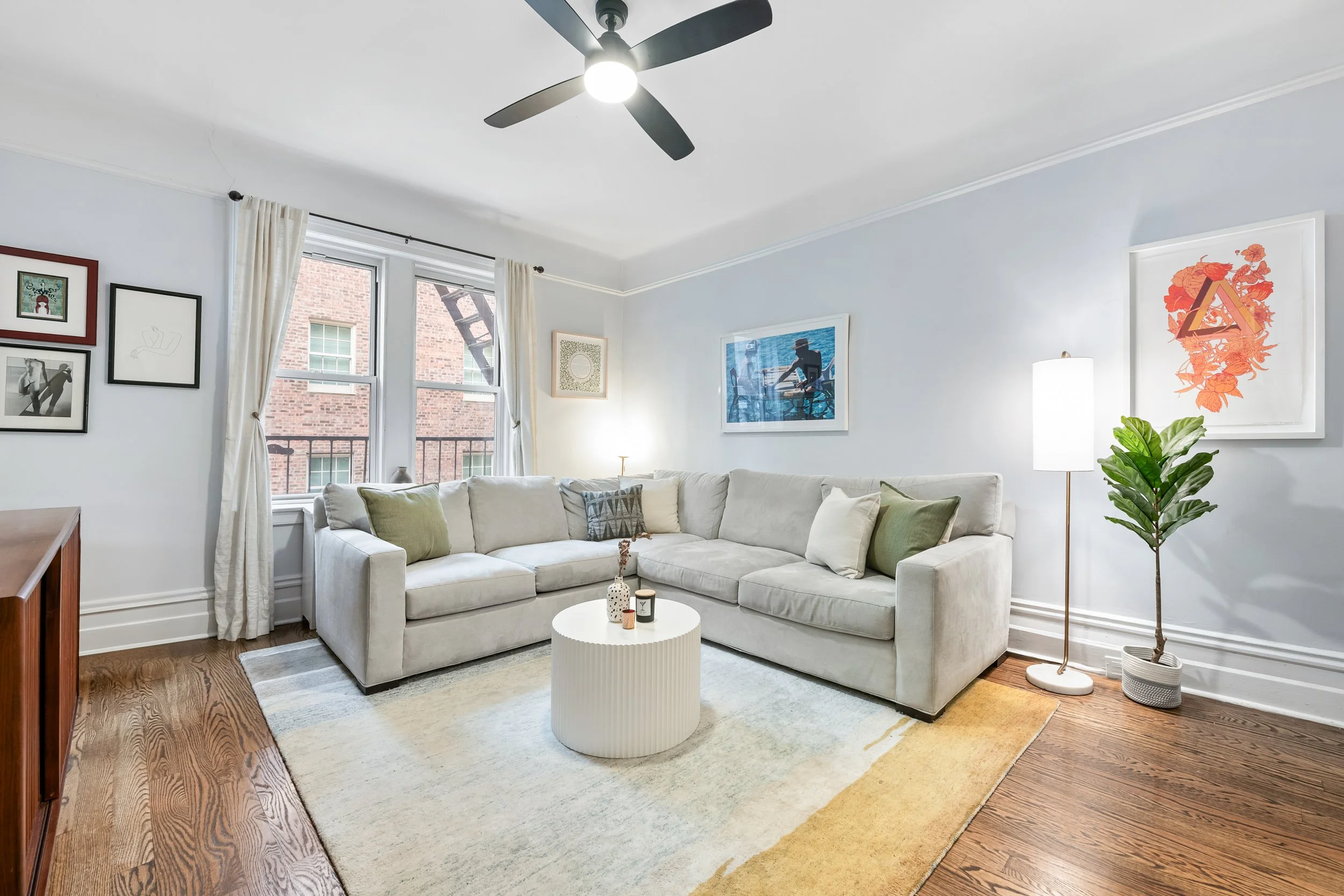
This bright and renovated residence is located within The Ardsley, one of Central Park West’s most coveted Emery Roth–designed cooperatives, offering a refined blend of prewar elegance and modern comfort.

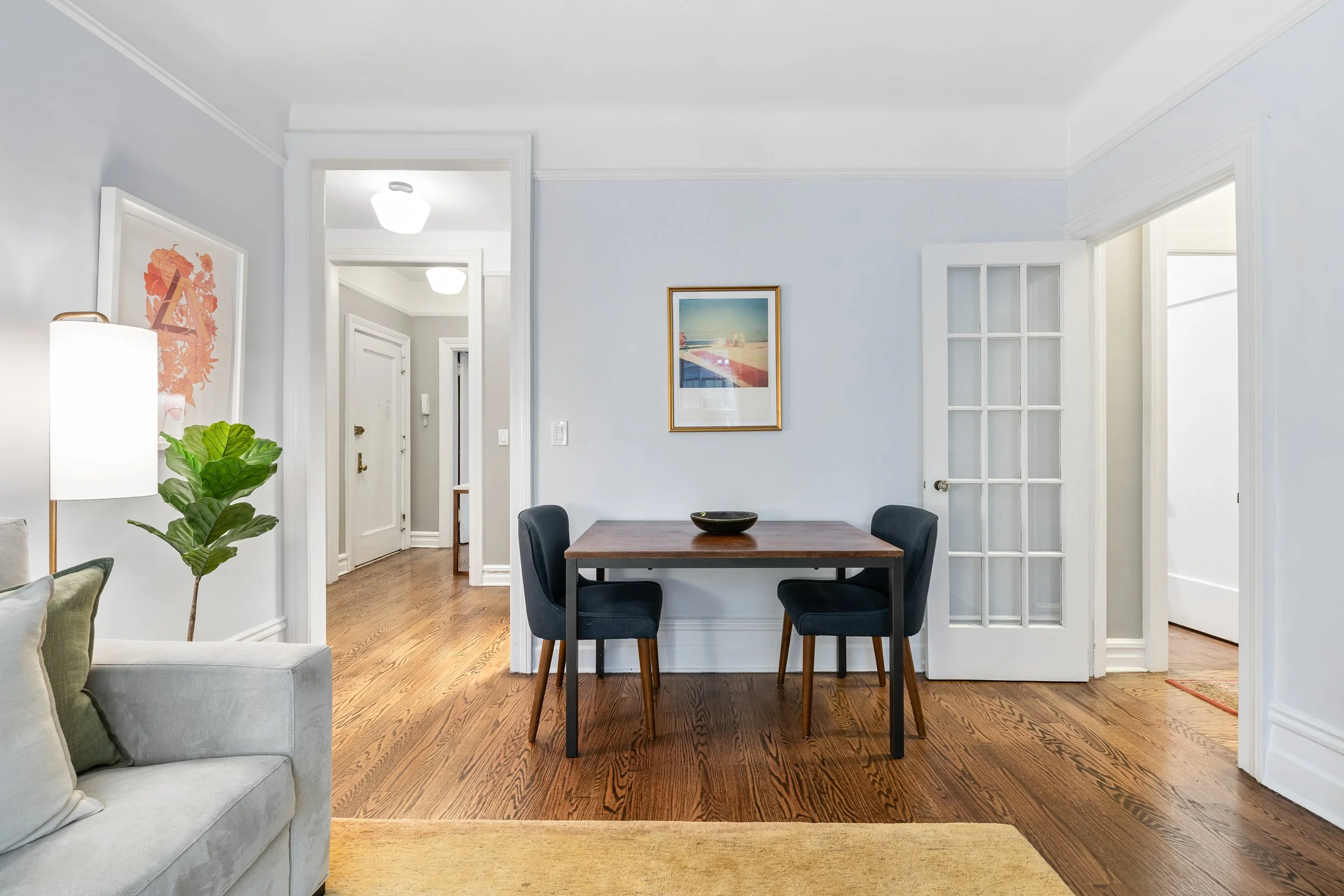
Residence 5L features a gracious split two-bedroom, two-bathroom layout that balances scale, flow, and functionality. Generous entertaining spaces are complemented by well-proportioned bedrooms, creating a home that is equally suited for everyday living and elegant gatherings. South and west exposures bathe the apartment in natural light throughout the day, enhancing the home’s warmth and sophistication.

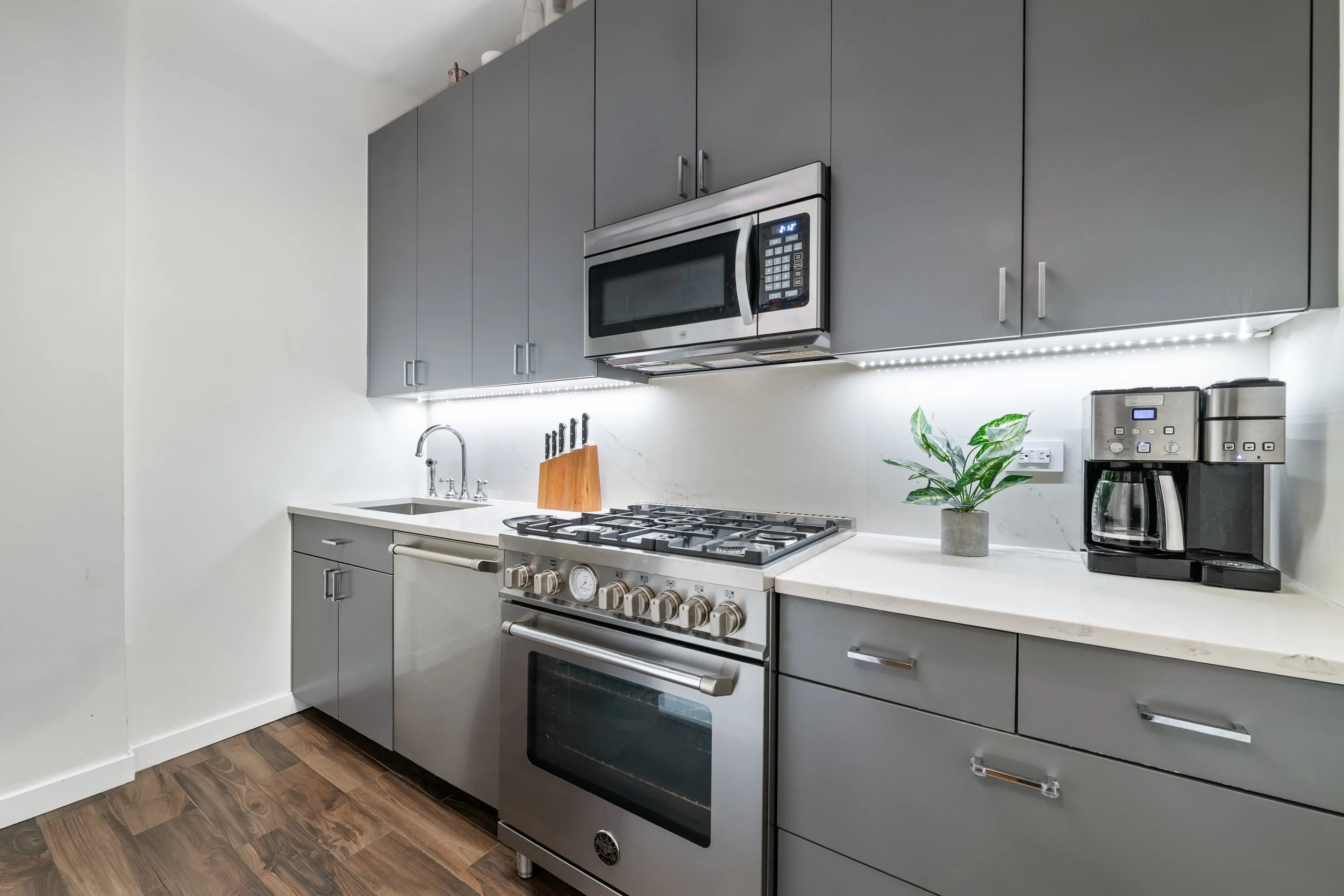
The thoughtfully designed kitchen is equipped with stainless steel appliances, a Viking range, a Sub-Zero refrigerator, and abundant storage, opening seamlessly into a bright, windowed dining area—an inviting space for both casual mornings and relaxed evenings.

The Ardsley is a landmark Art Deco cooperative offering an exceptional level of service and amenities, including a full-time doorman and concierge, a recently restored lobby, state-of-the-art fitness center, resident lounge, children’s playroom, bike room, laundry facilities, private and cold storage, and the option to install a washer/dryer. The building is pet-friendly and allows pied-à-terre ownership.

Situated directly across from Central Park and the Reservoir, this premier Upper West Side address provides immediate access to world-class dining, cultural institutions, museums, and convenient transportation—an opportunity to own in one of Manhattan’s most iconic buildings.

Seller pays 2% flip tax

NYC To Revamp Six More Blocks of Broadway

Conceptual rendering of Flatiron Plaza reconstruction. Credit: DOT

New York City is pressing ahead with its transformation of Broadway into a pedestrian-focused corridor, with plans to redesign six additional blocks by 2031. According to a Department of Transportation (DOT) presentation to Manhattan Community Board 5 last month, the $156 million expansion will upgrade Broadway between 21st and 27th Streets with permanent concrete plazas, widened sidewalks, and improved bike lanes. The project builds on the city’s broader “Broadway Vision” initiative, launched in March 2023 to improve safety and reduce vehicle traffic along the heavily traveled corridor.

Draft renderings of the project were unveiled at the community board meeting as part of a presentation focused on an application to expand the maintenance and concession agreement with the Flatiron NoMad Partnership, the area’s business improvement district, as reported by Streetsblog.

The redesign calls for permanent concrete streetscapes to replace the existing beige gravel paint found on the shared streets that prioritize pedestrian and bike traffic, creating fully car-free plazas.

Overview of the capital project between 21st and 27th Streets. Credit: DOT

Plans also include five raised blocks, expanded pedestrian plazas, protected bike lanes, a reconfigured roadway alignment, and security bollards, according to the Department of Design and Construction (DDC).

Additional curb extensions and raised crosswalks aim to slow traffic, while new landscaping, signage, planters, street furniture, and concession kiosks would further enhance the corridor. DDC estimates the project will be completed in 2031 and cost roughly $156 million, including $89 million for street upgrades and $67 million for underground sewer and water main work.

The DOT also outlined a future phase, without a clear timeline or cost estimate, that would extend the redesign north to Herald Square.

Future capital project phases between 27th and 33rd Streets. Credit: DOT

While many elected officials and transportation advocates support Broadway Vision, some have raised concerns about the pace at which similar projects led by the DDC have progressed, pushing Mayor Zohran Mamdani to accelerate capital projects, like in cities like Paris and Jersey City, according to Streetsblog.

The outlet reported that the DDC often takes years and spends millions on relatively modest public-realm upgrades, a process critics say is slowed by internal bureaucracy and policies that require coordination across multiple city agencies.

To streamline delivery, advocates have suggested expanding the use of design-build contracts, which place both planning and construction under a single firm and reduce the number of entities the city must coordinate with.

In response, a DDC spokesperson told Streetsblog that the timeline and costs are justified, noting that the project will overhaul the entire corridor both above and below ground. The effort also required approvals from numerous agencies and more than a dozen studies during the design phase.

Similarly, the DOT acknowledged that the project is taking “some time,” but said it is reconstructing sections of Broadway on a nearly annual basis and working to accelerate its capital process.

“While this project is taking some time to come to fruition, it will bring a truly world-class street design that will last for generations,” Vincent Barone, the agency’s press secretary, told Streetsblog. “DOT is rapidly delivering transformative redesigns for new sections of Broadway nearly every year while we continue to work as a city to improve our capital project delivery.”

In September 2024, the DOT completed the latest phase of Broadway Vision, installing a pedestrian plaza, two-way bike connections, and other safety upgrades between East 17th and East 21st Streets.


NYC to revamp six more blocks of Broadway by 2031

By Aaron Ginsburg

March 3, 2026

Cover Photo Credit: Eden, Janine and Jim on Flickr

125 West 12th Street, Unit 4D

125 West 12th Street, Unit 4D

west village, Manhattan

Asking $1,500,000

2+ Bed  |  1 Bath | Co-op


The Epitome of West Village Living

Nestled on one of the West Village’s most coveted blocks, this renovated pre-war residence boasts a sophisticated blend of historic soul and contemporary polish. Bathed in natural light, the home features airy 9.5-foot ceilings and beautiful hardwood floors throughout, with a versatile layout featuring two bedrooms plus a dedicated home office, easily convertible into a third bedroom. The gourmet kitchen is complemented by custom cabinetry and premium appliances tailored for the culinary enthusiast.

Located in a boutique elevator co‑op, the building offers the convenience of a live‑in superintendent and a virtual doorman. Pet‑friendly (up to 20 lbs) and exceptionally flexible, pied‑à‑terres, co‑purchasing, and subletting are allowed. Additional amenities include bike storage, private storage available for rent, and on‑site laundry, making this a rare, move‑in‑ready opportunity in the heart of one of New York City’s most storied neighborhoods.

Newark Airport To Test Self-Driving Shuttle Buses

Self-driving shuttle buses are coming to Newark Liberty International Airport (EWR) this spring, with the Port Authority of New York and New Jersey launching a pilot program to test the technology. The agency announced Wednesday that it has partnered with three autonomous vehicle companies to operate electric self-driving shuttles at the airport through the spring, with each company conducting two-week test periods in a section of the airport currently closed to the public as part of its ongoing redevelopment. The Port Authority will evaluate whether the shuttles could serve as an effective way to transport passengers between existing airport facilities and the new AirTrain system currently under construction.

Image courtesy of Ohmio on the Port Authority of New York and New Jersey’s Flickr

“Autonomous vehicles are in use around the world and around the country, and they are part of the modern travel experience whether in a private car, a for-hire vehicle or on public transit,” Kathryn Garcia, executive director of Port Authority, said.

“We are building a new Newark Liberty that meets the demands of the next generation of travel, so we must embrace a future that is inclusive of all the different ways we can move this region.”

Zero-emission vehicles from three firms, Oceaneering, Ohmio, and Glydways, will be tested in a simulation of a high-capacity shuttle network, with multiple vehicles operating simultaneously in a complex airport environment.

Oceaneering will begin testing in March, followed by Ohmio later that month and Glydways in May. The trials are intended to qualify participating firms to respond to a formal request for proposals that the Port Authority may issue in 2027.

The pilot program follows an October 2024 request for innovation, which invited proposals from companies capable of delivering an electric, autonomous transportation network. Firms were asked to outline how they would operate a system connecting two locations roughly 2,500 feet apart over a five-year period.

Evaluation included scored submissions and interviews with leading candidates, with each firm also participating in adverse weather testing earlier this winter to assess vehicle performance in snow and cold-weather conditions.

Image courtesy of Glydways on the Port Authority of New York and New Jersey’s Flickr

Since July 2022, the Port Authority has been testing self-driving technology, successfully piloting autonomous platooning and lane-keeping systems on retrofitted buses in its Exclusive Bus Lane, which streamlines travel into and out of the Lincoln Tunnel during rush hours.

The effort also builds on a series of autonomous vehicle demonstrations conducted at other Port Authority airports, including John F. Kennedy International Airport in 2022, 2023, and summer 2025. A self-driving shuttle was also tested in mixed traffic at EWR in 2023 and again in 2024.

The program is intended to complement the $3.5 billion revamp of the airport’s AirTrain system, which is nearing the end of its useful life and struggling to accommodate the airport’s growing number of passengers. The upgraded AirTrain is a central element of the broader EWR Vision Plan, a long-term effort to rebuild the airport that also includes a new Terminal B, improvements to Terminal C, and upgrades to the airport’s complex roadway network.

“We have been working with self-driving technology successfully for many years, particularly at the airports, and believe autonomous shuttles offer a safe, efficient solution for moving passengers while we concurrently work to build a new AirTrain Newark and the brand-new Terminal B,” Kevin O’Toole, chairman of the Port Authority, said.

According to the Port Authority, autonomous vehicles could provide a “safer, more efficient, and more cost-effective solution” than traditional buses. The agency also plans to test conventional electric buses during the airport’s redevelopment.


Newark Airport to test self-driving shuttle buses this spring

By Aaron Ginsburg

February 27, 2026

Cover image courtesy of Oceaneering on the Port Authority of New York and New Jersey’s Flickr

52 East End Avenue, Unit 12B

52 East End Avenue, Unit 12B

upper east side, Manhattan

Asking $925,000

1 Bed  |  1 Bath | Condo


EAST END AVENUE CORNER UNIT WITH BALCONY

Flooded with sunlight and tranquility, this one-bedroom residence with three exposures and a private balcony is ideally situated on picturesque East End Avenue. Abundant natural light and open cityscape views enhance the apartment from every angle. With only one other residence on the floor, the home offers exceptional privacy.

This home features an open-concept living and dining area with south-western exposures in the main room, along with a windowed pass-through kitchen appointed with granite countertops and GE Profile appliances. The spacious primary bedroom offers a serene retreat from city life and comfortably accommodates a king-size bed as well as a home office setup. A private, north-facing balcony is directly accessible from the bedroom, providing a peaceful outdoor escape and views to the East River.

The generously sized marble bathroom offers a separate marble walk-in shower and ample closet space is found throughout the apartment, ensuring both comfort and functionality.

There is a flip tax of 2% split evenly between buyer and seller and primary residents will be eligible for a 17.5% real estate tax abatement. Additionally, there is an assessment of $695.59 through August 2027. Pets welcome.

52 East End Avenue is a meticulously managed full-service condominium offering a sleek, renovated lobby, 24-hour concierge and doorman services, elevator security, a live-in superintendent, fitness center, laundry room, and bike storage. Located on a wide, tree-lined avenue, the building is just moments from Carl Schurz Park, the East River Promenade with dog runs and walking/jogging paths, as well as an excellent selection of restaurants and shopping options.

This desirable section of the Upper East Side offers a true neighborhood feel and is home to many highly regarded public and private schools. Residents enjoy convenient access to the FDR Drive, the Q train, the 4, 5, and 6 subway lines, crosstown buses on 79th and 86th Streets, and Midtown and Wall Street ferry service.

The Monthly Update - March 2026

Manhattan’s Infamous Co-op — Understanding the Maintenance (HOA) Structure

Manhattan’s cooperative, or co-op, is the largest category of apartment you can purchase in New York City, making up roughly 60 to 65 percent of all purchasable units. In many ways, buying a co-op is unavoidable if you are in the market for Manhattan real estate, and even much of Brooklyn. Unlike a condominium, when you purchase a co-op you are not technically buying real property. Instead, you are purchasing shares in a private corporation along with a proprietary lease that gives you the right to occupy a specific apartment. This ownership structure can feel confusing at first, but it dates back to the wave of rental-to-co-op conversions that took place decades ago. It also means that a co-op board has the authority to approve or reject prospective buyers, making the process more involved than a typical condo purchase.

The monthly “maintenance” in a co-op functions similarly to what many people think of as HOA fees, but it is much more comprehensive. Maintenance typically includes property taxes allocated to your shares, heat, hot water, building staff and payroll, and the managing agent who oversees the day-to-day operations of the building. Because so many expenses are bundled into one number, maintenance can appear high compared to a condo’s common charges, but you are paying for far more than just building upkeep.

One of the biggest drivers of maintenance is the number of shares assigned to each apartment when the co-op was first formed. Share allocation was determined by factors such as apartment size, floor level, views, outdoor space, layout, and even unique quirks. Those allocations were often set decades ago and still determine how much each unit pays today. Apartments on higher floors with better views or more desirable layouts typically carry more shares, which translates into higher monthly maintenance. Whether that math still feels logical today or not, it remains the primary reason why some units have significantly higher fees than others.

So what qualifies as “high” maintenance? The answer depends entirely on context. A typical Manhattan studio might have maintenance between roughly $900 and $1,300 per month, but that number can vary widely depending on the building and its services. In larger, more prestigious co-ops, especially on avenues like Park or Central Park West, the numbers rise quickly. For larger apartments, maintenance becomes even less predictable. A four-bedroom co-op might carry monthly maintenance in the high $8,000 range or climb to $16,000 or more. Importantly, maintenance does not scale in a straight line with size. A three-bedroom does not necessarily pay three times what a studio pays, because the share allocation and building structure drive the cost more than simple square footage.

The most effective way to determine whether a maintenance number is high is to compare the apartment to similar units in similar buildings. A two-bedroom, two-bath co-op on a high floor with white-glove service, a live-in superintendent, and strong amenities must be evaluated against other apartments with those same characteristics. Comparing it to a lower-floor unit, a non-doorman building, or a property with fewer services will lead to misleading conclusions. Maintenance varies dramatically based on services, staffing, taxes, and legacy share allocations, so context is everything.

It is also important to understand that high maintenance does not automatically mean a bad deal. In many cases, it reflects a well-run building with strong staffing, robust services, and properly funded reserves. Conversely, very low maintenance can sometimes indicate fewer amenities, fewer shares assigned to the unit, or a building that has deferred necessary increases to cover rising costs and capital improvements. Rather than asking whether the maintenance is too high, a more accurate question is where that maintenance falls within the range for comparable apartments. Knowing whether a unit sits above, below, or within the median for its peer group provides meaningful insight.

Co-op maintenance can seem shocking at first glance, particularly for larger apartments or those on higher floors. But once you understand the context—shares, services, building quality, and comparable units—it becomes much easier to evaluate. In many cases, what appears high is simply the result of legacy share structures and full-service living. Understanding that framework allows buyers to make informed decisions and avoids the sticker shock that often comes with encountering co-op math for the first time.

At The Hoffman Team, we’ve been selling co-op apartments for over 20 years, and many of us on the team are co-op owners ourselves. We understand firsthand the value that co-op living can offer, as well as the nuances of maintenance and how to evaluate it properly. If you ever have questions about co-op maintenance—or about your own building—we’re always here to help. We’re just a phone call away.

Sourced from: John Walkup, Forbes


Local Happenings

March 17, 2026

One of NYC’s oldest cultural traditions, this parade down Fifth Avenue honors Irish heritage with marching bands, dancers, and thousands of participants. It’s a lively, quintessential city-wide celebration perfect for community engagement. Click HERE to learn more!

March 11–14, 2026

Held at Madison Square Garden, this high-stakes college basketball tournament brings intense competition and lively crowds to Midtown Manhattan. It’s a standout sporting event and great draw during mid-month. Click HERE to learn more!


Featured Listings


Stay Connected

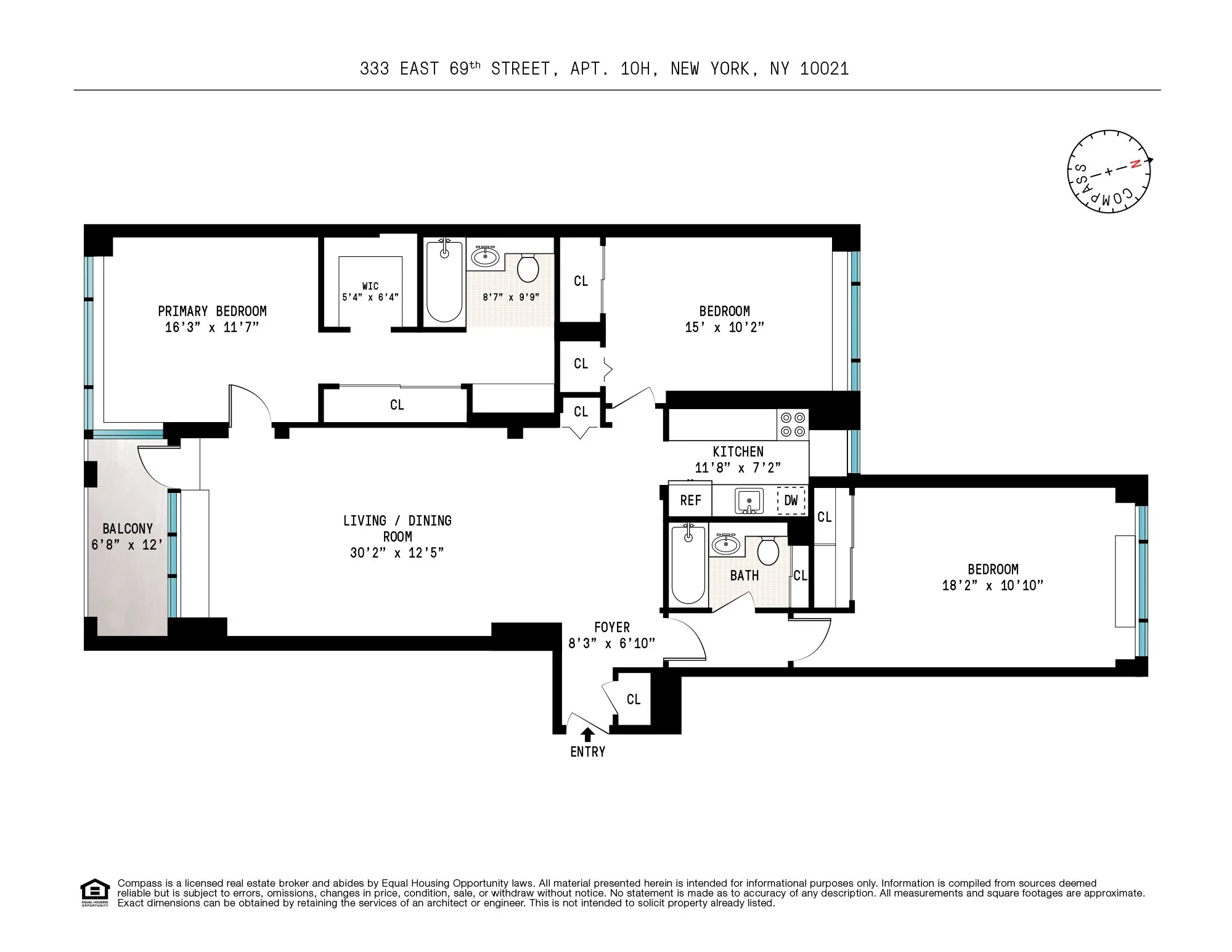
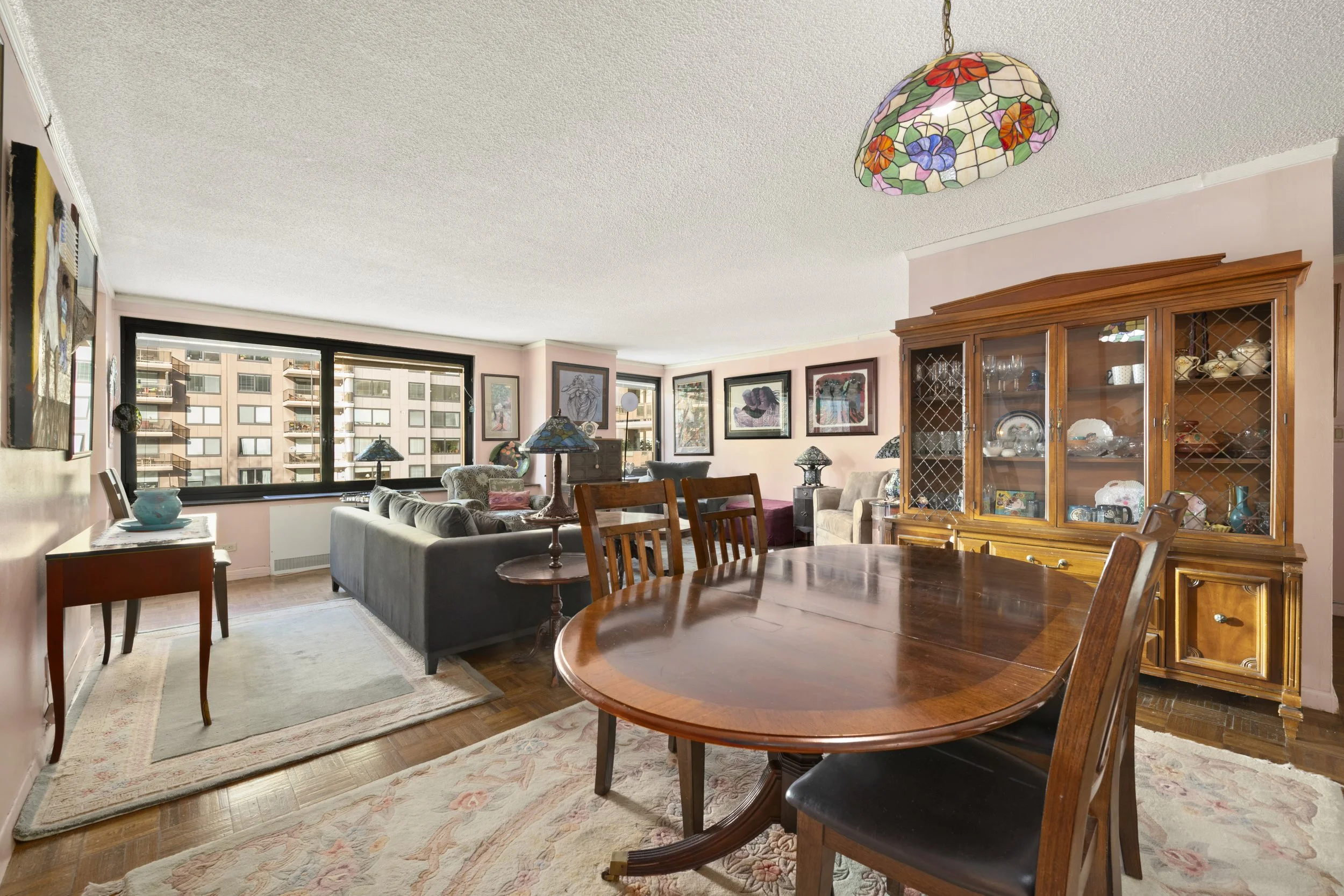
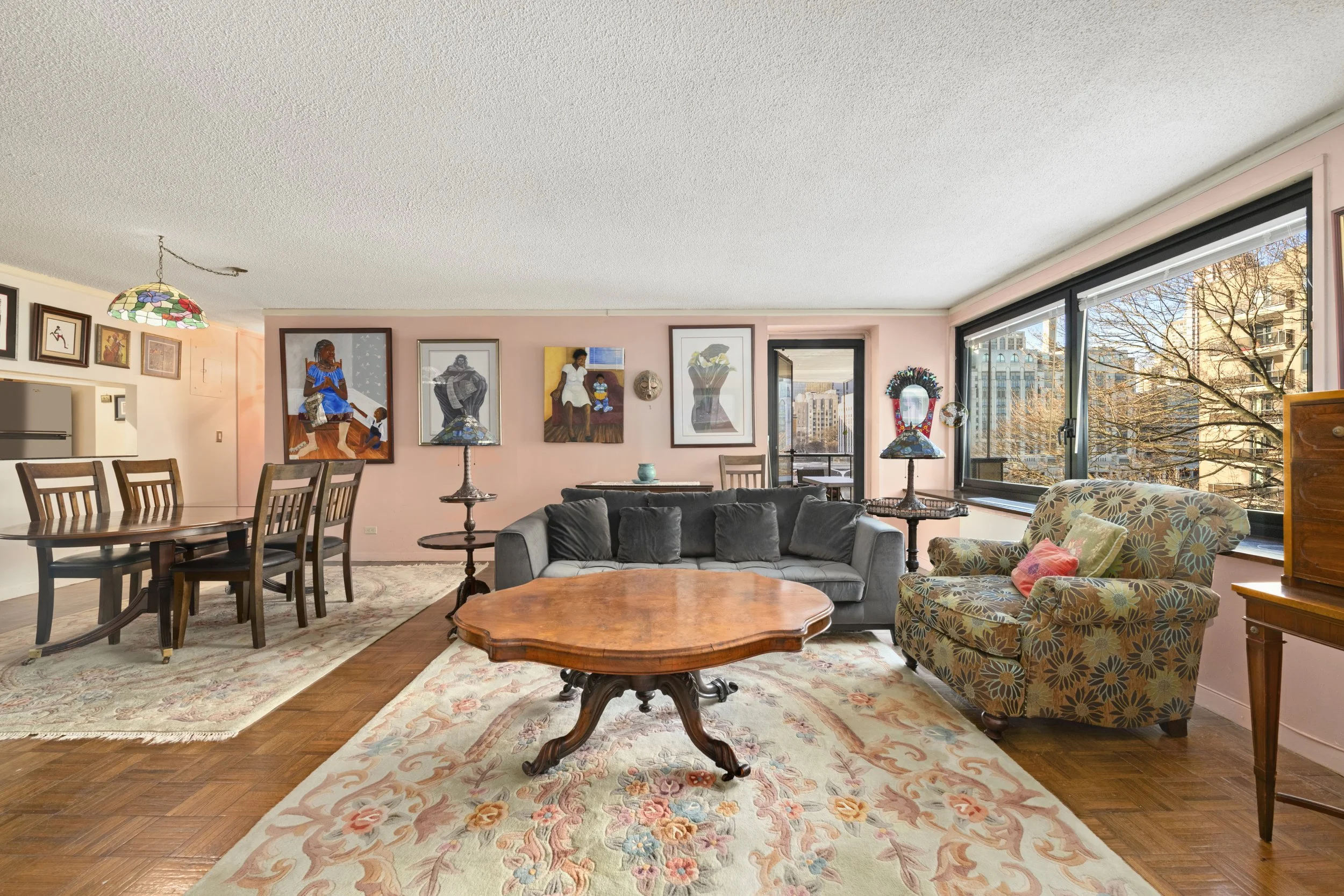
333 East 69th Street, Unit 10H

333 East 69th Street, Unit 10H

Lenox hill, Manhattan

Asking $1,650,000

3 Bed  |  2 Bath | Co-op


Rarely available and highly sought after, this H-line three-bedroom, two-bath residence at The Premier offers a truly exceptional opportunity. This is the highest-floor H-line three-bedroom in the building.

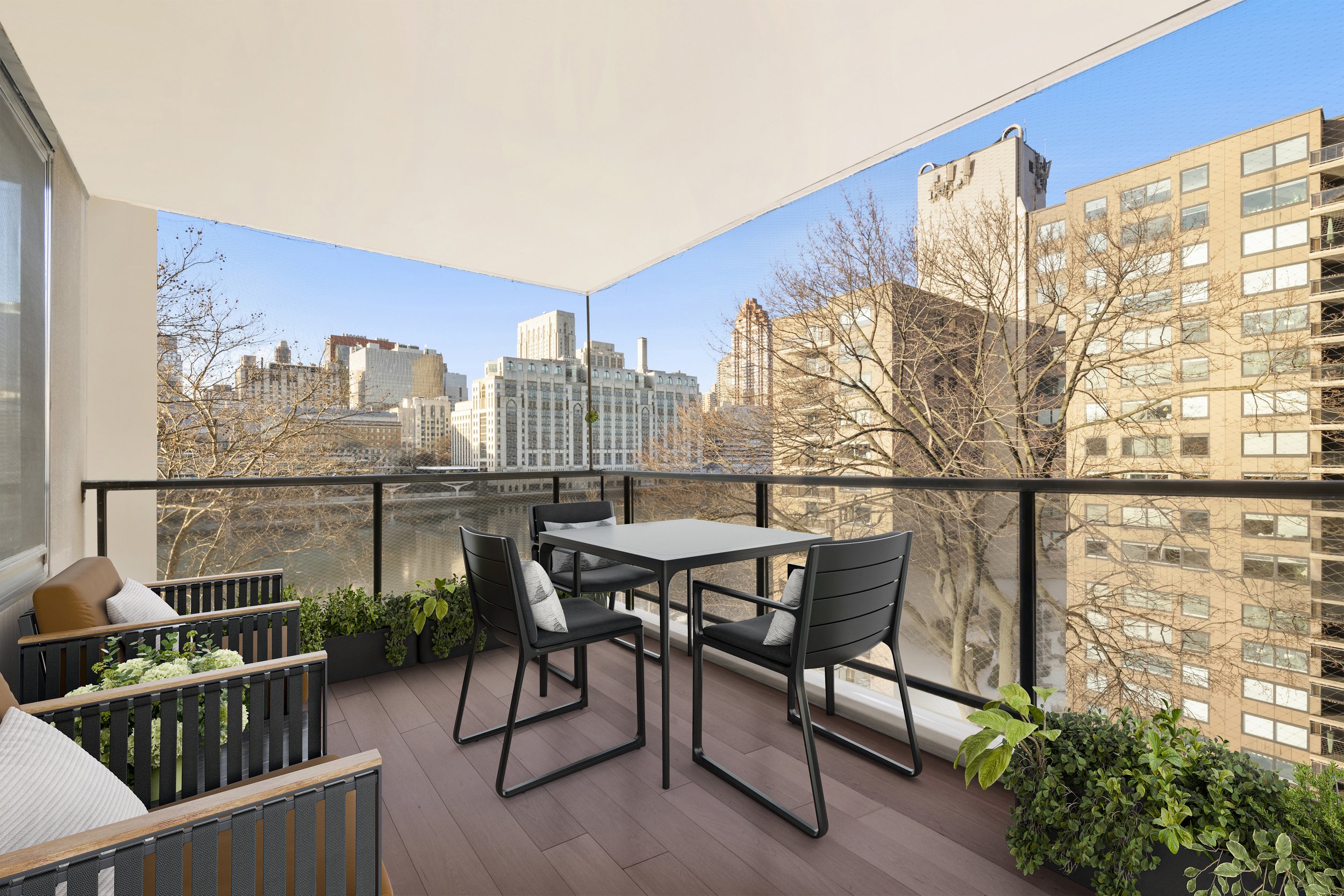
Perched on a prime corner, this sun-filled home enjoys open exposures to the South, North, and East, easily clearing the surrounding low-rise buildings and allowing for beautiful light and expansive city views throughout the day. A spacious, south-facing recessed balcony extends from the living area, creating the perfect setting for relaxing or entertaining against a classic Upper East Side backdrop.

The thoughtfully designed layout features three generously proportioned bedrooms and two full bathrooms. All bedrooms are well-scaled with large windows and excellent light. The primary suite includes a large walk-in closet, and the apartment offers eight closets in total, providing outstanding storage rarely found in comparable homes. The windowed kitchen enhances both functionality and charm, complementing the home’s bright, airy feel.

Located on a quiet, tree-lined block dotted with townhouses in the heart of Lenox Hill on the Upper East Side, 333 East 69th Street is a highly regarded, full-service cooperative. Residents enjoy a 24-hour attended lobby, live-in resident manager, landscaped roof deck, on-site garage, laundry room, and bike and luggage storage. Maintenance includes central air, heat, and gas. There is no flip tax, and the building is both pied-à-terre and pet friendly.

Convenience is unparalleled, with the Q train entrance just half a block away, the M15 Select Bus Service along Second Avenue nearby, and neighborhood favorites including Grace's Marketplace and St. Catherine's Park just moments from your door.

A rare chance to secure one of the building’s most desirable lines — and its highest-floor offering — in one of Manhattan’s most established and sought-after neighborhoods.

531 Main Street, Unit 509

531 Main Street, Unit 509

Roosevelt Island

Asking $925,000

2 Bed  |  2 Bath | Co-op


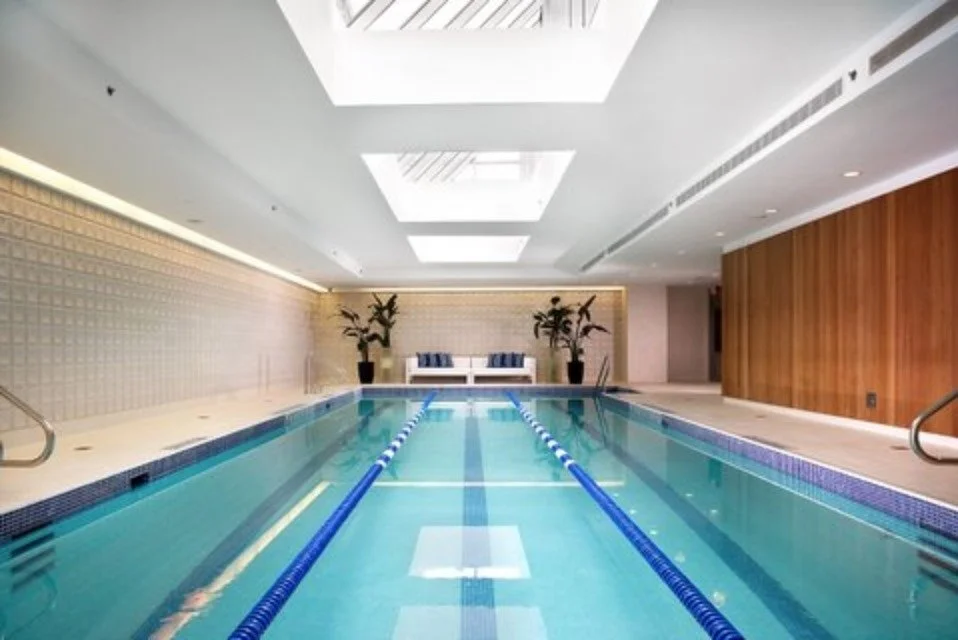
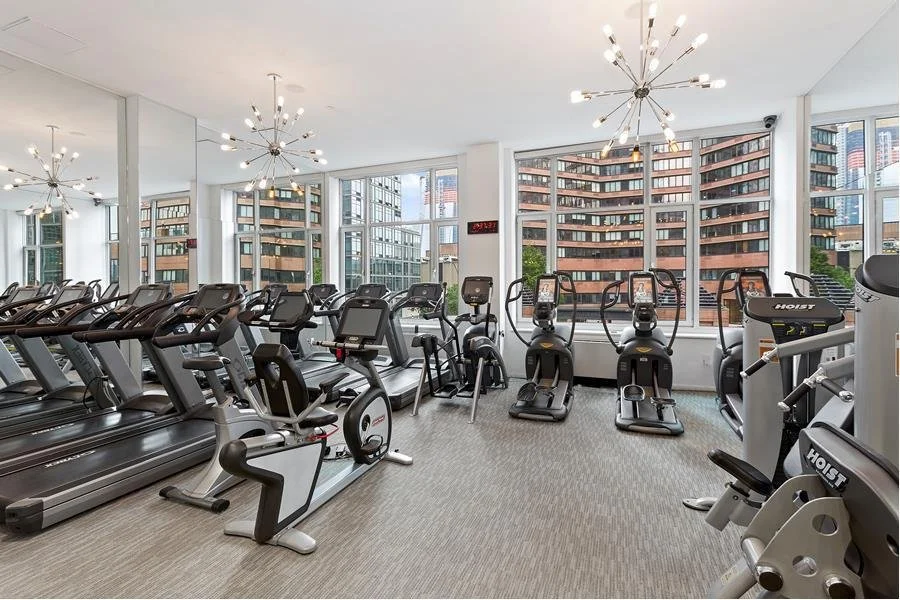
-Doorman
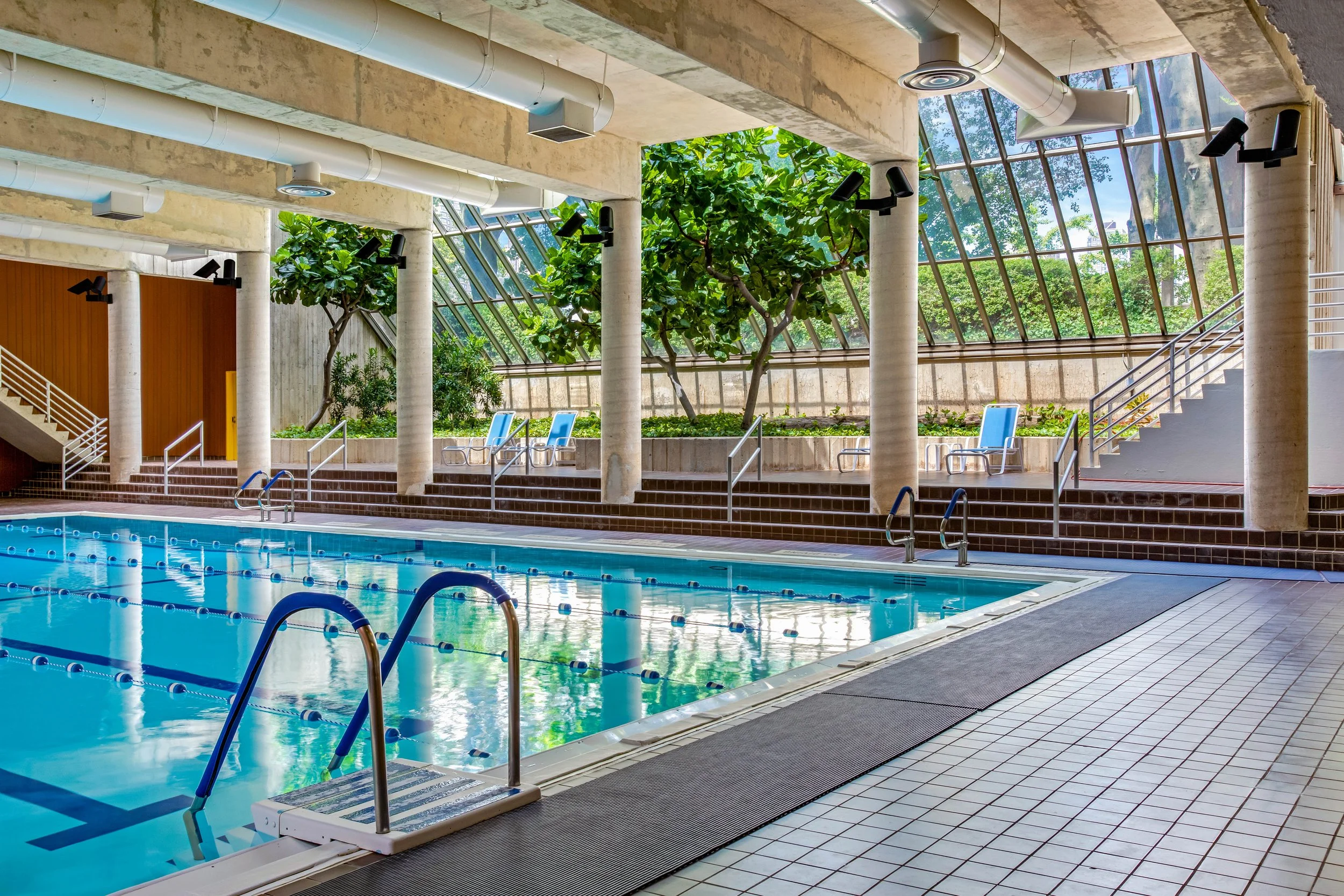
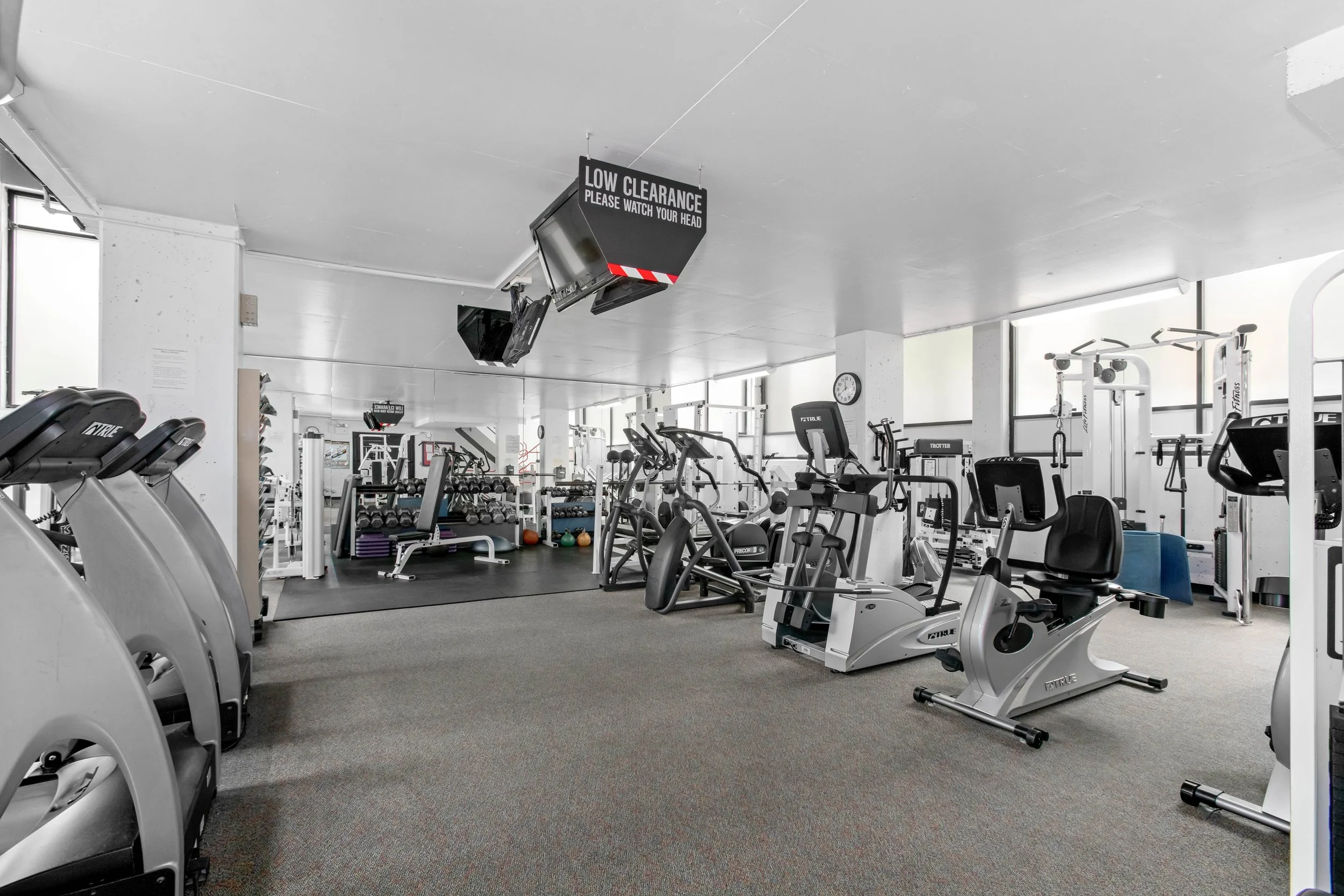
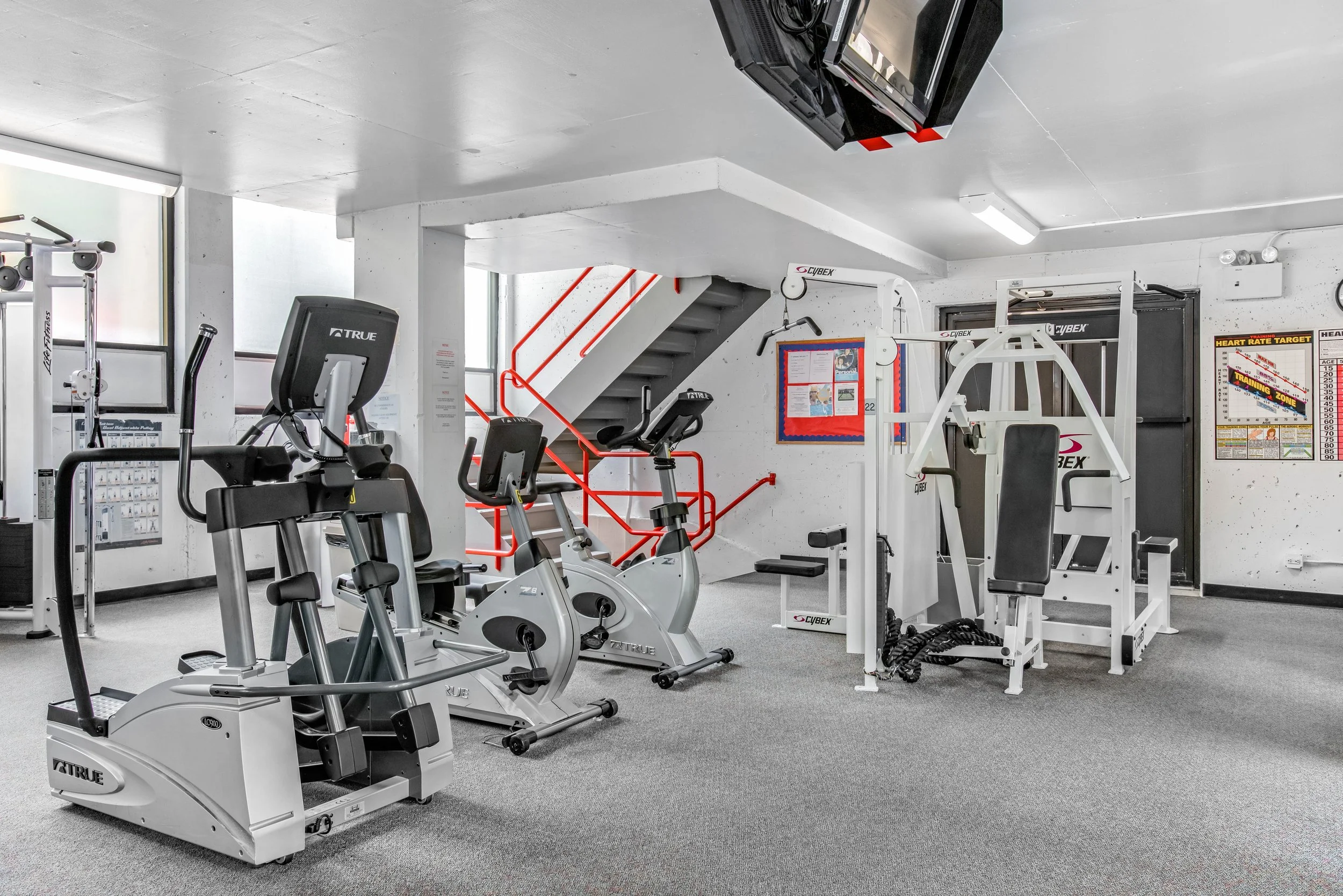
-Two-level state-of-the-art fitness center with saunas
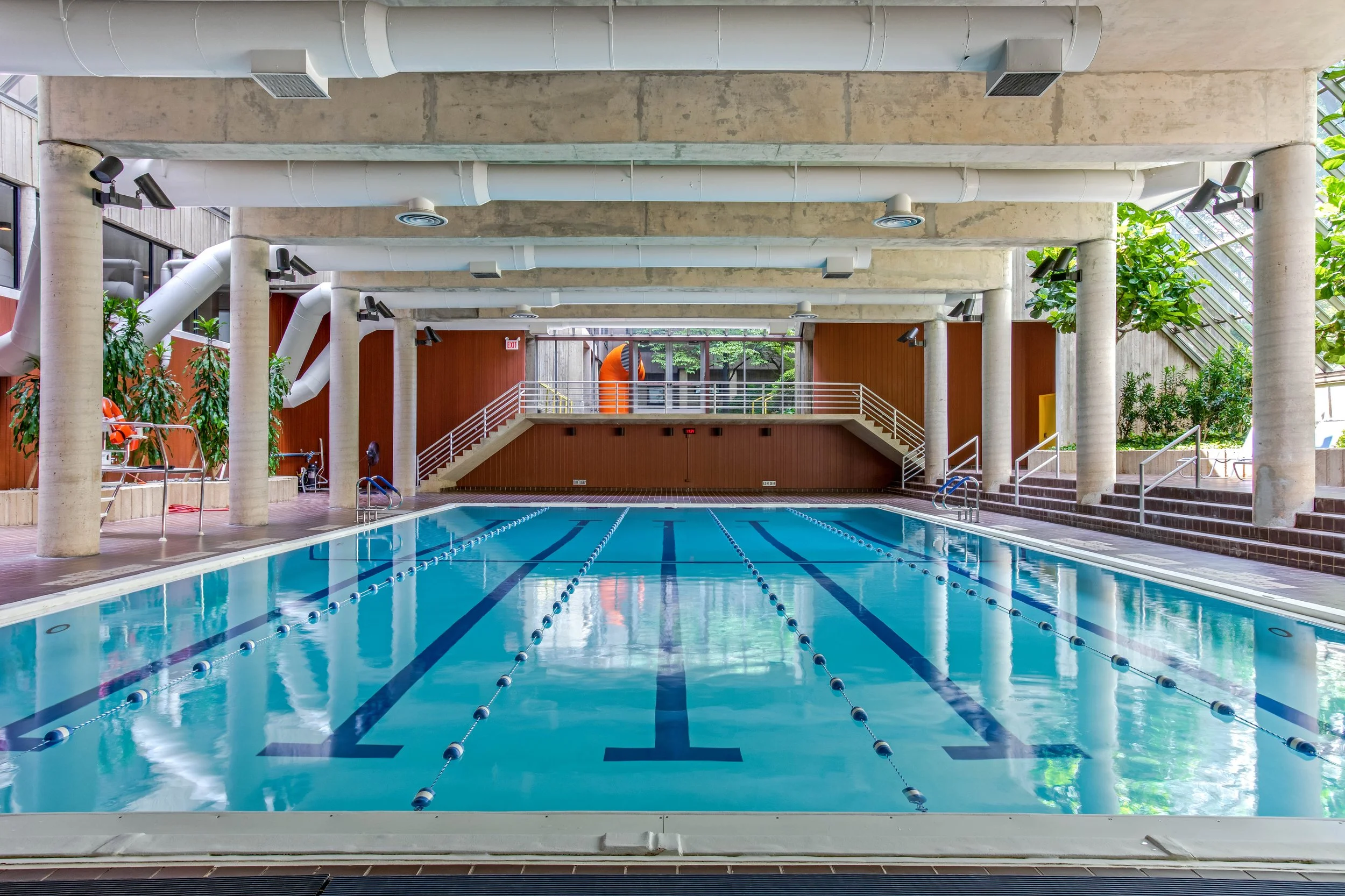
-60-foot-long atrium swimming pool
-Monthly maintenance includes heat, air conditioning, electricity, gas, and water.
______________________________________

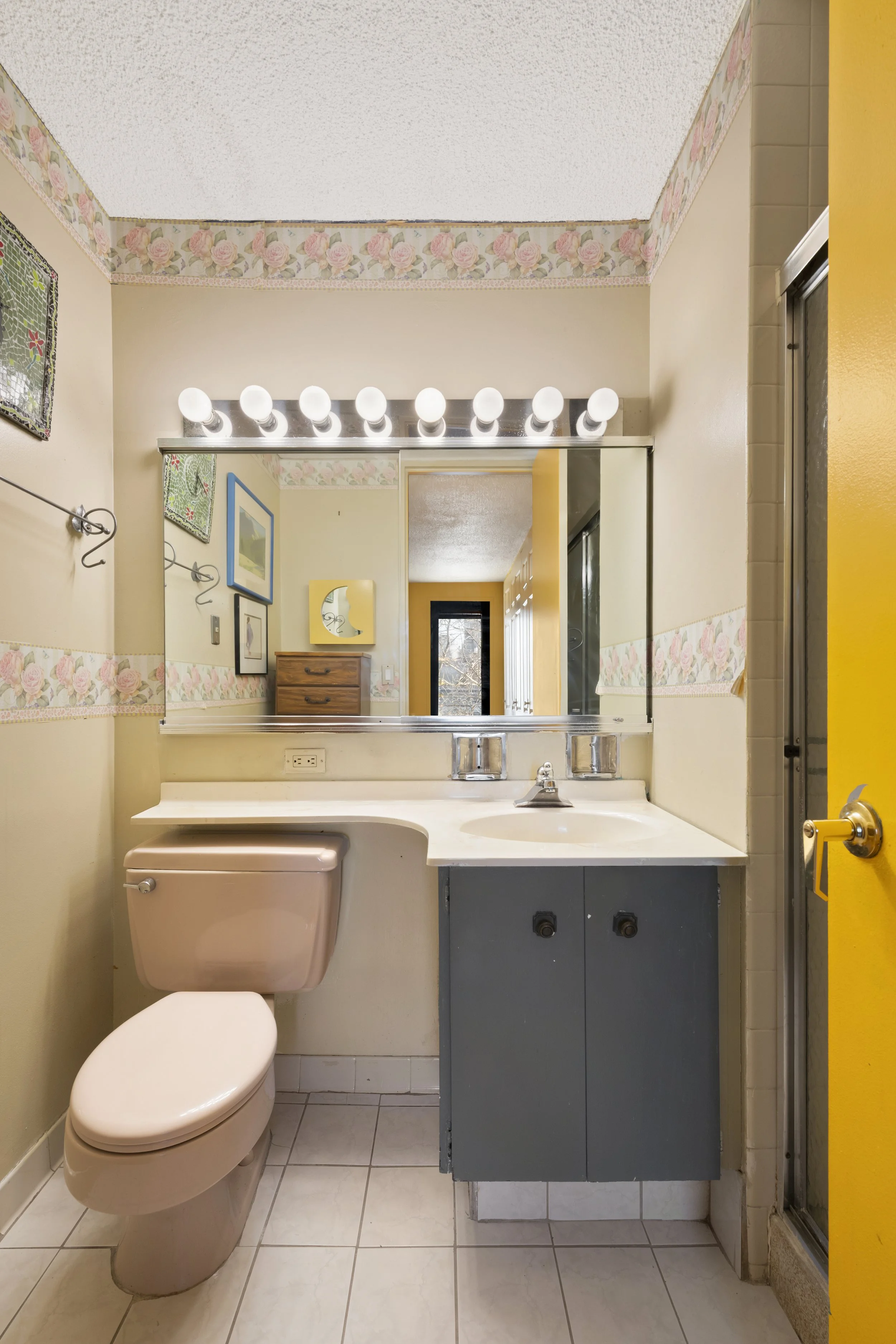
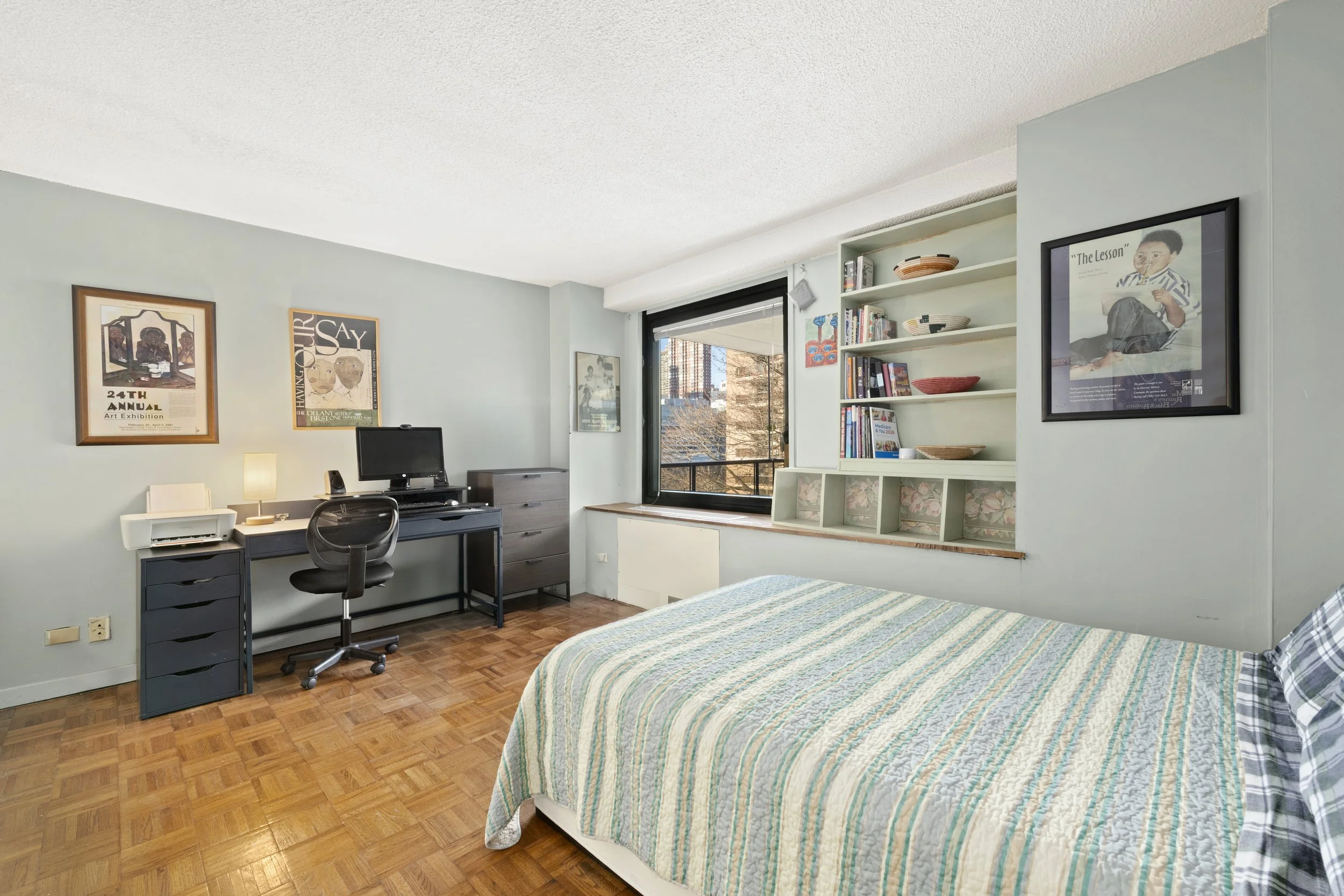
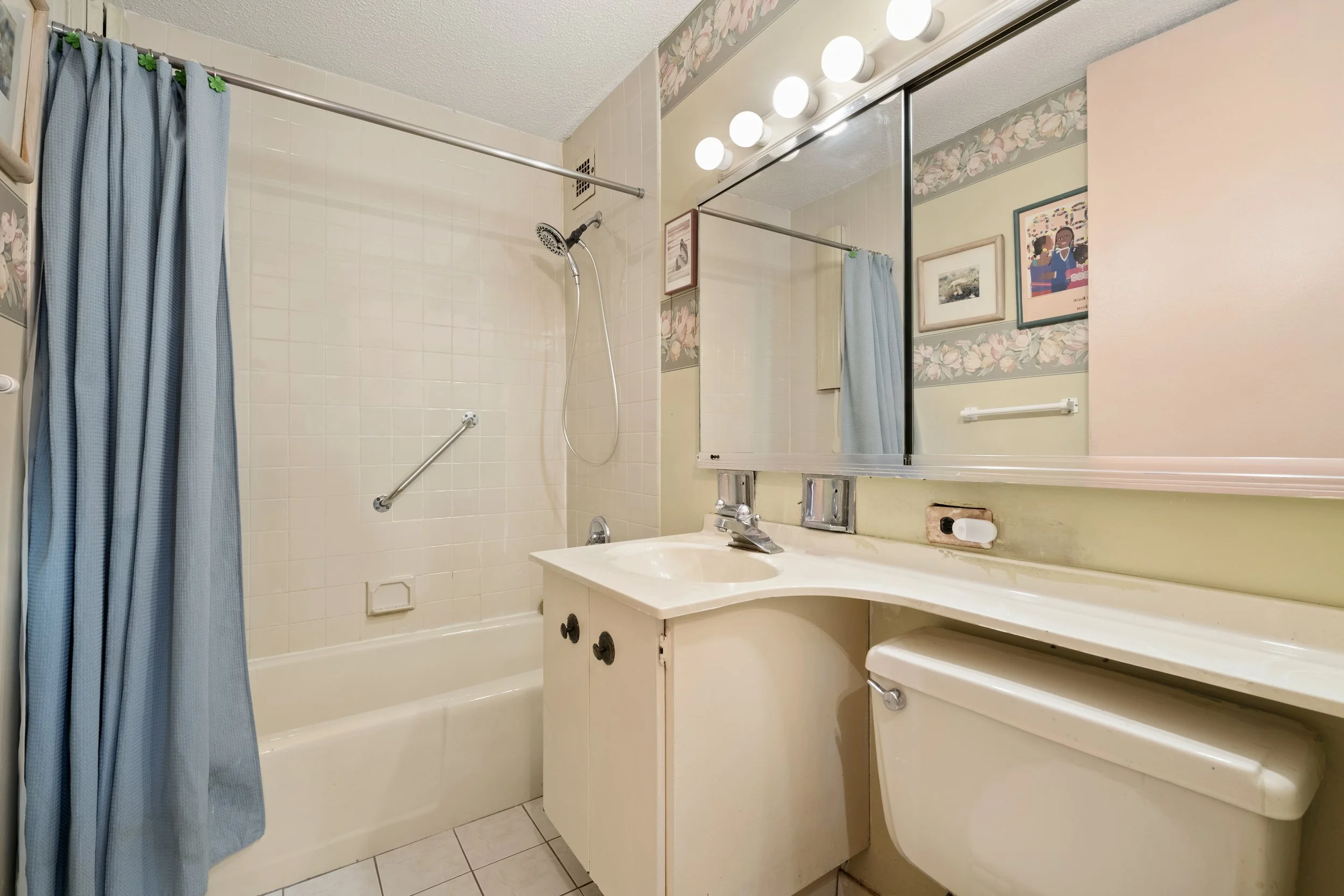
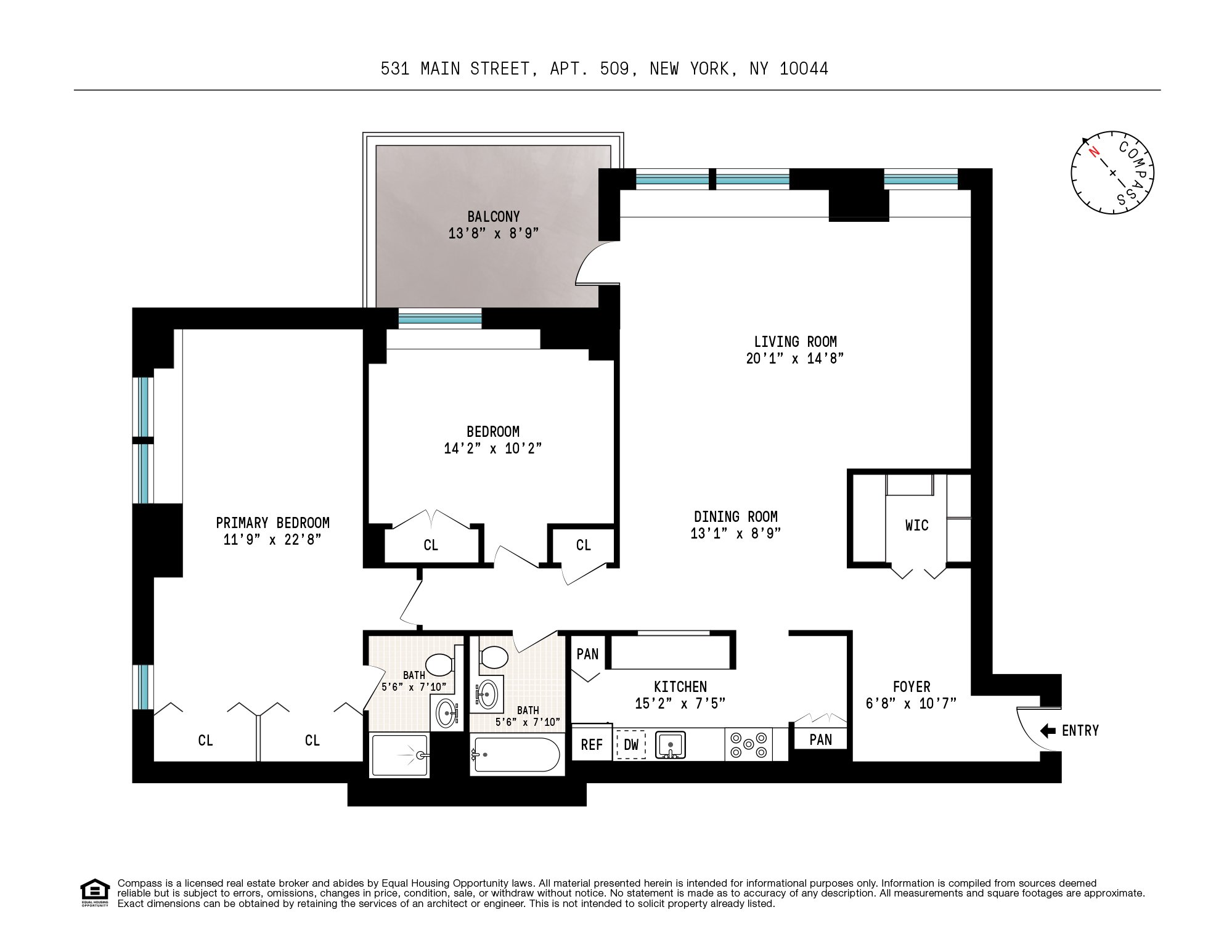
Peaceful, waterfront living awaits in this sunny corner two-bedroom, two-bathroom home with private outdoor space at Rivercross, Roosevelt Island's most revered co-op.

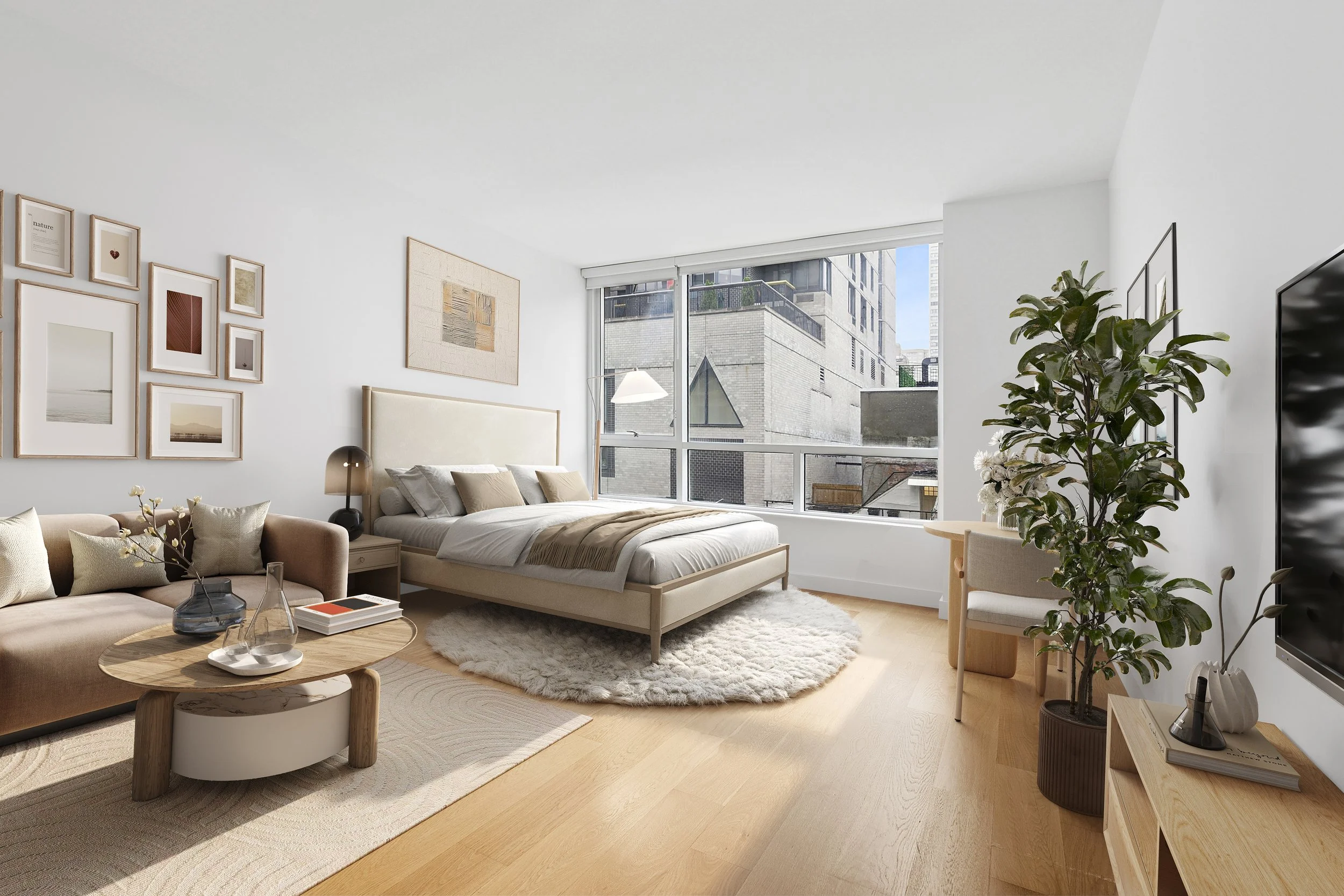
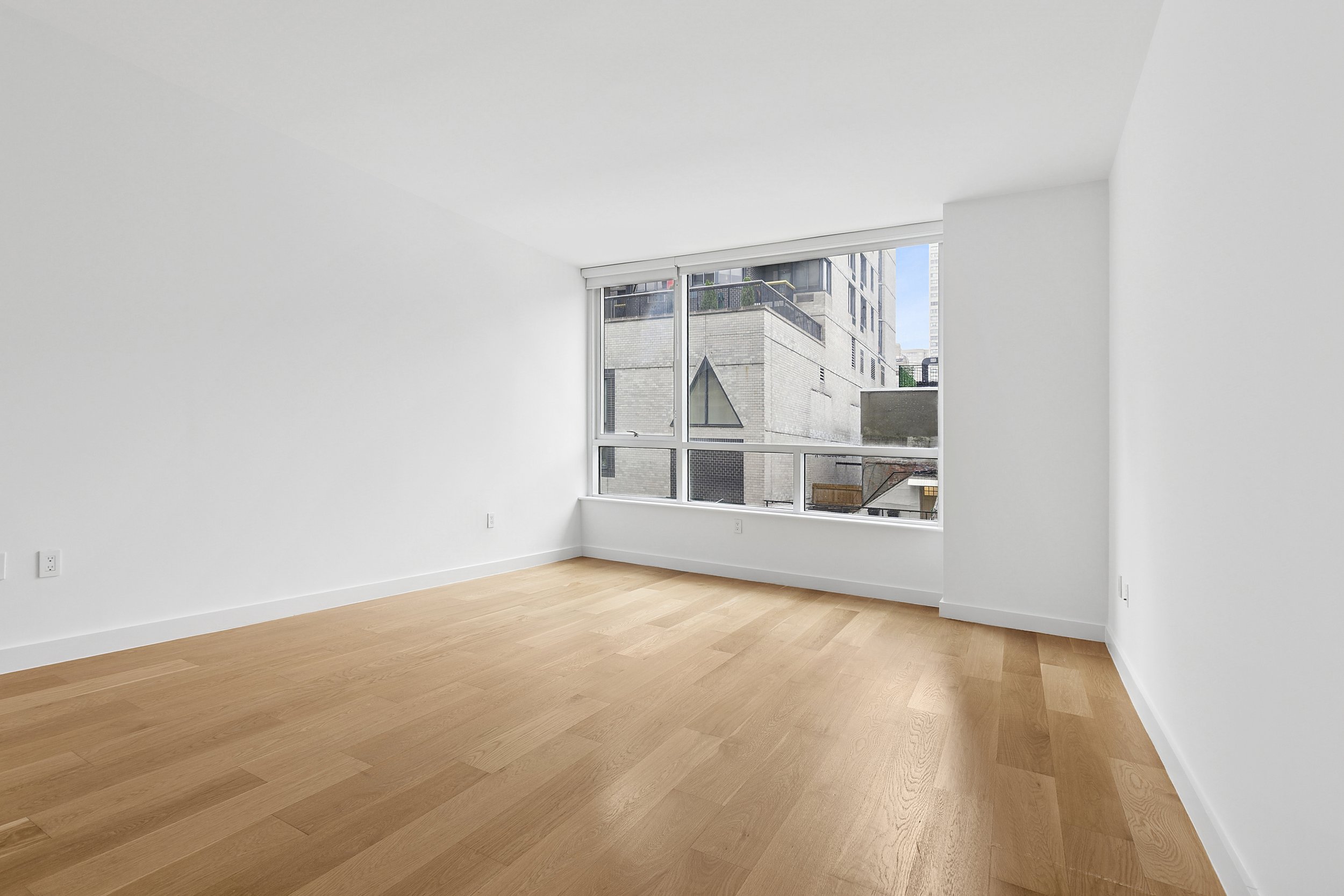
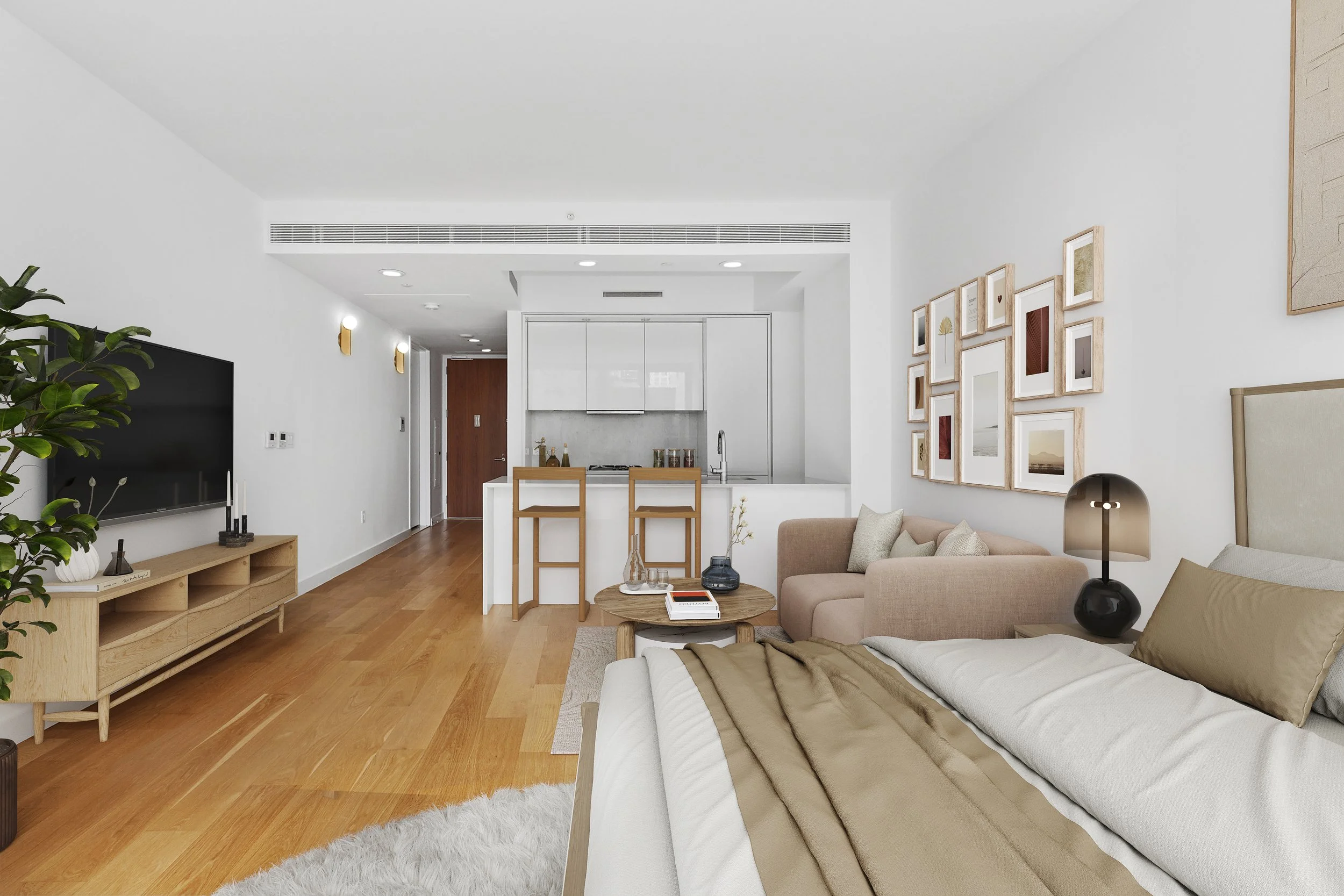
Spanning approximately 1,364 square feet, this spacious and bright home drinks in sunlight thanks to walls of south-facing windows. A gracious foyer invites you into the expansive living room, where you'll enjoy a generous footprint for seating and dining areas. Relax and entertain indoors, or step onto the oversized balcony for al fresco dining overlooking the East River and city skyline. The roomy pass-through kitchen accommodates dinner for one or a dozen with ease thanks to custom cabinetry, a pantry, abundant granite counter space and stainless steel appliances, including a gas range, dishwasher, and built-in hood.

The sprawling owner's suite boasts plenty of space for a king-size bed and a home office, plus a walk-in closet and an en-suite bathroom. The second bedroom delivers balcony views and direct access to the guest bathroom. Additional closets, including another walk-in, mean storage will never be a problem in this exceptional Roosevelt Island home.

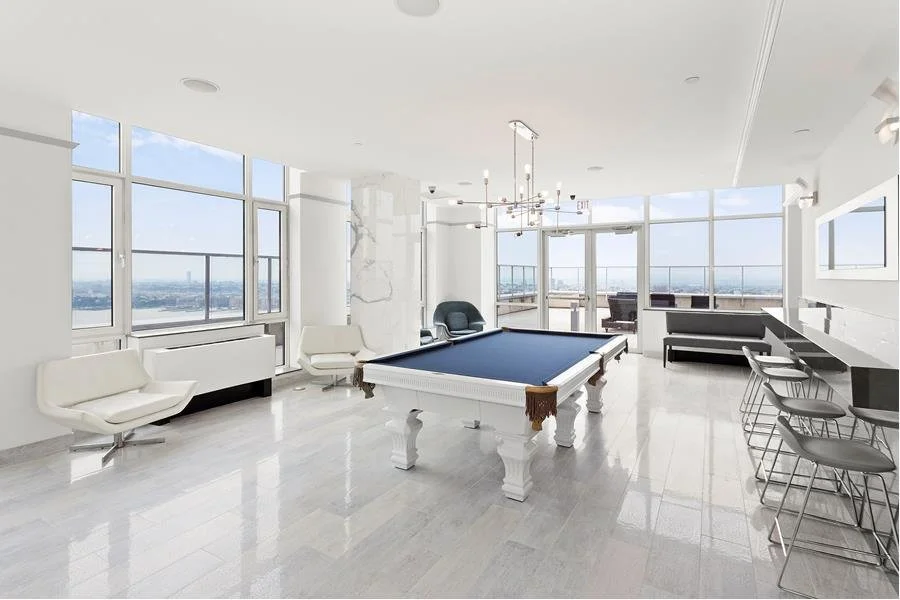
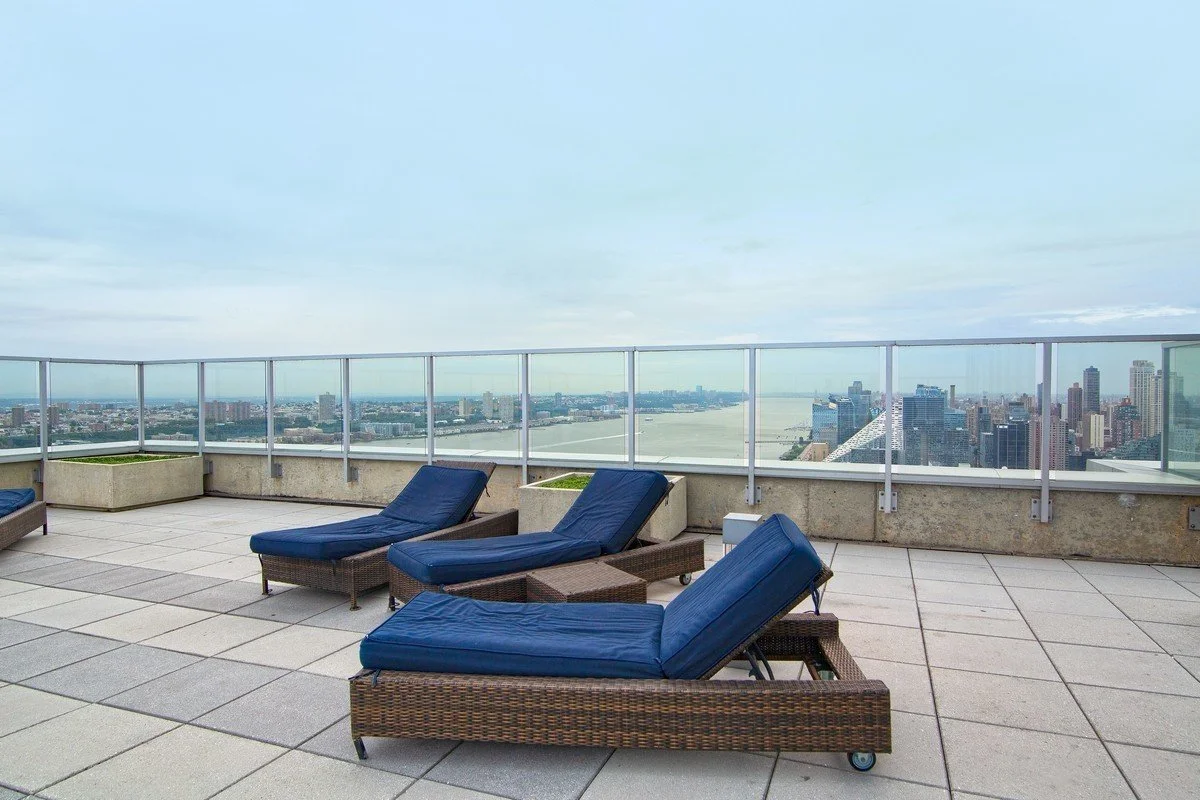
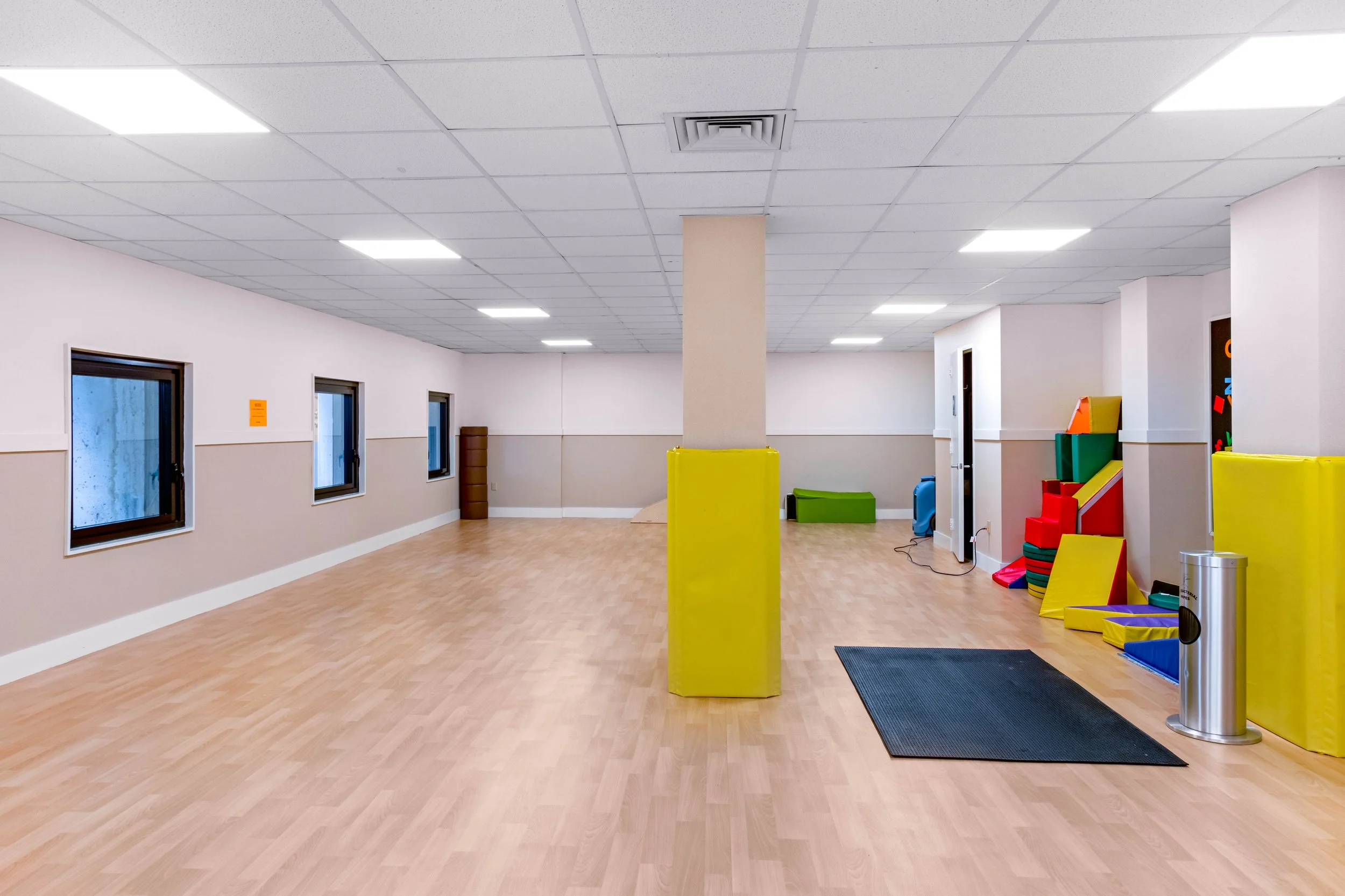
Rivercross is a handsome, well-maintained postwar co-op offering 24-hour doorman and concierge service, live-in superintendent, a playroom, bike room, two large laundry rooms, a two-level state-of-the-art fitness center, saunas, a sun deck and a glorious 60-foot-long atrium swimming pool. Monthly maintenance includes heat and air conditioning, electricity, gas, and water.

On serene and secluded Roosevelt Island, you're surrounded by beautiful waterfront recreation and skyline views. Lovely parks sit alongside an array of local shops and services, including a Starbucks, drug and grocery stores, banks, performance spaces, a New York Public Library and the fantastic new Cornell Tech campus. The iconic Roosevelt Island tram, F subway train and the Roosevelt Island Ferry Terminal provide effortless access to the rest of the city and beyond.

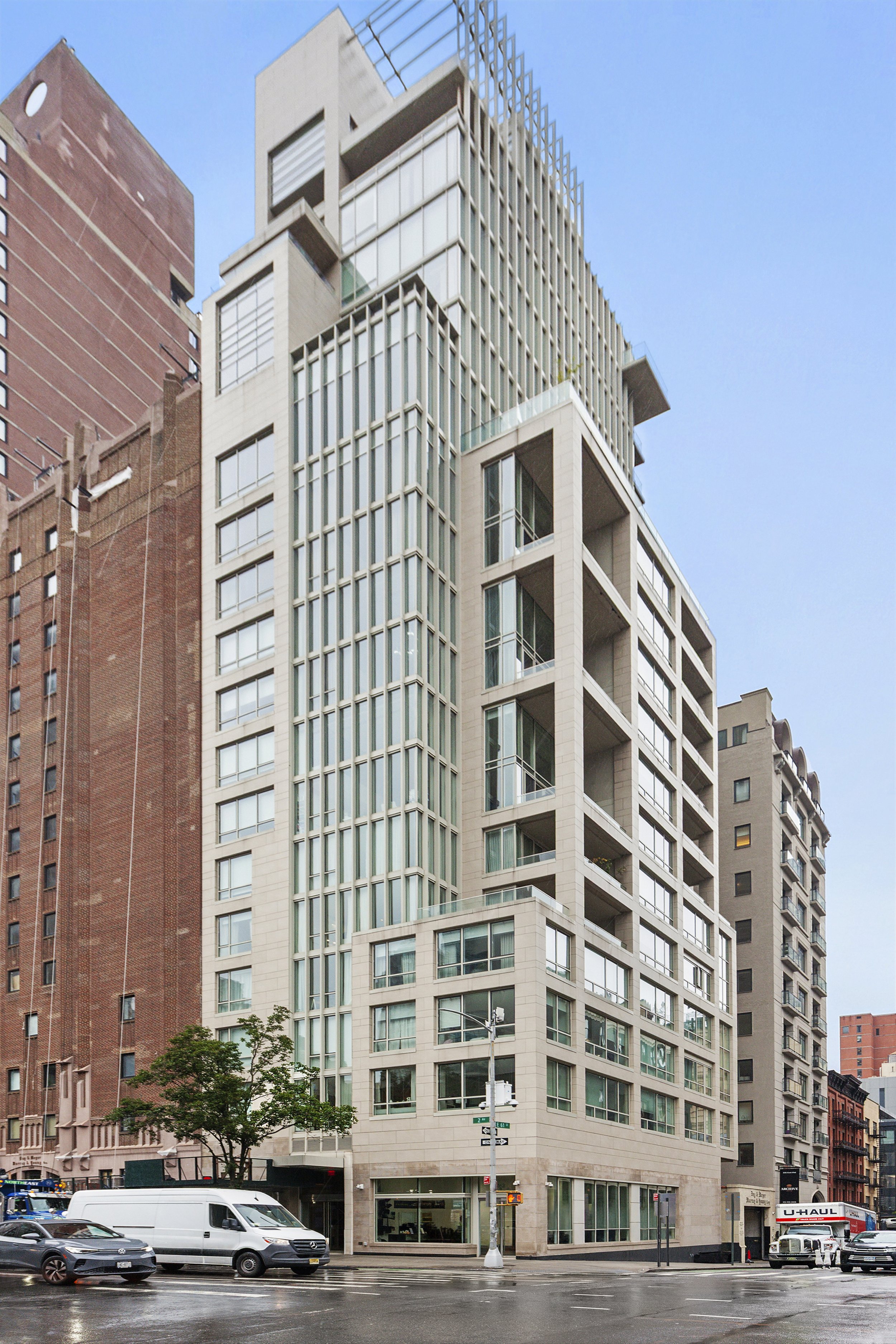
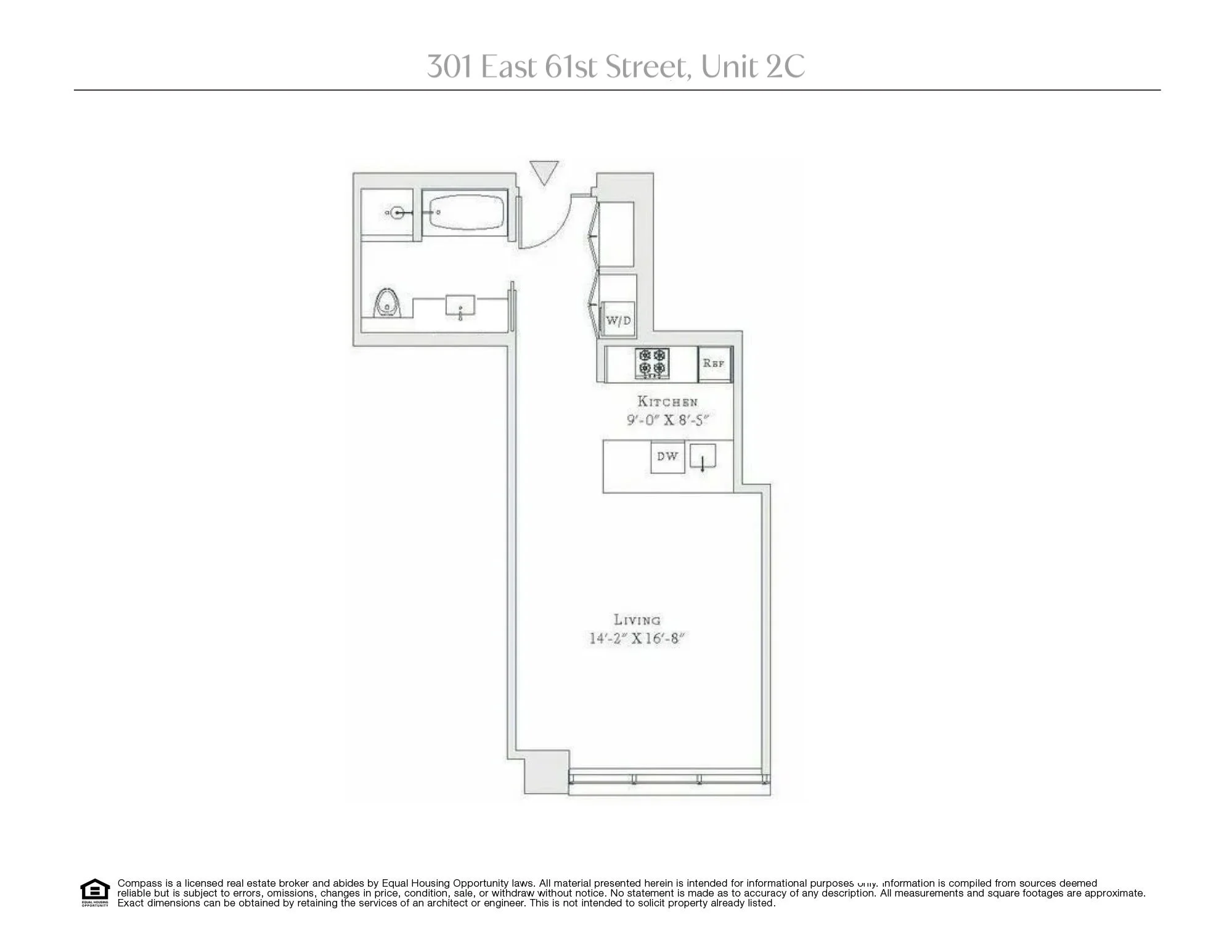
301 East 61st Street, Unit 2C

301 East 61st Street, Unit 2C

Lenox hill, Manhattan

Asking $715,000

Studio  |  1 Bath | Condo


Welcome to Residence 2C at The Clare, a full-service boutique condominium offering just 30 residences for unparalleled privacy and first-class luxury in the heart of Lenox Hill.

This sophisticated studio is bathed in natural light through a wall of oversized windows and features 7-inch wide heated white oak flooring, LED lighting throughout, multi-zone heating and cooling, and radiant heat flooring. Thoughtful details, such as an in-unit washer/dryer, central heating and air, and ample storage, enhance everyday comfort.

The sleek open kitchen is outfitted with a full suite of Miele appliances, framed by custom Poggenpohl cabinetry and quartz countertops. A floating island anchors the space, providing both style and functionality. The spa-like bathroom is finished with Porcelanosa Carrara Blanco–style marble floors and wall tiles, a Kohler soaking tub, a walk-in shower, and generous above- and below-counter storage.

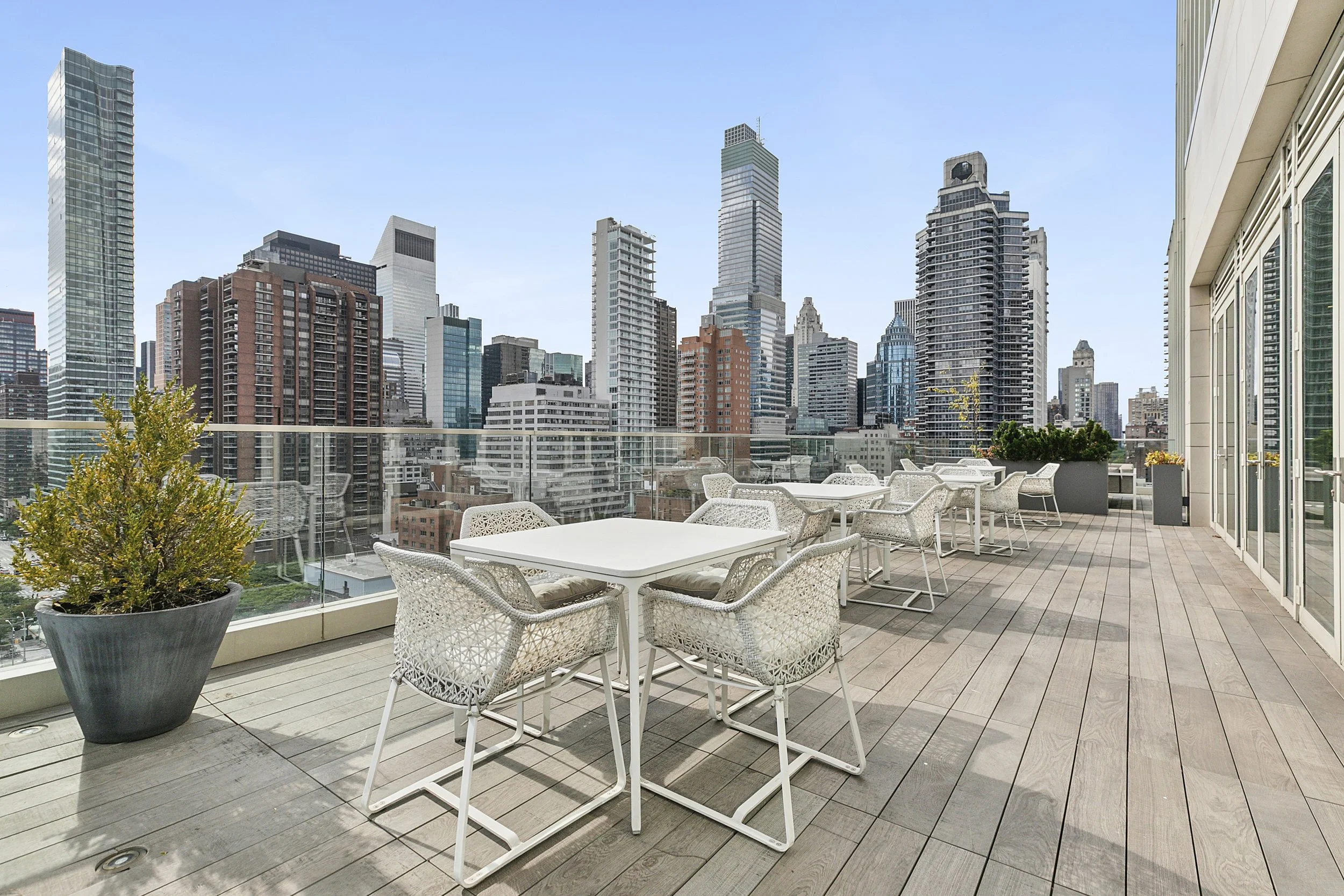
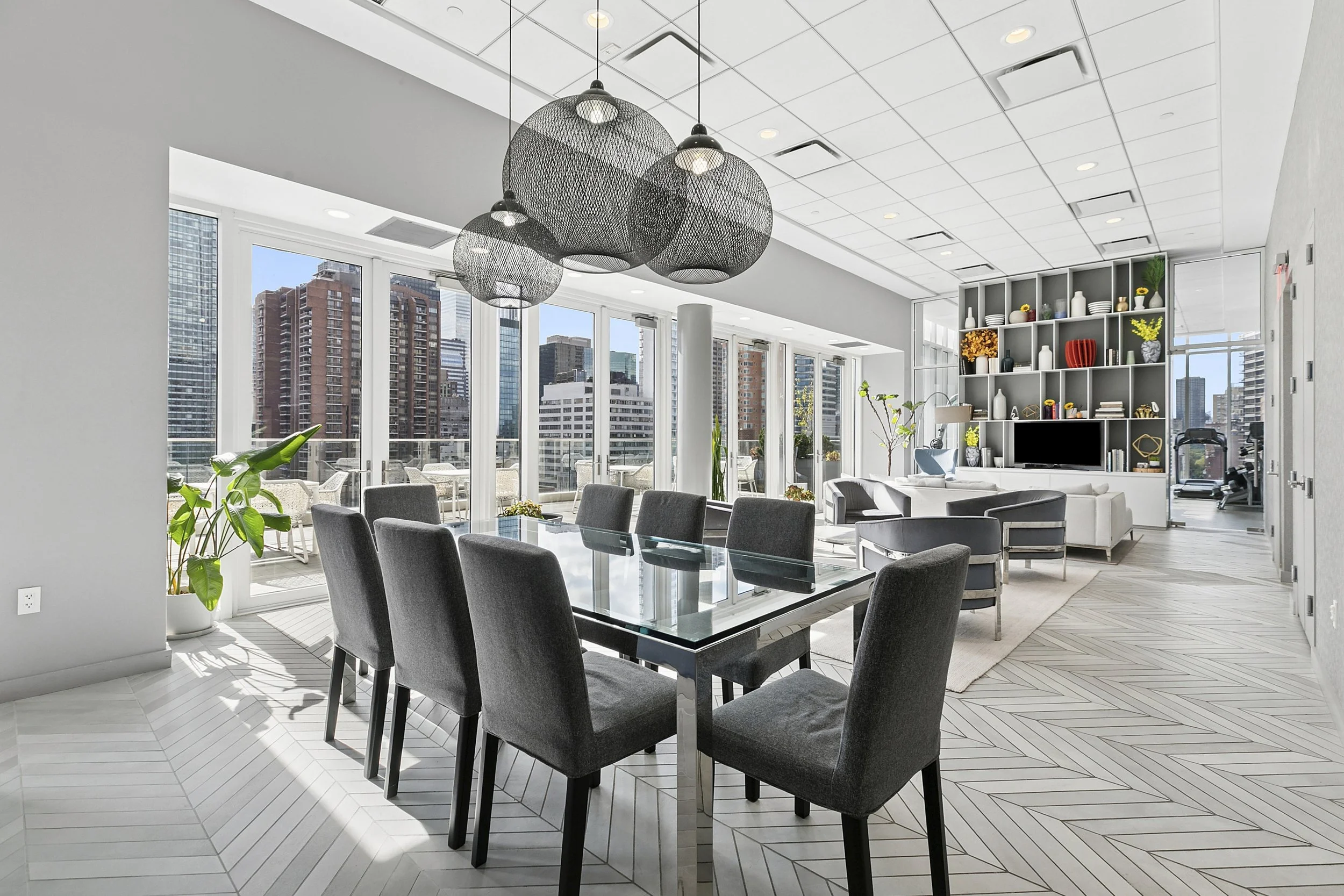
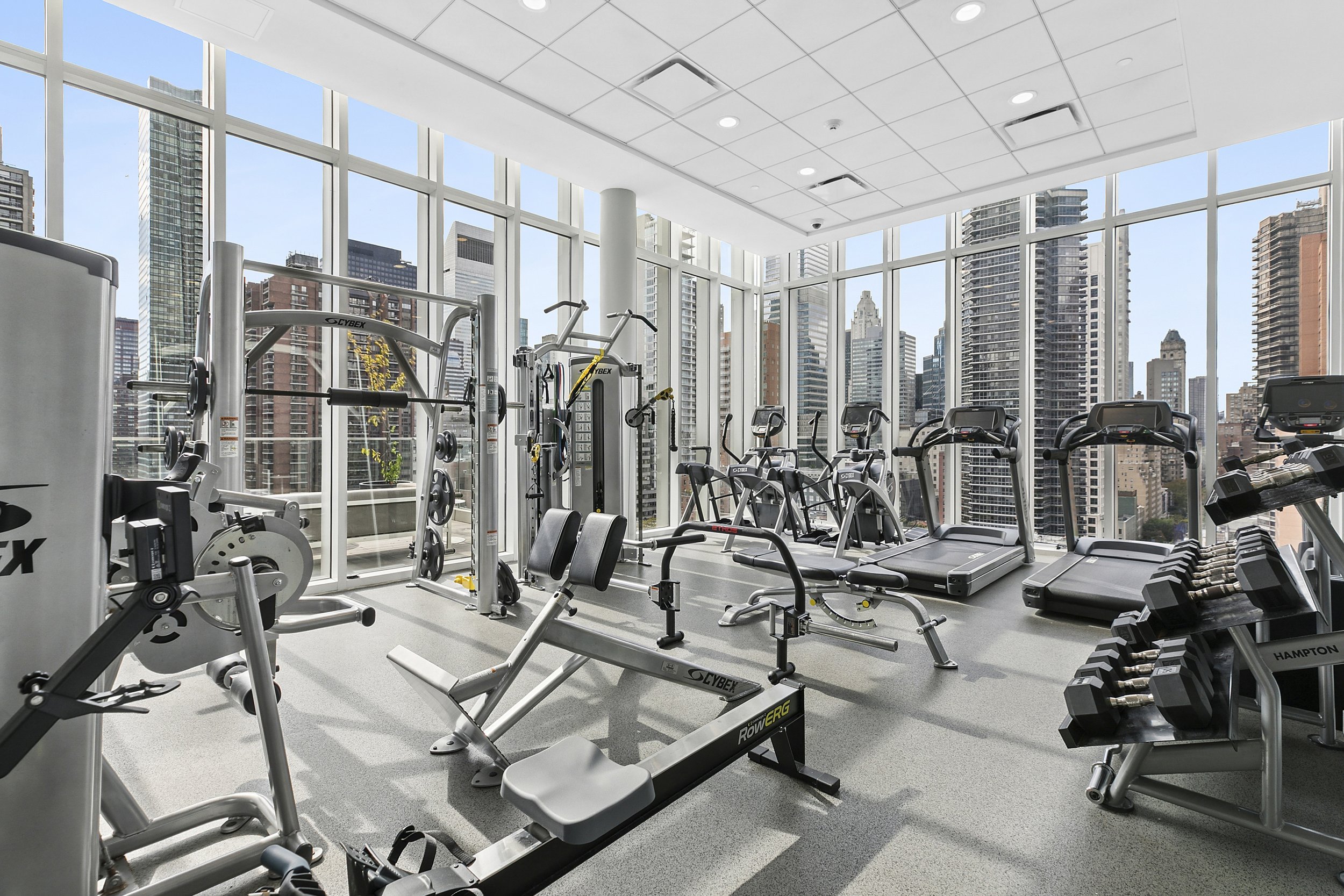
Life at The Clare is elevated by a spectacular amenities floor, highlighted by a 60-foot south-facing terrace, a dramatic lounge with 40 feet of glass doors, a catering kitchen, and a double-height gym wrapped in two walls of glass. A mirrored yoga and stretching room completes the offering. The doorman's hours are 7-11 and overnight from 11-7.

Perfectly located near the Second Avenue Subway, multiple bus lines, and some of the city’s finest restaurants, shops, and medical centers, The Clare delivers both convenience and lifestyle in one of Manhattan’s most desirable neighborhoods.